2027 Most Valuable Computer Science Degree Programs Ranking in Minnesota

Co-Founder and Chief Data Scientist
Choosing the right computer science degree program in Minnesota can shape your future career and open exciting opportunities. This article introduces the 2027 Most Valuable Computer Science Degree Programs Ranking in Minnesota, created by the Research.com team of data scientists to help you make an informed decision.
By exploring this ranking, you'll discover which programs offer the best value, balancing education quality and career potential. A computer science degree can unlock rewarding jobs, innovation, and growth, making it a smart investment in your future.
Take a confident step toward your goals with insights designed to guide you effectively.
Key benefits of getting computer science degree in Minnesota
- High earning potential: Graduates with a computer science degree in Minnesota can expect rewarding salaries, with roles like Software Engineer and Developer earning around $138,110 annually, and Data Analysts earning about $119,040.
- Various career options: A graduate from the University of Minnesota often finds opportunities across software development, IT support, web development, and data analysis, offering flexibility in choosing a path that fits their passion.
- Convenience of online degrees: Completing a computer science degree online from institutions like Minnesota State University allows for flexibility and balancing work or family, while still gaining valuable skills that open doors to competitive jobs in the tech field.
- Key benefits of getting computer science degree in Minnesota
- What can I expect from computer science degree in Minnesota?
- Where can I work with computer science degree in Minnesota?
- How much can I make with computer science degree in Minnesota?
- 2027 Most Valuable Computer Science Degree Programs Ranking in Minnesota
- Key Findings
- How long does it take to complete computer science degree in Minnesota?
- Return on Investment (ROI) Analysis
- What's the difference between online and on-campus computer science degree?
- Return on Investment Analysis for Minnesota Computer Science Degrees
- What is the average cost of computer science degree in Minnesota?
- Key Findings
- What financial aid is available to computer science degree students in Minnesota?
- Key Metrics to Assess Program Value
- What are the prerequisites for enrolling in computer science degree program in Minnesota?
- What courses are typically in computer science degree programs in Minnesota?
- What types of specializations are available in computer science degree programs in Minnesota?
- How do you choose the best computer science degree in Minnesota?
- What career paths are available for computer science degree students in Minnesota?
- What is the job market for computer science degree in Minnesota?
- Related Computer Science Rankings for Nearby States
- Top Trending Computer Science Rankings
- See What Experts Have To Say About Studying Computer Science
What can I expect from computer science degree in Minnesota?
The average cost of pursuing a computer science degree in Minnesota varies depending on the institution. For example, graduates from the University of Minnesota Twin Cities typically reported paying around $15,000 per year for in-state tuition during their undergraduate studies. This public university rate is generally more affordable compared to private institutions, which often have higher tuition fees.
Many students appreciate the financial aid and scholarships targeted specifically at STEM fields, which help alleviate the cost burden significantly. Graduates from Minnesota State University, Mankato, and the University of St. Thomas have noted that these financial supports made advanced technology programs more accessible and manageable within their budgets.
Choosing a program with ABET accreditation is common among students, as it not only assures quality but can also improve eligibility for scholarships, reducing overall expenses further. This economic balance allows students to focus on gaining valuable hands-on experience through internships and research projects rather than worrying excessively about cost.
Where can I work with computer science degree in Minnesota?
Graduates from Minnesota's top institutions like the University of Minnesota and Augsburg University often find themselves quickly integrated into the state's vibrant tech ecosystem. Many secure roles at major corporations such as 3M and Medtronic, where they apply their skills to software development and systems analysis, contributing to cutting-edge innovations in medical devices and industrial automation. Students frequently share how internships arranged through their colleges provide valuable hands-on experience, easing the transition into full-time positions.
The healthcare sector in Minnesota also offers dynamic opportunities. Graduates describe rewarding careers supporting electronic health records and patient data security at renowned centers like Mayo Clinic. Others report excitement working in fintech hubs around Minneapolis with firms like U.S. Bancorp, focusing on cybersecurity and app development that shape digital banking experiences.
Government agencies and educational institutions within the state present reliable employment paths in IT management and network administration. These roles often come with competitive salaries, allowing graduates to feel confident about their professional and financial futures in Minnesota's growing computer science job market.
How much can I make with computer science degree in Minnesota?
Graduates with a computer science degree from universities in Minnesota, such as the University of Minnesota or Minnesota State University, can expect starting salaries typically ranging from $65,000 to $75,000 annually. These figures align with entry-level roles like IT Support Specialist, where the mean annual wage in the state is around $63,640. Those beginning careers in web development often see salaries near $95,570, reflecting the strong demand for technical skills in the Twin Cities metro area.
As graduates gain experience, particularly in high-demand fields such as software engineering or software development, salaries increase substantially. Data from the U.S. Bureau of Labor Statistics indicates mean annual wages for these positions at approximately $138,110, rewarding specialized skills acquired during studies. Data analysts in Minnesota can expect about $119,040 per year, highlighting opportunities in emerging areas like data science.
Many graduates from Minnesota's reputable institutions report positive experiences securing roles that not only offer competitive compensation but also comprehensive benefits. The region's moderate cost of living further enhances the financial advantage for new professionals entering this vibrant tech ecosystem.
2027 Most Valuable Computer Science Degree Programs Ranking in Minnesota
How do we rank schools?
Investing in your education is a significant decision that can shape your future, and the Research.com team understands the importance of making informed choices. To assist prospective students, we have meticulously crafted the "2027 Most Valuable Computer Science Degree Programs Ranking in Minnesota." Our commitment to quality, credibility, and accuracy is reflected in the extensive research and analysis conducted by our team to compile this ranking.
We utilized the following reputable data sources to ensure a comprehensive evaluation of computer science programs:
By exploring this ranking, readers will gain valuable insights into the most valuable computer science degrees in Minnesota, helping them make well-informed decisions about their educational paths. For more details on our methodology, please visit our Research.com methodology page.





# 11 position
Saint Johns University
Bachelor of Science in Computer Science


# 18 position
Southwest Minnesota State University
Bachelor of Science in Computer Science SMSU Marshall


Key Findings
- Minnesota has several respected universities offering computer science programs at both undergraduate and graduate levels.
- In-state tuition at public universities ranges from $15,000 to $20,000 per year, while private schools can charge over $35,000 annually.
- Early-career salaries for computer science graduates average between $70,000 and $80,000 per year.
- Mid- to senior-level positions can earn above $110,000 annually, depending on experience and skills.
- The Twin Cities area is a major tech hub with opportunities in software development, data analysis, cybersecurity, and AI.
- Employment growth in computer science is expected to be faster than average, supported by strong tech and healthcare investments.
How long does it take to complete computer science degree in Minnesota?
In Minnesota, completing a bachelor's degree in computer science typically requires about four years of full-time study, a timeline well-reflected at institutions like the University of Minnesota. Graduates often share how this structured program, aligned with completing 120 to 130 credit hours, allows them to balance coursework with internships, gaining valuable industry experience while progressing efficiently.
Associate degrees from community colleges, such as those in the Minnesota State system, usually take around two years, providing a practical pathway either into the workforce or onto a bachelor's program. Many students appreciate the flexibility and affordability of these options, enabling them to start their careers sooner.
For advanced degrees, Minnesota's master's programs vary between one and two years full-time. Working professionals often choose part-time enrollment, extending completion to over two years but benefiting from adaptable schedules that accommodate employment.
This combination of flexible pacing, relevant internships, and reputable institutions creates a supportive learning environment that many Minnesota computer science students find motivating and rewarding.
Return on Investment (ROI) Analysis
Understanding the return on investment (ROI) of a Computer Science degree in Minnesota is crucial for prospective students aiming to balance educational costs with long-term earnings potential. On average, a four-year bachelor’s degree in Computer Science at a public institution in Minnesota costs approximately $70,180 in tuition and fees for in-state students, while private institutions can exceed $140,000. When juxtaposed with the mean starting salary of $72,000 for entry-level software engineers in the Twin Cities, graduates typically recoup their tuition investment within two to three years of full-time employment. Beyond tuition, it’s important to factor in additional expenses-such as room and board, textbooks, and living costs-when calculating true ROI. Assuming total cost of attendance near $100,000, a graduate earning $72,000 annually can expect a payback period of roughly 18 to 24 months. Net present value (NPV) analyses also demonstrate that higher-tier programs with strong industry ties often yield greater lifetime earnings, despite steeper upfront costs, due to accelerated career advancement and leadership opportunities. To maximize ROI, students should explore financial aid, scholarships, and part-time work-study positions. Minnesota’s universities offer competitive grants and STEM-specific scholarships that can reduce net tuition by up to 40%. Additionally, online and hybrid programs may lower living expenses; for those seeking alternative affordable pathways, consult our Low Cost Computer Science Degree Programs Ranking in Claremont, CA for comparison. Finally, leveraging internships, co-op programs, and undergraduate research not only offsets costs through stipends but also accelerates career progression. Graduates who secure internships at leading tech firms report 20% higher starting salaries than peers without industry experience. By strategically selecting programs with robust employer partnerships and comprehensive financial support, Minnesota students can significantly enhance their ROI and ensure a swift return on their educational investment.
What's the difference between online and on-campus computer science degree?
Online and on-campus computer science degree programs in Minnesota differ primarily in their learning environments and experiences. Online degrees, such as those offered by the University of Minnesota's digital platform, provide flexibility for students balancing work or family by allowing study anytime and anywhere. Graduates often appreciate how this format lets them control their schedule while acquiring essential skills like programming and systems design.
Conversely, on-campus students at institutions like Minnesota State University value in-person interactions with professors and peers, finding that access to advanced labs and collaborative spaces enhances their practical learning. Many describe participating in campus coding clubs and hackathons as rewarding experiences that deepen their technical knowledge and professional networks.
Cost considerations also play a role: while tuition rates for both formats are comparable, online students typically save on commuting and housing, though some may face technology fees. Both pathways lead to respected degrees recognized by Minnesota employers, ensuring graduates are well-prepared for the region's growing tech industry.
Return on Investment Analysis for Minnesota Computer Science Degrees
Calculating return on investment (ROI) is essential when weighing the benefits of a computer science degree in Minnesota. On average, completing a bachelor’s program costs roughly $70,000 in tuition and fees over four years. With a mean starting salary of $65,000 for entry-level roles and a median mid-career salary exceeding $110,000, graduates often recoup their educational investment within 3–5 years. Key factors in ROI assessment:
- Total Cost of Attendance: Sum tuition, fees, living expenses, and opportunity cost of foregone earnings.
- Average Debt Load: Minnesota graduates carry an average of $28,000 in undergraduate debt.
- Salary Trajectory: Entry-level roles such as software developer and web engineer start at $65,000–$75,000, climbing above $100,000 within five years.
- Payback Period: Divide total cost by average annual net income (post-tax earnings minus living expenses). For a total cost of $90,000 and net income of $45,000/year, the payback period is approximately two years. Strategies to improve ROI: 1. Scholarships & Grants: Target merit-based awards and state grants to reduce debt. 2. Internships & Co-op Programs: Paid internships can offset costs and boost starting salary. 3. Online Courses & Dual Enrollment: Community college credits transferability shortens time to degree. 4. High-Demand Roles: Graduates who secure a high-paying coding job often see payback periods under two years. By proactively managing expenses and targeting roles with strong salary growth, Minnesota computer science students can maximize ROI and accelerate financial independence.
What is the average cost of computer science degree in Minnesota?
The average cost of a computer science degree in Minnesota varies notably depending on residency status and institution type. Based on recent data, the median total expenses for obtaining this degree stand at approximately $40,780. In-state students attending public universities benefit from a significantly lower median cost of around $17,214, reflecting public tuition subsidies available to Minnesota residents. Out-of-state students, by contrast, face tuition levels closer to the median out-of-state total cost of $40,780, which aligns with national trends for non-resident fees at U.S. universities.
Graduates from well-known Minnesota institutions such as the University of Minnesota often reflect positively on their investment, valuing the comprehensive education and access to robust research facilities that these costs support. For many, the blend of academic rigor and practical experience justifies the tuition, helping launch successful careers in the tech industry. The average cost of computer science degree in Minnesota should also be considered alongside financial aid opportunities available at these schools, which can substantially reduce out-of-pocket expenses for qualified students.
Prospective students may find it helpful to explore schools offering merit-based scholarships or grants, particularly for STEM fields, to trim overall expenses. Additionally, mindful planning of living costs across Minnesota's diverse urban and college town environments will affect total expenses. For careful consideration of budgeting options, students can refer to rankings of the most affordable computer science schools in Minnesota.
Many students emphasize that understanding Minnesota computer science degree total expenses ahead of enrollment is essential for confidently embarking on this rewarding academic and professional journey.
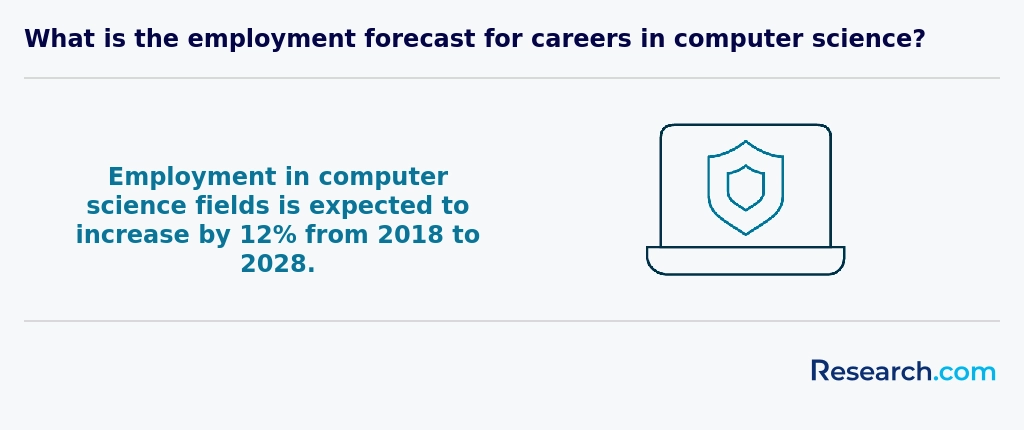
Key Findings
- University of Minnesota leads for value, balancing tuition and top graduate salaries
- Minnesota State University ranks highest in affordability for in-state students
- Private colleges offer generous scholarships, strong alumni networks, and mentorship
- Graduates earn average starting salaries of $75K–$85K across tech, healthcare, and finance
- Average payback period under four years based on median costs and wages
- Flexible online options, including an online ai degree, support diverse learner needs
What financial aid is available to computer science degree students in Minnesota?
Students pursuing computer science degrees in Minnesota have access to a broad spectrum of financial aid options tailored to ease the financial burden of their education. At institutions like the University of Minnesota, federal aid forms the foundation of support, with Pell Grants offering up to $7,395 based on financial need-an essential resource that many successful graduates have depended upon to reduce tuition costs.
In addition, the Federal Supplemental Educational Opportunity Grant (FSEOG) provides extra funds for those with exceptional need, combining effectively with federal loans such as Direct Subsidized and Unsubsidized Loans. These loans offer low interest rates and manageable repayment plans, a financial lifeline frequently praised by computer science students who balance studies with part-time work.
State-level assistance, including the Minnesota State Grant, awards between $500 and $1,800 annually, specifically benefiting STEM undergraduates at public universities. Many Minnesota colleges further enhance affordability through merit-based scholarships, rewarding academic excellence and leadership within the computer science community.
Working professionals benefit from employer tuition assistance programs, enabling part-time or online degree completion while minimizing out-of-pocket expenses-support that graduates describe as crucial to finishing their studies successfully.
Key Metrics to Assess Program Value
When comparing Minnesota’s top computer science programs, focus on measurable outcomes that signal true value:
- Graduation Rate: Percentage of students completing the degree on time
- Post-Graduation Employment Rate: Share of alumni employed in CS roles within six months
- Average Starting Salary: Median income of recent graduates in Minnesota tech jobs
- Student-Faculty Ratio: Smaller classes often mean more personalized instruction
- Industry Partnerships & Internships: Access to paid work experience with companies like 3M or Mayo Clinic
- Accreditation Status: ABET accreditation ensures curriculum meets rigorous standards
- Alumni Network Strength: Active alumni communities can boost job referrals and mentorship
For cost-effective graduate pathways, consider our guide to online data science masters.
What are the prerequisites for enrolling in computer science degree program in Minnesota?
To enroll in a computer science degree program in Minnesota, applicants typically must hold a high school diploma or equivalent, such as a GED. A strong foundation in mathematics-covering algebra, geometry, and often calculus or pre-calculus-is essential. Many successful graduates from institutions like the University of Minnesota Twin Cities recall how early mastery of these subjects eased their transition into challenging coursework.
While some familiarity with computer applications or introductory programming is beneficial, it is not universally required. Admissions offices at schools such as Minnesota State University emphasize that strong performance in STEM subjects often weighs heavily in admission decisions, alongside GPA and letters of recommendation.
Standardized test scores like the SAT or ACT remain relevant at some campuses, though an increasing number now adopt test-optional policies, reflecting a positive shift for students who may excel in other areas. Transfer students can expect to need foundational courses like discrete mathematics or programming, ensuring readiness for advanced topics.
Applicants are encouraged to review institution-specific prerequisites carefully, as these shape the academic journey ahead in reputable Minnesota computer science programs.

What courses are typically in computer science degree programs in Minnesota?
Computer science degree programs in Minnesota are designed to build a comprehensive skill set through a progression of carefully structured courses. Graduates from universities like the University of Minnesota often recall starting with core classes in programming languages such as Python, Java, and C++, which provide hands-on coding experience essential for solving practical problems. These foundational courses quickly lead into studying data structures and algorithms, enabling students to optimize software performance in real-world applications.
Students soon explore how software interacts with hardware through courses in computer organization and operating systems, which help clarify the complexities behind everyday device functioning. Many also appreciate taking classes on software engineering principles and database management systems, preparing them to design scalable, reliable applications-a key demand in Minnesota's growing tech sector.
Specialized electives in cybersecurity and artificial intelligence reflect the state's evolving industry needs. Graduates describe the excitement of learning how to safeguard networks or develop machine learning models during internships and capstone projects, experiences that solidify their readiness for Minnesota's competitive job market.
What types of specializations are available in computer science degree programs in Minnesota?
Students pursuing a computer science degree specializations in Minnesota encounter diverse focus areas tailored to the state's robust tech and industrial landscape. Graduates from prominent institutions such as the University of Minnesota and Minnesota State University often reflect on their enriching experiences in specializations like software development, where they master programming languages and develop applications that support local businesses. Data Science and Analytics attract those interested in healthcare and finance sectors, both strong in Minnesota, offering practical skills in machine learning and big data that align with career market demands.
Other popular specializations include cybersecurity, responding to the increasing need for protecting digital assets across industries, and artificial intelligence and machine learning, which are growing fields backed by Minnesota's investments in innovation. Students engaged in human-computer interaction report rewarding projects designing user-friendly interfaces, while those focused on networks and systems gain expertise essential for supporting institutional infrastructures. These Minnesota computer science program focus areas equip students to confidently pursue a rewarding coding job locally and beyond.
How do you choose the best computer science degree in Minnesota?
Choosing the best computer science degree in Minnesota requires examining programs that match your career ambitions and academic preferences. Focus on universities with robust curricula covering software development, data science, and cybersecurity, such as the University of Minnesota Twin Cities, where graduates often share enthusiasm for engaging coursework and access to local tech partnerships. These connections enhance practical learning and job readiness, which are critical in Minnesota's competitive tech landscape.
Affordability is another key factor, especially when researching affordable computer science colleges in Minnesota. Public schools typically offer lower tuition rates for residents, which current students find essential for managing costs without sacrificing quality. Additionally, accreditation by ABET ensures programs meet rigorous standards, positively influencing employment prospects. Graduates from Minnesota programs commonly report starting salaries over $70,000, reflecting the state's thriving tech industry and strong employer demand.
For comprehensive guidance on cost-effective education choices, you may explore options on the Low Cost Computer Science Degree Programs Ranking in Claremont, CA, which offers insights transferable to Minnesota students' planning.

What career paths are available for computer science degree students in Minnesota?
Graduates with a computer science degree in Minnesota often pursue diverse roles reflecting the state's vibrant tech landscape. Popular jobs with a computer science degree Minnesota include software developers who create innovative applications for companies in healthcare and finance, earning competitive salaries near $95,000 annually. Data scientists, especially from universities with strong research programs, find rewarding opportunities analyzing large datasets in retail and medical fields, contributing to Minnesota's growing data economy. Cybersecurity analysts addressing rising digital threats enjoy positions with salaries ranging from $70,000 to $110,000, while systems analysts improve operational efficiency in financial institutions and logistics companies. Many graduates from well-regarded colleges in the state feel confident leveraging their education to secure IT project manager roles, combining technical expertise with leadership skills to guide complex initiatives.
Students at universities popular for their computer science programs value Minnesota's supportive environment, which offers internships and co-op placements that enhance real-world experience. Those seeking accelerated career paths often explore options like the best accelerated bachelor's degree online to boost their qualifications and advance swiftly. This comprehensive ecosystem sustains robust computer science career opportunities in Minnesota.
What is the job market for computer science degree in Minnesota?
The computer science job opportunities in Minnesota remain highly favorable for graduates, especially those from renowned schools like the University of Minnesota and Minnesota State University. Graduates often share how internships and cooperative education programs provided by these universities have been pivotal in securing roles with leading tech firms based in the Twin Cities. These positions range from software development to information security, reflecting the diverse employment landscape.
Minnesota's strong presence in sectors such as health care and financial services furthers job prospects for computer science degree holders. The state's 22% projected growth in computer and information technology occupations through 2030 underscores the demand for skilled professionals. Median salaries near $110,000 reinforce the appeal of pursuing such degrees locally. Many graduates find the robust connection between industry and academia crucial in navigating the competitive market.
For students balancing career advancement with education costs, Minnesota offers accessible tuition rates and practical pathways. Those seeking flexible study options may explore degree programs for seniors online that align with professional goals and workloads.
Frequently Asked Questions About computer science
Students pursuing computer science degrees in Minnesota can enhance their education by engaging in internships with local tech companies, as the state hosts a growing tech sector with firms like Microsoft and IBM. According to the Minnesota Department of Employment and Economic Development, computer science jobs in the region are projected to grow by over 15% through 2030.
Participating in research projects at universities such as the University of Minnesota allows students to apply theoretical knowledge practically. Joining coding clubs and hackathons, common on many campuses, helps develop problem-solving skills and networking opportunities.
Utilizing resources like the Minnesota High Tech Association can also connect students to mentors and industry events.
The computer science field in Minnesota is rapidly evolving with several emerging niches gaining significant attention. Areas like artificial intelligence (AI), machine learning, and data science are expanding due to high demand across industries including healthcare and finance, which are prominent in the state. According to the Minnesota Department of Employment and Economic Development, jobs related to AI and data analytics are projected to grow by over 15% through 2028.
Cybersecurity is another vital niche, driven by the need to protect digital infrastructure amid rising cyber threats. Additionally, cloud computing and software development for Internet of Things (IoT) devices are growing fields, supported by Minnesota's tech startups and established companies.
Graduates with a computer science degree in Minnesota should focus on gaining practical experience before entering the job market. Internships and cooperative education programs offered by universities like the University of Minnesota significantly improve employability. According to the Minnesota Department of Employment and Economic Development, demand for software developers in the state is expected to grow by 15% from 2022 to 2032, well above average for all occupations.
Networking is also crucial. Joining organizations such as the Minnesota chapter of the Association for Computing Machinery (ACM) helps students connect with local tech professionals. Additionally, obtaining relevant certifications in areas like cloud computing or cybersecurity can boost a candidate's marketability. Employers increasingly value skills proven through projects and portfolios alongside academic credentials.
Employers in Minnesota seek computer science graduates with a strong foundation in programming languages such as Python, Java, and C++. These skills are essential for developing software and managing complex systems. According to the Minnesota Department of Employment and Economic Development, proficiency in data structures and algorithms is highly valued, as it enables efficient problem-solving in real-world applications.
Beyond technical expertise, communication and teamwork skills are crucial. Many roles involve collaborating within multidisciplinary teams, so employers prioritize graduates who can clearly explain technical concepts to non-technical stakeholders.
Knowledge of cloud computing, cybersecurity, and data analysis is increasingly important due to Minnesota's growing tech and health sectors.
Finding internships in Minnesota related to computer science begins with leveraging university career centers, which often have dedicated resources and partnerships with local tech companies. Many Minnesota schools, including the University of Minnesota and Minnesota State schools, offer internship placement programs tailored for computer science students.
Students should also explore job portals such as Handshake and LinkedIn, which list regional internship opportunities. The Twin Cities area hosts a thriving tech scene with companies like Target, Microsoft, and smaller startups that frequently offer internships in software development and IT.
According to the Minnesota Department of Employment and Economic Development, technology occupations in the state are projected to grow faster than average, increasing internship availability. Networking events, hackathons, and career fairs hosted by organizations like Minnesota High Tech Association can connect students directly with employers.
Finally, applying early and tailoring applications to address specific skills sought in Minnesota's job market enhances chances of securing competitive internships.
Earning a computer science degree in Minnesota significantly enhances career mobility and advancement opportunities. According to the Minnesota DEED (Department of Employment and Economic Development), the state expects computer and information technology jobs to grow by 15% through 2030, faster than the national average.
This growth drives demand for skilled professionals, making degree holders more competitive for roles such as software developers, data analysts, and IT managers. A degree often serves as a minimum requirement for many employers in Minnesota's expanding tech sector, particularly in the Twin Cities area.
Graduates report higher starting salaries and quicker promotions compared to those without degrees, reflecting the value recruiters place on formal education combined with technical skills.
Studying for a computer science degree in Minnesota offers strong preparation for interdisciplinary roles by combining rigorous technical training with opportunities to collaborate across fields. Many Minnesota universities incorporate coursework that integrates computer science with areas like healthcare, engineering, and business, reflecting the state's diverse economy.
The University of Minnesota, for example, offers programs that emphasize data analytics and bioinformatics, enabling students to work on real-world problems that require cross-disciplinary knowledge. According to the U.S. Bureau of Labor Statistics, Minnesota's STEM job growth is projected at 9% from 2020 to 2030, highlighting demand for versatile graduates.
Additionally, partnerships with local industries and research centers provide practical experience, equipping students to apply computing skills in varied professional contexts.
Choosing between a thesis and a non-thesis computer science degree in Minnesota depends largely on your career goals. Thesis programs emphasize research, preparing students for Ph.D. studies or roles in academic and research labs. They typically require completing an original research project under faculty supervision. Non-thesis options focus more on coursework and practical skills, often appealing to those aiming for industry positions or professional development.
According to the Minnesota Office of Higher Education, about 30% of graduate CS students at major institutions choose thesis tracks. Consider whether you prefer hands-on research or applied learning. Also, thesis programs may take longer to complete and involve writing a formal thesis.
Evaluating your long-term goals and consulting Minnesota university advisors can help you decide which path suits your needs best.
Students in Minnesota pursuing computer science degrees have several opportunities to study abroad through partnerships between their home institutions and foreign universities. For example, the University of Minnesota offers exchange programs with schools in Europe, Asia, and Australia, allowing students to earn credits toward their degree while immersed in an international environment.
Many Minnesota colleges participate in consortiums that facilitate student mobility and summer study abroad programs focused on technology and innovation. These experiences expose students to global industry trends and diverse computing challenges.
According to the Institute of International Education, American students increasingly seek STEM-related study abroad, reflecting demand for global skills in computer science fields.
Financial aid and scholarships are often available, making overseas study more accessible for Minnesota students.
Part-time job opportunities in Minnesota can significantly enhance the educational experience for computer science students. Internships or roles in local tech companies, especially in the Twin Cities, provide practical experience with programming, software development, and data analysis. According to the Minnesota Department of Employment and Economic Development, tech-related jobs in the state are expected to grow by 9.6% from 2022 to 2032.
Positions such as junior developer, IT support technician, or data entry analyst allow students to apply classroom concepts while building a professional network. Additionally, freelance web development and tutoring in computer science subjects are common flexible options. These roles strengthen practical skills and improve employability after graduation.
Computer science students in Minnesota benefit from a variety of networking opportunities that connect them with industry professionals and peers. The state hosts numerous technology-focused events such as Twin Cities Tech Meetup and Minnebar, where students can engage with local experts and startups.
The University of Minnesota, a major hub for computer science education, offers career fairs and alumni networking sessions attracting top tech companies like 3M and Target. According to TechMN, Minnesota's tech sector employs over 100,000 workers, providing ample internship and job shadowing openings.
Local chapters of national organizations like ACM and IEEE also facilitate student networking through workshops and conferences.
Alumni networks play a crucial role in supporting computer science students in Minnesota. Graduates from local programs often stay connected through organized events and online platforms, fostering a strong community.
These networks provide valuable mentorship opportunities, connecting current students with experienced professionals. This can help students gain real-world insights and guidance on career paths.
Additionally, alumni frequently share job leads and internship openings within the Minnesota tech industry, which is growing rapidly due to hubs like the Twin Cities. According to the Minnesota Department of Employment and Economic Development, technology jobs are projected to grow by 12% through 2030.
Colleges like the University of Minnesota emphasize leveraging their alumni network to boost student employment prospects and professional development.
Students pursuing a computer science degree in Minnesota have multiple options to tailor their studies according to their career ambitions. Many universities offer elective courses and specializations such as artificial intelligence, cybersecurity, data science, and software engineering. According to the Minnesota Department of Employment and Economic Development, cybersecurity roles are growing rapidly, reflecting the demand for focused skills.
Internships and cooperative education (co-op) programs available through Minnesota institutions provide practical experience and industry connections. Additionally, some schools allow students to design independent study projects or complete capstones aligned with specific career paths.
Networking opportunities in tech hubs like the Twin Cities enhance career readiness. Exploring minors or double majors in related fields such as business or mathematics further broadens expertise to meet employer expectations in Minnesota's evolving tech job market.
Computer science students in Minnesota often face several common challenges during their studies. One major difficulty is managing the demanding coursework, which includes complex programming languages and mathematical concepts that require consistent practice and problem-solving skills. According to the University of Minnesota's College of Science and Engineering, many students report stress linked to balancing project deadlines and exams.
Another challenge is gaining practical experience. While Minnesota's tech industry is growing, with hubs like Minneapolis-St. Paul supporting startups and large companies, competition for internships remains strong. This can make it tough for students to find quality opportunities that align with their education.
Finally, diversity remains a concern. National statistics show that women and minorities are underrepresented in computer science fields in Minnesota, reflecting a need for increased support and inclusive programs across state universities.
With a computer science degree from Minnesota, graduates can pursue a variety of professional certifications to enhance their career prospects. Popular options include the Certified Information Systems Security Professional (CISSP) for cybersecurity roles and the Project Management Professional (PMP) for tech project leaders. Another common certification is the Certified Software Development Professional (CSDP), ideal for experienced developers.
Many Minnesota tech employers value certifications in cloud computing such as AWS Certified Solutions Architect or Microsoft Certified: Azure Fundamentals. According to the Minneapolis-St. Paul Regional Economic Development Authority, demand for certified IT professionals in Minnesota is projected to grow 15% through 2030.
The certifications validate specialized skills and often lead to higher salaries and job stability in Minnesota's competitive technology market.
Writing a successful application for a computer science program in Minnesota requires a clear demonstration of your academic strengths and passion for the field. Admissions committees look for strong math and science backgrounds, so highlighting relevant coursework and high GPA is essential. Minnesota hosts notable institutions like the University of Minnesota, which reported receiving over 7,000 STEM applications in 2023, emphasizing competitiveness.
Include detailed experiences such as programming projects, internships, or coding competitions. Clearly explain why you want to study in Minnesota, reflecting knowledge of the region's tech industry growth, supported by sources like the Minnesota Department of Employment and Economic Development.
Finally, prepare strong letters of recommendation and craft a personal statement that connects your goals to the program's strengths. Meeting all application deadlines and submitting standardized test scores, if required, improves your chances.
Computer science careers are increasingly valued worldwide, and Minnesota reflects this trend with strong educational programs and growing job opportunities. According to the U.S. Bureau of Labor Statistics, employment in computer and information technology occupations in Minnesota is projected to grow by 15% from 2021 to 2031, higher than the average for all occupations.
Globally, computer science skills are in demand across industries such as healthcare, finance, and manufacturing. This demand aligns with Minnesota's diverse economy and presence of major tech companies. Many international firms seek graduates with strong problem-solving skills gained through rigorous computer science curricula.
Graduates with degrees from Minnesota often find competitive salaries locally, with an average starting salary of $70,000 reported by the National Association of Colleges and Employers. This makes the field attractive to both domestic and international students aiming for global career mobility.
The U.S. higher education system's reputation for quality computer science programs supports global recognition of degrees earned in Minnesota, benefiting those seeking roles beyond U.S. borders.
Gaining practical experience while studying computer science in Minnesota is crucial for career readiness. Many universities, including the University of Minnesota and Minnesota State schools, offer co-op programs and internships that connect students with local tech companies such as Medtronic and Target. These opportunities allow students to apply classroom knowledge to real-world projects.
Additionally, Minnesota's vibrant tech ecosystem supports hackathons, coding bootcamps, and student-run tech clubs, fostering hands-on skills. According to the Bureau of Labor Statistics, Minnesota's demand for software developers is projected to grow by 22% through 2030, highlighting the importance of practical experience in a competitive job market.
Choosing the right concentration within a computer science degree program in Minnesota depends on your career goals and interests. Popular concentrations include software development, cybersecurity, data science, and artificial intelligence. Minnesota's tech industry, particularly in the Twin Cities, employs many specialists in these fields.
Consider job market data from the Minnesota Department of Employment and Economic Development, which shows strong growth in software development and cybersecurity roles. Look for programs offering hands-on experience and internships with local companies like Target or 3M.
Review curriculum details and speak with academic advisors to align your skills with industry demands. Selecting a concentration that matches both your passion and regional job trends can enhance your career prospects.
Related Computer Science Rankings for Nearby States
- 2027 Most Valuable Computer Science Degree Programs Ranking in Illinois
- 2027 Most Valuable Computer Science Degree Programs Ranking in Ohio
- 2027 Most Valuable Computer Science Degree Programs Ranking in Colorado
- 2027 Most Valuable Computer Science Degree Programs Ranking in Kentucky
- 2027 Most Valuable Computer Science Degree Programs Ranking in Arkansas
- 2027 Most Valuable Computer Science Degree Programs Ranking in Tennessee
- 2027 Most Valuable Computer Science Degree Programs Ranking in Alabama
- 2027 Most Valuable Computer Science Degree Programs Ranking in Georgia
- 2027 Most Valuable Computer Science Degree Programs Ranking in Texas
- 2027 Most Valuable Computer Science Degree Programs Ranking in Florida
Top Trending Computer Science Rankings
See What Experts Have To Say About Studying Computer Science
Read our interview with Computer Science experts

Martin Kang
Computer Science Expert
Assistant Professor
Loyola Marymount University

Kathleen M. Carley
Computer Science Expert
Professor of Computer Science
Carnegie Mellon University

Imed Bouchrika, Phd
Computer Science Expert
Professor of Computer Science
National Higher School of Artificial Intelligence

Elan Barenholtz
Computer Science Expert
Associate Professor
Florida Atlantic University

References
- Computer Science Alumni Council https://www.myniu.com/article.html
- Study Computer Science Abroad | Go Overseas https://www.gooverseas.com/study-abroad/computer-science
- Minnesota State IT Computer Science Programs - Minnesota Technology Career Resources https://www.minnesotatechresources.org/minnesota-state-it-computer-science-programs
- Alumni computer science dual https://www.fbi.h-da.de/en/informieren/ueber-uns/alumni/alumni-computer-science-dual
- How to choose a bachelor's in computer science | edX https://www.edx.org/resources/how-to-choose-a-bachelors-in-computer-science
- Ada Computer Science https://adacomputerscience.org/student_challenges
- Computer Science - SWPS University https://english.swps.pl/academics/warsaw/ba-programs/computer-science
- Computer Science and Information Technology https://www.mnsu.edu/programs/computer-science-and-information-technology/
- 8 Tips for Computer Science Graduates to Get Their First Job https://allthecode.co/blog/post/tips-for-computer-science-graduates-to-get-their-first-job
- Amid AI boom, U of M computer science majors shift focus https://www.mprnews.org/episode/2025/11/10/amid-ai-boom-u-of-m-computer-science-majors-shift-focus