2027 Best Online Computer Science Degree Programs Ranking in the Midwest

Co-Founder and Chief Data Scientist
Choosing the right online computer science degree program can feel overwhelming, especially with so many options available in the Midwest. This article presents the 2027 Best Online Computer Science Degree Programs Ranking in the Midwest, developed by the Research.com team of data scientists to guide you through trustworthy and data-driven choices.
By exploring this ranking, you'll discover programs that fit your goals and lifestyle while gaining valuable skills for a successful career. Earning a computer science degree opens doors to exciting opportunities, making this an exciting step forward.
Key benefits of getting online computer science degree in the Midwest
- Salary for computer science degree graduates: Graduates in the Midwest can expect strong earnings with roles like Software Engineer or Developer earning a mean annual wage of $138,110, and Data Analysts making around $119,040.
- Career paths: Computer science graduates from Midwest universities often find opportunities in software development, web development, and IT support, offering diverse and rewarding career options.
- Benefits of an online degree: Earning a computer science degree online provides flexibility to balance work and study, making it easier for Midwest students to gain practical experience while advancing their education without relocating.
- 2027 Best Online Computer Science Degree Programs Ranking in the Midwest
- What can I expect from online computer science degree in the Midwest?
- Where can I work with online computer science degree in the Midwest?
What can I expect from online computer science degree in the Midwest?
The average annual tuition cost for an online computer science degree in the Midwest typically falls between $8,000 and $15,000 for in-state students. This pricing makes it a practical choice for residents seeking quality education without excessive financial burden. Graduates from universities like the University of Illinois at Urbana-Champaign often mention how this affordability, combined with flexible online scheduling, allowed them to balance work and study effectively.
Many Midwestern public universities also provide specific financial aid programs and scholarships tailored for online learners. These funding opportunities can substantially reduce out-of-pocket expenses, easing the path to degree completion. For example, students at Michigan State University have benefited from targeted grants that helped relieve tuition costs, enabling them to focus more on hands-on projects and internships.
Choosing an online program in this region not only brings cost advantages but also access to strong industry connections. Students often leverage capstone projects and cooperative education to network with tech firms in cities like Chicago or Columbus, gaining real-world experience while keeping their education affordable.
Where can I work with online computer science degree in the Midwest?
Graduates with an online computer science degree from Midwest institutions like the University of Illinois Urbana-Champaign or Michigan State University often find strong job opportunities in cities such as Chicago, Minneapolis, and Indianapolis. Many secure roles as software developers, systems analysts, or cybersecurity analysts in diverse sectors including healthcare, manufacturing, and finance.
For example, a graduate might join a company like Boeing in Chicago, working in software development to improve aviation technologies. Others enter thriving startup scenes in Minneapolis, developing innovative medical devices or cloud computing solutions. The strong demand in these cities means graduates can expect competitive salaries combined with a comfortable cost of living.
Those who focus on emerging skills in artificial intelligence or machine learning find even greater opportunities, since local businesses in agriculture and automotive industries are adopting these technologies rapidly. Public sector roles with state or local government also provide stable, rewarding careers improving cybersecurity and digital infrastructure.
Overall, practical experience from internships during online studies, backed by reputable Midwest universities, makes graduates highly attractive to employers seeking well-rounded, job-ready professionals.
Graduates from online computer science programs in the Midwest can expect solid earnings that reflect the region's expanding tech market. For example, entry-level IT support specialists typically earn around $63,640 annually according to recent data. This is a practical starting point for those launching their careers after programs at well-regarded schools like the University of Illinois Urbana-Champaign or Michigan State University.
Software developers and engineers, popular paths for many graduates, report mean annual wages near $138,110 in the region. This aligns with figures that graduates from online programs at these Midwestern universities witness after gaining experience. It's common for mid-career professionals in cities like Chicago or Minneapolis to move beyond the $90,000 mark, especially when specializing in fields like data analysis or software engineering.
Data analysts also see strong earning potential, averaging $119,040 per year. Graduates from schools such as Purdue University regularly find roles demanding this expertise, benefiting from a practical balance of remote and in-person work options.
Ultimately, whether focused on web development with average earnings around $95,570 or cybersecurity, Midwest online graduates can confidently navigate a growing job market with realistic income expectations tailored to their evolving skills.
- The total tuition for an online computer science degree in the Midwest ranges from $20,000 to $40,000, with public universities sometimes charging below $15,000 for residents and private schools up to $40,000.
- Employment growth for computer and IT jobs is projected to be about 15% nationally through 2030, with the Midwest showing similar or higher growth rates.
- Starting salaries for graduates typically range from $60,000 to $75,000 per year, while experienced professionals earn $90,000 to over $110,000 annually.
- Many programs offer flexible learning options like asynchronous courses and part-time study, including internships or cooperative education opportunities with Midwest companies.
- Students should choose programs that are regionally accredited and recognized by organizations like the Computing Accreditation Commission of ABET.
Completing an online computer science degree in the Midwest typically takes between two and four years for a bachelor's, depending on your pace and course load. For example, graduates from universities like the University of Illinois or Michigan State have shared how taking summer courses and doubling up credits accelerated their studies to just three years. On the other hand, those balancing jobs and family commitments at schools like Ohio State often stretched it closer to five years, embracing flexibility without sacrificing quality.
Many Midwest programs operate on semester or quarter systems, allowing you to customize how fast you move through classes. Transfer credits can be a major time-saver: some institutions accept up to 90 credits from community colleges, helping returning students finish their degrees in as little as two years.
For those pursuing a master's, expect about two years, with some accelerated tracks in places like the University of Minnesota cutting that to 12-18 months. Graduates often feel empowered by this flexibility, tailoring their studies to fit personal goals and schedules.
When comparing online and on-campus computer science degrees in the Midwest, flexibility is often the first noticeable difference. Graduates from well-known Midwest universities share how online programs allowed them to balance jobs or family while accessing coursework 24/7 through platforms designed for remote learning. Conversely, on-campus students describe a structured routine, attending in-person lectures and enjoying spontaneous study sessions in campus labs at schools like the University of Illinois Urbana-Champaign or Michigan State University.
Financially, while tuition rates for both formats tend to be similar-around $10,400 annually for in-state public schools-online students commonly save on housing and commuting costs. This practical advantage often tips the scale for those needing to manage tight budgets without sacrificing quality education.
In terms of hands-on experience, on-campus students highlight immediate access to advanced labs and direct mentorship, which many find energizing and essential for teamwork-driven projects common in computer science disciplines. Online graduates appreciate virtual lab tools but sometimes miss the real-time collaboration that on-campus peers enjoy.
Networking and career services also differ. Midwest on-campus students benefit from local industry connections that facilitate internships and job placements, often in tech hubs near universities like Purdue University or the University of Minnesota. However, online students report that growing virtual career resources increasingly support remote learners, connecting them to regional employers effectively while offering the convenience of remote interaction.
When choosing an online Computer Science program, understanding the return on investment (ROI) is as important as selecting a curriculum that meets your career aspirations. In today’s dynamic tech landscape, graduates not only seek competitive starting salaries but also long-term career growth, professional development, and strong alumni networks that foster continuous learning and industry connections. By examining metrics such as job placement rates, salary progression, and alumni testimonials, prospective students can gauge how their educational investment will pay off over time. Many successful alumni report that their online degrees provided a direct pathway into lucrative fields, where practical skills and hands-on projects translated into immediate job opportunities. For instance, several graduates have highlighted how partnerships with local tech companies, robust career services, and real-world project experiences led to rapid career advancement. This focus on measurable outcomes reinforces the value of quality education and alumni engagement-factors that are increasingly crucial in decision-making. Moreover, when exploring options, it’s useful to consider institutions recognized for both academic excellence and strong industry ties. For insights specific to the regional impact and career successes, you might find information on valuable computer science schools in minnesota particularly helpful. This data can provide further context on how well graduates are faring, ensuring you make an informed decision that aligns with your long-term professional and financial goals.
The average cost of an online computer science degree in the Midwest typically varies but centers around a median total cost of approximately $32,025. For Midwestern students, understanding these tuition fees is crucial to planning their education budget. In-state students often enjoy lower tuition, close to median in-state total costs near $37,297, making public universities more affordable options. Graduates from well-known institutions like the University of Illinois Urbana-Champaign frequently share how this affordability made pursuing their degree online manageable alongside work commitments.
Out-of-state students should anticipate higher costs, with median total expenses reaching about $37,732. Despite this, many find it worthwhile for the quality and flexibility offered by online programs, especially those offered by public universities renowned across the region.
Public universities in the Midwest generally provide more competitive tuition rates compared to private institutions, which tend to be higher but may offer additional resources or specialized programs. Students who balance funding opportunities, such as scholarships and financial aid, often succeed in managing these expenses effectively.
When considering the average cost of online computer science degree Midwest, it's also helpful to explore schools carefully to find a fit that blends cost with education value. Several graduates recommend checking the valuable computer science schools in minnesota for strong online options known for balancing costs and outcomes.
Accreditation is a voluntary peer review process that guarantees an online Computer Science program adheres to rigorous academic and institutional benchmarks. Choosing an accredited program ensures you’ll receive a curriculum vetted by recognized agencies, improve credit-transferability, and maintain eligibility for federal financial aid. In the Midwest, most high-quality online offerings carry regional accreditation from bodies such as the Higher Learning Commission (HLC) or the North Central Association of Colleges and Schools (NCA). Additionally, programmatic accreditation by ABET (Accreditation Board for Engineering and Technology) demonstrates compliance with standards specific to computing disciplines. Key benefits of accreditation: • Employer Recognition: Graduates from accredited programs are more competitive in the job market, as many employers require degrees from recognized institutions. • Graduate School Eligibility: Accredited degrees facilitate admission into master’s and doctoral programs. • Transfer Flexibility: Credits earned at one accredited institution are more likely to transfer seamlessly to another. To verify accreditation status, consult the U.S. Department of Education’s database or the accrediting agency’s directory. For cost-conscious students seeking verified, budget-friendly options, exploring Inexpensive Computer Science Degree Programs can help you identify accredited online degrees that balance quality with affordability.
When pursuing an online computer science degree in the Midwest, financial aid options are within reach but require careful planning. Most students begin by completing the FAFSA, unlocking federal aid like Pell Grants, FSEOG, and federal loans, regardless of online study status, provided the school is accredited. For example, students at Indiana University online programs have successfully reduced costs by securing Pell Grants early.
Midwest states offer additional targeted aid. In Ohio, online computer science learners attending public universities benefit from the Choose Ohio First Scholarship, which can provide up to $12,000 over four years. Illinois students often rely on the Monetary Award Program (MAP), helping those enrolled at online programs at schools such as the University of Illinois Springfield.
Universities themselves frequently award scholarships based on merit or financial need. Graduates from schools like the University of Michigan-Flint have praised these scholarships for making their online studies feasible. Employers may also contribute through tuition assistance for working professionals, easing the financial burden further.
- Hybrid students can explore Federal Work-Study jobs to gain valuable experience while funding education.
- Private scholarships from organizations like the Association for Computing Machinery (ACM) provide additional support to committed computer science students.
Early communication with your school's financial aid office is key-deadlines and aid availability vary widely, so proactive steps ensure you maximize available resources. Many Midwestern online computer science students have found this approach reduces stress and brightens their path toward graduation.
Understanding accreditation and program quality ensures your online computer science degree is respected and valuable.
- Regional accreditation (e.g., Higher Learning Commission) guarantees institutional standards
- ABET accreditation validates curriculum rigor and industry relevance
- Faculty credentials and research output indicate academic strength
- Industry partnerships, internship pipelines, and job placement rates demonstrate practical outcomes
- Student support services (tutoring, career coaching, tech help) enhance learning and retention
Evaluating these factors helps you select a program with recognized credentials, transferable credits, and strong career prospects. For a related look at program benchmarks in another tech field, explore gaming schools online.
To enroll in an online computer science degree program in the Midwest, you'll first need a high school diploma or GED equivalent. Many successful graduates from institutions like the University of Illinois Urbana-Champaign recall that having a solid background in math-especially algebra and geometry-made advanced concepts much easier to grasp. Some schools expect completion of basic science courses, reinforcing logical thinking vital for computer science.
Standardized tests like the SAT or ACT may be required by some Midwest colleges, but many have shifted to test-optional policies, making the application process more accessible. Transfer students should gather transcripts showing college-level coursework, often accepted by community colleges and state universities across the region, smoothing credit transfers.
For master's programs, applicants typically need a relevant bachelor's degree or equivalent experience. These programs may ask for GRE scores, letters of recommendation, and a personal statement-as emphasized by alumni from schools such as Michigan State University, who found clear application guidance invaluable.
Finally, ensure your computer and internet setup meets technical requirements. Online learning demands reliable hardware and software for coding, virtual labs, and collaboration platforms, so checking these early avoids surprises.

Accreditation ensures your online computer science degree holds industry and academic credibility.
- Regional accreditation (e.g., HLC, NCA) validates overall institutional standards
- ABET accreditation confirms that computing programs meet rigorous technical criteria
- Employer recognition and credit-transferability hinge on proper accreditation
Verify each school’s status via the U.S. Department of Education database to safeguard financial aid eligibility and future career prospects. For specialized, accredited tracks in artificial intelligence, explore our ai degrees.
Online computer science degrees in the Midwest typically include core classes that build a strong foundation in both programming and systems understanding. Graduates from popular institutions like the University of Illinois at Urbana-Champaign or Michigan State University often recall starting with courses such as Introduction to Computer Science and Programming, where they learned languages like Python or Java through hands-on projects.
Next, they tackle Data Structures and Algorithms, essential for writing efficient code-imagine designing a mobile app that handles thousands of users smoothly. Courses on Computer Systems and Architecture help students grasp how hardware and software interact, which proved invaluable for graduates who later worked on optimizing cloud computing platforms.
Other staples include Software Engineering, where students practice teamwork and project management, and Database Systems, teaching how to store and retrieve information securely. Operating Systems and Computer Networks courses are frequently paired, helping students solve real problems like ensuring fast, reliable internet connections across campus or in remote work settings.
Midwest online programs also offer electives in trending areas like AI and cybersecurity, letting students customize their learning while staying aligned with the region's tech-driven job market.
Online computer science degree specializations Midwest programs typically include practical concentrations such as Artificial Intelligence and Machine Learning, Cybersecurity, Data Science and Big Data Analytics, Software Development and Engineering, and Cloud Computing and Networking. Graduates from popular universities in the region appreciate how these specializations align closely with current job market demands, enabling them to build skills that employers actively seek.
For example, students pursuing Cybersecurity specialize in protecting systems against cyber attacks-a growing concern for many Midwest businesses and government agencies. Those focusing on Data Science learn to analyze large datasets, a skill in high demand in metropolitan hubs like Chicago or Minneapolis-St. Paul. Graduates often report feeling confident applying these skills to real workplace problems.
Many students choose their concentration early, using program offerings at major Midwest universities to tailor their education to local industry needs. Combining this focused learning with the flexibility of online study ultimately improves their chances of landing high-growth coding jobs or similar positions in technology sectors thriving across the Midwest.
Start by verifying that the online computer science program is regionally accredited, ideally by bodies like the Higher Learning Commission that cover many Midwest universities. Graduates from these programs often share how this recognition helped them secure internships and credit transfers seamlessly. Next, evaluate the curriculum to ensure it covers robust programming skills and emerging fields such as artificial intelligence and cybersecurity-areas where students from popular Midwest colleges have found early career success.
Cost plays a major role for many Midwest residents; public universities typically charge between $9,000 and $12,000 annually for in-state students. Private institutions may exceed $25,000, so comparing total tuition plus fees is critical. Many students recommend checking out online resources like Inexpensive Computer Science Degree Programs specifically to find affordable online computer science programs Midwest that don't sacrifice quality.
Lastly, consider career services and program flexibility. Students balancing jobs and family praise colleges offering asynchronous classes and strong local industry ties in cities like Chicago or Minneapolis, which significantly boost job placement rates. These practical factors make all the difference when choosing the best online computer science degree Midwest.
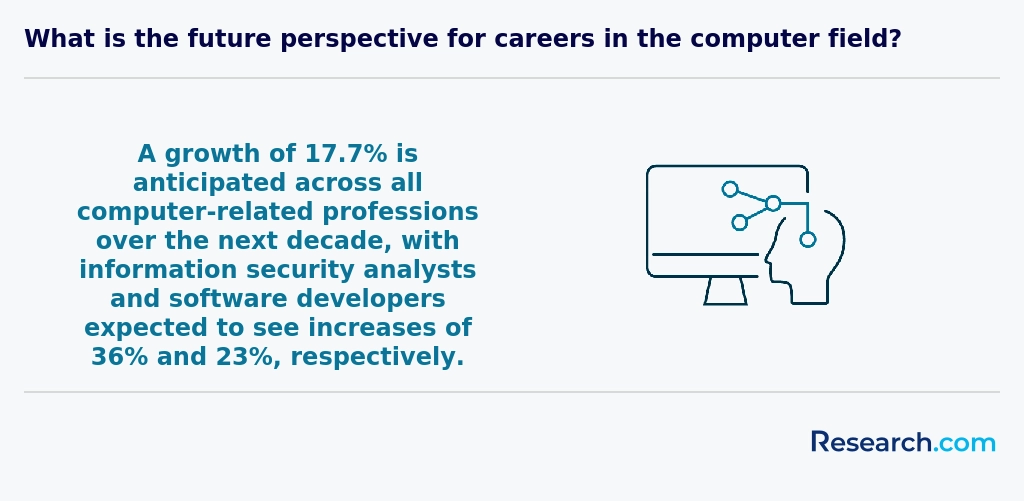
Graduates with an online computer science degree in the Midwest find diverse career paths aligned with the region's vibrant tech landscape. Many from schools like the University of Illinois or Michigan State begin as software developers, building applications used by local businesses and startups. Others become data scientists or analysts, interpreting large datasets to drive decisions for manufacturers and financial firms in cities like Chicago or Columbus. Cybersecurity is another fast-growing field, with analysts protecting healthcare and automotive companies from rising cyber threats in the Midwest.
Systems analysts and database administrators also have strong job prospects, improving IT infrastructures for regional institutions. Graduates pursuing roles in artificial intelligence and machine learning contribute to innovative projects shaping sectors prevalent in the region. These career options reflect real opportunities for students exploring online computer science careers in the Midwest.
Many recent graduates appreciate how proximity to Midwest tech hubs allows them to leverage local networks and job fairs, boosting their job search. For those balancing work and study, programs featuring the best accelerated online degree programs for working adults provide practical routes to these in-demand roles.
The online computer science job market Midwest remains strong, driven by an expanding tech sector across Illinois, Ohio, Michigan, and Indiana. Graduates from popular regional universities often share how their programs' emphasis on practical projects gave them the confidence to land roles in Chicago or Columbus area firms. Many employers in these metro hubs prioritize hands-on skills and internships, which align well with online degree structures that balance flexibility with real-world experience.
Midwest employment outlook computer science graduates are generally positive with median salaries ranging from $70,000 to $95,000, varying by city and experience. This steady demand comes from both startups and established corporations seeking talent proficient in cloud computing, Python, Java, and cybersecurity. Graduates report feeling optimistic about growth paths, especially when their programs focus on problem-solving competencies valued by regional employers.
For students living outside major cities or continuing to work, choosing an online program makes a lot of sense. It allows for skill acquisition without relocation pressures, which many graduates appreciate. Those interested in options should explore best open admission colleges to find affordable accredited programs tailored to Midwest job needs.
2027 Best Online Computer Science Degree Programs Ranking in the Midwest
Investing in your education is a significant decision that can shape your future, and the Research.com team understands the importance of making informed choices. To assist prospective students in the Midwest, we have carefully developed the "2027 Best Online Computer Science Degree Programs Ranking in the Midwest." Our commitment to quality, credibility, and accuracy is evident in the thorough research and analysis that underpin this ranking.
We utilized the following reputable data sources to ensure a comprehensive evaluation of computer science programs:
By exploring this ranking, readers will gain valuable insights into the best online computer science degree programs available in the Midwest, helping them make well-informed decisions about their academic and professional futures. For more details on how this ranking was created, please visit our Research.com methodology page.


Frequently Asked Questions About computer science
Online computer science students in the Midwest can enhance their learning by actively engaging with course materials and participating in virtual study groups. Midwestern universities often offer access to regional tech networks and internships, which provide practical experience.
Students should take advantage of resources like coding bootcamps and workshops offered by universities in states such as Illinois and Ohio, where the demand for computer science roles is growing rapidly. According to the Bureau of Labor Statistics, computer and information technology jobs in the Midwest are projected to grow 12% by 2030, encouraging hands-on skill development alongside theory.
Additionally, utilizing academic advising and career services helps tailor coursework to industry needs, ensuring a stronger job market position after graduation.
Emerging niches within the computer science field reflect rapid technological advancements and growing market demands. In the Midwest, areas like artificial intelligence (AI) and machine learning are expanding quickly, fueled by industries such as automotive and healthcare. According to the Illinois Department of Employment Security, AI-related jobs in Chicago have seen a 25% growth from 2020 to 2023.
Cybersecurity is another key niche, especially as organizations prioritize data protection. The Cincinnati region reports a 20% rise in cybersecurity roles over the past three years, per local employment data.
Data science and cloud computing continue to gain traction nationwide and in the Midwest, supporting businesses in managing large data sets and leveraging cloud infrastructure efficiently.
Graduates with online computer science degrees in the Midwest can enhance their job prospects by engaging in targeted career preparation. According to the Bureau of Labor Statistics, software development jobs are projected to grow 22% nationally through 2030, with the Midwest contributing significantly due to expanding tech hubs in cities like Chicago and Minneapolis.
Building a strong portfolio by completing internships or freelance projects is crucial. Networking through local tech meetups and regional conferences increases access to job opportunities. Additionally, obtaining industry certifications such as CompTIA or AWS can give applicants an edge.
Midwestern universities often offer career services tailored for online students, including resume workshops and interview coaching. Utilizing these resources helps graduates align their skills with employer expectations in this competitive field.
Employers in the Midwest prioritize a mix of technical and soft skills when hiring computer science graduates. Key technical abilities often include proficiency in programming languages like Python, Java, and C++, as well as knowledge of data structures and algorithms. According to the Computing Technology Industry Association (CompTIA), expertise in cloud computing and cybersecurity is rapidly gaining importance due to the region's growing tech industry.
Soft skills such as problem-solving, communication, and teamwork are equally valued. A 2023 survey by the National Association of Colleges and Employers (NACE) found that 82% of Midwestern tech employers emphasize effective collaboration in project environments. Understanding practical applications, including software development lifecycle and database management, also ranks high.
Finding internships in the Midwest for computer science students involves targeting tech hubs like Chicago, Minneapolis, and Indianapolis, where demand for tech talent is growing. According to a 2023 report from the National Association of Colleges and Employers (NACE), about 45% of internships in the region focus on software development and IT roles. Students should leverage university career centers that often provide connections to local companies and host virtual job fairs.
Utilizing online platforms such as Handshake and LinkedIn can also reveal internship opportunities tailored to Midwest employers. Networking with regional professional groups like the Midwest Software Development Association enhances chances for mentorship and referrals.
Online computer science degrees increasingly support career mobility and advancement in the Midwest's growing tech industry. According to the U.S. Bureau of Labor Statistics, computer and information technology occupations in the Midwest are expected to grow faster than average through 2031, creating more opportunities for skilled professionals.
Employers often value the flexibility and up-to-date skills demonstrated by online degree earners, especially when programs are accredited and aligned with current industry standards. Graduates can leverage remote study to balance work and education, enabling career progression without geographic relocation.
Universities such as the University of Illinois and Michigan State offer reputable online CS degrees, which enhances graduates' employment prospects regionally. Data from the National Center for Education Statistics shows that online degrees in computing have gained acceptance among Midwestern employers, aiding salary growth and job flexibility.
Studying for a computer science degree in the Midwest equips students with skills to thrive in interdisciplinary roles by emphasizing collaboration across fields like healthcare, engineering, and business. Many Midwestern universities incorporate project-based learning, fostering teamwork with diverse disciplines. According to the National Center for Education Statistics, Midwestern institutions awarded over 15,000 bachelor's degrees in computer science in 2022, many including interdisciplinary coursework.
Additionally, partnerships between universities and industries in sectors such as agriculture and manufacturing provide practical experience. This regional focus helps graduates apply computational methods to real-world problems beyond traditional tech roles, preparing them for varied career paths. These programs also often feature data science and cybersecurity, fields requiring cross-sector knowledge.
When choosing between a thesis and a non-thesis online computer science degree program in the Midwest, consider your career goals. Thesis programs typically emphasize research, preparing students for doctoral studies or roles in development and innovation. Non-thesis options focus on practical skills and coursework, appealing to those aiming for industry positions.
Midwest universities such as the University of Illinois Urbana-Champaign and Michigan State University offer both formats, reflecting regional demand. According to the National Center for Education Statistics, over 60% of online computer science master's students in the Midwest opt for non-thesis tracks, highlighting their popularity for immediate job readiness.
Also, note that thesis programs often require more time commitment and academic writing, while non-thesis paths may include capstone projects or additional electives to build diverse skills.
Midwest students pursuing online computer science degrees have growing opportunities to study abroad through exchange programs and partnerships with international universities. Many regional schools, such as the University of Illinois and Michigan State University, include study-abroad options or virtual collaborative courses designed with global institutions. These programs blend online learning with short-term on-site experiences to enrich cultural and technical skills.
According to the Institute of International Education, around 19% of U.S. STEM undergraduates participate in study-abroad programs, reflecting rising interest in global exposure. While traditional abroad degrees remain limited for online students, hybrid models are expanding.
Part-time job opportunities in the Midwest that complement an online computer science degree often include roles in software development, IT support, and data analysis. Cities like Chicago and Minneapolis offer numerous internships and part-time tech positions due to their growing tech hubs. According to the U.S. Bureau of Labor Statistics, the Midwest saw a 5% increase in computer and information technology jobs from 2021 to 2023, highlighting growing opportunities.
Many students find part-time work in startups or university research labs, where they gain practical coding and project management experience. Remote freelance programming and tutoring are also popular options, allowing flexibility while enhancing coding skills.
Online computer science students in the Midwest have access to various networking opportunities despite the remote format. Many universities connect students to local technology hubs such as Chicago, Minneapolis, and Indianapolis, where they can attend virtual meetups, workshops, and career fairs. According to the Computing Research Association, the Midwest hosts several active ACM and IEEE student chapters that host online events and competitions, promoting professional growth.
Students also benefit from alumni networks that offer mentorship and job placement assistance. Additionally, regional companies often collaborate with schools to provide internships and project-based experiences, essential for career advancement in this field.
Alumni networks are valuable resources for online computer science degree students in the Midwest. These networks connect current students with graduates working in tech industries across states like Illinois, Ohio, and Minnesota. Access to alumni can lead to internship opportunities and mentorship, crucial for career advancement.
According to the National Association of Colleges and Employers (NACE), more than 70% of jobs in tech start through networking. Midwest universities often host virtual events where alumni share insights on regional job markets and emerging technologies.
This support helps students navigate the competitive landscape of computer science and secure positions in growing hubs like Chicago and Minneapolis.
Midwestern universities offering online computer science degrees often allow students to tailor their programs by choosing specialized tracks or electives. These concentrations may include cybersecurity, data science, artificial intelligence, or software engineering, aligning directly with specific career goals. For example, the University of Illinois at Chicago emphasizes flexibility in elective courses, enabling students to focus on emerging tech fields.
Students can also customize through project-based learning, internships, or research opportunities coordinated remotely. According to the National Center for Education Statistics, nearly 40% of online learners in the Midwest select programs with customizable curricula to enhance job readiness.
Advising and career services support students in mapping coursework to roles in sectors like finance, healthcare, and manufacturing, which have substantial tech employment in the region.
Online computer science students in the Midwest often face unique challenges related to technology access and regional infrastructure. While urban centers generally provide reliable high-speed internet, rural areas still struggle with connectivity issues, affecting real-time participation in courses. According to the FCC, about 22% of rural residents in Midwest states lack broadband access. This digital divide can hinder students' ability to complete coding assignments or collaborate on group projects.
Another common challenge is balancing work, family, and study commitments, as many online learners juggle multiple responsibilities. Additionally, limited local networking opportunities may impact career development and mentorship prospects. Students must often rely on their institution's virtual resources to build professional connections, which can be a hurdle for those seeking internships or job placements regionally.
With an online computer science degree, students in the Midwest can pursue a variety of respected professional certifications to enhance their careers. Common certifications include the Certified Information Systems Security Professional (CISSP), which is highly valued for cybersecurity roles.
Others include the Certified Software Development Professional (CSDP) and the Certified Ethical Hacker (CEH). These certifications often require a degree in computer science or related experience.
According to the Computing Technology Industry Association (CompTIA), Midwest job markets like Illinois and Ohio have seen a 12% growth in IT certification demand between 2020 and 2023.
Obtaining certifications can significantly boost job prospects and salary potential in this competitive region.
To write a winning application for an online computer science program in the Midwest, start by thoroughly researching the specific requirements of your target schools. Many programs emphasize a strong foundation in mathematics and programming. Highlight relevant coursework, certifications, or hands-on experience in coding languages like Python or Java.
Strong letters of recommendation from academic or professional sources can significantly boost your application. Additionally, articulate your career goals clearly in your personal statement, explaining why an online degree fits your needs and how you plan to contribute to the tech ecosystem in the Midwest.
The Midwest hosts many reputable institutions, with states like Illinois and Ohio offering robust tech job markets that admissions committees recognize. According to the Bureau of Labor Statistics, computer and information technology jobs in the Midwest are projected to grow faster than average through 2030, making a compelling career focus essential for your application.
Finally, maintain academic rigor throughout your materials and meet all deadlines to strengthen your candidacy.
The global perspective on a computer science career highlights its growing importance across industries and countries. In the United States, including the Midwest, computer science skills are in high demand due to rapid technological advancements and digital transformation. According to the U.S. Bureau of Labor Statistics, employment in computer and information technology occupations is expected to grow 13% from 2021 to 2031, much faster than the average for all occupations.
Midwestern states like Illinois, Michigan, and Ohio are home to numerous tech companies and startups, attracting computer science professionals. Graduates with online degrees from Midwest universities have access to strong local job markets strengthened by sectors like automotive, finance, and healthcare tech.
Globally, computer science careers emphasize problem-solving, innovation, and adaptability. Studies from the National Center for Education Statistics show that Midwest universities are increasingly offering flexible online programs to meet diverse student needs and connect with a worldwide talent pool.
Gaining practical experience while earning an online computer science degree in the Midwest is essential for career readiness. Many programs encourage internships with regional tech companies, which often hire remotely or offer hybrid roles. The Midwest, home to booming tech hubs like Chicago and Minneapolis, provides students ample opportunities to engage in real-world projects.
Students can also participate in virtual hackathons and coding competitions hosted by universities and organizations such as the Midwest Big Data Hub. Additionally, many schools incorporate project-based learning, allowing students to build portfolios featuring software development, data analysis, and cybersecurity tasks.
Utilizing platforms like GitHub to showcase work is common practice. According to the National Science Foundation, tech employment in the Midwest grew 13% from 2015 to 2022, emphasizing the demand for practical skills in this region.
Choosing the right concentration within an online computer science degree program in the Midwest requires understanding your career goals and the region's job market. Popular concentrations include cybersecurity, data science, and software engineering. According to the U.S. Bureau of Labor Statistics, jobs in computer and information technology are expected to grow 13% through 2031 nationally, with strong growth in Midwest tech hubs like Chicago and Minneapolis.
Evaluate programs that offer concentrations aligned with industry demand locally. For example, cybersecurity roles are rising rapidly due to increasing digital threats, while data science skills are sought after in finance and agriculture sectors prominent in the Midwest. Research universities also provide program flexibility to tailor your studies based on market trends.
See What Experts Have To Say About Studying Computer Science
Read our interview with Computer Science experts

Kathleen M. Carley
Computer Science Expert
Professor of Computer Science
Carnegie Mellon University

Elan Barenholtz
Computer Science Expert
Associate Professor
Florida Atlantic University

Derek Riley
Computer Science Expert
Professor, Program Director
Milwaukee School of Engineering

Imed Bouchrika, Phd
Computer Science Expert
Professor of Computer Science
National Higher School of Artificial Intelligence

- Study Computer Science Abroad | Go Overseas https://www.gooverseas.com/study-abroad/computer-science
- Computer Science Cover Letter: How to Show You're a Top Tech Candidate https://arc.dev/talent-blog/computer-science-cover-letter/
- How AI Is Transforming Computer Science Careers | Role of AI https://www.gisma.com/blog/how-ai-is-transforming-computer-science-careers
- Alumni computer science dual https://www.fbi.h-da.de/en/informieren/ueber-uns/alumni/alumni-computer-science-dual
- What certifications should I get for computer science? | edX https://www.edx.org/resources/certifications-computer-science
- How to find a computer science internship https://www.law.ac.uk/resources/blog/find-computer-science-internship/
- Essential Skills Every Computer Science Graduate Needs | LSBF https://lsbf.edu.my/blog/11-essential-skills-every-computer-science-graduate-needs/
- Missouri Schools That Teach Computer Science | Find the Best Programs https://www.computerscience.org/online-degrees/missouri/
- FAFSA Approved Medical Programs | Midwest Institute MO https://www.midwestinstitute.edu/financial-aid/
- Getting the Most Out of a Computer Science Degree https://robkokochak.com/blog/getting-the-most-out-of-a-cs-degree/