2027 Most Popular Computer Science Degree Programs Ranking in Minneapolis

Co-Founder and Chief Data Scientist
Choosing the right computer science degree program can feel overwhelming, especially with so many options in Minneapolis. This article presents the 2027 Most Popular Computer Science Degree Programs Ranking in Minneapolis, developed by the Research.com team of data scientists. It offers reliable insights to help you find the programs that truly stand out.
By exploring this ranking, you'll gain clarity on which schools align with your goals and interests. Earning a computer science degree opens doors to exciting career opportunities and growth. Let this guide support your path forward with confidence and enthusiasm.
Key benefits of getting computer science degree in Minneapolis
- Salary for computer science degree graduates: Graduates in Minneapolis can expect strong earning potential, with roles like Software Engineer and Software Developer averaging around $138,110 annually, while Web Developers earn about $95,570, reflecting rewarding financial opportunities.
- Career paths: A computer science degree from a Minneapolis university opens doors to diverse careers such as software development, data analysis, and IT support, offering flexibility and growth in a tech-driven job market.
- Benefits of online degrees: Completing a computer science degree online provides convenient scheduling and the ability to balance work and study, making career advancement accessible and practical for busy students in Minneapolis.
- 2027 Most Popular Computer Science Degree Programs Ranking in Minneapolis
- What can I expect from computer science degree in Minneapolis?
- Where can I work with computer science degree in Minneapolis?
What can I expect from computer science degree in Minneapolis?
The average cost of earning a computer science degree in Minneapolis varies significantly depending on the institution and program level. For example, students at the University of Minnesota, the city's leading research university, face tuition and fees averaging around $15,000 per year for in-state undergraduate programs. Graduates often recall the value of this investment in terms of hands-on learning opportunities and connection to local tech firms like Target and Best Buy. Private colleges like Augsburg University or Minneapolis College of Art and Design typically have higher tuition, often exceeding $30,000 per year, though many students benefit from scholarships and financial aid tailored for tech majors.
Many computer science students report that, despite the costs, the practical experience gained through internships and cooperative education programs with Minneapolis-based companies significantly enhances job prospects, making the expense feel worthwhile. This experiential learning is a hallmark of the city's programs and helps graduates confidently enter a job market buoyed by over 15,000 software development positions in the region as of 2023.
Where can I work with computer science degree in Minneapolis?
Computer science graduates in Minneapolis typically find diverse employment opportunities across several thriving sectors. For graduates from the University of Minnesota, roles in software development, data analysis, and systems engineering are common, especially within major local employers like Target, Best Buy, and U.S. Bank. These companies actively recruit locally, appreciating candidates who understand the regional market dynamics.
Graduates often gain rewarding experience in the city's expanding health technology sector. Organizations such as Medtronic and Boston Scientific offer positions in medical software development, cybersecurity, and health data management, reflecting strong regional demand highlighted by a 2023 Minneapolis Regional Chamber of Commerce report.
Public sector roles in IT support and cybersecurity with the City of Minneapolis or Hennepin County provide engaging career paths for degree holders seeking stable municipal work. University of Minnesota alumni also secure research and technical support jobs within higher education settings that foster innovation.
Many graduates take advantage of Minneapolis's supportive startup ecosystem and the Minnesota High Tech Association network to pursue freelancing or consulting, fostering creative independence while engaging cutting-edge technologies.
With an average salary near $95,000 in 2023 for technology roles in the metro area, graduates feel confident that their skills are in demand and well-compensated locally.
Graduates with a computer science degree in Minneapolis typically earn competitive salaries that reflect the city's robust tech market. Entry-level software developers often start between $65,000 and $80,000 annually, aligning with local industry demand from companies like Target and 3M. With experience, salaries increase sharply. According to the latest Bureau of Labor Statistics data, software engineers and developers in Minneapolis earn a mean annual wage of $138,110, nearly matching national figures and highlighting strong earning potential locally.
Other roles relevant to computer science graduates show diverse pay scales. Data analysts average $119,040 annually, while web developers earn approximately $95,570, reflecting varying specialization areas. IT support specialists, who provide foundational technical assistance, make around $63,640 per year. Graduates from institutions such as the University of Minnesota often find employer bonuses and stock options augment total compensation, enhancing financial rewards beyond base salaries.
Graduates report that internships or cooperative programs significantly boost initial earnings and career growth. Those pursuing advanced certifications or master's degrees tend to see 15-25% higher wages. For example, cloud architects or machine learning engineers in Minneapolis frequently surpass $130,000 annually, demonstrating the value of technical specialization.
- Minneapolis has several accredited institutions offering computer science degrees, including public universities and private colleges.
- In-state tuition for public universities ranges from $10,000 to $15,000 per year, while private colleges charge between $30,000 and $40,000 annually.
- Additional costs such as textbooks, supplies, and living expenses should be factored into the total cost of education.
- Starting salaries for computer science graduates average around $65,000 per year, with experienced professionals earning $110,000 or more.
- The Twin Cities area ranks high for technology employment, with demand in industries like healthcare, finance, and retail.
- Local schools offer networking, internships, and job placement services to support employment after graduation.
Completing a computer science degree in Minneapolis generally requires about four years of full-time study, mirroring the national standard. Graduates from institutions like the University of Minnesota Twin Cities and Minnesota State University, Mankato typically finish their bachelor's degrees within this timeframe by completing around 120 credit hours blending core and general education courses.
Some students working while studying appreciate the flexibility offered by schools such as Capella University or Augsburg University, which provide part-time and online options. This can extend the duration beyond four years but allows them to balance work and education successfully. Others accelerate their studies by attending summer sessions, shortening the typical timeline effectively.
Master's degrees in computer science usually take about two years post-bachelor's, though part-time schedules may prolong this. Associate degrees in related tech fields often serve as stepping stones, taking around two years to complete.
Graduates often express satisfaction with their ability to tailor pacing, whether through accelerated or flexible programs, highlighting that Minneapolis' educational landscape supports diverse student needs.
On-campus computer science degrees in Minneapolis, offered by institutions like the University of Minnesota Twin Cities, provide a hands-on educational environment where students engage directly with professors and peers. Graduates often highlight the value of access to campus labs, study groups, and local tech events, which enhance learning and networking opportunities. Public institutions in Minnesota charge about $13,970 annually for in-state tuition, making on-campus study relatively affordable for residents.
Conversely, online computer science programs, popular among working professionals, offer flexible schedules through asynchronous classes. This allows students in Minneapolis suburbs or remote areas to balance education with jobs or family life. Some private institutions charge between $20,000 and $35,000 annually for online tuition, reflecting investment in digital platforms and virtual labs that replicate practical experience. Graduates appreciate the convenience and cost savings from avoiding commuting and housing expenses.
While on-campus students benefit from immersive social experiences and local employer connections via job fairs or internships, online learners gain skill recognition nationwide with adaptable study models. The choice depends on individual priorities such as scheduling, social interaction, and budget constraints.
Minneapolis, MN, is rapidly evolving as a hub for technology innovation, and understanding these emerging trends can help prospective Computer Science students position themselves for future success. The region is witnessing a surge in startups focusing on artificial intelligence, machine learning, cybersecurity, and data analytics. Many local companies are prioritizing digital transformation, leading to innovative collaborations between academia and industry. This is reflected in curriculum enhancements at top institutions and increased opportunities for hands-on projects that mirror current technological demands. In addition, interdisciplinary studies are becoming more prevalent, with computer science programs integrating subjects such as business management, digital marketing, and user interface design to create well-rounded professionals. Students gain exposure to industry-specific challenges through internships, hackathons, and partnerships with local tech firms. For example, several academic institutions in the region are aligning their lab and research initiatives with real-world applications in smart city technology and sustainable design. Prospective students looking to understand the broader landscape of Computer Science education can benefit from exploring additional resources. To get insights into top-ranked programs and advanced offerings statewide, consider checking out the most popular computer science colleges. Embracing these trends not only prepares students for the current job market but also equips them with the adaptability needed to thrive in a rapidly changing technological environment.
The average computer science degree cost Minneapolis students face typically centers around a median total cost of approximately $55,000. For in-state students attending public universities, this cost can be significantly lower, with median in-state total costs close to $17,214, reflecting affordable tuition plus living expenses. Graduates from popular institutions in Minneapolis often mention relief and pride in managing these costs through a combination of scholarships and part-time work, making the financial path feel achievable and rewarding.
Out-of-state students should prepare for a higher financial commitment, as median total expenses mirror the general figure of $55,042 but without in-state tuition discounts. These costs encompass tuition, fees, housing, and supplies necessary for degree completion. The overall experience at Minneapolis schools is enriched by local culture and opportunities, which students appreciate as adding value beyond monetary measurements.
Additional expenses such as books and living arise uniformly for all students but are balanced against available financial aid and campus resources. Many graduates from prominent Minneapolis programs express gratitude for the robust network and career preparation that help justify the investment. For prospective students weighing options, examining the most popular computer science colleges in the area offers a practical starting point to understand comprehensive costs and benefits tied to their unique goals and circumstances.
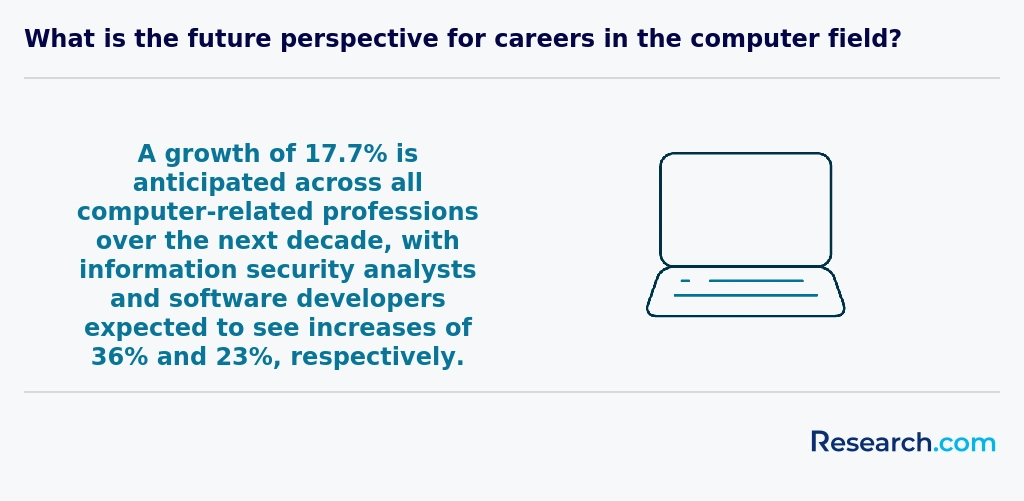
Minneapolis offers a vibrant student life for Computer Science majors, balancing rigorous academics with rich extracurricular opportunities. Campus hackathons, coding clubs, and tech-focused meetups at institutions like the University of Minnesota foster collaboration and innovation outside the classroom. Many programs host student chapters of professional organizations-such as the Association for Computing Machinery (ACM) and Women in Technology-providing leadership roles, mentorship, and networking events. Regular tech talks and workshops connect students with industry experts, ensuring hands-on learning and real-world project experience. Comprehensive campus resources empower students to succeed academically and personally. Dedicated Computer Science labs equipped with high-performance workstations and the latest software suites support course work and research initiatives. Career centers host resume reviews, mock interviews, and on-campus recruitment fairs with top local employers, while counseling services and peer tutoring programs help maintain mental health and academic performance. Students benefit from writing centers and group study spaces designed to encourage peer-to-peer learning and problem-solving. While the cost of living in Minneapolis can be moderate, on-campus housing options range from traditional dormitories to apartment-style living, often within walking distance of lecture halls and research facilities. Off-campus neighborhoods like Dinkytown and Stadium Village offer affordable rental rates and easy access to public transit. For those considering alternative regions, our Inexpensive Computer Science Degree Programs Ranking in Nashville, TN highlights budget-friendly programs in a comparable urban market. A strong sense of community underscores student life in Minneapolis. Diversity and inclusion initiatives ensure supportive environments for underrepresented groups in tech, with mentoring programs and scholarship opportunities specifically for women and minority students. Tech incubators and campus innovation hubs encourage entrepreneurial ventures, offering seed funding and pitch competitions. Together, these resources create a well-rounded experience that prepares Computer Science students for both academic success and a fulfilling career path.
Students pursuing computer science degrees in Minneapolis benefit from a range of financial aid options that ease tuition costs. For example, graduates from the University of Minnesota frequently cite federal grants like the Pell Grant, offering up to $7,395 annually, as essential support. Federal Supplemental Educational Opportunity Grants (FSEOG) further assist those with exceptional financial need.
State aid, notably the Minnesota State Grant, provides additional relief by awarding funds based on residency and enrollment status at both public and private institutions. Many students report that these grants substantially lowered their debt during their studies.
Scholarships targeted at STEM students, often available through local tech organizations or university programs, supplement aid packages. Recipients at Minneapolis College of Art and Design and other schools often highlight these scholarships as pivotal in reducing overall expenses.
Employer tuition assistance programs at companies like Target give part-time degree seekers valuable financial and professional support, making education more attainable without pausing their careers. Federal work-study jobs also create opportunities to earn income while gaining relevant experience, helping students balance finances with academic rigor.
Enrolling in a computer science degree program in Minneapolis typically requires a solid foundation in math and science. Graduates from local institutions, such as the University of Minnesota Twin Cities, often recall how having completed high school courses in algebra, geometry, and calculus was crucial to managing the workload. Many programs also value prior exposure to basic programming or computer literacy, even if not strictly mandatory, as it eases the transition into intensive coding classes.
Science courses like physics or chemistry build essential problem-solving skills, which students find invaluable in both coursework and internships. Admission standards often include a minimum high school GPA between 2.5 and 3.5, reflecting program competitiveness; top schools lean toward higher GPAs. Standardized tests like the SAT or ACT may still be required, though some local colleges have become test-optional, aligning with evolving admissions trends.
Transfer students highlight how transcript evaluations recognizing relevant programming or math credits can smooth entry. Whether entering a community college or university, students report feeling confident that meeting these prerequisites enables success and reduces costly delays in their academic journey.
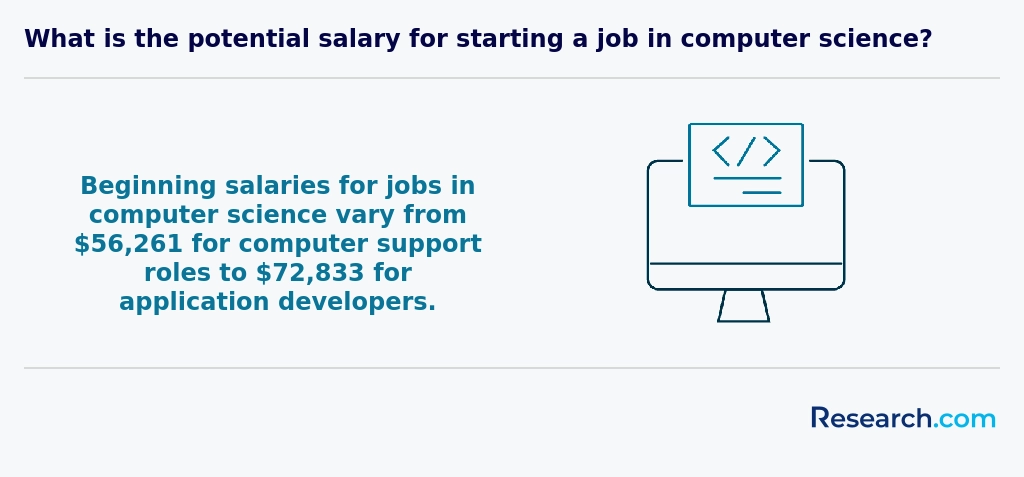
Investing in a Computer Science degree requires weighing tuition expenses against potential earnings. In Minneapolis, the average in-state bachelor’s tuition of $9,596 per year can be recouped in under two years for graduates entering software engineering roles, where the mean annual wage is $132,930. Even students pursuing an associate degree at community colleges-averaging $3,564 per year-often break even within 18 months when starting as web developers earning $87,580 annually. Specializations further influence ROI: data science graduates command salaries 10–15% above the mean, while those who focus on cybersecurity benefit from rapidly growing demand. Students who pursue a cybersecurity track can explore additional resources on what to do with a cyber security degree to maximize their ROI. Practical experiences-such as paid internships at local tech firms and capstone projects-also shorten payback periods by boosting initial salaries by up to 20%. Key factors driving strong ROI in Minneapolis:
- Competitive Salaries: Median wages for key roles (Software Engineer: $132,930; Data Analyst: $66,440; IT Support Specialist: $61,580).
- Affordable Tuition: In-state rates for public institutions remain below the national average.
- Industry Partnerships: Programs with active collaboration-like those at the University of Minnesota-offer paid co-ops that accelerate job placement. By strategically selecting cost-effective programs, leveraging internships, and choosing high-demand specializations, prospective students can ensure that their Computer Science degree delivers both career growth and financial returns.
Computer science degree programs in Minneapolis typically start with foundational courses in programming languages like Python, Java, and C++, equipping students with vital coding skills. Graduates from renowned institutions in the area often recall how these early classes helped them develop problem-solving techniques and algorithmic thinking essential for software development.
As students advance, they encounter specialized topics such as data structures and algorithms, computer architecture, and operating systems. These courses create a solid technical base, allowing graduates to efficiently organize data and understand hardware-software interactions. For example, a common project at Minneapolis colleges involves designing a database system using SQL, making data management tangible and rewarding.
Programs also cover emerging fields like artificial intelligence, machine learning, and cybersecurity, reflecting local industry needs. Graduates appreciate that coursework balancing theory and hands-on experience prepares them for internships with Minneapolis tech firms such as Target and Optum, fostering confidence and real-world skills.
Many degree tracks also include electives and interdisciplinary options, allowing students to tailor their learning to career goals within the thriving Minneapolis tech landscape.
Computer science degree specializations in Minneapolis cover a range of fields designed to match the city's dynamic tech landscape. Graduates from institutions such as the University of Minnesota report gaining valuable skills in areas like Artificial Intelligence and Machine Learning, where they develop systems that improve efficiency across healthcare and finance industries. Local programs also emphasize Data Science and Big Data Analytics, equipping students with statistical tools essential for data-driven decision-making in Minneapolis' growing business environment.
Software Engineering is another popular track, focusing on building and maintaining scalable software applications tailored to the thriving local software sector. Cybersecurity draws particular attention given rising digital threats; students appreciate learning practical defenses in courses aligned with what what to do with a cyber security degree entails. Specializing in Human-Computer Interaction helps learners design intuitive user experiences-skills highly valued by Minneapolis tech companies. These options reflect the best computer science fields Minneapolis students pursue to meet industry demands directly.
Choosing the best computer science degree programs Minneapolis requires focusing on program quality, accreditation, and real-world opportunities. Graduates from the University of Minnesota Twin Cities, a school with ABET-accredited programs, often highlight how rigorous coursework paired with research projects in artificial intelligence and cybersecurity gave them a competitive edge when applying for jobs locally.
Cost considerations are crucial; average annual tuition for in-state public university students hovers around $10,500, while private institutions may exceed $40,000. Factoring in living expenses near Minneapolis, about $12,000 yearly, helps gauge the true investment. Students looking for affordable computer science degrees Minneapolis can explore various financial aid options or consult rankings like those in the Inexpensive Computer Science Degree Programs Ranking in Nashville, TN for comparative insights.
Program flexibility also matters. Many local students appreciate programs offering part-time or online formats, enabling them to balance studies with work. Additionally, a low student-to-faculty ratio and faculty actively engaged in technology research strengthen mentorship and personalized learning, enhancing the educational experience.

Graduates with a computer science degree in Minneapolis find strong career paths due to the city's expanding tech industry and the presence of major employers like Target and UnitedHealth Group. Key roles include software engineering, where salaries average around $95,000 annually, data science and analytics, cybersecurity with competitive salaries near $90,000, and IT consulting.
Minneapolis computer science degree job prospects extend beyond technical jobs to fields such as product management, software quality assurance, and UX design. Many graduates from institutions like the University of Minnesota appreciate how these roles allow them to leverage cross-disciplinary skills, combining technology with business or design insights.
Graduates often describe their job experience as rewarding, citing the dynamic work environments provided by startups and established companies. The affordability of local education programs adds to the appeal, especially when considering strong local salaries. Prospective students might explore options like this top associate degree in 6 months online to accelerate their entry into these fields.
The computer science job opportunities Minneapolis offer are robust, supported by a diverse economy that spans healthcare tech, finance, retail, and manufacturing industries. Graduates from popular Minneapolis universities report smooth transitions into roles such as software engineering, data science, and IT project management, often within innovative firms focused on cloud computing, AI, and cybersecurity. These positions come with competitive salaries, averaging around $112,000 annually, reflecting a strong local demand for technical skills.
Graduates often highlight the advantage of Minneapolis's "Silicon Prairie" ecosystem, which fosters collaboration through tech meetups and innovation hubs. This dynamic environment amplifies career growth beyond initial employment, making the city particularly attractive for those prioritizing ongoing professional development and networking. For students concerned about costs, many find attending well-known in-state public universities manageable at about $13,000 per year, especially when considering future earnings and access to short online certificate programs that pay well.
Minneapolis computer science career outlook remains positive, with projected job growth near 15% through 2032. This pace is faster than average employment increases, indicating persistent opportunities for graduates in both established companies and startups. The region's focus on emerging tech fields continuously enhances prospects, making a computer science degree highly valuable locally.
2027 Most Popular Computer Science Degree Programs Ranking in Minneapolis
Investing in your education is a significant decision that can shape your future, and the Research.com team understands the importance of making informed choices. To assist prospective students in Minneapolis, we have meticulously developed the "2027 Most Popular Computer Science Degree Programs Ranking in Minneapolis." Our commitment to quality, credibility, and accuracy is demonstrated through extensive research and analysis to ensure the reliability of this ranking.
We utilized the following reputable data sources to provide a comprehensive evaluation of computer science programs:
By exploring this ranking, readers will gain valuable insights into the most popular computer science degree programs available in Minneapolis, empowering them to make well-informed decisions about their academic future. For more information on our rigorous methodology, please visit our Research.com methodology page.


Frequently Asked Questions About computer science
Computer science degree students in Minneapolis can maximize their learning by actively engaging with the city's vibrant tech community. Minneapolis hosts numerous tech meetups and hackathons, providing valuable opportunities for networking and skill-building beyond the classroom.
Local universities, such as the University of Minnesota, offer access to cutting-edge research facilities and collaborative projects, which enhance practical experience. According to the Minnesota Department of Employment and Economic Development, the tech sector in Minneapolis grew by over 5% annually, increasing demand for computer science skills.
Internships with leading companies like Target and Best Buy, headquartered in Minneapolis, provide real-world experience, crucial for enhancing job readiness upon graduation.
Emerging niches within computer science are rapidly shaping the job market, especially in technology hubs like Minneapolis. Key growth areas include artificial intelligence (AI) and machine learning, which are transforming industries through data-driven decision-making. Cybersecurity is another critical field, as demand rises for specialists to protect systems from increasingly sophisticated cyber threats.
Minneapolis benefits from a growing number of tech startups and established companies investing in cloud computing and data science. According to recent reports from the Minnesota Department of Employment and Economic Development, jobs in data analytics are expected to grow by over 15% through 2028. Additionally, health informatics is gaining attention due to the region's strong healthcare sector.
These niches offer excellent opportunities for students pursuing computer science degrees in Minneapolis, aligning with both local industry needs and national trends.
Preparing for the job market after earning a computer science degree in Minneapolis involves a mix of practical experience and networking. Local tech companies, such as Target and Indeed, headquartered in the city, offer internships and entry-level positions that provide valuable industry exposure. According to the Minnesota Department of Employment and Economic Development, the Twin Cities metro area has seen a 5% increase in software development jobs from 2022 to 2023.
Students should engage in coding boot camps, hackathons, and career fairs hosted by universities like the University of Minnesota. Building a robust portfolio showcasing projects on platforms like GitHub is essential. Additionally, joining professional groups such as the Minnesota High Tech Association can expand contacts and job opportunities.
Employers in Minneapolis highly value computer science graduates who demonstrate strong programming skills, especially in languages like Python, Java, and C++. According to the Minnesota Department of Employment and Economic Development, proficiency in software development and data analysis ranks among the top requirements for local tech jobs.
Beyond technical expertise, employers emphasize problem-solving abilities and adaptability due to the rapidly changing tech landscape. Communication skills are also crucial, as many roles involve collaboration across departments.
Additionally, familiarity with cloud computing platforms and cybersecurity practices is increasingly sought after in Minneapolis's growing tech sector, supported by industry reports from the Twin Cities Technology Association.
Finding computer science internships in Minneapolis involves leveraging local resources and the city's strong tech ecosystem. The Twin Cities host many tech companies, including large firms like Target and smaller startups, offering a range of internship opportunities.
Students should use university career centers at institutions such as the University of Minnesota, which connect students with employers actively hiring interns in software development, data analytics, and IT roles. Online platforms like Handshake, popular among Minnesota universities, also list localized internship listings.
Attending local tech meetups and career fairs helps build valuable connections. According to the Minnesota Department of Employment and Economic Development, Minneapolis sees steady growth in tech jobs, increasing internship availability.
A computer science degree significantly enhances career mobility and advancement opportunities in Minneapolis. The city hosts a growing technology sector, with companies like Target, Best Buy, and numerous startups seeking skilled graduates. According to the Bureau of Labor Statistics, the Twin Cities metropolitan area projects a 15% growth in computer and information technology jobs through 2031, outpacing many other sectors.
Graduates with computer science degrees often start in roles such as software developers or data analysts, with clear pathways to senior technical positions or management. Local salaries reflect this demand, with average entry-level wages around $75,000 annually, rising substantially with experience and advanced skills. Institutions like the University of Minnesota also provide strong industry connections, aiding professional advancement.
Studying for a computer science degree in Minneapolis offers students unique opportunities to engage in interdisciplinary roles. Local universities emphasize collaboration between computer science and fields like healthcare, finance, and manufacturing, which are prominent industries in the region. For example, programs often include projects that partner with medical institutions such as the Mayo Clinic, integrating computing skills with biomedical data analysis.
Additionally, Minneapolis benefits from a thriving tech ecosystem with numerous startups and established companies encouraging innovation across disciplines. According to the Minnesota Department of Employment and Economic Development, over 5,000 tech firms in the state support interdisciplinary work, broadening graduate career prospects.
Students develop skills in data science, AI, and cybersecurity alongside practical applications in other domains, making them adaptable in diverse settings.
Choosing between a thesis and a non-thesis computer science degree program in Minneapolis depends largely on your career goals and academic interests. Thesis programs emphasize research, requiring you to complete an original project. This path suits students aiming for doctoral studies or research roles in tech companies. Non-thesis programs focus more on coursework and practical skills, ideal for those seeking immediate employment in software development or IT.
Minneapolis hosts several universities offering both options, including the University of Minnesota, which reports that about 40% of its computer science graduates choose the thesis track for research experience. Local industry demand favors non-thesis graduates for applied roles in companies like Target and 3M.
Consider also faculty expertise and available resources, which vary by program. Reviewing curriculum specifics and talking to current students can help you make an informed choice.
Students based in Minneapolis interested in studying computer science abroad have several options through US institutions with established exchange programs. The University of Minnesota, a leading university in Minneapolis, offers study abroad opportunities in countries such as Germany, Japan, and Australia, where students can take computer science courses credited toward their degree.
Minneapolis students may also consider partnerships facilitated by national programs like the Benjamin A. Gilman International Scholarship, which supports US undergraduates to study STEM fields abroad. In recent years, approximately 15% of University of Minnesota computer science majors participated in some form of international study, according to the university's Office of International Programs.
While direct enrollment in foreign universities is an option, most Minneapolis students benefit from credit-transfer arrangements supported by their home institution to ensure timely progress in their degree. Students are encouraged to consult with academic advisors to select programs aligning with their educational goals and visa requirements.
Minneapolis offers diverse part-time jobs that complement a computer science degree. Many students find opportunities in local tech startups and established companies like Target and U.S. Bank, which have strong technology departments. Positions such as software developer interns, IT support technicians, and data analysts provide practical experience and align with academic studies.
The Twin Cities metropolitan area reported over 43,000 tech-related jobs in 2023, with an expected growth rate of 9% through 2027, according to the Minnesota Department of Employment and Economic Development. This growth creates ample part-time roles for students to build essential skills while studying.
Additionally, roles in cybersecurity and web development are often available at local nonprofits and academic institutions, offering flexible schedules compatible with student life.
Minneapolis offers several valuable networking opportunities for computer science students. The city is home to numerous tech meetups, such as the Twin Cities Tech Events, which gather hundreds of professionals and students monthly. These events foster collaboration and job connections. According to the Minneapolis Regional Chamber, nearly 130,000 tech workers reside in the area, creating a rich community for networking.
Local universities often host career fairs and industry panels connecting students with employers like Target, Best Buy, and 3M, all of which have large tech divisions. Additionally, professional groups like the Minnesota High Tech Association provide mentorship and internship resources specifically for computer science students.
Alumni networks play a crucial role in supporting computer science students in Minneapolis by providing access to experienced professionals and recent graduates. These connections can open doors to internships, job opportunities, and mentorship within local tech companies such as Target, Best Buy, and emerging startups. According to the University of Minnesota's Career Services data, 65% of computer science graduates reported that networking through alumni was instrumental in securing their first job. This emphasis on community helps students navigate the competitive job market in Minneapolis, a growing tech hub. Additionally, alumni events and online platforms offer ongoing learning and collaboration opportunities.
In Minneapolis, students can tailor their computer science degrees to suit various career paths by selecting specialized tracks or electives offered by many local universities. Options often include cybersecurity, data science, artificial intelligence, and software engineering. These concentrations allow students to gain in-depth knowledge relevant to specific industries.
Many programs encourage internships or cooperative education experiences, providing practical exposure within Minneapolis's growing tech sector, which employs over 25,000 computing professionals according to the Minnesota Department of Employment and Economic Development (DEED).
Furthermore, students may engage in research projects or certificate programs to enhance skills in emerging areas, thus increasing their marketability upon graduation.
Computer science students in Minneapolis face several common challenges during their studies. One key difficulty is balancing rigorous coursework with practical experience demands. Many programs require students to master complex subjects like algorithms, data structures, and coding languages while simultaneously seeking internships in a competitive local tech market. According to the Minnesota Department of Employment and Economic Development, the demand for skilled tech workers in Minneapolis grows by 3.4% annually, increasing competition for internship opportunities.
Another challenge involves keeping up with rapidly evolving technologies. Students must regularly update their skills beyond the classroom, often engaging in self-study or extracurricular projects. Additionally, navigating limited diversity and inclusion in some local programs can affect student experience, reflecting broader national trends noted by the Computing Research Association. These factors combine to create a demanding but rewarding educational environment for Minneapolis computer science students.
With a computer science degree, professionals in Minneapolis can pursue various certifications to enhance their skills and career prospects. Popular certifications include the Certified Information Systems Security Professional (CISSP) for cybersecurity, offered by (ISC)², and the Cisco Certified Network Associate (CCNA) for network management.
The Project Management Professional (PMP) certification is also valuable for computer science graduates aiming to lead projects. Additionally, certifications in data science and cloud computing, such as AWS Certified Solutions Architect, are in demand given the tech growth in Minneapolis, which ranks among the top US tech hubs according to the Minneapolis Regional Chamber of Commerce.
These certifications help graduates stand out in competitive fields and align with Minneapolis's expanding technology sector.
Applying for a computer science degree program in Minneapolis requires a clear and well-structured application. Start by highlighting your academic achievements, especially in math and science, as these are critical for acceptance into competitive programs.
Include relevant experience such as coding projects, internships, or participation in tech clubs. Admissions committees in Minneapolis, where tech jobs grew by 15% in recent years (Bureau of Labor Statistics, 2023), value practical skills alongside GPA.
Write a personal statement that explains your motivation, career goals, and why you chose Minneapolis, a growing tech hub with institutions like the University of Minnesota.
Request strong recommendation letters that reflect your commitment and technical abilities.
Computer science careers hold significant global importance, driven by rapid technological growth. In the United States, including Minneapolis, demand for skilled professionals is strong, with the Bureau of Labor Statistics projecting a 15% growth in computer and information technology jobs from 2021 to 2031. This growth rate surpasses the average for all occupations.
Minneapolis benefits from a thriving tech ecosystem, including companies like Target and Medtronic, which increases local opportunities for computer science graduates. Globally, tech hubs in Europe and Asia emphasize innovation and collaboration, influencing education and career paths in the US.
Universities in Minneapolis emphasize practical skills, reflecting global trends that prioritize adaptability and interdisciplinary knowledge.
Gaining practical experience while studying computer science in Minneapolis is essential for career readiness. Many local universities, including the University of Minnesota, offer cooperative education (co-op) programs that integrate paid work placements with academic study. These opportunities allow students to apply classroom knowledge in real-world tech environments.
Internships are another popular option, with Minneapolis hosting numerous tech companies like Target, Best Buy, and various startups. According to the Minneapolis Regional Chamber, over 30% of students in STEM fields secure internships locally before graduation.
Additionally, students can benefit from hackathons, coding bootcamps, and project-based learning initiatives offered by both universities and community organizations. These practical experiences strengthen skills and expand professional networks needed for future employment.
Choosing the right concentration within a computer science degree program in Minneapolis requires understanding your career goals and the local tech landscape. Minneapolis hosts a growing number of tech firms specializing in areas like data science, cybersecurity, and software development, making these concentrations particularly relevant.
Researching programs at local universities and reviewing course offerings helps identify concentrations aligned with in-demand skills. For example, data from the Minnesota Department of Employment and Economic Development shows growing job openings in software engineering and cybersecurity sectors, key concentrations offered by many Minneapolis schools.
Consider internship opportunities with local companies, as practical experience is crucial. Also, evaluate faculty expertise and research facilities to ensure strong support in your chosen field.
- 2027 Most Popular Computer Science Degree Programs Ranking in Saint Paul
- 2027 Most Popular Computer Science Degree Programs Ranking in Ames
- 2027 Most Popular Computer Science Degree Programs Ranking in Houghton
- 2027 Most Popular Computer Science Degree Programs Ranking in Omaha
- 2027 Most Popular Computer Science Degree Programs Ranking in Evanston
- 2027 Most Popular Computer Science Degree Programs Ranking in Chicago
- 2027 Most Popular Computer Science Degree Programs Ranking in Grand Rapids
- 2027 Most Popular Computer Science Degree Programs Ranking in Champaign
- 2027 Most Popular Computer Science Degree Programs Ranking in Saint Louis
- 2027 Most Popular Computer Science Degree Programs Ranking in Fort Wayne
See What Experts Have To Say About Studying Computer Science
Read our interview with Computer Science experts

Imed Bouchrika, Phd
Computer Science Expert
Professor of Computer Science
National Higher School of Artificial Intelligence

Kathleen M. Carley
Computer Science Expert
Professor of Computer Science
Carnegie Mellon University

Derek Riley
Computer Science Expert
Professor, Program Director
Milwaukee School of Engineering

Martin Kang
Computer Science Expert
Assistant Professor
Loyola Marymount University

- Computer Science Programs in Minnesota https://www.computerscience.org/online-degrees/minnesota/
- UMN Twin Cities Computer Science https://talk.collegeconfidential.com/t/umn-twin-cities-computer-science/2021128
- Master of Science (M.S.) Major in Computer Science (Thesis Option) https://mycatalog.txstate.edu/graduate/science-engineering/computer/computerscience-thesis-nominor-ms/
- 5 Challenges in Teaching Computer Science & Solutions https://www.computingolympiad.org/post/top-5-challenges-in-teaching-computer-science-in-schools-and-how-to-overcome-them
- 8 Tips for Computer Science Graduates to Get Their First Job https://allthecode.co/blog/post/tips-for-computer-science-graduates-to-get-their-first-job
- UK Computer Science Degree Requirements Explained https://accesscoursesonline.com/blogs/news/computer-science-degree-requirements
- 5 Challenges Faced by Computer Science Students and How to Overcome Them https://informatika.almaata.ac.id/5-challenges-faced-by-computer-science-students/
- Computer Science - Century College https://www.century.edu/programs/computer-science/
- Computer Science Cover Letter: How to Show You're a Top Tech Candidate https://arc.dev/talent-blog/computer-science-cover-letter/
- Why your computer science degree won't get you an IT job https://targetjobs.co.uk/careers-advice/information-technology/why-your-computer-science-degree-wont-get-you-it-job