2027 Most Affordable Computer Science Degree Programs Ranking in Evanston

Co-Founder and Chief Data Scientist
Choosing the right computer science degree program in Evanston can feel overwhelming. Our article presents the 2027 Most Affordable Computer Science Degree Programs Ranking in Evanston, developed by the Research.com team of data scientists to guide you toward informed decisions.
Discover programs that balance quality education with affordability, helping you invest wisely in your future. A computer science degree opens doors to exciting career opportunities and personal growth. This ranking is designed to support your journey with clear, reliable information.
Key benefits of getting computer science degree in Evanston
- Graduates with a computer science degree in Evanston can earn impressive salaries, such as a Software Engineer's mean annual wage of $138,110 and a Web Developer's average salary of $95,570, providing strong financial motivation.
- Career paths include roles in software development, data analysis, and IT support, offering graduates a wide range of exciting opportunities to match their interests and skills.
- Online computer science degrees offer flexible schedules and accessible learning, enabling students in Evanston to balance work and study while still gaining valuable skills from reputable universities.
- 2027 Most Affordable Computer Science Degree Programs Ranking in Evanston
- What can I expect from computer science degree in Evanston?
- Where can I work with computer science degree in Evanston?
What can I expect from computer science degree in Evanston?
Thinking about the cost of a computer science degree in Evanston? At Northwestern University, which is the main spot for CS studies here, tuition can be steep since it's a private school. You're looking at around $60,000 a year before scholarships or financial aid, which adds up quickly over four years. But many students find that worth it because of the top-notch education and solid industry ties right in Chicago's tech scene. Graduates often talk about internships they landed thanks to professors' connections or career fairs on campus that jump-started their careers.
On the bright side, plenty of students score scholarships or financial aid that lighten the load. Plus, that $60k year is more like an investment in a future where many grads land jobs paying upwards of $85,000 a year shortly after finishing. So while the sticker price might make you blink, the return on investment is real when you hear how excited those graduates are about their first paychecks and tech gigs.
Where can I work with computer science degree in Evanston?
If you're studying computer science in Evanston, you're in a sweet spot for job chances. Graduates from places like Northwestern University often land gigs with local startups or the bigger tech companies popping up nearby. Imagine working on a cool app for a healthcare tech firm right in town, where you can see your code making a real difference in hospitals-many students actually do that with companies collaborating on medical software.
Then, there's always the buzz of Chicago just a short trip away. Lots of Evanston grads find roles in finance, building software for trading or protecting data at banks. It feels pretty exciting to be part of that fast-paced scene while still enjoying the local Evanston vibe.
For those who love research, many graduates stick around Northwestern or local labs, diving into AI or robotics projects. It's great knowing you can both contribute to cutting-edge tech and have access to resources and mentors nearby.
Bottom line-whether you're into startups, healthcare tech, finance, or research, Evanston's computer science scene offers a bunch of awesome, real-world paths right after graduation.
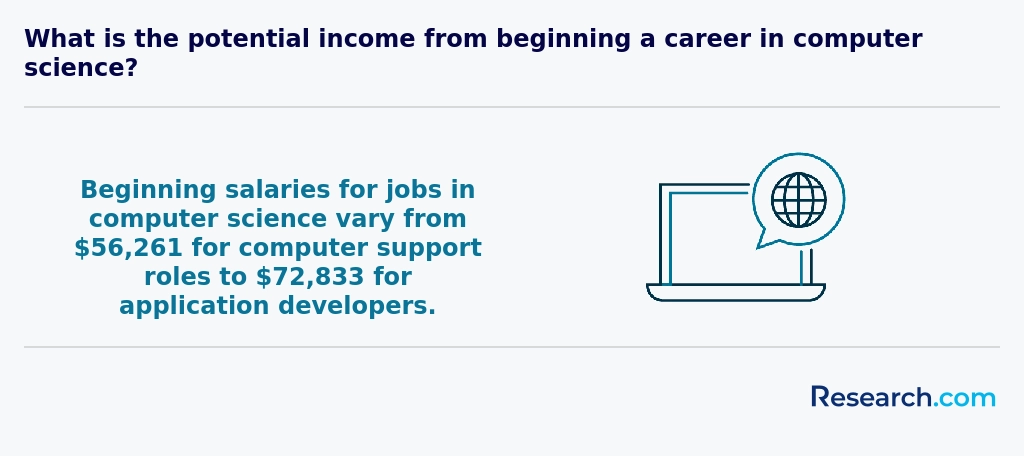
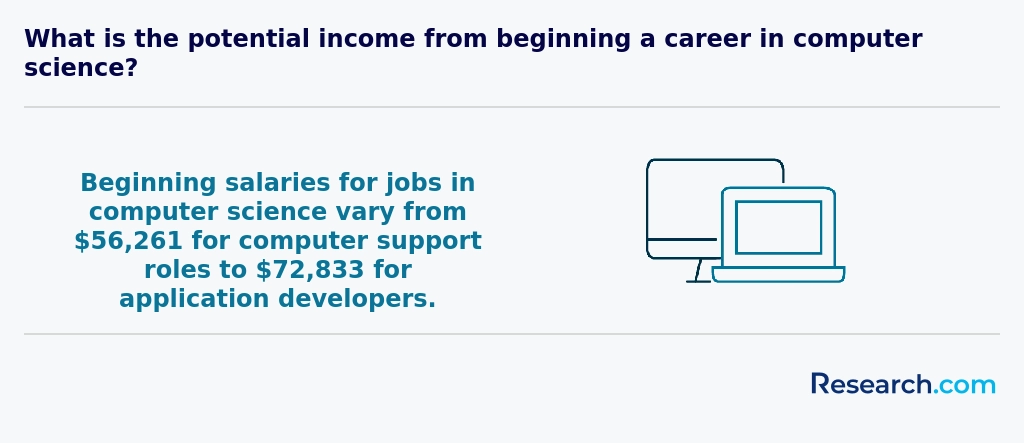
If you're graduating with a computer science degree in Evanston, you're looking at some pretty solid earning potential. Right out of the gate, entry-level roles like junior software developers or IT support specialists typically start around $63,000 to $85,000 per year. That fits perfectly with what graduates from local schools like Northwestern University have been sharing about their first jobs.
As you get a few years of experience under your belt, those numbers jump. Software engineers and data analysts usually see salaries climbing up to $119,000 to $138,000 annually here. For example, web developers earn a mean wage near $95,000, which is great when you consider Evanston's tech scene and startups helping grads land these gigs.
And if you're aiming for senior positions or roles like machine learning engineers, salaries can surpass $140,000 since the Chicago metro's companies often give bonuses or stock options, making the total package even sweeter.
- Cost of earning a computer science degree in Evanston ranges between $50,000 and $70,000 per year.
- Early-career salaries for computer science graduates in Evanston average between $70,000 and $85,000 annually.
- Long-term average salary can increase to about $110,000 or more depending on experience and specialization.
- Job growth for software developers and computer scientists in the Chicago metro area, including Evanston, is projected at around 15% over the next decade.
- Internship and co-op opportunities are widely available, improving practical experience and job placement rates.
If you're thinking about diving into a computer science degree in Evanston, expect to spend about four years finishing your bachelor's if you're studying full-time. This is pretty much the norm at places like Northwestern University, where students juggle core classes, cool electives, and general education requirements. Many grads say the four-year plan feels just right to get a solid foundation without rushing.
For those aiming higher with a master's degree, it usually takes about one and a half to two years of full-time study. Grad students often mention how the pace picks up with advanced topics and hands-on projects, but finishing in that timeline feels rewarding and manageable.
Some students have shortened their journey by transferring credits or juggling part-time study, which gives flexibility if you're balancing work or internships. So whether you're in a busy urban spot at Northwestern or a nearby community college, Evanston offers paths to fit different personal rhythms.
If you're considering a computer science degree in Evanston, the biggest difference between online and on-campus programs comes down to experience and flexibility. On-campus students at schools like Northwestern get to dive into hands-on projects, chat face-to-face with professors, and soak up the campus buzz. Imagine spending afternoons in tech labs or grabbing coffee with peers after group coding sessions-that's the kind of environment that really helps build connections and teamwork skills.
Online programs, on the other hand, are perfect if you need to juggle work or family while studying. Many students love the freedom to attend lectures whenever and wherever they want, whether that's early mornings or late nights. The vibe is different-it's all virtual, so spontaneous hallway conversations are rare, but you still get solid instruction and can participate in online discussions.
Cost-wise, online courses sometimes come cheaper, though it varies. And Evanston grads from both setups often find internship opportunities either right on campus or through virtual career services linked to Chicago's tech scene. It's really about what fits your lifestyle and learning style best.
When you're figuring out the average cost of computer science degree in Evanston, the numbers might feel a bit steep at first glance. Most students at Northwestern University, which is the main school offering this program locally, see a median total cost around $91,242. That's the typical price tag whether you're in-state or out-of-state. Graduates often tell stories about the challenge of balancing tuition payments with the excitement of classes and projects, knowing the investment is worth it once they land cool tech jobs.
The Evanston area doesn't have a public university with computer science degrees, so if you want to save a bit, you'd need to look at schools outside the city. But many students find the vibrant campus life at Northwestern and the close-knit community worth the price. Of course, the total cost isn't just tuition - housing, books, and other fees add up, but financial aid and scholarships often help ease the burden.
It's smart to explore all options, and many students recommend checking official sources for the latest updates on costs. If you want to learn more about careers and what your degree can lead to, this https://research.com/careers/computer-science-careers is a great resource to get you inspired about the future after graduation.
Understanding the total cost of computer science programs Evanston 2027 means preparing not just for tuition but the whole college experience, which many graduates reflect on as a life-changing adventure.
Evanston’s Computer Science programs are distinguished by robust research initiatives and hands-on internship placements that bridge academic theory with real-world applications. At Northwestern University’s Interdisciplinary Science and Engineering Building, undergraduates can assist faculty in projects ranging from machine learning for medical imaging to cybersecurity threat detection. Similarly, collaborative labs such as the Center for Robotics and Biosystems provide access to state-of-the-art equipment and multidisciplinary teams, fostering innovation and deepening technical expertise. Internship pipelines in Evanston leverage proximity to Chicago’s tech corridor, connecting students with leading firms like Google, Salesforce, and emerging startups at 1871. The Career Advancement office partners with local companies to secure paid co-op positions, ensuring that 70% of Computer Science majors complete at least one summer internship before graduation. These experiences not only enhance résumés but also often convert into full-time offers, with alumni reporting a 45% conversion rate from internship to employment. For students exploring comparable opportunities in other regions, it’s worth reviewing our Affordable Computer Science Degree Programs Ranking in Minnesota. This complementary resource highlights how institutions outside Illinois-particularly in the Midwest-structure their research centers and internship collaborations, providing additional pathways for gaining critical practical experience while managing tuition costs.
If you're diving into a computer science degree in Evanston, financial aid is definitely something to get excited about because it can make a big difference. Lots of students here lean on federal aid by submitting the FAFSA, which opens doors to grants like the Pell Grant-no repayment needed! Imagine snagging up to $7,395 just based on your financial need. Plus, federal loans with low interest rates help cover the rest without stressing you out.
At schools like Northwestern University, many computer science students have scored merit-based scholarships that sometimes cover a huge chunk, if not all, of tuition. These awards are competitive but totally worth aiming for if you've been rocking your STEM classes or showed leadership in tech projects.
Then there's the bonus of scholarships from organizations like the NSF or tech companies to boost funds, especially if you're part of an underrepresented group in tech. Some graduates rave about how these helped them pay for textbooks and gear, which is a lifesaver.
Don't forget work-study gigs! Evanston campuses often have on-campus jobs connected to computer science, like research assistant roles. These jobs not only bring in cash but also real-world experience, which makes resume-building a breeze while you study.
So, while tuition sticker shock is real, plenty of folks here find that financial aid turns that big number into something way more manageable and opens doors to exciting opportunities in tech.
As one of the fastest-growing specializations in computer science, cybersecurity combines technical expertise with strategic defense, offering graduates a clear pathway to high-impact roles. To stand out in this competitive field, students should pursue industry-recognized certifications-such as CompTIA Security+, Certified Ethical Hacker (CEH), and Certified Information Systems Security Professional (CISSP)-which validate skills in risk assessment, network protection, and incident response. Key certifications and their benefits:
- CompTIA Security+: Entry-level credential that covers network security, compliance, and threat management.
- CEH (Certified Ethical Hacker): Focuses on penetration testing, vulnerability analysis, and attack mitigation.
- CISSP: Advanced certification for seasoned professionals overseeing enterprise security architecture. Job outlook and salary expectations: • The U.S. Bureau of Labor Statistics projects 31% growth for information security analysts through 2030, far exceeding the 5% average for all occupations. • Mean annual wages for entry-level positions in the Chicago–Naperville–Elgin metropolitan area start around $75,000, scaling to over $115,000 within five years of experience. For those eager to launch their cyber defense careers, numerous universities in Evanston partner with local firms to offer internship pipelines and capstone projects. Graduates often leverage these hands-on experiences to secure entry level cyber security jobs immediately after degree completion. By combining rigorous coursework, targeted certifications, and practical training, Evanston’s computer science programs position students for long-term success in safeguarding digital assets.
If you're thinking about diving into a computer science degree in Evanston, you'll want to have a solid footing in math-things like algebra, geometry, and even some calculus. Graduates from local schools often share how those early math classes really helped them get comfortable with the kind of problem-solving you'll face in courses at Northwestern or other nearby colleges.
Science classes like physics or chemistry aren't mandatory everywhere, but they definitely give you a leg up. Many students recall how understanding basic science concepts made it easier to grasp computer systems and hardware courses down the line.
While not every program demands it, having some programming experience from high school-maybe through a computer science class or even a coding club-can really boost your confidence and application. Some universities here might ask for SAT or ACT scores, especially in math, but test-optional policies are becoming more common, which is good news if standardized tests aren't your thing.
You'll also need to submit your transcripts and sometimes letters of recommendation. A few students mention that bridge programs and conditional admissions helped them catch up if they were missing a prerequisite but showed the right enthusiasm and grit.

For those ready to take the next leap toward a robust computer science education, it’s important to outline actionable steps that bridge the gap between research and enrollment. Begin by thoroughly reviewing your academic goals, financial situation, and the specific offerings of each program. Consider reaching out to academic advisors or attending virtual information sessions to gain personalized insights. Additionally, research programs further by exploring resources like our detailed guide on the cheapest computer science programs in illinois. These steps will help you narrow your choices, understand application deadlines, and prepare compelling materials that highlight your strengths. By organizing your approach and leveraging campus resources, you can confidently navigate the admissions process and set the stage for a successful career in tech.
If you're diving into a computer science degree in Evanston, you'll tackle a mix of courses that really build your skills from the ground up. Think about starting with classes like Introduction to Programming-where many grads say getting hands-on with Python or Java felt like unlocking a new language. Then, you jump into Data Structures and Algorithms, which might sound intense but becomes your toolkit for solving tricky coding challenges.
Students at popular Evanston schools also dig into Computer Architecture to see what's going on inside your laptop, and Theory of Computation, which uncovers the math behind the magic. Operating Systems and Software Engineering classes are where you learn how software really works and how to build it right. Many grads loved the chance to explore electives like Artificial Intelligence or Machine Learning, which feel super relevant with tech moving so fast these days.
Plus, lots of Evanston programs mix in real projects and internships, giving you that "I actually built this" confidence before you even graduate. It's a challenging but exciting path, and students often feel ready to jump straight into the tech world.

If you're diving into computer science degrees in Evanston, you'll find plenty of cool specializations to choose from that really suit different interests. For instance, many programs at popular local colleges bring in students passionate about Artificial Intelligence and Machine Learning - imagine working on systems that can learn on their own, like creating smart apps or chatbots. Others get hooked on Cybersecurity, learning how to keep information safe from hackers, which feels super relevant today as cyber threats grow.
Then there's Data Science and Big Data Analytics, where students crunch huge piles of data to find trends that help businesses make smarter decisions. Software Engineering is another favorite, and plenty of graduates say understanding how to build and manage real-world projects makes it easier to see where their future careers could go - you might even explore software engineer career growth paths early. If design and user experience excite you, Human-Computer Interaction focuses on making tech easy and fun to use.
Choosing one of these common computer science specializations in Evanston really feels like tailoring your degree to what excites you most. Many students at these schools speak highly of the hands-on projects that connect what they learn in class directly to the tech world outside.
When picking the best computer science degree in Evanston, start by checking out the curriculum and how hands-on it really is. Graduates often rave about programs that dive deep into algorithms, software engineering, and newer fields like AI. The best schools here don't just teach theory-they offer internships and research projects that make learning exciting and practical. If you want an affordable computer science degree program in Evanston, consider tuition costs carefully. Public universities nearby usually have lower fees compared to private ones, but don't forget to factor in housing and living expenses too.
Location is a huge bonus. Evanston's closeness to Chicago means plenty of tech jobs and internships are just a short commute away, loved by grads eager to launch their careers. Also, check if the program is accredited by ABET since that adds real credibility with employers. Many students appreciate programs with flexible schedules or online classes to balance work and study. If you want more insights on the perks of engineering studies, explore engineering degree benefits to see how it all connects to your future.
Looking at the best computer science colleges near Evanston, it's smart to review things like graduation rates and career support. Many students value strong tutoring and networking opportunities, which can boost confidence and success right from the start.
If you're earning a computer science degree in Evanston, you've got a lot of exciting career paths ahead. Graduates from local schools often jump straight into software development roles, building apps for everything from healthcare to entertainment right here in this buzzing tech hub near Chicago. These jobs usually pay well, matching or even beating national averages.
Another popular route is data science. Many Evanston grads find themselves diving into big data projects, turning complex info into smart business moves. With salaries ranging from $95K to $130K, it's a tempting option for those who love math and stats. The growing local demand for cybersecurity pros is also hard to ignore-graduates who've specialized in security are landing jobs protecting networks from threats and making $85K+ starting out.
Beyond tech wizardry, some grads head into roles like IT project management or systems architecture, mixing tech skills with leadership. Living and studying in Evanston, surrounded by top universities and companies, makes these career moves feel within reach and keeps opportunities fresh. For those curious about top coding bootcamps here, there are plenty of ways to boost skills and get hired.
Overall, computer science career opportunities in Evanston offer a vibrant, well-paid landscape to jump into right after graduation.
Job prospects for Evanston computer science graduates really span a range of promising tech and management roles in a metro area that's growing faster every year.

The computer science job opportunities in Evanston are pretty exciting right now. Graduates from local schools like Northwestern University often land roles as software engineers, data analysts, or cybersecurity experts in both startups and big companies nearby. Since Evanston is close to Chicago's tech scene, the technology career growth Evanston area looks bright, with plenty of positions opening up in AI, systems analysis, and IT consulting.
Many grads share how internships with tech incubators or local firms helped jumpstart their careers, giving them real-world experience that employers love. The average salary in the region hits around $102,000, so you're looking at a solid payoff for your studies. If you're thinking about cost versus reward, it's worth checking out options like online data analytics training to complement your degree.
2027 Most Affordable Computer Science Degree Programs Ranking in Evanston
Investing in your education is a significant decision that can shape your future, and the Research.com team understands how crucial it is to make well-informed choices. To support prospective students in Evanston, we have carefully developed the "2027 Most Affordable Computer Science Degree Programs Ranking in Evanston." Our dedication to quality, credibility, and accuracy is demonstrated through rigorous research and thorough analysis.
We utilized the following reputable data sources to ensure a comprehensive evaluation of computer science programs:
By exploring this ranking, readers will gain valuable insights into the most affordable and quality computer science degree programs offered in Evanston, enabling them to make informed decisions about their education. For more information on our methodology, please visit our Research.com methodology page.

Frequently Asked Questions About computer science
Computer science students in Evanston can maximize their learning by actively engaging with both academic resources and local tech communities. Northwestern University, located in Evanston, offers cutting-edge research opportunities in areas such as artificial intelligence and cybersecurity, which students should pursue to deepen their expertise.
Complementing coursework with internships at nearby Chicago tech firms provides practical experience and networking possibilities. According to the National Center for Education Statistics, students who participate in internships tend to graduate with higher employment rates.
Joining student organizations or hackathons can also enhance problem-solving skills and teamwork. Utilizing Evanston's libraries and attending tech talks strengthens understanding of emerging technologies.
Emerging niches in computer science are expanding rapidly, especially in areas relevant to Evanston's academic and tech environment. Artificial intelligence (AI) and machine learning continue to dominate, with growing applications in healthcare and finance, sectors strong in Illinois. According to the National Science Foundation, AI job postings in the Chicago metro area grew by 30% between 2021 and 2023.
Cybersecurity is another key niche, driven by increasing digital threats. Northwestern University, located in Evanston, emphasizes cybersecurity research, supporting this trend. Data science and big data analytics also remain popular, reflecting industry demand for professionals who can manage and interpret vast datasets.
Additionally, quantum computing is emerging as a futuristic niche, with Illinois investing in related research initiatives. These fields collectively offer promising paths for students pursuing computer science degrees in Evanston.
Preparing for the job market after completing a computer science degree in Evanston requires strategic planning. Graduates should focus on developing technical skills through internships and cooperative education programs, which many local institutions, such as Northwestern University, support. According to the National Association of Colleges and Employers, internships increase employment prospects by 66%.
Networking plays a vital role; Evanston hosts tech meetups and career fairs where students can connect with employers. Building a strong portfolio on platforms like GitHub is essential to demonstrate coding capabilities.
Additionally, gaining certifications in areas like cloud computing or cybersecurity can enhance a graduate's resume and marketability in Evanston's competitive tech job market.
Employers in Evanston prioritize computer science graduates who demonstrate strong programming skills, particularly in languages like Python, Java, and C++. According to the National Association of Colleges and Employers, these coding abilities are foundational for entry-level technical roles.
Beyond coding, problem-solving and analytical thinking are highly valued, as Evanston's tech companies often work on innovative projects requiring creative solutions. Communication skills also rank high, since graduates frequently collaborate in teams or explain complex ideas to non-technical stakeholders.
Additionally, familiarity with data structures, algorithms, and software development life cycles is essential. Local employer surveys reveal 75% of hiring managers in Evanston expect practical internship experience or involvement in real-world projects.
Finding internships in Evanston for computer science students involves leveraging local university resources and industry connections. Northwestern University, based in Evanston, offers a robust Career Advancement office that lists numerous tech internships each year, with over 200 computer science-related opportunities reported in recent terms.
Students should attend career fairs, such as the annual Northwestern Engineering Expo, where companies like Google and Microsoft often recruit interns. Additionally, tapping into local startup communities through Evanston tech meetups and organizations can reveal hidden opportunities.
Online portals like Handshake and LinkedIn also feature targeted internships in Evanston's tech sector, providing access to roles in software development, data analysis, and cybersecurity. Early application and networking remain key strategies for success.
A computer science degree significantly enhances career mobility and advancement opportunities in Evanston. The city, home to a growing tech sector and proximity to Chicago's larger job market, offers many roles in software development, data analysis, and cybersecurity.
According to the U.S. Bureau of Labor Statistics, employment in computer and information technology occupations is expected to grow by 13% nationally through 2031, a trend reflected in Evanston's expanding tech companies. Graduates with a degree can access diverse positions, often with higher starting salaries compared to non-degree holders.
Local employers value practical experience combined with academic knowledge, making internships and university partnerships crucial. Additionally, computer science graduates often advance quickly into leadership or specialized technical roles, supported by continuous learning opportunities in the field.
Studying for a computer science degree in Evanston offers strong preparation for interdisciplinary roles through access to diverse academic resources and collaborative opportunities. Evanston's universities, such as Northwestern University, emphasize integrating computer science with fields like business, engineering, and the arts. Their curriculum often includes electives in data science, bioinformatics, and digital humanities, encouraging broad skill sets.
According to the National Center for Education Statistics, over 30% of computer science students in Illinois engage in interdisciplinary projects by their senior year. Local industry connections in Evanston also provide practical experience working on teams from different sectors, boosting communication and problem-solving skills essential for interdisciplinary work.
Choosing between a thesis and a non-thesis computer science degree in Evanston depends on your career goals and learning preferences. Thesis programs emphasize research, requiring students to complete an original project, which is ideal for those considering doctoral studies or jobs in research and development. Non-thesis programs focus more on coursework and practical skills, catering to professionals aiming for immediate industry employment.
According to the National Center for Education Statistics, thesis tracks often demand additional semesters, increasing time and tuition costs. Evanston's universities typically offer both options, with the thesis route averaging one to two more semesters. Consider your readiness for independent research and the type of roles you want post-graduation when making your choice.
Students based in Evanston who wish to study computer science abroad have several options through exchange and dual-degree programs offered by local institutions. Northwestern University, a major education provider in Evanston, collaborates with overseas universities allowing computer science students to spend one or two semesters in partner schools across Europe, Asia, and Australia.
Additionally, students can participate in study abroad programs that focus on global technology and innovation trends, enhancing their understanding of international computing environments. According to Northwestern's Study Abroad Office, about 10% of STEM students, including those in computer science, take advantage of these opportunities.
Financial aid and scholarships are often available to support these international experiences, making them more accessible for Evanston students interested in expanding their global tech expertise.
Students pursuing computer science degrees in Evanston can find several part-time job opportunities that complement their academic studies. Roles such as software development interns, IT support technicians, and research assistants at institutions like Northwestern University offer practical experience and industry exposure. According to the U.S. Bureau of Labor Statistics, internships in technology fields can improve job prospects and starting salaries by up to 15%.
Local tech startups and companies in Evanston often seek part-time workers for coding, testing, and data analysis, providing hands-on learning parallel to coursework. Additionally, tutoring fellow students in programming languages can reinforce skills while earning income.
These positions help build portfolios and professional networks, essential for future careers in technology.
Computer science students in Evanston have access to numerous networking opportunities that can enhance their educational and professional growth. Northwestern University, located in Evanston, regularly hosts industry meetups, hackathons, and career fairs attracting top tech companies. These events provide direct contact with recruiters and alumni working in software development, data science, and cybersecurity.
Local organizations such as the Chicago Chapter of the Association for Computing Machinery (ACM) offer special events and workshops that Evanston students can join. According to Northwestern's Career Advancement statistics from 2023, over 70% of computer science graduates secured internships through campus networking programs.
Additionally, Evanston's proximity to Chicago expands students' reach to large tech hubs, improving access to professional conferences and startup incubators. This geographic advantage contributes to stronger industry connections while studying locally.
Alumni networks play a crucial role for computer science students in Evanston by offering valuable professional connections. Graduates from local universities, including Northwestern University, often engage in mentorship programs that help current students navigate career paths and secure internships.
These networks also provide access to exclusive job opportunities in the Chicago metropolitan area, where over 40,000 tech jobs are projected by 2028 according to the Illinois Department of Employment Security. Networking events and workshops hosted by alumni associations enhance students' soft skills and industry knowledge.
Furthermore, alumni connections often lead to collaborative projects and startup ventures, fostering innovation within Evanston's tech ecosystem. This practical exposure complements classroom learning, increasing employability after graduation.
In Evanston, customizing a computer science degree to align with career goals often begins with selecting specialized tracks or concentrations offered by local universities. Many programs provide options such as artificial intelligence, cybersecurity, data science, or software engineering. These allow students to develop expertise in high-demand fields. According to the National Center for Education Statistics, about 70% of US institutions with computer science degrees offer such specializations.
Electives and independent study opportunities also enable students to tailor their learning. Internships, research projects, and collaboration with Northwestern University's tech initiatives give practical experience reflecting industry needs. This practical approach helps align education with career ambitions efficiently.
Computer science students in Evanston frequently encounter rigorous coursework that demands strong problem-solving and programming skills. Many find the fast pace of classes challenging, especially when balancing project deadlines and exams simultaneously. According to data from the National Center for Education Statistics, around 30% of STEM students nationwide report stress related to workload, a trend mirrored in Evanston's institutions.
Access to internships is another challenge, as competition is stiff due to the city's proximity to Chicago's tech industry. Students often need to build a strong portfolio early to stand out.
Additionally, some students struggle with the abstract nature of theoretical topics like algorithms and systems design, which require substantial practice and mentorship. Local support services and tutoring programs are available but may be limited in capacity during peak academic periods.
A computer science degree from institutions in Evanston opens doors to valuable professional certifications. Many graduates pursue the Certified Information Systems Security Professional (CISSP) to demonstrate expertise in cybersecurity, a growing sector in Illinois. Others consider the Certified Software Development Professional (CSDP) offered by IEEE, which validates advanced software engineering skills.
Data from the Bureau of Labor Statistics indicates strong demand for certifications like Amazon Web Services (AWS) Certified Solutions Architect, reflecting Evanston's focus on cloud computing careers. Additionally, developers often pursue the Microsoft Certified: Azure Fundamentals to increase employability in enterprise environments.
These certifications complement a formal degree by highlighting specialized knowledge and technical abilities, enhancing career prospects in Evanston's competitive tech job market.
Applying to a computer science program in Evanston requires careful preparation. Start by maintaining a strong academic record, especially in math and science courses, as these are critical for admission. Many programs in Evanston value applicants with a GPA above 3.5. Standardized test scores, while increasingly optional, may still influence decisions, so aim for competitive scores in the SAT or ACT.
Highlight relevant experience, such as coding projects, internships, or participation in STEM clubs. Evanston schools often seek students with practical skills and a passion for technology. Craft a clear, focused personal statement explaining your interest in computer science and how you plan to contribute to the community.
Letters of recommendation should come from teachers who know your technical abilities. According to data from the National Center for Education Statistics, successful applicants typically submit at least two strong recommendations. Also, be mindful of application deadlines and submit all materials on time.
Computer science careers have a strong global appeal due to increasing demand for technology professionals worldwide. In the United States, including Evanston, computer science roles are expected to grow by 15% from 2021 to 2031, according to the U.S. Bureau of Labor Statistics. This growth reflects a global trend toward digital innovation and automation. Evanston's proximity to Chicago offers students unique access to multinational companies, enhancing international exposure and job opportunities. Additionally, U.S.-based computer science degrees are highly respected globally, providing graduates mobility and competitive advantage in diverse markets. These factors make computer science a promising career both locally and internationally.
Gaining practical experience while studying computer science in Evanston can significantly enhance your skills and employability. Many local programs encourage students to participate in internships with Chicago-area tech companies, which are often accessible due to Evanston's proximity to this tech hub.
Universities in Evanston frequently offer cooperative education (co-op) programs. These allow students to alternate between study terms and paid work placements, providing real-world software development experience.
Additionally, joining campus coding clubs or hackathons is a great way to build hands-on skills. For example, some recent hackathons in Evanston have attracted over 100 participants focused on innovative tech challenges.
Volunteering for community tech projects or contributing to open-source software also provides valuable practice during your studies.
Choosing the right concentration within a computer science degree program in Evanston involves evaluating your career goals and interests. Concentrations often include areas like artificial intelligence, software engineering, data science, and cybersecurity. Research local industry demands-Evanston and nearby Chicago host numerous tech firms, especially in AI and data analytics, which may influence your focus.
Consider program specifics at institutions like Northwestern University, where concentrations align with cutting-edge research and job market trends. According to the Bureau of Labor Statistics, computer and information research scientists, often specializing in AI, have a 22% projected growth nationally.
Additionally, internships and co-op opportunities in Evanston's tech ecosystem can provide practical experience tailored to your concentration choice.
- 2027 Most Affordable Computer Science Degree Programs Ranking in Chicago
- 2027 Most Affordable Computer Science Degree Programs Ranking in Kalamazoo
- 2027 Most Affordable Computer Science Degree Programs Ranking in Grand Rapids
- 2027 Most Affordable Computer Science Degree Programs Ranking in Fort Wayne
- 2027 Most Affordable Computer Science Degree Programs Ranking in Bloomington
- 2027 Most Affordable Computer Science Degree Programs Ranking in Saint Louis
- 2027 Most Affordable Computer Science Degree Programs Ranking in Ames
- 2027 Most Affordable Computer Science Degree Programs Ranking in Houghton
- 2027 Most Affordable Computer Science Degree Programs Ranking in Saint Paul
- 2027 Most Affordable Computer Science Degree Programs Ranking in Minneapolis
See What Experts Have To Say About Studying Computer Science
Read our interview with Computer Science experts

Imed Bouchrika, Phd
Computer Science Expert
Professor of Computer Science
National Higher School of Artificial Intelligence

Kathleen M. Carley
Computer Science Expert
Professor of Computer Science
Carnegie Mellon University

Martin Kang
Computer Science Expert
Assistant Professor
Loyola Marymount University

Derek Riley
Computer Science Expert
Professor, Program Director
Milwaukee School of Engineering

- Computer Science - SWPS University https://english.swps.pl/academics/warsaw/ba-programs/computer-science
- Alumni computer science dual https://www.fbi.h-da.de/en/informieren/ueber-uns/alumni/alumni-computer-science-dual
- Challenges That Frustrate Computer Science Teachers https://codeeasy.io/blog/challenges-that-frustrate-computer-science-teachers
- What Can You Do With a CS Degree? 12 Paths for 2026 | Extern https://www.extern.com/post/computer-science-degree-careers-guide
- How to choose a bachelor's in computer science | edX https://www.edx.org/resources/how-to-choose-a-bachelors-in-computer-science
- Top 12 Global Careers For Computer Science Degree Graduates https://womeninstemnetwork.com/careers-for-computer-science-degree/
- How to Find Computer Science Work Experience in Year 12 https://www.savemyexams.com/learning-hub/careers/how-to-find-computer-science-work-experience-year-12/
- STEM, Computer Science Reach Record Highs - Illinois Science & Technology Coalition https://www.istcoalition.org/data/index/stem-computer-science-reach-record-highs/
- Study Computer Science Abroad | Go Overseas https://www.gooverseas.com/study-abroad/computer-science
- How Long Does It Take To Get A Computer Science Degree? https://allthecode.co/blog/post/how-long-does-it-take-to-get-a-computer-science-degree