2027 Most Affordable Computer Science Degree Programs Ranking in Boston

Co-Founder and Chief Data Scientist
Choosing the right computer science degree program in Boston can feel overwhelming. To help, the Research.com team of data scientists created the 2027 Most Affordable Computer Science Degree Programs Ranking in Boston. This ranking highlights programs that balance quality education with affordability.
By exploring this article, you'll gain clear insights into which schools offer great value, making it easier to decide where to invest your time and resources.
Pursuing a computer science degree opens doors to exciting career paths and personal growth-knowledge that's truly worth your effort.
Key benefits of getting computer science degree in Boston
- Salary for computer science degree graduates: Graduates can expect strong earning potential with roles like Software Engineer and Developer earning around $138,110 annually, while Data Analysts earn about $119,040, offering great financial stability in Boston's tech market.
- Career paths: A Boston graduate might pursue diverse roles including Software Engineer, Web Developer, or IT Support Specialist, gaining flexibility to find a career that fits their passion and skills in a thriving local tech community.
- Online degree benefits: Earning a computer science degree online from Boston-based universities offers flexibility and convenience for busy students, while delivering the same quality education and strong job prospects as traditional programs.
- 2027 Most Affordable Computer Science Degree Programs Ranking in Boston
- What can I expect from computer science degree in Boston?
- Where can I work with computer science degree in Boston?
What can I expect from computer science degree in Boston?
The average cost of earning a computer science degree in Boston varies significantly depending on the type of institution. Public universities like the University of Massachusetts offer in-state tuition around $17,000 per year, making it a practical and affordable choice for many local students. Graduates from these programs often express gratitude for balancing solid education with manageable costs, allowing them to focus on mastering complex topics such as algorithms and machine learning without overwhelming financial stress.
On the other hand, private institutions such as Boston University and Northeastern University may charge over $50,000 annually. Many students here benefit from scholarship opportunities and cooperative education programs that provide paid work experience, softening the financial impact while enriching their resumes. These experiences often foster a sense of excitement and empowerment, as students see their learning immediately reflected in real-world projects and internships throughout Boston's dynamic tech scene.
Ultimately, the investment in a Boston computer science degree offers more than just knowledge-it opens doors to careers in software development, cybersecurity, and data science with competitive salaries, making the cost a meaningful step toward future success.
Where can I work with computer science degree in Boston?
Graduates from Boston's prominent institutions like MIT and Boston University often find themselves immersed in a vibrant tech landscape immediately after finishing their computer science degrees. Many quickly secure roles at well-known companies such as IBM and Wayfair, where they contribute to cutting-edge software development or data science projects that directly impact global operations. This practical experience reflects the city's deep-rooted tech ecosystem, where opportunities in cybersecurity, artificial intelligence, and systems analysis abound.
Some graduates share how working at startups around Kendall Square has offered an exhilarating pace, demanding creativity and adaptability in fields like fintech and biotech. These roles foster personal growth and open doors to innovation-driven careers. Others discover fulfilling paths in Boston's healthcare tech sector, collaborating with institutions like Massachusetts General Hospital on bioinformatics projects that improve patient outcomes.
Additionally, public sector roles with the City of Boston or Massachusetts government attract graduates eager to apply their skills to civic challenges, fostering a strong sense of community impact. These diverse options make Boston an encouraging city for anyone seeking a meaningful and prosperous career in computer science.
Graduates from Boston's renowned institutions like MIT and Harvard often find themselves stepping into the local tech scene with promising salary offers. Entry-level roles such as software developers or IT support specialists typically start around $63,640 to $138,110 annually, according to recent U.S. Bureau of Labor Statistics data. This range reflects the city's competitive market and well-funded startups alongside established tech giants.
For example, a graduate entering a software engineering position can expect to earn about $138,110 per year on average. Web developers in Boston usually earn a mean annual wage of roughly $95,570, while data analysts tend to command around $119,040. These figures highlight the strong earning potential just by leveraging a Boston-based computer science degree.
Many students who have interned or collaborated with local companies share stories of rapid growth, moving quickly from entry-level to mid-career salaries exceeding $140,000. The vibrant tech ecosystem here continuously rewards skill and experience, making Boston an inspiring place to launch a lasting tech career.
- Public universities in Boston charge $15,000 to $25,000 per year for in-state computer science students, while private universities can exceed $50,000 annually.
- Additional costs such as housing, books, and fees should be factored into the total expense of obtaining a degree.
- Entry-level computer science graduates in Boston typically earn between $70,000 and $90,000 per year.
- Mid-career professionals in computer science can earn around $120,000 or more annually.
- Boston's tech industry includes companies like IBM, Google, and Microsoft, offering strong job and internship opportunities.
- The city is ranked highly for tech job growth, with demand increasing in healthcare IT, finance, and biotechnology sectors.
Completing a computer science degree in Boston usually takes about four years of full-time study, a timeline familiar to many graduates from schools like Boston University and Northeastern University. These students often share how balancing core computer science courses with general education felt manageable but intense, a challenge that ultimately built their confidence and skills.
For those eager to accelerate their journey, some Boston programs offer combined bachelor's and master's degrees achievable in five years, which many find rewarding as they dive deeper into advanced topics sooner. Graduate students, especially at Northeastern, often appreciate the flexibility in pacing their master's degrees over one and a half to two years, tailoring their study around work or personal commitments.
Doctoral candidates embarking on PhDs typically spend four to six years immersed in research, a period marked by both rigorous effort and a profound sense of discovery. Many remember co-op or internship phases as eye-opening, adding real-world experience that sometimes extends their studies but greatly enhances career readiness.
Ultimately, Boston's varied pathways offer both structured timelines and the freedom to adapt learning routes to each student's unique rhythm and goals.
Understanding ROI helps you weigh tuition expenses against earning potential and career support.
- Total program cost: $41,000–$64,000 depending on in-state rates and financial aid
- Average starting salary: $70,000–$90,000 for entry-level roles, with median software developer pay of $138,110
- Typical payback period: 4–6 years based on median earnings and debt levels
- Financial aid impact: grants, assistantships and employer tuition benefits can cut net cost by 20–40%
- Broaden your skill set-and potential ROI-by pairing CS studies with a specialty like game design degree online
Graduates from Boston University or Northeastern University often reflect on how the choice between online and on-campus computer science degrees shaped their experiences. On-campus students frequently praise the energy of walking through campus halls, collaborating face-to-face on coding projects, and tapping into state-of-the-art labs that deepen their understanding of complex topics. The chance to engage in spontaneous discussions after lectures or join local tech meetups helps build lasting networks that feel tangible and immediate.
Conversely, graduates of online programs appreciate the freedom to study late at night or between work shifts, valuing the flexibility that fits into busy Boston lifestyles. Without the daily commute, they balance family responsibilities while still accessing rigorous courses from Massachusetts universities. However, this path demands discipline and self-motivation, rewarding those who thrive independently.
The financial difference is also meaningful; on-campus programs in Boston can cost $30,000 to $50,000 annually, while online degrees sometimes lower tuition to $20,000 to $40,000, reflecting fewer campus-related expenses. Each route offers real benefits depending on your personal rhythm and goals.
Investing in a computer science degree involves balancing upfront costs against long-term earnings. On average, Boston graduates carry student loan debt of approximately $28,000, yet secure starting salaries around $82,000–$ ninety thousand-translating to a payback period of just 3–4 years. Comparing total tuition outlay to median earnings, graduates typically see a return on investment (ROI) of over 200% within the first decade. Key factors influencing ROI include program cost, scholarship availability, and post-graduation employment rates. Public universities in Massachusetts often yield higher ROI for in-state students due to lower tuition, while online programs can reduce living expenses, accelerating debt repayment. Prospective students should also consider average class size and career services: institutions with robust internship pipelines tend to boost early career salaries by 10–15%. For a comparative view on affordability beyond Massachusetts, see our Most Affordable Computer Science Degree Programs Ranking in Colorado. Ultimately, understanding ROI empowers students to choose programs that align with both financial goals and career aspirations, ensuring that the pursuit of an affordable computer science degree in Boston maximizes long-term value.
The average cost of a computer science degree in Boston varies significantly depending on factors like residency and the type of institution. Graduates from public universities in Boston, such as the University of Massachusetts Boston, often highlight the advantage of in-state tuition, which typically results in a median total cost around $47,550. Out-of-state students, however, face expenses closer to $75,742, creating a notable financial difference. These numbers encompass tuition, fees, and additional academic costs accumulated over the full duration of the program.
Those who attend private universities, which include well-known institutions like Boston University and Northeastern University, often reflect on a higher financial investment. Although the immediate sticker price may seem steep, ranging around the same median total cost of $75,742 as out-of-state public students, many find the quality of education and networking opportunities rewarding. These Boston graduates describe their experiences as an investment in both skill and career growth, often accompanied by strong support networks and access to cutting-edge resources.
Understanding the average cost of computer science degree in Boston also requires accounting for living expenses and materials specific to the program, which can add thousands annually. Prospective students are encouraged to explore financial solutions such as scholarships and grants. Reviewing options, including the cheapest computer science programs in massachusetts, can provide additional clarity and potential savings when planning your educational path.

When budgeting for a Boston computer science degree, tuition is only part of the picture. Here’s what you need to plan for beyond tuition:
- On-campus housing and meal plans: $12,000–$18,000 per academic year
- Off-campus rent: $1,200–$2,000 per month (shared apartment)
- Transportation (MBTA pass): ~$90 per month
- Books, software and tech fees: $1,000–$1,500 annually
- Personal and miscellaneous expenses: $2,000–$3,000 annually
Considering an online option can reduce many of these costs-explore data science masters online programs to lower living-expense burdens.
Students pursuing computer science degrees in Boston often discover a mix of financial aid that significantly eases the burden of tuition. Graduates from Northeastern and Boston University frequently share how federal aid, like Pell Grants offering up to $7,395 yearly, provided a vital foundation during their studies. These grants, combined with the Massachusetts No Interest Loan program, create manageable pathways to afford education without overwhelming debt.
Merit scholarships are another beacon of hope, especially for those excelling in STEM fields. Boston-based universities actively provide scholarships ranging from $5,000 to full tuition, rewarding dedication and academic excellence. Many students recall how these awards felt like a validation of their hard work, inspiring them to push even further.
Outside scholarships from organizations supporting computer science, as well as graduate assistantships complete with tuition remission and stipends, further brighten the financial outlook. These opportunities not only reduce costs but also offer hands-on experience, making the journey both affordable and enriching.
Early and thoughtful applications to these diverse aid sources have proven essential for many, turning financial challenges into achievable goals within the vibrant Boston tech education community.
Graduates with a Computer Science degree in Boston, MA, have access to a thriving job market across multiple sectors. Leading technology companies such as Amazon Web Services, Google Cloud, and Microsoft AI Research maintain offices in the Greater Boston area, offering roles in software development, machine learning, and cloud infrastructure. Local success stories like HubSpot, Wayfair, and DraftKings hire graduates for full-stack engineering, data science, and product management positions. In addition to tech firms, Boston’s finance and healthcare industries present rich opportunities. Major financial institutions-State Street, Fidelity Investments, and John Hancock-seek developers and data analysts to build trading platforms, risk-management tools, and customer-facing applications. Healthcare and biotech leaders like Vertex Pharmaceuticals and IBM Watson Health recruit computer science experts to work on bioinformatics, medical imaging, and health-tech innovations. For those interested in research and academia, institutions such as MIT, Harvard University, and Boston University offer roles in research labs, teaching assistantships, and collaborative projects on cutting-edge technologies. Government agencies and defense contractors (e.g., MassIT, Raytheon Technologies) also hire CS graduates for cybersecurity, systems engineering, and software integration roles. Many graduates complement these opportunities with freelance or remote positions, expanding their reach beyond Boston. To explore a broader range of roles and industries-especially data-focused positions-visit our guide on what jobs can i get after learning coding.
Enrolling in a computer science program in Boston demands a solid academic foundation, starting with a high school diploma or equivalent. Graduates from well-known colleges here often reflect on how their early focus on math-algebra, geometry, and especially calculus-gave them confidence when tackling programming and algorithms. At institutions like Boston University or Northeastern, prior coursework in computer science or related subjects such as physics can make the transition smoother, mirroring what many successful students experienced.
While many schools have relaxed standardized testing policies recently, submitting strong SAT or ACT scores still opens doors and boosts one's application. Local students often remember how competitive scores between 1300 and 1500 helped them stand out in an otherwise selective process.
Beyond academics, letters of recommendation and thoughtful personal statements provide a chance to express genuine passion and problem-solving grit. Applicants sharing their curiosity for coding projects or coding clubs demonstrate commitment in ways that resonate deeply with admissions committees.
International attendees must also prove English proficiency and handle visa formalities, a step many found rewarding despite initial challenges. Overall, understanding these prerequisites and preparing for them carefully shapes a positive start to studying computer science in Boston.
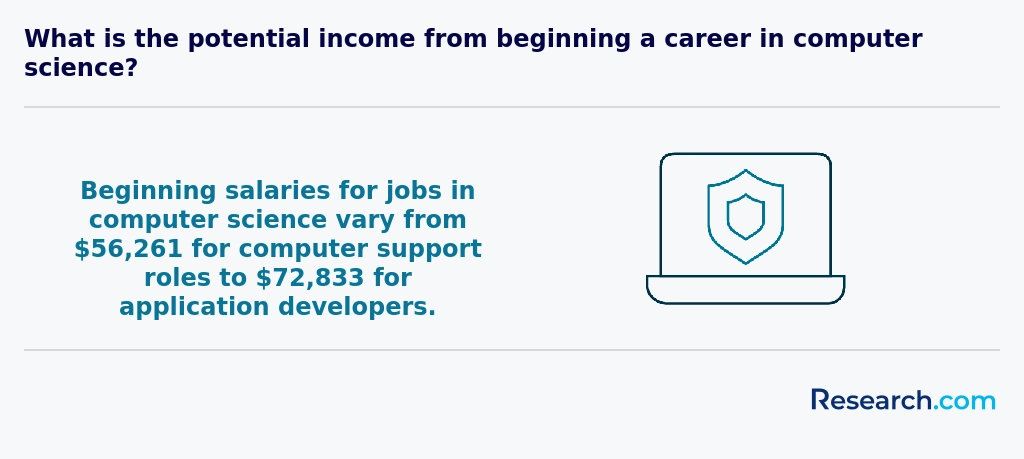
Graduates with a Computer Science degree in Boston, MA, find opportunities in a wide range of industries that value technical expertise and innovative problem-solving. Many secure roles at leading tech companies, healthcare technology firms, financial institutions, government agencies, and startups within the region-each offering unique environments to grow your career. In Boston’s thriving ecosystem, alumni report working with renowned firms such as IBM, Raytheon, and local startups engaged in cutting-edge developments. Moreover, many find success in specialized sectors like cybersecurity, artificial intelligence, and cloud computing, where their advanced skills are highly sought after. For aspiring students evaluating their options, exploring the ranking of the cheapest computer science programs in massachusetts not only highlights affordable education opportunities but also aligns with prospective career paths in the dynamic Boston tech market. These diverse employment opportunities underscore the value of a well-rounded education in creating a robust professional network and ensuring long-term career success.
Students pursuing computer science degrees in Boston quickly discover a well-rounded curriculum that balances theory with hands-on practice. Graduates from top institutions in the city often reflect on how courses such as Introduction to Programming, using languages like Python or Java, laid the groundwork for their problem-solving abilities in coding projects and internships.
Core classes like Data Structures and Algorithms challenge students to think critically about organizing and processing data efficiently-skills that prove invaluable in real-world software development tasks encountered during collaborative projects at Boston's universities.
Hands-on experience with Computer Systems and Architecture offers insight into how hardware and software interact, a perspective many alumni recall helping them troubleshoot complex issues during their tech roles. Electives in Artificial Intelligence and Machine Learning are increasingly popular, connecting students to cutting-edge developments in Boston's vibrant tech scene.
Alongside rigorous coursework, many Boston programs emphasize teamwork and communication, which graduates say transform abstract concepts into relatable challenges solvable in dynamic, supportive environments.
Students pursuing a computer science degree in Boston often encounter a variety of specializations that reflect the city's dynamic technology landscape. Popular concentrations include Artificial Intelligence and Machine Learning, where graduates describe the thrill of developing smart systems that can impact industries like healthcare and finance. Another common focus is Data Science and Big Data Analytics, shaped by Boston's strong biotech and financial sectors. Students find themselves empowered to analyze complex datasets, which opens numerous doors in both research and business contexts; these specializations align well with the range of computer science degree specializations in Boston.
Cybersecurity is also emphasized, reflecting growing concerns over digital safety, while Software Engineering remains a favorite due to its practical approach to creating robust applications used daily by Boston's thriving tech firms. Lastly, Human-Computer Interaction offers a creative edge, combining technology and design to enhance user experiences.
Graduates from institutions like Boston University and Northeastern appreciate the city's collaborative environment, where academic rigor meets local industry connections. For students wondering what jobs can i get after learning coding, choosing a specialization here can provide a clear career path and hands-on opportunities that truly prepare them for the evolving tech world.
Choosing the best computer science degree in Boston means paying close attention to how each program aligns with your career aspirations and lifestyle. Graduates from institutions like Northeastern often recall how their access to internships with local tech companies helped bridge classroom theory with practical skills, a crucial factor if you want to thrive in Boston's competitive job market. Many students emphasize the value of flexibility-some Boston schools offer part-time and online courses that fit around work commitments, which can make a huge difference if you're balancing responsibilities.
Cost is also a vital consideration. Boston's private universities might be costly, but exploring financial aid and scholarships can ease the burden, especially for those seeking affordable computer science degrees Boston has to offer. Additionally, looking into program specialties-like data science or cybersecurity-can shape a graduate's sense of purpose and confidence in their chosen path. One way to inform your choice is to study lists such as the Most Affordable Computer Science Degree Programs Ranking in Colorado, which can provide insight even beyond Boston's market.

Graduates from Boston's top universities often find that computer science career opportunities in Boston are both plentiful and diverse. Whether working as software engineers at innovative startups or established firms like HubSpot, or diving into data science roles, many build rewarding careers that leverage the city's dynamic tech ecosystem. Experienced graduates frequently reflect on their time navigating Boston's competitive job market, appreciating the mix of industries from biotechnology to finance that allow them to align their skills with personal interests.
For those drawn to analytics, data science offers an exciting path supported by local institutions like Massachusetts General Hospital. Cybersecurity roles are equally promising, especially given Boston's dense network of financial and healthcare organizations seeking professionals to safeguard sensitive information. Graduates from schools such as Boston University and Northeastern University often share how these opportunities bring both challenge and satisfaction, marking some of the best tech jobs for computer science graduates Boston can offer.
Some also pursue research avenues in fields like AI and robotics within academic circles, benefiting from Boston's strong research culture. For anyone curious about the financial aspects of tech careers, exploring what certificate makes the most money can be particularly insightful to complement their degree and boost earning potential.
Graduates from Boston's top institutions, such as MIT and Harvard, often find themselves well-positioned within a job market that is vibrant and expanding. The computer science job outlook Boston offers reflects a city bustling with opportunity in industries like finance, healthcare, and biotechnology, where software development and artificial intelligence roles steadily increase. Many recent graduates share how their internships turned into full-time positions at major companies or promising startups, fueled by Boston's rich entrepreneurial spirit and strong venture capital support.
Technology employment opportunities Boston present often come with competitive salaries ranging from $80,000 to $120,000, rewarding both skill and creativity. For students weighing the financial commitment of their education, it's encouraging to consider the long-term benefits alongside costs, especially when attending local universities with strong tech networks. Many find that pairing their studies with easy certifications to get that pay well enhances their marketability significantly.
2027 Most Affordable Computer Science Degree Programs Ranking in Boston
Investing in your education is a significant decision that can shape your future, and the Research.com team understands the importance of making informed choices. To assist prospective students in Boston, we have meticulously crafted the "2027 Most Affordable Computer Science Degree Programs Ranking in Boston." Our commitment to quality, credibility, and accuracy is reflected in the extensive research and analysis conducted to compile this ranking.
We utilized the following reputable data sources to ensure a comprehensive evaluation of computer science programs:
By exploring this ranking, readers will gain valuable insights into the most affordable computer science degree options in Boston, helping them make confident and well-informed decisions about their educational investments. For more details on our methodology, please visit our Research.com methodology page.


Frequently Asked Questions About computer science
Students pursuing computer science degrees in Boston can maximize their learning by engaging with the city's rich tech ecosystem. Boston is home to top universities like MIT and Harvard, promoting strong research and internship opportunities. According to the Boston Tech Talent report (2023), over 25,000 tech jobs were added in the region in the past five years, providing ample real-world experience options.
Participating in internships at local companies or startups enhances practical skills and networking. Joining student organizations and hackathons fosters collaboration and problem-solving abilities. Utilizing university resources such as career services and tech labs also supports academic and professional growth.
Emerging niches within the computer science field reflect the evolving demands of technology and industry. In Boston, key growth areas include artificial intelligence (AI), cybersecurity, and data science. According to the Boston Consulting Group, AI-related roles are expected to grow by over 30% in the region through 2027. Cybersecurity is another critical niche, driven by increasing digital threats, with local firms reporting a 25% rise in demand for security-focused professionals.
Data science remains a cornerstone, combining statistics and computing to extract insights from large datasets. Additionally, Boston's growing biotech sector fuels demand for computational biology specialists, integrating CS with life sciences. These niches offer promising pathways for students pursuing degrees in computer science locally.
Preparing for the job market after completing a computer science degree in Boston involves several strategic steps. First, students should engage in internships and cooperative education programs while studying. Boston's thriving tech sector offers many opportunities at startups and established companies such as HubSpot and Raytheon Technologies.
Networking plays a crucial role. Joining local organizations like the Boston Computer Society or attending industry events enhances connections and job prospects. According to the Massachusetts Executive Office of Labor and Workforce Development, Boston has seen a 12% growth in tech employment from 2020 to 2023.
Further, proficiency in in-demand programming languages and skills such as Python, Java, and machine learning improves employability. Many graduates also use university career centers to access job fairs and interview preparation.
Employers in Boston highly value computer science graduates with strong programming skills. Proficiency in languages like Python, Java, and C++ is especially sought after, as reported by the Boston Business Journal in 2023.
In addition to coding, knowledge of data structures and algorithms remains critical. These fundamentals allow graduates to solve complex problems efficiently, a key requirement across Boston's technology and finance sectors.
Communication skills also rank prominently. Employers expect graduates to explain technical concepts clearly to both technical teams and non-technical stakeholders, enhancing collaboration in diverse workplaces.
Familiarity with cloud computing and cybersecurity is increasingly important due to Boston's growing emphasis on tech innovation and data protection.
Lastly, practical experience through internships or project-based learning significantly improves job prospects within the competitive Boston market.
Finding internships in Boston related to a computer science degree involves leveraging the city's strong tech industry and university connections. Boston hosts major tech companies like IBM, Amazon, and Microsoft, which offer numerous internship opportunities yearly. According to the Massachusetts Technology Leadership Council, over 70% of local tech firms participate in internship programs.
Students should use university career centers to access exclusive listings and career fairs. Networking through organizations such as Boston ACM or Women Who Code Boston also enhances internship prospects. Websites like Handshake and LinkedIn are popular for internship postings, often filtered by location and field.
Additionally, applying early and tailoring resumes to emphasize programming skills improves chances. Many Boston universities such as Northeastern and Boston University emphasize co-op programs integrating internships with academic credits, a valuable route for hands-on experience.
Obtaining a computer science degree in Boston significantly enhances career mobility and advancement opportunities within the city's robust tech sector. Boston, known for its concentration of tech startups, established companies, and research institutions, offers graduates access to diverse job roles ranging from software development to data science.
According to the Boston Planning & Development Agency, the technology sector has grown by over 10% annually in recent years, creating a strong labor market demand for skilled computer science professionals. This demand often translates into higher starting salaries and faster promotions for degree holders compared to those without formal education.
Additionally, many Boston-based employers prioritize candidates with formal computer science credentials, valuing both technical expertise and problem-solving skills that degree programs emphasize. Graduates also benefit from a network of local universities and companies that facilitate internships and mentoring, boosting practical experience and professional connections.
Overall, earning a degree in computer science in Boston can open doors to a dynamic and evolving job market, making it a strategic choice for long-term career growth.
Studying for a computer science degree in Boston offers strong preparation for interdisciplinary roles due to the region's rich academic and professional environment. Boston is home to top universities like MIT and Harvard, which emphasize collaboration between computer science and fields such as biology, engineering, and business. According to the Boston Planning & Development Agency, over 400 tech companies in the city foster partnerships across industries, encouraging students to apply computing skills in diverse contexts.
Programs often include projects that combine computer science with healthcare, finance, or urban planning, reflecting real-world demands. The availability of internships and research opportunities with local firms and hospitals further supports hands-on interdisciplinary learning.
Choosing between a thesis and a non-thesis computer science degree program in Boston depends on your career goals and learning preferences. A thesis option typically involves conducting original research and writing a detailed paper, which suits students interested in pursuing a PhD or research-oriented roles.
Non-thesis programs focus more on coursework and practical skills, ideal for those aiming to enter the industry quickly. According to the National Center for Education Statistics, about 40% of Boston's computer science master's graduates opt for thesis tracks, reflecting strong academic research opportunities in the city.
Consider workload, time commitment, and whether you prefer theoretical or applied study.
Students based in Boston who want to study computer science abroad have several options supported by their home institutions. Many Boston universities, including Boston University and Northeastern University, offer exchange programs with partner schools in Europe and Asia, allowing students to earn credits toward their degrees.
According to the Institute of International Education, in 2022, over 30% of U.S. computer science students studied abroad for part of their degree, reflecting a growing trend.
Popular destinations include universities in the UK, Germany, and Canada, where students can experience different teaching styles and research opportunities in computer science.
Additionally, some programs provide internships abroad within tech companies, combining study and practical experience internationally.
Part-time job opportunities in Boston can significantly enhance the educational experience for computer science students. Positions such as software development interns, IT support specialists, and data analysts are frequently available through local startups and established tech firms. According to the Boston Planning & Development Agency, the city's tech sector grew by over 9% in 2023, creating numerous roles suited for students. Additionally, many universities partner with companies offering on-campus tech support and research assistantships, providing practical exposure.
Boston's strong emphasis on innovation means students often find opportunities in cybersecurity and web development roles. Such jobs not only build hands-on skills but also help in networking within the industry.
Boston is a major hub for technology and innovation, offering excellent networking opportunities for computer science students. The city hosts numerous tech meetups, industry conferences, and hackathons that connect students with professionals and potential employers. According to the Boston Planning & Development Agency, over 30,000 tech workers are employed locally, creating a dynamic environment for networking.
Top universities like MIT and Harvard facilitate access to internships and tech incubators, helping students build professional relationships. Many local companies, including startups and established firms, actively recruit from Boston's universities, enhancing career prospects through informational sessions and job fairs.
Alumni networks play a crucial role for computer science students in Boston by providing valuable professional connections in a city with a thriving tech industry. Many universities in Boston, such as Boston University and Northeastern University, have extensive alumni communities engaged in leading technology firms, startups, and academic research. According to the National Association of Colleges and Employers (NACE), 70% of jobs are obtained through networking, highlighting the importance of alumni in career development.
These networks offer mentorship, internship opportunities, and job referrals. They help students navigate Boston's competitive job market by connecting them with experienced graduates. Alumni events and online platforms also foster collaboration and knowledge sharing, benefiting both current students and recent graduates.
Customizing a computer science degree program in Boston allows students to align their studies with specific career goals. Many Boston universities offer elective courses and specializations such as artificial intelligence, cybersecurity, or data science. Students can often choose interdisciplinary minors or certificates, enhancing skills in business, engineering, or health informatics.
Internships and cooperative education programs provide practical experience, connecting students with Boston's robust tech industry. The city's access to startups and established firms, including those in the Cambridge Innovation District, offers valuable networking opportunities.
According to the National Center for Education Statistics, Boston-area institutions rank highly in innovation and research, benefiting students aiming for technology-focused careers.
Computer science students in Boston often face a variety of challenges typical of rigorous STEM programs. One key issue is managing the demanding coursework, which requires strong skills in mathematics, programming, and algorithms. Many students report difficulty balancing class assignments with practicums and internships, which are common in Boston's tech-driven environment.
Another challenge involves the competitive job market. Boston hosts many leading technology firms and startups, creating high standards for students seeking internships and post-graduate employment. According to the Bureau of Labor Statistics, the tech industry in Boston grew by 8% in the past five years, intensifying competition.
Furthermore, the cost of living in Boston adds financial pressure. Despite scholarship availability, students often struggle with housing and transportation expenses while pursuing their degrees. Mental health concerns related to stress and workload are also frequently noted in surveys conducted by local universities.
With a computer science degree from Boston, graduates can pursue various professional certifications to boost their careers. Popular options include the Certified Information Systems Security Professional (CISSP) and CompTIA Security+, both respected in cybersecurity fields. For software development, certifications like Microsoft Certified: Azure Developer Associate and AWS Certified Developer are valuable, particularly as Boston hosts many tech startups and established firms investing in cloud technologies.
Data from the Boston Planning & Development Agency highlights that about 15% of local tech job postings prefer candidates with certifications. Additionally, Cisco's Certified Network Associate (CCNA) is advantageous for network-focused roles.
These certifications complement a degree by offering practical skills employers seek in Boston's competitive tech market.
When applying to computer science programs in Boston, crafting a clear and focused application is essential. Highlight your strong foundation in math and programming skills, as these are critical for success in the field. Admissions committees often look for evidence of hands-on experience, such as internships, coding projects, or participation in hackathons.
Boston hosts top-tier institutions like Boston University and Northeastern, where the average GPA of admitted CS students hovers around 3.5, reflecting the competitive nature of these programs (source: College Board data, 2023).
Additionally, tailor your personal statement to explain your interest in computer science and how studying in Boston's tech-rich environment aligns with your career goals. Mentioning local industry connections or research opportunities can also strengthen your application.
The global demand for computer science professionals continues to grow rapidly, with the U.S. leading as a major hub for innovation and employment. Boston, known for its prestigious universities and tech industry, offers strong opportunities for graduates. According to the Bureau of Labor Statistics, the U.S. will see a 22% increase in computer and information technology jobs between 2020 and 2030.
Internationally, the field emphasizes skills in artificial intelligence, cybersecurity, and data science. Boston's collaborative environment with global tech firms attracts diverse talent, supporting a career that is both locally impactful and globally relevant.
Students studying computer science in Boston benefit from connections to global research and frequent industry partnerships.
Gaining practical experience while studying for a computer science degree in Boston is essential for building skills and enhancing employability. Many Boston-area universities offer cooperative education (co-op) programs, enabling students to alternate between classroom learning and paid work placements in tech companies. For example, Northeastern University is well-known for its extensive co-op network. Internships are another common route; Boston hosts numerous startups and established firms in financial technology, biotech, and software development sectors, providing abundant internship opportunities.
Students can also join on-campus clubs and coding competitions or contribute to open-source projects. According to the Bureau of Labor Statistics, practical experience significantly increases job prospects in technology fields nationwide, including Boston.
Choosing the right concentration within a computer science degree in Boston begins with understanding your career goals and interests. Popular concentrations include artificial intelligence, cybersecurity, data science, and software engineering. Boston is a leading tech hub, with the Massachusetts Technology Collaborative reporting over 60,000 IT jobs in the region as of 2023, highlighting demand for specialized skills.
Students should also consider the faculty expertise and research facilities of local institutions. For instance, universities like Boston University and Northeastern offer tailored programs supported by industry partnerships. Reviewing course curricula and internship opportunities can guide your decision effectively.
Additionally, evaluating job placement rates within specific concentrations can provide insight into employment prospects in Boston's competitive tech market.
- 2027 Most Affordable Computer Science Degree Programs Ranking in Medford
- 2027 Most Affordable Computer Science Degree Programs Ranking in Lowell
- 2027 Most Affordable Computer Science Degree Programs Ranking in Worcester
- 2027 Most Affordable Computer Science Degree Programs Ranking in Providence
- 2027 Most Affordable Computer Science Degree Programs Ranking in Amherst
- 2027 Most Affordable Computer Science Degree Programs Ranking in Albany
- 2027 Most Affordable Computer Science Degree Programs Ranking in Stony Brook
- 2027 Most Affordable Computer Science Degree Programs Ranking in New York
- 2027 Most Affordable Computer Science Degree Programs Ranking in Brooklyn
- 2027 Most Affordable Computer Science Degree Programs Ranking in Staten Island
See What Experts Have To Say About Studying Computer Science
Read our interview with Computer Science experts

Elan Barenholtz
Computer Science Expert
Associate Professor
Florida Atlantic University

Imed Bouchrika, Phd
Computer Science Expert
Professor of Computer Science
National Higher School of Artificial Intelligence

Derek Riley
Computer Science Expert
Professor, Program Director
Milwaukee School of Engineering

Martin Kang
Computer Science Expert
Assistant Professor
Loyola Marymount University

- A Holistic Approach to Studying Interdisciplinary Collaboration: Computer Science https://sciety.org/articles/activity/10.21203/rs.3.rs-8694985/v1
- New and Future Computer Science and Technology Trends https://www.computerscience.org/resources/computer-science-trends/
- Computer Engineering Master's Program (without Thesis) | Eastern Mediterranean University Cyprus https://www.emu.edu.tr/en/programs/computer-engineering-masters-program-without-thesis/942
- UK Computer Science Degree Requirements Explained https://accesscoursesonline.com/blogs/news/computer-science-degree-requirements
- Ada Computer Science https://adacomputerscience.org/student_challenges
- 5 Challenges Faced by Computer Science Students and How to Overcome Them https://informatika.almaata.ac.id/5-challenges-faced-by-computer-science-students/
- Computer Science Cover Letter: How to Show You're a Top Tech Candidate https://arc.dev/talent-blog/computer-science-cover-letter/
- Top 12 Global Careers For Computer Science Degree Graduates https://womeninstemnetwork.com/careers-for-computer-science-degree/
- Letter of Motivation for applying Computer Science related fields https://essayforum.com/letters/motivation-applying-computer-science-related-11858/
- How to choose a bachelor's in computer science | edX https://www.edx.org/resources/how-to-choose-a-bachelors-in-computer-science