2027 Most Valuable Computer Science Degree Programs Ranking in Milwaukee

Co-Founder and Chief Data Scientist
Are you considering a computer science degree in Milwaukee? Choosing the right program can shape your future in technology and innovation.
This article features the 2027 Most Valuable Computer Science Degree Programs Ranking in Milwaukee, crafted by the Research.com team of data scientists. It's designed to guide you toward programs offering the best opportunities and value.
By exploring this ranking, you'll gain insights to make an informed decision about your education, helping you confidently start a rewarding career in computer science.
Key benefits of getting computer science degree in Milwaukee
- Salary for computer science graduates in Milwaukee is promising, with jobs like Software Engineer and Software Developer earning a mean annual wage of $138,110, while Web Developers make around $95,570 and IT Support Specialists earn about $63,640, offering strong financial stability.
- Graduates in Milwaukee often explore varied career paths such as software development, data analysis, and IT support, reflecting diverse opportunities that match different interests and skills.
- Choosing an online computer science degree lets students balance work and study flexibly, often saving time and money, a benefit appreciated by many Milwaukee learners seeking convenient education.
- 2027 Most Valuable Computer Science Degree Programs Ranking in Milwaukee
- What can I expect from computer science degree in Milwaukee?
- Where can I work with computer science degree in Milwaukee?
What can I expect from computer science degree in Milwaukee?
When considering the cost of earning a computer science degree in Milwaukee, students often find that expenses vary notably between institutions. Graduates from the University of Wisconsin-Milwaukee typically pay around $10,500 per year for in-state tuition, which many find manageable given the quality of education and opportunities linked to the local tech industry. Their experiences often reflect a balance between affordability and access to solid academic and research programs.
Conversely, students at the Milwaukee School of Engineering encounter higher tuition, about $42,000 annually, reflecting its private college status. However, many graduates appreciate the value in smaller class sizes and extensive hands-on experiences that come with project-based learning. These practical skills, combined with MSOE's strong industry connections, often help justify the investment by opening doors to competitive internships and jobs.
Both paths highlight the importance of exploring financial aid and scholarships as critical factors in managing these costs, ensuring aspiring computer scientists in Milwaukee can pursue their goals without overwhelming financial stress.
Where can I work with computer science degree in Milwaukee?
Graduates from Milwaukee's universities often discover a broad spectrum of job opportunities that align well with their computer science backgrounds. Many find rewarding roles in the city's thriving technology companies, where firms like Rockwell Automation offer dynamic positions focused on industrial automation and IoT. This real-world experience helps graduates apply programming and systems design skills directly to innovative projects.
Healthcare organizations such as Aurora Health Care attract graduates interested in combining tech with patient care, where they work on health informatics and software that improves medical outcomes. Those who studied at local colleges often mention feeling fulfilled when their work supports community health advancements through cutting-edge software solutions.
Financial institutions, including BMO Harris Bank, frequently hire computer science alumni to develop secure fintech applications and data analytics tools. Graduates share how their education prepares them to tackle complex fraud detection systems, driving a sense of accomplishment in protecting important assets.
Additionally, Milwaukee's growing startup community, fostered by incubators like gener8tor, offers graduates exciting environments for innovation, emphasizing cloud computing and app development. Many graduates cherish the opportunity to contribute to pioneering products while honing versatile tech skills in a collaborative setting.
Graduates from computer science programs at Milwaukee institutions often discover promising salary opportunities that reflect both local market demand and national trends. Entry-level roles such as software developers commonly earn around $138,110 annually, according to recent Bureau of Labor Statistics data, matching the mean wage for software engineers in the region. For those starting in web development, the median salary is slightly lower but still substantial at about $95,570 per year, a figure many new graduates find encouraging as they build their portfolios.
IT support specialists, another common entry point for computer science grads, earn a mean annual wage near $63,640, which provides a solid foundation for gaining industry experience. More experienced graduates specializing in data analysis see salaries rise to roughly $119,040, illustrating Milwaukee's readiness to reward in-demand skills with competitive pay.
Many graduates from local universities recall securing roles that quickly exceeded $100,000, especially when combining technical expertise with practical internships or certifications. This aligns well with Milwaukee's vibrant tech scene, where companies value advanced knowledge and hands-on experience. These earnings not only support a comfortable lifestyle in Milwaukee but also reflect the city's evolving technology-driven economy.
- The average cost for a bachelor's degree in computer science in Milwaukee ranges from $25,000 to $40,000 per year, varying by institution type and residency status.
- Entry-level salaries for computer science graduates in Milwaukee average between $60,000 and $70,000 annually, with mid-career salaries rising to $90,000-$110,000.
- About 5,000 computer and IT jobs are expected to open annually in the Milwaukee metro area over the next ten years.
- Graduates can pursue careers in software development, cybersecurity, artificial intelligence, and cloud computing, among other tech fields.
- Internship and cooperative education programs offered by local schools help increase practical experience and job readiness.
- Financial aid and scholarships for STEM students are available to help lower education costs.
Completing a computer science degree in Milwaukee typically takes about four years for a bachelor's program, a timeline many graduates from the University of Wisconsin-Milwaukee and Marquette University find both achievable and rewarding. This four-year rhythm mirrors the national standard while benefiting from the city's supportive academic environment. Alumni often share how staying on this track helped them build solid foundations without feeling rushed.
For those starting with an associate degree, community colleges like Milwaukee Area Technical College offer a focused two-year program that many find a practical stepping stone. This path suits students eager to enter the workforce sooner or transfer credits later, often bringing a sense of accomplishment early on.
Graduate studies add another one to two years, with flexible options that allow working professionals to balance life and learning. Milwaukee students appreciate these choices, as they personalize the journey according to their needs.
Part-time enrollment, internships integrated into local universities' curricula, and course scheduling can influence how long the degree takes. Many find that these factors offer the freedom to tailor education while gaining valuable experience, making the journey both manageable and inspiring.
Prospective students aiming to enroll in a Computer Science degree program in Milwaukee, WI, should begin by researching program requirements and campus visits well in advance. Most universities, including the University of Wisconsin–Milwaukee and Marquette University, open their fall semester applications by October 1, with priority deadlines around December 1 and final deadlines near February 15. Spring admissions often close by October 1 of the previous year. To streamline your application: • Gather official transcripts from all previous institutions, ensuring a minimum 3.0 GPA or as specified by each school. • Request two to three letters of recommendation from math or science instructors who can attest to your problem-solving and coding abilities. • Craft a concise personal statement (500–750 words) highlighting your passion for programming, any related projects, and long-term career goals. • Complete the online application portal, upload all documents, and pay the non-refundable admission fee (typically $50–$75). Early submission can boost your chances for merit-based scholarships and on-campus housing. After applying, monitor your applicant dashboard for interview invitations or coding assessments; these evaluations often occur from late January through March. Admitted students usually receive decisions by mid-April, with a May 1 confirmation deadline. Finally, to compare cost-saving options beyond Milwaukee, consider exploring our Low Cost Computer Science Degree Programs Ranking in San Francisco, CA, which can offer additional perspective on tuition strategies and aid deadlines in another major tech hub.
Choosing between online and on-campus computer science degrees in Milwaukee means weighing how you want to learn and connect. Graduates from the University of Wisconsin-Milwaukee often recall the energizing classroom debates and hands-on lab sessions that shaped their practical skills. They appreciate the immediate feedback and camaraderie that grew from face-to-face interactions, which feel like a shared journey toward mastering complex concepts.
On the other hand, those who studied through Milwaukee Area Technical College's online or hybrid programs highlight the freedom to fit classes around work and family. They describe logging in from home or local cafés in the suburbs, feeling empowered by accessing the same curriculum without sacrificing daily responsibilities. The digital forums and virtual meetups might not replace in-person chats entirely, but students find creative ways to build connections and stay motivated.
Cost considerations also play a role. Some Milwaukee students find on-campus tuition slightly higher but balanced by networking events and lab access, while online learners save commuting expenses and juggle schedules with more ease.
Navigating the application process for a Computer Science degree in Milwaukee, WI, can feel daunting, but breaking it into clear steps ensures you submit a compelling application on time. Follow this guide to maximize your chances of acceptance: 1. Research Deadlines and Requirements - Visit each university’s admissions page to confirm application deadlines (typically December for fall intake and August for spring). - Note required documents: official transcripts, personal statement, letters of recommendation, and standardized test scores (SAT/ACT, where still required). 2. Craft a Strong Personal Statement - Highlight your passion for computing, key projects or competitions, and career goals. - Use concrete examples (e.g., coding projects, hackathons) to demonstrate problem-solving skills and teamwork. 3. Secure Impactful Recommendations - Request letters from teachers or mentors who can attest to your technical aptitude and work ethic. - Provide recommenders with your resume and personal statement draft to help them tailor their comments. 4. Prepare and Submit Supporting Materials - Scan and upload official transcripts early to avoid last-minute issues. - Double-check essay prompts and proofread carefully for clarity and grammar. 5. Explore Supplementary Opportunities - Many programs value demonstrated commitment: consider completing a relevant certification or online course. - For those interested in cybersecurity, you may also explore our best online cybersecurity degree options to bolster your application profile. 6. Follow Up and Track Your Application - After submission, verify receipt via the university portal and follow up on any missing items. - Attend virtual or on-campus information sessions and open houses to connect with faculty and current students. By adhering to these steps-planning early, presenting a cohesive narrative, and leveraging supplemental learning resources-you’ll strengthen your application and position yourself for success in Milwaukee’s competitive Computer Science programs.
The average cost of a computer science degree in Milwaukee varies widely depending on the type of institution and residency status, but understanding these figures helps students make informed decisions. On average, the median in-state total cost stands near $23,254, which aligns with many graduates' experiences from public universities like the University of Wisconsin-Milwaukee. These students often find a balance between affordable tuition and access to quality education in the tech field.
Out-of-state students typically face higher costs, with median totals around $40,813. Those attending private institutions, such as Marquette University, frequently encounter tuition fees in this range. Yet, many of these students express relief and gratitude for scholarship opportunities and financial aid that substantially ease the burden, proving that the initial sticker price doesn't always reflect the net cost. This kind of support makes studying computer science more attainable and less daunting.
For those seeking a more budget-friendly path, technical colleges like Milwaukee Area Technical College offer programs that significantly reduce expenses. Graduates often share how this route allowed them to enter the tech industry without the heavy debt sometimes associated with four-year programs. When evaluating the average cost of computer science degree Milwaukee options, factoring in additional expenses such as fees and materials is essential, as these can add $1,000 to $2,000 yearly depending on the institution.
Prospective students should also research financial aid resources and the potential return on investment from their degree. Many find inspiration by consulting the valuable computer science school in wisconsin rankings to identify programs that not only fit their budget but also offer promising career outcomes.

Many Milwaukee students pursuing a computer science degree find crucial support through federal aid, particularly the FAFSA process, which opens doors to Pell Grants, loans, and work-study jobs. Graduates often recall how the Pell Grant eased their financial burden without the stress of repayment, allowing them to focus more on coding projects and academic growth.
State aid is another important resource. Wisconsin residents benefit from the Wisconsin Grant program, which many Milwaukee-based students at the University of Wisconsin-Milwaukee have credited with significantly lowering their tuition costs. This grant transforms the challenge of affording education into a more manageable journey.
Merit scholarships hold a special place for Milwaukee's STEM students. University of Wisconsin-Milwaukee awards merit scholarships that encouraged many future software developers by recognizing their academic effort early on, offering both financial relief and motivation.
Local tech employers also play a key role, offering tuition assistance or reimbursement, especially for those balancing work and part-time study. This practical support makes advancing a career while earning a degree a realistic and hopeful path.
To embark on a computer science degree in Milwaukee, a solid foundation in mathematics is indispensable. Graduates from institutions like the University of Wisconsin-Milwaukee often reflect on how their early grasp of algebra, geometry, and calculus prepared them for complex programming challenges and logic-based problem solving. This strong math background is more than a requirement; it becomes a source of confidence when facing demanding coursework.
Science knowledge, especially in physics or chemistry, also plays a valuable role. Many Milwaukee colleges appreciate applicants who understand scientific reasoning, as it complements computational thinking. Graduates recall how insights gained from these subjects made abstract concepts more tangible and engaging during their studies.
Standardized tests such as the SAT or ACT remain important in some programs, though several institutions have embraced test-optional policies recently, a shift welcomed by many students balancing diverse responsibilities. Application materials like essays and recommendation letters are equally significant, offering a chance to demonstrate motivation beyond grades.
Finally, awareness of financial realities is vital. Public universities in Milwaukee typically offer in-state tuition around $10,000 to $12,000 yearly, making them accessible, while private colleges demand a higher investment. Graduates often advise exploring financial aid early to focus fully on academic growth without undue stress.
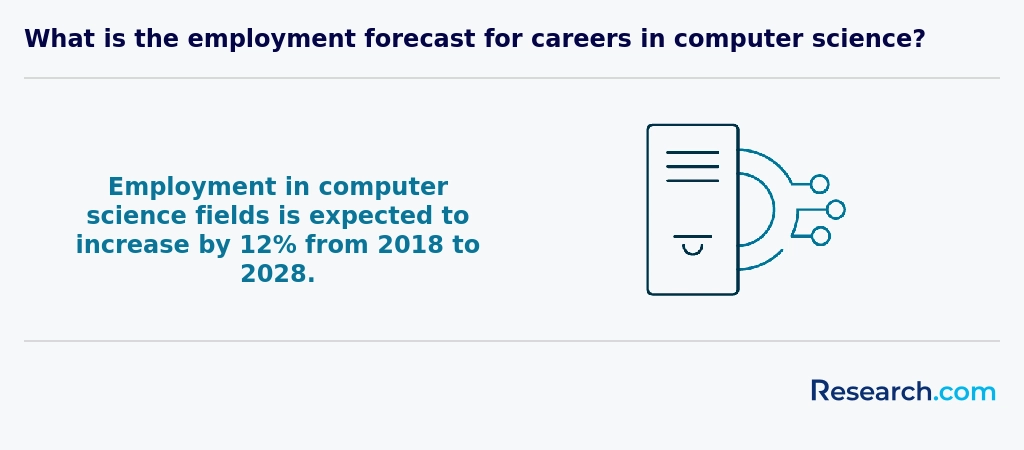
As the tech industry continues to evolve, staying ahead of emerging trends is key for students and educators alike. In Milwaukee, WI, both academic programs and local businesses are adapting to advances in technology, offering new opportunities in areas such as artificial intelligence, cybersecurity, and data analytics. Many institutions are now integrating courses that focus on machine learning algorithms, Internet of Things (IoT) solutions, and blockchain technologies, ensuring that graduates are well-equipped to navigate a rapidly changing landscape. Local partnerships between universities and tech companies are strengthening, enabling students to gain real-world experience through internships, research collaborations, and co-op programs. These initiatives not only enhance students' technical expertise but also boost their professional networks, which is crucial in today’s competitive job market. As a prospective student evaluates options, it’s important to consider how well a program aligns with future industry demands. Exploring institutions such as the valuable computer science school in wisconsin can provide insights into which schools are best positioned to prepare students for long-term success. Overall, keeping an eye on these future trends and the evolving local ecosystem will help you make an informed decision about where to invest your education, ensuring that you remain competitive in the dynamic field of computer science.
Graduates from Milwaukee's universities often reflect on the solid foundation built through courses like Introduction to Programming, where they first grapple with languages such as Python and Java. This initial challenge transforms into confidence as they learn to solve real problems, whether debugging a simple app or developing a small game. Data Structures and Algorithms courses follow, sharpening their ability to think logically and optimize code-a skill praised by local employers in Milwaukee's tech community.
Hands-on classes in Computer Architecture and Operating Systems provide behind-the-scenes insight into how computers work, turning abstract concepts into tangible experience. Many students recall projects from Software Engineering and Web Development courses that mimic real workplace scenarios, helping them build collaborative and technical skills simultaneously.
Electives in Artificial Intelligence, Machine Learning, and Cybersecurity add exciting layers, fueling curiosity about future technology. Milwaukee students appreciate how these courses prepare them not just for exams but for thriving in dynamic roles within the city's growing tech sector.
Students pursuing computer science specializations Milwaukee often encounter a broad spectrum of focused areas that align well with local industry demands. Graduates from popular universities and colleges appreciate how software development prepares them for real-world roles, such as building applications or troubleshooting systems used daily by Milwaukee's growing tech companies.
Others gravitate toward data science and analytics, drawn by the opportunity to transform complex data into actionable insights, a skill highly valued in Milwaukee's business community. This specialization brings a sense of excitement as graduates imagine supporting healthcare or manufacturing firms with predictive analytics tailored to local needs.
Cybersecurity is particularly prominent as threats increase nationwide. Milwaukee students benefit from hands-on coursework and internships that prepare them for careers in security analysis, and many find that pursuing the best online cybersecurity degree enhances their employment options significantly.
Additional avenues include artificial intelligence and computer networking, which resonate with students inspired by the city's advancing automation and digital health sectors. These Milwaukee computer science degree options allow learners to customize their training, ensuring their skills remain relevant and impactful.
Choosing the best computer science degree in Milwaukee means looking beyond just course titles. Graduates from the University of Wisconsin-Milwaukee often reflect on how the strong emphasis on algorithms, data structures, and software engineering gave them confidence in real-world problem-solving. This approach prepares students well for emerging fields. When seeking affordable options, it's wise to explore affordable computer science colleges in Milwaukee, balancing quality with cost. Many find that Milwaukee School of Engineering's blend of academic rigor and industry connections creates a vibrant learning experience that feels both challenging and rewarding.
Practical experience is where programs truly shine. Milwaukee's growing tech scene offers internships directly connected to local firms, bridging classroom lessons to hands-on applications. Flexibility is another key factor; graduates appreciate when they can tailor schedules through online or hybrid pathways to fit work or family needs. Finally, be sure to review detailed rankings like the Low Cost Computer Science Degree Programs Ranking in San Francisco, CA as a reference for financial considerations that can impact your journey.

Graduates with a computer science degree in Milwaukee find a wealth of career paths rooted in the city's vibrant economy. Many alumni from local institutions like Marquette University and the University of Wisconsin-Milwaukee describe their transition into roles such as software engineering, where they design applications that power businesses from finance to manufacturing. This hands-on experience in Milwaukee's growing tech environment enhances their confidence and skill set.
Others pursue data science, analyzing complex datasets for healthcare providers or financial firms, a path especially rewarding given Milwaukee technology career opportunities. One graduate shared how working with healthcare data at Froedtert improved patient outcomes, proving the tangible impact of their expertise. For those seeking immediate entry into the field, exploring fast associate degree programs online can also be a strategic choice.
Systems analysis and network administration remain popular, with companies valuing graduates who maintain IT infrastructures that are both secure and efficient. Reflecting on these options, Milwaukee's diverse industries truly support various flourishing computer science jobs in Milwaukee while fostering a positive professional outlook.
The computer science job opportunities Milwaukee presents are encouraging for graduates who want to build a career locally. Many students from Marquette University and the University of Wisconsin-Milwaukee share stories of landing positions in software development or data analysis shortly after graduation, benefiting from the city's diverse industries like manufacturing and finance. The steady growth in tech startups, alongside established companies such as Harley-Davidson and Northwestern Mutual, creates an exciting, dynamic job market where fresh computer science talent is in demand.
Graduates often highlight how collaboration between universities and employers offers real-world experience, which eases the transition into the workforce. Entry-level salaries typically range from $60,000 to $70,000, which provides a solid start for young professionals eager to thrive in Milwaukee's evolving tech scene. For those considering further education or flexibility, exploring online programs that pay well can be a smart strategy to complement local opportunities.
In terms of long-term prospects, Milwaukee's tech job market trends suggest a positive outlook for roles in cybersecurity, IT management, and software engineering, with salaries rising as expertise grows. This environment inspires confidence among graduates who feel optimistic about building successful careers within the city they call home.
2027 Most Valuable Computer Science Degree Programs Ranking in Milwaukee
Investing in your education is a significant decision that can shape your future, and the Research.com team understands the importance of making informed choices. To assist prospective students in Milwaukee, we have meticulously crafted the "2027 Most Valuable Computer Science Degree Programs Ranking in Milwaukee." Our commitment to quality, credibility, and accuracy is reflected in the extensive research and analysis conducted to compile this ranking.
We utilized the following reputable data sources to ensure a comprehensive evaluation of computer science programs:
By exploring this ranking, readers will gain valuable insights into the most valuable computer science degree programs in Milwaukee, empowering them to make well-informed decisions about their educational paths. For more information on how this ranking was created, please visit our Research.com methodology page.


Frequently Asked Questions About computer science
Computer science degree students in Milwaukee can maximize their learning by engaging with local tech communities and internship opportunities. Milwaukee's growing tech sector, including companies like Exact Sciences and Johnson Controls, offers valuable real-world experience. According to the Milwaukee 7 Economic Development Partnership, internships are crucial for building practical skills and professional networks.
Students should also take advantage of resources at institutions such as the University of Wisconsin-Milwaukee, which hosts coding clubs and hackathons. Participating in these activities enhances problem-solving abilities and teamwork skills. Additionally, staying current with industry trends via online platforms like LinkedIn Learning complements classroom knowledge.
Finally, Milwaukee's affordable cost of living allows students to focus more on their studies and internships, potentially improving academic outcomes and career readiness.
Emerging niches within the computer science field in Milwaukee reflect broader national trends, focusing on areas with rapid growth and high demand. Cybersecurity has become a major focus, driven by increasing digital threats; the Milwaukee 7 Economic Development Partnership highlights local investments in security technologies. Another important niche is data science and machine learning, where companies require expertise to analyze large datasets and create predictive models.
Additionally, Milwaukee's expanding healthcare sector fuels demand for bioinformatics and health informatics specialists who combine computer science with medical data. The rise of Internet of Things (IoT) technologies also opens opportunities in smart manufacturing, where Milwaukee's historic industrial base is rapidly modernizing. These niches offer promising career paths for students pursuing computer science degrees in the region.
Preparing for the job market after completing a computer science degree in Milwaukee involves combining technical skills with practical experience. Milwaukee is home to a growing tech sector, including companies like Northwestern Mutual and Rockwell Automation, which often seek local talent. Engaging in internships during or after your degree can significantly improve job prospects, as these provide hands-on experience and networking opportunities.
Building a strong portfolio through personal or academic projects is also vital. Employers typically look for evidence of coding skills, problem-solving, and collaboration. Milwaukee's universities often host career fairs and workshops tailored to technology students, which can help in connecting with potential employers.
Additionally, staying current with industry certifications in programming languages or cloud technologies enhances employability. According to the Milwaukee Area Technical College and local job market analyses, graduates with combined academic and real-world experience tend to secure positions faster and earn higher starting salaries.
Employers in Milwaukee seek computer science graduates who combine strong technical and soft skills. Proficiency in programming languages such as Python, Java, and C++ ranks highly, reflecting local industry demands in software development and data analysis.
Additionally, knowledge of cloud computing and cybersecurity is increasing in importance, especially due to Milwaukee's growing tech startups and financial sectors that prioritize data protection.
Communication and teamwork are also valued. According to a 2023 report by the Milwaukee Economic Development Corporation, 78% of local employers emphasize collaboration skills as critical for new hires in tech roles.
Problem-solving abilities and adaptability remain core competencies, helping graduates thrive in diverse environments and evolving projects within Milwaukee's dynamic technology landscape.
Finding internships in Milwaukee related to a computer science degree involves targeting local industries and utilizing university resources. Milwaukee is home to various tech companies and manufacturing firms increasingly integrating software solutions, creating valuable internship opportunities.
Students should start by exploring career centers at institutions like the University of Wisconsin-Milwaukee and Marquette University. These centers often partner with local employers and post relevant internship listings specifically for computer science majors.
Networking events hosted by Milwaukee Tech Hub and local chapters of professional organizations such as the Association for Computing Machinery (ACM) can also connect students to internship opportunities.
Online platforms like Handshake and LinkedIn frequently list internships based in Milwaukee, allowing students to filter by location and field.
According to a 2023 report from the Milwaukee 7 economic partnership, tech jobs in the region grew by 5.4%, increasing internship availability in software development and IT fields over recent years.
Obtaining a computer science degree in Milwaukee significantly enhances career mobility and advancement opportunities. The city hosts a growing tech sector, with companies like Rockwell Automation and Johnson Controls seeking skilled professionals. According to the Bureau of Labor Statistics, Milwaukee's metropolitan area experienced a 12% increase in computer and information technology jobs from 2019 to 2023.
A degree provides a strong foundation in coding, algorithms, and systems design, meeting local employers' demands.
Graduates often move from entry-level roles to specialized positions, such as software developers or IT managers, within 3 to 5 years, aided by continuous learning and certification.
Local universities and colleges also offer relevant internship programs that improve practical skills and networking, which are crucial for advancement in Milwaukee's competitive market.
Studying for a computer science degree in Milwaukee offers students a strong foundation for interdisciplinary roles. Milwaukee's universities emphasize collaboration across fields like engineering, business, and healthcare. This prepares graduates to work in diverse environments where technology integrates with other disciplines.
Local institutions often partner with businesses in Milwaukee's growing tech sector, providing real-world projects that blend computer science with areas such as data analytics or bioinformatics. According to the Milwaukee Area Technical College and University of Wisconsin-Milwaukee, about 40% of computer science graduates engage in interdisciplinary internships or research.
This practical experience equips students with communication and problem-solving skills essential for interdisciplinary teams.
Choosing between a thesis and a non-thesis computer science degree program in Milwaukee depends on your career goals and learning preferences. Thesis programs usually emphasize research and require a substantial project, which may be ideal if you plan to pursue a PhD or research roles.
Non-thesis options often focus on coursework and practical skills, suitable for students aiming to enter the industry directly. For example, the University of Wisconsin-Milwaukee offers both paths, highlighting hands-on experience in non-thesis tracks.
According to the National Center for Education Statistics, thesis programs often take longer to complete, averaging two to three years versus 1.5 to two years for non-thesis degrees. Consider your timeline and professional aspirations carefully.
Students in Milwaukee interested in studying computer science abroad have several pathways through their local universities. Institutions such as the University of Wisconsin-Milwaukee offer dual-degree and exchange programs with partner universities worldwide, allowing computer science students to spend a semester or more overseas. These opportunities provide exposure to international tech markets and diverse academic environments.
Additionally, programs coordinated by the university's study abroad office often include options in countries with strong tech industries, such as Germany, Canada, and South Korea. Participation in these programs can enhance students' resumes and skill sets in global computing trends.
Financial aid and scholarships for studying abroad are sometimes available specifically for STEM students, reducing barriers for Milwaukee residents pursuing these experiences.
Milwaukee offers diverse part-time job opportunities that can enhance a computer science degree education. Common roles include software development internships, IT support positions, and web development projects often available through local tech startups and businesses.
According to the Milwaukee Area Technical College and University of Wisconsin-Milwaukee career centers, students frequently find roles in data analysis and cybersecurity that provide practical experience. Many of these jobs allow students to apply classroom knowledge to real-world challenges.
Additionally, Milwaukee's growing technology sector, supported by organizations like Tech Milwaukee, creates networking opportunities that benefit students seeking practical work alongside their studies. Employers in the Milwaukee metro report a steady demand for computer science skills, making part-time roles both relevant and valuable.
Computer science students in Milwaukee benefit from diverse networking opportunities supported by local universities and industry groups. Institutions like the University of Wisconsin-Milwaukee host regular career fairs and tech meetups, connecting students to employers such as Rockwell Automation and Johnson Controls. Milwaukee's growing tech scene includes organizations like the Milwaukee Technology Innovation Center, fostering collaboration and internships.
Additionally, events organized by groups like Milwaukee Women in Technology provide networking that emphasizes diversity in computing fields. According to the Wisconsin Department of Workforce Development, Milwaukee's tech employment grew by 8% in recent years, increasing opportunities for students to engage professionally.
Alumni networks offer significant advantages to computer science students in Milwaukee by providing access to professional connections within a growing tech community. Graduates from local universities, such as the University of Wisconsin-Milwaukee, remain engaged through these networks, which often facilitate job referrals, internships, and mentorship opportunities. According to the Milwaukee Tech Hub report (2023), nearly 70% of tech professionals in the city find new roles through personal or alumni connections.
These networks also support career development through workshops, panels, and exclusive events focused on emerging technologies relevant to Milwaukee's expanding industries.
Joining an alumni network can enhance a student's ability to navigate the competitive job market by connecting them with experienced professionals who understand local industry demands and corporate cultures.
Customizing a computer science degree program in Milwaukee often involves selecting electives and specializations aligned with your career goals. Many local universities offer tracks in areas like cybersecurity, data science, or software engineering. Tailoring your coursework allows you to gain skills relevant to the region's growing tech hubs.
Internships and cooperative education programs with Milwaukee-based companies provide practical experience, increasing job readiness. According to the Milwaukee Economic Development Corporation, tech jobs in the city have grown by 7% annually, highlighting demand for specialized skills.
Additionally, students can pursue certificates or minors in related fields such as business analytics to broaden their expertise. Engaging in research projects or joining tech clubs also supports career-focused learning.
Computer science students in Milwaukee often face challenges related to balancing demanding coursework with part-time jobs or internships. The city has a growing tech sector, but students report difficulty securing local internships that offer competitive experience during their studies. According to the University of Wisconsin-Milwaukee, around 40% of computer science undergraduates work while studying, which can impact academic performance.
Another common challenge is the rapid pace of technological change. Students must continuously update skills in programming languages and software tools, which can be overwhelming without strong academic support. Milwaukee's universities provide resources, yet access varies by institution.
Finally, some students encounter limited networking opportunities compared to larger tech hubs, affecting job placement after graduation. Local organizations and meetups exist but remain smaller in scale.
With a computer science degree, Milwaukee students can pursue various professional certifications to enhance their career prospects. Popular certifications include Certified Information Systems Security Professional (CISSP) for cybersecurity, and Cisco Certified Network Associate (CCNA) for networking expertise.
Others are the Microsoft Certified: Azure Fundamentals for cloud computing and the Certified Data Professional (CDP) credential for data management. These certifications are well-regarded in Milwaukee's growing tech sector, which recorded a 7% increase in IT job openings between 2022 and 2023, according to the Wisconsin Department of Workforce Development.
Completing these certifications can increase job opportunities in local companies such as Rockwell Automation and Johnson Controls.
To write a winning application for a computer science program in Milwaukee, begin by carefully researching local institutions such as the University of Wisconsin-Milwaukee and Milwaukee School of Engineering. These schools value strong academic performance, so emphasize your GPA, especially in math and science courses. Demonstrate programming skills by listing experience with languages like Python, Java, or C++.
Include meaningful extracurricular activities, such as coding clubs or technology competitions. Milwaukee's tech industry, which is growing steadily according to the Milwaukee 7 organization, values practical skills and innovation. Highlight any internships or projects related to computer science.
Finally, craft a clear personal statement explaining your passion for computing and your career goals in Milwaukee's evolving tech sector. Admissions committees appreciate well-written, focused essays supported by relevant experiences.
Computer science careers have strong global demand, reflecting the worldwide growth of technology and innovation. Graduates with a computer science degree from Milwaukee institutions enter a competitive job market that values skills in software development, cybersecurity, and data science. According to the U.S. Bureau of Labor Statistics, computing jobs are projected to grow 15% from 2021 to 2031, faster than many other fields.
Milwaukee's strategic location and industry presence, including companies in manufacturing and finance, create unique opportunities for applying global tech trends locally. Universities like the University of Wisconsin-Milwaukee offer curriculum aligned with international standards, preparing students for diverse career options worldwide.
Global companies increasingly seek professionals with knowledge of emerging technologies such as artificial intelligence and cloud computing. This global demand improves prospects for Milwaukee graduates to work internationally or with multinational firms.
Gaining practical experience while studying for a computer science degree in Milwaukee can significantly boost your career prospects. Many universities in Milwaukee, such as the University of Wisconsin-Milwaukee, encourage students to engage in internships with local tech companies. According to the Milwaukee 7 Regional Economic Development Partnership, the area's tech sector has grown by over 7% annually, offering students ample internship opportunities.
Additionally, participating in cooperative education (co-op) programs allows students to alternate between classroom study and full-time employment directly related to their field. Milwaukee also hosts coding bootcamps and hackathons, which provide hands-on projects and networking.
Choosing the right concentration within a computer science degree in Milwaukee involves assessing your career goals and local industry demand. Milwaukee's tech sector favors skills in software development, cybersecurity, and data analytics, aligning with concentrations offered at institutions like the University of Wisconsin-Milwaukee. According to Wisconsin's Department of Workforce Development, employment in computer and information technology occupations in Milwaukee is projected to grow over 8% through 2028, signaling strong opportunities.
Students should research course offerings and internships available locally to gain relevant experience. Aligning your concentration with key Milwaukee employers, such as Northwestern Mutual and Johnson Controls, may enhance job prospects after graduation.
- 2027 Most Valuable Computer Science Degree Programs Ranking in Evanston
- 2027 Most Valuable Computer Science Degree Programs Ranking in Chicago
- 2027 Most Valuable Computer Science Degree Programs Ranking in Grand Rapids
- 2027 Most Valuable Computer Science Degree Programs Ranking in Kalamazoo
- 2027 Most Valuable Computer Science Degree Programs Ranking in Fort Wayne
- 2027 Most Valuable Computer Science Degree Programs Ranking in Houghton
- 2027 Most Valuable Computer Science Degree Programs Ranking in Bloomington
- 2027 Most Valuable Computer Science Degree Programs Ranking in Saint Paul
- 2027 Most Valuable Computer Science Degree Programs Ranking in Minneapolis
- 2027 Most Valuable Computer Science Degree Programs Ranking in Ames
See What Experts Have To Say About Studying Computer Science
Read our interview with Computer Science experts

Martin Kang
Computer Science Expert
Assistant Professor
Loyola Marymount University

Kathleen M. Carley
Computer Science Expert
Professor of Computer Science
Carnegie Mellon University

Derek Riley
Computer Science Expert
Professor, Program Director
Milwaukee School of Engineering

Imed Bouchrika, Phd
Computer Science Expert
Professor of Computer Science
National Higher School of Artificial Intelligence

- IT Programs at MATC | MATC https://www.matc.edu/course-catalog/stem/it-programs-at-matc.html
- 5 Challenges in Teaching Computer Science & Solutions https://www.computingolympiad.org/post/top-5-challenges-in-teaching-computer-science-in-schools-and-how-to-overcome-them
- The Crucial Role of Networking for Computer Science Students https://dev.to/thisisaayush/the-crucial-role-of-networking-for-computer-science-students-4k2i
- Milwaukee School of Engineering Tuition and Financial Aid https://www.prepscholar.com/sat/s/colleges/Milwaukee-School-of-Engineering-tuition-financial-aid
- Computer Science Cover Letter: How to Show You're a Top Tech Candidate https://arc.dev/talent-blog/computer-science-cover-letter/
- Computer Science students create live network in simulated scenario https://www.stmartin.edu/news-and-stories/stories/computer-science-students-create-live-network-simulated-scenario
- A Holistic Approach to Studying Interdisciplinary Collaboration: Computer Science https://sciety.org/articles/activity/10.21203/rs.3.rs-8694985/v1
- Why your computer science degree won't get you an IT job https://targetjobs.co.uk/careers-advice/information-technology/why-your-computer-science-degree-wont-get-you-it-job
- 555 Computer Science Internships https://internshala.com/internships/computer-science-internship/
- Computer Science Programs in Wisconsin https://www.computerscience.org/online-degrees/wisconsin/