2027 Easiest Online Bachelor's in Computer Science Degree Programs Ranking in the South

Co-Founder and Chief Data Scientist
Choosing the right online bachelor's degree in computer science can feel overwhelming, especially with so many options available in the South. This article introduces the 2027 Easiest Online Bachelor's in Computer Science Degree Programs Ranking in the South, developed by the Research.com team of data scientists. It's designed to help you easily identify quality programs that fit your needs and lifestyle.
Reading this guide can boost your confidence and clarity in making an informed decision. Earning a computer science degree opens doors to exciting career opportunities and personal growth in a rapidly expanding field.
Key benefits of getting online computer science degree in the South
- Graduates with a computer science degree often earn strong salaries, such as $138,110 annually for software engineers and developers, and $119,040 for data analysts, offering financial security in the South's growing tech market.
- Career paths are diverse, including roles as software developers, data analysts, and IT support specialists, matching examples of graduates from popular Southern universities who find exciting technical jobs locally.
- Online degrees provide flexibility to balance work and life while studying, as shown by Southern online graduates who appreciate learning at their own pace without sacrificing quality or career impact.
- Key benefits of getting online computer science degree in the South
- What can I expect from online computer science degree in the South?
- Where can I work with online computer science degree in the South?
- How much can I make with online computer science degree in the South?
- 2027 Easiest Online Bachelor's in Computer Science Degree Programs Ranking in the South
- Key Findings
- How long does it take to complete online computer science degree in the South?
- Accreditation and Program Quality
- What's the difference between online and on-campus computer science degree?
- What is the average cost of online computer science degree in the South?
- Tips for Success in Your Online Computer Science Program
- What financial aid is available to online computer science degree students in the South?
- Faculty, Mentors, and Student Support Services
- What are the prerequisites for enrolling in online computer science degree program in the South?
- What courses are typically in online computer science degree programs in the South?
- What types of specializations are available in online computer science degree programs in the South?
- How do you choose the best online computer science degree in the South?
- What career paths are available for online computer science degree students in the South?
- What is the job market for online computer science degree in the South?
- Top Trending Computer Science Rankings
- See What Experts Have To Say About Studying Computer Science
What can I expect from online computer science degree in the South?
The average cost of an online computer science degree in the South varies but typically ranges between $25,000 and $50,000 for a full bachelor's program. For example, graduates from the University of Florida and Georgia Institute of Technology report tuition fees on the lower end of this spectrum, reflecting competitive pricing for high-quality online education. Meanwhile, some programs at Texas A&M University may approach the higher end due to additional fees or specialized course offerings.
Students often find that the investment is justified by the flexible learning environment and strong regional job market. Many graduates describe balancing work and study with prerecorded lectures and live virtual sessions, which helps reduce opportunity costs associated with traditional on-campus programs. Positive feedback frequently highlights the availability of remote academic advising and technical support, which contributes to steady progress toward degree completion.
The cost also aligns with access to internships and capstone projects offered by southern universities to build practical skills. Considering a potential 13% to 15% job growth in tech fields across southern states, this tuition range positions graduates well for future earnings and career advancement.
Where can I work with online computer science degree in the South?
Graduates with an online computer science degree in the South find strong job prospects across cities like Austin, Atlanta, and Raleigh-Durham, known tech hubs with thriving opportunities in software development, cybersecurity, data analysis, and systems engineering. For example, graduates from well-regarded Southern universities often secure positions at both Fortune 500 companies and fast-growing startups, gaining roles in programming, network administration, and IT project management.
Many report that combining their degree with certifications like CISSP or AWS has made them highly competitive candidates. Regions like Huntsville and northern Virginia also offer specialized roles in defense and cybersecurity, catering to those with technical skills.
Healthcare and finance sectors in Florida and North Carolina increasingly hire computer science professionals to manage electronic health records and secure data systems. This aligns with the BLS forecast of 15% job growth in the Southern information technology sector through 2031, reflecting optimism among recent graduates actively pursuing careers in the region's expanding tech landscape.
How much can I make with online computer science degree in the South?
Graduates with online computer science degrees in the South typically earn competitive salaries that reflect the region's expanding tech market. For example, software engineers and developers-common roles for degree holders-have mean annual wages around $138,110, according to 2023 Bureau of Labor Statistics data. This aligns with opportunities in metro areas like Austin and Atlanta, where graduates of popular universities enjoy strong local demand.
Entry-level roles like IT support specialists start lower, with mean annual salaries near $63,640, providing a solid base as professionals build experience. Meanwhile, data analyst positions offer a substantial average of $119,040 per year, appealing to graduates leveraging data skills learned at Southern institutions known for their technical programs.
Web developers also earn competitive wages, with mean salaries around $95,570 annually. Many Southern graduates find the balanced cost of living in states like North Carolina enhances these earnings, making tech careers not only lucrative but personally rewarding.
2027 Easiest Online Bachelor's in Computer Science Degree Programs Ranking in the South
How do we rank schools?
Investing in your education is a significant decision that can shape your future, and the Research.com team understands the importance of making informed choices. To assist prospective students in the South, we have meticulously crafted the "2027 Easiest Online Bachelor's in Computer Science Degree Programs Ranking in the South." Our commitment to quality, credibility, and accuracy is reflected in the extensive research and analysis conducted to compile this ranking.
We utilized the following reputable data sources to ensure a comprehensive evaluation of these programs:
By exploring this ranking, readers will gain valuable insights into the easiest accredited online computer science bachelor's programs available in southern states, helping them identify programs that best fit their goals and circumstances. For more details on how this ranking was created, please visit our Research.com methodology page.
# 1 position
Full Sail University
Bachelor of Game Development


# 4 position
University of Arkansas Grantham
Bachelor of Computer Science


Key Findings
- Online computer science bachelor's programs in the Southern US are offered by regionally accredited universities with the same academic standards as on-campus options.
- Tuition for in-state students typically ranges from $6,000 to $15,000 per year, with many public universities offering discounted online rates.
- Starting salaries for graduates in the South range from $60,000 to $75,000 annually, with higher pay in tech hubs like Atlanta and Raleigh-Durham.
- Experienced professionals can earn over $110,000 per year due to strong demand for technical skills in the region.
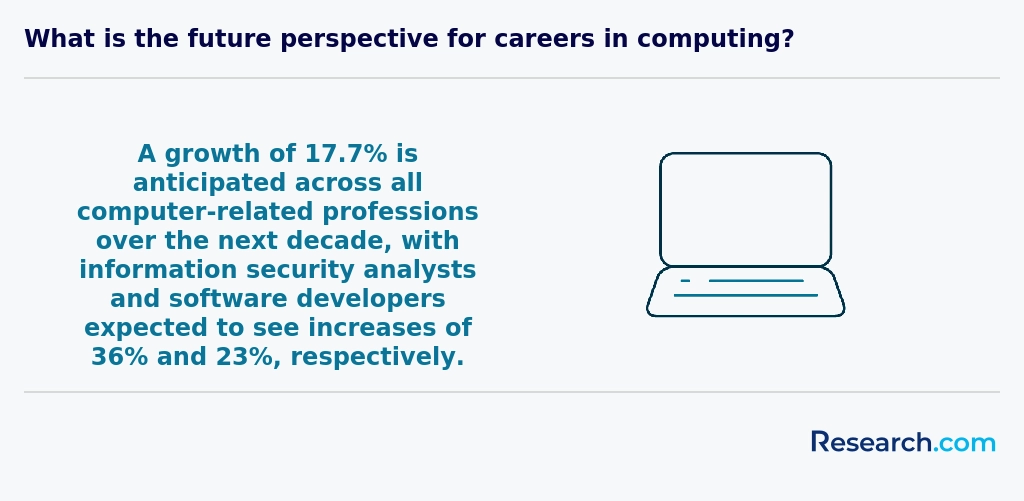
- The job market in the South for computer science is growing rapidly, with IT and software jobs projected to increase by about 15% over the next decade.
- Many Southern universities have partnerships with local companies that provide internships and help with job placement for online students.
How long does it take to complete online computer science degree in the South?
Completing an online computer science degree in the South typically takes between three to six years. Most traditional bachelor's programs require about 120 to 130 credit hours, often finished in four years by full-time students at large public universities such as those in Texas, Florida, or North Carolina. However, many students appreciate the flexibility of online programs that accommodate part-time study, stretching degree completion up to six years to balance work and family commitments.
Graduates from Southern universities often share how accelerated options allowed them to finish in as little as three years by taking year-round courses, including summer sessions. This pace suits highly motivated students eager to enter the tech workforce sooner. Others have benefited from transfer credits or modular, competency-based coursework that cuts down redundant classes and speeds skill mastery.
Many find it encouraging that such adaptable paths make earning a degree feasible without sacrificing personal life. The ability to tailor progression reflects the real-life needs of adult learners thriving in Southern online programs, demonstrating how important flexibility is in managing time and goals.
Accreditation and Program Quality
Choosing an online bachelor’s in computer science program in the South begins with verifying institutional and programmatic accreditation. Regional accreditation-from bodies such as the Southern Association of Colleges and Schools Commission on Colleges (SACSCOC)-ensures that an institution meets rigorous academic standards and that credits will transfer smoothly. Equally important is ABET accreditation for computer science programs, which signals that core coursework in algorithms, data structures, and software engineering aligns with industry expectations. Prospective students should look for:
- Institutional accreditation by a recognized regional agency (e.g., SACSCOC, HLC, MSCHE)
- Programmatic accreditation by ABET’s Computing Accreditation Commission (CAC)
- Clear disclosure of learning outcomes, faculty credentials, and student support services
- Regular program reviews and continuous improvement plans Accredited programs often partner with employers and offer capstone projects or practicum experiences that enhance real-world readiness. For those weighing affordability alongside quality, our internal analysis provides further guidance-explore the Low Cost Computer Science Degree Programs Ranking in Rochester, NY to compare accredited options in a similar cost bracket. Ensuring accreditation not only boosts degree credibility with employers but also safeguards eligibility for federal financial aid, veteran benefits, and professional certifications-all critical factors in maximizing your return on investment in an online computer science education.
What's the difference between online and on-campus computer science degree?
Online computer science degrees in the South offer significant flexibility, allowing students to juggle work and family while accessing coursework remotely. Over 40% of online enrollees are 25 or older, highlighting how programs like those at the University of Florida accommodate non-traditional learners balancing busy schedules. Graduates often appreciate accessing lectures anytime without commuting.
In contrast, on-campus degrees, such as those at Georgia Tech, provide immersive, face-to-face interaction with faculty and peers. Students benefit from hands-on labs and immediate feedback during group projects, fostering strong networking opportunities. Many Southern universities emphasize internships and research experiences that require physical presence, enriching practical learning.
Tuition for online programs generally ranges from $4,000 to $8,000 annually for in-state students, comparable to on-campus costs. However, on-campus students face additional expenses like housing and meals. Both formats maintain ABET accreditation, ensuring consistent curriculum quality, though some lab courses may necessitate occasional campus visits or specialized virtual setups.
What is the average cost of online computer science degree in the South?
The average cost of an online computer science degree in the South typically centers around a median total of approximately $46,390. This cost reflects a blend of public and private institutions, residency considerations, and program lengths specific to the region.
For many students enrolling in affordable online computer science bachelor's programs southern US schools offer, tuition generally falls between $4,000 and $15,000 per year. Public universities like the University of Florida and the University of North Carolina system provide competitive tuition rates that make these degrees accessible, while also delivering quality education that supports career advancement. Graduates from these programs often share positive experiences about balancing work and study, a benefit enabled by many online degree formats.
Georgia Tech stands out with a roughly $10,000 annual tuition for in-state online computer science students, reflecting its recognized program quality. This investment often translates into strong career outcomes despite being slightly above the regional average. Students commonly mention that scholarships and financial aid targeted at STEM and online learners significantly ease the financial burden. Many find the programs well aligned with real-life professional demands, encouraging continued employment during study.
Prospective students in the South may also explore specific institutions through resources like the best online computer science school in virginia to compare options and costs effectively when seeking the average cost of online computer science degree in the South.

Tips for Success in Your Online Computer Science Program
To maximize your performance and build a competitive edge in an online Computer Science degree, follow these proven strategies: 1. Establish a Consistent Routine • Block out weekly “virtual class” hours for lectures, coding labs, and group work. • Use calendar alerts and time-tracking apps to stay accountable. 2. Optimize Your Study Environment • Secure a quiet, well-lit workspace with reliable internet and dual monitors for code review. • Keep digital distractions at bay by enabling “Do Not Disturb” and using website blockers during study sessions. 3. Leverage Peer and Faculty Engagement • Actively participate in discussion boards and virtual office hours-pose questions, share code snippets, and offer feedback. • Form or join study groups to tackle challenging assignments and simulate real-world team workflows. 4. Build and Showcase a Professional Portfolio • Host projects on GitHub or GitLab; include detailed READMEs, test suites, and deployment demos. • Publish blog posts on your development process or algorithm optimizations to demonstrate communication skills. 5. Continuously Upskill with Specialized Courses • Supplement core coursework with targeted certifications in areas like cybersecurity, data science, or artificial intelligence. • For those interested in AI, explore the best affordable online artificial intelligence degree to deepen your expertise and stand out to employers. 6. Network and Gain Practical Experience • Attend virtual hackathons, coding bootcamps, and industry webinars to connect with professionals and recruiters. • Pursue internships or freelance gigs on platforms like Upwork or Fiverr to apply classroom knowledge in real scenarios. 7. Prioritize Self-Care and Time Management • Schedule regular breaks, exercise, and social interactions to avoid burnout. • Break large projects into small sprints and use agile techniques-set clear goals for each study session. By integrating these tips into your academic plan, you’ll not only master complex concepts but also demonstrate the initiative, collaboration, and real-world problem-solving skills that top tech employers seek.
What financial aid is available to online computer science degree students in the South?
Students pursuing an online computer science degree in the South benefit from diverse financial aid options that make tuition more manageable. For instance, graduates from public universities like the University of Texas at Austin often rely on Pell Grants, which can provide up to $7,395 annually for the 2023-2024 academic year, covering a substantial portion of costs. Completing the FAFSA is essential to access these federal grants and low-interest student loans.
State-specific programs further ease financial burdens. Georgia Tech online learners frequently leverage the HOPE Scholarship, while Texas residents attending Texas A&M utilize the Texas Grant Program. These initiatives significantly reduce tuition fees for in-state students studying computer science.
Merit-based scholarships from universities themselves offer thousands of dollars annually, rewarding strong academic performance and commitment to the field. Additionally, military-affiliated students enrolling at institutions like Florida State University often secure extra benefits through the GI Bill or state veterans' programs, providing both financial relief and a sense of appreciation for their service.
Faculty, Mentors, and Student Support Services
A key factor in the success of any online Computer Science program is the quality of its faculty and the robustness of its student support services. Prospective students benefit immensely from experienced instructors who are not only experts in their fields but also dedicated mentors in the online learning environment. Many top schools offer personalized academic advising, round-the-clock technical support, and exclusive career counseling services that help guide students through challenging coursework and support their transition into the professional world. For instance, institutions that prioritize strong student support often integrate virtual tutoring sessions, peer-to-peer networking opportunities, and interactive discussion forums-resources that can increase student engagement and ensure academic success. This collaborative approach is especially crucial in online settings, where personalized guidance helps bridge the gap between remote learning and real-world application. Additionally, many programs regularly host virtual career fairs and workshops to assist students in building a competitive resume and preparing for technical interviews. If you are exploring options for a quality online education, consider checking out the best online computer science school in virginia, noted for its exceptional faculty expertise and comprehensive support services, empowering students to achieve their professional goals while maintaining a flexible learning schedule.
What are the prerequisites for enrolling in online computer science degree program in the South?
To enroll in an online computer science degree in the South, students must typically hold a high school diploma or equivalent certification like a GED. Southern institutions often require transcripts demonstrating strength in core subjects such as math, science, and English, with a minimum GPA usually between 2.5 and 3.0. For example, graduates from well-known Southern universities have noted that a solid foundation in algebra and calculus eased their transition into programming courses and data structures.
Standardized test scores such as the SAT or ACT may be requested, but many schools have made these optional or waived them, reflecting evolving admissions policies. Reliable technology is also essential; Southern students frequently emphasize the importance of having a computer capable of running programming software and dependable internet access for smooth participation in virtual labs and assignments.
These requirements align with the experiences of many online learners at popular Southern colleges, where thorough preparation in mathematics and technology contributes to their confidence and academic success.
What courses are typically in online computer science degree programs in the South?
Online computer science degree programs in the South typically include core courses in programming, data structures, and algorithms, foundational to building strong problem-solving skills. Graduates from universities such as the University of Florida or Texas A&M often cite these classes as essential for navigating their early careers in software development. These programs also emphasize operating systems, computer architecture, and software development methodologies, helping students understand how software and hardware interact efficiently.
Specialized electives like artificial intelligence, cybersecurity, and cloud computing allow students to tailor their studies to current industry demands. For example, graduates recount how AI and machine learning courses at North Carolina State University enabled them to secure roles in innovative tech firms.
Mathematics-especially discrete math, calculus, and linear algebra-is another staple, supporting critical analytical skills. Practical courses in software testing, ethics, and project management prepare students for real-world workplace challenges.
Capstone projects and internships, emphasized across Southern institutions, provide hands-on experience reflecting what students will face as professionals, ensuring readiness for the evolving tech landscape.
What types of specializations are available in online computer science degree programs in the South?
Online computer science specializations in the South include software development, data science, cybersecurity, and artificial intelligence, reflecting the region's focus on high-demand fields. Graduates from popular universities report gaining strong programming skills and practical experience that directly translate to roles in software engineering or app development. The software development track teaches core concepts useful in various industries, while data science specialization emphasizes expertise in machine learning and database management, crucial given the U.S. Bureau of Labor Statistics' forecast of 15% job growth through 2031 in this field.
Cybersecurity is especially prominent in Southern states like Texas and Georgia, where heightened demand for network security experts is driving student interest in learning ethical hacking and digital forensics. Artificial intelligence programs here offer advanced study in algorithms and neural networks, preparing students for careers in robotics and automation. Students often find flexibility by choosing additional focuses such as cloud computing or human-computer interaction, aligning with evolving industry trends. Those seeking options may also explore the best affordable online artificial intelligence degree to complement their core studies.
Such comprehensive offerings make the best computer science degree tracks Southern US students pursue both competitive and tailored to individual career goals, helping them thrive in a rapidly evolving tech landscape.
How do you choose the best online computer science degree in the South?
Choosing the best online computer science degree in the South requires evaluating accredited institutions that meet rigorous standards like those from SACSCOC. Graduates from universities in Texas and Georgia often highlight how regional accreditation improved their job prospects and certification eligibility.
Curriculum depth is key; balancing core computer science subjects with emerging areas like AI and cybersecurity is essential. Many online programs also include practical projects or capstone experiences, which students from Florida-based colleges have praised for boosting their confidence in real-world problem solving. Flexibility matters too-working adults benefit from asynchronous course formats that fit varying schedules while still delivering comprehensive content.
Cost and affordability cannot be overlooked, especially since in-state tuition averages $8,500 to $12,000 annually for Southern public universities. Prospective students should investigate financial aid and competitive online tuition rates. For a practical guide on affordable options, one can consult the Low Cost Computer Science Degree Programs Ranking in Rochester, NY to understand price frameworks.
Student support services and faculty expertise heavily influence satisfaction; strong academic mentorship and accessible tech support can enhance motivation and success in demanding programs. Considering these factors ensures you select from the best online computer science degrees in the South that align with your career goals and lifestyle.

What career paths are available for online computer science degree students in the South?
Graduates pursuing online computer science careers in the South often find opportunities as software developers, systems analysts, and cybersecurity specialists, reflecting the strong demand in tech hubs like Atlanta and Raleigh. Data from the U.S. Bureau of Labor Statistics projects a 15% growth in computer and IT jobs by 2031, surpassing the national average. Graduates from Southern universities such as the University of Florida benefit from this trend, securing roles in industries ranging from healthcare to finance.
In particular, tech job opportunities for Southern computer science graduates include cybersecurity positions in Virginia and Texas, where defense contractors seek skilled professionals. Additionally, data science roles in healthcare organizations require graduates to analyze complex datasets, enhancing patient outcomes. Cloud computing and infrastructure roles continue to expand as major firms establish Southern offices. Many graduates appreciate the cost-effective education received through online programs, which lead them to rewarding careers without incurring excessive debt. Some even combine their degree with accelerated career programs to accelerate their advancement.
What is the job market for online computer science degree in the South?
The job market for online computer science degrees in the South is strong and expanding, with cities like Austin, Raleigh, and Atlanta leading in technology growth. Graduates from popular universities in these regions report a positive experience tapping into diverse employment opportunities in software development, cybersecurity, and cloud computing. Employment opportunities for computer science graduates in Southern states are bolstered by both local tech hubs and increasing remote work options, allowing graduates to live flexibly while pursuing careers.
Salaries typically range from $85,000 to $95,000 annually, which, although below the national average, align well with the South's lower living costs. For many graduates balancing work and study, the affordability of online programs at regional institutions is a key advantage, with tuition between $10,000 and $30,000. State initiatives to boost digital skills and infrastructure also enhance this landscape, making the region attractive to entry-level professionals and experienced workers alike.
Students considering further academic advancement sometimes explore the easiest doctorate to get as a strategic step to strengthen their credentials and open more doors within the Southern tech market.
Frequently Asked Questions About computer science
Online computer science degree students in the South can maximize their learning by actively engaging with virtual resources and local networks. Making use of online labs and coding platforms helps reinforce practical skills. Many Southern universities, such as those in Texas and Georgia, offer specialized career services that connect students with regional tech companies.
Students should also participate in online study groups and forums to foster peer collaboration. According to the Southern Regional Education Board, students who engage regularly in interactive learning show higher retention rates.
Finally, balancing coursework with internships in Southern tech hubs like Atlanta or Austin enhances real-world experience and job prospects.
Emerging niches within computer science are shaping the future of the field, especially for students pursuing online degrees in the South. Areas like artificial intelligence (AI) and machine learning continue to grow rapidly, with the U.S. Bureau of Labor Statistics projecting a 15% job increase in these fields nationally through 2031.
Cybersecurity is another critical niche due to rising digital threats. Southern states such as Georgia and Texas have seen increased investments in cybersecurity initiatives, offering strong regional demand for specialists.
Data science also remains vital, with organizations relying heavily on data analytics to guide decisions. The Southern region's expanding tech hubs support roles in cloud computing and blockchain technology as well, creating diverse opportunities for graduates.
Graduates with online computer science degrees in the South should focus on building a strong professional network to increase job market success. Engaging with local technology meetups and industry events is valuable, especially in tech hubs like Atlanta, Raleigh, and Austin. According to the U.S. Bureau of Labor Statistics, computer and IT jobs in the Southern region are growing faster than the national average, emphasizing the demand for skilled professionals.
Gaining practical experience through internships or project portfolios is essential, as employers often look beyond grades. Certification programs in cloud computing, cybersecurity, and programming languages add competitive advantages. Finally, career services offered by online programs in Southern universities can provide tailored support in resume building and job placement, helping graduates transition smoothly into the workforce.
Employers in the Southern United States prioritize several key skills when hiring computer science graduates. According to the National Association of Colleges and Employers (NACE), technical expertise in programming languages like Python, Java, and C++ is essential. In addition, problem-solving skills and the ability to work in agile development environments are highly valued.
Soft skills such as communication and teamwork rank notably, especially since many Southern tech firms operate in collaborative settings. Data analysis proficiency and cybersecurity knowledge are increasingly sought due to regional growth in these sectors. The Southern Regional Education Board highlights that graduates with cloud computing experience often earn higher starting salaries, reflecting current industry demands.
Finding internships relevant to a computer science degree in the South involves leveraging regional resources and university connections. Many Southern universities partner with local tech companies and research institutions to offer internship opportunities. According to the National Association of Colleges and Employers, about 60% of Southern computer science students secure internships through their school's career services.
Students should also explore internship listings on platforms like Handshake, which many Southern colleges use. Additionally, networking events and tech meetups in hubs such as Atlanta, Raleigh, and Austin provide valuable industry contacts. Companies like IBM, Microsoft, and local startups often offer summer internships tailored to computer science majors.
Online students can benefit by contacting university career centers that support remote or hybrid internship placements, ensuring practical experience even without relocating.
An online computer science degree offers significant benefits for career mobility and advancement in the South. Employers in this region increasingly value digital skills, with technology roles growing faster than the national average, according to the U.S. Bureau of Labor Statistics. Graduates with an online degree can navigate geographical limitations, accessing job markets in tech hubs like Atlanta, Austin, and Raleigh.
Online programs provide flexible learning schedules, allowing professionals to upskill without interrupting work. This flexibility supports transitions into higher-level positions, such as software development, cybersecurity, and data analysis.
Additionally, many Southern universities offering online CS degrees have strong industry partnerships, enhancing networking and internship opportunities which are crucial for career advancement.
Studying for a computer science degree in the South often includes a strong focus on interdisciplinary skills, reflecting the diverse economic landscape of the region. Many Southern universities integrate computer science with fields like healthcare, agriculture, business, and engineering. For instance, partnerships between computer science departments and other faculties encourage students to apply technology to real-world problems.
According to the Southern Regional Education Board, over 40% of tech-related jobs in the South require knowledge in multiple disciplines, highlighting the regional demand. Online degree programs also emphasize practical collaboration skills, preparing graduates for roles that blend coding with data analysis, project management, or industry-specific knowledge.
Choosing between a thesis and a non-thesis online computer science degree in the South depends on your future goals and learning preferences. A thesis program emphasizes research, ideal for students aiming to pursue graduate studies or careers in academia or research. These programs require completing a substantial project under faculty supervision.
Non-thesis programs focus more on coursework and practical skills, appealing to those seeking immediate industry employment. According to the Southern Regional Education Board, online CS programs in states like Texas and Georgia often offer both options, with about 40% of Southern institutions providing thesis tracks.
Consider your career plans and time commitment before deciding.
Students based in the South seeking computer science degrees abroad face limited direct options due to accreditation and transfer challenges. Most universities in the region emphasize completing fully online degrees accredited by U.S. agencies, such as SACSCOC, to ensure recognition and credit transfer. According to the Southern Regional Education Board, fewer than 5% of Southern institutions offer formal study-abroad programs specifically for computer science undergrads.
Many students interested in international exposure pursue virtual exchange programs or internships with global tech companies, which complement Southern online degrees. Collaborative dual-degree options with foreign universities remain rare but are slowly emerging. Overall, options blend online Southern programs with international experiences rather than full foreign degrees.
Part-time job opportunities that complement computer science degree education in the South often include roles like IT support technician, web developer, and data analyst. These positions allow students to apply theoretical knowledge in practical settings while earning income. According to the U.S. Bureau of Labor Statistics (BLS), IT support roles in Southern states are growing at an average of 12% annually, reflecting strong demand.
Additionally, internships or freelance coding projects provide flexible schedules that fit online program commitments. Cities like Atlanta, Charlotte, and Dallas offer tech hubs where part-time positions in software testing or network administration are common.
Such jobs enhance resumes and build valuable industry connections, important for graduates entering competitive tech fields.
Online computer science students in the South have growing networking opportunities thanks to various regional initiatives. Many Southern universities offer virtual career fairs and alumni networking events exclusive to their online students, allowing direct engagement with local tech employers.
Professional organizations such as the Southern Economic Development Council and local ACM chapters provide both online and in-person meetups. According to the U.S. Bureau of Labor Statistics, the South saw a 12% growth in computer and mathematical occupations from 2019 to 2022, increasing demand for skilled graduates.
Statewide tech hubs in cities like Atlanta, Austin, and Raleigh also host affordable conferences and workshops accessible to online learners. These platforms help students build valuable connections despite remote study formats.
Alumni networks offer valuable benefits to online computer science degree students in the South by providing access to regional professionals and job opportunities. Many Southern universities maintain active alumni communities that help graduates connect with tech firms in key cities like Austin, Atlanta, and Raleigh. According to the Southern Regional Education Board, strong networks increase job placement rates by up to 20% in STEM fields. These connections often lead to internships, mentorships, and collaboration on projects, which are crucial for students learning remotely.
Alumni also share career advice and industry trends specific to the Southern job market, helping students tailor their skills effectively. Such networks enhance professional visibility and support lifelong learning beyond graduation.
Many universities in the South offer online computer science degrees with options to tailor your coursework to specific career goals. You can often select from concentrations such as cybersecurity, data science, or software engineering. This flexibility helps align your studies with industry demands. For example, Georgia Tech and the University of North Carolina provide electives that specialize in high-growth fields. Additionally, some programs allow customized project work or internships that connect you with regional tech companies, enhancing practical skills. According to the Southern Regional Education Board, these tailored opportunities improve job prospects in the South's expanding technology sector.
Online computer science students in the South face several notable challenges. Limited broadband access remains a significant barrier, with the Federal Communications Commission reporting that about 17% of Southern rural households lack high-speed internet, affecting coursework and live interactions.
Many students also encounter difficulties balancing work, family, and studies. According to the National Center for Education Statistics, approximately 40% of online learners in Southern states are employed full-time, making time management critical.
Technical support and hands-on lab experiences can be harder to access remotely. Practical learning is essential for computer science, yet some Southern universities struggle to offer equivalent virtual labs and resources.
Graduates with an online computer science degree in the South have access to several key professional certifications that enhance career prospects. Popular certifications include the Certified Information Systems Security Professional (CISSP) for cybersecurity roles, and the Certified Software Development Professional (CSDP) offered by IEEE. These credentials validate expertise and are highly valued across Southern tech hubs like Atlanta and Austin.
Additionally, many pursue vendor-specific certificates such as AWS Certified Solutions Architect or Microsoft Certified: Azure Fundamentals to specialize in cloud computing, a rapidly growing field regionally.
According to the Bureau of Labor Statistics, Southern states saw a 15% growth in computer and information research jobs from 2020 to 2030, emphasizing demand for certified professionals.
Writing a winning application for an online computer science program in the South begins with a clear presentation of your academic background and technical skills. Many Southern universities prefer applicants to highlight relevant coursework, such as programming, mathematics, and data structures.
It is important to demonstrate proficiency in coding languages like Python, Java, or C++, which are commonly emphasized. According to the Southern Regional Education Board, about 35% of computer science graduates in this region specialize in software development, making these skills highly valued.
Applicants should also craft a strong personal statement outlining their career goals and why the Southern school's program fits their needs. Include any professional experience or projects related to computer science, as practical exposure boosts your chances.
Lastly, securing strong recommendation letters from professors or employers familiar with your technical abilities helps strengthen your application significantly.
Computer science careers are increasingly recognized worldwide for their vital role in technology and innovation. In the United States, especially in the South, this field offers growing opportunities due to expanding tech industries in cities like Austin, Atlanta, and Raleigh. According to the Bureau of Labor Statistics, employment in computer and information technology occupations is projected to grow 15% from 2021 to 2031, faster than the average for all jobs.
Globally, demand for computer science professionals continues to rise as companies embrace digital transformation. International collaboration often requires skills in software development, cybersecurity, and data analysis.
For Southern students, earning an online degree offers flexibility and access to regional tech hubs, positioning them well for both local and global career paths. Educational resources from the National Center for Education Statistics highlight increasing enrollment in online STEM programs across Southern states, reflecting this trend.
Gaining practical experience while studying for an online computer science degree in the South is essential for career readiness. Many Southern universities partner with local industries and tech companies, offering virtual internships that help students apply classroom knowledge.
Online learners can also engage in project-based coursework, coding competitions, and open-source contributions, which are often included in curricula. According to the Southern Regional Education Board, over 60% of computer science students in the South participate in such experiential learning opportunities before graduation.
Additionally, joining regional tech meetups or virtual hackathons provides networking and hands-on practice relevant to the Southern job market.
Choosing the right concentration within an online computer science degree program in the South begins with understanding your career goals and interests. The Southern states offer diverse options such as cybersecurity, data science, software development, and artificial intelligence, reflecting regional industry demands. According to the Bureau of Labor Statistics, tech jobs in the South are growing faster than the national average, especially in cybersecurity and cloud computing.
Consider workforce trends from sources like the Southern Regional Education Board, which highlights high demand for data analytics skills across Southern technology hubs. Evaluate concentrations that align with these trends to boost employability.
Also review the curriculum and faculty expertise at programs you're interested in to ensure quality education in your chosen focus area.
Top Trending Computer Science Rankings
See What Experts Have To Say About Studying Computer Science
Read our interview with Computer Science experts

Imed Bouchrika, Phd
Computer Science Expert
Professor of Computer Science
National Higher School of Artificial Intelligence

Martin Kang
Computer Science Expert
Assistant Professor
Loyola Marymount University

Elan Barenholtz
Computer Science Expert
Associate Professor
Florida Atlantic University

Kathleen M. Carley
Computer Science Expert
Professor of Computer Science
Carnegie Mellon University

References
- Fields of Work in Computer Science: Top IT Careers | Walbrook https://www.walbrook.ac.uk/subjects/computer-science/computer-science-fields-of-work-career-in-it/
- Empowering Students with Computer Science https://blog.definedlearning.com/empowering-students-with-computer-science/
- Guide to writing your cover letter (Computer Science) https://itustudent.itu.dk/~/~/media/17D17B259E9341869A1E3272BA071731.ashx
- Why your computer science degree won't get you an IT job https://targetjobs.co.uk/careers-advice/information-technology/why-your-computer-science-degree-wont-get-you-it-job
- What does a Computer Scientist do: Career paths and insights https://vinuni.edu.vn/what-does-a-computer-scientist-do/
- 5 Challenges Faced by Computer Science Students and How to Overcome Them https://informatika.almaata.ac.id/5-challenges-faced-by-computer-science-students/
- Where to study IT in South Africa: online courses vs. degrees https://blog.hyperiondev.com/post/study-south-africa-online-courses-versus-computer-science-degrees/
- Computer Science Cover Letter: How to Show You're a Top Tech Candidate https://arc.dev/talent-blog/computer-science-cover-letter/
- Top Careers in Computer Science | Careers, Salaries, and Resources https://www.computerscience.org/careers/
- A Holistic Approach to Studying Interdisciplinary Collaboration: Computer Science https://sciety.org/articles/activity/10.21203/rs.3.rs-8694985/v1