2027 Best Computer Science Degree Programs Ranking in Cambridge

Co-Founder and Chief Data Scientist
Choosing the right computer science degree is a big step toward a rewarding career in technology. This article presents the 2027 Best Computer Science Degree Programs Ranking in Cambridge, developed by the Research.com team of data scientists. It's designed to help you find programs that match your goals and interests.
Reading this ranking gives you a clear, reliable view of top options nearby. A strong degree can open doors to exciting opportunities and personal growth. Explore the possibilities and feel confident about your future in computer science.
Key benefits of getting computer science degree in Cambridge
- Graduates with a computer science degree in Cambridge can enjoy strong salary prospects, with roles like Software Engineer and Software Developer earning mean annual wages of about $138,110 and Web Developers earning around $95,570.
- Career paths are diverse, including software development, data analysis, IT support, and web development, offering flexibility and opportunities to find a role that fits your passion.
- Completing a computer science degree online provides flexibility and convenience, enabling students to balance studies with work or personal commitments while gaining the same valuable skills as traditional degree holders.
- 2027 Best Computer Science Degree Programs Ranking in Cambridge
- What can I expect from computer science degree in Cambridge?
- Where can I work with computer science degree in Cambridge?
What can I expect from computer science degree in Cambridge?
The average cost of pursuing a computer science degree in Cambridge typically exceeds $50,000 per year at private institutions like Harvard and MIT. However, many graduates speak warmly of the financial aid opportunities that helped make their education more affordable. One graduate shared how securing a teaching assistantship not only eased tuition costs but enriched their learning by providing hands-on experience with cutting-edge research projects.
Students often emphasize the value of investing in such programs due to access to groundbreaking coursework and industry connections. For instance, a student described attending an MIT lecture on quantum computing that sparked a passion leading to an internship at a local tech startup. These immersive opportunities justify the cost by opening doors to promising careers.
Financially, while the sticker price can be intimidating, many find the combination of scholarships, assistantships, and post-graduation salaries over $90,000 encourages optimism about the return on investment in Cambridge's computer science degrees.
Where can I work with computer science degree in Cambridge?
Graduates from leading Cambridge institutions like the University of Cambridge often find themselves in dynamic roles within the city's booming tech scene. Many land positions at renowned companies such as Arm Holdings or Microsoft Research Cambridge, working on cutting-edge projects in AI and machine learning. The energy of startups and scale-ups provides exciting opportunities to innovate and grow skills in real time, sparking enthusiasm in recent grads who appreciate the fast-paced and collaborative environments.
Others pursue careers in research labs affiliated with their alma mater, engaging in groundbreaking work that shapes the future of computing. The proximity to hubs like Cambridge Science Park means students gain hands-on experience through internships, blending theoretical knowledge with practical challenges. Beyond tech firms, graduates apply their expertise in diverse sectors including finance, healthcare tech, and digital infrastructure-making careers both impactful and rewarding.
This vibrant ecosystem fuels confidence and optimism, with many graduates sharing stories of rapid career progression and meaningful contributions. For students studying computer science in Cambridge, the future gleams with possibilities tied closely to innovation and community.
Graduates from computer science programs at institutions like Harvard Extension School or MIT in Cambridge often find themselves entering the workforce with competitive starting salaries. Entry-level software developers and software engineers typically earn a mean annual wage of around $138,110, reflecting the high demand for their skills in the Boston-Cambridge metropolitan area. These figures inspire confidence among new graduates navigating early careers.
Data analysts from these programs commonly reach mean salaries near $119,040, while web developers have a strong foothold with an average annual wage of $95,570. IT support specialists, essential to maintaining robust campus and corporate networks, start near $63,640, setting a solid base for career progression.
Many students report that internship experiences at local startups or tech giants in Cambridge accelerate salary growth. With five years of experience, professionals can anticipate salaries rising above $140,000, especially in cutting-edge fields like AI and cybersecurity. This upward trajectory sparks excitement about future career possibilities and financial stability in a thriving tech hub.
- Harvard and MIT offer computer science degrees in Cambridge with annual tuition around $59,000-$60,000.
- Total yearly expenses including room and board range from $75,000 to $80,000.
- The average starting salary for graduates is about $110,000 per year.
- Salaries can rise to $150,000 or more within five to ten years depending on specialization and experience.
- Key industries hiring graduates include software development, AI, biotechnology, and cybersecurity.
Completing a computer science degree in Cambridge typically takes about four years for a bachelor's program at institutions like Harvard or MIT, where students often share how immersive coursework and collaboration fuel their passion and confidence. Many undergraduates describe balancing intense projects with vibrant campus life, a combination that sharpens skills rapidly while keeping motivation high.
Graduate students pursuing a master's degree usually spend one to two years, with flexible part-time paths enabling those working in Boston's tech scene to advance without pausing their careers. These options are praised by many who appreciate the ability to tailor study duration while gaining cutting-edge knowledge.
Doctoral candidates often envision a four-to-six-year journey filled with research breakthroughs and intellectual growth, with Cambridge's world-class labs fostering a sense of excitement and discovery every step of the way.
Looking ahead, innovations in online learning and AI-assisted coursework could reduce these timelines, making rigorous education more adaptable and accelerating students' progress through prestigious Cambridge programs.
Planning ahead is key to securing a spot in Cambridge’s competitive Computer Science programs. Follow this streamlined process to meet all requirements and deadlines:
- Research programs and note key deadlines (early action: November 1; regular decision: January 1–15).
- Gather official transcripts and, if required, SAT/ACT scores (many top schools are now test-optional).
- Craft a personal statement that highlights your problem-solving skills, research interests, and growth mindset.
- Request 2–3 letters of recommendation from STEM teachers or mentors familiar with your academic work.
- Complete financial aid applications (FAFSA and CSS Profile) by March 1 to maximize scholarship and grant opportunities.
- Prepare for optional interviews or portfolio reviews, especially for specialized tracks in areas like AI or cybersecurity.
Staying organized with a clear timeline and checklist ensures that you submit a compelling application on time. For those interested in blending technical expertise with creative design, consider a complementary game art degree online to broaden your skill set and career options.
Graduates from Harvard and MIT often describe the on-campus computer science experience in Cambridge as a vibrant blend of rigorous lectures and spontaneous hallway collaborations. Being physically present means access to cutting-edge labs and real-time feedback from professors, which many find inspiring and motivating. Imagine working late in a shared lab space, immediately testing code on specialized hardware alongside peers, fueling a sense of camaraderie and deep engagement.
Conversely, online degrees offer a flexible rhythm that fits seamlessly with busy lives, especially for those balancing work or family in Cambridge. Graduates appreciate attending lectures in pajamas at midnight or revisiting complex algorithms via recorded sessions, reducing stress and promoting personalized pacing. As online platforms evolve, virtual labs and interactive forums increasingly mimic in-person collaboration, creating new opportunities for connection despite physical distance.
- On-campus programs anchor students in Cambridge's rich intellectual culture and network opportunities, fostering immediate support and career-building relationships.
- Online options break geographical boundaries, enabling Cambridge residents to study at their own pace without commuting, often at a lower cost.
- Both paths equip students with comparable core skills, though hands-on hardware experience remains a distinct feature of on-campus learning for many local tech enthusiasts.
When evaluating Computer Science degree programs, accreditation ensures academic rigor and employer recognition. In Cambridge, MA, leading institutions such as MIT and Harvard hold ABET accreditation, a hallmark of quality assurance in engineering and computing. ABET accreditation guarantees that curricula meet industry standards, covering essential topics like data structures, software engineering, and cybersecurity. Beyond accreditation, strong industry partnerships enhance practical learning: MIT collaborates with tech leaders like IBM and Microsoft to offer sponsored research projects, while Harvard’s ties to local startups provide internship pipelines that translate directly into job offers. Accreditation also affects licensure and graduate school admissions, making it a critical consideration for students aiming for advanced degrees or specialized certifications. Program reviews by the Computing Accreditation Commission (CAC) ensure continuous improvement through peer evaluations and student feedback loops. Prospective students can verify accreditation status via the ABET directory and should look for programs that integrate co-op and internship experiences with accredited coursework. While Cambridge’s accredited programs deliver world-class education, cost-conscious students may explore accredited options in other regions. For insights on affordability without compromising on quality, see our Affordable Computer Science Degree Programs Ranking in Alabama.
The average cost of a computer science degree in Cambridge currently hovers around $83,586 for out-of-state students and about $62,036 for in-state students, reflecting a substantial investment in one's future. Graduates from renowned institutions in Cambridge often recall balancing these costs with scholarships and financial aid while immersing themselves in cutting-edge technology and research opportunities that make every dollar worthwhile. Many students appreciate the vibrant academic environment where learning extends beyond the classroom, fueled by access to leading tech firms and innovative startups nearby.
Cambridge computer science degree tuition fees, combined with living expenses in this high-cost city, can push the total annual costs close to a private university budget, often exceeding $80,000. Yet, the positive energy among students, collaborating on projects and participating in hackathons, adds immense value beyond the fees paid. Considering the long-term return on investment, the experience gained at Cambridge's top universities ensures graduates are well-positioned in the job market.
Students planning ahead can explore alternate options like accredited online schools offering computer science degrees, which may provide more affordable pathways without compromising quality. Universities in Cambridge increasingly offer merit-based scholarships tailored to computer science, helping ease the financial burden so students can focus on innovation and their passions.
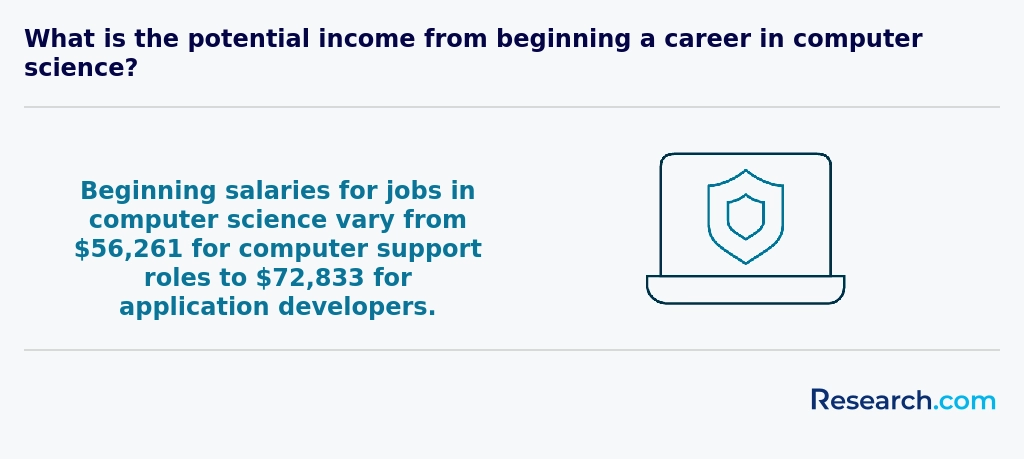
Cambridge is known for its high living expenses, so budgeting beyond tuition is essential for students.
- Housing: Average rent for a one-bedroom apartment is around $2,900 per month.
- Utilities: Electricity, heating, water and internet typically add $150–$200 monthly.
- Transportation: A student MBTA pass costs about $90 per month, with bike-share and walkable neighborhoods as alternatives.
- Food: Groceries average $300–$400 monthly; dining out can push costs higher.
- Miscellaneous: Books, supplies, entertainment and personal expenses may total $200–$300 monthly.
To offset both educational and living costs, consider exploring affordable online ai degree programs.
Computer science students in Cambridge often find significant relief through various financial aid paths, shaping hopeful journeys toward their degrees. Recent graduates from notable Cambridge colleges recall how merit-based scholarships-ranging from $1,000 to over $10,000 annually-helped them focus more on innovation and coding rather than expenses.
Federal and state aid programs continue to evolve, offering Pell Grants up to $7,395 per year, which many local students successfully leveraged. Imagine a graduate balancing rigorous algorithms coursework with part-time roles funded by work-study programs, easing financial strain while building valuable industry connections.
Looking ahead, assistantships remain a powerful tool, enabling graduate students to work as teaching or research aides, covering tuition and providing stipends. One such student shared how this opportunity not only funded their education but also enriched their expertise through hands-on projects at a Cambridge research lab.
Emerging trends suggest that employer tuition assistance programs may expand, especially with tech companies recognizing the value in supporting employee education in this competitive Boston-Cambridge tech hub.
Navigating the admissions process for Computer Science degree programs in Cambridge, MA, requires strategic planning and attention to detail. Most institutions follow a fall admission cycle with deadlines between November and January. Applicants should first create accounts on the Common App or Coalition App (for Harvard) or the MyMIT portal (for MIT) and verify individual program deadlines on official university websites. Key application components include:
- Official high school transcripts showcasing strong performance in calculus, physics, and computer programming courses.
- Personal essays that highlight problem-solving experiences, such as developing an app or contributing to open-source projects.
- Letters of recommendation from math or science teachers who can attest to your analytical abilities and teamwork skills.
- A résumé detailing extracurricular activities, internships, and any work experience in computer coding jobs to demonstrate practical expertise.
- Optional or required standardized test scores (SAT/ACT), depending on the institution’s current testing policy. After submission, many programs invite selected applicants to virtual or on-campus interviews conducted by alumni or faculty panels. These conversations assess your communication skills, passion for technology, and fit within the collaborative Cambridge community. Concurrently, complete your FAFSA and CSS Profile (if applicable) by the financial aid priority deadline-typically in early February-to maximize eligibility for need-based scholarships and institutional grants. Decision notifications are generally released between late March and early April. Accepted students should confirm enrollment by May 1, submit any final transcripts, and participate in admitted-student events. Early preparation-such as attending virtual info sessions and refining your portfolio of coding projects-can significantly enhance your application and set the stage for a successful start to your academic journey in Cambridge.
Applicants aiming for computer science degrees at Cambridge colleges, such as Trinity or St. John's, typically enter with a solid foundation in mathematics and programming. Graduates often reflect on how their Advanced Placement courses like AP Calculus and AP Computer Science created an essential technical base. This strong academic grounding helps potential students tackle Cambridge's challenging curriculum and adapt quickly to the problem-solving mindset the university fosters.
Beyond academic achievements, successful candidates usually bring practical programming experience in languages like Python or Java. Many recall how their hands-on projects and coding challenges fueled enthusiasm and confidence, making the transition to rigorous programs smoother. These experiences are often key discussion points in personal statements and recommendations, vital components that Cambridge admissions value deeply.
Looking forward, graduates speculate that emerging fields such as quantum computing and AI may soon demand familiarity even before enrollment, possibly changing these prerequisites. For now, however, a blend of strong math skills, demonstrated programming ability, and thoughtful application essays remains the gateway to studying computer science amidst Cambridge's inspiring collegiate environment.

In today's fast-paced tech landscape, prospective students in Cambridge, MA, benefit from understanding not only current program offerings but also emerging trends that will shape the future of Computer Science education. With rapid technological advances and a growing emphasis on interdisciplinary learning, leading institutions are increasingly integrating innovative curricula that encompass artificial intelligence, quantum computing, and cybersecurity. These forward-thinking approaches are designed to equip students with the skills necessary to adapt to evolving industry demands while fostering creative problem-solving and adaptability. Moreover, emerging trends indicate a shift towards hybrid learning models that combine traditional classroom experiences with dynamic online modules, offering greater flexibility and access to global expertise. As academic programs continue to evolve, prospective students are encouraged to explore resources such as the most affordable computer science schools in massachusetts to find options that not only meet their financial considerations but also provide cutting-edge educational experiences. Embracing these trends ensures that graduates are well-prepared for future challenges and positioned as leaders in a constantly transforming tech industry.
Computer science degrees in Cambridge commonly include core courses such as programming-often taught in Python or Java-to build strong coding skills from the start. Graduates from renowned colleges in Cambridge recall how mastering data structures and algorithms early on helped them tackle complex problem-solving tasks, preparing them for both academic research and industry roles.
In addition, foundational topics like discrete mathematics and computer systems provide essential theory and practical insight into hardware-software relationships. Many students appreciate the hands-on approach adopted by Cambridge programs, where software engineering projects simulate real-world challenges, making the learning experience both exciting and directly applicable to technology-driven careers.
As students advance, electives in cutting-edge areas like artificial intelligence, machine learning, and cybersecurity become available, offering opportunities to explore future technologies shaping the world. These courses encourage experimentation and innovation, fostering a forward-thinking mindset. Electives in computer graphics or human-computer interaction also help graduates develop versatile skills suited for evolving tech trends.
Cambridge's blend of rigorous theory with practical labs and collaborative projects leaves many graduates feeling confident and inspired about their future in computer science.
Students pursuing a computer science degree in Cambridge find a wide range of cutting-edge specializations that reflect both current and future technology trends. Among the diverse options, artificial intelligence stands out, where graduates engage with hands-on projects in robotics and natural language processing, often collaborating with renowned university labs. This specialization excites many as it opens doors to innovative careers in fields like AI development and real-world machine learning applications.
Exploring the best computer science degree tracks Cambridge offers, cybersecurity is rapidly gaining prominence due to the rising demand for protecting digital assets. Graduates passionate about ethical hacking and network security find their skills highly sought after in a landscape where threats evolve daily. Meanwhile, data science remains a favorite for those who enjoy turning complex data into actionable insights, a skill increasingly vital across industries.
Other students choose software engineering for its foundational value and versatility, thriving in diverse environments from startups to multinational firms. The human-computer interaction specialization attracts those curious about improving technology's usability, combining design and cognitive science in deeply engaging ways. Cambridge's various college environments bring these specializations to life, offering unique learning experiences. Many students also appreciate the practical side of pursuing an engineering degree benefits through personalized coursework and collaborative opportunities.
Choosing a degree at Cambridge means envisioning your future within one of the world's leading computer science hubs. Graduates often reflect on how the blend of deep theoretical knowledge and hands-on projects, such as developing AI systems or working with emerging quantum technologies, shaped their confidence and career readiness. The best computer science degree programs in Cambridge typically offer this balance, allowing students to dive into algorithmic challenges while gaining practical skills.
Many find that exploring courses with strong research ties and industry connections at colleges known for computer science opens doors to internships and collaborations. This experience fuels a positive outlook and readiness to innovate in rapidly evolving fields. For US students, considering affordability is crucial-investing in a Cambridge education can be balanced by exploring options linked with computer science degree online cost programs or scholarships.
A focus on programs offering specialization tracks aligned with future tech trends encourages students to tailor their studies while leveraging support services designed for internationals. Envision yourself thriving in this environment, ready to embrace emerging opportunities across AI, cybersecurity, and big data.
Graduates holding a computer science degree in Cambridge find themselves at the heart of a dynamic job market shaped by innovation and industry collaboration. Many Cambridge computer science graduates from renowned universities and colleges have leveraged their academic experience to secure roles as software engineers, data scientists, or cybersecurity specialists within local tech start-ups and global firms. This thriving environment fuels emerging career options with computer science degree Cambridge, often involving cutting-edge fields like artificial intelligence and machine learning.
Students share how hands-on projects and internships connected through Cambridge's tech community have propelled them into roles such as IT consultants and machine learning engineers. The ability to navigate Cambridge's unique ecosystem typically results in faster professional growth and exciting challenges-driving positive emotions like confidence and ambition.
Moreover, some graduates pursue research careers blending computational science with biology or healthcare, reflecting Cambridge's reputation as a tech and biotech hub. For those seeking financial support to enter these promising fields, exploring engineering degree scholarships can be a valuable step toward their goals.
The computer science job opportunities in Cambridge continue to expand as graduates from local universities frequently leverage their education to secure roles in emerging fields like AI, cybersecurity, and data analysis. Graduates from prestigious institutions report seamless transitions into high-paying positions with startups or well-established tech companies, driven by close ties to research hubs such as MIT and Harvard. Many students describe their internship experiences as deeply immersive, working alongside innovators shaping the future of technology.
Looking ahead, the tech employment trends Cambridge 2027 suggest a steady increase in demand for skilled workers, especially in biotech and software development sectors. Cambridge's vibrant ecosystem provides access to abundant collaboration opportunities, enabling new graduates to build impactful careers while remaining near world-class research centers. While tuition costs can be significant, the upside in terms of internships and salary potential often offsets this, giving students a strong incentive to pursue their degrees locally.
Aspiring professionals weighing their options may also explore in-demand skilled trade jobs as complementary career paths that benefit from technological expertise and offer dynamic opportunities.
2027 Best Computer Science Degree Programs Ranking in Cambridge
Investing in your education is a significant decision that can shape your future, and the Research.com team understands the importance of making informed choices. To assist prospective students in Cambridge, we have meticulously crafted the "2027 Best Computer Science Degree Programs Ranking in Cambridge." Our commitment to quality, credibility, and accuracy is reflected in the extensive research and analysis conducted to compile this ranking.
We utilized the following reputable data sources to ensure a comprehensive evaluation of computer science programs:
By exploring this ranking, readers will gain valuable insights into the best computer science degree programs in Cambridge, helping them make informed decisions about their educational paths. For more details on our methodology, please visit our Research.com methodology page.

# 4 position
Massachusetts Institute of Technology
Bachelor of Science in Computer Science and Engineering

# 5 position
Massachusetts Institute of Technology
Master of Engineering in Electrical Engineering and Computer Science
Frequently Asked Questions About computer science
Computer science degree students in Cambridge can maximize their learning experience by actively engaging in both academic and practical opportunities. Cambridge is home to several prestigious institutions offering rigorous coursework coupled with research opportunities that rank among the top in the US. According to the National Center for Education Statistics, hands-on projects and internships improve employment outcomes by over 15% for STEM graduates.
Students should seek internships with local tech companies and startups, which Cambridge's vibrant innovation ecosystem supports. Participating in hackathons and joining computer science clubs can also enhance problem-solving skills and networking.
Additionally, leveraging faculty office hours and collaborative study groups helps deepen understanding and retention. Access to advanced labs and research centers available in Cambridge universities offers students a competitive advantage by bridging theory and real-world application.
The field of computer science is evolving rapidly, with several emerging niches gaining prominence in Cambridge's academic and tech communities. One important area is artificial intelligence (AI), including machine learning and deep learning, which has seen significant research funding growth in recent years.
Cybersecurity is another expanding niche, driven by increasing threats to data protection. Universities in Cambridge collaborate with local companies to advance secure computing practices.
Other rising fields include quantum computing and data science, both attracting substantial interest due to their potential to transform industries.
These niches reflect trends noted by the National Science Foundation and Cambridge's tech ecosystem reports in 2023.
Preparing for the job market after earning a computer science degree in Cambridge requires targeted effort. Many graduates benefit from engaging in internships and cooperative education programs during their studies, gaining practical experience that employers highly value. According to the National Association of Colleges and Employers (NACE), nearly 60% of computer science graduates secure a job offer before graduation when they complete internships.
Networking is also crucial. Joining professional organizations like the Association for Computing Machinery (ACM) and attending local tech meetups in Cambridge can connect students with potential employers. Developing strong programming portfolios and contributing to open-source projects showcase skills effectively.
Additionally, familiarizing oneself with emerging technologies such as artificial intelligence and cybersecurity, which have growing demand in the US labor market, improves employability.
Employers in Cambridge highly value computer science graduates who demonstrate strong programming skills, particularly in languages like Python, Java, and C++. According to the Cambridge Business Survey 2023, 78% of local tech employers reported that practical coding abilities are essential.
Problem-solving and critical thinking are also top priorities. Graduates who can apply logic to complex challenges and innovate software solutions tend to stand out. Additionally, familiarity with data structures and algorithms remains fundamental.
Communication skills are increasingly important in collaborative environments. The ability to explain technical concepts clearly aids teamwork and project success, as noted by the Cambridge Tech Forum 2022.
Knowledge of cloud computing, cybersecurity, and machine learning is growing in demand due to Cambridge's expanding tech ecosystem and research initiatives.
Finding internships in Cambridge relevant to a computer science degree involves leveraging both university resources and local industry connections. Many students use career services offered by institutions like Harvard and MIT, which provide job fairs, resume workshops, and exclusive employer listings. According to the National Association of Colleges and Employers (NACE), over 60% of STEM internships are secured through university channels.
Additionally, Cambridge hosts numerous tech companies and startups, including leaders like Google and IBM. Websites such as Handshake and LinkedIn list local internship opportunities specifically for computer science students. Networking events and hackathons facilitated by local organizations also offer practical pathways to internships, often leading to paid positions.
A computer science degree significantly enhances career mobility and advancement opportunities in Cambridge's competitive job market. According to the U.S. Bureau of Labor Statistics, employment in computer and information technology occupations is projected to grow 15% from 2021 to 2031, much faster than the average for all occupations. Cambridge's proximity to major tech hubs and startups benefits graduates by providing access to internships and entry-level positions.
Graduates with a computer science degree often see higher starting salaries-typically around $75,000 annually-and faster promotions compared to those without formal education. Industry reports from Burning Glass Technologies highlight that employers in Cambridge increasingly demand specific technical skills like programming and data analysis, which degree programs emphasize.
Studying for a computer science degree in Cambridge prepares students for interdisciplinary roles by emphasizing collaboration between diverse fields. The university's curriculum integrates computer science with subjects like biology, economics, and engineering, reflecting real-world challenges.
This approach builds skills in problem-solving and communication across disciplines, essential for careers that blend technology with other areas. According to the National Center for Education Statistics, interdisciplinary programs are growing by 12% annually, highlighting demand for versatile graduates.
Cambridge's partnerships with local industries offer practical experiences in interdisciplinary projects, strengthening employability. Graduates often pursue roles in data science, bioinformatics, and digital humanities, demonstrating the degree's broad applicability in various sectors.
Choosing between a thesis and a non-thesis computer science degree program in Cambridge largely depends on your career goals and learning preferences. Thesis programs emphasize original research and are ideal if you plan to pursue a PhD or a research-intensive career. In Cambridge, many thesis tracks require about 6 to 12 months dedicated to a substantial research project, providing deep expertise in a specialized area.
Non-thesis options focus more on coursework and practical skills, appealing to professionals aiming for industry roles. These programs typically conclude faster and often include internships or project-based learning. According to the National Center for Education Statistics, 45% of computer science graduates prefer non-thesis for quicker workforce entry. Assess your long-term ambitions to select the right path.
Students based in Cambridge who wish to study computer science abroad, particularly in the United States, have several options. Many US universities offer exchange programs or study abroad opportunities that allow Cambridge students to spend a semester or year at top-ranked institutions with strong computer science departments. For example, collaborations between Cambridge and institutions such as MIT or Stanford provide pathways for joint research or coursework.
Additionally, US universities frequently admit international students into their full computer science degree programs. According to the Institute of International Education, over 10,000 UK students enroll in the US each year, many pursuing STEM subjects like computer science.
Financial aid, scholarships, and specialized programs like the Fulbright Program can support outbound students from Cambridge focused on computer science studies in the US.
In Cambridge, part-time job opportunities that complement computer science degrees often focus on the strong tech ecosystem in the city. Many students find roles as programming tutors or teaching assistants, gaining valuable experience in coding and communication. Local startups and tech firms frequently offer internships or part-time developer positions, providing hands-on exposure to real projects.
Additionally, roles in IT support or data analysis are common, allowing students to apply theoretical knowledge practically. According to the Cambridge Network, internships in software development or cybersecurity have grown by 15% annually, reflecting increasing demand for skilled part-time contributors.
Computer science students in Cambridge benefit from a variety of networking opportunities due to the city's vibrant technology and academic environment. The presence of renowned institutions like MIT and Harvard nearby creates numerous events, workshops, and seminars that students can attend to connect with industry leaders and researchers. According to the Cambridge Innovation Center, over 1,500 startups are based in the area, providing plentiful internship and collaboration possibilities.
Student organizations such as the MIT Computer Science and Artificial Intelligence Laboratory (CSAIL) frequently host networking sessions. Additionally, career fairs and hackathons sponsored by local tech companies allow students to engage directly with potential employers.
Alumni networks play a vital role for computer science degree students in Cambridge, offering valuable connections and career support. Graduates often gain access to mentorship programs, where experienced alumni provide guidance on technical skills and industry trends. This network helps students navigate competitive job markets, especially in tech hubs like Boston and Silicon Valley. According to the National Association of Colleges and Employers, 85% of jobs are filled through networking. Cambridge's strong alumni community contributes to internship opportunities and collaborations with innovative startups. These connections enhance students' professional development and increase their chances of successful employment after graduation.
Students pursuing computer science degrees in Cambridge can tailor their programs by selecting electives aligned with their career objectives. Many universities offer specialized tracks in areas such as artificial intelligence, cybersecurity, and software engineering. According to the National Center for Education Statistics, computer science programs in top Cambridge institutions have over 30 elective courses, enabling significant customization.
Internships and research opportunities provide practical experience and networking benefits. Cambridge's proximity to tech companies lends itself well to cooperative education options. Additionally, students can engage in interdisciplinary studies, combining computer science with business or data science to enhance career flexibility.
Computer science students in Cambridge often face a demanding curriculum that balances theory and practical skills. Many report challenges in mastering advanced mathematics and complex programming languages, which are fundamental to success. According to the National Center for Education Statistics, STEM fields, including computer science, have retention rates around 40-50%, reflecting the difficulty students encounter.
Students also experience pressure from a competitive academic environment and the expectation to engage in research or internships early. This can lead to time management struggles and high stress levels. Furthermore, adapting to rapid technological changes demands continuous learning outside formal classes. Support services at Cambridge universities aim to help students cope, but the workload remains significant for many.
A computer science degree opens pathways to several respected professional certifications in the United States. Graduates often pursue certifications such as the Certified Information Systems Security Professional (CISSP) for cybersecurity experts or the Certified Software Development Professional (CSDP), which enhances credibility in software engineering roles. According to the Computing Research Association, these certifications help increase job prospects and salary potential.
Other popular options include the Cisco Certified Network Associate (CCNA) for networking careers and the Project Management Professional (PMP) for roles involving technical project leadership. These credentials are widely recognized across industries and provide practical validation of technical skills.
For students based in Cambridge, aiming for these certifications can complement their academic training and improve employment chances nationwide.
Applying for a computer science program in Cambridge requires a clear, well-structured application. Start by highlighting your strong academic background, especially in math and science courses. Cambridge values applicants with high standardized test scores, such as SAT or ACT, typically above the 90th percentile.
Demonstrate your passion through relevant experiences like coding projects, internships, or research. According to the Cambridge Admissions Office, showcasing practical skills alongside theoretical knowledge can strengthen your case. Be sure to write a concise, compelling personal statement that explains your motivation for computer science and why Cambridge fits your goals.
Recommendation letters should come from teachers familiar with your technical abilities and work ethic.
The global demand for computer science professionals continues to rise, driven by rapid advancements in technology and digital transformation. In the United States, computer science careers are among the fastest growing, with the Bureau of Labor Statistics projecting a 15% growth from 2021 to 2031. Cambridge, known for its concentration of technology firms and innovation hubs, offers unique opportunities for students to engage with cutting-edge research and industry leaders during their studies.
International perspectives emphasize the importance of adaptability and continuous learning due to the evolving nature of the field. U.S. computer science graduates often find roles in diverse areas such as artificial intelligence, cybersecurity, and software development. Universities in Cambridge are increasingly collaborating with global tech companies, enhancing students' chances to gain international experience and exposure.
Gaining practical experience while studying for a computer science degree in Cambridge often involves participating in internships and cooperative education programs. Many nearby tech companies and startups in the Boston-Cambridge area offer summer internships specifically for computer science students, providing hands-on experience with real-world projects. According to the National Association of Colleges and Employers (NACE), over 60% of computer science students in the region secure internships before graduation.
Additionally, students can engage in research projects with university labs, fostering skills in coding, software development, and problem-solving. Hackathons and coding competitions, frequently held in Cambridge, allow students to practice teamwork and innovation under pressure. Joining student organizations like ACM chapters also facilitates networking with professionals and peers, enhancing practical learning beyond the classroom environment.
Choosing the right concentration in a computer science degree program in Cambridge depends on your career goals and interests. Cambridge universities offer specializations such as artificial intelligence, cybersecurity, and software engineering, reflecting current industry demands. According to the National Center for Education Statistics, about 30% of CS students in U.S. programs focus on software development, a trend also seen in Cambridge institutions.
Researching curriculum specifics helps identify which concentration aligns with your skills. Internships and faculty expertise in Cambridge can also guide your choice. Connecting with academic advisors at your chosen school is essential for tailored advice based on up-to-date industry trends.
- 2027 Best Computer Science Degree Programs Ranking in Boston
- 2027 Best Computer Science Degree Programs Ranking in Medford
- 2027 Best Computer Science Degree Programs Ranking in Worcester
- 2027 Best Computer Science Degree Programs Ranking in Providence
- 2027 Best Computer Science Degree Programs Ranking in Amherst
- 2027 Best Computer Science Degree Programs Ranking in Albany
- 2027 Best Computer Science Degree Programs Ranking in New York
- 2027 Best Computer Science Degree Programs Ranking in Philadelphia
- 2027 Best Computer Science Degree Programs Ranking in Rochester
- 2027 Best Computer Science Degree Programs Ranking in Baltimore
See What Experts Have To Say About Studying Computer Science
Read our interview with Computer Science experts

Imed Bouchrika, Phd
Computer Science Expert
Professor of Computer Science
National Higher School of Artificial Intelligence

Elan Barenholtz
Computer Science Expert
Associate Professor
Florida Atlantic University

Martin Kang
Computer Science Expert
Assistant Professor
Loyola Marymount University

Kathleen M. Carley
Computer Science Expert
Professor of Computer Science
Carnegie Mellon University

- Cambridge University Tuition Fees 2026 https://acolyteliving.com/post/cambridge-university-tuition-fees-scholarships
- How do I get into Cambridge Computer Science? https://mukulrathi.com/cambridge-computer-science-application-advice/
- Computer Science Cover Letter: How to Show You're a Top Tech Candidate https://arc.dev/talent-blog/computer-science-cover-letter/
- Getting the Most Out of a Computer Science Degree https://robkokochak.com/blog/getting-the-most-out-of-a-cs-degree/
- Fields of Work in Computer Science: Top IT Careers | Walbrook https://www.walbrook.ac.uk/subjects/computer-science/computer-science-fields-of-work-career-in-it/
- Computer Science Opportunities in the Cambridge area | Gradcracker - Careers for STEM Students https://www.gradcracker.com/search/computing-technology/computer-science-jobs-in-cambridge
- Computer Science: Oxford or Cambridge? https://www.vantageadmissions.co.uk/knowledge-base/should-i-choose-oxford-or-cambridge-for-computer-science
- 5 Challenges in Teaching Computer Science & Solutions https://www.computingolympiad.org/post/top-5-challenges-in-teaching-computer-science-in-schools-and-how-to-overcome-them
- Computer Science Alumni Council https://www.myniu.com/article.html
- Challenges That Frustrate Computer Science Teachers https://codeeasy.io/blog/challenges-that-frustrate-computer-science-teachers