2027 Best Computer Science Degree Programs Ranking in Providence

Co-Founder and Chief Data Scientist
Choosing the right computer science degree program can shape your future, especially in a vibrant city like Providence. This article introduces the 2027 Best Computer Science Degree Programs Ranking in Providence, developed by the Research.com team of data scientists to guide you toward the best choices available.
By exploring this ranking, you'll discover top programs that offer strong career opportunities and valuable skills. Whether you're starting or advancing your education, understanding your options helps you make confident, informed decisions for a successful future in tech.
Key benefits of getting computer science degree in Providence
- Salary: Computer science graduates in Providence can earn competitive salaries, such as $138,110 annually for software engineers and developers, or $95,570 for web developers, reflecting strong financial rewards for their skills.
- Career paths: A Providence-based computer science graduate might explore diverse roles, from software development to IT support and data analysis, offering flexibility and exciting growth opportunities.
- Online degree benefits: Earning a computer science degree online from a Providence university allows for flexible scheduling and learning at your own pace, making it easier to balance work and study without sacrificing quality education.
- 2027 Best Computer Science Degree Programs Ranking in Providence
- What can I expect from computer science degree in Providence?
- Where can I work with computer science degree in Providence?
What can I expect from computer science degree in Providence?
The average cost of pursuing a computer science degree in Providence varies by institution, reflecting the range of quality and resources available. Students at Brown University, for instance, experience tuition rates aligned with Ivy League standards, typically amounting to over $60,000 annually. Meanwhile, Providence College offers a comparatively moderate tuition, closer to $45,000 per year, providing a more accessible option without compromising on program quality.
Graduates often recall managing these costs alongside valuable financial aid opportunities, scholarships, and work-study programs that help ease the investment. Many find that the intense, immersive learning environments at these institutions justify the expense, as they develop skills applicable to thriving in Providence's growing tech sector.
Master's degree candidates usually face higher yearly tuition but benefit from shorter program durations, often completing degrees in one to two years, balancing time and cost effectively. Alumni emphasize that this investment pays off through strong career support services, internships, and connections to local startups and established firms.
Where can I work with computer science degree in Providence?
Graduates with computer science degrees from institutions like Brown University and the University of Rhode Island find diverse career opportunities in Providence's dynamic job market. Many alumni eagerly join the city's thriving tech sector, working as software engineers or cybersecurity experts at both innovative startups and established firms. Their roles often involve developing cutting-edge applications or protecting critical data systems, which provides a rewarding sense of contribution.
Others leverage their skills within Providence's prominent healthcare industry, taking positions managing health informatics or IT infrastructure at major organizations such as Rhode Island Hospital. These roles often involve enhancing patient care through technology, providing graduates with meaningful, impactful work.
Financial services companies in Providence also actively recruit computer science graduates to handle secure financial software and data management, careers noted for high earning potential and professional growth. Additionally, those passionate about education often find fulfilling roles in universities or school districts, contributing to research and supporting digital learning infrastructure.
Government IT positions further expand options, allowing graduates to influence public service improvements through cybersecurity and digital projects, reflecting the city's commitment to innovation.
Graduates with a computer science degree from renowned institutions in Providence often step into the workforce with promising salary prospects. Entry-level roles, such as software developers, typically earn around $138,110 annually, reflecting data from the U.S. Bureau of Labor Statistics. This strong starting salary provides recent graduates with financial stability and confidence as they begin their careers.
Those who specialize as web developers can expect mean annual wages near $95,570, while IT support specialists start with salaries around $63,640. Data analysts, a growing field for many Providence graduates, earn approximately $119,040 per year, illustrating the city's diverse tech opportunities.
Mid-career professionals, especially those with experience from local universities, benefit from Providence's steady demand for tech skills across finance, healthcare, and technology sectors. Graduates often share success stories of leveraging internships and projects completed during their studies at Providence College or Brown University to secure these competitive roles.
This combination of solid salaries, vibrant industry presence, and immersive educational experiences highlights Providence as a favorable city for anyone pursuing a computer science degree.
- Tuition costs for computer science degrees in Providence range from $15,000 to $35,000 per year, varying by residency and institution type.
- The total cost for a four-year degree usually falls between $60,000 and $140,000, with public universities offering lower rates for Rhode Island residents.
- Entry-level salaries for computer science graduates in Providence start at around $70,000 annually.
- With experience, median salaries increase to between $95,000 and $110,000 per year.
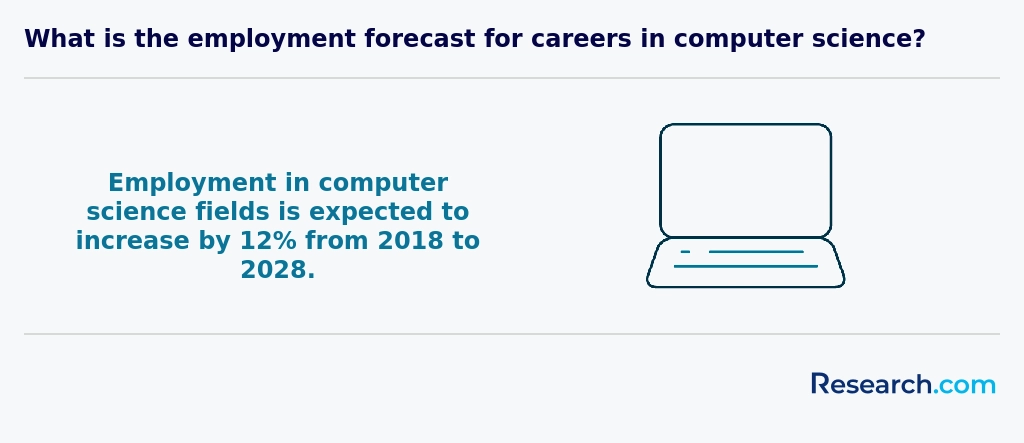
- The local job market is expected to grow by approximately 12% over the next decade, especially in tech, healthcare, education, and finance sectors.
- Providence offers valuable internship and networking opportunities due to its proximity to Boston and university-business collaborations.
Completing a computer science degree in Providence typically aligns with national timelines, with most students at well-known institutions finishing a bachelor's degree in about four years of full-time study. Graduates recall balancing rigorous coursework-including programming, data structures, and algorithms-with vibrant campus life, creating a fulfilling and manageable experience. Those who choose part-time study often extend their program duration, accommodating work or personal commitments without sacrificing educational quality.
For students attending community colleges or technical schools in Providence, associate degrees generally require two years, offering a strong foundation and practical skills. Many graduates use this pathway to transfer seamlessly into four-year programs at local universities, optimizing their academic journey.
Master's programs in Providence add an additional one to two years beyond the bachelor's degree, with students engaging deeply in specialized fields like machine learning or software engineering. Enrolled students appreciate the flexible pacing options that support both full-time study and part-time work, enhancing their ability to tailor education to personal goals.
Understanding the ROI of your educational investment is essential to ensuring that a Computer Science degree not only builds your skills but also secures a strong financial future. Evaluating ROI involves weighing tuition costs, potential debt, and the average starting salaries of graduates against the long-term career benefits. In Providence, RI, several programs offer competitive tuition rates and robust career support that can lead to lucrative job opportunities shortly after graduation. For instance, many prospective students compare not only the quality of education but also explore options like the cheapest computer science programs in rhode island to minimize upfront costs while maximizing career returns. Key factors to consider include: • Program Costs Versus Earning Potential: Analyze both direct costs (tuition, fees, and associated expenses) and indirect costs (lost income opportunities) against projected salary ranges in the local tech market. • Financial Aid and Scholarship Opportunities: Leverage institutional grants, scholarships, and work-study programs to reduce financial burdens, making the long-term ROI more attractive. • Alumni Success and Placement Rates: Research how quickly recent graduates secure positions, their career progression, and overall salary increases over time. • Industry Trends and Technological Advancements: Consider how evolving tech trends and local market demands in Providence can affect future employment prospects and salary growth. By taking a comprehensive look at these aspects, prospective students can better understand the true value of their educational investment and make informed decisions about which program aligns best with both their educational goals and financial expectations.
Online and on-campus computer science degree programs in Providence differ primarily in delivery style and campus engagement. On-campus students at institutions like Brown University experience daily, face-to-face interactions with professors and peers, fostering collaboration through labs and group projects. Graduates often recall the energizing campus atmosphere and the ease of accessing career services and research opportunities firsthand.
Conversely, online students enjoy flexible scheduling, allowing them to balance work or family commitments while studying remotely. Many Providence-area online learners appreciate this adaptability, describing it as crucial for managing personal and professional responsibilities without sacrificing educational goals. The technology requirement-reliable internet and sometimes specialized software-is outweighed by the convenience of attending classes from anywhere.
Cost differences also play a role: on-campus tuition for local public universities averages about $10,000 annually for in-state students, while online degrees can range from $12,000 to $20,000 total, often without campus fees. Community colleges offering online tracks provide accessible options tailored to non-traditional students seeking career advancement while staying in Providence.
Compare key features of leading Providence computer science degrees to find the best fit for your goals.
- Brown University
- ABET-accredited research focus with small seminar classes
- Strong alumni network and on-campus research labs
- University of Rhode Island
- Four-year program with required internships and capstone projects
- In-state tuition around $10,000 per year and robust career services
- Rhode Island College
- Affordable four-year BS with NSA-recognized cybersecurity track
- Dedicated labs and partnerships with local tech firms
- Johnson & Wales University
- Accelerated three-year BS option for faster workforce entry
- Emphasis on software engineering fundamentals and project-based learning
- Roger Williams University
- Flexible online/hybrid delivery with evening and weekend courses
- Access to virtual labs and synchronous coding labs
Creative students seeking interdisciplinary skills can explore our game art degree online for a cross-disciplinary edge.
The average cost of a computer science degree in Providence reflects various factors including residency status, institution type, and additional expenses. Median total costs hover around $49,503 for out-of-state students, while in-state students face a higher median total cost near $63,550 due to specific university fee structures. This range encapsulates tuition, fees, and related expenses, providing a comprehensive view that many graduates use to benchmark their financial planning.
Students attending public universities in Providence often find the financial commitment more manageable, aligning with broader national trends where the average tuition is about $10,000 annually for in-state residents. Graduates from these institutions appreciate the balance of quality education and affordability, especially when supplemented by Rhode Island's grants and scholarships that help reduce net costs. In contrast, private universities command higher tuition-sometimes surpassing $60,000 per year-but offer generous financial aid packages that can make the investment worthwhile and attainable for many.
Beyond tuition, Providence computer science degree total expenses include housing, textbooks, technology fees, and meal plans, which collectively add several thousand dollars annually. Many students find that factoring these costs early helps avoid surprises and eases budgeting throughout their studies. Real-life experiences from graduates indicate a positive outlook, where strategic use of financial aid and part-time work contributes to manageable expenses, fostering confidence in their educational investment.
Those interested in exploring options can view comprehensive data on the cheapest computer science programs in rhode island, enabling informed decisions tailored to their financial and academic goals.

Accreditation is a key indicator of educational quality and employer recognition. In Providence, leading Computer Science programs hold accreditation from the Accreditation Board for Engineering and Technology (ABET) and regional accreditation by the New England Commission of Higher Education (NECHE). ABET accreditation assures that a curriculum meets industry-driven criteria in areas such as programming, algorithms, data structures, and software engineering foundations. Choosing an ABET-accredited program can directly impact your career prospects. Employers often prefer graduates who have completed accredited curricula because they have demonstrated mastery of essential competencies. Moreover, licensure boards and graduate programs frequently require degrees from accredited institutions when considering applications. Regional accreditation by NECHE further validates the overall academic excellence of an institution, ensuring quality in faculty qualifications, student support services, and continuous improvement processes. Prospective students should verify accreditation status on official college websites or through the U.S. Department of Education’s Database of Accredited Postsecondary Institutions and Programs. For graduates targeting competitive roles-such as computer coding jobs-enrollment in accredited programs offers a strategic advantage. Accreditation not only enhances the transferability of credits but also signals to recruiters that you possess a rigorous, industry-aligned education, positioning you for success in today’s technology-driven job market.
Students pursuing a computer science degree in Providence have access to multiple financial aid options designed to ease the burden of tuition costs. Many graduates from institutions like Rhode Island College have benefited from merit-based scholarships targeted at STEM fields, receiving awards ranging from $1,000 to $5,000 annually, which significantly lightens their financial load while rewarding academic achievement.
Federal aid remains a cornerstone of funding, with applicants completing the FAFSA unlocking eligibility for Pell Grants. These grants, offering up to $7,395 in the 2023-2024 academic year, are especially crucial for local students facing financial need, as they do not require repayment. Moreover, Rhode Island's State Grant program further supplements this aid by reducing tuition fees at public colleges for eligible in-state students.
Additionally, work-study opportunities linked to universities in Providence provide practical experience in IT departments or research labs, allowing students not only to earn income but also to build valuable professional skills. Financial aid packages often blend these elements, creating tailored support that many Providence-based computer science students have found indispensable in pursuing their degrees with confidence.
Graduates with a bachelor’s degree in Computer Science often pursue advanced study to deepen their expertise and boost their career prospects. Whether you’re aiming for leadership roles, specialized research positions, or higher salaries, a master’s degree can provide the edge you need. In Providence, RI, top institutions like Brown University and the University of Rhode Island offer on-campus master’s programs with concentrations in areas such as artificial intelligence, data science, and cybersecurity. However, online programs deliver flexibility and, in many cases, more competitive tuition rates. When evaluating master’s programs, consider these key factors:
- Specialization Tracks: Look for programs offering concentrations aligned with your interests-AI, machine learning, software engineering, or human-computer interaction.
- Flexibility and Format: Online degrees allow you to balance work, family, and study, while hybrid options combine virtual coursework with occasional campus residencies.
- Faculty and Research Opportunities: Investigate faculty research projects and lab facilities, since hands-on experience is critical for advanced study.
- Cost and Financial Aid: Tuition can vary widely; take advantage of assistantships, scholarships, and employer tuition reimbursement to reduce out-of-pocket expenses.
- Career Services and Networking: Strong alumni networks and dedicated career centers can accelerate your job search after graduation. For students seeking affordable, accredited online master’s programs beyond Providence, explore our comprehensive ranking of low-cost options. Research.com’s Low Cost Online Master's in Computer Science Degree Programs Ranking in Georgia highlights high-quality programs that combine value, flexibility, and academic rigor-ideal for those prioritizing both excellence and affordability.
To enroll in a computer science degree program in Providence, students typically need a high school diploma or equivalent, such as a GED. Strong foundations in mathematics-including algebra, geometry, and introductory calculus-are essential, reflecting what graduates recall as critical to their early success at institutions like Rhode Island College and Brown University. Many students find prior exposure to physics and basic programming helpful, as these subjects ease the transition into college-level coursework.
Standardized test scores remain an important factor; while some Providence schools offer test-optional policies, competitive applicants often submit SAT or ACT scores, with successful candidates at Rhode Island College usually exceeding a combined 1050-1100. Graduates frequently emphasize that demonstrating problem-solving skills and enthusiasm for technology in personal statements or portfolios can significantly strengthen applications.
International students must provide proof of English proficiency through TOEFL or IELTS and submit evaluated transcripts aligning with U.S. standards. Community colleges in Providence provide flexible options for students seeking quicker entry or a transfer pathway, offering associate degrees or certificates with more accessible admission criteria.
Providence-area computer science programs collaborate with leading tech firms and research centers to offer hands-on experience that bridges classroom learning and real-world challenges.
- Fidelity Investments: data analytics and software engineering internships
- Hasbro: game development and UX design projects
- Citizens Bank: cybersecurity and financial systems roles
- Lifespan Health Systems: health informatics and AI applications
- Local startups: full-stack development and DevOps engagements
These partnerships help students build portfolios, earn professional references, and often transition to full-time roles after graduation. For those seeking deeper specialization, explore ai degree programs.
Computer science degree programs in Providence typically include a comprehensive selection of core courses designed to build a strong theoretical and practical foundation. Graduates from institutions like Brown University and Rhode Island College often recall starting with programming fundamentals, learning languages such as Python or Java, which enabled them to solve real-world coding challenges confidently.
Essential courses encompass Data Structures and Algorithms, where students develop critical thinking to optimize software performance, and Computer Systems and Architecture, breaking down how hardware components interact seamlessly. Many students appreciate Software Engineering classes, which simulate teamwork and project management scenarios mimicking professional environments typical in local tech firms.
Other vital subjects include Databases, offering hands-on experience with SQL to manage and query data efficiently, as well as Operating Systems that teach resource management vital for application stability. The Theory of Computation and emerging fields like Artificial Intelligence and Machine Learning add depth by exploring abstract concepts alongside cutting-edge technologies increasingly embraced by Providence's tech industry.
Electives such as cybersecurity and mobile development also enrich the curriculum, reflecting the evolving demands graduates encounter entering the regional job market with confidence and enthusiasm.
Computer science specializations in Providence offer students a dynamic blend of traditional and emerging fields, allowing learners at local universities and colleges to align their studies with precise career ambitions. Graduates from these programs often highlight how specializations such as Software Engineering and Data Science and Analytics equipped them with practical skills-ranging from coding intricate applications to interpreting complex datasets-directly applicable in Providence's growing tech sector.
Specializations in Cybersecurity and Artificial Intelligence (AI) and Machine Learning stand out, reflecting increasing industry demand. Students appreciate real-world projects that involve network protection scenarios or AI-driven problem solving, creating confidence for roles in regional businesses. Those pursuing Bioinformatics connect their skills with Providence's expanding biotech industry, finding clear pathways to innovative research opportunities.
Many studying computer science degree options in Providence also mention the accessibility of online and hybrid formats, particularly beneficial for working professionals aiming to deepen expertise without interrupting their careers. Exploring these fields leads to rewarding possibilities in both local markets and broader US tech roles, with informed choices guided by detailed insights into computer coding jobs.
When selecting the best computer science degree programs Providence offers, accreditation should be your foremost concern. Graduates from programs accredited by ABET have consistently reported greater confidence entering the workforce, knowing their education aligns with industry standards. Additionally, affordability plays a significant role. Many students at popular Providence colleges balance academic life and finances by seeking affordable computer science colleges in Providence that provide scholarships, financial aid, or part-time work opportunities.
Curriculum relevance is critical; graduates often emphasize how programs blending software development, data science, and cybersecurity better prepared them for diverse tech careers. Many Providence institutions also maintain strong connections to the local tech industry, fostering internships that students describe as invaluable in gaining hands-on experience and job offers. For working professionals, program flexibility with evening or online options can be a game-changer. To explore affordable options in depth, consider reviewing the Low Cost Online Master's in Computer Science Degree Programs Ranking in Georgia. This strategic approach ensures you choose a program attuned to your ambitions and circumstances.

Graduates with a computer science degree in Providence can pursue a range of dynamic career paths tailored to the city's expanding tech and innovation landscape. Career options for computer science graduates Providence include roles such as software developer, data scientist or analyst, cybersecurity specialist, systems analyst, and IT project manager. Many graduates from institutions like Brown University and the University of Rhode Island find rewarding employment by applying their programming and analytical skills to real-world problems faced by local companies, government agencies, and healthcare providers.
These professionals often experience fulfilling work environments where their expertise shapes the growing digital infrastructure of Providence. For example, data scientists contribute to enhancing financial decision-making and healthcare analytics, while cybersecurity specialists safeguard critical information against increasing cyber threats. Students frequently remark on the advantage of hands-on projects and networking opportunities available at Providence's universities, which prepare them for meaningful careers in the city. Those curious about further certifications can explore what certification pays the most to boost their prospects in this competitive job market.
The computer science job outlook Providence presents is highly favorable, supported by steady growth in technology sectors within the Rhode Island metropolitan area. Graduates from institutions like Brown University and the University of Rhode Island often find roles in software development, cybersecurity, and data analytics, aligning with the city's expanding tech industry. Many graduates report satisfaction with the job opportunities, noting both competitive salaries and dynamic work environments fostered by local startups and established companies.
Technology careers demand in Providence is driven by innovation hubs and proximity to research and healthcare institutions, which create specialized roles in health informatics and IT support. Computer science graduates cite real-world experiences such as internships and networking events that connect them directly to employers, enhancing their employment prospects. Salaries generally range around $90,000 annually, with strong potential for growth and specialization.
Prospective students should consider these positive market conditions alongside cost and program quality. For those researching further education pathways, exploring the best college degrees for older adults online is a beneficial step to align career goals with evolving industry needs.
2027 Best Computer Science Degree Programs Ranking in Providence
Investing in your education is a significant decision that can shape your future, and the Research.com team understands the importance of making informed choices. To assist prospective students in Providence, we have meticulously crafted the "2027 Best Computer Science Degree Programs Ranking in Providence." Our commitment to quality, credibility, and accuracy is reflected in the extensive research and analysis conducted to compile this ranking.
We utilized the following reputable data sources to ensure a comprehensive evaluation of computer science programs:
By exploring this ranking, readers will gain valuable insights into the best computer science degree programs available in Providence, helping them make informed decisions about their educational paths. For more details on our methodology, please visit our Research.com methodology page.


Frequently Asked Questions About computer science
Students pursuing a computer science degree in Providence can enhance their education by engaging deeply with both academic and practical experiences. Taking advantage of internships offered by local tech firms helps build real-world skills while networking within the industry. According to the Rhode Island Department of Labor, Providence hosts a growing technology sector, increasing internship and job opportunities.
Joining student organizations and coding clubs at schools like Brown University or Rhode Island College provides collaborative learning and exposure to current technologies. Additionally, attending local tech meetups or conferences in Providence expands professional connections.
Mastering foundational courses while supplementing studies with online coding platforms can further deepen understanding in critical areas such as algorithms and software development.
The computer science field is evolving rapidly, with several emerging niches gaining importance in Providence and across the US. Areas like artificial intelligence (AI), machine learning, and cybersecurity are seeing significant growth due to increasing demand for specialized skills. According to the Rhode Island Department of Labor and Training, cybersecurity jobs in the state are projected to grow 28% over the next decade.
Other promising niches include data science and cloud computing, driven by the vast amounts of data companies manage today. Additionally, the rise of blockchain technology and Internet of Things (IoT) applications presents new opportunities for innovation. Students pursuing degrees in Providence can find programs that incorporate these areas, preparing them for jobs in local tech firms and startups.
Graduates with a computer science degree in Providence should focus on building both technical and soft skills to succeed in the job market. Local employers often seek candidates proficient in programming languages such as Python, Java, and JavaScript, along with experience in cloud computing and cybersecurity. According to the Rhode Island Department of Labor, the tech sector in Providence is growing at about 5% annually, increasing job opportunities.
Internships and cooperative education programs offered by universities in Providence provide valuable hands-on experience and professional networking. Joining local tech meetups and industry events can also connect students with recruiters and mentors.
Certification in areas like AWS or CompTIA can further boost employability. Additionally, crafting a strong portfolio of projects and contributing to open-source platforms helps demonstrate practical skills to potential employers.
Employers in Providence seeking computer science graduates prioritize strong programming skills, especially in languages like Python, Java, and C++. According to the Rhode Island Department of Labor, graduates proficient in software development tools are in higher demand due to local tech firms' growth.
Problem-solving and analytical thinking are essential competencies. A 2023 survey by the Rhode Island Technology Council showed that over 70% of regional employers value graduates who can apply theoretical knowledge to practical challenges.
Effective communication skills, both written and verbal, are also critical, enabling graduates to work well in teams and explain technical concepts clearly.
Finding internships in Providence relevant to a computer science degree often starts with leveraging local academic resources. Universities such as Brown University and Rhode Island School of Design maintain strong ties with tech companies in the area. These institutions typically offer career services that list internship opportunities and host job fairs.
Additionally, Providence's growing tech sector includes startups and established firms in software development, cybersecurity, and data analytics. The Rhode Island Technology Council regularly promotes internships and networking events that connect students with employers.
Online platforms like Handshake and LinkedIn, filtered for Providence-based roles, also provide access to internships tailored for computer science students. According to the U.S. Bureau of Labor Statistics, tech-related internships in Rhode Island have increased by approximately 8% over the past three years, reflecting local industry growth.
A computer science degree in Providence significantly enhances career mobility and advancement opportunities. The city's growing tech sector, including companies in software development, healthcare IT, and financial services, actively seeks graduates with strong technical skills. According to the Rhode Island Department of Labor, computer science roles in the region are projected to grow by over 15% through 2030, outpacing many other sectors.
Graduates with such degrees benefit from increased starting salaries, often 20% higher than those without relevant qualifications, and greater eligibility for specialized roles. Local networking events and internships through Providence colleges also support professional growth and employer connections.
Studying for a computer science degree in Providence equips students with skills that extend beyond traditional programming and software development. Local universities often emphasize collaborative projects that integrate knowledge from biology, engineering, and business, reflecting the region's diverse economic base.
Providence's strong ties to industries like healthcare and manufacturing create opportunities for computer science students to engage in interdisciplinary research and internships. According to the Rhode Island Department of Labor, 28% of tech jobs in Providence require cross-disciplinary knowledge.
Additionally, curricula commonly include courses in data analytics, cybersecurity, and human-computer interaction, which prepare graduates to contribute in fields such as finance, healthcare, and urban planning. This broad approach enhances adaptability in an evolving job market.
Choosing between a thesis and a non-thesis computer science degree program in Providence depends on your career goals and learning preferences. Thesis programs typically focus on research, requiring you to complete an original project, which is ideal if you plan to pursue a PhD or work in research-heavy roles.
Non-thesis programs often emphasize coursework and practical skills, preparing students for immediate industry employment. Providence-area employers such as Hasbro and CVS Health value hands-on experience, making non-thesis degrees attractive for software development positions.
According to the National Center for Education Statistics, about 40% of Providence computer science graduates pursue thesis options, reflecting a strong research community connected to institutions like Brown University.
Consider your long-term objectives carefully before deciding.
Students in Providence interested in studying computer science abroad have several options within the structure of US higher education. Many Providence-based institutions, such as Brown University and Rhode Island College, offer exchange programs or dual-degree partnerships with universities overseas. These programs enable students to gain international experience while earning credits toward their degree at home.
According to NAAB data, over 20% of Rhode Island college students participate in study abroad initiatives, with STEM fields growing in popularity. Students can also explore summer research internships or semester-long courses abroad focused on computer science topics, enhancing their global perspective in this rapidly evolving field.
The city of Providence offers several part-time job opportunities that can effectively complement a computer science degree education. Many students find roles as software development interns or junior programmers at local tech startups, which allows them to apply coding skills in real-world projects. According to the Rhode Island Department of Labor, the technology sector in Providence has grown by over 10% annually, increasing demand for tech-savvy workers.
Other common positions include IT support specialist roles in educational institutions and healthcare facilities, providing hands-on experience with computer systems and networks. Freelance web development is also popular, offering flexibility alongside coursework.
Computer science students in Providence benefit from diverse networking opportunities that connect them with academia and industry. Local universities, such as Brown University and Providence College, host tech meetups, hackathons, and career fairs where students can engage with professionals and alumni. The Rhode Island Computer Museum and the Rhode Island Technology Council regularly organize events showcasing industry trends and job openings specific to the tech sector.
Additionally, Providence's growing tech startup scene offers internships and mentorship programs, allowing students to gain real-world experience. According to the Rhode Island Department of Labor, the area experienced a 15% growth in tech jobs between 2019 and 2023, increasing networking potential within this field.
Alumni networks play a vital role for computer science students in Providence by offering access to experienced professionals and industry connections. Graduates from local institutions, such as Brown University and Rhode Island College, often remain active in these networks, providing mentorship and career guidance. According to the National Association of Colleges and Employers (NACE), students with strong alumni ties have a 20% higher chance of securing internships and jobs in competitive fields like computer science.
These networks frequently host events, workshops, and job fairs exclusive to members, helping students stay updated with industry trends. Locally, Providence's thriving tech scene, supported by alumni-driven startups and firms, offers valuable opportunities for internships and employment.
Students pursuing computer science degrees in Providence can tailor their programs through elective courses, specializations, and internships. Many local institutions offer options to focus on areas such as cybersecurity, data science, or software engineering. This customization helps align studies with specific career ambitions. According to the National Center for Education Statistics, Providence colleges have seen a 15% growth in elective courses related to emerging technologies over the past five years.
Additionally, partnership opportunities with Providence's tech companies enable practical experience through internships and cooperative education. This hands-on approach is critical for developing skills that employers seek. Academic advisors also assist students in mapping courses to professional certifications relevant in the Rhode Island job market.
By combining coursework and real-world experience, students in Providence can effectively shape their computer science degrees to meet their unique career goals.
Computer science students in Providence often face several common challenges throughout their academic journey. One significant difficulty is managing the rigorous coursework, which includes complex programming languages, algorithms, and mathematical concepts. Many students report struggling with keeping up with fast-paced lectures and assignments, especially in foundational courses.
Additionally, balancing part-time work or internships alongside studies can be demanding. According to the Rhode Island Board of Education, nearly 40% of students in STEM fields work while studying, which adds to time management pressures.
Access to cutting-edge resources and research opportunities also varies between institutions, sometimes limiting hands-on experience. Finally, students frequently mention the challenge of preparing for competitive internships and job markets in the tech industry within the Providence area.
With a computer science degree in Providence, graduates can pursue various professional certifications that enhance their career prospects. Popular options include the Certified Information Systems Security Professional (CISSP) for cybersecurity roles and the Certified Software Development Professional (CSDP) for software engineering expertise.
Other valuable certifications are the Cisco Certified Network Associate (CCNA), focusing on networking skills, and the Microsoft Certified: Azure Fundamentals, which is useful as Rhode Island businesses increasingly adopt cloud technologies.
According to the Rhode Island Department of Labor, certifications like these can boost job opportunities and salaries for tech professionals in Providence by up to 15%.
Writing a strong application for a computer science degree in Providence requires clear demonstration of both academic ability and passion for technology. Most local universities, like Brown University and Rhode Island College, emphasize a solid foundation in mathematics and programming skills. Applicants should highlight relevant coursework, such as calculus and introductory coding classes.
Including practical experience through internships or personal projects can significantly strengthen your application. Providence is home to a growing tech scene, so mentioning any involvement with local startups or coding meetups shows initiative.
Remember to tailor your personal statement to explain why Providence's programs fit your career goals. Admissions committees value clear, concise writing backed by genuine enthusiasm and specific examples.
Computer science careers have a strong global demand due to rapid technological advancements. In the United States, especially in regions like Providence, this field is expanding because of the growing tech industry and research institutions. According to the U.S. Bureau of Labor Statistics, employment in computer and information technology occupations is projected to grow 15% from 2021 to 2031, much faster than the average for all occupations.
Globally, there is an increasing need for professionals skilled in artificial intelligence, cybersecurity, and software development. Providence's universities align their computer science programs with these trends, preparing students for international opportunities.
For prospective students in Providence, understanding this global context highlights the value of earning a computer science degree locally while tapping into worldwide career prospects.
Gaining practical experience while studying computer science in Providence is essential for career readiness. Many local colleges offer cooperative education programs that integrate paid internships directly into the curriculum, allowing students to work at tech firms in the region. For example, Rhode Island College and the University of Rhode Island have connections with local startups and established companies, providing valuable hands-on opportunities.
Students can also participate in coding bootcamps, hackathons, and research projects led by faculty. These activities help build real-world skills alongside academic learning. According to the Rhode Island Department of Labor, internships in tech fields in Providence have grown by 15% annually, highlighting increased opportunities.
Choosing the right concentration within a computer science degree in Providence depends on your career goals and interests. Common concentrations include software engineering, cybersecurity, data science, and artificial intelligence. Research local job market trends: Providence hosts growing technology sectors with demand for cybersecurity experts and data analysts, as reported by the Rhode Island Department of Labor.
Evaluate program offerings at nearby institutions such as Brown University and Rhode Island College, where concentrations vary and align with regional industry needs. Consider courses, faculty expertise, and internship opportunities.
Understanding these factors will help tailor your education to Providence's evolving tech landscape.
- 2027 Best Computer Science Degree Programs Ranking in Worcester
- 2027 Best Computer Science Degree Programs Ranking in Cambridge
- 2027 Best Computer Science Degree Programs Ranking in Boston
- 2027 Best Computer Science Degree Programs Ranking in Medford
- 2027 Best Computer Science Degree Programs Ranking in Amherst
- 2027 Best Computer Science Degree Programs Ranking in Albany
- 2027 Best Computer Science Degree Programs Ranking in New York
- 2027 Best Computer Science Degree Programs Ranking in Philadelphia
- 2027 Best Computer Science Degree Programs Ranking in Baltimore
- 2027 Best Computer Science Degree Programs Ranking in Rochester
See What Experts Have To Say About Studying Computer Science
Read our interview with Computer Science experts

Derek Riley
Computer Science Expert
Professor, Program Director
Milwaukee School of Engineering

Martin Kang
Computer Science Expert
Assistant Professor
Loyola Marymount University

Kathleen M. Carley
Computer Science Expert
Professor of Computer Science
Carnegie Mellon University

Elan Barenholtz
Computer Science Expert
Associate Professor
Florida Atlantic University

- Computer Science Cover Letter: How to Show You're a Top Tech Candidate https://arc.dev/talent-blog/computer-science-cover-letter/
- Computer Science - SWPS University https://english.swps.pl/academics/warsaw/ba-programs/computer-science
- A Holistic Approach to Studying Interdisciplinary Collaboration: Computer Science https://sciety.org/articles/activity/10.21203/rs.3.rs-8694985/v1
- Challenges That Frustrate Computer Science Teachers https://codeeasy.io/blog/challenges-that-frustrate-computer-science-teachers
- Alumni computer science dual https://www.fbi.h-da.de/en/informieren/ueber-uns/alumni/alumni-computer-science-dual
- Computer Science Programs: Cost, Types, What to Expect https://www.computerscience.org/degrees/
- 5 Challenges in Teaching Computer Science & Solutions https://www.computingolympiad.org/post/top-5-challenges-in-teaching-computer-science-in-schools-and-how-to-overcome-them
- Study Computer Science Abroad | Go Overseas https://www.gooverseas.com/study-abroad/computer-science
- What Do Employers Look For In A Computer Science Engineer? Skill-Lync Blogs https://skill-lync.com/blogs/what-do-employers-look-for-in-a-computer-science-engineer
- Navigating Systemic Access to Computer Science Learning https://www.nasbe.org/navigating-systemic-access-to-computer-science-learning/