2027 Most Popular Computer Science Degree Programs Ranking in Nebraska

Co-Founder and Chief Data Scientist
Choosing the right computer science degree program can shape your future career and open doors to exciting opportunities. This article introduces the 2027 Most Popular Computer Science Degree Programs Ranking in Nebraska, crafted by the Research.com team of data scientists to guide you in making an informed decision.
By exploring this ranking, you'll discover programs that match your goals and interests, helping you find the best fit with confidence.
Investing in a computer science degree offers growth, innovation, and rewarding experiences-making your educational journey truly worthwhile.
Key benefits of getting computer science degree in Nebraska
- Graduates with a computer science degree in Nebraska can expect strong earning potential, with software engineers and developers earning an average annual wage of around $138,110.
- Career paths are diverse, including roles like software engineering, web development, IT support, and data analysis, giving you flexible options to find a role that excites you.
- Online computer science degrees offer convenience and flexibility, allowing students to balance work and study effectively while gaining similar skills and resume value as traditional degrees from Nebraska's respected universities.
- Key benefits of getting computer science degree in Nebraska
- What can I expect from computer science degree in Nebraska?
- Where can I work with computer science degree in Nebraska?
- How much can I make with computer science degree in Nebraska?
- 2027 Most Popular Computer Science Degree Programs Ranking in Nebraska
- Key Findings
- How long does it take to complete computer science degree in Nebraska?
- What's the difference between online and on-campus computer science degree?
- Campus Life and Student Experience in Nebraska
- What is the average cost of computer science degree in Nebraska?
- Industry Partnerships and Research Opportunities
- What financial aid is available to computer science degree students in Nebraska?
- What are the prerequisites for enrolling in computer science degree program in Nebraska?
- Research Opportunities and Faculty Expertise
- What courses are typically in computer science degree programs in Nebraska?
- What types of specializations are available in computer science degree programs in Nebraska?
- How do you choose the best computer science degree in Nebraska?
- What career paths are available for computer science degree students in Nebraska?
- What is the job market for computer science degree in Nebraska?
- Related Computer Science Rankings for Nearby States
- Top Trending Computer Science Rankings
- See What Experts Have To Say About Studying Computer Science
What can I expect from computer science degree in Nebraska?
Students diving into computer science degrees in Nebraska commonly find the financial journey refreshing compared to other states. The average annual tuition for in-state learners at a flagship institution like the University of Nebraska-Lincoln hovers around $10,000, making it an accessible adventure into higher education. Imagine starting your first semester knowing the cost is manageable, allowing you to focus more on projects, coding marathons, and networking than financial stress.
Graduates often share how this balance between cost and quality fuels their enthusiasm and ambition. Attending a local Nebraska university means you get solid value-high-quality courses coupled with opportunities to intern at Omaha's booming tech companies without breaking the bank.
The accessibility of financial aid and scholarships further enhances this experience, lowering barriers so you can explore cutting-edge topics like artificial intelligence or cybersecurity while staying rooted in your community. It's the perfect setup for hands-on exploration in a thriving regional tech scene.
Where can I work with computer science degree in Nebraska?
With a computer science degree from Nebraska's top schools like the University of Nebraska-Lincoln, graduates find themselves stepping into vibrant career landscapes that spark curiosity and innovation. Imagine working at Union Pacific Railroad in Omaha, where software developers build systems that keep America moving, or joining Mutual of Omaha's tech teams to enhance cutting-edge insurance technologies.
Graduates often speak excitedly about the startup environments blossoming in Omaha, where fresh ideas and entrepreneurship merge with coding skills to create new ventures. At the University of Nebraska, students get hands-on experience through projects linked to research institutions, opening doors to roles in data analysis, cybersecurity, and network management.
Beyond city life, opportunities arise in Nebraska's agricultural sector, where graduates apply their skills to drive precision farming innovations. Picture developing software that helps farmers optimize yields through data insights-a thrilling fusion of tech and nature rarely found elsewhere.
Others find rewarding paths within government agencies, using their computing expertise to secure public systems and improve community services. Nebraska's growing tech job market offers a dynamic playground for graduates ready to explore and innovate.
How much can I make with computer science degree in Nebraska?
Graduates from Nebraska's well-regarded computer science programs often find themselves stepping into exciting careers with vibrant salary potentials. For instance, those who ventured through the halls of the University of Nebraska-Lincoln or Creighton University have landed roles as software developers earning a mean annual wage of about $138,110, showing that Nebraska's tech landscape holds rewarding opportunities.
Imagine starting out as a web developer, crafting dynamic sites for a bustling Omaha startup, and earning around $95,570 a year. Or picture yourself as a data analyst, analyzing trends in agriculture technology with an annual mean salary near $119,040. These figures reflect not just numbers but the real financial independence graduates enjoy while exploring Nebraska's innovative sectors.
IT support specialists, often the go-to tech heroes on campus, can expect about $63,640 yearly, providing steady income while sharpening their technical skills. The blend of competitive wages and Nebraska's affordable lifestyle makes following a computer science path feel like an adventurous investment in the future.
2027 Most Popular Computer Science Degree Programs Ranking in Nebraska
How do we rank schools?
Investing in your education is a significant decision that can profoundly impact your future, and the Research.com team is keenly aware of the responsibility involved in helping you make the best choice. To guide prospective students interested in Nebraska, we have carefully developed the "2027 Most Popular Computer Science Degree Programs Ranking in Nebraska." Our dedication to quality, credibility, and accuracy is demonstrated through rigorous research and thorough data analysis.
We utilized the following reputable data sources to create this comprehensive ranking:
By consulting this ranking, readers gain valuable insights into the top computer science degree programs in Nebraska, empowering them to make well-informed decisions about their academic futures. For a detailed overview of how this ranking was developed, please visit our Research.com methodology page.
# 1 position
University of Nebraska-Lincoln
Bachelor of Baccalaureate Degree Program in Computer Science


Key Findings
- In-state tuition for computer science degrees at Nebraska public universities ranges from $9,000 to $12,000 annually, while out-of-state tuition is about $25,000 per year.
- Private colleges in Nebraska often charge more than $30,000 annually for computer science programs, not including fees and living expenses.
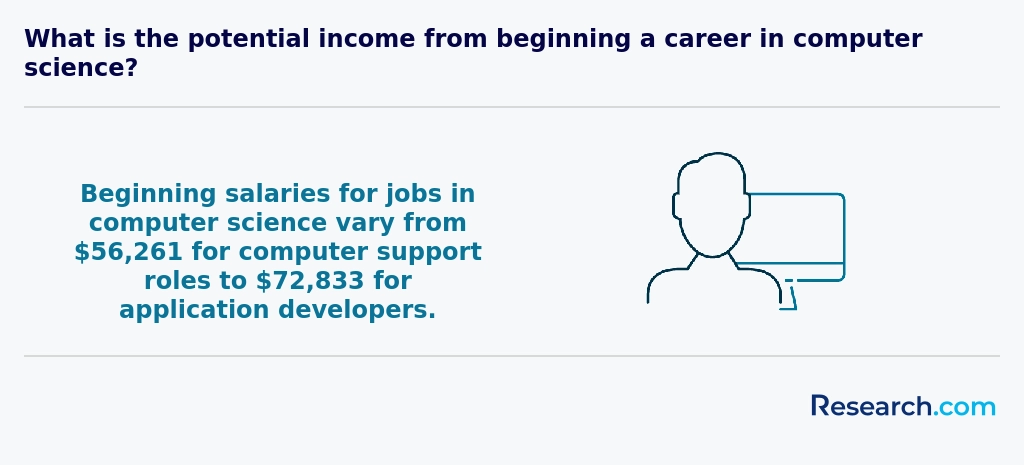
- Starting salaries for entry-level computer science graduates in Nebraska average around $65,000 per year.
- Experienced computer science professionals in Nebraska earn between $90,000 and over $120,000 annually, depending on their role and industry.
- Nebraska's tech job market is strong, with low unemployment rates and growing opportunities in software development, cybersecurity, data analysis, and IT infrastructure.
- Universities in Nebraska have partnerships with local industries providing internships and career networking for computer science students.
How long does it take to complete computer science degree in Nebraska?
In Nebraska, diving into a computer science degree usually means setting out on a four-year adventure, fueled by about 120 to 130 credit hours. Imagine a student at the University of Nebraska-Lincoln balancing hands-on coding projects with theory-rich lectures, steadily moving through a crafted curriculum designed to build both skills and confidence. Nearby, a Creighton University graduate recalls the thrill of each semester's challenges, knowing that maintaining a full course load keeps them on track to finish in those four vibrant years.
Yet, the journey can stretch or contract. Some explorers choose part-time paths, weaving studies around work or life's twists, extending the timeline but opening doors to new possibilities. Others accelerate through combined bachelor's and master's programs, embracing intensity for faster success. These flexible paths show that completing computer science here isn't just a timeline, but an exciting, personalized quest.
Graduate students often embrace a two-year immersion into advanced topics, pushing boundaries with research and specializations while eager to contribute to Nebraska's growing tech landscape.
What's the difference between online and on-campus computer science degree?
Imagine diving into computer science at the University of Nebraska-Lincoln, where on-campus students thrive amid bustling computer labs and lively study groups. These graduates often recall the excitement of hands-on projects and spontaneous conversations with professors that sparked their creativity. The in-person environment fuels motivation and provides ready access to internships with tech companies in Omaha and Lincoln, making every day feel like an adventure in innovation.
Now picture a different path: studying online through the University of Nebraska's flexible programs. Many students juggling jobs or family cherish the freedom to watch lectures anytime, anywhere. They describe the joy of learning at their own rhythm, fitting coding challenges around their lives. This mode opens doors without geographical limits, allowing Nebraskans from small towns to access quality education and connect through virtual collaboration tools.
- Learning environment: Online brings virtual classrooms; on-campus offers face-to-face energy.
- Schedule flexibility: Asynchronous online study versus fixed class hours.
- Cost considerations: Savings on housing and transport with online options.
- Networking: In-person bonds through clubs and events on campus.
Both paths share solid foundations in coding, algorithms, and software development, but the choice in Nebraska comes down to how you want to experience your growth as a future tech innovator.
Campus Life and Student Experience in Nebraska
Nebraska’s computer science programs offer more than rigorous academics; they provide a vibrant campus life that can significantly enhance your educational journey. Students frequently engage in tech-driven clubs, hackathons, and real-world project collaborations that foster innovation and creativity. These extracurricular opportunities not only build a strong professional network but also help develop essential soft skills, from teamwork to leadership, that are indispensable in today’s competitive tech industry. Furthermore, many institutions offer career fairs and networking events that connect students with influential industry leaders, ensuring that graduates are well-prepared for the transition from classroom to career. This emphasis on community and hands-on experience creates an environment where learning transcends traditional lectures, paving the way for lifelong professional growth. For students who are balancing quality education with financial considerations, exploring the most affordable computer science programs in nebraska can provide further insight into programs that maintain high academic standards while offering excellent value. This holistic approach to education makes Nebraska’s programs an attractive choice for future computer science professionals.
What is the average cost of computer science degree in Nebraska?
The average cost of a computer science degree in Nebraska often surprises many prospective students with its range and affordability, depending on where and how you choose to study. On average, the total cost for completing a computer science degree hovers around $43,804, but this figure dramatically shifts when you consider residency and institution type. For those who qualify as in-state residents, universities like the University of Nebraska-Lincoln offer a more accessible path with median in-state costs near $10,434, making the dream of a degree feel attainable and worth every hardworking hour.
Graduates recall the excitement and challenges of navigating tuition alongside living expenses, technology fees, and books-factors that contribute to the overall journey but don't deter the passion for the field. Students in community colleges, who began their studies locally, often discovered affordable pathways, with tuition fees dramatically less than those at private institutions. For example, private universities can amplify the cost well beyond $30,000 annually, which adds an adventurous twist to funding strategies and tuition planning.
For anyone pondering the average cost of computer science degree Nebraska programs, it's worth exploring options carefully. Many find that starting at a community college before transferring to a university not only lightens the financial load but enriches their educational experience. For detailed insights and up-to-date financial options, check out resources like the most affordable computer science programs in Nebraska.

Industry Partnerships and Research Opportunities
Nebraska’s top Computer Science degree programs distinguish themselves through robust industry partnerships and cutting-edge research opportunities that prepare students for real-world challenges. Universities such as the University of Nebraska-Lincoln and the University of Nebraska at Omaha collaborate with leading tech companies-ranging from local startups to global firms like Google Cloud and Amazon Web Services-to provide students with internships, co-op positions, and hands-on project funding. These collaborations not only enhance classroom learning but also foster professional networks that help graduates secure full-time roles upon completion. Research centers across the state, including the Holland Computing Center and the Nebraska Center for Energy Sciences Research, offer undergraduates and graduate students the chance to contribute to high-impact projects in areas like high-performance computing, artificial intelligence, and data analytics. Faculty-led labs often publish in top-tier conferences, and students can co-author papers, presenting at IEEE or ACM events. This level of engagement deepens technical expertise and demonstrates a commitment to innovation-key factors that employers seek in new hires. For those interested in specializing in cybersecurity, Nebraska institutions frequently partner with state agencies and private firms to simulate network defense scenarios and conduct vulnerability assessments in dedicated security labs. Students can further explore advanced curriculum and hands-on training through programs such as the cyber security bachelor degree online, which integrates real-time threat analysis tools and captures industry certifications like CompTIA Security+ or CISSP. By combining academic rigor with industry-driven research, Nebraska’s Computer Science programs ensure that graduates emerge with both theoretical foundations and practical experience. Whether developing scalable cloud solutions, designing secure systems, or pushing the boundaries of machine learning, students benefit from a dynamic ecosystem that bridges the gap between university and industry.
What financial aid is available to computer science degree students in Nebraska?
Imagine starting your computer science journey at the University of Nebraska-Lincoln with a stack of scholarship offers lightening the financial load. Many students there rely on the Nebraska Opportunity Grant, which helps residents demonstrating financial need, making education feel achievable rather than overwhelming. Other grads from Creighton University recall how merit-based STEM scholarships gave them the freedom to focus more on coding than counting pennies.
Federal aid like the Pell Grant can feel like a financial safety net, providing up to $7,395 annually without the stress of repayment. Combine that with federal loans that offer reasonable rates and flexible plans, and the path through your degree becomes clearer. Those who tapped into work-study programs found part-time jobs right on campus, weaving practical experience into their academic lives while covering expenses.
Additionally, Nebraska's tech companies and professional groups often sponsor private scholarships. Graduates mention how this hidden support opens doors, turning the challenge of paying for school into an exciting quest. And for those already working, some local employers back tuition reimbursement, making lifelong learning a shared adventure rather than a solo struggle.
What are the prerequisites for enrolling in computer science degree program in Nebraska?
Diving into a computer science degree in Nebraska means gearing up with a solid foundation in math and science. Graduates from popular schools like the University of Nebraska-Lincoln often recall their journey starting with courses in Algebra, Geometry, and even Calculus, alongside essential sciences such as Physics or Chemistry. This mix builds the mental toolkit needed to solve complex problems, making learning both challenging and exciting.
Many budding Huskers share how submitting strong SAT scores-typically between 1100 and 1330 for admitted students-boosted their confidence during admission. Meanwhile, transcripts showing consistent academic effort, usually with at least a 2.5 GPA, opened doors at both four-year universities and community colleges across the state.
For international or non-traditional students, demonstrating English proficiency through tests like TOEFL often felt like an adventurous hurdle, but one that proved rewarding. Connecting with academic advisors and attending orientations were also game-changers, providing clarity on course planning and setting them on a path filled with curiosity and potential.
Research Opportunities and Faculty Expertise
Nebraska’s top computer science programs distinguish themselves through robust research portfolios and world-class faculty, providing students with hands-on experience in cutting-edge projects. At the University of Nebraska–Lincoln, undergraduates can join research groups in areas such as artificial intelligence, bioinformatics, and cloud computing, often collaborating with faculty who hold NSF grants and publish regularly in premier journals. Creighton University offers summer research fellowships where students design and implement cybersecurity solutions, while Nebraska Wesleyan University partners with local tech startups to provide real-world systems administration projects. Faculty expertise extends beyond the classroom: professors at the University of Nebraska at Omaha lead the Holland Computing Center, granting students access to high-performance computing resources for large-scale data analysis. These opportunities equip students with published work on their resumes and prepare them for graduate studies or industry roles. Graduate assistantships across Nebraska institutions often cover tuition and offer stipends, further reducing the financial barrier to advanced research. For those prioritizing both quality and affordability, you may also explore the Most Affordable Computer Science Degree Programs Ranking in Kentucky, which highlights cost-effective pathways to research engagement.
What courses are typically in computer science degree programs in Nebraska?
Diving into a computer science degree in Nebraska sparks an exciting journey through both foundational and cutting-edge courses. At universities like the University of Nebraska-Lincoln or Creighton University, students eagerly tackle introductory classes such as Introduction to Programming, where Python or Java come alive as tools to create real apps and games. These foundational courses build confidence while unraveling the mysteries of Data Structures and Algorithms-imagine organizing massive data like a pro!
Graduates often recall hands-on projects in Software Engineering Principles and Database Management Systems, where theory meets practice. One memorable moment for many is developing apps during Mobile and Web Application Development courses, feeling the thrill of bringing ideas to life. Networking and security classes challenge students to protect digital worlds, which makes learning intense but incredibly rewarding.
Beyond coding, Nebraska programs encourage exploration in math and communication, prepping grads for diverse tech roles. Internships and capstone projects collaborate with local Omaha tech firms, offering a real taste of the vibrant industry buzzing just beyond campus walls.
What types of specializations are available in computer science degree programs in Nebraska?
Diving into a computer science degree in Nebraska unlocks a world of fascinating specializations that align with both future tech trends and local industry needs. Graduates from the University of Nebraska-Lincoln and Nebraska Wesleyan University often share their excitement about specializing in fields like Software Engineering, where they design and build software that powers everyday life. Others are drawn to Data Science and Analytics, using statistical tools and machine learning to find insights hidden in big data that transform businesses across the state.
For those eager to protect vital networks, Nebraska's programs emphasize Cybersecurity, reflecting the state's demand for experts who defend digital frontiers-many students even explore options through a cyber security bachelor degree online. Meanwhile, adventurous learners choose Artificial Intelligence and Machine Learning, crafting smarter systems that mimic human decision-making, or explore Human-Computer Interaction to enhance how people naturally connect with technology.
This variety makes Nebraska's best computer science programs Nebraska a thrilling, tailored journey for every aspiring coder or innovator ready to explore the vast tech landscape.
How do you choose the best computer science degree in Nebraska?
Choosing the best computer science degree in Nebraska means diving into programs that spark your passion and align with your goals. Graduates from popular schools like the University of Nebraska-Lincoln often share how accreditation by ABET gave them confidence that their education met high standards. This assurance matters when you want your degree to open real doors.
Imagine balancing your budget with an in-state tuition averaging around $9,000 per year-a real plus for Nebraska residents exploring affordable Nebraska computer science programs. Many find that weighing tuition alongside living expenses and technology fees helps paint a clearer picture of overall costs.
Consider programs offering a range of specializations that match career goals, whether it's cybersecurity or data science. Students at the University of Nebraska at Omaha talk about how hands-on internships and research opportunities transformed theory into exciting real-world skills.
Strong career services and local employer connections make all the difference. Nebraska's growing tech scene means those links can lead to jobs, just as graduates attest. To explore cost-effective options for your adventure, check out the Most Affordable Computer Science Degree Programs Ranking in Kentucky for inspiration on finding quality programs nearby.

What career paths are available for computer science degree students in Nebraska?
Nebraska's computer science degree graduates dive into diverse career paths fueled by the state's robust and evolving tech landscape. Picture a recent graduate from the University of Nebraska landing a role as a software developer in Omaha, crafting innovative applications for local startups. This pathway isn't just about coding; it's about shaping cutting-edge solutions with eager teams and expanding markets.
For those captivated by challenges around security, cybersecurity positions in Nebraska's financial and healthcare sectors offer thrilling opportunities to protect vital information. Graduates find themselves at the forefront of combating cyber threats, driven by the state's growing emphasis on technology infrastructure. Exploring jobs with computer science degree Nebraska brings you to data science roles focused on agricultural technology-imagine analyzing vast data to boost farming efficiency, a booming industry here.
Tech-savvy graduates also appreciate steady roles in IT support at educational institutions, where daily problem-solving meets meaningful impact. Many of these students, attending Nebraska colleges, highlight affordable tuition combined with promising career opportunities. If you're eager for rapid growth, check out fast track career programs that align perfectly with Nebraska's expanding tech scene.
What is the job market for computer science degree in Nebraska?
The computer science job outlook Nebraska offers invites curiosity and excitement for graduates eager to dive into a thriving tech scene. With major hubs like Omaha and Lincoln buzzing with startups and established companies in finance, healthcare, and agriculture, students from the University of Nebraska-Lincoln and Creighton University often find themselves landing promising roles in software development and cybersecurity. These graduates describe a sense of adventure breaking into industries that genuinely rely on their skills, where a median salary near $93,000 provides a comfortable lifestyle thanks to Nebraska's affordable living costs.
Nebraska's computer science degree employment opportunities extend into emerging fields such as artificial intelligence and cloud computing, where local universities support hands-on internships connecting students to real-world tech challenges. For those exploring cost-effective paths, the option to enroll in an easy masters program makes advancing skills both accessible and practical. The blend of steady job growth and engaging career possibilities embodies a rewarding journey for anyone passionate about computer science in Nebraska.
Frequently Asked Questions About computer science
Computer science students in Nebraska can maximize their learning by combining academic coursework with practical experience. The state's universities, such as the University of Nebraska-Lincoln, offer internship programs that connect students with local tech companies, enhancing real-world skills.
Participating in coding competitions and joining student tech organizations can also deepen understanding and foster collaboration. Nebraska's emerging tech sector provides opportunities in areas like software development and data analysis, where students can apply classroom knowledge.
Utilizing online resources and faculty-led research projects are additional ways to stay current with industry trends. According to the Nebraska Department of Labor, Nebraska's tech employment is projected to grow 15% by 2028, highlighting the demand for hands-on experience.
The computer science field is rapidly evolving, with new niches emerging that offer exciting opportunities for students in Nebraska. Areas such as artificial intelligence (AI), machine learning, and data science are experiencing significant growth both nationally and within the state. According to the Bureau of Labor Statistics, employment in these sectors is projected to grow much faster than average through 2030.
Additionally, cybersecurity has become a critical focus due to increasing concerns around data protection. Nebraska colleges are responding by integrating specialized courses in this area.
Other emerging niches include cloud computing and Internet of Things (IoT), driven by Nebraska's expanding tech industry and agricultural technology advancements.
To prepare for the job market after completing a computer science degree in Nebraska, students should focus on gaining practical experience. Internships and cooperative education programs offered by Nebraska universities provide valuable exposure to real-world projects. Employers in the state, particularly in Omaha and Lincoln, seek graduates with skills in software development, cybersecurity, and data analysis.
Networking is also crucial. Joining local tech groups such as the Nebraska Technology Association can connect students with professionals and job opportunities. According to the U.S. Bureau of Labor Statistics, Nebraska's demand for computer and information technology occupations is expected to grow by 9% through 2031, indicating a healthy job market.
Additionally, obtaining industry certifications and staying current with programming languages improve employability. Career services at Nebraska colleges frequently offer workshops on resume building and interviewing, which help graduates stand out to employers.
Employers in Nebraska highly value computer science graduates who demonstrate strong programming skills. Languages such as Python, Java, and C++ are frequently requested, reflecting local industry demands. According to the Nebraska Department of Labor, over 60% of tech job postings emphasize software development abilities.
Problem-solving and analytical thinking are also critical. Graduates who can design algorithms and debug complex systems are preferred. Communication skills rank among top employer priorities as well, especially the ability to work in teams and explain technical concepts clearly.
Familiarity with cloud computing and cybersecurity has increased in importance due to Nebraska's growing tech sector focused on data and infrastructure security.
Finding internships in Nebraska relevant to a computer science degree involves connecting with local tech companies and university resources. Nebraska hosts several growing tech hubs, particularly in Omaha and Lincoln, where businesses seek computer science interns. The University of Nebraska system offers career services that link students with internships through online portals and job fairs. According to the Nebraska Department of Labor, the state expects a 15% increase in information technology jobs by 2030, indicating expanding opportunities.
Students should also use platforms like Handshake or local networking events such as those hosted by the Nebraska Technology Collaborative. Building a professional network through meetups and professional groups enhances the chances of securing internships aligned with computer science studies.
A computer science degree significantly enhances career mobility and advancement opportunities in Nebraska. According to the Nebraska Department of Labor, the state has seen a steady 12% growth in technology jobs over the past five years, driven by expanding industries such as agriculture tech and telecommunications.
Graduates with a computer science background are in demand for roles like software developers, IT managers, and data analysts, which often offer competitive salaries above the state median wage.
Moreover, Nebraska's growing tech hubs, such as Omaha and Lincoln, provide diverse job markets where advanced degrees enable professionals to access leadership and specialized positions more easily.
Data from the National Center for Education Statistics shows that individuals holding a computer science degree typically experience higher promotion rates and can transition between industries with greater ease in Nebraska's evolving economy.
Studying for a computer science degree in Nebraska equips students with skills that apply across various fields. Programs in the state emphasize collaboration between computing and other disciplines such as engineering, business, and healthcare. For example, the University of Nebraska offers interdisciplinary coursework and research opportunities, allowing students to solve real-world problems using technology.
According to the Nebraska Department of Labor, employment for computer and information technology occupations is projected to grow by 15% through 2030, highlighting demand in diverse industries. This growth encourages institutions to tailor curricula to foster skills in data analysis, programming, and problem-solving applicable beyond pure tech roles.
Additionally, partnerships between universities and Nebraska's local industries create practical environments where students work on projects integrating multiple disciplines. This approach prepares graduates to adapt in dynamic work settings, often requiring a blend of technical expertise and domain-specific knowledge.
Choosing between a thesis and a non-thesis computer science degree program in Nebraska depends largely on your career goals and learning preferences. Thesis programs usually focus on research, requiring students to complete a significant project or paper under faculty supervision. This path suits those considering doctoral studies or research-intensive roles.
Non-thesis programs typically emphasize coursework and practical skills, appealing to students aiming for industry jobs or professional certifications. Many Nebraska universities offering computer science degrees, such as the University of Nebraska-Lincoln, report that non-thesis tracks often attract working professionals due to flexible schedules.
Data from the National Center for Education Statistics shows that about 40% of graduate CS students nationwide choose thesis options, reflecting their interest in research careers, while the rest pursue non-thesis paths focusing on applied knowledge. Prospective students should consider workload, time commitment, and future ambitions when making their decision.
Students in Nebraska interested in studying computer science abroad have several pathways available through their home institutions. Many Nebraska universities, including the University of Nebraska system, offer exchange programs or partnerships with universities in Europe and Asia. These opportunities allow students to earn credits toward their degree while gaining international experience.
According to the Institute of International Education, nearly 10% of Nebraska students participate in study abroad programs, with computer science being a popular field due to its global demand. Programs often focus on emerging tech hubs like Germany, Canada, and Singapore, providing exposure to diverse computing environments.
Additionally, some Nebraska colleges provide semester-long or summer study abroad options specifically tailored for STEM students, including computer science majors. These programs combine classroom learning with hands-on projects, helping develop skills valued worldwide.
Part-time job opportunities in Nebraska that complement a computer science degree include roles such as software developer intern, IT support technician, and data analyst assistant. These positions allow students to apply classroom knowledge to real-world problems while gaining valuable industry experience. According to the Nebraska Department of Labor, Omaha and Lincoln have growing tech job markets, increasing part-time openings in these fields.
Many Nebraska universities collaborate with local tech companies, creating internship programs designed for computer science students. Additionally, freelance programming and web development jobs are commonly available online, providing flexible schedules. These roles help develop skills in coding, debugging, and project management.
Networking opportunities for computer science students in Nebraska are supported by a variety of local and statewide resources. Several universities, including the University of Nebraska system, host career fairs and tech-focused events that connect students with regional employers in fields like software development and data science. According to the Nebraska Department of Labor, the tech industry in Nebraska employs over 40,000 professionals, highlighting a growing market for entry-level positions and internships.
Organizations such as the Nebraska Technology Association provide students with chances to engage in workshops and meet industry leaders. Additionally, groups like the Omaha Coding & Coffee meet regularly, offering informal networking venues for both students and professionals. These opportunities enhance practical learning and career prospects within Nebraska's expanding tech sector.
Alumni networks provide significant advantages for computer science students in Nebraska. Graduates from universities such as the University of Nebraska-Lincoln often remain active within their alumni communities, offering mentorship and guidance to current students.
These networks facilitate professional connections, easing the job search process in Nebraska's growing tech industry. According to the Nebraska Department of Labor, the state's technology sector has increased employment by over 10% in recent years, intensifying demand for skilled graduates.
Through alumni events and online platforms, students gain access to internships, job opportunities, and industry insights that are otherwise difficult to obtain. This support enhances students' career readiness upon graduation.
In Nebraska, students pursuing a computer science degree can tailor their education to match specific career goals by selecting electives and specializations offered by universities. Many institutions provide options such as cybersecurity, data science, software engineering, and artificial intelligence, allowing for focused skill development. According to the National Center for Education Statistics, Nebraska schools award over 300 computer science degrees annually, reflecting an expanding market for specialized skills.
Students may also engage in internships or cooperative education programs facilitated by Nebraska colleges, offering practical experience in local tech industries. Additionally, some programs provide opportunities for research projects aligned with emerging fields. By leveraging these academic options, students can customize their learning to better prepare for Nebraska's growing technology workforce.
Computer science students in Nebraska often face challenges related to the fast-evolving nature of technology. Keeping up with new programming languages and tools requires continuous effort and adaptability. According to the Nebraska Department of Education, many students find balancing rigorous coursework with internships or part-time jobs demanding.
Another common challenge is accessing advanced research opportunities, which can be limited outside major metropolitan areas like Omaha or Lincoln. Additionally, students report difficulties in finding local networking events or tech communities compared to larger tech hubs in the U.S.
Financial constraints are also notable, with tuition and living costs posing barriers for some. The University of Nebraska system offers scholarships, but competition remains strong, as detailed in recent institutional reports.
With a computer science degree, you can pursue a variety of professional certifications to boost your career prospects. Popular certifications include the Certified Information Systems Security Professional (CISSP), which is valuable for cybersecurity roles. The Project Management Professional (PMP) certification is also common among computer science graduates aiming for leadership positions.
For software development careers, certifications like the Microsoft Certified: Azure Developer Associate or AWS Certified Developer can be beneficial. Nebraska's tech industry, centered around cities like Omaha and Lincoln, values candidates with these credentials due to growing demand for cloud and security expertise, according to the Nebraska Department of Economic Development.
To write a winning application for a computer science program in Nebraska, start with a clear and concise personal statement. Highlight your passion for technology and your goals in the field. Nebraska contains well-regarded institutions such as the University of Nebraska-Lincoln, where computer science enrollment has grown steadily in recent years, reflecting regional demand (source: Nebraska Department of Education).
Include strong academic records, especially in mathematics and science courses, as these are essential for computer science studies. Attach letters of recommendation from teachers or professionals who can attest to your technical skills and work ethic.
Many Nebraska programs also consider extracurricular activities like coding clubs or internships important. Demonstrating practical experience can distinguish your application in a competitive environment.
The global perspective on a computer science career highlights strong job growth and demand for skilled professionals worldwide. In the United States, including Nebraska, computer science roles are expected to grow 22% from 2020 to 2030, much faster than the average for all occupations, according to the U.S. Bureau of Labor Statistics.
Globally, companies seek expertise in areas like artificial intelligence, cybersecurity, and data science, offering opportunities for collaboration across borders. Nebraska's emerging tech economy benefits from this trend, with local universities emphasizing these specialties in their computer science programs.
For Nebraska students, pursuing a computer science degree aligns well with global market needs, preparing them for careers both domestically and internationally.
Gaining practical experience while studying for a computer science degree in Nebraska is essential for career readiness. Many Nebraska universities, such as the University of Nebraska-Lincoln, offer cooperative education (co-op) programs that integrate paid work experience with academic studies. These opportunities allow students to apply classroom knowledge to real-world projects.
Internships are another common path, with Nebraska hosting firms in tech and agriculture that actively recruit locally. According to the Nebraska Department of Labor, the technology sector in Nebraska is growing at nearly 5% annually, increasing demand for internship positions.
Additionally, participating in hackathons, coding clubs, and research projects can also enhance practical skills. These experiences often lead to valuable networking opportunities within Nebraska's tech community.
Choosing the right concentration within a computer science degree program in Nebraska involves evaluating your personal interests and career goals. Common concentrations include software engineering, cybersecurity, data science, and artificial intelligence. Each focuses on different skills and industry demands.
Consider Nebraska's growing tech job market, especially in Omaha and Lincoln, where data analytics and cybersecurity positions have increased by over 10% in recent years, according to the Nebraska Department of Labor. Research programs at local universities to find specialties aligned with these trends.
Additionally, review course offerings, faculty expertise, and internship opportunities to ensure practical experience in your chosen area. Consulting academic advisors and industry professionals can also help clarify the best fit for your ambitions.
Related Computer Science Rankings for Nearby States
- 2027 Most Popular Computer Science Degree Programs Ranking in Iowa
- 2027 Most Popular Computer Science Degree Programs Ranking in Colorado
- 2027 Most Popular Computer Science Degree Programs Ranking in Missouri
- 2027 Most Popular Computer Science Degree Programs Ranking in Minnesota
- 2027 Most Popular Computer Science Degree Programs Ranking in Illinois
- 2027 Most Popular Computer Science Degree Programs Ranking in Arkansas
- 2027 Most Popular Computer Science Degree Programs Ranking in Indiana
- 2027 Most Popular Computer Science Degree Programs Ranking in Louisiana
- 2027 Most Popular Computer Science Degree Programs Ranking in Kentucky
- 2027 Most Popular Computer Science Degree Programs Ranking in Michigan
Top Trending Computer Science Rankings
See What Experts Have To Say About Studying Computer Science
Read our interview with Computer Science experts

Martin Kang
Computer Science Expert
Assistant Professor
Loyola Marymount University

Kathleen M. Carley
Computer Science Expert
Professor of Computer Science
Carnegie Mellon University

Derek Riley
Computer Science Expert
Professor, Program Director
Milwaukee School of Engineering

Elan Barenholtz
Computer Science Expert
Associate Professor
Florida Atlantic University

References
- Letter of Motivation for applying Computer Science related fields https://essayforum.com/letters/motivation-applying-computer-science-related-11858/
- How AI Is Transforming Computer Science Careers | Role of AI https://www.gisma.com/blog/how-ai-is-transforming-computer-science-careers
- Computer Science Cover Letter: How to Show You're a Top Tech Candidate https://arc.dev/talent-blog/computer-science-cover-letter/
- The Crucial Role of Networking for Computer Science Students https://dev.to/thisisaayush/the-crucial-role-of-networking-for-computer-science-students-4k2i
- A Holistic Approach to Studying Interdisciplinary Collaboration: Computer Science https://sciety.org/articles/activity/10.21203/rs.3.rs-8694985/v1
- What Jobs Can You Get with a Computer Science Degree? https://www.cune.edu/news/what-jobs-can-you-get-computer-science-degree
- Navigating Systemic Access to Computer Science Learning https://www.nasbe.org/navigating-systemic-access-to-computer-science-learning/
- New and Future Computer Science and Technology Trends https://www.computerscience.org/resources/computer-science-trends/
- Mathematics and Computer Science Degrees | NWU https://www.nebrwesleyan.edu/academics/majors-and-minors/mathematics-and-computer-science/degrees
- 5 Challenges Faced by Computer Science Students and How to Overcome Them https://informatika.almaata.ac.id/5-challenges-faced-by-computer-science-students/