
2027 Most Popular Computer Science Degree Programs Ranking in Utah

Co-Founder and Chief Data Scientist
Choosing the right computer science degree program can feel overwhelming, especially with so many options available in Utah. To help you navigate this important decision, this article features the 2027 Most Popular Computer Science Degree Programs Ranking in Utah, developed by the Research.com team of data scientists.
By exploring this ranking, you'll gain valuable insights into programs that have proven success and popularity among students. A computer science degree opens doors to exciting career opportunities and personal growth. This guide aims to support you in finding the best path to achieve your goals and build a rewarding future.
Key benefits of getting computer science degree in Utah
- Salary benefits: Computer science graduates in Utah can earn impressive salaries, with roles like Software Engineers or Developers making a mean annual wage of $138,110 and Web Developers earning around $95,570. These competitive wages reflect the strong demand for tech skills in the state.
- Career paths: Graduates from Utah's universities often find diverse opportunities, such as software development, data analysis, and IT support, allowing them to choose fulfilling jobs that match their interests and strengths. This flexibility offers a great chance to grow professionally in the local tech industry.
- Online degree advantages: Earning a computer science degree online in Utah provides convenience and adaptability, enabling students to balance work and study smoothly, just like many successful online graduates from regional institutions. It opens doors without sacrificing quality education or interaction with expert faculty.
- 2027 Most Popular Computer Science Degree Programs Ranking in Utah
- What can I expect from computer science degree in Utah?
- Where can I work with computer science degree in Utah?
What can I expect from computer science degree in Utah?
If you're thinking about the cost of a computer science degree in Utah, you'll find it's pretty reasonable compared to other states. For example, at the University of Utah, in-state tuition tends to be much more affordable, which is great news if you're a local student. Many grads from there mention that the manageable tuition helped them focus on their studies without stressing about piling debt.
Plus, schools like Utah State University and Brigham Young University offer competitive rates too, often with scholarships or grants aimed specifically at STEM students. So, if you're someone who loves coding and tech but worries about tuition, Utah's public universities give you a sweet balance between cost and quality education.
Think of it like this: you're getting access to solid programs, hands-on projects, and connections with local tech companies without breaking the bank. That's a win when juggling bills and schoolwork!
Where can I work with computer science degree in Utah?
If you're studying computer science in Utah, you're in luck-there's no shortage of places to work once you graduate. Many grads from schools like the University of Utah and Brigham Young University find themselves diving into Utah's booming tech scene, often called the Silicon Slopes. You might land a job developing software at big names like Adobe or Pluralsight, or get involved in cybersecurity and data projects. It's pretty exciting to be part of a community that's growing so fast.
Some grads have also told me how they switched gears into finance or healthcare, working for companies like Zions Bank or Intermountain Healthcare, where they build secure systems and tackle massive data sets. It's cool because you get to apply your skills in ways that really impact people's lives.
Then there are those who join government IT teams or universities, supporting everything from digital infrastructure to research projects. And if you're into aerospace, places like L3Harris Technologies offer cutting-edge gigs in AI and systems engineering.
Plus, many Utah grads take the entrepreneurial route, creating startups or freelancing, fueled by the state's supportive community and networking events. Honestly, it feels like the possibilities are endless here.
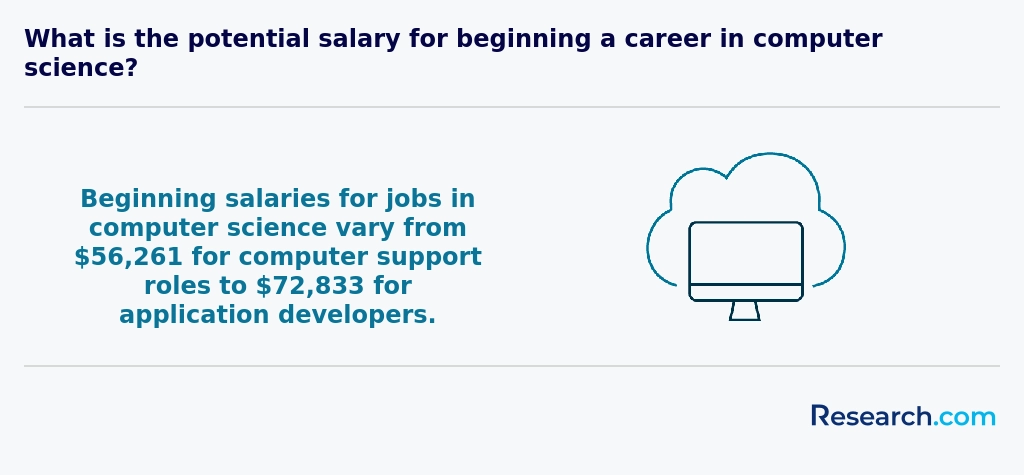
If you're diving into a computer science degree in Utah, you're looking at some pretty solid earnings once you graduate. Graduates from popular schools like the University of Utah or Utah State often find jobs paying between $60,000 and $75,000 starting out, especially in roles like software developer or IT support specialist. For example, an entry-level software developer can expect to make around $138,110 a year, matching national data, which is a great jump from those early figures.
As you gain experience and skills, salaries tend to climb fast. Mid-career folks in Utah often see paychecks ranging from $90,000 to $120,000. Take a data analyst role-those jobs usually pull in about $119,040 annually. And for seasoned pros like software engineers or developers, $138,110 yearly is the sweet spot nationally, which holds true for Utah, especially in tech hubs like Salt Lake City.
Graduates excited about web development can expect about $95,570, and IT support specialists typically earn around $63,640. These numbers make a computer science degree in Utah feel like a smart bet, especially when you think about the practical lifestyle benefits alongside those dollars.
- In-state tuition for a bachelor's degree in computer science at Utah public universities ranges from $7,000 to $9,000 per year, while out-of-state tuition exceeds $25,000 annually.
- The job market in Utah for computer science graduates is strong, with a lower unemployment rate than the national average.
- Entry-level salaries typically start between $65,000 and $75,000 per year for graduates holding a bachelor's degree.
- Median salaries can rise to $100,000-$120,000 annually with experience, especially in fields like software engineering and systems architecture.
- Many Utah universities offer internships and partnerships with local tech companies, aiding practical experience and employment prospects.
- Access to research projects and tech incubators is available at several institutions, providing opportunities to build skills and professional networks.
If you're thinking about finishing a computer science degree in Utah, a bachelor's usually takes around four years if you're studying full-time. Most folks hitting that milestone are coming out of places like the University of Utah or Brigham Young University, where you tackle around 120 to 130 credit hours-think core courses, electives, and general education all rolled into one. Graduates often share how hitting that four-year mark felt like the perfect pace-long enough to really dig in, but not so long it drags on.
Some students start with an associate degree at spots like Salt Lake Community College, which takes about two years. It's a great jumpstart if you want to start working sooner or build a solid foundation before transferring to a university.
Going farther, master's programs in Utah often add one to two years after the bachelor's, with some accelerated tracks letting you finish in just one year. For those diving into a doctoral degree, expect four to six years, depending on your research grind and dissertation work.
It's important to remember part-time study or internships can stretch these timelines a bit, but many graduates say it's worth it for the experience and confidence gained along the way.
Graduates of Computer Science programs in Utah consistently report strong employment outcomes, with approximately 89% securing full-time positions within six months of graduation. Leading employers include major tech firms in Salt Lake City’s Silicon Slopes, healthcare analytics companies, and government agencies. Career services at institutions like the University of Utah and Brigham Young University offer dedicated job fairs, resume workshops, and internship placement programs that directly connect students to hiring managers. As a result, many graduates step into roles such as software engineer, data analyst, and cybersecurity specialist, often receiving multiple job offers and signing bonuses. When assessing return on investment (ROI), consider both average student debt and starting salaries. The mean debt for in-state bachelor’s degree recipients is around $24,500, while the median starting salary for Utah computer science graduates is approximately $72,000. This creates a payback period of under two years, one of the shortest across STEM majors. For those aiming to enhance their credentials and earning potential, many professionals opt for an online masters data science degree, which can lead to senior roles in machine learning and big data with salaries exceeding six figures. By combining robust placement rates with competitive salaries, a Computer Science degree in Utah delivers a compelling ROI and a clear pathway to long-term career growth.
The main difference between online and on-campus computer science degrees in Utah really comes down to how and where you learn. If you choose on-campus, you'll be physically attending classes at places like the University of Utah or Brigham Young University. Imagine walking into a computer lab, collaborating face-to-face on projects, or joining study groups where help is just a seat away. Graduates from these programs often talk about how the hands-on experience and direct access to professors made a huge difference.
Online degrees, on the other hand, give you the freedom to study whenever and wherever you want-perfect if you're balancing work or family. You'll watch recorded lectures and join online forums, which means less real-time interaction but more flexibility. Many Utah schools offer well-accredited online options, but you'll need strong self-discipline to keep on track without the usual campus buzz.
Costs vary, too. On-campus students usually handle extra expenses like housing and commuting, while online learners might save on those but pay comparable tuition-around $15,000 to $30,000 a year nationally. Both paths can lead to solid careers, it just depends on what fits your life best.
Beyond academics, a vibrant campus life and robust student support services are essential components of a well-rounded Computer Science education in Utah. Many universities offer a variety of resources that foster personal growth and encourage networking, including active student clubs, mentorship programs, career centers, and state-of-the-art research facilities. Engaging in these activities not only enhances technical skills but also builds soft skills and professional relationships that can propel your career forward. For those researching affordable yet high-quality educational options, exploring the cheapest computer science school in utah can provide insights into schools that balance cost-effectiveness with comprehensive student life and support. This holistic approach helps ensure that students not only excel in their studies but also thrive socially and professionally in the dynamic tech environment.
When it comes to the average cost of a computer science degree in Utah, you're generally looking at around $31,000 total for the entire degree, but this number really depends on whether you're an in-state or out-of-state student. For those lucky enough to be Utah residents, the median in-state total cost is much friendlier, sitting near $6,700. That's a pretty big difference, and it makes studying at popular spots like the University of Utah feel more doable on a budget. Many graduates recall how budgeting for their degree felt manageable thanks to these lower in-state rates, allowing them to focus more on their studies and less on piling up debt.
Utah's computer science degree tuition and fees tend to be below national averages, especially at public universities. Out-of-state students, however, can expect to pay significantly more-sometimes up to $31,000-similar to private universities in Utah, where tuition is typically higher regardless of where you're from. These costs don't even include extra expenses like textbooks and supplies, which can add about $1,000 to $1,500 a year.
Many students find Utah appealing because, compared to other states, the overall expenses remain relatively low, especially when factoring in living costs. If you want to get the full scoop on the cheapest computer science school in utah, those savings really add up in the long run and can make a big difference in your college experience.

If you're studying computer science in Utah, you've got some solid financial aid options to help ease the costs. For starters, federal aid is a big deal-think Pell Grants that can cover up to $7,395 without needing to pay it back, plus low-interest student loans that help cover tuition or living expenses. Getting through FAFSA early is key!
On top of that, Utah has state-specific help like the Millennium Scholarship, which rewards local students with up to $5,000 just for graduating high school with decent grades. Many grads from places like the University of Utah share how this really cut costs and let them focus more on their coding projects instead of stressing about bills.
Then there are departmental scholarships at popular schools' computing programs, often based on merit or need, handing out a few hundred to several thousand dollars. Plus, Utah's buzzing tech scene means some lucky students land scholarships or internship stipends through partnerships with local companies-making that resume and wallet happier at the same time.
If you're aiming to jump into a computer science degree in Utah, universities like the University of Utah or Utah State University usually expect you to have finished high school with some solid math under your belt. Think Algebra I and II, Geometry for sure, and if you can take Calculus, that's a huge plus. It really helps you keep up when the courses get intense. Graduates often say that having those math foundations made the tough problem-solving assignments way less stressful.
While science classes like physics aren't always a must, they do give you a nice leg up in understanding how computers tick. Some students who had a bit of programming experience before starting found themselves breezing through the first coding classes and feeling way more confident.
For those thinking beyond undergrad into grad programs in Utah, having a bachelor's in computer science or a related field is key. Some schools might ask for GRE scores, but that's becoming less common, which helps reduce stress.

Ensuring your Computer Science degree is accredited and recognized by industry leaders can significantly impact your career trajectory. In Utah, most public and private institutions offering Computer Science are accredited by the Accreditation Board for Engineering and Technology (ABET), a key marker of program quality. ABET accreditation guarantees that curricula meet rigorous standards in areas like software engineering, data structures, and cybersecurity, preparing graduates to excel in technical interviews and real-world projects. Beyond accreditation, strong industry partnerships further validate a program’s excellence. Universities such as the University of Utah and Brigham Young University maintain formal collaborations with tech companies-Amazon, Adobe, and Adobe, for example-providing students with internships, co-op placements, and capstone projects directly shaped by employer needs. These ties not only enrich your learning experience but also streamline the path from classroom to career. Faculty distinctions also play a vital role: many Utah Computer Science departments boast award-winning researchers whose publications in artificial intelligence, human-computer interaction, and network security appear in top peer-reviewed journals. Their ongoing grants and lab resources create opportunities for undergraduates to contribute to cutting-edge research, elevating both your resume and practical skillset. Finally, for cost-conscious students seeking accredited, affordable alternatives outside Utah, the Most Affordable Computer Science Degree Programs Ranking in Pittsburgh, PA provides a comparative look at budget-friendly, high-quality programs in another burgeoning tech hub. Whether you choose to stay in Utah or explore options elsewhere, prioritizing accreditation and industry recognition ensures your degree holds weight with employers nationwide.
If you're diving into a computer science degree in Utah, expect to tackle core courses like programming, algorithms, and data structures right from the start. These classes lay the groundwork and help you get comfortable with problem-solving and coding, which is exactly what grads from Utah's universities often highlight as game-changing for landing internships.
Beyond the basics, you'll find courses tailored to today's tech scene-think operating systems, database management, AI, and cybersecurity. Many students love how these classes connect theory to real-world stuff, like learning to protect data or build smart apps, which feels super rewarding when working on projects at school.
Plus, hands-on experiences through capstone projects or internships at places like the University of Utah or BYU are pretty common. These give you a peek into actual software development or network security roles, making your studies feel alive and directly tied to what you'll do after graduating.
If you're diving into computer science specializations in Utah, you've got some cool options. Many students from well-known colleges here pick tracks like Artificial Intelligence and Machine Learning, where they get to work on smart systems and real AI projects that local tech firms are buzzing about. Others jump into Cybersecurity, learning how to protect networks and data, which can feel pretty rewarding when you think about defending against real cyber threats.
Graduates often talk about enjoying Data Science and Big Data Analytics because it's all about making sense of massive info piles-perfect if you like numbers and patterns. Utah's universities also offer solid Software Engineering and Development paths, setting you up for hands-on coding and team projects that really get you job-ready. For those interested in infrastructure, Computer Networks and Systems offer practical skills tied to Utah's growing cloud and telecom scene.
Since computer science degree tracks in Utah emphasize internships and industry connections, many students find it easy to get real-world experience while studying. If you want to branch out, check out more focused options like an online masters data science degree too.
Picking the best computer science degree programs Utah has to offer means thinking about what fits your goals and lifestyle. If you're aiming for affordability, community colleges here are a great start-graduates often rave about how budget-friendly their education was, sometimes costing less than $5,000 a year. On the flip side, if you want a program with a strong reputation and plenty of career support, places like the University of Utah or Utah State University have solid connections to Salt Lake City's booming tech scene, giving students a real shot at internships and job placements.
Also, it helps to check if the program has regional accreditation-it's a game-changer for job prospects down the line. Many students appreciate programs that offer flexible formats, whether online or part-time, because balancing studies with real life can be tricky. To compare more options, you might want to explore the Most Affordable Computer Science Degree Programs Ranking in Pittsburgh, PA for ideas on keeping costs low while aiming high in your studies.
Finding a program that matches your interests-like cybersecurity or AI-is key. Students who focused on applied skills felt much more confident stepping into the workforce, especially when their curriculum lined up with Utah's tech industry needs.
If you're diving into computer science career opportunities in Utah, you'll find a lot to get excited about. Graduates from popular universities like the University of Utah and Utah State University often land roles as software developers, building apps and tools that everyday people use. Others jump into cybersecurity, defending companies from the growing wave of cyber threats-something super important as businesses get more digital. There are also chances to work as data scientists, helping firms make smart decisions by analyzing huge data sets across industries like healthcare and finance.
Jobs for computer science graduates Utah don't stop there. Some graduates find themselves designing websites as web developers or keeping complex networks running smoothly as systems engineers. These roles often come with the bonus of working for well-known companies or startups thriving in Utah's Silicon Slopes. Many students even opt for an accelerated bachelor's degree to jumpstart their careers faster, showing just how flexible and promising the tech scene is here.
If you're thinking about a computer science degree in Utah, you're stepping into a job market that's buzzing with opportunity. The tech scene here, often called the Silicon Slopes, is booming with companies like Adobe and Qualtrics, making it easier for graduates to land roles as software developers, data analysts, or cybersecurity specialists. Many graduates from the University of Utah and other local schools share how landing a job wasn't just about good grades but about tapping into the vibrant local tech community.
The Utah computer science career opportunities grow fast, with employment expected to increase by about 25% through 2030. Imagine finishing your degree and not just competing locally but thriving in a market where the median salary hits around $92,000 - slightly above the national average. Plus, with in-state tuition at the University of Utah falling between $9,000-$11,000 a year, many students find this a sweet spot between cost and return.
For anyone curious about pathways that balance affordability and strong job outlook, checking out the easiest degree online options can be a smart move to kick off a tech career.
2027 Most Popular Computer Science Degree Programs Ranking in Utah
Investing in your education is a significant decision that can shape your future, and the Research.com team understands the importance of making informed choices. To assist prospective students in Utah, we have meticulously crafted the "2027 Most Popular Computer Science Degree Programs Ranking in Utah." Our commitment to quality, credibility, and accuracy is reflected in the extensive research and analysis conducted to compile this ranking.
We utilized the following reputable data sources to ensure a comprehensive evaluation of computer science programs:
By exploring this ranking, readers will gain valuable insights into the most popular computer science degree programs in Utah, helping them make well-informed decisions about their educational paths. For more details on our methodology, please visit our Research.com methodology page.


# 9 position
Western Governors University
Bachelor of Science in Computer Science

# 10 position
Weber State University
Bachelor of Science in Computer Science

Frequently Asked Questions About computer science
Computer science students in Utah can maximize their learning by engaging in hands-on experiences such as internships and cooperative education programs. Utah's growing tech industry, including companies like Adobe and Qualtrics, offers valuable local internship opportunities. According to the Utah Department of Workforce Services, computer science jobs are projected to grow by 22% from 2020 to 2030, underscoring the importance of practical skills.
Participating in student organizations and hackathons at universities enhances problem-solving skills and networking. Additionally, Utah's universities frequently update their curriculums to match industry trends, so staying current with new technologies is essential.
Emerging niches in the computer science field in Utah reflect broader national trends while also benefiting from the state's growing tech industry. Areas such as artificial intelligence (AI), machine learning, and data science are rapidly expanding, driven by companies like Adobe and Qualtrics that have regional offices.
Cybersecurity is another key niche, with demand increasing as cyber threats grow more sophisticated. According to the Utah Department of Workforce Services, cybersecurity roles in Utah are projected to grow by over 20% through 2028.
Additionally, cloud computing and software engineering focused on mobile and IoT (Internet of Things) platforms are developing areas. Utah's universities are increasingly tailoring programs to these fields, aiming to prepare students for high-demand roles in the local technology sector.
Preparing for the job market after earning a computer science degree in Utah involves practical experience and networking. Utah's tech sector, centered around the Silicon Slopes area, offers strong opportunities, with over 22,000 tech companies employing thousands of CS graduates, according to the Silicon Slopes ecosystem report (2023).
Internships and co-op programs with local companies like Adobe, Qualtrics, and Pluralsight are essential for gaining hands-on skills. Utah universities often collaborate with these firms, providing pathways to employment.
Students should also develop soft skills and stay current with programming languages and technologies in demand, such as Python, Java, and cloud computing, as highlighted by the Bureau of Labor Statistics.
Joining professional groups like the Utah Tech Council can further enhance job prospects through networking and mentorship.
Employers in Utah highly value computer science graduates who demonstrate strong programming skills, especially in languages like Python, Java, and C++. According to the Utah Department of Workforce Services, proficiency in software development and problem-solving ranks among the top technical skills sought.
Besides technical ability, Utah employers prioritize graduates with experience in data structures, algorithms, and cybersecurity fundamentals. Collaboration and communication skills are also crucial, as tech teams often work cross-functionally.
Understanding cloud platforms such as AWS or Azure is increasingly important due to Utah's growing tech industry, especially in Salt Lake City's rapidly expanding tech hubs.
Analytical thinking paired with adaptability rounds out the key skills employers expect from new computer science graduates in the state.
Finding internships in Utah relevant to a computer science degree involves leveraging both university resources and local tech industry networks. Major institutions like the University of Utah and Brigham Young University offer career centers with internship listings tailored to computer science students. These centers often host job fairs and workshops to connect students with employers.
Utah's growing tech sector, known as Silicon Slopes, includes companies such as Adobe, Qualtrics, and Pluralsight, which regularly seek computer science interns. Using platforms like Handshake or LinkedIn to apply to local tech companies can increase chances of securing an internship.
The Utah Department of Workforce Services also provides tools to explore internship opportunities statewide. Networking through student organizations, coding boot camps, and hackathons in Utah can further enhance access to relevant internships.
In Utah, earning a computer science degree significantly enhances career mobility and advancement opportunities. The state's booming tech industry, centered in the "Silicon Slopes" region, actively seeks skilled graduates, driving demand for computer science expertise.
According to the Utah Department of Workforce Services, computer and information technology occupations are projected to grow 15.2% from 2020 to 2030, faster than the national average. This growth creates diverse job openings, allowing degree holders to move into specialized roles such as software development, cybersecurity, and data analysis.
A degree also supports wage growth. The Bureau of Labor Statistics reports Utah computer specialists earn a median annual wage above $90,000, with advancement tied to education and experience. Employers increasingly prefer candidates with formal degrees, reinforcing the value of academic credentials in career progression.
Studying for a computer science degree in Utah equips students with skills applicable across multiple disciplines. Utah's educational institutions emphasize collaboration between computer science and fields like healthcare, business, and engineering. For example, the University of Utah offers interdisciplinary projects that blend data science with medical research, preparing students for roles that require both technical and domain-specific knowledge.
Additionally, Utah's growing tech industry, including companies in software development and biotech, provides numerous internship opportunities that foster real-world interdisciplinary experience. According to the Utah System of Higher Education, over 70% of computer science graduates find jobs in roles combining computing with other fields within six months of graduation.
This practical training supports students in becoming versatile professionals ready to address complex problems across industries.
Choosing between a thesis and a non-thesis computer science degree program in Utah depends largely on your career goals and learning style. Thesis programs focus on research, requiring a significant project that contributes to the field. This path suits students interested in pursuing a PhD or careers in research and development.
Non-thesis programs emphasize practical skills and coursework, often including internships or projects. They appeal to those looking to enter the workforce quickly, especially in Utah's growing tech industry centered in Salt Lake City and Provo, where applied skills are highly valued.
According to the National Center for Education Statistics, Utah awards over 500 computer science bachelor's and master's degrees annually, reflecting strong local demand. Consider program requirements, faculty expertise, and your own professional aims before deciding.
Students based in Utah who wish to study computer science abroad have several practical options through U.S. higher education partnerships and exchange programs. Many Utah institutions, including the University of Utah and Brigham Young University, offer study abroad opportunities specifically for STEM fields, including computer science. These programs commonly partner with universities in Europe, Asia, and Australia, enabling students to continue coursework in areas such as software engineering, artificial intelligence, or cybersecurity.
Participation in these exchanges often allows credits to transfer back toward Utah degree requirements. According to the Institute of International Education, around 15% of U.S. students studying abroad pursue STEM disciplines, reflecting growing interest in global technical expertise. For Utah students, scholarships and funding are sometimes available through state and university-sponsored initiatives supporting study abroad in computer science.
Students pursuing computer science degrees in Utah can find valuable part-time job opportunities that enhance their skills and resumes. Popular roles include software development interns, IT support specialists, and web developers. These positions frequently appear in cities like Salt Lake City and Provo, where tech companies such as Adobe and Qualtrics have local offices.
According to the Utah Department of Workforce Services, the tech sector in Utah grew by approximately 4% annually as of 2023, increasing demand for part-time tech roles. Many employers offer flexible hours suitable for students.
Additionally, university research labs and tech startups sometimes hire computer science students for assistantships, providing practical experience with coding, debugging, and project management.
Computer science students in Utah benefit from a variety of networking opportunities that connect them with industry professionals, faculty, and peers. The state's growing tech hub, often called the "Silicon Slopes," hosts numerous events like tech meetups, hackathons, and conferences. Major companies such as Adobe, Qualtrics, and Pluralsight offer internships and partnerships with local universities, including the University of Utah and Brigham Young University.
Students can join organizations like the Association for Computing Machinery (ACM) chapters on campus, which provide workshops and guest speaker sessions. According to the Utah Technology Council, these connections foster job placements and collaborative projects, enhancing career prospects.
Alumni networks play a significant role in supporting computer science students in Utah. Graduates often connect students with job opportunities in the state's evolving tech industry, which includes companies like Adobe and Pluralsight. According to the University of Utah, 75% of recent computer science graduates found employment through alumni referrals or networking events. These networks provide mentorship, career advice, and access to exclusive internships, helping students navigate early career challenges.
Moreover, alumni events hosted by institutions in Utah foster collaboration between current students and experienced professionals. This connection builds a community that encourages knowledge sharing and continuous learning, essential in a fast-changing field like computer science.
Students pursuing a computer science degree in Utah can customize their programs by selecting specialized electives aligned with their career goals. Top universities like the University of Utah and Brigham Young University offer tracks in areas such as cybersecurity, software engineering, and data science. Many programs also provide options for internships or cooperative education, giving practical experience within Utah's growing tech industry, which employs over 35,000 computing professionals according to the Utah Department of Workforce Services (2023).
Some institutions allow independent study or research projects, enabling students to focus on emerging fields like artificial intelligence or blockchain. Advisors can help tailor course sequences, blending foundational theory with applied skills tailored to industries prevalent in Utah.
Computer science students in Utah commonly face challenges related to keeping pace with rapid technological advancements. The field evolves quickly, requiring continuous learning beyond standard curricula. According to Utah's Governor's Office of Economic Development, the state anticipates a 22% growth in tech jobs by 2030, increasing competition among graduates.
Access to internships and hands-on experience is another hurdle. While Utah has a growing tech industry, not all students can secure opportunities that strengthen practical skills. Additionally, balancing demanding coursework with part-time work or family obligations can be difficult.
Some students also report gaps in resources at smaller institutions, impacting access to cutting-edge software or research projects. These challenges reflect wider national trends but have unique implications in Utah's expanding tech landscape.
With a computer science degree in Utah, you can pursue several professional certifications that enhance your job prospects. Popular certifications include the Certified Information Systems Security Professional (CISSP) for cybersecurity, and the Cisco Certified Network Associate (CCNA) for networking roles. Additionally, certifications like AWS Certified Solutions Architect and Microsoft Certified: Azure Fundamentals are valuable as cloud computing grows in Utah's tech industry.
According to the Utah Department of Workforce Services, demand for IT professionals with certifications in cloud, security, and networking is rising, reflecting the state's expanding tech sector. These certifications complement a degree by demonstrating practical expertise.
Writing a successful application for a computer science program in Utah begins with demonstrating strong academic credentials. Most programs require a solid foundation in mathematics and science, so highlight your GPA, especially in relevant courses. According to the Utah System of Higher Education, competitive applicants often present a GPA above 3.5.
Next, craft a clear personal statement that explains your interest in computer science and how you plan to contribute to the field. Mention any projects, internships, or relevant work experience to strengthen your profile.
Letters of recommendation are also important; seek references from teachers or professionals familiar with your technical skills and dedication.
Lastly, be mindful of application deadlines and required test scores. While some schools in Utah waive standardized tests, verifying each program's policy is essential.
Computer science careers are increasingly valued worldwide due to the digital transformation across industries. In the United States, including Utah, the demand for skilled computer scientists is strong and projected to grow 22% from 2020 to 2030, according to the U.S. Bureau of Labor Statistics. This reflects a global trend where technological innovation drives economic growth and job creation.
Utah's tech sector, often called the Silicon Slopes, is a key hub for software development and data science, offering significant opportunities for graduates. Internationally, countries with growing tech industries also show increased demand for computer science professionals.
Globally, computer science offers career flexibility, with opportunities in cybersecurity, artificial intelligence, and cloud computing, making it an appealing field for students worldwide.
Gaining practical experience while studying for a computer science degree in Utah is crucial for career readiness. Many Utah universities, such as the University of Utah and Brigham Young University, offer internship programs that connect students with local tech companies. Internships provide hands-on experience and networking opportunities within Utah's growing tech industry.
Students can also participate in cooperative education programs (co-ops) that alternate classroom study with work experience. Utah's Silicon Slopes area, home to numerous startups and established firms, presents abundant part-time job opportunities in software development and IT.
Additionally, engaging in campus coding clubs and hackathons helps build practical skills. According to the Utah Department of Workforce Services, internships significantly improve employment prospects for computer science graduates in the state.
When choosing a concentration within a computer science degree in Utah, consider your career goals and local industry demands. Utah's tech sector, centered around Salt Lake City and the Silicon Slopes, strongly values specialties in software development, cybersecurity, and data science. According to the Utah Department of Workforce Services, jobs in these areas are growing faster than the national average. Explore programs that offer courses or internships aligned with these fields to gain practical experience.
Review faculty expertise and research opportunities at institutions such as the University of Utah and Utah State University. Finally, consider your interests in emerging areas like artificial intelligence or cloud computing, which have significant job prospects in Utah's expanding tech economy.
- 2027 Most Popular Computer Science Degree Programs Ranking in Arizona
- 2027 Most Popular Computer Science Degree Programs Ranking in Idaho
- 2027 Most Popular Computer Science Degree Programs Ranking in Colorado
- 2027 Most Popular Computer Science Degree Programs Ranking in California
- 2027 Most Popular Computer Science Degree Programs Ranking in Montana
- 2027 Most Popular Computer Science Degree Programs Ranking in Washington
- 2027 Most Popular Computer Science Degree Programs Ranking in Minnesota
- 2027 Most Popular Computer Science Degree Programs Ranking in Iowa
- 2027 Most Popular Computer Science Degree Programs Ranking in Missouri
- 2027 Most Popular Computer Science Degree Programs Ranking in Arkansas
See What Experts Have To Say About Studying Computer Science
Read our interview with Computer Science experts

Kathleen M. Carley
Computer Science Expert
Professor of Computer Science
Carnegie Mellon University

Elan Barenholtz
Computer Science Expert
Associate Professor
Florida Atlantic University

Martin Kang
Computer Science Expert
Assistant Professor
Loyola Marymount University

Imed Bouchrika, Phd
Computer Science Expert
Professor of Computer Science
National Higher School of Artificial Intelligence

- Computer Science Alumni Council https://www.myniu.com/article.html
- Top Careers in Computer Science | Careers, Salaries, and Resources https://www.computerscience.org/careers/
- How can I network with computer science professionals and find job opportunities? https://2sigma.school/t/a/cfaq/how-can-network-with-computer-science-professionals-and-find-job
- MS in Computer Science at The University of Utah : Admission 2025-26, Requirements & Fees https://yocket.com/universities/university-of-utah/computer-science-50590
- Computer Science students create live network in simulated scenario https://www.stmartin.edu/news-and-stories/stories/computer-science-students-create-live-network-simulated-scenario
- Study Computer Science Abroad | Go Overseas https://www.gooverseas.com/study-abroad/computer-science
- Getting the Most Out of a Computer Science Degree https://robkokochak.com/blog/getting-the-most-out-of-a-cs-degree/
- Computer Science - SWPS University https://english.swps.pl/academics/warsaw/ba-programs/computer-science
- What Can You Do With a CS Degree? 12 Paths for 2026 | Extern https://www.extern.com/post/computer-science-degree-careers-guide
- Computer Science Cover Letter: How to Show You're a Top Tech Candidate https://arc.dev/talent-blog/computer-science-cover-letter/


