2027 Most Popular Computer Science Degree Programs Ranking in Idaho

Co-Founder and Chief Data Scientist
Are you exploring computer science degree programs in Idaho? This article introduces the 2027 Most Popular Computer Science Degree Programs Ranking in Idaho, created by the Research.com team of data scientists. It offers a clear, data-driven guide to help you decide which programs stand out.
Choosing the right degree can open up exciting career opportunities and personal growth. Reading this ranking will give you confidence in finding a program that fits your goals and sets you up for success in the growing tech field.
Key benefits of getting computer science degree in Idaho
- Salary advantages: Computer science graduates in Idaho can expect strong salaries, with roles like Software Engineers earning around $138,110 annually and Web Developers about $95,570. These promising wages highlight the financial stability a degree in computer science can offer.
- Career opportunities: Graduates can explore diverse paths such as software development, data analysis, and IT support, similar to successful alumni from the University of Idaho. This variety ensures you can find a role that fits your passion and skills.
- Online degree benefits: Earning a degree online from schools like Boise State University allows flexibility and convenience, helping students balance studies with work or family. This modern approach makes quality education accessible without sacrificing your lifestyle.
- 2027 Most Popular Computer Science Degree Programs Ranking in Idaho
- What can I expect from computer science degree in Idaho?
- Where can I work with computer science degree in Idaho?
What can I expect from computer science degree in Idaho?
The average cost of earning a computer science degree in Idaho is remarkably accessible, making it an exciting opportunity for aspiring tech professionals. For example, students at Boise State University often find that tuition and fees for a bachelor's degree hover around $7,000 to $9,000 per year for in-state residents, keeping education affordable while delivering high value. Graduates from the University of Idaho share stories of balancing their studies with internships that complement their learning without overwhelming financial burdens.
These manageable costs empower students to focus on mastering skills like programming, AI, and cybersecurity, with many earning real-world experience through internships offered by Boise's vibrant tech community. The lower financial barrier helps students feel confident, motivated, and supported throughout their journey. This combination of quality education, practical experience, and reasonable expenses makes pursuing a computer science degree in Idaho not just a smart decision but a truly inspiring step toward a rewarding career in technology.
Where can I work with computer science degree in Idaho?
Graduates with a computer science degree in Idaho step into a vibrant job market filled with exciting opportunities. Many find rewarding roles in Boise, Meridian, and Idaho Falls-cities buzzing with tech companies and startups eager for fresh talent. Imagine collaborating on innovative software solutions at leading firms like Micron Technology or HP Inc., both of which actively recruit from Idaho universities such as Boise State and the University of Idaho.
Recent graduates often speak enthusiastically about feeling empowered by their ability to contribute to cybersecurity projects or cutting-edge data analysis initiatives supporting state industries. Others appreciate the chance to work within Idaho's expanding healthcare and financial sectors, where tech skills drive impactful innovations in fintech and patient care systems.
Some choose academic or consulting paths, helping local businesses embrace the digital age, while many enjoy the flexibility of remote work, connecting with companies worldwide without leaving Idaho's beautiful landscapes. The strong community of alumni and ongoing growth in Idaho's tech scene makes this an incredibly encouraging time to launch a computer science career here.
Graduates with a computer science degree from Idaho institutions like Boise State University often find rewarding salary opportunities across the state. Entry-level roles such as IT Support Specialist typically start around $63,640 annually, providing a solid foundation. Ambitious graduates moving into software development or engineering can expect mean annual wages of about $138,110, reflecting Idaho's growing tech scene.
For those passionate about creative coding and design, web development positions offer a strong salary near $95,570. Data analysts, another promising path for Idaho's computer science alumni, earn around $119,040 per year, highlighting the value of analytical skills in today's data-driven world.
Imagine starting your career in Boise's vibrant tech community, where local companies eagerly seek computer science talent with these competitive salaries. Many graduates report feeling excited and motivated as they see their educational efforts translate directly into financial independence and career growth, proving a degree in computer science in Idaho opens doors to a fulfilling and prosperous future.
- Tuition for in-state students at Idaho public universities ranges from $8,000 to $10,000 per year, making it an affordable option for computer science degrees.
- Entry-level computer science salaries in Idaho average around $65,000 annually, with experienced professionals earning over $100,000 especially in urban areas like Boise.
- Idaho's tech sector is growing, with increased demand for software developers, data analysts, and IT managers in cities such as Boise.
- The state maintains a low unemployment rate for tech graduates, typically under 3%, which is favorable compared to the national average.
- Students have access to internships, cooperative education programs, and transfer agreements between community colleges and universities to reduce costs and gain practical experience.
Completing a computer science degree in Idaho typically takes about four years of full-time study, a timeline embraced by students at Boise State University, University of Idaho, and Idaho State University. Graduates often recall balancing a vibrant campus life with around 15 credits each semester, steadily progressing through core classes and exciting electives. This traditional path feels achievable and rewarding, giving students ample time to build essential skills while enjoying Idaho's supportive academic communities.
For those juggling work or family, part-time enrollment provides flexibility, allowing progress at a comfortable pace without sacrificing personal commitments. Others find motivation in accelerated programs, where summer courses and heavier semesters turn dreams into reality faster, sometimes in just three years. Many students also leverage transfer credits or internships to customize their journey, making every experience count toward their success.
Idaho's unique blend of strong academic programs and affordable tuition creates a hopeful environment. Many students feel empowered knowing they're investing in a degree that fits both their life and budget, setting themselves up for a bright future in technology.
Idaho CS programs integrate practical experiences through internships and faculty-led research to boost skill development and employability:
- Summer and semester internships at local tech firms (Micron Technology, HP Inc.), government agencies and startups
- Faculty-driven research in AI, cybersecurity and data analytics with chances to co-author papers and present at regional conferences
- Cooperative education (co-op) tracks offering alternating work terms and coursework for deeper industry immersion
- Student-run labs and clubs (Robotics Club, Women in Computing) fostering hands-on projects and professional networking
Many graduates leverage these experiences to secure full-time roles or pursue advanced degrees like the cheapest data science masters in usa, enhancing both technical expertise and career prospects.
Choosing between an online or on-campus computer science degree in Idaho opens up exciting possibilities tailored to your lifestyle and goals. Graduates from Idaho State University often celebrate the flexibility of online programs that let them balance work and family while mastering programming and data structures at their own pace. They appreciate saving on housing and commuting, making education more accessible without sacrificing quality.
On the other hand, graduates from Boise State University share how the vibrant campus life boosts their learning experience. Access to cutting-edge computer labs and face-to-face mentorship fuels collaboration and hands-on projects that inspire creativity and deepen understanding. Networking events and internships on campus also open doors to career opportunities right in Idaho.
Both paths offer ABET-accredited curricula ensuring you gain recognized, industry-ready skills. Whether diving into in-person teamwork or embracing the freedom of online study, Idaho's universities support your success with resources tailored to your needs. Every journey in computer science here is a chance to grow, connect, and shine.
Idaho's growing tech scene includes emerging game studios where computer science graduates apply skills in graphics, AI, and interactive systems.
- Build immersive experiences with engines like Unity and Unreal
- Blend programming fundamentals with creative design and user interaction
- Pursue roles as game programmer, technical artist, or tools developer
For affordable specialized training online, check out gaming schools online
The average cost of a computer science degree in Idaho is an encouraging value for many aspiring students. For in-state students, the median total cost hovers around $9,048, making it a financially accessible option for those dedicated to building a strong tech career. Graduates from popular universities like Boise State University often reflect on how the affordable tuition combined with quality education helped them pursue their passions without overwhelming debt.
Out-of-state students face higher expenses, with a median total cost near $40,743, which includes tuition and other essential fees. Even so, many find that Idaho's supportive academic environment and access to scholarships ease this burden. When considering the Idaho computer science degree tuition and fees, it's clear that the state balances opportunity and investment well, inviting students to grow in one of the nation's emerging tech hubs.
Beyond tuition, graduates share how additional expenses like housing, books, and supplies were manageable thanks to financial aid and grants tailored specifically for STEM fields. This holistic approach to costs allows students to focus on their studies and extracurricular projects, making the Idaho computer science journey both inspiring and rewarding. For those seeking more details on affordable computer science programs in Idaho, exploring individual school resources is a vital next step in transforming educational goals into reality.

Understanding the long-term value of a Computer Science degree goes beyond tuition and salary figures-it’s about the ratio between what you invest and the career outcomes you achieve. In Idaho, the average annual tuition for a bachelor’s in Computer Science hovers around $17,545, while graduates report average starting salaries exceeding $70,000. When you factor in growth to mid-career incomes-often surpassing $100,000-the payback period for student loans is typically under five years, making Idaho one of the most cost-effective states for tech education. Additional factors that influence ROI include: • Debt Load Management: Graduates who leverage federal grants, scholarships, and work-study programs graduate with 25–30% less debt than the national average, reducing monthly repayment burdens. • Internship Conversion Rates: Over 60% of Idaho students secure paid internships that convert to full-time offers, effectively turning tuition dollars into employment opportunities. • Salary Growth Trajectory: With a projected 17.7% job growth in Idaho’s tech sector through 2030, alumni often experience salary increases of 8–12% annually. For broader context on affordability and ROI in neighboring regions, explore our Low Cost Computer Science Degree Programs Ranking in Illinois, which highlights how Idaho’s programs compare on cost efficiency and graduate outcomes.
Pursuing a computer science degree in Idaho is made exciting and attainable thanks to a variety of financial aid options designed to support your educational journey. Imagine attending Boise State University and receiving a Federal Pell Grant-that's up to $7,395 a year to help cover your tuition, allowing you to focus more on coding and less on costs. Many graduates recall the relief of combining this with Federal Direct Loans that offer reasonable annual limits, giving essential funding without overwhelming debt.
State programs like the Idaho Opportunity Scholarship provide up to $3,000 annually based on achievement and need, motivating students at Idaho's public universities to reach their full potential with financial confidence. Scholarships from the Idaho STEM Action Center further brighten the path with focused support for science and tech majors like computer science.
Merit scholarships at Boise State University and the University of Idaho reward strong academic performance, empowering students to advance their careers with less financial pressure. Many find private scholarships through resources such as Fastweb, adding even more opportunities to transform their ambitions into reality.
Idaho’s top computer science programs prioritize real-world experience through established internships and industry partnerships. At Boise State University, the Computer Science Department collaborates with local tech firms and startups, offering semester-long internships that place students in roles such as software development, cybersecurity analysis, and data engineering. Similarly, the University of Idaho partners with regional healthcare and agriculture companies to provide co-op opportunities where students tackle live projects, from optimizing network security to developing predictive analytics tools. These partnerships extend beyond internships. Career fairs hosted on campus connect students with recruiters from companies like Micron Technology and Clearwater Analytics, while hackathons sponsored by tech meetups foster rapid prototyping and teamwork. Idaho State University’s annual Industry Day invites industry leaders to present workshops on emerging technologies, giving students hands-on exposure to cloud computing, machine learning, and IoT applications. Engaging in these programs not only bolsters a resume but also builds professional networks that often lead to full-time offers. Whether you’re exploring software engineering or data-centric roles, our guide to jobs involving coding offers insights into the career pathways unlocked by these invaluable experiences.
To enroll in a computer science degree program in Idaho, students typically need a high school diploma or an equivalent like a GED. Many graduates from universities such as Boise State or the University of Idaho reflect that solid preparation in mathematics-including algebra, geometry, and calculus-played a vital role in their success. Imagining yourself mastering these subjects lays a strong foundation for the problem-solving and logical thinking required in their courses.
Science classes like physics or chemistry also sharpen analytical skills that students find invaluable during their studies. Those who have honed their English composition skills discover it helps them communicate complex technical ideas clearly, a key to thriving in group projects and presentations.
Recently, test-optional policies at Idaho colleges have encouraged many to pursue their dreams without the pressure of standardized testing, making the path more accessible.
Transfer students find that completing programming or data structure classes beforehand, as some did at community colleges in Idaho, smooths their transition into rigorous programs.
Additional personal achievements such as letters of recommendation or relevant experiences often serve as an inspiring testament to motivation, boosting confidence before stepping into the exciting world of computer science in Idaho.
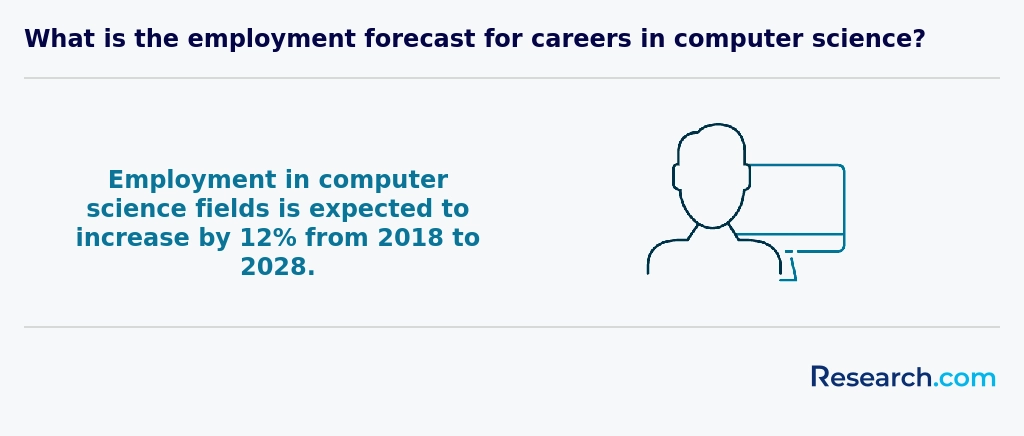
For students considering a computer science degree in Idaho, preparing early and strategically can make all the difference in navigating your educational journey. Start by researching program specifics, including coursework details, lab experiences, and faculty expertise, to ensure the program aligns with both your academic interests and career ambitions. It's important to hone practical skills through internships, coding bootcamps, and community projects that provide real-world experience and enhance your resume. Additionally, take advantage of local networking opportunities by attending tech meetups, career fairs, and on-campus events to build meaningful industry connections. If budget is a concern, exploring affordable computer science programs in idaho can offer solid educational foundations without financial strain. Finally, seek guidance from academic advisors and join discussion forums to stay updated on emerging trends in technology, which can further empower you to make informed decisions and set measurable career goals throughout your studies.
Studying computer science in Idaho means diving into a vibrant curriculum that truly prepares you for the tech world. At schools like the University of Idaho, students eagerly explore programming languages such as Python, Java, and C++, building strong coding skills they use to develop real projects. Graduates often recall how mastering data structures and algorithms empowered them to solve complex problems, making each step feel like unlocking a new achievement.
Core courses in operating systems and computer architecture help learners understand how technology works beneath the surface, turning abstract concepts into tangible experiences. Imagine designing software that efficiently manages resources or building a system that seamlessly interacts with hardware-these are the empowering challenges Idaho students embrace.
Many also enjoy electives in cybersecurity or mobile app development, which add exciting specialization options aligned with today's in-demand skills. These courses spark creativity and open doors to Idaho's growing tech scene, making the learning journey both inspiring and deeply relevant.
Students pursuing a computer science degree in Idaho benefit from diverse specializations designed to ignite passion and sharpen skills in growing tech fields. Programs at Boise State University and the University of Idaho offer tracks such as Software Engineering, where graduates thrive in dynamic environments developing and managing innovative software solutions. The Data Science and Analytics path empowers learners to dive deep into big data and AI, opening doors to exciting jobs involving coding that transform industries. Cybersecurity specializations prepare students to defend vital networks from evolving digital threats, a rapidly expanding field in Idaho and beyond.
Other options include Computer Networks, teaching the essentials of internet infrastructure, and Artificial Intelligence and Machine Learning, perfect for those inspired by cutting-edge algorithms creating smarter technology. These Idaho computer science concentration options have propelled graduates into fulfilling careers, backed by hands-on experiences and strong industry ties that make the journey both rewarding and relevant in today's tech landscape.
Choosing the best computer science degree in Idaho means focusing on what truly matters: accreditation, curriculum, and real-world opportunities. Graduates from Boise State University often share how the hands-on research and strong faculty support propelled them into rewarding tech careers. Many find inspiration in programs offering specializations like cybersecurity or software engineering, aligning perfectly with their unique passions and goals.
Cost is a top consideration, especially when seeking affordable computer science programs Idaho offers. Public universities here typically provide lower tuition rates, helping students invest wisely in their futures without burdening themselves financially. Exploring options like scholarships or financial aid further eases this path.
Imagine yourself building impressive projects in state-of-the-art labs, surrounded by peers who share your drive. Staying close to Boise's growing tech scene creates exciting internship chances that graduates proudly recall as pivotal moments in their journey.
For those balancing ambition and budget, reviewing rankings like the Low Cost Computer Science Degree Programs Ranking in Illinois can inspire confidence by highlighting affordable paths in tech education beyond Idaho if you consider broadening your options.

Graduates with a computer science degree in Idaho find themselves stepping into a vibrant world full of exciting career paths. Boise State University and other top schools prepare students for rapidly growing roles in software development, where creating innovative apps and systems offers endless possibilities. These graduates often share how rewarding it feels to see their work impact industries like healthcare and finance throughout Idaho's tech-friendly cities. Exploring computer science career options in Idaho also opens doors to cybersecurity, a vital field protecting data across government and private sectors. Many find purpose in safeguarding Idaho's digital landscape, learning cutting-edge skills in ethical hacking and network defense during their studies. Data science and analytics are equally promising, with graduates fueling smart, data-driven decisions in agriculture and manufacturing, vital parts of Idaho's economy. Some even choose IT project management, blending technical expertise with leadership to drive successful tech solutions. These opportunities are accessible and affordable, especially for students considering accelerated college degrees that get them into the workforce faster.
The computer science job outlook Idaho graduates face is exceptionally promising, especially as the state's tech industry flourishes. With Boise and surrounding areas becoming hubs for software development and cybersecurity, graduates from the University of Idaho and Boise State University find themselves in high demand. Many alumni share stories of landing entry-level positions like software engineer or IT specialist within months of graduation, aided by strong networking opportunities through organizations such as the Idaho Technology Council.
Jobs in cloud computing, data analytics, and public sector technology also contribute to this vibrant scene, reflecting Idaho's growing emphasis on tech infrastructure. Graduates enjoy starting salaries between $60,000 and $75,000, which makes investing in a degree here an exciting and practical choice. For students uncertain about their path, exploring which is the easiest masters degree might provide additional options to enhance career prospects while staying rooted in Idaho's expanding market.
2027 Most Popular Computer Science Degree Programs Ranking in Idaho
Investing in your education is a significant decision that can shape your future, and the Research.com team understands the importance of making informed choices. To assist prospective students in Idaho, we have meticulously crafted the "2027 Most Popular Computer Science Degree Programs Ranking in Idaho." Our commitment to quality, credibility, and accuracy is reflected in the extensive research and analysis conducted to compile this ranking.
We utilized the following reputable data sources to ensure a comprehensive evaluation of computer science programs:
By exploring this ranking, readers will gain valuable insights into the most popular computer science degree programs in Idaho, empowering them to make well-informed decisions about their educational paths. For more details on our methodology, please visit our Research.com methodology page.


# 9 position
Idaho State University
B.S. in Computer Science

# 10 position
Idaho State University
M.S. Computer Science
Frequently Asked Questions About computer science
Students pursuing computer science degrees in Idaho can maximize their learning by combining strong academic foundations with practical experiences. Idaho offers programs at institutions like Boise State University, where students benefit from small class sizes and access to research projects in cybersecurity and software development. Participating in internships is crucial; the Idaho Department of Labor reports growing demand for developers, so gaining industry experience helps students become job-ready. Additionally, joining student organizations such as ACM chapters or tech clubs enhances collaboration and networking opportunities. Leveraging online courses and certifications in emerging fields like AI and data science also complements classroom study effectively.
The computer science field is rapidly evolving, with several emerging niches gaining attention among students and professionals in Idaho. One notable area is artificial intelligence (AI) and machine learning, which are increasingly applied in industries such as agriculture and healthcare in the state. Another growing niche is cybersecurity, driven by rising concerns over data protection and privacy. Idaho's tech sector has also seen advances in cloud computing and Internet of Things (IoT) technologies, with local businesses adopting these innovations to improve efficiency. According to the Idaho Department of Labor, demand for AI, cybersecurity, and cloud specialists is expected to increase by over 20% through 2030.
Graduates with a computer science degree in Idaho should focus on both technical skills and local industry awareness to prepare for the job market. Idaho's technology sector is growing, with Boise ranked among top tech hubs, offering roles in software development, data analysis, and cybersecurity. According to the Idaho Department of Labor, demand for computer and information technology occupations in Idaho is projected to grow by 11% from 2020 to 2030.
Students are advised to pursue internships and cooperative education opportunities with Idaho-based companies to gain practical experience. Developing skills in programming languages like Python, Java, and cloud computing platforms is valuable.
Networking through local tech groups and career fairs hosted by universities such as Boise State University can increase employment chances. Certifications in cybersecurity or cloud services can also enhance employability in Idaho's competitive job market.
Employers in Idaho highly value computer science graduates with strong programming skills, particularly in languages such as Python, Java, and C++. According to the Idaho Department of Labor, proficiency in software development and data structures remains essential for entry-level roles.
In addition to technical expertise, problem-solving abilities and critical thinking are top priorities. Employers seek graduates who can analyze complex issues and design efficient algorithms. Communication skills are also important, as collaboration within teams and explaining technical concepts clearly is often required.
Experience with cloud computing platforms, cybersecurity fundamentals, and familiarity with databases enhance a candidate's appeal. Local industry trends emphasize adaptability and a continuous learning mindset, reflecting the fast-evolving nature of technology jobs in Idaho's growing tech sector.
Finding internships in Idaho relevant to a computer science degree involves utilizing several key resources. Students should begin by exploring career services offered at Idaho universities such as Boise State University and the University of Idaho, which frequently connect students with local tech companies.
Idaho's tech sector is growing, especially around Boise, which hosts firms like HP Inc. and Micron Technology. These companies often offer internships that provide valuable industry experience. According to the Idaho Technology Council, over 13,000 tech employees work statewide, creating a solid environment for internships.
Additionally, websites like Handshake and LinkedIn allow students to search for internships by location and field, helping them find opportunities specifically in Idaho's computer science landscape.
A computer science degree in Idaho significantly enhances career mobility and advancement opportunities. Idaho's growing tech industry, especially in Boise and surrounding areas, has increased demand for skilled professionals with such degrees. According to the Idaho Department of Labor, employment for computer and information technology occupations is projected to grow by 24% from 2020 to 2030, much faster than the average for all jobs.
Graduates with a computer science degree often find roles in software development, cybersecurity, and data analysis. This degree provides essential skills valued across many sectors, allowing graduates to transition between industries more easily.
Additionally, higher education credentials correlate with better advancement potential. The Bureau of Labor Statistics reports that Idaho computer science professionals with bachelor's degrees typically see higher starting salaries and faster promotions than those without degrees.
Studying for a computer science degree in Idaho offers strong preparation for interdisciplinary roles by combining core technical skills with opportunities for collaboration across fields. Universities in Idaho, such as Boise State University and the University of Idaho, emphasize project-based learning that integrates computer science with engineering, healthcare, and business disciplines.
This approach reflects workforce demands, as Idaho's tech industry grew by over 8% between 2019 and 2023, according to the Idaho Department of Labor, requiring graduates to apply computing knowledge broadly.
Courses often include data analytics, cybersecurity, and software development alongside electives in biology, finance, or manufacturing. This breadth equips students to contribute effectively in diverse sectors.
Internship programs in Idaho's expanding tech hubs further expose students to real-world interdisciplinary challenges, making their education practical and relevant.
Choosing between a thesis and a non-thesis computer science degree program in Idaho depends largely on your career goals. Thesis programs focus on research and require students to complete a significant project or paper. This route is ideal if you plan to pursue a PhD or a career in research and development. Non-thesis programs emphasize coursework and practical skills, better suited for students aiming for industry positions or professional certifications.
According to Idaho's State Board of Education, about 40% of computer science master's students choose thesis tracks to deepen research expertise. It's important to consider the time commitment, as thesis options often extend program length.
Investigate specific Idaho institutions, like Boise State University and the University of Idaho, to compare thesis requirements, faculty interests, and available resources. Talking to academic advisors can clarify which path aligns best with your professional aspirations.
Students in Idaho interested in studying computer science abroad have several avenues to explore. Many Idaho institutions, such as Boise State University and the University of Idaho, offer study abroad programs or exchange agreements with universities in countries like the United Kingdom, Australia, and Germany.
These programs often allow students to earn credits toward their Idaho degree while gaining international experience. According to NAFSA: Association of International Educators, approximately 10% of U.S. undergraduates participate in study abroad, with STEM fields-including computer science-seeing steady growth.
Additionally, students can consider enrolling in foreign universities through partnerships facilitated by Idaho colleges, which sometimes include support for visas and accommodation. Scholarships and financial aid options may also be available specifically for study abroad students focusing on computer science.
Idaho offers several part-time job opportunities that can effectively complement a computer science degree. Positions such as IT support technician, web developer, and software tester allow students to gain practical skills while studying. According to the U.S. Bureau of Labor Statistics, Idaho's tech sector has been growing steadily, with Boise being a notable hub for technology companies.
Internships at local businesses and startups provide hands-on experience in coding, systems analysis, and network management. Additionally, remote freelance roles in programming and app development are popular among students balancing academics with work.
Engaging in these jobs enhances both technical abilities and professional networks, which are crucial for career advancement in Idaho's evolving tech landscape.
Computer science students in Idaho benefit from diverse networking opportunities that connect them with the local tech community and industry professionals. Universities such as Boise State University and the University of Idaho host tech meetups, hackathons, and career fairs, fostering direct interaction with employers in fields like software development, cybersecurity, and data analysis.
Additionally, Idaho's growing tech sector, centered in Boise, offers internships and cooperative education programs that help students gain practical experience while building professional networks. According to the Idaho Department of Labor, tech jobs have grown by 20% over recent years, increasing demand for skilled graduates and expanding networking channels.
Professional organizations like the Idaho Technology Council provide student memberships, offering access to events and seminars focused on current industry trends. These platforms serve as gateways for students to meet mentors and potential collaborators, enhancing career prospects in computer science.
Alumni networks in Idaho play a vital role for students pursuing computer science degrees. These networks connect current students with graduates who have experience in Idaho's growing tech industry. According to the Idaho Department of Labor, the state's tech sector has grown by over 20% in recent years, increasing job opportunities for degree holders.
Through alumni connections, students gain access to internships and job openings that may not be publicly advertised. Many alumni also offer mentorship, helping students navigate career paths and develop professional skills.
Furthermore, alumni events and online groups foster community support, which can boost job placement rates and career advancement for recent graduates.
In Idaho, customizing a computer science degree to align with your career goals is facilitated by the flexibility offered at many institutions. Students can often choose elective courses in specialized areas such as cybersecurity, software engineering, or data science, tailoring their expertise to industry demands. For example, Boise State University offers options in artificial intelligence and networking, enabling focused skill development.
Additionally, internships and cooperative education programs with local tech companies provide practical experience, enhancing job readiness. Idaho's growing tech sector, with companies like Micron Technology, supports diverse career pathways. According to the Idaho Department of Labor, computing jobs in Idaho are projected to grow by 20% through 2030, increasing demand for specialized skills.
Computer science students in Idaho often face several challenges throughout their academic journey. Limited internship opportunities in technology sectors within the state can restrict practical experience compared to more tech-centric regions. According to the Idaho Department of Labor, the state has fewer tech companies per capita than the national average, impacting hands-on learning and job placement.
Another challenge is balancing rigorous coursework with costs. Idaho's public universities offer lower tuition rates than many states, but students still grapple with expenses related to technology equipment and software licenses.
Additionally, students may encounter limited local access to advanced research facilities in specialized areas like AI and cybersecurity. This can affect exposure to cutting-edge developments. Academic support services and mentorship programs vary between institutions, influencing student success rates. Awareness of these challenges is crucial for prospective students planning their education path in Idaho.
With a computer science degree in Idaho, graduates can pursue a variety of professional certifications to enhance their career prospects. Popular certifications include the Certified Information Systems Security Professional (CISSP), which is highly regarded in cybersecurity fields. Another common option is the Certified Software Development Professional (CSDP), valuable for software engineering roles.
Many Idaho employers also value vendor-specific certifications like Microsoft Certified: Azure Developer Associate and AWS Certified Solutions Architect. These certifications align with growing cloud computing trends in the region.
The Idaho Department of Labor highlights that certified professionals often earn salaries 10-15% higher than their non-certified peers, reflecting strong local demand for verified skills.
Applying to a computer science program in Idaho requires clear preparation and attention to detail. Start by researching programs at key institutions like Boise State University and the University of Idaho, known for strong CS departments. Highlight your academic background, especially in math and science, with a competitive GPA-Idaho State Board of Education data indicates successful applicants typically have a GPA above 3.0.
Include a well-crafted personal statement that explains your interest in computer science and how Idaho's tech industry, which has grown notably in recent years (according to the Idaho Department of Labor), aligns with your goals. Showcase relevant experience such as coding projects or internships. Strong letters of recommendation from teachers or employers familiar with your skills are essential. Finally, prepare for standardized tests if required and submit all documents before application deadlines.
Computer science careers are increasingly viewed as essential on a global scale, driven by rapid technological advancement and digital transformation. In the US, and specifically in Idaho, demand for skilled computer scientists is growing fast. According to the Idaho Department of Labor, computing occupations in Idaho are projected to grow 21.1% from 2020 to 2030, a rate much faster than average for all jobs.
Globally, computer science skills open doors to diverse industries such as software development, cybersecurity, and data analysis. The US Bureau of Labor Statistics highlights that computer and information technology jobs are expanding rapidly with competitive salaries nationwide.
For Idaho students, earning a computer science degree aligns with strong local and global job markets, making it a solid educational investment supported by both economic forecasts and industry needs.
Gaining practical experience while studying for a computer science degree in Idaho can significantly improve your job prospects after graduation. Many Idaho universities offer internship programs that connect students with local tech companies and startups, providing hands-on work experience. According to the Idaho Department of Labor, internships in technology fields are growing by 5% annually in the state. Participating in research projects under faculty supervision is another valuable option, allowing students to apply theoretical knowledge to real-world problems. Additionally, joining student organizations focused on coding and software development offers collaborative projects that enhance practical skills.
Choosing the right concentration within a computer science degree program in Idaho involves understanding both your interests and the local job market. Common concentrations include software development, cybersecurity, data science, and artificial intelligence. According to the Idaho Department of Labor, technology jobs in Idaho grew by over 5% annually between 2017 and 2022, with strong demand for cybersecurity experts and software engineers.
Review programs offered by Idaho institutions such as Boise State University and the University of Idaho, noting which concentrations they emphasize. Consider your career goals and seek concentrations aligned with industries that are expanding locally, such as software companies and government agencies.
Additionally, internships and connections within Idaho's tech community can guide your choice, providing practical experience and networking opportunities crucial for employment after graduation.
- 2027 Most Popular Computer Science Degree Programs Ranking in Montana
- 2027 Most Popular Computer Science Degree Programs Ranking in Washington
- 2027 Most Popular Computer Science Degree Programs Ranking in California
- 2027 Most Popular Computer Science Degree Programs Ranking in Colorado
- 2027 Most Popular Computer Science Degree Programs Ranking in Arizona
- 2027 Most Popular Computer Science Degree Programs Ranking in Oklahoma
- 2027 Most Popular Computer Science Degree Programs Ranking in Minnesota
- 2027 Most Popular Computer Science Degree Programs Ranking in Iowa
- 2027 Most Popular Computer Science Degree Programs Ranking in Missouri
- 2027 Most Popular Computer Science Degree Programs Ranking in Arkansas
See What Experts Have To Say About Studying Computer Science
Read our interview with Computer Science experts

Imed Bouchrika, Phd
Computer Science Expert
Professor of Computer Science
National Higher School of Artificial Intelligence

Kathleen M. Carley
Computer Science Expert
Professor of Computer Science
Carnegie Mellon University

Elan Barenholtz
Computer Science Expert
Associate Professor
Florida Atlantic University

Martin Kang
Computer Science Expert
Assistant Professor
Loyola Marymount University

- Computer Science at CWI: Let's Get Started https://cwi.edu/academics/academic-transfer/computer-science
- 5 Challenges in Teaching Computer Science & Solutions https://www.computingolympiad.org/post/top-5-challenges-in-teaching-computer-science-in-schools-and-how-to-overcome-them
- Top Careers in Computer Science | Careers, Salaries, and Resources https://www.computerscience.org/careers/
- The Crucial Role of Networking for Computer Science Students https://dev.to/thisisaayush/the-crucial-role-of-networking-for-computer-science-students-4k2i
- Challenges That Frustrate Computer Science Teachers https://codeeasy.io/blog/challenges-that-frustrate-computer-science-teachers
- 5 Challenges Faced by Computer Science Students and How to Overcome Them https://informatika.almaata.ac.id/5-challenges-faced-by-computer-science-students/
- Alumni computer science dual https://www.fbi.h-da.de/en/informieren/ueber-uns/alumni/alumni-computer-science-dual
- Computer Science (B.S.C.S.) https://catalog.uidaho.edu/colleges-related-units/engineering/computer-science/computer-science-bscs/
- UK Computer Science Degree Requirements Explained https://accesscoursesonline.com/blogs/news/computer-science-degree-requirements
- How AI Is Transforming Computer Science Careers | Role of AI https://www.gisma.com/blog/how-ai-is-transforming-computer-science-careers