2027 Most Popular Computer Science Degree Programs Ranking in Colorado

Co-Founder and Chief Data Scientist
Choosing the right computer science degree program in Colorado can shape your future career and open exciting opportunities.
This article features the 2027 Most Popular Computer Science Degree Programs Ranking in Colorado, created by the Research.com team of data scientists to help you make an informed decision about which programs are worth considering.
By exploring this ranking, you'll gain valuable insights into top programs that match your goals and aspirations. Pursuing a computer science degree offers rewarding challenges and a chance to join a rapidly growing field with strong job prospects.
Key benefits of getting computer science degree in Colorado
- Graduates with a computer science degree in Colorado can expect strong earning potential, with roles like Software Engineer and Software Developer offering mean annual wages around $138,110, while Web Developers earn about $95,570 per year.
- Career options for computer science graduates are diverse, including software development, IT support, and data analysis, providing exciting opportunities to work in various industries across Colorado.
- Online computer science degrees offer flexibility and convenience, allowing students to balance work and life while gaining valuable skills from reputable Colorado universities without relocating.
- 2027 Most Popular Computer Science Degree Programs Ranking in Colorado
- What can I expect from computer science degree in Colorado?
- Where can I work with computer science degree in Colorado?
What can I expect from computer science degree in Colorado?
On average, pursuing a computer science degree in Colorado costs between $12,000 and $35,000 per year for residents, with out-of-state tuition generally higher. Graduates from universities like the University of Colorado Boulder and Colorado State University often reflect on how this investment was balanced by access to scholarships and financial aid programs tailored for tech students. Many recall applying these savings directly toward valuable internships in Denver's thriving tech scene, which made the educational expenses feel more manageable and worthwhile.
The cost may appear significant initially, but graduates frequently emphasize the practical benefits gained through specialized courses and hands-on projects that prepare them for well-paying jobs in cybersecurity and software development. Colorado's universities integrate real-world experiences with their curricula, easing the transition from campus to career. These experiences often create strong networks within Boulder's startup community or established firms, which many see as invaluable returns on their educational investment.
Understanding this cost dynamic helps prospective students plan wisely, combining tuition management with leveraging in-state opportunities and financial support, resulting in rewarding academic and professional journeys throughout Colorado.
Where can I work with computer science degree in Colorado?
Graduates from computer science programs at institutions like the University of Colorado Boulder and Colorado School of Mines find themselves welcomed into a dynamic job market offering varied career paths. Many choose roles in Denver's booming tech scene, joining companies that range from innovative startups fostered by accelerators like Techstars to established giants such as Google and Oracle. These environments offer opportunities to work on cutting-edge software development, cloud computing, or cybersecurity projects, often collaborating with peers and mentors who fuel ongoing learning and growth.
Others gravitate toward Colorado's aerospace and defense sectors, where professionals contribute to complex systems at firms like Lockheed Martin, leveraging advanced engineering skills honed during collaborative university research projects. Meanwhile, some graduates discover fulfilling careers in healthcare or finance within the Denver metro area, applying their technical expertise to develop secure applications that impact everyday lives.
With the increasing prevalence of remote work, many find themselves balancing flexible positions that connect them to tech hubs nationwide while enjoying Colorado's vibrant community and quality of life. These paths reflect the rewarding possibilities awaiting those who invest in a computer science education within the state.
Graduates with a computer science degree from universities like the University of Colorado Boulder or Colorado State University often find themselves stepping confidently into a vibrant tech ecosystem where salaries reflect strong demand. For instance, many software engineers in Colorado enjoy mean annual wages around $138,110, illustrating just how valuable the local tech market regards those skills. Similarly, software developers earn close to the same median salary, reinforcing consistent opportunities for new entrants.
Think of recent graduates landing roles as web developers; they typically receive salaries around $95,570 annually, enough to support early career growth and lifestyle choices in cities like Denver or Boulder. Meanwhile, IT support specialists entering the field can expect around $63,640, which, while more modest, still offers a solid start for fresh graduates eager to build expertise.
For those passionate about data, becoming a data analyst in Colorado can be particularly rewarding, with mean salaries near $119,040. Many graduates I've known appreciate how this financial stability complements Colorado's inspiring environment, fueling motivation toward continuous learning and career progression.
- Colorado offers computer science programs at public and private universities, including the University of Colorado Boulder and Colorado State University.
- In-state tuition at public universities ranges from $10,000 to $15,000 annually, while private colleges charge between $35,000 and $50,000 per year.
- Out-of-state students at public institutions may pay over $30,000 per year for tuition.
- Total costs for a four-year degree, including fees and living expenses, range from $40,000 to $200,000 depending on the school and residency status.
- The average starting salary for computer science graduates in Colorado is about $70,000, increasing to over $120,000 with experience.
- Colorado's tech job market is strong, with high demand in software engineering, cybersecurity, data analysis, and cloud computing roles.
Completing a computer science degree in Colorado generally takes about four years for full-time students, aligning with the typical path at universities like the University of Colorado Boulder or Colorado State University. Graduates often reflect on the steady pace of coursework, which balances programming, algorithms, and core system concepts. Many find the experience rewarding as they develop strong technical skills over these four years.
However, it's common for some students to take a bit longer-around five years-especially if they engage in internships or cooperative education programs that provide practical, hands-on experience. These opportunities often extend their timeline but greatly enhance their job readiness upon graduation.
Community colleges in Colorado offer two-year associate degrees, perfect for students eager to enter the workforce sooner or transfer later to a university for their bachelor's. This flexible pathway caters well to those balancing work and study, who might otherwise take five or six years to finish a degree.
When evaluating the 2024 Most Popular Computer Science Degree Programs in Colorado, these five institutions consistently rise to the top based on enrollment, graduate outcomes, research output, and industry partnerships: 1. University of Colorado Boulder • Ranking: #1 statewide; national rank: Top 50 • Highlights: Cutting-edge AI and robotics labs, $132K mean graduate salary, 85% job placement within six months • Research Strengths: Machine learning, human-computer interaction, cybersecurity 2. Colorado State University • Ranking: #2 statewide; national rank: Top 75 • Highlights: Flexible online and on-campus tracks, robust data science curriculum, average graduate salary of $95K • Industry Ties: Partnerships with local startups and government agencies for internships 3. Colorado School of Mines • Ranking: #3 statewide; national rank: Top 60 for engineering-focused CS • Highlights: Emphasis on sustainable computing, small cohort sizes, strong alumni network in energy sector • Graduate Success: 90% of graduates enter full-time roles in engineering or data analysis 4. University of Denver • Ranking: #4 statewide; national rank: Top 100 for CS and IT • Highlights: Personalized capstone projects, dual MS/MBA options, average starting salary of $105K • Specializations: AI ethics, software entrepreneurship, financial technology 5. Community College of Denver (Transfer Pathway) • Ranking: #1 two-year institution for seamless transfer to four-year CS programs • Highlights: Affordable in-state tuition ($3,600/year), guaranteed admission agreements with CU Boulder and CSU, hands-on web development labs • Career Path: Many students complete their bachelor’s and secure jobs coding at tech firms across Denver These programs represent the best blend of academic rigor, career support, and affordability. Prospective students should consider factors like research opportunities, internship pipelines, and post-graduation employment rates when making their choice.
Choosing between an online and an on-campus computer science degree in Colorado often comes down to how you envision your learning journey and daily routine. Graduates from the University of Colorado Boulder frequently recall the rich interaction and spontaneity of in-person classes, where brainstorming sessions in campus labs and face-to-face conversations with peers sparked innovation and motivation.
Meanwhile, alumni from Colorado Technical University often speak warmly about the freedom online programs offer. Balancing work and family while studying asynchronously allowed them to fit education seamlessly into busy lives, fostering self-discipline and adaptability.
On-campus learning excels with tangible resources and direct networking-imagine engaging with professors after class or joining local coding clubs at Colorado State University. Conversely, online students rely on virtual tools, which continue to improve but require proactive connection-building to access career services.
Both paths reflect valued experiences; your choice depends on what environment best supports your growth, schedule, and professional goals within Colorado's dynamic tech landscape.
The average cost of a computer science degree in Colorado reflects a range of factors including residency, institution type, and additional living expenses. For many students attending well-known public universities like the University of Colorado Boulder or Colorado State University, the median in-state total cost of around $15,666 offers reassurance that quality education is attainable without overwhelming debt. Graduates often recall balancing their tuition and fees with part-time jobs or internships, which enriched their learning experience while easing financial pressures.
Out-of-state students, however, face a steeper financial commitment, with total median costs rising above $63,000. These figures include tuition, mandatory fees, and living expenses, which are vital components that can shift the financial burden significantly. Private institutions, often admired for smaller class sizes and networking advantages, naturally push costs even higher, reinforcing the importance of exploring scholarships and financial aid carefully.
Students pursuing a computer science degree tuition and fees Colorado highlights frequently mention the importance of budgeting not only for tuition but also for textbooks, housing, and daily needs. One can imagine the effort put into planning for these expenses while studying, especially in cities where housing costs are competitive. Staying informed about options such as the Colorado Opportunity Scholarship Initiative can make a meaningful difference for many pursuing their academic goals.
For those seeking the most affordable path to a degree in this field, benefits come with knowing where to look. Prospective students often find that discovering the most affordable computer science schools in colorado combines financial prudence with strong academic programs, enabling a fulfilling and manageable educational journey.

Computer Science programs in Colorado are increasingly dedicated to creating welcoming and diverse environments, ensuring that every student feels supported both academically and personally. Many institutions have developed robust support systems that emphasize mentorship, diversity initiatives, and community engagement. These efforts help students from all backgrounds-whether they’re first-generation college attendees, women in tech, or individuals from various cultural communities-thrive in a collaborative learning environment. Programs often host networking events, student-led tech clubs, and workshops aimed at building skills while celebrating the unique perspectives each student brings. Such initiatives not only enhance classroom learning but also foster long-lasting connections and career opportunities. For example, visiting the most affordable computer science schools in colorado page can provide insights into institutions leading these efforts through competitive tuition and inclusive programming. Emphasizing diversity and inclusion not only enriches the educational experience but also ensures that graduates are prepared to contribute to a global tech industry that values innovation and collaboration.
Many computer science students in Colorado begin their financial aid journey by completing the FAFSA, unlocking access to federal grants, loans, and work-study programs. Graduates often recall how Pell Grants, offering up to $7,395 annually, eased the burden of tuition, especially when attending public universities like the University of Colorado Boulder, where in-state tuition hovers between $10,000 and $15,000. These grants don't need repayment, providing much-needed relief alongside merit-based scholarships awarded by institutions recognizing strong academic performance and extracurricular involvement.
State programs such as the Colorado Opportunity Scholarship Initiative have made a noticeable difference for STEM students, including those in computer science, by rewarding both financial need and achievement. Many graduates recall how these awards, combined with internships at tech companies, created pathways to paid experiences that supplemented their education and reduced reliance on loans.
While loans remain an option to cover gaps, personal stories emphasize balancing borrowing with grants and scholarships to avoid the average debt of around $30,000, enabling a more secure financial future after graduation.
Accreditation ensures programs meet rigorous academic and industry standards, giving you confidence in your education choice.
- Look for ABET accreditation to verify your core CS curriculum, faculty expertise, and lab resources align with professional expectations.
- Confirm regional accreditation (such as the Higher Learning Commission) to secure transferability of credits and qualify for federal financial aid.
- Evaluate graduation and retention rates-higher figures often indicate strong student support services and successful outcomes.
- Consider student-faculty ratios for insights into class sizes and opportunities for personalized mentorship.
- Explore related specialized pathways like a game design degree online if you want to blend computer science fundamentals with creative development.
Enrolling in a computer science degree program in Colorado requires a solid foundation in mathematics and science, reflecting what many graduates experienced at institutions like the University of Colorado Boulder. These students often recall how early mastery of algebra, geometry, and pre-calculus was essential for success in their coursework. High school preparation typically includes passing Algebra I and II, Geometry, and at least some exposure to trigonometry or pre-calculus. This preparation mirrors the academic rigor expected in Colorado's four-year universities and gives students confidence as they transition into complex computing concepts.
Many Colorado colleges also ask for SAT or ACT scores, although some programs have embraced test-optional policies. Graduates frequently mention that a score around 1200 to 1350 helped reflect their readiness among other STEM applicants. Besides coursework and test scores, institutions may require letters of recommendation or personal statements, allowing students to show their passion for computer science beyond academics.
Community colleges in Colorado offer a welcoming path where placement tests gauge readiness rather than strict prerequisites, making the journey accessible and encouraging for many aspiring tech professionals.
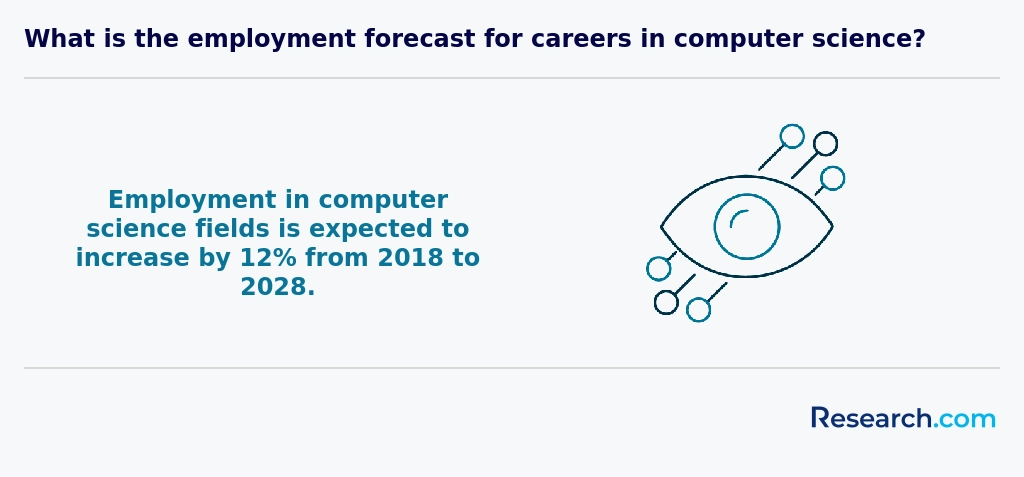
Colorado's computer science programs pair rigorous coursework with practical experiences to help you apply skills in real-world settings:
- Internships with leading tech employers such as Amazon, Microsoft and Lockheed Martin
- Cooperative education (co-op) rotations at aerospace and defense firms around Denver and Colorado Springs
- Faculty-mentored research projects in cybersecurity, data science and human–computer interaction
- Capstone courses and hackathons that challenge you to design, build and deploy full-stack applications
Many schools also offer specialized industry partnerships-students interested in AI can explore our online ai degree for flexible, focused training.
Students pursuing computer science degrees in Colorado often start with foundational courses in programming and problem-solving. Graduates from universities like the University of Colorado Boulder recall how early exposure to languages such as Python and Java shaped their confidence and coding fluency. These first-year courses, focused on algorithms and data structures, pave the way for tackling more complex topics.
As they advance, students dive into essential courses such as theory of computation, computer architecture, operating systems, software engineering principles, and database management systems. Many Colorado institutes emphasize hands-on learning through labs and group projects, making abstract concepts tangible. For example, working on real-world software development at Colorado State University helped graduates transition smoothly into tech roles.
Specialization begins with electives in fields like artificial intelligence, cybersecurity, and machine learning. This flexibility allows students to follow their passion in one of Colorado's flourishing tech sectors. Capstone projects and internships anchored in Denver's tech community solidify practical skills, offering both challenge and reward on the path to becoming skilled professionals.
Students pursuing computer science specializations in Colorado often find themselves immersed in dynamic fields such as Artificial Intelligence and Machine Learning, where innovative projects at universities like the University of Colorado Boulder foster excitement about solving real-world problems autonomously. Graduates frequently describe these experiences as transformative, blending theory with hands-on development in a thriving tech environment.
In parallel, programs focused on Data Science and Big Data Analytics equip learners to handle the growing demand for data expertise in Colorado's finance, healthcare, and government sectors. Many graduates recount how this specialization prepared them to interpret complex datasets effectively, enhancing their confidence entering fast-paced roles. It's common for students to balance practical coursework while gaining insights into industry trends, a hallmark of Colorado computer science degree focus areas.
Cybersecurity continues to be a vital track, with colleges partnering closely with local businesses to raise awareness and provide authentic training experiences. Meanwhile, specializations like Software Engineering, Computer Graphics, and Human-Computer Interaction foster creativity and problem-solving, often resulting in graduates who feel inspired to innovate across the state's diverse tech landscape.
Choosing the right path means understanding which specialization aligns best with your ambitions and the opportunities within Colorado, especially as you explore jobs coding in these fields.
Choosing the best computer science degree programs in Colorado means looking beyond just the name of the institution. Graduates from Colorado State University and the University of Colorado Boulder often highlight the value of ABET accreditation, which assured them of a rigorous curriculum and strong research opportunities. These qualities shaped their confidence in applying skills directly in Colorado's growing tech sector.
Cost is another major consideration. Many students balance ambition with practical budgeting by exploring affordable computer science degrees Colorado offers, especially through community colleges that provide transfer pathways. This route allowed several peers to save money while maintaining a solid academic foundation.
It's helpful to think about where you want to be after graduation. Networking opportunities in tech hubs like Denver and Boulder played a pivotal role in job placements for former students, thanks to connections with companies like Google and Lockheed Martin. For those who need flexibility, considering formats such as online or hybrid programs is wise, especially if working while studying.
For a detailed look at online options worth considering, check out the Most Affordable Online Master's in Computer Science Degree Programs Ranking in Virginia. This resource offers insights on affordability that can inspire choices even when studying in Colorado.

Graduates holding a computer science degree in Colorado often find themselves navigating a rich landscape of career paths that reflect the state's vibrant tech ecosystem. From hands-on roles like software developers creating innovative applications to data scientists turning vast data into actionable insights, the opportunities are diverse. Many graduates from universities in Denver or Boulder share experiences of landing roles in cybersecurity, a field growing rapidly due to increasing digital threats, especially within government and private sectors.
Choosing jobs with a computer science degree in Colorado often means engaging in dynamic environments where systems analysts and network engineers play vital roles in maintaining robust IT infrastructures across multiple industries. Some graduates embrace cutting-edge fields like artificial intelligence and machine learning, contributing to research and development at local tech hubs. Practical internships offered at Colorado's institutions significantly boost job readiness, making the transition into the workforce smoother and more rewarding.
Students seeking flexibility while advancing their education might consider an accelerated online degree for working adults, enabling them to balance real-world experience with academic growth. The positive emotions tied to these career opportunities come not only from competitive salaries but also from the chance to impact Colorado's flourishing tech community.
The computer science job outlook in Colorado is exceptionally promising for graduates from popular institutions like the University of Colorado Boulder and Colorado State University. Many graduates step into a thriving tech ecosystem centered around the Denver-Aurora-Lakewood metropolitan area, which hosts thousands of companies ranging from innovative startups to established corporations. This dynamic environment fosters exciting technology career opportunities Colorado offers, allowing new professionals to engage in fields such as software development, cybersecurity, and data analysis.
Graduates often reflect on how the relatively affordable in-state tuition costs contrast with entry-level salaries typically ranging from $65,000 to $85,000, providing strong motivation and confidence in their career paths. The steady growth in computer and information research science occupations, predicted to increase significantly over the next decade, sustains a positive employment outlook that feels both stable and inspiring.
For those balancing life commitments, many also explore college courses for seniors online, helping them adapt to this evolving market without sacrificing flexibility. This blend of opportunity, education, and growth creates a hopeful and attainable future for computer science graduates in Colorado.
2027 Most Popular Computer Science Degree Programs Ranking in Colorado
Investing in your education is a significant decision that can shape your future, and the Research.com team understands the importance of making well-informed choices. To support students interested in computer science, we have carefully developed the "2027 Most Popular Computer Science Degree Programs Ranking in Colorado." Our dedication to quality, credibility, and accuracy is evident in the thorough research and analysis performed to create this ranking.
We utilized the following reputable data sources to ensure a comprehensive evaluation of computer science degree programs:
By exploring this ranking, readers will gain valuable insights to help them identify top programs in Colorado and make confident decisions about their educational journey. For more details on our methodology, please visit our Research.com methodology page.


Frequently Asked Questions About computer science
Computer science students in Colorado can maximize their learning by engaging with local industry opportunities. Colorado boasts a growing tech sector, with Denver and Boulder ranking among the top U.S. cities for tech job growth, according to CompTIA's 2023 report. Internships and cooperative education programs with companies like Garmin, IBM, and Google's Boulder office provide valuable hands-on experience.
Joining professional groups such as the Colorado Technology Association enhances networking and mentorship possibilities. Additionally, students should leverage universities' research labs and open-source projects, which deepen practical skills in areas like artificial intelligence and cybersecurity.
Active participation in coding competitions and hackathons hosted statewide helps sharpen problem-solving skills and fosters collaboration, essential for success in the evolving tech landscape.
The computer science field is rapidly evolving, with several emerging niches gaining importance, especially in Colorado's growing tech landscape. Areas like artificial intelligence (AI) and machine learning are attracting significant student interest, supported by investments from local companies and research institutions. Cybersecurity remains critical as threats increase, with Colorado ranking high in demand for security professionals according to the U.S. Bureau of Labor Statistics.
Additionally, data science and big data analysis are expanding due to Colorado's strong presence in aerospace and healthcare sectors. Cloud computing and Internet of Things (IoT) technologies also offer promising career paths, reflecting national trends highlighted by the Computing Research Association's 2023 report.
Preparing for the job market after completing a computer science degree in Colorado involves strategic planning and skill development. Graduates should focus on gaining practical experience through internships or cooperative education programs, which are widely available at institutions like the University of Colorado Boulder and Colorado State University. According to the Colorado Department of Labor, the demand for software developers and IT specialists in the state is projected to grow by over 20% through 2030, reflecting strong job opportunities.
Building a professional network is essential; attending local tech meetups and career fairs in cities like Denver and Boulder can connect graduates with potential employers. Additionally, obtaining relevant certifications in programming languages or cloud technologies improves employability in competitive markets.
Employers in Colorado seek computer science graduates with strong technical skills and practical experience. Proficiency in programming languages such as Python, Java, and C++ remains highly valuable. Additionally, knowledge of cloud computing and cybersecurity is increasingly important due to the state's growing tech industry, particularly in Denver and Boulder.
Critical thinking and problem-solving abilities are equally emphasized. According to the Colorado Department of Labor and Employment, communication and teamwork skills rank among the top soft skills desired by local tech employers.
Experience with data analysis and software development methodologies like Agile also enhances employability. Graduates who combine technical expertise with adaptability tend to perform best in Colorado's dynamic technology sector.
Finding internships in Colorado relevant to a computer science degree involves leveraging several key resources. Start by exploring university career centers, as institutions like the University of Colorado Boulder and Colorado State University maintain connections with local tech companies.
Colorado's tech industry, particularly in Denver and Boulder, hosts over 6,000 technology firms, creating strong demand for computer science interns (Colorado Technology Association, 2023). Popular platforms like Handshake and LinkedIn also list numerous internship opportunities targeted at Colorado students.
Additionally, student participation in hackathons, coding boot camps, and tech meetups can open networking channels. Many Colorado employers appreciate practical experience and projects when selecting interns.
Finally, applying early and tailoring your resume to emphasize programming skills and coursework increases chances of securing competitive internships in the state.
A computer science degree significantly enhances career mobility and advancement opportunities in Colorado's growing tech industry. According to the Colorado Department of Labor and Employment, projected growth for computer and mathematical occupations in the state is 15% from 2020 to 2030, faster than average across all fields.
This degree equips graduates with critical skills in programming, data analysis, and software development-areas in high demand among Colorado employers, including major companies like Lockheed Martin and Google. Earning a bachelor's or advanced degree can lead to higher starting salaries, with the median wage for Colorado computer specialists around $95,000 annually.
Additionally, many firms in Denver and Boulder prioritize candidates with formal education in computer science for roles such as software engineering and cybersecurity, enabling graduates to progress into leadership and specialized technical positions more rapidly.
Studying for a computer science degree in Colorado offers valuable preparation for interdisciplinary roles by integrating strong technical training with opportunities in related fields. Many programs emphasize collaboration across disciplines such as engineering, business, and healthcare, reflecting industry demands. For example, the Colorado Department of Higher Education highlights partnerships between computer science departments and other academic units, fostering practical experiences.
Additionally, Colorado's technology sector-with companies like Oracle and Lockheed Martin-provides internships and research projects that encourage students to apply computing skills in diverse contexts. This real-world exposure helps graduates adapt to roles that require both domain knowledge and technical expertise.
Recent data from the National Center for Education Statistics shows a steady increase in interdisciplinary courses offered within computer science programs across Colorado's universities, supporting graduates' readiness for complex problem-solving in various industries.
Choosing between a thesis and a non-thesis computer science degree program in Colorado depends on your career goals and learning preferences. Thesis programs emphasize research, requiring students to conduct original studies and write a comprehensive document, often preparing them for PhD studies or research-oriented jobs. Non-thesis programs focus on coursework and practical skills, ideal for students aiming to enter the tech industry directly.
In Colorado, universities like the University of Colorado Boulder offer both options, with about 35% of graduate computer science students opting for thesis tracks according to 2023 institutional data. This allows flexibility based on students' plans.
Consider also your interest in research and available faculty expertise before deciding.
Students based in Colorado who want to study computer science abroad have several options through US universities' established exchange and study abroad programs. Many institutions in Colorado, such as the University of Colorado Boulder and Colorado State University, offer partnerships with universities in Europe, Asia, and Australia. These programs often allow students to complete part of their computer science degree overseas while earning credits toward their Colorado degree.
According to the Institute of International Education, around 15% of STEM students engage in study abroad experiences, underscoring growing interest in global tech education. These opportunities help students gain international perspectives on computing and innovation.
Financial aid and scholarships are commonly available to support study abroad for computer science majors, making global study more accessible.
Part-time job opportunities in Colorado that complement a computer science degree are diverse and well-suited for students seeking to apply their skills. Tech hubs like Denver and Boulder offer roles such as software development interns, IT support technicians, and web developers. These positions provide practical experience alongside academic learning. According to the Colorado Department of Labor and Employment, tech-related part-time jobs have grown by over 10% in recent years, reflecting strong demand.
Additionally, students can find freelance coding or data analysis projects through local startups or platforms targeting Colorado's vibrant tech community. University-affiliated research assistant roles also offer hands-on experience in cybersecurity, AI, and systems programming.
Networking opportunities for computer science students in Colorado are robust due to the state's growing tech industry and active academic communities. Universities like the University of Colorado Boulder and Colorado State University host career fairs connecting students with top employers such as Google, IBM, and Lockheed Martin. According to the Colorado Department of Labor and Employment, the tech sector in Colorado has grown by over 20% in recent years, increasing job placements and internships for students.
Students can join local professional groups like the Colorado Technology Association or attend events such as Denver Startup Week. These platforms facilitate mentorship and peer networking.
Alumni networks offer valuable benefits to computer science students in Colorado by providing direct connections to professionals in the local tech industry. These networks often facilitate internships, mentoring, and job placements, leveraging ties with major employers such as Google, IBM, and Lockheed Martin, all active in Colorado's tech hubs.
Data from the Colorado Workforce Development Council highlights that programs with strong alumni engagement see 15% higher employment rates among graduates in STEM fields. Networking events and online platforms help students gather industry insights and stay updated on emerging technologies.
Additionally, alumni networks contribute to career development workshops and guest lectures, enhancing practical knowledge beyond the classroom. This community support strengthens students' competitiveness in the rapidly growing Colorado tech sector.
Customizing a computer science degree program in Colorado often begins with selecting electives that align with your career interests. Many universities offer specialized tracks such as artificial intelligence, cybersecurity, data science, or software engineering. This allows students to tailor their education to specific job markets.
Students can also engage in internships or cooperative education programs, which Colorado schools frequently partner with local industries. These experiences provide practical skills and networking opportunities.
Additionally, some institutions permit independent research projects or capstone courses focused on real-world problems relevant to Colorado's growing tech sector, which, according to the Colorado Department of Labor, is expanding faster than the national average.
Computer science students in Colorado face several common challenges during their studies. One significant hurdle is the rigorous technical curriculum, which requires strong foundations in math and programming. Many students report difficulties balancing coursework and personal commitments, as Colorado's computer science programs often emphasize hands-on projects and collaborative work.
Additionally, competition for internships and job placements can be intense, especially in tech hubs like Denver and Boulder. According to the Colorado Department of Higher Education, the state saw a 12% increase in computer science graduates between 2018 and 2023, intensifying the job market competition. Students also encounter a gender gap in STEM fields, affecting diversity and inclusion efforts within local programs.
Access to affordable resources and technology can be another barrier, particularly for students from underrepresented backgrounds. Universities in Colorado are actively working to provide support, but disparities remain a concern. Understanding these challenges helps prospective students prepare more effectively for their academic journey in the state.
With a computer science degree, graduates in Colorado can pursue several professional certifications that enhance their expertise and employability. Popular certifications include the Certified Information Systems Security Professional (CISSP), which is valuable for cybersecurity roles, and the Project Management Professional (PMP), often sought after in tech project leadership.
Other key certifications include Certified ScrumMaster (CSM) for Agile development and Microsoft Certified: Azure Developer Associate relevant for cloud computing, a growing field in Colorado's tech industry.
According to the Colorado Department of Labor, demand for IT-certified professionals grew by over 12% from 2018 to 2023, reflecting strong regional opportunities.
To write a winning application for a computer science program in Colorado, start by highlighting your strong foundation in mathematics and programming. Many top programs, like those at the University of Colorado and Colorado State University, look for candidates with solid academic records in STEM subjects. According to the National Center for Education Statistics, over 2,000 computer science degrees were awarded in Colorado in 2021, showing high competition.
Include any relevant internships, projects, or extracurricular activities demonstrating practical skills. Colorado's tech industry is growing rapidly, creating valuable opportunities that applicants should showcase. Lastly, write a clear and focused personal statement explaining your career goals and why you chose Colorado's programs.
Computer science careers are viewed globally as highly valuable due to increasing reliance on technology across industries. In the United States, including Colorado, demand for skilled computer scientists remains strong. According to the U.S. Bureau of Labor Statistics, employment in computer and information technology occupations is projected to grow 15% from 2021 to 2031, much faster than average.
Colorado's tech sector has shown significant growth, especially in cities like Denver and Boulder, making it an attractive place for grads. Globally, knowledge of computer science opens doors in diverse fields such as artificial intelligence, cybersecurity, and software development, reflecting a universal need for technological expertise.
Internationally, a computer science degree is valued for fostering problem-solving and innovation skills, essential in both established and emerging markets. For Colorado residents, this means that a degree can offer opportunities not only locally but also worldwide.
Gaining practical experience while studying computer science in Colorado is essential for career readiness. Many universities in the state offer co-op programs and internships that connect students with tech companies in Denver, Boulder, and Colorado Springs, which are major tech hubs. According to the Colorado Department of Labor and Employment, over 20% of computer-related jobs in the state require hands-on experience.
Students can also participate in research projects or join coding clubs and hackathons on campus to build real-world skills. Additionally, Colorado hosts several tech meetups and workshops, providing networking opportunities and practical exposure.
Choosing the right concentration within a computer science degree program in Colorado requires understanding your interests and career goals. Common concentrations include software engineering, artificial intelligence, cybersecurity, and data science. Colorado universities, such as the University of Colorado Boulder and Colorado State University, offer specialized tracks reflecting industry demands.
Consider the local job market: Denver's tech sector, for example, emphasizes cloud computing and cybersecurity roles. According to the Colorado Department of Labor, jobs in information security are projected to grow by 12% through 2030. Aligning your concentration with these trends can improve employment opportunities.
Research the curriculum and faculty expertise at Colorado institutions to ensure strong support in your chosen concentration.
- 2027 Most Popular Computer Science Degree Programs Ranking in Oklahoma
- 2027 Most Popular Computer Science Degree Programs Ranking in Arizona
- 2027 Most Popular Computer Science Degree Programs Ranking in Missouri
- 2027 Most Popular Computer Science Degree Programs Ranking in Montana
- 2027 Most Popular Computer Science Degree Programs Ranking in Idaho
- 2027 Most Popular Computer Science Degree Programs Ranking in Iowa
- 2027 Most Popular Computer Science Degree Programs Ranking in Arkansas
- 2027 Most Popular Computer Science Degree Programs Ranking in Louisiana
- 2027 Most Popular Computer Science Degree Programs Ranking in California
- 2027 Most Popular Computer Science Degree Programs Ranking in Minnesota
See What Experts Have To Say About Studying Computer Science
Read our interview with Computer Science experts

Elan Barenholtz
Computer Science Expert
Associate Professor
Florida Atlantic University

Martin Kang
Computer Science Expert
Assistant Professor
Loyola Marymount University

Derek Riley
Computer Science Expert
Professor, Program Director
Milwaukee School of Engineering

Kathleen M. Carley
Computer Science Expert
Professor of Computer Science
Carnegie Mellon University

- Fields of Work in Computer Science: Top IT Careers | Walbrook https://www.walbrook.ac.uk/subjects/computer-science/computer-science-fields-of-work-career-in-it/
- Best Computer Certifications for Tech Professionals https://www.computerscience.org/degrees/certifications/
- Computer Science Alumni Council https://www.myniu.com/article.html
- The Crucial Role of Networking for Computer Science Students https://dev.to/thisisaayush/the-crucial-role-of-networking-for-computer-science-students-4k2i
- 8 Tips for Computer Science Graduates to Get Their First Job https://allthecode.co/blog/post/tips-for-computer-science-graduates-to-get-their-first-job
- How can I network with computer science professionals and find job opportunities? https://2sigma.school/t/a/cfaq/how-can-network-with-computer-science-professionals-and-find-job
- Alumni computer science dual https://www.fbi.h-da.de/en/informieren/ueber-uns/alumni/alumni-computer-science-dual
- Study Computer Science Abroad | Go Overseas https://www.gooverseas.com/study-abroad/computer-science
- Letter of Motivation for applying Computer Science related fields https://essayforum.com/letters/motivation-applying-computer-science-related-11858/
- What are the Biggest Challenges Faced by Computer Science Students? https://www.my-assignmentservices.com/blog/what-are-the-biggest-challenges-faced-by-computer-science-students