2027 Most Popular Computer Science Degree Programs Ranking in Baltimore

Co-Founder and Chief Data Scientist
Choosing the right computer science degree program in Baltimore can shape your future career and open exciting opportunities. This article introduces the 2027 Most Popular Computer Science Degree Programs Ranking in Baltimore, developed by the Research.com team of data scientists. Their thorough analysis helps you understand which programs stand out based on real data.
Exploring these rankings will give you confidence in your decision, making it easier to find a program that fits your goals. Earning a computer science degree is a rewarding step toward a dynamic and in-demand career. Let's dive in and discover the best options Baltimore has to offer.
Key benefits of getting computer science degree in Baltimore
- Graduates with a computer science degree in Baltimore can earn competitive salaries, such as $138,110 annually for software engineers and developers, or $119,040 for data analysts, offering strong financial stability.
- Career paths include software development, IT support, and data analysis, with many Baltimore graduates finding rewarding roles in local tech companies and startups.
- Online computer science degrees offer flexibility for busy students, allowing them to balance work and study while gaining the same valuable skills and credentials as traditional programs.
- 2027 Most Popular Computer Science Degree Programs Ranking in Baltimore
- What can I expect from computer science degree in Baltimore?
- Where can I work with computer science degree in Baltimore?
What can I expect from computer science degree in Baltimore?
The average cost of a computer science degree in Baltimore varies significantly depending on the institution. Public universities like the University of Maryland, Baltimore County (UMBC) typically offer more affordable tuition rates, averaging around $10,000 to $12,000 per year for in-state students. Graduates from UMBC often express relief and satisfaction with the manageable financial burden paired with robust program quality and strong industry connections.
Conversely, private institutions such as Johns Hopkins University have higher tuition fees, reaching approximately $55,000 per year. However, many students benefit from generous financial aid packages and scholarships specifically aimed at STEM fields, which effectively lower out-of-pocket costs.
This dynamic creates a range of cost options for Baltimore students, allowing them to access well-regarded computer science programs without compromising quality. The availability of internships and partnerships at these universities further offsets overall expenses by enhancing employability and earning potential immediately post-graduation.
Where can I work with computer science degree in Baltimore?
Computer science graduates in Baltimore find diverse employment opportunities across prominent sectors. Many from institutions like Johns Hopkins University or University of Maryland, Baltimore County secure roles in healthcare technology, working with major systems at Johns Hopkins Hospital or University of Maryland Medical Center. These positions often involve software engineering for patient care systems or cybersecurity for sensitive data, offering meaningful work that directly impacts community health.
Finance and insurance firms such as T. Rowe Price and Under Armour also provide attractive career paths. Graduates often join as application developers or IT security specialists, engaging in projects like financial modeling or ecommerce platform enhancement. This work combines technical skills with real-world business challenges, appealing to those who enjoy dynamic problem-solving environments.
Additionally, Baltimore's expanding tech startup scene offers exciting roles in software development and product management. Graduates frequently join innovation hubs like Betamore, where they experience collaborative, fast-paced cultures that foster professional growth and creativity.
Government sectors, including agencies like the NSA, employ graduates in cybersecurity and national security software development, reflecting the critical role of technology in public safety. With median software developer salaries around $105,000, Baltimore offers rewarding and upward career trajectories for local computer science students.
Graduates with computer science degrees from Baltimore institutions, such as Johns Hopkins University, often find strong earning potential in the local job market. For example, software engineers and developers in the region earn a mean annual wage of about $138,110, reflecting both in-demand skills and the presence of major employers like government agencies and tech firms.
Entry-level graduates may start closer to $65,000 to $75,000 annually, but those who specialize or gain experience can expect salaries within the $85,000 to $120,000 range. Web developers earn somewhat less, with a mean annual wage near $95,570, while data analysts in Baltimore enjoy mean wages around $119,040, showcasing the value of data skills.
IT support specialists have an average salary of approximately $63,640, providing a solid starting point for graduates entering technical support roles. Many Baltimore graduates report satisfaction with their compensation, especially considering the city's moderate cost of living compared to other tech hubs, which enhances overall quality of life and career growth opportunities.
- Baltimore offers computer science programs at several public and private universities, covering associate to graduate levels.
- In-state tuition for public universities ranges from $9,000 to $15,000 per year, while private schools charge between $25,000 and $40,000 annually.
- Starting salaries for computer science graduates average around $70,000 per year, increasing to over $110,000 with experience.
- The local job market includes strong demand in healthcare, cybersecurity, finance, and government sectors.
- Internship and cooperative education programs are available through partnerships between colleges and local employers to enhance practical skills.
Completing a computer science degree in Baltimore typically requires about four years for full-time students pursuing a Bachelor of Science. Graduates from institutions like the University of Maryland, Baltimore County (UMBC) often reflect on this timeline, noting that the structured curriculum efficiently covers essential topics such as programming, algorithms, and data structures within this period. For students who choose accelerated tracks or enter with advanced placement credits, finishing in three years is an exciting possibility, though it demands a heavier course load and strong time management.
Part-time students balancing work and studies may extend their journey to five or six years, appreciating the flexibility this affords despite a longer timeline. Graduate students pursuing a Master of Science tend to complete their degrees in 1.5 to 2 years full-time, with some opting for part-time enrollment that can stretch to three or more years. Baltimore's computer science community values these flexible options, tailoring education paths to diverse personal and professional needs.
Baltimore’s computer science degree programs emphasize hands-on learning through faculty-led research and industry internships that boost both skills and employability.
- Access to cutting-edge research labs in AI, cybersecurity and data analytics
- Partnerships with Johns Hopkins Applied Physics Lab, federal agencies and local tech startups for paid internships
- Co-op programs that integrate full-time industry work terms into your curriculum
- Opportunities to publish research findings and present at national conferences
- Faculty mentorship on grant-funded projects solving real-world challenges
- For students aiming to extend their expertise, explore the cheapest master in data science as an affordable next step
Online and on-campus computer science degrees in Baltimore differ mainly in delivery, interaction, and cost. On-campus programs at institutions like the University of Maryland, Baltimore County (UMBC) and Johns Hopkins University offer face-to-face learning, immediate access to campus labs, and networking with professors and peers. Graduates recall how hands-on experiences and in-person collaborations strengthened their coding skills and fostered strong professional connections.
In contrast, online degrees provide flexibility for working professionals or those with personal commitments. Baltimore students pursuing remote programs appreciate being able to study anytime without commuting. Around 40% of U.S. postsecondary students have taken distance courses, indicating growing trust in online education.
Tuition for on-campus CS programs ranges from $10,000 to $15,000 annually for in-state students, while online programs may offer reduced or flat-rate fees. However, online students may face added technology costs and fewer opportunities for direct internships, requiring proactive effort to build experience outside class.
Structured internships and co-ops in Baltimore bring classroom theory into professional practice, boosting your resume and expanding your network.
- Partnerships: Collaborations with Johns Hopkins, MedStar Health, and federal labs offer paid roles in software engineering and cybersecurity.
- Program formats: Co-ops alternate full-time study with 6- to 12-week work terms; internships often run 10- to 16-week summer projects.
- Academic credit: Earn 3–6 credits per placement, with faculty supervision and periodic evaluations to ensure learning outcomes.
- Career support: University career centers guide application processes, conduct mock interviews, and facilitate employer connections.
For students exploring creative tech pathways, consider adding elective courses like online game design classes to diversify your skill set and stand out in innovative internship roles.
The average cost of earning a computer science degree in Baltimore varies significantly based on residency and institution type. For in-state students attending public universities, the median total cost is approximately $13,256, making it a more affordable option for local students. This aligns with the pricing trends where public in-state tuition often ranges from $10,000 to $11,000 annually. Graduates from these programs frequently share how they balanced quality education with cost-effective decision-making to manage their expenses.
Out-of-state students face a considerably higher financial commitment. The median total cost for these students is about $50,921, reflecting the additional tuition and fees charged by Maryland's public institutions to non-residents. This figure is consistent with widely reported tuition fees where out-of-state students can expect to pay more than double the in-state rate. Despite the higher cost, many out-of-state graduates emphasize the value of Baltimore's academic environment and opportunities, especially at well-known institutions.
Private colleges in Baltimore, popular among computer science students seeking advanced research and networking opportunities, typically charge tuition that contributes to an overall cost similar to or exceeding the $50,000 median. The high tuition fees, which can range between $60,000 and $65,000 annually, reflect enhanced resources and prestigious faculty. Graduates from these schools often highlight the extensive support systems and career prospects that helped justify their investment.
When planning your education budget, remember to consider not only tuition but also additional expenses for fees, textbooks, technology, and living costs, which can add $10,000 to $15,000 per year. For students researching financial details or aiming to find the most popular computer science school in Baltimore, exploring funding options and scholarships is essential to managing the average cost of computer science degree Baltimore students face.
Ensuring that your computer science degree is ABET-accredited and recognized by the tech industry is crucial for maximizing career opportunities. In Baltimore, MD, leading institutions such as Johns Hopkins University and the University of Maryland, Baltimore County (UMBC) hold regional accreditation from the Middle States Commission on Higher Education and programmatic accreditation from ABET. This dual recognition guarantees that curricula meet rigorous standards in areas like data structures, algorithms, and software engineering, giving employers confidence in your skill set. Beyond formal accreditation, industry partnerships and research centers elevate the value of your degree. Many Baltimore programs collaborate with local tech firms, government agencies, and research labs to offer students hands-on experience through internships, co-op placements, and capstone projects. For example, UMBC’s Center for Cybersecurity engages students in real-world threat analysis, while Johns Hopkins’ Malone Center for Engineering in Healthcare integrates computer science expertise into cutting-edge medical solutions. Professional certifications further reinforce your credentials. Pursuing credentials such as CompTIA Security+, AWS Certified Solutions Architect, or Cisco’s CCNA alongside your degree not only sharpens specialized competencies but also signals to recruiters your commitment to continuous learning. Career services offices at most Baltimore universities provide resources for certification exam prep, resume workshops, and networking events with industry leaders. For students balancing accreditation with affordability, it’s worth exploring options beyond Baltimore. Take a look at the Inexpensive Online Master's in Computer Science Degree Programs Ranking in Illinois to compare accredited, cost-effective pathways that complement your academic and professional goals.
Computer science students in Baltimore face tuition costs averaging $10,300 annually for in-state and $27,000 for out-of-state attendees, making financial aid crucial. Many leverage the Free Application for Federal Student Aid (FAFSA) to access federal grants like the Pell Grant, which can provide up to $7,395 annually for eligible students, easing financial stress significantly.
State-specific aid from Maryland, including the Educational Excellence Award and Guaranteed Access Grant, supports residents demonstrating academic achievement or financial need, further reducing college expenses. Baltimore's top institutions, such as Johns Hopkins University and UMBC, offer merit-based scholarships recognizing strong academic records or financial need, sometimes covering full tuition, which many graduates recall as game-changing in their educational journey.
Work-study programs and partnerships with local tech firms also help students earn income while gaining relevant experience, directly benefiting Baltimore computer science majors balancing education and finances. Additionally, private scholarships from technology organizations and community foundations supplement aid, creating multiple support avenues for motivated students pursuing tech degrees in Baltimore.
Prospective students aiming for computer science degrees in Baltimore typically must present a high school diploma or GED equivalent. Admissions at popular institutions like Johns Hopkins University or Maryland Institute College of Art emphasize strong foundations in algebra and geometry, as these subjects underpin much of the computer science curriculum. Graduates often recall how prior coursework in Pre-Calculus or Calculus eased their transition into advanced programming and algorithm classes.
Many programs require or recommend coursework in physics or chemistry to sharpen analytical problem-solving skills. Familiarity with basic programming concepts-gained from high school coding classes or self-study-can notably strengthen applications, reflecting feedback from recent graduates who found this prior experience boosted their confidence during early coursework.
Standardized tests such as the SAT or ACT remain relevant for some Baltimore colleges, although test-optional policies are increasingly common. Applicants must also submit transcripts, recommendation letters, and personal statements that demonstrate critical thinking and motivation. Placement tests in math or English may be required to ensure appropriate class levels, a step many Baltimore students find helps them start their studies with clarity and focus.
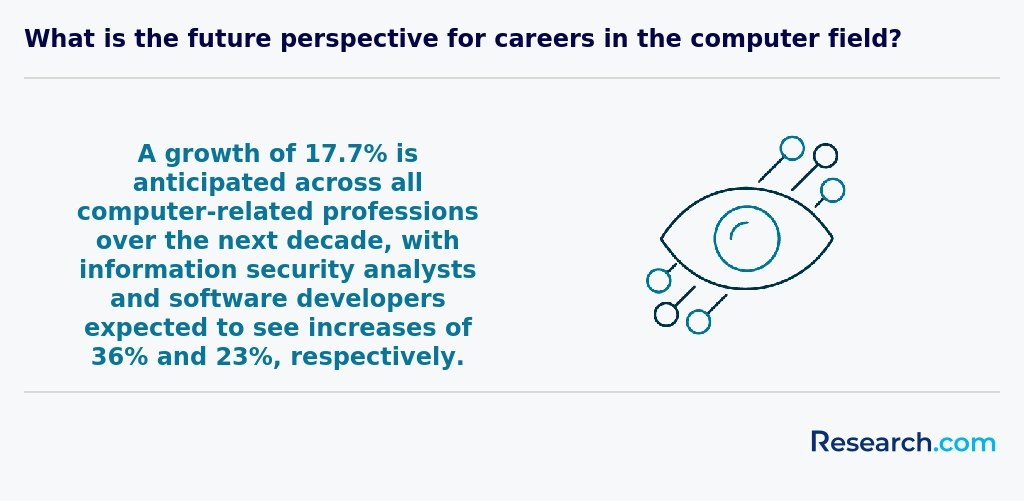
The tech landscape in Baltimore is evolving rapidly, and understanding these trends can help you position yourself for long-term success. In recent years, the rise of artificial intelligence, machine learning, and cybersecurity has created new career pathways and increased the demand for specialized skills. For instance, employers are not only looking for coding expertise but also for professionals who can harness data analytics and drive innovation through emerging technologies. Current industry projections indicate a steady growth in tech-related careers, even as market dynamics fluctuate. By staying informed about these trends, you can better tailor your skillset and choose a program that aligns with future demands. If you’re researching programs that consistently adapt to technological advancements, be sure to check out the most popular computer science school rankings, which highlight institutions that excel in preparing students for tomorrow’s challenges. Building both technical and soft skills, along with a proactive approach to learning about new technologies, will enable you to remain competitive in a rapidly changing industry.
Computer science degree programs in Baltimore, offered by institutions like Johns Hopkins University and UMBC, typically include foundational programming courses covering languages such as Python, Java, and C++. Graduates often recall how early classes emphasized algorithmic thinking and problem-solving, forming the backbone of their technical skills.
Courses in data structures and algorithms teach efficient organization and manipulation of data, a crucial skill reflected in real-world software development projects. Further, students study computer architecture and operating systems, gaining insight into hardware-software interaction and system resource management, essential knowledge for working in tech environments.
Software engineering classes at these universities focus on team collaboration and project lifecycle management, preparing students to contribute effectively in workplace settings. Databases and information retrieval coursework enable learners to handle large data sets, supporting careers in areas like big data and AI, fields booming in Baltimore's tech scene.
Electives such as cybersecurity and machine learning allow students to tailor their studies to industry demands, with graduates often highlighting the practical, hands-on nature of these courses that reflect Baltimore's growing emphasis on tech innovation.
Baltimore computer science degree concentrations include a range of dynamic specializations tailored to the city's tech landscape. Graduates from prominent Baltimore universities often highlight software development, which strengthens programming and application design skills essential for local startups and established companies. Cybersecurity is another vital specialization, reflecting the region's growing demand for experts in network security and ethical hacking, driven by nationwide increases in digital threats. Students benefit from programs aligning with a projected 33% growth in information security analyst roles from 2021 to 2031.
Those pursuing data science and machine learning find Baltimore's proximity to government and healthcare institutions enriches their learning with practical applications. Practical experience and internships offered by these institutions boost student confidence and marketability. Additionally, specializations in computer networks and systems architecture provide crucial knowledge for maintaining Baltimore's diverse industry infrastructures.
Mobile and web development also attract students aiming to build innovative apps for the city's evolving tech ecosystem. Financial considerations are important, with tuition varying widely. Scholarships and internships support affordability and offer hands-on experience. For perspectives on salary potential related to these tracks, students often seek information on what coding jobs pay the most.
Choosing the best computer science degree programs Baltimore students rely on involves assessing accreditation, curriculum relevance, and career outcomes. Graduates from popular Baltimore institutions often highlight the value of ABET-accredited programs, which employers recognize for quality. Programs with specializations in data science, AI, or cybersecurity align well with Baltimore's thriving tech sector, showing 15% growth in job postings from 2019 to 2023.
Affordability also plays a pivotal role. Many students find affordable computer science colleges in Baltimore through community colleges, which offer quality education for under $5,000 annually for in-district attendees, providing accessible pathways with strong local internship opportunities. Public universities average around $10,000 in-state tuition, while private schools may exceed $35,000, so weighing cost against potential scholarships and career services is crucial.
Flexible scheduling or online options can be indispensable for balancing work and study. Those seeking affordable online alternatives might explore resources like the Inexpensive Online Master's in Computer Science Degree Programs Ranking in Illinois to understand comparable opportunities. Networking, mentorship, and career placement services reported by Baltimore graduates add tangible value to the learning experience.

Baltimore offers numerous computer science career opportunities Baltimore graduates find promising, particularly in software development and cybersecurity. Software developers in the city earn a median annual wage of about $110,000, according to the U.S. Bureau of Labor Statistics, reflecting strong demand in the region's tech sector. Graduates from local universities often relate their rewarding experiences working on diverse programming projects and problem-solving challenges.
Cybersecurity roles are also robust due to Baltimore's proximity to federal agencies and cybersecurity firms, with a projected 35% growth nationally from 2021 to 2031. For students interested in data-driven positions, opportunities in data science and analysis are flourishing in Baltimore's healthcare and finance sectors. Median salaries in Maryland for these roles are near $95,000, encouraging many graduates to pursue these paths.
Other computer science degree Baltimore jobs include systems architecture, network administration, and IT project management, blending technical expertise with leadership. Prospective students should consider that costs at Maryland public institutions range from $9,000 to $12,000 annually, making it a solid investment in a thriving job market. Those looking for the easiest degree to get with solid returns will find computer science in Baltimore particularly attractive.
Baltimore offers promising computer science job opportunities in Baltimore for graduates, supported by a diverse employer base including government agencies, healthcare institutions, and private tech companies. Graduates from local universities often find roles in cybersecurity, software development, and IT management within the city's expanding tech ecosystem. Proximity to federal agencies and major research centers helps create a steady demand for computer science expertise, contributing to a dynamic employment landscape.
Students graduating from institutions such as Johns Hopkins University benefit from strong industry connections, with many securing positions that match or exceed the average starting salary range of $65,000 to $85,000. The salary outlook aligns favorably with national averages, enhancing the appeal of pursuing a computer science degree locally. Many graduates value the affordability of in-state tuition and the opportunity to work in growing fields like artificial intelligence and cloud computing.
Those seeking further insight into financially rewarding options may explore the highest paying bachelors degree paths to complement their plans in Baltimore's market.
2027 Most Popular Computer Science Degree Programs Ranking in Baltimore
Investing in your education is a significant decision that can shape your future, and the Research.com team understands the importance of making informed choices. To assist prospective students in Baltimore, we have meticulously crafted the "2027 Most Popular Computer Science Degree Programs Ranking in Baltimore." Our commitment to quality, credibility, and accuracy is reflected in the extensive research and analysis conducted to compile this ranking.
We utilized the following reputable data sources to ensure a comprehensive evaluation of computer science programs:
By exploring this ranking, readers will gain valuable insights into the most popular computer science degree programs available in Baltimore, helping them make well-informed decisions about their educational paths. For more details on how this ranking was created, please visit our Research.com methodology page.


Frequently Asked Questions About computer science
Computer science students in Baltimore can maximize their learning by engaging with the city's vibrant tech community. Baltimore hosts numerous tech meetups and hackathons, offering hands-on experience beyond the classroom. Research from the Maryland Tech Council highlights that internships in local companies, such as those in cybersecurity and health IT sectors, significantly enhance practical skills and employability.
Building relationships with faculty at institutions like Johns Hopkins University and University of Maryland, Baltimore County provides access to cutting-edge research opportunities. Additionally, leveraging Baltimore's proximity to government agencies and federal research centers can open doors for collaborative projects and internships.
Students should also utilize online resources and Baltimore-based coding bootcamps to supplement their formal education, adapting to fast-paced industry changes. Participating in student organizations focused on software development and AI further strengthens teamwork and technical abilities.
Emerging niches within the computer science field reflect rapid technological advances and market demand, especially in urban centers like Baltimore. Areas such as artificial intelligence (AI) and machine learning are growing quickly, with applications in healthcare and cybersecurity. Baltimore's proximity to federal agencies and tech firms fuels interest in data science and information security, which are key for protecting sensitive data.
Another rising field is quantum computing, offering new ways to solve complex problems. Software development for the Internet of Things (IoT) is also expanding, driven by smart city projects in the Baltimore area. According to the U.S. Bureau of Labor Statistics, jobs in AI and cybersecurity are projected to grow 15% to 30% by 2030, indicating strong future demand for graduates.
Preparing for the job market after earning a computer science degree in Baltimore involves strategic planning and skill development. Baltimore's tech sector is growing, with over 6,000 tech-related jobs forecasted by 2028, according to the Baltimore Workforce Intelligence Network. Networking is vital; students should engage with local tech meetups and organizations like the Baltimore Tech Alliance.
Internships, particularly through Baltimore's universities or companies such as T. Rowe Price and Under Armour, provide valuable hands-on experience. Strong coding skills, proficiency in languages like Python and Java, and knowledge of cybersecurity trends improve employability.
Additionally, obtaining certifications such as AWS Certified Solutions Architect can boost one's resume in the competitive market.
Employers in Baltimore seek computer science graduates with a strong foundation in programming languages such as Python, Java, and C++. According to the Maryland Department of Labor, demand for software development skills has grown by over 15% in recent years. Practical knowledge of cloud computing and cybersecurity is also highly valued due to the region's expanding tech and defense sectors.
Analytical thinking and problem-solving abilities rank among the top soft skills requested by Baltimore employers, alongside teamwork and communication. Additionally, familiarity with data structures, algorithms, and software engineering principles is essential for success.
Many local companies prefer candidates with experience in emerging technologies like artificial intelligence and machine learning. Internships and hands-on projects significantly improve a graduate's employability in Baltimore's competitive tech job market.
Finding internships in Baltimore relevant to a computer science degree involves leveraging local resources and industry connections. Baltimore hosts a growing tech scene, with companies like Under Armour and Emergent BioSolutions offering internship opportunities for students. According to the Maryland Department of Commerce, nearly 8,000 tech jobs were added in the Baltimore metro area from 2019 to 2023, signaling expanding internship options. Universities such as Johns Hopkins and the University of Maryland, Baltimore County, maintain strong employer partnerships that frequently share internship openings through their career centers.
Students should also explore job platforms like Handshake and LinkedIn, specifying Baltimore and computer science keywords. Additionally, attending local tech meetups and networking events helps connect with industry professionals.
Obtaining a computer science degree in Baltimore significantly enhances career mobility and advancement opportunities. The city's growing tech sector supports over 12,000 IT professionals, with a 10% projected employment growth by 2031, according to the U.S. Bureau of Labor Statistics. Graduates often find roles in cybersecurity, software development, and data analysis, fields highly valued by local employers like Johns Hopkins University and Under Armour.
Education experts note that a degree provides foundational skills and credentials that help individuals transition between different tech roles or industries. Additionally, employers in Baltimore increasingly prefer candidates with formal computer science education for leadership and specialized positions.
Many programs in the city include internships and partnerships with local companies, further boosting graduates' work experience and networking opportunities. This practical exposure is closely tied to higher starting salaries and faster promotions within the competitive Baltimore tech market.
Studying for a computer science degree in Baltimore provides students with strong interdisciplinary preparation through its diverse course offerings and industry connections. Many Baltimore institutions incorporate partnerships with local health, engineering, and business sectors, enabling students to apply computing skills in a variety of fields.
The region's emphasis on biotechnology and cybersecurity offers practical experiences that bridge computer science with other disciplines. According to the Maryland Department of Labor, Baltimore's tech sector grew by 6.3% from 2021 to 2023, reflecting increasing demand for versatile computer science professionals.
Additionally, internships and cooperative education programs in Baltimore's thriving tech and healthcare industries promote collaboration across fields, equipping graduates for interdisciplinary roles nationwide.
Choosing between a thesis and a non-thesis computer science degree program in Baltimore depends largely on your career goals and interests. Thesis programs emphasize research, requiring students to complete an original project, which is ideal for those aiming for a PhD or research roles.
Non-thesis programs focus on coursework and practical skills, making them suitable for students targeting industry jobs or professional certifications. In Baltimore, institutions like Johns Hopkins University and University of Maryland offer both options, reflecting the city's strong tech and research environment.
According to the National Center for Education Statistics, Baltimore-area computer science graduates with thesis experiences often pursue further study or research-intensive employment. Conversely, non-thesis graduates typically enter software development or IT management.
Students based in Baltimore interested in studying computer science abroad have several avenues to explore through U.S. universities' international programs. Many institutions offer study-abroad opportunities in countries with strong technology sectors, such as Germany, the United Kingdom, and Canada. These programs often include summer sessions or semester exchanges, allowing students to gain global experience alongside their core studies.
Some Baltimore-area universities, like Johns Hopkins University, participate in global partnerships that facilitate research and coursework overseas in computer science fields. According to NAFSA: Association of International Educators, about 12% of U.S. computer science undergraduates study abroad, reflecting growing demand for international exposure.
Financial aid and scholarships are frequently available to help offset costs, making international study more accessible. Additionally, virtual study abroad options have expanded, providing remote collaboration and coursework internationally while remaining enrolled in Baltimore institutions.
Baltimore offers various part-time job opportunities that align well with computer science degree studies. Positions like IT support technician, web developer intern, and data analyst assistant provide practical experience while accommodating academic schedules. These roles help students develop coding, troubleshooting, and project management skills essential for their careers.
Tech companies and startups in Baltimore frequently seek part-time employees for software testing and cybersecurity support. According to a 2023 report by the Maryland Department of Labor, Baltimore's tech sector grew by 6%, increasing demand for skilled computer science students.
Additionally, many universities in Baltimore employ students in research labs focusing on artificial intelligence and machine learning, offering hands-on exposure to emerging technologies. Such roles support academic knowledge with real-world application.
Computer science students in Baltimore have access to a range of networking opportunities through local universities and tech organizations. Institutions like Johns Hopkins University and the University of Maryland, Baltimore County host regular career fairs and industry panels, connecting students with leading tech employers.
Baltimore's growing tech scene is supported by groups such as the Baltimore Tech Council, which offers meetups, workshops, and mentorship programs tailored for students and early career professionals.
Additionally, Baltimore's proximity to Washington, D.C., expands students' exposure to numerous internships and conferences that strengthen professional networks. According to Maryland Department of Commerce data, Baltimore's tech jobs grew by 11% from 2017 to 2022, underlining strong industry connections for graduates.
Alumni networks play a significant role in supporting computer science students in Baltimore. These networks connect current students with graduates working in local tech companies, providing valuable mentorship and career advice. According to a 2023 report by the Maryland Department of Labor, over 60% of tech positions in Baltimore are filled through referrals, highlighting the importance of these connections.
Additionally, alumni events and workshops give students access to industry insights and job openings. Networking through alumni can lead to internships and full-time roles in Baltimore's growing tech sector, which includes firms like Under Armour and Johns Hopkins University Applied Physics Lab.
Students also benefit from collaborative projects and research opportunities facilitated by alumni, strengthening their skills and resumes. These networks foster a supportive community essential for career development in Baltimore's competitive computer science field.
Customizing a computer science degree program in Baltimore involves selecting courses and specializations that align with your career goals. Many local institutions offer concentrations in areas like cybersecurity, data science, software engineering, and artificial intelligence, reflecting industry demand in Baltimore's growing tech sector.
Additionally, students can pursue internships and cooperative education opportunities with Baltimore's expanding technology companies, gaining practical experience alongside academic learning. According to the Maryland Higher Education Commission, nearly 40% of Baltimore graduates in computer science engage in internships, enhancing job readiness.
Choosing electives in emerging fields and participating in research projects at universities can further tailor your education to specific career paths.
Computer science students in Baltimore often face rigorous coursework, including complex programming, algorithms, and data structures. Many struggle to balance challenging academic deadlines with part-time jobs or internships, which are common in this vibrant tech hub. According to data from the Maryland Higher Education Commission, retention rates in STEM fields hover around 60%, reflecting difficulties students experience with demanding material.
Access to cutting-edge technology and research opportunities can vary between institutions, sometimes limiting hands-on experience. Additionally, the competitive job market in Baltimore requires students to develop strong soft skills and network effectively while managing academic stress.
With a computer science degree, Baltimore graduates can pursue various professional certifications to enhance their career prospects. Popular options include the Certified Information Systems Security Professional (CISSP), which focuses on cybersecurity, and the Cisco Certified Network Associate (CCNA), ideal for networking roles. The Certified Ethical Hacker (CEH) credential is valuable for those interested in cybersecurity and penetration testing.
Additionally, the Project Management Professional (PMP) certification is relevant for graduates aiming to manage technology projects. According to the Maryland Department of Labor, demand for IT certifications in Baltimore increased by 15% from 2021 to 2023, reflecting industry growth.
These certifications often complement a computer science degree by offering specialized skills recognized by employers nationwide.
Writing a winning application for a computer science program in Baltimore requires careful preparation and attention to detail. Start by showcasing your strong academic performance, especially in math and science courses, which form the foundation for computer science. Many Baltimore-area institutions, like Johns Hopkins University, emphasize a GPA above 3.5 for competitive applicants.
Highlight relevant experience such as internships, coding projects, or participation in local tech communities. Baltimore's growing tech industry offers opportunities for hands-on experience that can strengthen your resume.
Write a clear, focused personal statement explaining why you want to study computer science and how Baltimore's tech ecosystem aligns with your goals. According to the Maryland Higher Education Commission, demonstrating knowledge of the local tech market can boost your application's impact.
Additionally, strong letters of recommendation from teachers or mentors familiar with your technical skills are valuable. Lastly, prepare for standardized tests if required, as some Baltimore schools still consider SAT/ACT scores in admissions decisions.
Computer science careers hold strong global significance, driven by rapid technological development and digital transformation. In the United States, including Baltimore, demand for computer science professionals continues to grow; the U.S. Bureau of Labor Statistics projects a 22% employment increase for software developers from 2020 to 2030. This growth is supported by industries worldwide seeking skilled workers in areas such as artificial intelligence, cybersecurity, and data science.
Internationally, collaboration across borders emphasizes adaptability and lifelong learning in computer science careers. Baltimore's proximity to tech hubs and government agencies offers valuable local opportunities.
According to the National Center for Education Statistics, U.S. universities awarded over 90,000 computer science bachelor's degrees in 2021, reflecting strong student interest. This trend highlights the global appeal and competitive nature of the field.
Gaining practical experience while studying computer science in Baltimore is crucial for career readiness. Many local universities, such as the University of Maryland, Baltimore County (UMBC), offer cooperative education (co-op) and internship programs connecting students with tech companies in the Baltimore-Washington area.
Internships provide hands-on work experience and often lead to paid positions. According to the Maryland Department of Labor, the Baltimore region hosts thousands of tech jobs, supporting many internship opportunities in software development, cybersecurity, and data science.
Students can also join campus tech clubs or participate in hackathons to develop real-world skills. Additionally, some programs encourage undergraduate research, allowing students to work on projects alongside faculty, enhancing both theory and practice.
Choosing the right concentration within a computer science degree in Baltimore requires understanding both personal interests and local industry demands. Baltimore offers diverse tech fields including cybersecurity, data science, software engineering, and artificial intelligence. According to the Maryland Department of Labor, the Baltimore metropolitan area has seen a 12% growth in IT jobs from 2018 to 2023, particularly in cybersecurity and healthcare technology sectors.
Students should consider concentrations aligned with job availability. For example, cybersecurity is highly valued due to Baltimore's proximity to federal agencies and numerous healthcare corporations. Data science also has strong prospects, given the rise of data-driven decision-making across local businesses.
Exploring course offerings, internship opportunities, and industry partnerships of Baltimore institutions can help identify which concentration best matches career goals. Researching alumni outcomes and speaking with academic advisors further supports an informed choice.
- 2027 Most Popular Computer Science Degree Programs Ranking in College Park
- 2027 Most Popular Computer Science Degree Programs Ranking in Washington
- 2027 Most Popular Computer Science Degree Programs Ranking in Philadelphia
- 2027 Most Popular Computer Science Degree Programs Ranking in Princeton
- 2027 Most Popular Computer Science Degree Programs Ranking in Staten Island
- 2027 Most Popular Computer Science Degree Programs Ranking in New York
- 2027 Most Popular Computer Science Degree Programs Ranking in Brooklyn
- 2027 Most Popular Computer Science Degree Programs Ranking in Pittsburgh
- 2027 Most Popular Computer Science Degree Programs Ranking in Ithaca
- 2027 Most Popular Computer Science Degree Programs Ranking in Durham
See What Experts Have To Say About Studying Computer Science
Read our interview with Computer Science experts

Kathleen M. Carley
Computer Science Expert
Professor of Computer Science
Carnegie Mellon University

Martin Kang
Computer Science Expert
Assistant Professor
Loyola Marymount University

Imed Bouchrika, Phd
Computer Science Expert
Professor of Computer Science
National Higher School of Artificial Intelligence

Elan Barenholtz
Computer Science Expert
Associate Professor
Florida Atlantic University

- Challenges That Frustrate Computer Science Teachers https://codeeasy.io/blog/challenges-that-frustrate-computer-science-teachers
- Why your computer science degree won't get you an IT job https://targetjobs.co.uk/careers-advice/information-technology/why-your-computer-science-degree-wont-get-you-it-job
- Maximizing Engagement Through Regular Immersion in Computer Science https://blog.definedlearning.com/maximizing-engagement-through-regular-immersion-in-computer-science/
- New and Future Computer Science and Technology Trends https://www.computerscience.org/resources/computer-science-trends/
- What certifications should I get for computer science? | edX https://www.edx.org/resources/certifications-computer-science
- Navigating UMD CS Degree Requirements: The Ultimate Guide To Success At Maryland https://bolao.belgo.com.br/degree-requirements-ultimate-guide-success-9gy8.html
- How to Find Computer Science Work Experience in Year 12 https://www.savemyexams.com/learning-hub/careers/how-to-find-computer-science-work-experience-year-12/
- Study Computer Science Abroad | Go Overseas https://www.gooverseas.com/study-abroad/computer-science
- Essential Skills Every Computer Science Graduate Needs | LSBF https://lsbf.edu.my/blog/11-essential-skills-every-computer-science-graduate-needs/
- What Can You Do With a CS Degree? 12 Paths for 2026 | Extern https://www.extern.com/post/computer-science-degree-careers-guide