2027 Most Affordable Online Computer Science Degree Programs Ranking in Virginia

Co-Founder and Chief Data Scientist
Choosing the right computer science degree program can feel overwhelming, especially when balancing quality and affordability. Our article offers a clear guide tailored for students in Virginia who want to pursue this exciting field without breaking the bank.
The 2027 Most Affordable Online Computer Science Degree Programs Ranking in Virginia was created by the Research.com team of data scientists to help you discover programs that offer great value and strong academic foundations.
Reading this ranking will empower you to make an informed decision and take a confident step toward a rewarding tech career.
Key benefits of getting online computer science degree in Virginia
- Graduates with a computer science degree in Virginia can expect competitive salaries, such as $138,110 annual wage for software engineers and developers, or $95,570 for web developers, offering strong financial stability.
- Career paths include roles like software engineer, data analyst, or IT support specialist, reflecting the diverse opportunities available to computer science graduates from Virginia universities.
- Online computer science degrees provide flexibility and convenience, allowing students to balance work and study, as shown by online graduates from local Virginia schools who successfully enter the workforce without relocating.
- 2027 Most Affordable Online Computer Science Degree Programs Ranking in Virginia
- What can I expect from online computer science degree in Virginia?
- Where can I work with online computer science degree in Virginia?
What can I expect from online computer science degree in Virginia?
Thinking about the cost of earning an online computer science degree in Virginia? Many students discover that tuition varies widely, but public universities like Virginia Tech and Old Dominion University often offer more affordable options, especially for in-state residents. Graduates frequently recall how these reasonable costs made their ambitious journey feel achievable, allowing them to focus on mastering languages like Python and Java without the stress of overwhelming debt.
At George Mason University, some online learners appreciated the flexibility to accelerate their programs, making the price tag feel even more manageable as they balanced studies with careers and family life. Transfer credits can also lighten financial pressure, turning previous coursework into valuable stepping stones.
While private institutions may come with higher tuition, many students found the tailored student support and cutting-edge resources worth the investment, fueling their excitement for breakthroughs in cybersecurity and artificial intelligence. Exploring your options in Virginia means embracing quality education that fits your budget and personal goals.
Where can I work with online computer science degree in Virginia?
Graduates from online computer science programs at schools like Virginia Tech or George Mason often find thrilling career openings within Virginia's vibrant tech landscape. Imagine stepping into a cybersecurity role at a federal agency in Northern Virginia, where you work alongside experts safeguarding national secrets. This region buzzes with opportunities at the Department of Defense and contractors like Booz Allen Hamilton, providing graduates with cutting-edge projects that challenge and expand their skills.
Others explore dynamic roles in booming tech companies such as Amazon Web Services, also rooted in Northern Virginia, experiencing the energy of a "Silicon Valley East" environment. Graduates from George Mason recall how their coursework paved the way to cloud computing positions that constantly evolve, keeping their work fresh and exciting.
Beyond the bustling north, software developers and IT specialists from the University of Virginia find rewarding careers in Richmond's finance and healthcare industries, turning code into tools that impact everyday lives. Meanwhile, Virginia Beach offers adventurous paths in digital media, where creative tech blends with telecommunications innovation.
With the state projecting growth in technology jobs and salaries that reward your expertise, an online degree from a Virginia university opens doors to a variety of inspiring workplaces ready for your talent.
Graduates armed with an online computer science degree from well-known institutions like Virginia Tech or George Mason University often find themselves stepping into roles with salaries that spark excitement. Imagine landing a software engineer position with an average annual wage of $138,110, a thrilling reward for your hard work and dedication. Similarly, software developers in Virginia earn this same impressive figure, reflecting strong market demand.
If your passion leans toward web development, expect a mean wage near $95,570, a comfortable foundation for creativity and growth. For those who enjoy problem-solving on the frontline, IT support specialists make about $63,640 annually, a solid start with room to grow. Data analysts, a role gaining popularity among recent graduates, enjoy a mean annual wage of $119,040, blending analytical skills with competitive pay.
Graduates tell stories of starting with eager curiosity at local campuses and progressing to rewarding careers in Northern Virginia's vibrant tech scene. Their salaries grow as they deepen their expertise, offering financial freedom and opportunities to explore thrilling tech frontiers.
- Tuition for online computer science bachelor's degrees in Virginia ranges from about $9,000 to $25,000 per year for in-state students.
- Entry-level salaries average around $65,000 annually, with mid-career salaries rising to about $100,000 or more.
- Northern Virginia is a major tech hub with many job opportunities in software development, cybersecurity, and data science.
- Most programs are accredited by the Southern Association of Colleges and Schools Commission on Colleges (SACSCOC).
- Online courses often align with industry certifications and include access to career services and internships.
- State STEM initiatives support investments in technology, benefiting students pursuing computer science degrees.
For those launching their academic journey with an associate degree, two years often lay a solid foundation, sometimes transforming the road to a bachelor's into a quicker, rewarding path. And if you're aiming higher, a master's degree online might take as little as one year full-time, perfect for determined learners hungry for knowledge.
Accreditation ensures your online CS degree meets academic and industry standards, which affects credit transfer, financial aid eligibility, and employer recognition.
- Regional accreditation from agencies like the Southern Association of Colleges and Schools Commission on Colleges (SACSCOC) confirms institutional quality.
- Program-specific accreditation, such as ABET, verifies that curricula adhere to computing and engineering benchmarks.
- Check accreditation status through the U.S. Department of Education’s database or accreditor websites before applying.
- Accredited programs often qualify for federal financial aid and employer tuition reimbursement.
Accreditation standards apply across technology disciplines, including ai degrees, so verify each program’s credentials before enrolling.
Imagine diving into computer science with the freedom to study wherever life takes you-that's the charm of online degrees in Virginia. Graduates from schools like Old Dominion University describe the flexibility as a game-changer, balancing work and family while accessing lectures and virtual labs at their own pace. It's like having the classroom in your pocket, perfect for those who crave autonomy.
On the flip side, attending an on-campus program at Virginia Tech or the University of Virginia offers vibrant, face-to-face connections. Students relish the buzz of collaborative coding sessions, spontaneous study groups, and hands-on access to cutting-edge computing labs. This immersive environment fuels creativity and builds lasting networks, making the learning experience deeply social and interactive.
Both paths share strong academic standards, so whether you're participating in lively campus debates or engaging in online forums, the quality remains top-notch. For many, the decision hinges on whether they seek the electric atmosphere of campus life or the adaptable rhythm of online learning-both journeys promising rewarding routes through Virginia's tech landscape.
Understanding the financial payoff of an online computer science degree is critical for making an informed decision. In Virginia, the median total cost for a bachelor’s program is approximately $33,300. When juxtaposed with starting salaries-Software Engineers at $132,930, Web Developers at $87,580, and IT Support Specialists at $61,580-the typical payback period can be as short as 3–4 years. This means that after accounting for taxes and loan interest, graduates may recoup their investment faster than in many other fields. Graduates often highlight how internships and capstone projects enhance employability. Combining practical experience with foundational coursework reduces the time to secure jobs that require coding and negotiate competitive salaries. For instance, a student who graduates with $30,000 in debt and lands a $70,000 entry-level role could see an annual net gain of around $35,000 after living expenses, accelerating loan repayment. Factors influencing ROI:
- In-State vs. Out-of-State Tuition: In-state students save an average of $3,568 per year, directly improving their break-even point.
- Financial Aid and Scholarships: Leveraging programs like G3 or IEEE scholarships can reduce debt by up to 50%, cutting repayment timelines.
- Accelerated Formats: Some institutions offer 8-week modules, enabling degree completion in under three years and reducing living expenses. By carefully considering cost structures, scholarship opportunities, and targeted career paths, prospective students can maximize their return on investment and confidently embark on a high-earning trajectory in Virginia’s tech landscape.
The average cost of an online computer science degree in Virginia typically falls around $18,734 for in-state students, while out-of-state learners might see costs near $20,230. This range offers an exciting glimpse into the financial commitment required, but it also opens doors to affordable pathways through Virginia's diverse educational landscape. Graduates from institutions like Virginia Tech and James Madison University often share how choosing in-state programs helped them pursue their passions without overwhelming debt, turning the dream of a computer science career into a reality.
For those exploring affordable online computer science programs Virginia provides options that balance quality and value. Community colleges linked with the Virginia Community College System have been praised by alumni for their cost-effective associate degrees, which can be a stepping stone toward a bachelor's degree at a four-year university. Imagining a busy professional managing work, family, and study, these programs offer flexibility without compromising educational outcomes.
Considering tuition from this perspective, the median total expense of $33,515 may seem daunting initially, yet many students find financial aid and scholarships that help lighten the load. By tapping into these resources, prospective students craft a personal roadmap to success. For those eager to embark on this journey, exploring affordable computer science programs in virginia reveals pathways that combine ambition with smart investment, igniting excitement for the future.
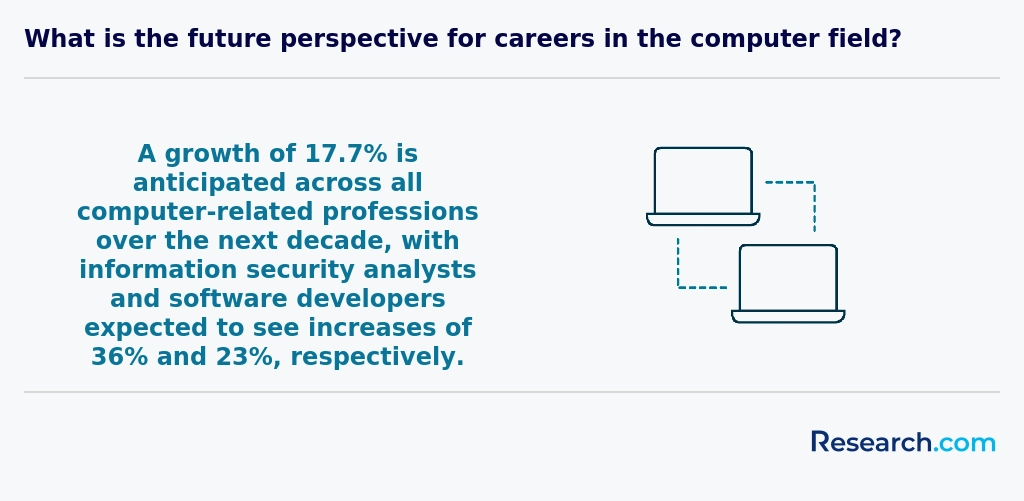
Investing in an online computer science degree in Virginia offers measurable returns when you weigh program costs against post-graduation earnings. With the average total tuition hovering around $33,300, graduates entering roles such as Software Engineer (mean annual wage $132,930) can often recoup their investment within two to three years. Factoring in living savings-thanks to eliminated commuting and housing expenses-further accelerates the break-even point and enhances the overall value of an online format. To calculate your personal ROI, consider these variables:
- Up-front Costs: Total tuition, technology fees, and recommended hardware or software purchases.
- Financial Aid Offsets: Scholarships, grants, employer tuition assistance, and state initiatives like G3 that reduce your net price.
- Expected Earnings: Median starting salaries in Northern Virginia vs. statewide averages.
- Opportunity Cost: Income foregone if you reduce work hours to study. Maximize your ROI by leveraging:
- Accelerated Tracks: Finish in under four years by taking summer or winter sessions.
- Employer Partnerships: Seek programs offering co-op placements or industry-sponsored capstone projects.
- Online Resources: Utilize career services and virtual networking to secure internships early. For graduate candidates exploring affordability beyond Virginia, compare regional master’s trends via our Cheapest Online Master's in Computer Science Degree Programs Ranking in the Midwest.
Diving into an online computer science degree in Virginia unlocks a treasure trove of financial aid options that many students discover almost by chance. Imagine a graduate from George Mason University joyfully receiving a merit-based scholarship tailored just for online STEM students-that kind of boost makes tuition feel less daunting. Completing the FAFSA is the first step to connecting with federal aid like Pell Grants, which can provide up to $7,395 without repayment, easing the pressure of that $9,000 to $25,000 annual tuition range.
State programs such as the Virginia Tuition Assistance Grant add another layer of support, especially for those attending private colleges or universities like Old Dominion. Many students tap into employer tuition reimbursement, turning their day job into an unexpected partner in achieving their degree. Veterans also find valuable support through the Post-9/11 GI Bill, making their educational journey smoother.
These financial aid paths weave together to create a rich landscape where ambition meets opportunity, making online computer science degrees in Virginia richly accessible.
Accreditation ensures your online computer science degree holds value with employers, graduate schools and certification bodies. Before enrolling, verify each program’s credentials, including:
- Regional accreditation (e.g., Southern Association of Colleges and Schools) for broad acceptance
- Program-specific accreditation (e.g., ABET) to validate computer science curricula
- State authorization to confirm eligibility for in-state tuition and licensure
Checking these credentials helps secure credit transfer, financial aid eligibility and employer confidence. For focused insight on AI-related accreditation, explore our ai degrees ranking.
Diving into an online computer science degree in Virginia often starts with having a high school diploma or GED in hand. Graduates from universities like Virginia Tech share how a solid background in math-think algebra and calculus-felt like unlocking the doors to their coursework. Imagine tackling coding challenges armed with those skills; it's a thrilling launchpad.
Many also found that having some exposure to high school computer science made the journey smoother, though it's not always a strict rule. When applying to programs at George Mason University, students often faced choices about submitting SAT or ACT scores, but the rise of test-optional policies has eased the pressure, opening the path for more adventurous learners.
If you're eyeing a graduate degree, having a bachelor's degree-preferably with some programming and data structures courses-is key. Letters of recommendation and a statement of purpose help show your passion and dedication, just like successful students from Virginia's top schools often highlight in their applications.
Diving into an online computer science degree in Virginia feels like unlocking a world of possibilities. Imagine starting with foundational courses in programming languages like Python or Java, where graduates from respected institutions like George Mason University recall their excitement building interactive apps and solving puzzles using data structures and algorithms. These early classes lay the groundwork for critical thinking and problem-solving that will propel you forward.
As you venture deeper, courses in operating systems, databases, and software engineering promise hands-on projects that mirror real tech jobs in Virginia's booming cybersecurity and government sectors. Graduates often share how tackling ethical hacking labs or designing secure networks at Virginia Tech sparked their passion for cybersecurity-a field thriving right in their backyard.
Theoretical courses, such as automata theory and discrete mathematics, might sound daunting but are embraced as fascinating challenges that sharpen your mind for innovation. Elective options like artificial intelligence and machine learning add an adventurous edge, letting students explore emerging tech trends shaping Virginia's dynamic industry landscape.
Diving into online computer science specializations Virginia offers, students at well-known universities often find themselves captivated by a range of exciting paths. Graduates frequently share how specializing in cybersecurity feels thrilling, especially given Virginia's role as a hub for federal agencies focused on protecting digital spaces. Others enthusiastic about Virginia computer science degree concentration options embrace data science, diving into machine learning and big data analytics to unlock powerful insights in healthcare or finance.
The adventure continues with software development and engineering, where learners at colleges across the state relish building scalable applications applicable to real-world challenges. Some find artificial intelligence enchanting, exploring neural networks as part of their coursework, while others enjoy networking and systems administration, mastering crucial IT infrastructure skills. These hands-on experiences, common in Virginia's online programs, bring classroom knowledge to life.
Many students discover their passion while figuring out which jobs that require coding best suit their style and strengths.
When exploring the best online computer science degree Virginia has to offer, imagine yourself juggling real projects from a university like George Mason or the University of Virginia while managing your daily life. Graduates often recall how accreditation made a huge difference-in Virginia, the Southern Association of Colleges and Schools Commission on Colleges (SACSCOC) accreditation signals a trustworthy program that opens doors. Picture diving deep into algorithms and cybersecurity modules tailored to Virginia's growing tech hubs, such as Northern Virginia's bustling industry.
Affordability also plays a thrilling role; envision balancing tuition costs with quality by uncovering affordable computer science programs Virginia schools provide, thanks to in-state rates and financial aid. Many students appreciate flexibility, tackling classes asynchronously so they can work or intern simultaneously, enhancing their career paths with support from local tech companies.
For the bold student seeking value and quality, consulting rankings like the Cheapest Online Master's in Computer Science Degree Programs Ranking in the Midwest can spark ideas for balancing cost and curricula excellence.
Graduates with an online computer science degree in Virginia dive into a vibrant world of career possibilities. Many find themselves crafting innovative software solutions, testing new applications, or maintaining complex systems. Picture a graduate from a top Virginia university starting their journey as a software developer, energized by the state's booming tech scene and attractive median salaries. Others embrace the challenge of cybersecurity, defending government agencies and contractors against ever-evolving digital threats; these roles are especially prominent around Northern Virginia.
Data science and analysis also offer exciting career pathways, where graduates transform vast data sets into strategic goldmines for companies. It's no surprise that employers here value these skills highly among Virginia computer science degree job opportunities. From alumni experiences, roles like network administration and IT project management blend technical mastery with teamwork, providing both stability and room for growth. For adventurous minds, cutting-edge fields such as AI, cloud computing, and blockchain are expanding rapidly.
Exploring these options can start with enhancing credentials through 6-month certificate programs that pay well online, a clever way to quickly boost your career potential and dive deeper into Virginia's tech landscape.
Graduates with an online computer science degree in Virginia often find themselves stepping into a lively and expanding job market, where opportunities abound thanks to the region's proximity to Washington D.C. and its tech-driven economy. Those who studied at popular institutions like Virginia Tech or George Mason University have shared how their remote learning experiences combined with strong internship programs helped them land roles in government agencies or cutting-edge financial technology firms. This aligns perfectly with the optimistic trends in Virginia computer science graduate employment rates, where sectors like cybersecurity and cloud computing are fueling growth.
Imagine starting your career in booming metro areas such as Northern Virginia or Richmond, where average salaries for IT roles can be notably rewarding. Many online degree holders appreciate how the state's evolving hybrid work culture matches their flexible lifestyle, enhancing job satisfaction. If you're curious about how to choose a program that fits your goals, exploring what is the easiest degree to get? might help you navigate your options with confidence.
2027 Most Affordable Online Computer Science Degree Programs Ranking in Virginia
Investing in your education is a significant decision that can shape your professional future, and the Research.com team recognizes the importance of making well-informed choices. To guide prospective students in Virginia, we have carefully developed the "2027 Most Affordable Online Computer Science Degree Programs Ranking in Virginia." Our dedication to quality, credibility, and accuracy is evident in the thorough research and analysis behind this ranking.
We utilized the following reputable data sources to ensure a comprehensive evaluation of computer science programs:
By exploring this ranking, readers will gain valuable insights into affordable and quality online computer science degree options in Virginia, helping them make confident decisions about their education. For more information about how this ranking was created, please visit our Research.com methodology page.


# 3 position
University of Management and Technology
Master of Computer Science

# 4 position
University of Management and Technology
Bachelor of Computer Science

Frequently Asked Questions About computer science
Online computer science degree students in Virginia can maximize their learning by taking advantage of resources offered by accredited institutions, such as virtual labs, coding platforms, and faculty office hours. Engaging actively in discussion forums helps deepen understanding and build connections with peers. Virginia's community colleges and universities often offer transfer agreements, allowing students to begin studies locally before moving online.
Staying updated with industry trends is crucial. According to the Virginia Economic Development Partnership, the tech sector is growing rapidly, increasing job demand in programming, cybersecurity, and data science. Students should seek internships or virtual projects to apply skills practically.
Additionally, using reputable certifications alongside degrees can boost employability in Virginia's competitive tech market.
Emerging niches within computer science reflect rapid technological progress and growing industry demands. In Virginia, sectors like artificial intelligence (AI) and machine learning are gaining momentum, supported by local research initiatives and government funding. According to the Virginia Economic Development Partnership, AI startups in the state have grown by over 20% in recent years.
Cybersecurity remains a critical focus, driven by increasing digital threats. Virginia hosts several federal cybersecurity centers, making specialized online degrees appealing for students targeting this niche.
Data science and cloud computing are also expanding fields. With major tech companies investing in the region, these areas offer promising career opportunities for online learners studying computer science.
After completing an online computer science degree in Virginia, preparing for the job market involves building practical skills and professional connections. Virginia hosts a growing tech industry, especially in Northern Virginia, which saw a 12% increase in computer and information technology jobs between 2020 and 2023, according to the U.S. Bureau of Labor Statistics.
Graduates should strengthen their resumes with internships, coding projects, and certifications like CompTIA or AWS. Networking through local meetups or organizations such as the Northern Virginia Technology Council can open doors to employers.
Additionally, leveraging university career services and Virginia's state job boards helps in identifying relevant job openings. Continuous learning in emerging areas like cybersecurity or AI also boosts employability in this competitive field.
Employers in Virginia highly value computer science graduates who demonstrate strong programming skills, particularly in languages like Python, Java, and C++. According to the Virginia Employment Commission, technical proficiency paired with problem-solving abilities is critical in this competitive job market. Graduates with experience in software development, data analysis, and cybersecurity are in especially high demand.
Soft skills such as teamwork, communication, and adaptability also rank among the top attributes employers seek. Many Virginia companies emphasize practical experience, so internship participation and project-based learning enhance a graduate's employability. Knowledge of cloud computing and machine learning further boosts prospects in this evolving sector.
Finding internships in Virginia that align with a computer science degree involves several practical steps. Start by leveraging resources from Virginia universities offering online computer science programs, such as career services and internship portals. According to the Virginia Employment Commission, the tech sector in Virginia grew by 8.3% from 2020 to 2023, reflecting rising internship opportunities.
Utilize statewide job boards like Virginia Workforce Connection, which frequently lists internships in tech fields. Networking through local organizations, including the Virginia Tech Innovation Campus and the Northern Virginia Technology Council, can also be highly effective. Many computer science students secure internships at major companies in Northern Virginia's tech corridor, known as the "Silicon Valley of the East."
Lastly, consider virtual internships offered by startups and firms across Virginia, which align well with online study schedules. This approach builds experience while accommodating your remote learning.
An online computer science degree in Virginia significantly enhances career mobility and advancement opportunities. With the Commonwealth's growing technology sector, professionals holding such degrees often meet the increasing demand for skilled workers. According to the Virginia Employment Commission, computer and information technology occupations are projected to grow by 16% from 2020 to 2030, faster than the average for all jobs.
Graduates can pursue roles in software development, cybersecurity, and data analysis, which are highly valued in Virginia's job market. An accredited online degree offers flexibility, allowing professionals to upskill without interrupting their careers.
Employers in Virginia increasingly recognize online qualifications, especially from regionally accredited institutions, supporting promotions and salary growth.
Online computer science degrees in Virginia emphasize interdisciplinary skills by integrating courses beyond core programming and algorithms. Many programs include studies in fields like data science, cybersecurity, healthcare informatics, and business analytics. This approach prepares students to apply technical knowledge across industries.
Virginia's universities often collaborate with local industries, providing students exposure to practical, cross-disciplinary projects. According to the Virginia Department of Education, over 70% of computer science graduates find roles merging technology with other fields such as finance, healthcare, or government services.
Programs also develop communication and problem-solving skills essential for teamwork with professionals from diverse backgrounds, enhancing adaptability in interdisciplinary roles.
When choosing between a thesis and a non-thesis online computer science degree program in Virginia, consider your career goals and learning preferences. Thesis programs emphasize research and typically require original work, preparing students for doctoral studies or research roles. Non-thesis programs focus more on coursework and practical skills, suitable for those aiming at industry positions.
Virginia hosts several universities offering online computer science degrees, and as of 2023, the state's tech sector employed over 100,000 professionals, according to the Virginia Employment Commission. Research-intensive programs may align better with employers valuing innovation and development.
Additionally, thesis tracks often take longer to complete due to research demands, while non-thesis options usually allow faster graduation.
Students based in Virginia interested in studying computer science abroad have several options through exchange programs and dual degrees offered by Virginia universities. Many institutions in the state partner with international universities, allowing students to complete part of their degree overseas while staying enrolled at home. According to the Virginia Department of Education, such programs broaden technical skills and cultural understanding without sacrificing credit transferability.
For fully online degrees, some Virginia schools collaborate with overseas institutions, offering joint certificates in computer science topics. However, most international programs require students to meet U.S. accreditation standards to ensure degree recognition.
Students should consult the specific programs at Virginia's major universities like Virginia Tech or the University of Virginia, which often provide advising on education abroad opportunities customized to computer science. These options can maximize learning flexibility while gaining global exposure.
Part-time job opportunities in Virginia that complement a computer science degree often involve roles in IT support, web development, and software testing. These positions provide practical experience alongside academic learning, enhancing coding skills and understanding of real-world applications.
Virginia's tech industry is robust, with areas like Northern Virginia hosting numerous tech firms. According to the Bureau of Labor Statistics, computer and IT occupations in Virginia are projected to grow by 12% from 2022 to 2032, offering increasing part-time opportunities.
Students may also find roles in cybersecurity firms or internships with government agencies, which are prominent employers in Virginia and align well with computer science studies.
Online computer science students in Virginia have multiple networking opportunities through university-sponsored events, professional organizations, and virtual communities.
Many accredited Virginia universities offering online CS degrees connect students with local tech industry professionals using job fairs and guest lectures. For example, Virginia Tech and George Mason University often host virtual career events in partnership with companies like Amazon and Capital One, which employ thousands of computer science graduates statewide (Virginia Economic Development Partnership).
Students can also join groups like the Virginia Tech ACM Chapter or the Northern Virginia Tech Council, which provide access to workshops, hackathons, and mentorship programs tailored for software engineers.
Furthermore, statewide organizations such as the Virginia Technology Council offer online forums and networking platforms, helping students build relationships beyond their campus and meet influential people in the Commonwealth's tech industry.
Alumni networks offer valuable benefits for online computer science degree students in Virginia by providing career support and professional connections. These networks often include graduates working in prominent tech companies and government agencies within the state, enhancing job placement opportunities. According to the Virginia Economic Development Partnership, Northern Virginia is a major tech hub, making alumni contacts especially useful for internships and employment.
Members typically gain access to exclusive job boards, mentorship programs, and networking events tailored to computer science fields. This community connection supports skill development and helps graduates stay updated with industry trends. Such networks can increase a student's chances of securing competitive roles in Virginia's growing tech sector.
Customizing an online computer science degree program in Virginia allows students to align their education with specific career goals. Many Virginia universities offer elective courses in areas like cybersecurity, data science, or software development, enabling students to focus on in-demand skills. According to the Virginia Employment Commission, jobs in computer and information technology are expected to grow by 15% through 2030, making specialization valuable.
Students can also choose capstone projects or internships that match their desired industry, gaining practical experience. Some programs provide flexible course sequencing and certificates alongside degrees, further tailoring education. This adaptability helps graduates meet Virginia's evolving tech workforce needs.
Online computer science students in Virginia often face challenges related to balancing rigorous coursework with personal and professional responsibilities. The demanding nature of programming assignments and projects can require significant time investment. Virginia ranks among states with a high concentration of tech jobs, which may increase pressure on students to gain relevant experience simultaneously.
Connectivity issues and access to specialized software can also hinder learning, especially for those in rural areas. According to the Virginia Department of Education, about 13% of rural households lack high-speed internet, limiting access to synchronous online learning tools.
Additionally, some students find it difficult to engage fully without face-to-face interaction, which can affect networking and collaboration opportunities critical in computer science fields.
Completing an online computer science degree in Virginia opens the door to several valuable professional certifications. Common choices include the Certified Information Systems Security Professional (CISSP), which is highly regarded in cybersecurity fields. Another popular certification is the Certified Software Development Professional (CSDP), useful for software engineering roles. For networking, many graduates pursue the Cisco Certified Network Associate (CCNA).
The Virginia Employment Commission reports growing demand for IT professionals with certifications, boosting employability and salary potential. Certifications like CompTIA Security+ and Certified Ethical Hacker (CEH) also align well with skills gained during an online degree.
These certifications typically require passing exams and relevant experience, making them attainable next steps after graduation. They verify proficiency and commitment within the competitive Virginia tech job market.
To write a winning application for an online computer science program in Virginia, start by carefully reviewing each school's admission requirements on their official websites. Most programs expect a strong academic record in mathematics and science, along with standardized test scores if applicable. Highlight any relevant work experience or projects that demonstrate your programming skills.
Craft a clear, concise personal statement that explains your interest in computer science and how the program aligns with your career goals. According to the Virginia Community College System, emphasizing problem-solving and analytical abilities can strengthen your application.
Secure strong recommendation letters from academic or professional references familiar with your technical abilities. Lastly, ensure all materials are submitted before deadlines, as competitive programs like those at George Mason University receive many qualified applicants each year.
The global outlook on careers in computer science highlights strong and growing demand across many countries, including the United States. In Virginia, the tech industry is expanding rapidly, supported by government agencies and private sectors, leading to promising opportunities for graduates.
According to the Virginia Employment Commission, jobs in computer and information technology are projected to grow by 18% through 2030, outpacing many other fields.
This trend reflects a broader international emphasis on digital innovation and cybersecurity. Globally, computer science professionals are valued for their skills in software development, data analysis, and artificial intelligence, making the field versatile and future-oriented.
Graduates with an online computer science degree from Virginia can expect to compete in both local and international job markets, benefiting from the state's strong technological infrastructure and educational resources.
Gaining practical experience during an online computer science degree in Virginia is essential for career readiness. Many Virginia universities encourage students to pursue internships with local tech firms or government agencies. The Virginia Economic Development Partnership reports that Northern Virginia hosts over 3,000 technology companies, providing ample internship opportunities.
Students can also participate in virtual labs and coding projects offered through their programs. These simulate real-world problems and build hands-on skills. Additionally, joining Virginia-based tech meetups or hackathons helps connect with professionals and gain experience.
Finally, capstone projects often require practical applications of coursework, preparing students for the workforce.
Choosing the right concentration within an online computer science degree in Virginia depends on your career goals and interests. Common concentrations include cybersecurity, software development, data science, and artificial intelligence. Virginia's tech industry, especially in Northern Virginia, has a high demand for cybersecurity professionals, with a 12% job growth projected by the U.S. Bureau of Labor Statistics through 2030.
Research local job market trends and employer requirements before selecting a focus. Many Virginia institutions offer flexible online options with specializations aligned to regional industry needs. Reviewing the curriculum and faculty expertise can also help identify programs that suit your skills and future plans.
- 2027 Most Affordable Online Computer Science Degree Programs Ranking in Illinois
- 2027 Most Affordable Computer Science Degree Programs Ranking in West Virginia
- 2027 Most Affordable Computer Science Degree Programs Ranking in Maryland
- 2027 Most Affordable Computer Science Degree Programs Ranking in Tennessee
- 2027 Most Affordable Computer Science Degree Programs Ranking in Pennsylvania
- 2027 Most Affordable Computer Science Degree Programs Ranking in South Carolina
- 2027 Most Affordable Computer Science Degree Programs Ranking in Ohio
- 2027 Most Affordable Computer Science Degree Programs Ranking in New York
- 2027 Most Affordable Computer Science Degree Programs Ranking in Alabama
- 2027 Most Affordable Computer Science Degree Programs Ranking in Connecticut
See What Experts Have To Say About Studying Computer Science
Read our interview with Computer Science experts

Imed Bouchrika, Phd
Computer Science Expert
Professor of Computer Science
National Higher School of Artificial Intelligence

Elan Barenholtz
Computer Science Expert
Associate Professor
Florida Atlantic University

Martin Kang
Computer Science Expert
Assistant Professor
Loyola Marymount University

Kathleen M. Carley
Computer Science Expert
Professor of Computer Science
Carnegie Mellon University

- What certifications should I get for computer science? | edX https://www.edx.org/resources/certifications-computer-science
- Alumni computer science dual https://www.fbi.h-da.de/en/informieren/ueber-uns/alumni/alumni-computer-science-dual
- Online Degree vs. Traditional: Choosing the Right Path https://beal.edu/online-degree-vs-traditional/
- How AI Is Transforming Computer Science Careers | Role of AI https://www.gisma.com/blog/how-ai-is-transforming-computer-science-careers
- Computer Science - Programs & Training at Virginia Western https://www.virginiawestern.edu/academics/science-engineering/computer-science/
- Beyond the Degree: Unveiling the Potential of a Computer Science Degree in Today's Job Market https://www.belmont.edu/stories/articles/2024/computer-science-degree-potential.html
- Explore a Degree in Computer Science in Virginia | ComputerScience.org https://www.computerscience.org/online-degrees/virginia/
- Study Computer Science Abroad | Go Overseas https://www.gooverseas.com/study-abroad/computer-science
- 8 Tips for Computer Science Graduates to Get Their First Job https://allthecode.co/blog/post/tips-for-computer-science-graduates-to-get-their-first-job
- A Holistic Approach to Studying Interdisciplinary Collaboration: Computer Science https://sciety.org/articles/activity/10.21203/rs.3.rs-8694985/v1