2027 Most Affordable Computer Science Degree Programs Ranking in Vermont

Co-Founder and Chief Data Scientist
Choosing the right computer science degree program can be exciting yet challenging, especially when cost matters. This article introduces the 2027 Most Affordable Computer Science Degree Programs Ranking in Vermont, created by the Research.com team of data scientists. The ranking offers clear insights to help you make an informed decision about where to study.
Discover programs that balance quality education and affordability, opening doors to rewarding tech careers. Reading this guide empowers you to take confident steps toward achieving your goals in the thriving field of computer science.
Key benefits of getting computer science degree in Vermont
- Salary: Computer science graduates in Vermont can expect strong earnings, with roles like Software Engineer and Software Developer averaging about $138,110 annually, while Data Analysts earn around $119,040.
- Career paths: Graduates from Vermont universities often find rewarding opportunities in software development, web design, and IT support, offering diverse and growing industries to enter.
- Online degrees: Earning a computer science degree online from a Vermont institution offers flexibility and convenience, allowing you to balance work and study while gaining the same valuable skills as traditional programs.
- 2027 Most Affordable Computer Science Degree Programs Ranking in Vermont
- What can I expect from computer science degree in Vermont?
- Where can I work with computer science degree in Vermont?
What can I expect from computer science degree in Vermont?
The average cost of earning a computer science degree in Vermont typically ranges between $35,000 and $50,000 for undergraduate programs at institutions like the University of Vermont (UVM) and Champlain College. Many graduates recall how this investment was worthwhile, as the quality of education combined with close faculty support made every dollar count.
At UVM, students experience hands-on projects and research opportunities that turn theory into real-world skills, preparing them to confidently enter Vermont's tech workforce. Champlain College students often highlight internships and cooperative learning that connect them directly with local companies, making their education feel vibrant and purposeful.
Balancing cost with such rich learning environments helps students feel empowered. They graduate not only with strong technical skills but also with personal stories of growth, persistence, and practical achievements that brighten their career paths. Vermont's computer science degrees offer more than knowledge-they offer a meaningful start to a fulfilling tech career close to home.
Where can I work with computer science degree in Vermont?
Graduates with a computer science degree in Vermont enjoy vibrant career opportunities across multiple thriving sectors. Many find rewarding roles in Burlington's fast-growing tech companies, where they develop innovative software, strengthen cybersecurity, or analyze data to drive business success. Imagine applying the coding skills learned at the University of Vermont directly in dynamic startups or established firms that value your fresh perspectives.
Healthcare also offers fulfilling pathways, with graduates supporting critical IT systems in places like the University of Vermont Medical Center. Working here means contributing to better patient care through technology, an inspiring setting to see your efforts make a real difference every day.
Those from Vermont Technical College often enter education or government roles, enhancing digital learning environments and securing important public-sector networks. These positions bring stability and the chance to support your community using your tech expertise.
With a competitive average salary and remote work options expanding, studying computer science in Vermont opens doors to meaningful work that matches your passion and hometown pride.
Graduates from computer science programs at Vermont's universities often find themselves stepping into rewarding careers with strong earning potential. For example, software engineers and developers in Vermont can expect mean annual wages around $138,110, reflecting the high demand for tech talent in the region. This impressive figure demonstrates how local graduates are well-positioned to compete in the broader tech market while enjoying Vermont's quality of life.
Web developers typically earn about $95,570 per year, a figure that shows there's solid income potential even in specialized roles within Vermont's tech hubs like Burlington. Meanwhile, IT support specialists bring in a mean annual wage near $63,640, highlighting accessible entry points into the industry for recent grads.
Data analysts also see lucrative opportunities, with average earnings around $119,040 annually, especially when combining technical skills learned at Vermont colleges with real-world experience. Many graduates share how internships and community connections helped them advance quickly, opening doors to fulfilling salaries in finance, healthcare, and government sectors here.
Choosing to study computer science in Vermont means joining a community where your skills are valued and your career can thrive with competitive compensation and meaningful work.
- Annual tuition for in-state students at public universities like the University of Vermont ranges from $17,000 to $21,000, while private colleges can charge over $50,000 per year.
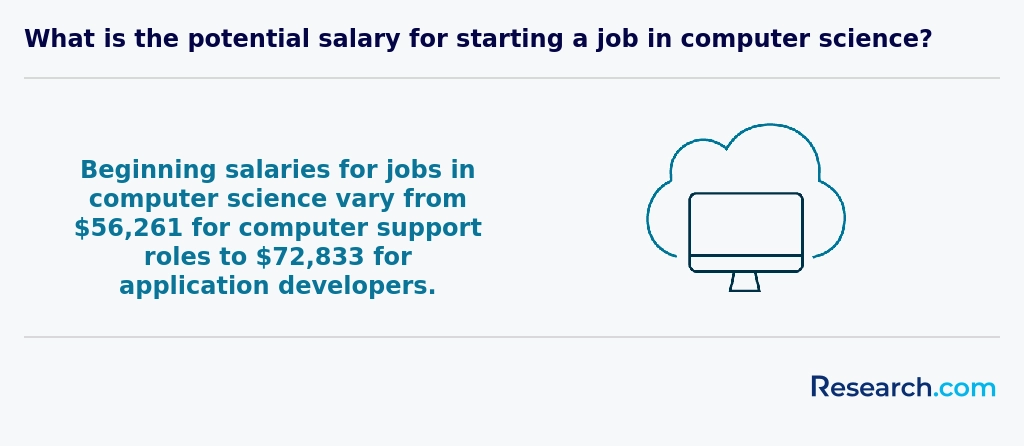
- Entry-level computer science jobs in Vermont offer average starting salaries around $65,000 annually.
- Mid-career and senior roles in the state pay between $90,000 and $120,000 per year.
- Job growth for computer science roles in Vermont is projected to increase by about 10% over the next decade.
- Many Vermont colleges provide internship and cooperative education programs that connect students with local tech businesses and startups for practical experience.
Completing a computer science degree in Vermont typically takes about four years, a journey filled with growth and exciting challenges. Many graduates from the University of Vermont and Saint Michael's College proudly share how following a well-structured course plan helped them stay on track while exploring fascinating topics like programming and algorithms. Imagine balancing your passion for technology with campus life, making new friends, and gradually building the skills that will launch your career.
For those balancing work or other commitments, the path might extend to five or six years, but every step brings valuable experience and determination. Vermont's community colleges also offer two-year associate degrees, perfect for those eager to start quickly and transfer later to a four-year program. These flexible options empower students to craft their unique educational journey with confidence and excitement, ready to embrace the booming tech world.
Ensuring that your chosen Computer Science program is accredited by reputable agencies is essential for both educational quality and employer recognition. In Vermont, most leading institutions, including the University of Vermont and Champlain College, hold accreditation from the New England Commission of Higher Education (NECHE) and programmatic recognition from ABET, the premier accreditor for computing disciplines. ABET accreditation signifies that a curriculum has met rigorous standards in areas such as curriculum design, student outcomes, faculty qualifications, and continuous improvement processes. When evaluating program quality, consider factors such as:
- Faculty Expertise: Look for programs where professors actively publish research in areas like artificial intelligence, cybersecurity, and data science. Faculty with industry experience often bring practical insights to the classroom.
- Research Opportunities: Accredited programs frequently offer undergraduate research labs, hackathons, and capstone projects that align with current industry trends, enhancing your resume.
- Student-to-Faculty Ratio: Smaller class sizes facilitate personalized mentorship, leading to deeper engagement and better learning outcomes.
- Industry Partnerships: Strong connections with tech companies translate into internships, workshops, and job placement pipelines, ensuring graduates are career-ready. Accreditation also impacts financial aid eligibility and credit transferability. Before committing, verify accreditation details on each institution’s website and consult the U.S. Department of Education’s database for official status. For a broader perspective on affordability and quality, explore our Low Cost Computer Science Degree Programs Ranking in Michigan, which highlights similarly accredited programs with low tuition and high academic standards.
In Vermont, choosing between an online and an on-campus computer science degree means embracing two inspiring pathways, each with unique strengths. On-campus programs at institutions like the University of Vermont immerse students in dynamic environments full of hands-on labs, lively group projects, and face-to-face mentorship. Imagine collaborating in a buzzing computer lab or networking at a career fair-these moments fuel confidence and build lasting connections.
Conversely, online degrees offer incredible flexibility, perfect for Vermont students balancing work or family. Graduates appreciate accessing coursework anytime, anywhere, especially from the comfort of their homes in scenic Vermont towns. Online learners develop strong self-discipline and enjoy significant savings by avoiding commuting or housing costs.
Both formats are rooted in rigorous accreditation, ensuring a high-quality education. Whether energized by on-campus buzz or empowered by remote autonomy, Vermont's computer science students find paths that fit their lifestyles and ambitions perfectly.
Maximize affordability without sacrificing quality by planning each step of your education journey:
- Start at a community college for lower per-credit rates and transfer agreements with Vermont universities
- Earn college credits through AP, IB or CLEP exams to reduce required coursework
- Opt for online or hybrid courses-tuition savings on housing and travel add up quickly
- Apply early for STEM-focused scholarships, state grants and employer tuition assistance programs
- Transfer all eligible credits and compare per-credit costs before enrolling in upper-division courses
For continued growth at minimal cost, consider affordable graduate pathways such as data science masters programs online.
The average cost of a computer science degree in Vermont typically centers around $49,740 for in-state students, making it an achievable goal for many aspiring tech professionals. Public institutions like the University of Vermont offer competitive tuition rates that inspire graduates to pursue their dreams without overwhelming financial burdens. Out-of-state students may encounter higher costs near $66,596, but many find scholarships and financial aid opportunities that make studying in Vermont accessible and rewarding.
Graduates from Vermont's colleges often share how manageable costs allowed them to focus on their passions-creating innovative software, engaging in collaborative projects, and preparing for careers in rapidly evolving tech fields. The total expenses for computer science degree Vermont students face include tuition as well as fees, textbooks, and living costs. Yet, many find that budgeting wisely and leveraging campus financial resources helps them complete their degrees successfully.
Students interested in exploring options can look at the top computer science schools in Vermont, where programs combine strong academics with community support. Those who begin at community colleges with transferable credits often feel empowered by a lower-cost pathway that leads to four-year degrees with outstanding value. With careful planning and determination, earning a computer science degree in Vermont is well within reach and opens doors to a bright future.

Students considering a Computer Science degree in Vermont benefit not only from a robust academic curriculum but also from a vibrant campus life that enriches their personal and professional growth. Facilities such as modern labs, collaborative workspaces, and tech innovation centers foster creativity and practical learning, while student organizations and tech clubs provide avenues for networking, mentorship, and peer-to-peer learning. Campuses frequently host hackathons, coding bootcamps, and industry seminars that allow students to interact directly with professionals and alumni, building valuable contacts and reinforcing classroom concepts with real-world insights. This blend of academic rigor with extracurricular engagement further helps students transition confidently into the workforce. Additionally, prospective students can explore more details about the environment at top computer science schools in vermont, further solidifying their understanding of what makes Vermont an attractive destination for both learning and career development.
Students pursuing a computer science degree in Vermont enjoy access to a variety of empowering financial aid options that make their educational dreams within reach. Many graduates from institutions like the University of Vermont or Norwich University share how federal aid through FAFSA opened doors with Pell Grants-offering up to $7,395 for the 2023-2024 year-that directly eased their tuition worries.
State programs, especially those through the Vermont Student Assistance Corporation (VSAC), provide valuable scholarships, grants, and low-interest loans designed to support hardworking Vermont residents studying computer science. Imagine receiving the VSAC Vermont Incentive Grant that helps lighten your financial load as you focus on mastering coding and software development.
Merit-based scholarships aimed at computer science majors highlight academic excellence and leadership, motivating students to excel. Combined with work-study opportunities, students gain real-world experience while earning income within their departments-turning their passion into practical skills and financial independence.
This holistic approach makes pursuing a computer science degree in Vermont both inspiring and achievable, bringing students closer to the vibrant careers they envision.
To submit a competitive application for Vermont computer science programs, follow this clear timeline and checklist:
- Research each school’s admission deadlines-many fall intake applications close between October and January
- Gather official transcripts, standardized test scores (if required), and draft a concise personal statement
- Complete the FAFSA and any institutional aid forms by priority dates to maximize financial support
- Request two to three recommendation letters at least four weeks before your earliest deadline
- Submit all materials through each campus portal and confirm receipt via email or applicant dashboard
- Schedule on-campus tours or virtual info sessions to assess fit and clarify program details
- Explore specialized online pathways, such as a game design online degree, to broaden your skill set
To embark on your computer science journey in Vermont, securing a high school diploma or equivalent forms your confident first step. Graduates from the University of Vermont often reflect on how a strong grasp of algebra and geometry empowered them to tackle complex coding challenges with ease, inspiring a deep love for problem-solving.
Many programs encourage submitting SAT or ACT scores, especially highlighting math performance-something past students have found opens doors to advanced coursework and research opportunities. English proficiency is equally vital, as it sharpens your ability to communicate innovative ideas clearly, just as successful Vermont Tech graduates have demonstrated in collaborative projects.
Having some exposure to programming before starting classes can boost your confidence. Imagine understanding the basics of coding before your first lecture-it transforms nerves into excitement and curiosity. Vermont's supportive learning environments nurture these early skills, helping you thrive and turn your passion for technology into rewarding achievements.
Many students weigh the cost of a Computer Science degree in Vermont against their future earnings to determine true affordability. On average, graduates incur $28,000 in student loan debt, while starting salaries for entry-level software engineers hover around $75,000 annually. This debt-to-income ratio translates to a payback period of approximately 4 to 5 years for most in-state students. By comparison, out-of-state graduates may see a slightly longer payback period of up to 6 years, depending on scholarship and grant aid received. Beyond salary, it’s essential to consider long-term earnings growth. Data analysts and web developers in Vermont report average mid-career salaries of $95,000 and $88,000 respectively, reflecting steady demand for tech talent. Graduates who pursue specialized tracks-such as cybersecurity or cloud computing-often command higher starting wages, further shortening their break-even timeline. For those exploring broader career opportunities, our guide to in demand coding jobs details roles with the strongest growth prospects and earning potential. To maximize return on investment, students should leverage campus resources such as career services, alumni mentoring programs, and internship pipelines. Securing a paid internship can offset tuition costs and enrich your resume, reducing reliance on loans. Additionally, applying early for state and federal aid through the FAFSA and VSAC increases access to grants that do not require repayment. When comparing programs, factor in graduation rates and job placement statistics alongside tuition to ensure the best financial outcome for your Computer Science education in Vermont.
In Vermont, computer science students at schools like the University of Vermont and Champlain College dive into a curriculum designed to ignite passion and build mastery. Early courses introduce you to programming languages such as Python, Java, or C++, creating the essential building blocks for problem-solving in technology.
Imagine developing efficient algorithms that power everyday apps or understanding computer architecture to optimize device performance-this hands-on knowledge shapes capable graduates ready to innovate.
As you grow, Vermont's programs guide you through dynamic fields like Artificial Intelligence and Cybersecurity, preparing you for the challenges of tomorrow's tech landscape. Graduates often share how projects involving real-world data and internship experiences with local companies deepen their confidence and excitement for their careers.
Courses in operating systems, software engineering, databases, and computer networks blend theory with practical skills, empowering you to create impactful solutions and thrive in diverse computing roles across Vermont's emerging tech community.
Vermont's computer science degree specializations open doors to exciting career paths tailored to your passions and strengths. At institutions like the University of Vermont and Champlain College, students choose focused tracks such as Software Engineering, Cybersecurity, Data Science and Analytics, Artificial Intelligence and Machine Learning, and Computer Networks. Graduates often share how diving deep into cybersecurity made them confident defenders against digital threats, while others found joy in mastering data visualization to make complex information accessible and impactful.
These paths are designed not just to educate but to inspire, with real-world projects that connect classroom learning to thriving local tech industries. Whether protecting sensitive information or building cutting-edge applications, these concentrations empower students to thrive in Vermont's vibrant job market. Graduates from top programs embrace these skills, confidently stepping into fields with robust growth.
Choosing the best computer science concentrations in Vermont means aligning your studies with both your interests and promising career opportunities. To discover the range of in demand coding jobs you can pursue, Vermont's specializations are a launching pad for success.
Choosing the best computer science degree in Vermont starts with focusing on programs that offer strong, hands-on experiences in areas like algorithms, cybersecurity, and software development. Graduates from popular institutions in Vermont often share how real-world projects and internships made their learning exciting and directly connected to the tech industry's demands. This practical exposure builds confidence and prepares students for rewarding careers.
Many students also emphasize the peace of mind gained by enrolling in accredited programs recognized by ABET, ensuring high academic standards and trusted credentials across the industry. Vermont's blend of part-time and online options lets you balance life and study, resonating with those juggling work or family responsibilities. For anyone mindful of expenses, exploring affordable computer science degrees Vermont offers, including financial aid, can make a huge difference.
For examples of cost-effective paths, consider checking out the Low Cost Computer Science Degree Programs Ranking in Michigan to get inspiration on affordable choices nearby that complement Vermont's options.

Graduates holding a computer science degree in Vermont find an inspiring array of career paths that blend innovation with real-world impact. Many have launched rewarding journeys as software developers within Vermont's vibrant startup ecosystem, where creativity meets technology. Others thrive as data analysts or cybersecurity specialists, playing critical roles in healthcare, finance, and government sectors that value sharp analytical skills and data protection. At institutions like the University of Vermont, students share stories of transforming their passion into sustainable careers, fueled by strong local demand for systems analysts and web developers.
The warmth and flexibility of Vermont's tech community open doors to remote work opportunities, allowing graduates to balance life and career while contributing to companies beyond state lines. Exploring computer science jobs in Vermont means stepping into a future where adaptive skills and innovation are highly valued. Many graduates also pursue further education through the easiest way to get a master's degree, enhancing their expertise and expanding possibilities in this dynamic field.
The computer science job outlook Vermont is bright and full of opportunity, especially for graduates from well-known institutions like the University of Vermont. Many graduates feel energized by Vermont's growing tech scene, where small startups and established companies alike seek talented software developers and IT specialists. These students often share stories about landing internships through university programs that turn into full-time remote positions, giving them the flexibility to work nationwide while enjoying Vermont's unique lifestyle.
Vermont computer science career opportunities also benefit from the state's supportive environment for innovation and workforce growth. Graduates appreciate how local businesses and universities collaborate on projects, providing real-world experience that builds confidence and skills. The average entry-level salary range, typically $55,000 to $70,000, motivates students to pursue their ambitions right at home. For those aiming higher or balancing work with study, exploring a cheap online master program offers a practical path forward.
2027 Most Affordable Computer Science Degree Programs Ranking in Vermont
Investing in your education is a significant decision that can profoundly impact your future, and the Research.com team is dedicated to supporting you in making well-informed choices. To provide clarity and guidance, we have carefully developed the "2027 Most Affordable Computer Science Degree Programs Ranking in Vermont." Our unwavering commitment to quality, credibility, and accuracy is demonstrated through rigorous research and analysis.
We utilized the following reputable data sources to ensure a comprehensive evaluation of computer science degree programs:
By exploring this ranking, readers will gain valuable insights into affordable, high-quality computer science programs in Vermont, aiding in confident and effective educational decisions. For more information on how this ranking was created, please visit our Research.com methodology page.


Frequently Asked Questions About computer science
Computer science degree students in Vermont can maximize their learning experience by engaging with both academic and practical opportunities available in the state. Vermont's institutions often emphasize hands-on projects, which help students apply theoretical knowledge. Participating in internships or cooperative education programs with local tech companies or government agencies strengthens real-world skills. According to Vermont's Department of Labor, the technology sector is growing steadily, offering promising job prospects for students who gain experience before graduating.
Students should also join study groups and technology clubs to foster collaboration and problem-solving. Utilizing Vermont's public university resources, such as the University of Vermont's computer science labs, provides access to up-to-date software and expert faculty. Networking through local tech events and conferences further broadens opportunities for mentorship and employment.
Emerging niches within the computer science field are shaping the future of technology, especially for students pursuing degrees in Vermont. One rapidly growing area is artificial intelligence (AI) and machine learning, where Vermont universities have increased course offerings due to rising demand. According to the Vermont Department of Labor, jobs related to AI are projected to grow by 35% in the state by 2030. Another key niche is cybersecurity, fueled by the need to protect data in industries like healthcare and finance.
Additionally, data science and big data analytics are gaining traction, with local employers seeking graduates who can analyze complex datasets. Blockchain technology and quantum computing are also emerging but remain specialized fields. Students should consider these areas when choosing their educational path, as they promise strong employment opportunities in Vermont's evolving tech landscape.
Graduates with a computer science degree in Vermont should focus on gaining practical experience through internships and cooperative education programs. These opportunities help develop real-world skills and increase employability in a competitive job market. According to the Vermont Department of Labor, the technology sector in the state is growing steadily, with a 5% annual increase in IT jobs expected through 2028.
Networking is also crucial; attending local tech meetups and industry events can connect students with potential employers. Additionally, acquiring certifications in areas like cybersecurity or cloud computing can enhance a resume and demonstrate specialized expertise to recruiters.
Building a strong portfolio of projects and contributing to open-source work can further showcase abilities to hiring managers. Finally, utilizing Vermont's university career services can provide tailored job search support and access to local employer contacts.
Employers in Vermont seek computer science graduates with strong technical skills, including proficiency in programming languages like Python, Java, and C++. According to the Vermont Department of Labor, demand for software developers and computer programmers is projected to grow by 15% through 2030. Beyond coding, critical thinking and problem-solving abilities are essential, as companies face complex technology challenges.
Communication skills are also highly valued, enabling graduates to collaborate across teams and explain technical concepts to non-experts. Familiarity with cloud computing, cybersecurity, and data analysis tools enhances job prospects in the state's growing tech sector.
Internships and hands-on experience often give candidates a competitive edge, emphasizing the importance of practical learning alongside academic achievement.
Finding internships in Vermont relevant to a computer science degree involves leveraging local resources and statewide networks. The state's tech sector, though smaller than in major metropolitan areas, is growing due to startups and established firms in Burlington and Montpelier. According to the Vermont Department of Labor, the information technology industry has seen a steady increase in job openings, offering internship opportunities for students.
University career centers, such as those at the University of Vermont, often maintain partnerships with local companies. These centers provide job fairs, resume workshops, and direct listings of internship positions. Additionally, online platforms like Handshake cater to Vermont students specifically.
Joining local professional groups like the Vermont Technology Alliance can also help students connect with employers. Networking at tech meetups enhances access to unadvertised internships. Early application and tailored resumes increase chances of securing competitive roles in the state's computer science field.
A computer science degree significantly enhances career mobility and advancement opportunities in Vermont. The state's growing tech sector, including companies in Burlington and surrounding areas, values candidates with strong technical backgrounds. According to the Vermont Department of Labor, employment in computer and mathematical occupations is projected to grow by approximately 18% from 2022 to 2032, faster than the average for all occupations.
Graduates with computer science degrees often move into roles such as software developers, IT managers, or data analysts, which offer competitive salaries and potential for leadership positions. Higher education credentials also provide access to specialized certifications and professional networks that aid career progression within Vermont's industries.
Studying computer science in Vermont equips students with skills applicable across various fields. Vermont's universities often emphasize collaboration between computer science and other departments like biology, business, and engineering.
For example, the University of Vermont offers courses that integrate data science with environmental studies, preparing students to tackle real-world problems. According to the National Center for Education Statistics, interdisciplinary coursework is growing in Vermont's computer science programs to meet workforce demands.
This approach enables graduates to work in diverse industries such as healthcare, finance, and government technology, where coding and analytical skills combine with domain-specific knowledge. Employers in Vermont increasingly seek candidates who can bridge technology and other disciplines, reflecting national trends shown by the Bureau of Labor Statistics.
Choosing between a thesis and a non-thesis computer science degree program in Vermont depends largely on your career goals and learning preferences. A thesis program emphasizes research and requires completing a substantial original project, which is ideal if you plan to pursue a PhD or a research-heavy role. According to the U.S. Department of Education, about 30% of graduate computer science students nationwide choose thesis options to deepen research skills.
Non-thesis programs focus more on coursework and practical skills, which suits students targeting industry jobs, especially in Vermont's growing tech sector around Burlington and Montpelier.
Consider also program length and funding; thesis programs often offer teaching assistantships, while non-thesis might be shorter.
Students based in Vermont interested in studying computer science abroad have several options through exchange programs and partnerships facilitated by Vermont colleges. The University of Vermont, the state's largest university, offers study abroad opportunities in Europe and Asia, allowing computer science majors to gain international experience while earning credits toward their degree. According to the Institute of International Education, about 10% of U.S. study abroad participants are STEM majors, including computer science, reflecting growing interest in global tech education.
Many Vermont institutions collaborate with programs like Semester at Sea and CIEE, which provide structured computer science courses abroad. Additionally, students may apply for U.S. Department of Education grants to assist with expenses.
Vermont offers several part-time job opportunities that complement computer science degree education, especially within its growing tech and startup sectors. Students can find roles such as software development interns, IT support technicians, and data analysts. These positions provide practical experience in coding, systems management, and data handling, crucial for computer science proficiency.
According to the Vermont Department of Labor, the technology sector has grown by approximately 5% annually, increasing demand for tech-savvy students. Additionally, remote work options have expanded, enabling Vermont students to work for companies outside the state.
Local colleges often partner with businesses to offer co-op programs, which combine coursework with professional experience aligned with students' academic goals.
Vermont offers computer science students multiple networking opportunities that can enhance their academic and professional growth. Universities like the University of Vermont and Champlain College hold regular events, such as tech meetups and career fairs, connecting students with local employers. According to the Vermont Department of Labor, the tech sector in Vermont has grown steadily, increasing demand for software developers and IT specialists.
Students can also join student-run organizations, such as the Association for Computing Machinery (ACM) chapters, which provide workshops and guest lectures from industry professionals. Additionally, Vermont hosts several regional tech conferences where students can network with experts and peers. These opportunities help build relationships critical for internships and career advancement.
Alumni networks offer significant advantages to computer science students in Vermont. Graduates from local universities often remain active in supporting current students through mentorship and career advice. According to the Vermont State Colleges system, over 75% of computer science graduates find employment within six months, partly due to connections made via these networks.
These networks provide access to internships and job openings at prominent Vermont tech firms, such as DealerSocket and Dealer.com. Additionally, they facilitate attendance at exclusive events, workshops, and hackathons, which enhance practical skills and professional growth.
Participation in alumni groups can also foster collaborations on projects and research, boosting students' portfolios before graduation. Overall, strong alumni ties contribute to a supportive professional community that benefits Vermont computer science students in multiple ways.
In Vermont, students pursuing a computer science degree can customize their programs through elective courses, specializations, and internships. Many institutions offer options like software development, cybersecurity, or data science tracks, allowing students to align studies with career goals. According to the National Center for Education Statistics, Vermont colleges typically require 120-130 credit hours, with about 30-40% dedicated to general education and electives, giving flexibility for tailored learning.
Additionally, partnerships with local tech firms provide internships that build practical skills and professional networks. Students may also engage in undergraduate research projects, often supported by faculty, to deepen expertise in areas of interest. Customization helps graduates meet industry demands while leveraging Vermont's growing tech sector, noted by the Vermont Department of Labor for an expected 12% growth in computer and information technology jobs through 2030.
Computer science students in Vermont often face several challenges that can impact their academic success. One key issue is limited access to local internship opportunities, as Vermont has a smaller tech industry compared to major urban centers. This can make gaining practical experience more difficult during studies. According to the Vermont Department of Labor, tech job growth in the state is steady but modest, which affects immediate work placements.
Another challenge involves balancing rigorous coursework with other responsibilities. Many students juggle part-time jobs or internships alongside demanding computer science classes that require strong problem-solving and programming skills.
Additionally, some programs may have fewer elective courses or specialized tracks, limiting exposure to emerging fields like artificial intelligence or cybersecurity. This can affect students aiming for cutting-edge skills.
Finally, rural connectivity issues in Vermont sometimes hinder effective remote learning or collaboration, a factor highlighted in recent studies by the Vermont Higher Education Council.
Graduates with a computer science degree in Vermont have several professional certification options to enhance their careers. Popular certifications include the Certified Information Systems Security Professional (CISSP), which is valuable for cybersecurity roles. The Certified Software Development Professional (CSDP) and Microsoft Certified: Azure Fundamentals are also widely recognized in the industry.
The Vermont Department of Labor highlights that IT certifications can increase job prospects and salary potential by up to 20%. Additionally, certifications like CompTIA Security+ and Amazon Web Services (AWS) Certified Solutions Architect are relevant due to growing cloud computing and security demands in the region.
These credentials support career advancement in local tech hubs such as Burlington, where demand for certified professionals is rising.
Applying to computer science programs in Vermont requires careful preparation. Start by highlighting your academic achievements, particularly in math and science, as these subjects form a strong foundation for computer science studies. Vermont schools value strong GPAs and relevant coursework. For example, the University of Vermont often looks for applicants with solid backgrounds in calculus and programming.
Include standardized test scores if required, though many Vermont institutions have test-optional policies. Showcasing extracurricular activities related to computing, such as coding clubs or competitions, can strengthen your application. According to the Vermont Higher Education Council, hands-on experience is valued alongside academics.
Craft a clear personal statement that explains your interest in computer science and your career goals. Demonstrating knowledge of Vermont's tech opportunities, like in Burlington's growing software industry, may make your application stand out.
Globally, computer science is recognized as a dynamic and rapidly growing career field. In the US, including Vermont, the demand for skilled professionals in areas like software development, cybersecurity, and artificial intelligence continues to rise. According to the U.S. Bureau of Labor Statistics, employment in computer and information technology occupations is projected to grow 15% from 2021 to 2031, much faster than the average for all occupations.
Vermont's investment in technology startups and education supports this growth. Institutions like the University of Vermont contribute to research and workforce development aligned with global tech trends. This creates opportunities for graduates to enter a competitive international market, where innovation and technical skills are highly valued.
Understanding global tech challenges, such as data privacy and AI ethics, also shapes career prospects for computer science students today. The field's global nature means cross-cultural collaboration and adaptability are key strengths for long-term career success.
Gaining practical experience while studying for a computer science degree in Vermont is essential for career readiness. Many Vermont colleges, such as the University of Vermont and Champlain College, offer internship programs that connect students with local tech companies. These internships provide hands-on experience in programming, software development, and data analysis.
Additionally, students can participate in cooperative education (co-op) programs, alternating semesters of study with full-time work experience. Vermont's tech industry, including firms in Burlington and South Burlington, actively seeks interns due to the state's growing IT sector.
Campus clubs and hackathons also offer opportunities to work on real-world projects and collaborate with peers.
Choosing the right concentration within a computer science degree program in Vermont requires understanding your career goals and interests. Common concentrations include software development, cybersecurity, data science, and artificial intelligence. According to the U.S. Bureau of Labor Statistics, jobs in Vermont's technology sector are expected to grow by 5% through 2030, highlighting opportunities in these fields.
Research the curriculum at Vermont institutions to see which concentrations align with local industry demands. For example, the University of Vermont offers a data science track that is increasingly relevant as businesses embrace analytics. Internships and job placement rates can also guide your decision, reflecting real-world applicability of each concentration in Vermont's market.
Lastly, consider faculty expertise and available resources, such as labs and collaborative projects, which vary across schools. Taking time to consult academic advisors at Vermont colleges can help tailor your choice to fit both your strengths and long-term plans.
- 2027 Most Affordable Computer Science Degree Programs Ranking in New York
- 2027 Most Affordable Computer Science Degree Programs Ranking in Connecticut
- 2027 Most Affordable Computer Science Degree Programs Ranking in Rhode Island
- 2027 Most Affordable Computer Science Degree Programs Ranking in Pennsylvania
- 2027 Most Affordable Computer Science Degree Programs Ranking in Maryland
- 2027 Most Affordable Computer Science Degree Programs Ranking in Virginia
- 2027 Most Affordable Computer Science Degree Programs Ranking in Ohio
- 2027 Most Affordable Computer Science Degree Programs Ranking in West Virginia
- 2027 Most Affordable Computer Science Degree Programs Ranking in South Carolina
- 2027 Most Affordable Computer Science Degree Programs Ranking in Tennessee
See What Experts Have To Say About Studying Computer Science
Read our interview with Computer Science experts

Derek Riley
Computer Science Expert
Professor, Program Director
Milwaukee School of Engineering

Imed Bouchrika, Phd
Computer Science Expert
Professor of Computer Science
National Higher School of Artificial Intelligence

Martin Kang
Computer Science Expert
Assistant Professor
Loyola Marymount University

Kathleen M. Carley
Computer Science Expert
Professor of Computer Science
Carnegie Mellon University

- Alumni computer science dual https://www.fbi.h-da.de/en/informieren/ueber-uns/alumni/alumni-computer-science-dual
- New and Future Computer Science and Technology Trends https://www.computerscience.org/resources/computer-science-trends/
- What certifications should I get for computer science? | edX https://www.edx.org/resources/certifications-computer-science
- Career Pathways https://education.vermont.gov/learning/flexible-pathways/career-pathways
- Beyond the Degree: Unveiling the Potential of a Computer Science Degree in Today's Job Market https://www.belmont.edu/stories/articles/2024/computer-science-degree-potential.html
- Computer Science Cover Letter: How to Show You're a Top Tech Candidate https://arc.dev/talent-blog/computer-science-cover-letter/
- Essential Skills Every Computer Science Graduate Needs | LSBF https://lsbf.edu.my/blog/11-essential-skills-every-computer-science-graduate-needs/
- Ada Computer Science https://adacomputerscience.org/student_challenges
- The Future of Work: The Importance of Computer Science Skills | Gisma https://www.gisma.com/blog/the-future-of-work-the-importance-of-computer-science-skills
- Fields of Work in Computer Science: Top IT Careers | Walbrook https://www.walbrook.ac.uk/subjects/computer-science/computer-science-fields-of-work-career-in-it/