2027 Best Computer Science Degree Programs Ranking in Maine

Co-Founder and Chief Data Scientist
Choosing the right computer science degree program is an important step for students in Maine aiming to build a successful career. This article presents the 2027 Best Computer Science Degree Programs Ranking in Maine, developed by the Research.com team of data scientists. It offers a clear and trustworthy guide to help you explore top options and find programs that fit your goals.
By reading this ranking, you can confidently decide which schools provide quality education and opportunities in computer science. Pursuing this degree opens doors to exciting tech careers and personal growth.
Key benefits of getting computer science degree in Maine
- Salary: Graduates with a computer science degree in Maine can earn strong salaries, such as $138,110 annually for software engineers and developers, and $95,570 for web developers, making the investment worthwhile.
- Career paths: Computer science graduates from Maine universities often pursue roles in software development, IT support, and data analysis, offering diverse and rewarding opportunities across the tech industry.
- Online degrees: Earning a computer science degree online from a Maine college allows flexibility to balance work and study, while still accessing skilled faculty and valuable networking for future job success.
- Key benefits of getting computer science degree in Maine
- What can I expect from computer science degree in Maine?
- Where can I work with computer science degree in Maine?
- How much can I make with computer science degree in Maine?
- 2027 Best Computer Science Degree Programs Ranking in Maine
- Key Findings
- How long does it take to complete computer science degree in Maine?
- Regional Affordability and Rankings: Maine vs. the South
- What's the difference between online and on-campus computer science degree?
- Student Life & Campus Experience
- What is the average cost of computer science degree in Maine?
- What financial aid is available to computer science degree students in Maine?
- How to Apply: Admission Requirements and Timeline
- What are the prerequisites for enrolling in computer science degree program in Maine?
- Top 5 Ranked Computer Science Programs in Maine
- What courses are typically in computer science degree programs in Maine?
- What types of specializations are available in computer science degree programs in Maine?
- How do you choose the best computer science degree in Maine?
- What career paths are available for computer science degree students in Maine?
- What is the job market for computer science degree in Maine?
- Related Computer Science Rankings for Nearby States
- Top Trending Computer Science Rankings
- See What Experts Have To Say About Studying Computer Science
What can I expect from computer science degree in Maine?
The average cost of earning a computer science degree in Maine varies widely, depending on the type of institution and residency status. In-state students attending public universities like the University of Maine typically benefit from more affordable tuition rates, making higher education accessible without overwhelming debt. Graduates often recall balancing rigorous coursework with rewarding internships, which help offset costs through valuable work experience and sometimes stipends.
Private colleges, such as Bowdoin College, generally have higher tuition fees but offer smaller class sizes and personalized support, enriching the learning environment despite the increased investment. Many students find that scholarships, work-study programs, and financial aid options play a crucial role in making these degrees feasible. Knowing that a computer science degree opens doors to an expanding tech job market in Maine makes every dollar spent feel like a confident step toward a promising future.
Ultimately, whether attending a highly regarded public or private school, students from Maine embark on a computer science journey infused with practical learning, community support, and strong prospects, well worth the investment.
Where can I work with computer science degree in Maine?
Graduates with a computer science degree from well-regarded Maine institutions like the University of Southern Maine or Bowdoin College find themselves stepping into a vibrant and supportive job market. Many begin their careers in Portland's bustling tech scene, where over 1,600 companies seek skilled software developers, data scientists, and cybersecurity analysts. Imagine joining a team that builds innovative apps or protects vital digital infrastructure-roles that are both challenging and rewarding.
Others discover fulfilling opportunities in healthcare, working with organizations like MaineHealth to enhance medical software that directly improves patient care. Finance professionals with computer science expertise help create secure banking systems, fueling steady growth in Maine's financial sector.
Some graduates enjoy meaningful government roles, managing public cybersecurity and IT projects that impact entire communities, while others contribute to Maine's educational institutions by supporting STEM initiatives and nurturing future tech talent. This diversity of paths means your degree opens doors to a future you can truly be excited about.
How much can I make with computer science degree in Maine?
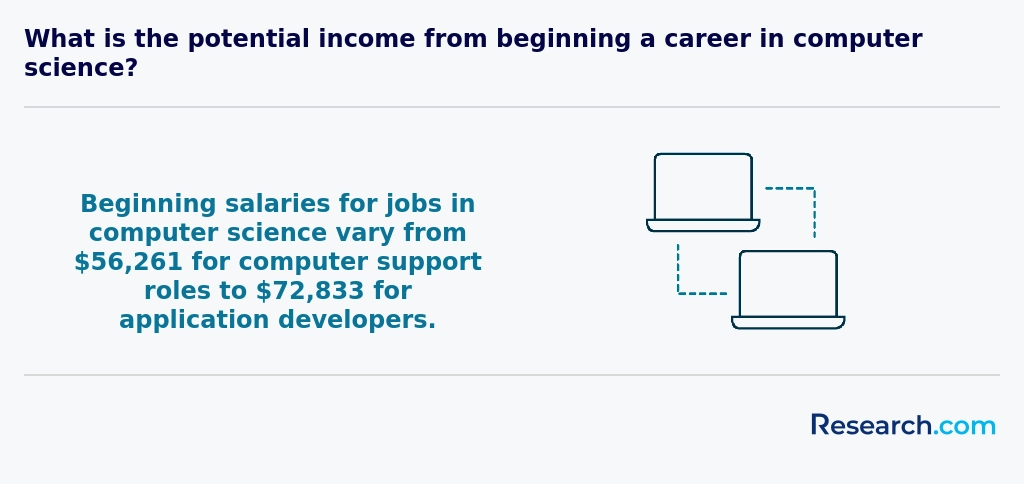
Graduates with a computer science degree in Maine can expect promising salaries that reflect their valuable skills. Starting roles like IT Support Specialist typically earn around $63,640 per year, providing a strong foundation for recent graduates from colleges like the University of Maine or Bowdoin College. Many find these starting salaries exciting as they step into the tech workforce with confidence.
Software Developers in Maine often command salaries near $138,110, showcasing the rewarding potential for those dedicating themselves to coding and software design. This salary aligns well with the national averages, motivating students to pursue internships and projects during their studies to boost employability.
For graduates interested in data analysis, the average annual wage of $119,040 provides an inspiring glimpse into the demand for data-driven decision-makers in Maine's growing industries. Web Developers also earn competitive pay, with mean wages around $95,570, reflecting the many ways computer science skills can be applied creatively and commercially.
By combining education from Maine's respected institutions and gaining real-world experience, graduates step confidently into careers that not only fulfill their passion but also offer substantial financial rewards.
2027 Best Computer Science Degree Programs Ranking in Maine
How do we rank schools?
Investing in your education is a significant decision that can shape your future, and the Research.com team understands the importance of making informed choices. To assist prospective students in Maine, we have meticulously developed the "2027 Best Computer Science Degree Programs Ranking in Maine." Our dedication to quality, credibility, and accuracy is demonstrated through extensive research and careful analysis behind this ranking.
We utilized the following reputable data sources to ensure a comprehensive evaluation of computer science programs:
By exploring this ranking, readers will gain valuable insights into the top computer science degree programs available in Maine, helping them make informed decisions about their educational futures. For more details on how this ranking was created, please visit our Research.com methodology page.


Key Findings
- Computer science bachelor's degrees in Maine typically require around four years of full-time study.
- Tuition at public universities for in-state students ranges from $10,000 to $12,000 per year, while private schools often charge over $30,000 annually.
- Entry-level computer science graduates in Maine earn between $60,000 and $75,000 annually, with median salaries rising to $90,000 to $110,000 after five to ten years.
- The state's tech sector, including software development and cybersecurity, is growing faster than average and offers expanding job opportunities.
- Many programs include internships and partnerships with local businesses to help students gain practical experience and improve job placement.
How long does it take to complete computer science degree in Maine?
If you're envisioning your future as a computer scientist in Maine, know that completing a Bachelor of Science in Computer Science typically takes about four years of full-time study. At respected institutions like the University of Maine, students thrive in well-structured programs designed to guide them smoothly through approximately 120 to 130 credit hours. Graduates often reflect on their journey with pride, recalling how focused course planning and supportive faculty helped keep them on track to success.
Many students find this timeline inspiring and achievable, balancing core classes, general education, and electives while gaining hands-on experience. Some even accelerate their progress by taking advantage of combined degree tracks or transferring credits from community colleges, finishing ahead of schedule.
Part-time study offers flexibility for those juggling work or personal commitments, extending the path but never hindering the dream. Graduate programs in Maine further empower learners eager to deepen their expertise, with some completing their Master's in as little as 12 to 18 months. The vibrant academic community here encourages every student to reach their full potential at their own pace.
Regional Affordability and Rankings: Maine vs. the South
Evaluating Maine’s computer science programs against other regions helps prospective students gauge value and ROI. With annual in-state tuition averaging $9,596 and robust internship pipelines, Maine offers competitive affordability. By contrast, many southern public universities charge similar or slightly higher rates, often balanced by larger scholarship pools and state grants. According to the Affordable Computer Science Degree Programs Ranking in the South, several southern schools leverage lower living costs to reduce overall debt burdens. Maine’s strong connections with local tech firms and a growing startup ecosystem further enhance long-term earning potential, often offsetting any regional cost discrepancies. Ultimately, understanding these regional differences empowers students to choose a program that aligns with both their budgetary constraints and career aspirations, whether they remain in Maine’s tight-knit tech community or explore opportunities across the southern United States.
What's the difference between online and on-campus computer science degree?
Choosing between online and on-campus computer science degrees in Maine opens exciting pathways tailored to your lifestyle and learning preferences. On-campus programs, like those at the University of Maine in Orono, offer lively, hands-on experiences where students thrive through face-to-face collaboration and immediate feedback in labs and group projects. Graduates often treasure the strong community feel and access to university resources that spark creativity and confidence in coding challenges.
Meanwhile, online degrees provide the freedom to learn at your own pace, perfect for balancing work or family commitments. Many online learners in Maine appreciate the flexibility to study asynchronously while staying connected through virtual discussions and remote support. Though building connections may require intention, dedicated online students enjoy the satisfaction of mastering material independently and managing their schedules effectively.
Both paths prepare you well for a rewarding career, whether you value the vibrant campus atmosphere or the adaptable, self-motivated journey. Maine's computer science degrees empower you to grow your skills in ways that align with your personal rhythm and ambitions.
Student Life & Campus Experience
Maine’s computer science programs are not only known for their rigorous academic curriculum but also for the vibrant campus life and enriching student experiences they offer. Prospective students can explore an environment where study and social activities seamlessly blend to create a supportive and engaging community. From tech clubs that host coding competitions and hackathons to student organizations dedicated to innovation and entrepreneurship, there is a wealth of opportunities to build networks and gain practical insights. Many campuses also offer mentorship programs and career fairs that connect students with local industry leaders, making it easier to transition from the classroom to the working world. Additionally, students can take advantage of on-campus resources such as state-of-the-art laboratories, collaborative workspaces, and career centers that provide guidance on internships and job placements. For those mindful of budget constraints, several institutions in Maine provide access to the cheapest computer science programs in maine, ensuring that an enriching educational experience is both high quality and affordable. Ultimately, the blend of academic rigor with dynamic campus activities makes Maine a prime destination for students eager to thrive in every aspect of their college journey.
What is the average cost of computer science degree in Maine?
The average cost of a computer science degree in Maine is an important consideration for any aspiring student eager to launch a promising tech career. On average, the total cost for obtaining this degree is around $46,971, with in-state students paying closer to $13,326. These figures reflect tuition, fees, and essential educational expenses accumulated throughout the program, balancing affordability with quality education.
Many graduates from the University of Maine share how their investment felt worthwhile, highlighting both the accessible tuition and the vibrant campus community. The supportive environment and hands-on learning opportunities helped make their educational journey enjoyable and rewarding, proving that pursuing a computer science degree in Maine is both practical and inspiring.
For students considering private colleges in Maine, costs tend to be higher but come with the advantage of personalized attention and robust financial aid options that can ease the financial journey. Living expenses and technology resources do add to the total price, but planning ahead and exploring scholarships can make a significant difference.
If you want to explore further, check out the cheapest computer science programs in maine to uncover schools that blend quality education with financial sensibility. Understanding the average cost of computer science degree in Maine empowers you to pursue your dream confidently, knowing the incredible value this path offers.
By focusing on computer science degree tuition and fees Maine students can realistically budget while keeping motivation high, ready to embrace the exciting careers that await them in this dynamic field.

What financial aid is available to computer science degree students in Maine?
Students pursuing a computer science degree in Maine discover an encouraging landscape of financial aid designed to make their dreams achievable. Federal support like Pell Grants offers essential need-based aid that eases the burden without requiring repayment, while Federal Work-Study programs provide valuable part-time work that builds experience and income simultaneously.
At institutions such as the University of Maine, many graduates recall how state-specific opportunities like the Maine State Grant Program gave them crucial support, with awards up to $3,000 helping cover tuition and fees. Merit-based scholarships at these universities reward hard work and dedication, often covering significant portions of tuition for high-achieving computer science students who maintain their GPA.
Private scholarships from tech foundations add another layer of encouragement, opening doors based on academic and community involvement. For those already working in Maine's tech sector, employer tuition assistance programs offer a powerful boost, allowing students to develop new skills and reduce education costs while advancing their careers.
These combined pathways create an inspiring and accessible journey for many Maine computer science students, helping turn ambition into achievement through meaningful financial support.
How to Apply: Admission Requirements and Timeline
Getting into a Computer Science program in Maine requires careful planning and timely submission of materials. Follow these steps to ensure a smooth application process:
- Research Programs: Identify institutions that align with your goals, accreditation, curriculum, and support services. For graduate applicants exploring advanced studies, programs such as the data science online master degree illustrate how specialized degrees structure their admissions.
- Check Prerequisites: Review each school's minimum requirements, including GPA thresholds, prerequisite coursework in mathematics and programming, and standardized test scores if required.
- Prepare Materials: Assemble official transcripts, letters of recommendation, a personal statement outlining your academic and career objectives, and a resume highlighting relevant experience.
- Monitor Deadlines: Fall semester applications typically open in the preceding August and close between December and February. Spring admissions may have deadlines from September to October. Verify each institution's specific dates.
- Submit Applications: Use the designated online portals to upload materials and pay application fees. Confirm submission by tracking reference letters and document uploads.
- Follow Up and Interview: Some programs conduct interviews or portfolio reviews. Engage with admissions staff and attend virtual or on-campus open houses to demonstrate your interest.
- Review Offers and Financial Aid: Once decisions are released, compare acceptance letters, scholarship packages, and assistantship opportunities to select the best fit for your educational journey.
What are the prerequisites for enrolling in computer science degree program in Maine?
Preparing to enroll in a computer science degree program in Maine means embracing a clear path that many successful graduates have walked before you. Start by securing your high school diploma or GED, the essential foundation that opens doors at well-known Maine institutions like the University of Southern Maine or Bowdoin College. Imagine confidently stepping into your first computer science class, knowing your strong background in algebra, geometry, and even calculus has equipped you to tackle complex algorithms and programming challenges.
Many students share how early familiarity with programming languages such as Python or Java gave them an edge, making their coursework more engaging and less daunting. Whether you're reviewing basic computer concepts or diving into introductory coding, this preparation truly makes a difference when you arrive on campus.
Remember, some colleges may also ask for letters of recommendation or personal essays-opportunities to showcase your passion and problem-solving skills. Test-optional policies across Maine's schools mean you can focus more on what matters: your dedication and readiness to thrive in this exciting field.

Top 5 Ranked Computer Science Programs in Maine
- University of Maine at Orono: ABET-accredited BS in Computer Science; 120 credits; strong research labs; internship pipeline with Portland tech firms.
- University of Southern Maine: flexible on-campus and online courses; dedicated coding and cybersecurity labs; partnerships with healthcare and finance companies.
- Bowdoin College: small class sizes; project-based learning; liberal arts integration; emphasis on interdisciplinary tech research.
- Colby College: personalized faculty mentorship; hands-on research in AI and data analytics; strong alumni network in New England tech.
- Maine Community College System: affordable two-year associate degrees; guaranteed transfer agreements; practical training in software development.
These top computer science programs balance academic rigor, industry connections, and value in Maine’s tech ecosystem. For those pursuing advanced study, consider data science masters programs online to build on these strong undergraduate foundations.
What courses are typically in computer science degree programs in Maine?
Students pursuing computer science degrees in Maine dive into a dynamic curriculum that equips them with both fundamental and advanced skills. Graduates from well-known Maine universities often recall how introductory courses like Python or Java programming gave them the confidence to build real-world software projects early on, sparking excitement for what's possible in technology. Core classes in data structures, algorithms, and computer architecture deepen understanding of how computers operate, empowering students to solve complex problems with clarity.
As they progress, learners engage with practical subjects such as operating systems and database management, often applying their knowledge in hands-on labs or collaborative projects at Maine's leading colleges. Networking and cybersecurity courses reflect Maine's growing tech industry, giving students an edge in vital, future-facing fields. Electives in artificial intelligence and machine learning offer the thrilling chance to explore cutting-edge technologies, inspiring many to contribute to innovation locally and beyond.
The inclusion of calculus, linear algebra, and statistics highlights the role of math in sharpening analytical thinking-a skill graduates consistently praise for its relevance in their careers. Capstone projects or senior seminars provide rewarding opportunities to bring these diverse skills together, preparing students to confidently step into Maine's thriving computer science workforce.
What types of specializations are available in computer science degree programs in Maine?
Computer science specializations in Maine open doors to exciting career paths, allowing students to focus on areas where their passions truly shine. Graduates from the University of Maine and other regional colleges often highlight how their studies in software engineering equipped them to design innovative applications that make everyday life easier. Others express pride in mastering cybersecurity skills, empowering them to safeguard critical information in a world increasingly dependent on digital safety.
Best Maine computer science degree concentrations also include data science and analytics, where students dive deep into large data sets to uncover trends that can transform businesses and communities. Many find inspiration pursuing an data science online master degree to sharpen these skills further. AI and machine learning enthusiasts enjoy cutting-edge courses that prepare them to build intelligent systems, while computer networks specialists thrive by learning to maintain the backbone of today's internet and communication technologies.
How do you choose the best computer science degree in Maine?
Choosing the best computer science programs in Maine means focusing on what truly matters to you. Graduates from local universities often share how attending an ABET-accredited program opened doors to rewarding careers by ensuring their education met rigorous industry standards. Imagine yourself diving into specialized tracks like cybersecurity or data science at the University of Maine, where hands-on research strengthens your skills and confidence.
Affordability also plays a key role. Many students appreciate how Maine's public universities balance quality with costs, making it easier to follow your passion without overwhelming debt. Exploring financial aid and scholarships can transform your journey, allowing you to focus on learning and growth. For those seeking inspiration, check out the Affordable Computer Science Degree Programs Ranking in the South for great options.
Finally, consider how a program's career support and connections within Maine's vibrant tech community can propel you forward. Visualize yourself gaining internships and networking through job fairs tailored to your degree. This holistic approach ensures you're prepared not just to study computer science but to thrive in it.
What career paths are available for computer science degree students in Maine?
Graduates with a computer science degree in Maine find themselves well-positioned for various rewarding career paths. From software development roles at fast-growing startups in Portland to cybersecurity positions protecting state agencies, the opportunities are broad and exciting. Many graduates from popular schools like the University of Southern Maine and Bowdoin College share how their education opened doors to thriving jobs in data science, helping healthcare providers analyze critical information for better patient care. These real-life experiences highlight the vibrant job prospects for computer science graduates in Maine, fueling optimism for new students.
Another inspiring path involves IT support and network administration, vital for businesses across Maine's diverse industries. The hands-on skills gained through internships or campus labs allow graduates to confidently manage complex systems immediately after school. For those eager to accelerate their careers, exploring the best 6 month programs that pay well can be a smart step alongside a degree, enhancing employability in this competitive market.
What is the job market for computer science degree in Maine?
The computer science job outlook in Maine is promising, with steady growth driven by expanding industries in healthcare technology, financial services, and tech consulting. Graduates from universities like the University of Maine often find rewarding roles where they apply skills in cybersecurity, software development, and data analysis. Many report feeling excited about contributing to innovative projects in local companies that value fresh talent and creative problem-solving.
Maine's tech sector's close-knit community allows new professionals to quickly build valuable networks through local meetups and university partnerships, opening doors to exciting opportunities in emerging fields. Salaries may be slightly lower compared to major metropolitan areas, but the lower living costs and supportive environment make Maine an excellent place to start your career.
For students weighing education choices, Maine's affordable tuition combined with the growing possibilities in the job market makes pursuing a computer science degree here a smart investment. Those interested in easing their academic journey might explore the easiest bachelor's degree to obtain to find the best fit for their strengths.
Maine computer science employment opportunities continue to expand, offering graduates a chance to thrive and make a meaningful impact close to home.
Frequently Asked Questions About computer science
Computer science students in Maine can maximize their learning by engaging with hands-on projects and internships, particularly in the state's growing tech hubs like Portland and Bangor. Universities such as the University of Maine offer cooperative education programs, which integrate classroom learning with real-world experience. According to the National Center for Education Statistics, nearly 75% of STEM graduates in Maine participate in internships, boosting job readiness.
Joining local tech groups and attending seminars helps students stay updated on industry trends. Utilizing university resources like research labs and coding clubs further enhances practical skills. Maine's emphasis on small class sizes also supports personalized mentorship, critical for mastering complex computer science concepts.
Emerging niches in computer science reflect rapid technological progress and evolving market needs. In Maine, areas such as cybersecurity, artificial intelligence (AI), and data science are gaining significant traction. According to the Maine Department of Labor, demand for cybersecurity professionals is expected to grow by over 25% through 2030, driven by increasing digital threats.
AI and machine learning are also key growth sectors, with local institutions integrating these topics into their curriculums. Data science, which combines statistics and programming to interpret large datasets, is crucial for sectors like healthcare and finance in Maine. Robotics and Internet of Things (IoT) applications are additionally expanding, linked to Maine's manufacturing and maritime industries.
After completing a computer science degree in Maine, preparing for the job market requires a strategic approach focused on practical experience and networking. Students should seek internships or cooperative education opportunities, which are highly valued by employers in Maine's growing tech sector, especially around Portland and Bangor. According to the Maine Department of Labor, the demand for software developers in Maine is expected to grow by 15% through 2030, highlighting the importance of relevant work experience.
Building a strong portfolio through personal projects or open source contributions is also essential. Additionally, students should attend local tech meetups and industry events, such as the annual Maine Technology Users Group conference, to connect with professionals and potential employers.
Employers looking to hire computer science graduates in Maine prioritize a combination of technical and soft skills. According to the U.S. Bureau of Labor Statistics, proficiency in programming languages such as Python, Java, and C++ remains essential. Additionally, skills in data analysis, cybersecurity, and software development are highly valued by Maine's growing tech companies.
Maine's regional job market also emphasizes problem-solving abilities and teamwork, reflecting the collaborative nature of technology projects. According to Maine's Department of Labor, nearly 70% of tech job postings require effective communication skills alongside technical expertise. Knowledge of cloud computing and experience with real-world projects can further enhance a graduate's employability in this state.
Finding internships in Maine relevant to a computer science degree involves leveraging multiple resources within the state's academic and professional communities. Many universities, like the University of Maine, maintain career centers that connect students with local tech companies offering internships in software development, data analysis, and cybersecurity.
Students should also explore Maine's growing tech hubs, particularly in Portland and Brunswick, where startups and established firms recruit interns actively. Platforms like Handshake and Maine's Department of Labor website list opportunities specific to computer science roles. According to the National Association of Colleges and Employers, 60% of internships lead to full-time employment.
Networking at local tech events and joining student organizations focused on computer science can also reveal unadvertised internships. Developing skills in programming languages popular in Maine's job market, such as Python and Java, increases chances of securing competitive positions.
A computer science degree significantly enhances career mobility and advancement opportunities in Maine. As technology continues to grow in importance, employers in sectors like healthcare, finance, and manufacturing increasingly seek skilled computer science graduates. According to the U.S. Bureau of Labor Statistics, Maine's employment in computer and information technology roles is projected to grow 8% from 2021 to 2031, supporting upward mobility for degree holders.
Graduates can expect access to diverse roles such as software development, cybersecurity, and data analysis. The degree also often leads to higher starting salaries and faster promotions compared to non-degree holders. Additionally, Maine's growing tech startups and established companies value formal education for leadership and specialized technical jobs.
Studying for a computer science degree in Maine equips students with skills that extend beyond traditional programming and software development. Many Maine institutions incorporate interdisciplinary coursework, blending computer science with fields like healthcare, environmental science, and business. This approach aligns with Maine's growing tech industry's needs, which often require adaptable problem-solvers.
According to the U.S. Bureau of Labor Statistics, Maine's employment growth in computer and information technology occupations is projected at 7% from 2021 to 2031, encouraging broader skill sets. Programs often emphasize teamwork, communication, and critical thinking, preparing graduates for diverse roles in various sectors.
When choosing between a thesis and a non-thesis computer science degree program in Maine, consider your career goals carefully. Thesis programs emphasize research and writing, ideal for students aiming for doctoral studies or technical roles in research and development. Non-thesis options focus more on coursework and practical skills, suitable for those targeting immediate industry employment.
In Maine, universities like the University of Maine offer both pathways. According to the National Center for Education Statistics, thesis programs typically require an additional semester or two compared to non-thesis tracks. Assess your interest in independent research and your timeline for graduation.
Financial factors also play a role; thesis students may access research assistantships, which can offset tuition costs. Review your personal preferences and professional plans to make an informed choice.
Students in Maine seeking to study computer science abroad have multiple pathways available through exchange and study abroad programs. Many Maine universities, such as the University of Maine, offer partnerships with international institutions in Europe, Asia, and Australia, allowing students to earn credits while gaining global experience. According to NAFSA, about 10% of U.S. study abroad participants pursue STEM fields like computer science, reflecting growing interest in international exposure.
Additionally, programs like ISEP and CIEE provide access to over 300 universities worldwide, broadening options beyond direct university partnerships. Financial aid and scholarships may support these opportunities, making global study more accessible for Maine students.
Part-time job opportunities in Maine that complement a computer science degree are varied and align well with students' academic and career goals. Many local tech companies and startups in cities like Portland and Augusta seek interns or junior developers, offering roles such as software testing, tutoring in coding, or IT support. According to the Maine Department of Labor, employment in computer and mathematical occupations is expected to grow by 10% through 2030, reflecting healthy demand for tech skills.
Additionally, remote freelance work in programming, web development, or data analysis can allow flexibility while gaining practical experience. Universities often provide on-campus jobs like lab assistants or research aides, providing students hands-on opportunities to work with faculty on real-world computing projects.
Computer science students in Maine benefit from various networking opportunities that connect them to the local tech industry and academic community. The state hosts events like the Maine Technology Users Group, which brings together IT professionals and students for workshops and meetups. Universities such as the University of Maine often collaborate with companies in the Portland area, facilitating internships and co-op programs.
Additionally, organizations like Maine Technology Institute support innovation and provide platforms for students to showcase projects to potential employers. According to the Maine Department of Labor, the tech sector in Maine has grown by 6% annually, increasing networking chances for graduates.
Alumni networks offer valuable benefits to computer science degree students in Maine by providing access to a community of experienced professionals. These networks help students connect with graduates working in tech industries throughout the state, including in Portland's growing tech sector.
Students gain mentorship opportunities, which can improve job prospects after graduation. According to the University of Maine System, active alumni engagement has contributed to internships for nearly 40% of computer science students in recent years.
Networking events and workshops hosted by these groups often introduce students to emerging trends and local employers, enhancing practical knowledge beyond the classroom.
Moreover, alumni connections can assist with career advice, job referrals, and collaborative projects, creating a supportive environment that fosters professional growth within Maine's tech community.
In Maine, students pursuing a computer science degree can tailor their programs through elective courses and specialized tracks. Many universities offer concentrations such as cybersecurity, data science, or software engineering to align studies with specific career goals. For example, the University of Southern Maine allows students to select electives that focus on emerging fields like artificial intelligence.
Internships and cooperative education opportunities are also valuable for customization. Maine's growing tech sector provides local options for hands-on experience, essential for career readiness. According to the Maine Department of Labor, technology jobs in the state have grown by over 5% annually, highlighting the importance of relevant skills.
Additionally, students may participate in research projects or independent studies to deepen expertise in niche areas. Maine's colleges often collaborate with industry partners, offering pathways that match individual ambitions with market needs.
Computer science students in Maine face several notable challenges during their studies. One common issue is limited access to cutting-edge research opportunities compared to larger tech hubs, as Maine's universities have smaller CS departments. According to the National Center for Education Statistics, enrollment in Maine's computer science programs is growing but still lags behind national averages, limiting peer collaboration in some campuses.
Another challenge is the shortage of local internship and job placements in tech, which can affect practical experience. The Maine Department of Labor reports that while tech job growth exists, it remains concentrated mainly in Portland and Bangor, making access harder for students in rural areas.
Additionally, students often struggle with balancing rigorous coursework and limited financial aid options. As per recent data from the College Board, tuition and fees at Maine public universities average over $10,000 annually, a substantial burden for many. These factors combine to shape the unique challenges of pursuing computer science degrees in Maine.
With a computer science degree in Maine, graduates can pursue several professional certifications to enhance their career prospects. Popular options include the Certified Information Systems Security Professional (CISSP), ideal for roles in cybersecurity. Another widely recognized credential is the Certified Software Development Professional (CSDP), provided by the IEEE Computer Society.
Additionally, certifications like CompTIA Security+ and AWS Certified Solutions Architect are valued in Maine's growing tech industry, especially given the state's focus on cloud computing and information security. According to the U.S. Bureau of Labor Statistics, Maine expects a 12% growth in computer and information technology jobs from 2020 to 2030, highlighting the importance of such certifications.
These certifications demonstrate specialized knowledge and can significantly boost employability and salary potential in the competitive technology sector within Maine.
Writing a winning application for a computer science program in Maine begins with a strong academic record. Most programs require a solid GPA, particularly in math and science courses. Highlighting coursework in programming, calculus, and physics can improve your chances. Including relevant experience, such as internships or personal projects, shows practical skills valued by admissions committees.
It is essential to craft a clear and focused personal statement that explains your passion for computer science and reasons for choosing Maine. Mentioning local opportunities, like internships with Maine's growing tech sector, can demonstrate your commitment. According to the National Center for Education Statistics, Maine awarded over 400 computer science degrees in the last year, reflecting expanding programs and competitive admissions.
Letters of recommendation should come from educators or employers familiar with your technical abilities and work ethic. Finally, prepare for any required standardized tests and submit all materials by the deadlines specific to each institution.
The global demand for computer science professionals continues to grow, influencing career opportunities for graduates in Maine and across the United States. According to the U.S. Bureau of Labor Statistics, employment in computer and information technology occupations is projected to grow 13% from 2021 to 2031, much faster than average for all occupations.
Graduates with computer science degrees in Maine can access diverse career paths including software development, cybersecurity, and data analysis. Maine's expanding tech sector benefits from global trends emphasizing innovation and digital transformation. Organizations worldwide increasingly seek skilled professionals to manage complex computing challenges.
Understanding global perspectives also means recognizing the importance of collaboration across borders. Maine students equipped with strong foundational knowledge and problem-solving skills have the potential to work on international projects, reflecting the worldwide integration of technology industries.
Students pursuing a computer science degree in Maine can gain practical experience through internships offered by local tech companies and government agencies. According to the Maine Department of Labor, Portland and Bangor are growing tech hubs where internships provide valuable work experience. Many universities, including the University of Southern Maine and Bowdoin College, encourage internship participation as part of their computer science programs.
Additionally, cooperative education programs (co-ops) combine classroom learning with paid work terms. Joining coding clubs and hackathons hosted by Maine colleges also helps develop real-world skills. These activities prepare students to meet employer expectations in the competitive US tech job market.
Choosing the right concentration within a computer science degree program in Maine depends on your interests and career goals. Popular areas include software engineering, cybersecurity, data science, and artificial intelligence. According to the U.S. Bureau of Labor Statistics, Maine's tech sector is growing steadily, especially in cybersecurity and data analytics roles.
Students should consider local job market demand. For example, the Maine Department of Labor reports a 10% growth in information security jobs by 2028. Universities like the University of Southern Maine offer specialized courses reflecting these trends.
Evaluate courses, faculty expertise, and internship opportunities when selecting a concentration.
Related Computer Science Rankings for Nearby States
- 2027 Best Computer Science Degree Programs Ranking in New Hampshire
- 2027 Best Computer Science Degree Programs Ranking in Massachusetts
- 2027 Best Computer Science Degree Programs Ranking in Rhode Island
- 2027 Best Computer Science Degree Programs Ranking in New York
- 2027 Best Computer Science Degree Programs Ranking in New Jersey
- 2027 Best Computer Science Degree Programs Ranking in Ohio
- 2027 Best Computer Science Degree Programs Ranking in West Virginia
- 2027 Best Computer Science Degree Programs Ranking in North Carolina
- 2027 Best Computer Science Degree Programs Ranking in South Carolina
- 2027 Best Computer Science Degree Programs Ranking in Georgia
Top Trending Computer Science Rankings
See What Experts Have To Say About Studying Computer Science
Read our interview with Computer Science experts

Martin Kang
Computer Science Expert
Assistant Professor
Loyola Marymount University

Derek Riley
Computer Science Expert
Professor, Program Director
Milwaukee School of Engineering

Elan Barenholtz
Computer Science Expert
Associate Professor
Florida Atlantic University

Imed Bouchrika, Phd
Computer Science Expert
Professor of Computer Science
National Higher School of Artificial Intelligence

References
- 5 Challenges Faced by Computer Science Students and How to Overcome Them https://informatika.almaata.ac.id/5-challenges-faced-by-computer-science-students/
- Challenges That Frustrate Computer Science Teachers https://codeeasy.io/blog/challenges-that-frustrate-computer-science-teachers
- Fields of Work in Computer Science: Top IT Careers | Walbrook https://www.walbrook.ac.uk/subjects/computer-science/computer-science-fields-of-work-career-in-it/
- » Computer Science & Information Technology https://www.emcc.edu/academics/pathways/computer-science-information-technology/
- Best Computer Certifications for Tech Professionals https://www.computerscience.org/degrees/certifications/
- Computer Science & Information Technology - CMCC https://www.cmcc.edu/academics/pathways/computer-science-information-technology/
- How to Find Computer Science Work Experience in Year 12 https://www.savemyexams.com/learning-hub/careers/how-to-find-computer-science-work-experience-year-12/
- Why your computer science degree won't get you an IT job https://targetjobs.co.uk/careers-advice/information-technology/why-your-computer-science-degree-wont-get-you-it-job
- Top 12 Global Careers For Computer Science Degree Graduates https://womeninstemnetwork.com/careers-for-computer-science-degree/
- Career advice for recent Computer Science graduates https://huyenchip.com/2018/10/08/career-advice-recent-cs-graduates.html