2027 Best Computer Science Degree Programs Ranking in South Carolina

Co-Founder and Chief Data Scientist
Choosing the right computer science degree program is an exciting step toward a rewarding career. This article presents the 2027 Best Computer Science Degree Programs Ranking in South Carolina, developed by the Research.com team of data scientists to guide you through the top options available.
By exploring this ranking, you'll gain clear insights into programs worth considering, helping you make confident decisions. A computer science degree opens doors to innovation, creativity, and strong job prospects. Whether you're just starting or planning your next move, this guide supports your journey toward success.
Key benefits of getting computer science degree in South Carolina
- Graduates with a computer science degree in South Carolina can earn competitive salaries, such as $138,110 annually for software engineers and developers, or $63,640 for IT support specialists, providing strong financial stability.
- Career paths include roles like software engineer, web developer, and data analyst, offering diverse opportunities to work in exciting tech fields after studying at institutions such as the University of South Carolina.
- Online computer science degrees from schools like Clemson University allow flexible learning schedules, making it easier to balance work and study while gaining the skills needed for rewarding tech careers.
- 2027 Best Computer Science Degree Programs Ranking in South Carolina
- What can I expect from computer science degree in South Carolina?
- Where can I work with computer science degree in South Carolina?
What can I expect from computer science degree in South Carolina?
The average cost of earning a computer science degree in South Carolina varies, but many in-state students find it manageable, especially at public universities. For instance, residents attending the University of South Carolina often pay about $10,000 per year in undergraduate tuition. Graduates reflect warmly on this investment, appreciating how accessible tuition helped ease financial stress while enabling them to focus on rigorous coursework and hands-on projects.
Private institutions and out-of-state students face higher tuition rates, yet the strong reputation of schools like Clemson University adds value that many find worth the additional cost. Students frequently share how scholarships and financial aid played a critical role in making their education affordable without sacrificing quality.
Graduates recall walking through campus labs and participating in internships, feeling supported by smaller class sizes and personalized mentorship. These experiences underscore the worthwhile balance between cost and the high-quality education that prepares South Carolina students well for thriving careers in tech.
Where can I work with computer science degree in South Carolina?
Graduates from computer science programs at institutions like the University of South Carolina and Clemson University often find themselves stepping directly into roles within vibrant local tech hubs such as Charleston and Greenville. These cities are home to companies specializing in software development, where alumni eagerly apply their skills to build innovative mobile apps, websites, and enterprise software. One graduate shared how internships with a Greenville-based startup shaped both her confidence and technical expertise, leading to a rewarding software engineering position.
Many graduates also discover opportunities in IT support and network administration, especially within healthcare and finance sectors around Columbia. Their work managing secure systems impacts real-world operations, safeguarding sensitive data daily. This hands-on experience nurtures a strong sense of purpose, knowing their skills protect and improve community services.
State and local government roles in cybersecurity and data management attract several grads seeking stability and meaningful public service contributions. Meanwhile, the manufacturing industry's integration of automation and robotics provides others with a dynamic environment to leverage computer science knowledge creatively.
College alumni engaged in education or research report fulfillment in shaping future tech minds or advancing software development projects. These diverse paths underscore the exciting career landscape available to South Carolina computer science graduates.
Graduates from computer science programs at universities like Clemson, the University of South Carolina, and Coastal Carolina often find encouraging salary prospects across the state. Entry-level roles such as IT support specialists typically start around $63,640 annually, offering a solid foundation for new professionals eager to apply their skills in real-world settings.
Many who begin as software developers or web developers see salaries near $92,000 to $95,570, aligning well with South Carolina's tech hubs like Charleston and Greenville. These figures reflect a balance between competitive compensation and a more affordable cost of living compared to national averages. Graduates who focus on data analysis or related specialties enjoy even greater earning potential, with median wages around $119,040, a rewarding outcome for those who have invested in advanced technical training.
From firsthand accounts, students appreciate how industry connections fostered during their studies translate into opportunities offering both career growth and financial stability. This practical alignment between education and market demand highlights the value of a computer science degree within South Carolina's evolving tech landscape.
- In-state tuition for computer science at public universities in South Carolina ranges from $10,000 to $12,000 per year.
- Private institutions typically charge between $20,000 and $35,000 annually for computer science programs.
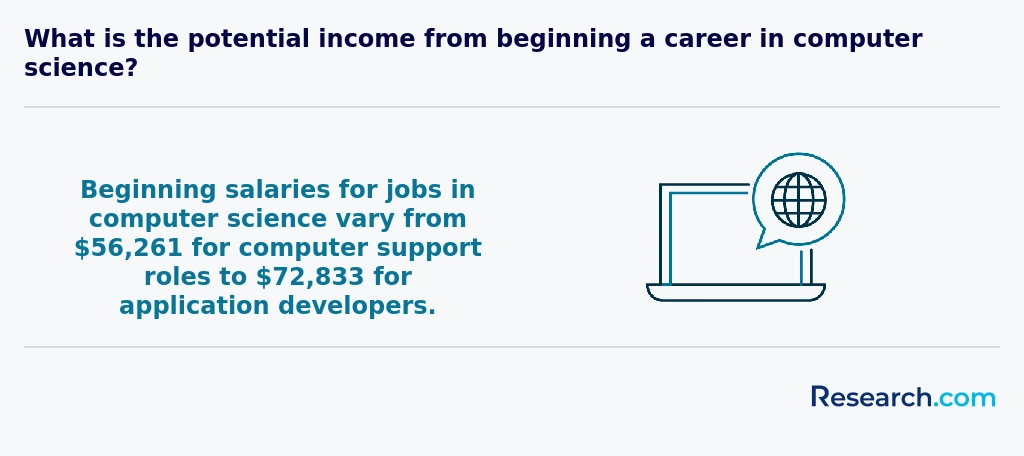
- Starting salaries for computer science graduates average around $65,000 per year in South Carolina.
- With five or more years of experience, computer science professionals can earn about $95,000 or more annually.
- The job market for computer science graduates is strong, especially in cities like Charleston, Columbia, and Greenville.
- Universities offer coursework in programming, software development, data structures, and cybersecurity, often including internships for practical experience.
Completing a computer science degree in South Carolina generally takes about four years when attending on a full-time basis, a timeline familiar to graduates from institutions like Clemson University and the University of South Carolina. Many students find that eight semesters effectively build a strong foundation in programming, systems, and software development. Reflecting on their journey, graduates often recall how steady pacing and carefully planned semesters helped balance challenging coursework with rewarding hands-on projects.
Some students, eager to fast-track their education, choose combined bachelor's and master's programs that can shorten this period to around five years. These accelerated paths at South Carolina universities attract motivated learners excited by the thought of stepping into advanced roles sooner.
Others who start at community colleges pursue two-year associate degrees before transferring, appreciating the manageable commitment that still opens doors to careers in IT. Those balancing work and study recognize that part-time enrollment may extend their path beyond four years, but the dedication pays off in professional growth and satisfaction.
Choosing between online and on-campus computer science degrees in South Carolina comes down to how you prefer to learn and live your daily life. Graduates from the University of South Carolina often speak warmly of the vibrant campus atmosphere-the chance to gather after classes for spontaneous study sessions or to visit labs where ideas become real projects. This hands-on environment and face-to-face feedback foster a strong sense of community and motivation, especially for students who thrive on direct interaction and a structured schedule.
On the other hand, those pursuing online degrees from institutions like Clemson University share how flexibility reshaped their education. Balancing family or full-time jobs, they valued the freedom to study remotely without the burden of commuting or relocating. While virtual communication demands discipline, the ability to set their own pace proved empowering. Their experience highlights how South Carolina's growing digital learning options maintain rigorous curricula while accommodating diverse lifestyles.
Both paths cover essential topics such as algorithms and programming but differ in social and networking dynamics. On-campus students often find internships through local tech fairs in South Carolina, while online learners actively seek virtual opportunities. Ultimately, understanding these differences helps align the degree choice with your personal journey and goals.
Most computer science programs in South Carolina follow annual fall admission cycles with key dates to remember:
- Clemson University: Priority deadline November 1; Regular deadline January 15
- University of South Carolina: Priority October 1; Regular March 1
- College of Charleston: Early action December 1; Regular February 15
- Furman University: Early decision November 15; Regular January 15
- Charleston Southern University: Priority January 5; Final April 1
Confirm specific deadlines on each school’s admissions page and prepare transcripts, test scores, and recommendation letters well in advance. For students considering advanced study after their bachelor’s degree, explore our online data science masters guide for affordable pathways.
Understanding the average cost of a computer science degree in South Carolina reveals important insights for prospective students. According to recent data, the median total cost for earning this degree stands around $47,971, a figure that reflects the combined expenses of tuition, fees, and living costs. Graduates from popular universities in the state, such as Clemson University and the University of South Carolina, often recall managing these costs by balancing academic commitments with practical budgeting strategies, offering a relatable perspective to incoming students.
For residents, the financial commitment is generally lower, with median in-state total costs near $17,861. This difference highlights the value of residency when accessing South Carolina's public university system for computer science studies. Many students appreciate how this affordability supports a more focused learning experience, especially amid the demanding curriculum typical of computer science programs.
When reflecting on total expenses for computer science degree South Carolina 2027 graduates often emphasize the importance of considering both tuition and ancillary costs like housing, books, and supplies. Experiences shared among recent alumni from these institutions stress that investing early in planning can reduce stress and enhance academic success. For those exploring their options, finding cheapest computer science schools in south carolina can be a helpful step in managing these expenses effectively.

When applying to a Computer Science program in South Carolina, it’s important to plan ahead and submit a complete application by each school’s deadlines. Most institutions offer two admission cycles: • Fall Term: Applications are typically due between November 1 and January 15. • Spring Term: Deadlines usually range from August 1 to October 15. Required materials often include:
- Official high school or college transcripts demonstrating your GPA and relevant coursework.
- SAT or ACT scores, if requested (some schools have test-optional policies).
- Letters of recommendation from teachers, counselors, or industry mentors.
- A personal statement detailing your passion for technology, career goals, and any standout projects or internships.
- Résumé highlighting technical skills, coding projects, and extracurricular involvement in clubs or hackathons. Tips for a standout application: 1. Start Early: Collect transcripts and request recommendation letters at least six weeks before the deadline. 2. Showcase Projects: Link to your GitHub portfolio or personal website to display real-world coding examples. 3. Tailor Your Essay: Address why you’re drawn to each specific program-mention faculty research, lab facilities, or industry partnerships. 4. Follow Up: Confirm receipt of all materials and, if possible, attend virtual tours or info sessions to demonstrate genuine interest. For those planning to continue their education beyond a bachelor’s degree, consider exploring our masters in data science online program, which offers flexible scheduling, faculty-led research opportunities, and a curriculum designed to build on your undergraduate foundation.
Students pursuing computer science degrees in South Carolina benefit greatly from a variety of financial aid options that can make education more attainable. Many graduates reflect on how completing the FAFSA opened doors to federal aid like Pell Grants, which for the 2023-2024 year can provide up to $7,395 to help with tuition and living costs. This foundation of support is crucial, especially for those studying at Clemson University or the University of South Carolina, where tuition averages between $12,000 and $16,000 annually for in-state students.
State-specific programs, like the LIFE Scholarship, stand out as a powerful resource, offering up to $5,000 per year to eligible learners showing strong academics. Graduates recall how this helped reduce financial stress while they focused on challenging courses.
Merit scholarships at these top schools reward passion and achievement in STEM fields, often easing financial burdens significantly. Work-study positions tied to computer science departments provide practical experience alongside earnings, fostering confidence and professional growth.
Though loans are available, prudent students advise borrowing conservatively, embracing the low-interest federal Direct Loans only when necessary to avoid overwhelming debt after graduation.
When considering a Computer Science degree in South Carolina, the on-campus experience and support services can be just as crucial as academic rigor. Beyond classroom learning, students benefit from vibrant student organizations, tech clubs, and hackathons that help build teamwork, creativity, and real-world problem-solving skills. Many schools offer dedicated career centers, tutoring programs, and mentorship opportunities that guide students in navigating internships and job placements after graduation. These resources foster a sense of community and ensure that students are well-prepared both academically and personally for the challenges of the tech industry. Additionally, prospective students looking for budget-friendly options might find valuable information on programs like the cheapest computer science schools in south carolina, which combine quality education with robust support services to boost career readiness and personal growth.
To enroll in a computer science degree program in South Carolina, applicants generally need a high school diploma or equivalent, such as a GED. Graduates from well-regarded programs often recall how a solid grounding in math courses like algebra, geometry, and calculus truly made a difference, especially at institutions known for technical rigor like Clemson University or the University of South Carolina.
Many students found that showcasing strengths in sciences like physics enhanced their applications by demonstrating analytical skills. While programming experience isn't always mandatory, having some familiarity with coding or IT basics helped others feel confident stepping into foundational courses.
Standardized tests like the SAT or ACT have become less emphasized lately due to changing policies, but it's wise to verify each school's stance. Recommendations and personal essays also play a key role in reflecting a candidate's problem-solving mindset and passion for the field, often highlighted by successful enrollees.
For transfer students, completing college-level courses in programming or discrete math is a common expectation, smoothing the transition and fostering a sense of preparedness that many alumni still appreciate today.

South Carolina’s top Computer Science degree programs offer a robust network of student support services and campus resources designed to help you excel academically and professionally. Academic advising centers assign dedicated advisors who guide you through course selection, degree requirements, and career planning. Many campuses also feature peer tutoring programs and drop-in coding labs where students can receive hands-on assistance in languages like Python, Java, and C++. Career services offices host regular workshops on resume writing, interview preparation, and networking strategies. They organize career fairs that connect you with employers-from local startups to Fortune 500 companies-and facilitate internship and co-op placements that build real-world experience. Student-led organizations, such as Women in Computing and the Cybersecurity Club, provide mentorship, hackathon teams, and guest lectures, fostering a vibrant tech community on campus. State-of-the-art facilities, including makerspaces equipped with 3D printers and virtual reality labs, allow you to prototype projects and collaborate across disciplines. Mental health and wellness centers offer counseling, stress-management workshops, and study skill seminars, ensuring you have the support needed to maintain balance. For those exploring cost-effective alternatives, programs in other regions-highlighted by the Inexpensive Computer Science Degree Programs Ranking in Claremont, CA-demonstrate how similar resources can be available at lower tuition rates, making quality education accessible to more students.
Graduates from universities like the University of South Carolina often recall that the heart of their computer science degree was mastering foundational courses such as programming with languages like Python or Java. These early experiences helped them build confidence as they solved real-world problems, from simple applications to complex systems.
Data Structures and Algorithms play a crucial role, sharpening analytical thinking by teaching how to efficiently organize and process information-key skills that feel rewarding when applied to projects. For example, understanding these principles can make debugging software far less daunting.
Students also appreciate courses in Computer Architecture and Operating Systems, which open their eyes to how software and hardware work together seamlessly, a perspective that many find both challenging and fascinating. Learning about Networks and Security further prepares them to protect information, addressing growing concerns in today's tech-driven world.
Whether at Clemson University or College of Charleston, electives like artificial intelligence or mobile computing allow students to pursue passions, making their education feel uniquely theirs and relevant to South Carolina's evolving tech landscape.
Students pursuing a computer science degree in South Carolina often explore diverse specializations that provide practical skills aligned with industry needs. Graduates from Clemson University or the University of South Carolina frequently highlight concentrations like Artificial Intelligence and Machine Learning, which equip them to create intelligent systems that transform data into actionable insights. Many find the Cybersecurity track particularly rewarding, given its focus on protecting vital information in an era of increasing digital threats-an area growing rapidly in South Carolina's tech community.
Other popular South Carolina computer science program concentrations include Data Science and Big Data Analytics, where graduates enjoy opportunities in finance or healthcare by interpreting complex datasets. Software Engineering remains a favorite for those drawn to crafting and maintaining robust applications, while Computer Networks and Systems prepares students for roles essential to the state's expanding infrastructure.
Some students expand their horizons by combining computer science with business, robotics, or bioinformatics, showcasing the versatility found within these programs. For those considering advancing their expertise, options such as a masters in data science online offer continued growth without sacrificing flexibility.
Choosing the best computer science degree programs South Carolina offers means looking beyond just the name of the school. Graduates from schools like the University of South Carolina often emphasize the importance of accreditation and curriculum relevance, highlighting courses in cybersecurity and data science as key to staying competitive. Affordability also plays a big role; with public universities charging between $10,000 and $14,000 annually for in-state students, many appreciate programs that balance cost and quality.
Students pursuing affordable computer science colleges in South Carolina find that access to local tech hubs such as Charleston and Greenville enriches their educational journey, offering internships that bridge classroom theory with real-world software development experience. One practical tip from these graduates is to assess campus resources, like hands-on labs and research centers, and also consider flexible options-online or hybrid formats can be lifesavers for working students.
It's wise to explore financial aid options and even compare programs nationally. For those curious how cost-effective choices abroad the state compare, the Inexpensive Computer Science Degree Programs Ranking in Claremont, CA offers interesting insights on alternative affordability and resources.
Graduates holding a computer science degree in South Carolina find themselves navigating a landscape rich with promising opportunities. Popular universities like Clemson and the University of South Carolina produce skilled professionals who often step into roles such as software developers, data analysts, and cybersecurity specialists. These roles reflect the state's diverse economy, where tech-related manufacturing and service sectors create demand for savvy problem-solvers. Many graduates describe a rewarding sense of impact when their coding or data insights directly improve business operations or enhance digital security.
Exploring tech career options with South Carolina computer science degree often leads students toward hands-on experiences at places like the Charleston Digital Corridor, where startups and established firms alike welcome fresh talent. Here, one can witness how a web developer crafts seamless user experiences or how a systems analyst optimizes IT infrastructure in government and industry settings. For those uncertain about immediate career paths, considering 6-month certificate programs that pay well online can provide quick, practical skills amplifying their prospects.
The computer science employment opportunities South Carolina offers are promising, reflecting the state's growing technology-driven economy. Graduates from universities like Clemson University or the University of South Carolina often find themselves stepping into a job market expanding at a 15% projected growth rate through 2032. This steady rise in demand creates room for roles in software development, cybersecurity, and data analysis, with entry-level salaries commonly ranging from $60,000 to $80,000. Many graduates share how this salary range combined with South Carolina's lower cost of living brings a genuine sense of financial relief and optimism early in their careers.
Tech hubs in cities such as Charleston and Greenville increasingly attract startups and established firms like Boeing, bridging academic training with real-world opportunities. Those graduating sometimes mention how skills in cloud computing and artificial intelligence, cultivated through hands-on university projects, directly connect with evolving employers' needs. For students contemplating their degree paths, exploring majors that make the most money within computer science can offer useful guidance about where to focus efforts to maximize job prospects in this flourishing South Carolina tech job market outlook.
2027 Best Computer Science Degree Programs Ranking in South Carolina
Investing in your education is a significant decision that can shape your future, and the Research.com team understands the importance of making informed choices. To assist prospective students in South Carolina, we have meticulously crafted the "2027 Best Computer Science Degree Programs Ranking in South Carolina." Our commitment to quality, credibility, and accuracy is reflected in the extensive research and analysis conducted to compile this ranking.
We utilized the following reputable data sources to ensure a comprehensive evaluation of computer science programs:
By exploring this ranking, readers will gain valuable insights into the top computer science degree programs available in South Carolina, empowering them to make well-informed decisions about their educational paths. For more details on our methodology, please visit our Research.com methodology page.


# 7 position
Citadel Military College of South Carolina
Master of Science in Computer and Information Sciences


Frequently Asked Questions About computer science
Computer science degree students in South Carolina can maximize their learning experience by engaging deeply with hands-on projects and internships. The state hosts a growing tech industry, especially in cities like Charleston and Greenville, offering valuable internship opportunities. According to the South Carolina Department of Commerce, internships improve employability by 20% for STEM students.
Students should also participate in campus coding clubs and hackathons to build teamwork and problem-solving skills. Many universities in South Carolina partner with tech companies, providing mentorship programs that enhance real-world knowledge.
Taking advantage of research opportunities at institutions like Clemson University and the University of South Carolina allows students to explore specialized areas such as cybersecurity and artificial intelligence. These steps contribute significantly to career readiness in the competitive tech job market.
Emerging niches within computer science are rapidly advancing, reflecting both technological innovation and local industry needs in South Carolina. Areas such as artificial intelligence (AI), cybersecurity, and data science are gaining strong footholds in university curricula and job markets. For example, the South Carolina Department of Employment and Workforce reported cybersecurity roles growing by 8% annually, highlighting demand for expertise in protecting digital infrastructure.
Another significant niche is the Internet of Things (IoT), with increasing opportunities in smart manufacturing and healthcare technology. Universities in South Carolina are expanding research and training in IoT applications to support regional industries.
Additionally, software development focused on cloud computing is on the rise, driven by South Carolina's growing tech companies adopting cloud-based solutions. These niches offer promising career paths for students pursuing computer science degrees in the state.
After completing a computer science degree in South Carolina, preparing for the job market involves a combination of technical skill development, networking, and practical experience. Graduates should focus on building proficiency in in-demand programming languages such as Python, Java, and C++, which are commonly required by local employers like Boeing and Blackbaud. According to the U.S. Bureau of Labor Statistics, South Carolina is projected to see a 15% growth in computer and information technology jobs through 2030.
Internships and cooperative education programs offered by South Carolina universities help students gain hands-on experience, which is highly valued by employers. Additionally, participation in local tech meetups and career fairs can provide critical networking opportunities. Certifications in cybersecurity, cloud computing, and data analytics can further boost employability. Finally, leveraging state resources such as the South Carolina Department of Commerce's workforce programs aids in job placement and career transition support.
Employers in South Carolina seeking computer science graduates prioritize a combination of technical and soft skills. Strong programming knowledge in languages like Java, Python, and C++ is essential. According to the U.S. Bureau of Labor Statistics, demand for software developers in South Carolina is growing faster than the national average, highlighting the importance of coding proficiency.
Beyond coding, problem-solving abilities and analytical thinking are highly valued, enabling graduates to tackle complex technical challenges effectively. Communication skills also rank high since teamwork and explaining technical concepts to non-experts are common workplace demands.
Additionally, familiarity with cloud computing and cybersecurity is increasingly important due to the expanding tech industry in South Carolina, as noted by the South Carolina Department of Commerce.
Finding internships in South Carolina for computer science students involves leveraging university career centers, local tech companies, and statewide networks. Many South Carolina universities, such as Clemson and the University of South Carolina, offer dedicated internship programs and job fairs that connect students with regional employers.
Tech hubs like Greenville and Charleston host firms specializing in software development, cybersecurity, and innovation, which often seek interns. According to the South Carolina Department of Commerce, the state's tech sector grew by 4.5% in 2023, increasing internship opportunities.
Students are also encouraged to use platforms like Handshake and LinkedIn, filtering for South Carolina-based roles. Joining local professional groups or coding meetups can provide networking advantages. Early application and tailored resumes improve chances of securing internships relevant to computer science.
A computer science degree in South Carolina significantly enhances career mobility and advancement opportunities. The state's growing tech industry, including hubs like Charleston and Greenville, offers numerous positions requiring strong technical skills. According to the U.S. Bureau of Labor Statistics, South Carolina's computer and IT jobs are projected to grow 15% from 2021 to 2031, faster than the national average. Employers value candidates with formal computer science education for roles in software development, cybersecurity, and data analysis.
Graduates often find clear pathways for promotion, supported by certifications and advanced degrees. Local universities collaborate with businesses to provide internships, bridging education with real-world experience. This synergy helps graduates adapt to evolving technologies and secure higher-level positions.
Studying for a computer science degree in South Carolina equips students with skills that extend beyond traditional programming. Many universities emphasize interdisciplinary coursework, integrating fields such as healthcare, business, engineering, and data science. This approach reflects the growing demand for professionals who can apply computing knowledge across various industries.
For example, Clemson University and the University of South Carolina offer programs that encourage collaborations between computer science and other departments. According to the National Center for Education Statistics, over 40% of computer science majors in South Carolina engage in joint projects or minors in complementary disciplines.
This interdisciplinary focus helps graduates adapt to evolving job markets, as employers value versatility and problem-solving skills that combine technical and domain-specific expertise. In South Carolina's expanding tech economy, such training prepares students for diverse roles in startups, healthcare technology, and manufacturing sectors.
Choosing between a thesis and a non-thesis computer science degree in South Carolina depends mainly on your career goals and learning preferences. Thesis programs focus on research, requiring students to develop and defend an original study, which suits those aiming for PhD programs or research roles. Non-thesis options emphasize coursework and practical skills, ideal for professionals seeking industry positions.
South Carolina universities, including Clemson and the University of South Carolina, offer both tracks. According to the National Center for Education Statistics, about 40% of computer science master's students nationwide choose the thesis track. Students should consider faculty expertise, available research facilities, and time commitment before deciding.
Students in South Carolina pursuing computer science degrees have various options for studying abroad through their home institutions. Many universities in the state, such as Clemson University and the University of South Carolina, offer established exchange programs and study abroad opportunities focused on STEM fields, including computer science.
These programs typically allow students to spend a semester or year at partner universities in countries like Germany, the United Kingdom, and Singapore. Participating students gain international experience while earning credit toward their degrees. According to Open Doors data (2023), approximately 12% of South Carolina undergraduates study abroad, with STEM fields steadily increasing participation.
Some programs also offer internships with tech companies overseas, providing practical exposure. Students are encouraged to consult their university's international office early for tailored options and scholarships supporting global computer science study opportunities.
Part-time job opportunities in South Carolina can significantly complement a computer science degree education by providing practical experience. Positions such as software development interns, IT support technicians, or web developers are common and align with skills taught in degree programs. According to the South Carolina Department of Employment and Workforce, technology-related roles have grown steadily, with a 12% increase in demand for computer and information technology jobs through 2028.
Additionally, many universities like Clemson and the University of South Carolina offer campus tech support jobs suitable for students. These roles help build real-world problem-solving skills and improve technical knowledge while balancing academic commitments.
Students may also find remote freelancing opportunities in coding, app development, and data analysis. Such jobs enable flexible schedules and enhance a resume, increasing employability after graduation.
Computer science students in South Carolina have access to a variety of valuable networking opportunities during their studies. Many universities, such as Clemson University and the University of South Carolina, host career fairs and tech-focused events that connect students directly with local and national employers in the technology sector. According to the South Carolina Department of Employment and Workforce, the tech industry in the state has grown by over 10% in recent years, increasing demand for skilled computer science graduates.
Additionally, student organizations like the Association for Computing Machinery (ACM) chapters provide forums for networking, collaboration, and mentorship. Industry meetups and conferences, often held in cities like Charleston and Greenville, also offer important avenues for professional connections. These opportunities help students build relationships that can lead to internships and job placements within South Carolina's expanding tech ecosystem.
Alumni networks play a significant role in supporting computer science students in South Carolina. Graduates from state universities such as Clemson and the University of South Carolina often remain connected and provide mentorship, internship opportunities, and job referrals. According to the South Carolina Higher Education Statistical Abstract, over 70% of tech employers in the state prefer candidates with strong professional connections, which alumni networks facilitate.
These networks also help students navigate the local tech industry, which is growing rapidly, especially in areas like Charleston and Greenville. Alumni events and online groups offer access to expert advice and real-world experience that enhance academic learning.
Having a strong alumni network can increase a student's chances of employment after graduation, with many South Carolina companies actively recruiting from their alumni pools. This community support is valuable in a competitive job market.
In South Carolina, students can customize their computer science degree to align with specific career goals by selecting electives and concentrations offered by many universities. Specializations often include cybersecurity, data science, software engineering, and artificial intelligence. This flexibility allows students to develop skills tailored to industries prominent in the state, such as manufacturing and technology services.
Several institutions, including Clemson University and the University of South Carolina, provide internship programs and industry partnerships, giving practical experience relevant to local employers. Additionally, graduate certificates and minors in related fields enhance a student's professional profile.
According to the South Carolina Commission on Higher Education, over 1,500 students enrolled in computer science programs statewide in 2022, reflecting growing demand for adaptable skill sets.
Computer science students in South Carolina often face several challenges typical of STEM fields across the United States. One major difficulty is mastering rapidly evolving technologies and programming languages, which requires constant learning beyond the classroom. According to the National Center for Education Statistics, retention rates in computer science programs nationwide hover around 60%, reflecting the demanding nature of these degrees.
Additionally, some South Carolina institutions report limited access to advanced lab facilities and internships compared to larger tech hubs. This can affect practical experience opportunities, a critical component for job readiness. Students also highlight balancing rigorous coursework with part-time jobs or family responsibilities as a common struggle.
Moreover, diversity and inclusion remain focal issues. While South Carolina has seen growth in underrepresented groups entering computer science, national studies show a persistent gender and racial gap in this field, which can impact student support and engagement.
A computer science degree from South Carolina opens doors to various professional certifications that can enhance career prospects. Popular certifications include the Certified Information Systems Security Professional (CISSP) and Cisco Certified Network Associate (CCNA), both widely recognized in IT sectors.
Many graduates also pursue certifications like the Certified Software Development Professional (CSDP) or CompTIA Security+, which align with software engineering and cybersecurity roles respectively. These credentials help demonstrate expertise and often lead to higher salaries.
According to the South Carolina Department of Employment and Workforce, IT-related jobs with certification requirements are growing at a rate above 10% annually, reflecting increasing demand for credentialed professionals.
Obtaining certifications can be a strategic next step after completing a degree, especially in competitive fields such as data science, cybersecurity, and network administration.
To write a winning application for a computer science program in South Carolina, start by highlighting your strong foundation in math and programming. Many top schools like Clemson University and the University of South Carolina emphasize STEM readiness. Be sure to include any relevant coursework, such as AP Computer Science or college-level math classes.
Showcase your hands-on experience through internships, coding projects, or participation in competitions. According to the South Carolina Commission on Higher Education, practical experience is highly valued by admissions committees. Clearly explain your motivation for studying computer science and how it aligns with career goals.
Finally, polish your personal statement and secure strong recommendation letters from teachers familiar with your technical skills.
The global perspective on a computer science career highlights strong demand and diverse opportunities. In the United States, including South Carolina, computer science professionals are expected to grow by 22% from 2020 to 2030, much faster than average for all occupations, according to the Bureau of Labor Statistics. This growth is driven by industries such as technology, healthcare, and finance.
South Carolina is becoming a regional hub for tech companies, increasing local demand for skilled graduates. Organizations like the South Carolina Department of Commerce emphasize expanding digital infrastructure and workforce development in computing fields.
Internationally, computer science skills open doors to global collaboration and remote work, making the degree versatile. For South Carolina students, earning a degree locally offers a competitive advantage aligned with both U.S. and global labor trends.
Gaining practical experience while studying for a computer science degree in South Carolina is vital for career readiness. Many universities in the state, including Clemson University and the University of South Carolina, offer co-op and internship programs that connect students with tech companies. According to the South Carolina Department of Commerce, the technology sector in the state has grown by over 10% in recent years, increasing opportunities for hands-on experience.
Additionally, students can participate in research projects, coding competitions, and tech clubs to apply classroom knowledge. Local startups and established firms in cities like Charleston and Greenville often seek interns. This practical involvement is essential to develop skills valued by employers in fields such as software development and cybersecurity.
Choosing the right concentration in a computer science degree program in South Carolina depends on your career goals and interests. Popular concentrations include software development, cybersecurity, data science, and artificial intelligence. Understanding the state's job market can help: cybersecurity professionals in South Carolina earn an average annual salary of around $94,000, according to the U.S. Bureau of Labor Statistics (BLS) as of 2023.
Consider program offerings at local universities like Clemson and the University of South Carolina, which may provide specialized tracks aligned with industry needs. Reviewing curriculum details helps identify concentrations that match your skills and desired expertise.
Additionally, evaluate internship opportunities and industry partnerships in South Carolina to gain practical experience. These factors contribute to informed decision-making about which concentration will be most beneficial for your future career.
- 2027 Best Computer Science Degree Programs Ranking in Georgia
- 2027 Best Computer Science Degree Programs Ranking in North Carolina
- 2027 Best Computer Science Degree Programs Ranking in Alabama
- 2027 Best Computer Science Degree Programs Ranking in West Virginia
- 2027 Best Computer Science Degree Programs Ranking in Louisiana
- 2027 Best Computer Science Degree Programs Ranking in Missouri
- 2027 Best Computer Science Degree Programs Ranking in Ohio
- 2027 Best Computer Science Degree Programs Ranking in New Jersey
- 2027 Best Computer Science Degree Programs Ranking in Illinois
- 2027 Best Computer Science Degree Programs Ranking in Rhode Island
See What Experts Have To Say About Studying Computer Science
Read our interview with Computer Science experts

Derek Riley
Computer Science Expert
Professor, Program Director
Milwaukee School of Engineering

Martin Kang
Computer Science Expert
Assistant Professor
Loyola Marymount University

Kathleen M. Carley
Computer Science Expert
Professor of Computer Science
Carnegie Mellon University

Imed Bouchrika, Phd
Computer Science Expert
Professor of Computer Science
National Higher School of Artificial Intelligence

- What certifications should I get for computer science? | edX https://www.edx.org/resources/certifications-computer-science
- Why your computer science degree won't get you an IT job https://targetjobs.co.uk/careers-advice/information-technology/why-your-computer-science-degree-wont-get-you-it-job
- Best Computer Certifications for Tech Professionals https://www.computerscience.org/degrees/certifications/
- The Future of Work: The Importance of Computer Science Skills | Gisma https://www.gisma.com/blog/the-future-of-work-the-importance-of-computer-science-skills
- What Schools Offer Software Engineering Programs and Related Degrees in South Carolina? https://www.softwareengineerinsider.com/states/software-engineering-south-carolina.html
- Computer & Information Science | Columbia College https://www.columbiasc.edu/academics/undergraduate/computer-information-science
- 5 Challenges in Teaching Computer Science & Solutions https://www.computingolympiad.org/post/top-5-challenges-in-teaching-computer-science-in-schools-and-how-to-overcome-them
- Computer Science - SWPS University https://english.swps.pl/academics/warsaw/ba-programs/computer-science
- Best Computer Science Schools in South Carolina | Online & Campus https://www.itcareerfinder.com/computer-science-schools/by-state/south-carolina.html
- How to find a computer science internship https://www.law.ac.uk/resources/blog/find-computer-science-internship/