2027 Most Affordable Online Computer Science Degree Programs Ranking in the USA

Co-Founder and Chief Data Scientist
Choosing the right online computer science degree can feel overwhelming. To help simplify this journey, our article features the 2027 Most Affordable Online Computer Science Degree Programs Ranking in the USA, created by the Research.com team of data scientists. This carefully researched ranking highlights programs that offer quality education without breaking the bank.
Reading this article will guide you toward affordable, reputable options that fit your goals. Pursuing a computer science degree opens doors to exciting career opportunities, and this resource helps you make a smart, confident choice on your educational path.
Key benefits of getting online computer science degree in America
- Graduates with a computer science degree often enjoy strong earning potential, with software engineers and developers earning a mean annual wage of $138,110, while web developers and IT support specialists make $95,570 and $63,640 respectively.
- Career paths are diverse, ranging from software development and data analysis to specialized roles like IT support, allowing you to choose the best fit based on your skills and interests.
- Completing a computer science degree online offers flexibility and accessibility, enabling students to balance work and study while gaining the same valuable credentials as traditional graduates from top universities.
- 2027 Most Affordable Online Computer Science Degree Programs Ranking in the USA
- What can I expect from online computer science degree in America?
- Where can I work with online computer science degree in America?
What can I expect from online computer science degree in America?
The average cost of an online computer science degree in America often falls within the range of $10,000 to $11,000 per year for public in-state students, according to data from the College Board. Graduates from well-known institutions like the University of Florida or Arizona State University frequently note that this pricing offers a more affordable alternative compared to traditional on-campus programs, especially when factoring in savings on housing and commuting.
For many students balancing work and study, the reduced financial burden can evoke a sense of relief and motivation, allowing them to focus on challenging topics such as algorithms or cybersecurity. However, costs may vary significantly based on the institution's reputation and program format.
Some graduates report that despite a competitive tuition cost, additional fees for technology or course materials occasionally arise, reminding prospective students to consider the full financial picture. Still, many find that the investment aligns well with their career goals, given the projected growth in tech job markets nationwide.
Flexibility in payment options and availability of scholarships at universities like the University of Illinois Urbana-Champaign also contribute positively to students' experiences and perceptions of affordability.
Where can I work with online computer science degree in America?
Graduates with an online computer science degree from institutions like the University of Illinois Urbana-Champaign or Georgia Tech often find themselves poised to enter diverse career paths across America's evolving job market. While Silicon Valley and Seattle remain prominent tech hubs offering roles such as software developer or network engineer, many graduates appreciate the flexibility to work remotely, connecting with firms nationwide without relocation.
Some graduates have shared that landing positions in sectors like finance or healthcare surprised them, given the specialized demands of those industries. For example, cybersecurity specialists are increasingly vital in protecting hospitals' patient records, while banks seek data analysts to secure sensitive information. This demonstrates that career opportunities extend beyond traditional IT companies.
Government agencies, including the Department of Defense and NASA, regularly recruit graduates, requiring them to apply skills in high-stakes environments. Though competition can be steep, many online degree earners report that practical project experience gained during their studies helped them succeed.
Overall, while assumptions often focus on tech firms in a few cities, graduates find opportunities spanning multiple industries and locations, leveraging their degrees to create fulfilling and well-compensated careers nationwide.
Graduates with an online computer science degree from reputable American institutions often find themselves well-compensated, reflecting strong employer demand. For example, software developers typically earn a mean annual wage of about $138,110, matching figures for software engineers. These roles frequently attract graduates from well-known universities who share stories of starting in Silicon Valley or Seattle with competitive salaries that support a comfortable lifestyle.
Other positions accessible via this degree include web developers, earning a mean salary near $95,570, and data analysts making around $119,040 annually. IT support specialists, a common entry-level role, average closer to $63,640 per year, signaling clear growth potential for those gaining experience and certifications.
While salaries vary by location and experience, many graduates report positive surprises when landing jobs in tech hubs that offer higher-than-average pay. Those who complement their degree with sought-after skills like AI or cybersecurity may see boosts of 10-20%, making the degree a solid investment for ambitious students aiming for rewarding careers.
- Online computer science degrees in the U.S. offer flexible learning with fully online bachelor's and master's programs covering programming, algorithms, and cybersecurity.
- Bachelor's degrees from public universities cost between $15,000 and $40,000, while private institutions may charge over $50,000; master's programs range from $20,000 to $60,000.
- Employment in computer and IT jobs is projected to grow 15% from 2021 to 2031, faster than the average for all occupations.
- Starting salaries for computer science graduates typically range from $70,000 to $85,000, with median wages for research scientists around $131,000 as of 2022.
- Most online programs meet the same standards as on-campus ones and have accreditation from bodies like ABET to ensure quality and employer recognition.
Completing an online computer science degree in America generally takes between two to four years, but individual experiences vary widely. At public universities like Arizona State University or University of Florida, associate degrees typically span two years of full-time study, while bachelor's degrees require about four years. Graduates often describe balancing work and family obligations, which can stretch this timeline significantly when studying part-time.
Many bachelor's degree students at institutions such as Oregon State University share how flexible, self-paced courses helped them accelerate their studies, occasionally finishing in three years. Conversely, some students find financial pressures force them to take fewer credits per term, extending duration near or beyond five years, a reality highlighted by data from the National Center for Education Statistics.
For master's degrees, popular programs at schools like Georgia Tech offer accelerated tracks completing in as little as 12 to 18 months, appealing to professionals eager to upskill swiftly. Yet, others experience a more relaxed pace spanning up to three years due to work commitments.
Transfer credits and program format significantly influence completion times, making it essential for prospective students to assess their personal situations and university policies carefully.
A robust online computer science degree program goes beyond coursework by offering extensive student support services and resources designed to foster academic success and career readiness. From technical requirements to personalized tutoring, these support systems ensure learners can navigate the challenges of virtual education with confidence. Technical Requirements and Learning Platforms Successful participation in an online computer science program hinges on reliable access to learning management systems (LMS), coding sandboxes, and virtual labs. Most programs provide clear hardware and software specifications-such as minimum processor speed, RAM, and IDE compatibility-to prevent technical setbacks. Institutions often offer 24/7 IT help desks and step-by-step setup guides so students can troubleshoot connectivity issues and software installations without delay. Academic Tutoring and Peer Collaboration Academically, leading programs feature live tutoring sessions, coding clinics, and peer-review workshops that replicate on-campus interaction. Scheduled office hours with professors, moderated discussion forums, and AI-driven tutoring bots deliver real-time feedback on assignments. Group projects and virtual hackathons foster teamwork, allowing students to refine problem-solving skills in a collaborative environment. Career Services and Networking Opportunities Beyond academics, career centers dedicated to online learners provide résumé reviews, mock technical interviews, and internship placement assistance. Webinars with industry leaders and alumni mentoring networks help students build professional connections. For those interested in exploring cost-effective regional options, check out our Affordable Computer Science Degree Programs Ranking in the Northeast. Accessibility and Wellness Support Accessibility services, including closed captioning, screen-reader compatibility, and extended exam time, ensure all students can fully engage with course material. Many programs also integrate mental health resources-such as virtual counseling and stress-management workshops-to support well-being during intensive study periods. By combining technical, academic, career, and wellness resources, these services equip online computer science students to thrive from enrollment through graduation.
Online and on-campus computer science degrees in America differ mainly in delivery style and student experience. Graduates from institutions like the University of California, Berkeley, often recall the energizing atmosphere of face-to-face classes, where spontaneous discussions with peers and professors spark new ideas. In contrast, students pursuing an online degree at universities such as Arizona State University appreciate the flexibility to study around work or family commitments, accessing lectures asynchronously at any hour.
An on-campus program typically offers direct access to labs and career centers, fostering hands-on learning and networking opportunities. Many students find this environment motivating, boosting their confidence through immediate feedback and group projects. Yet, online learners highlight the convenience of saving hundreds on commuting and housing costs while managing their own schedules, which many find empowering despite the challenge of self-discipline.
Both paths cover rigorous topics like algorithms and data structures, but preferences often hinge on lifestyle needs and personal motivation. While some employers still lean toward traditional degrees, increasing recognition of accredited online programs is narrowing the gap nationwide.
Online computer science students benefit from a range of support services that ensure both academic success and hands-on skill development. Look for programs that offer:
- 24/7 technical support for learning platforms and virtual labs
- Dedicated academic advisors to guide course planning and degree milestones
- Access to online libraries, coding environments and collaborative study spaces
- Career services including resume reviews, interview preparation and internship placement
Many programs also host live webinars, peer mentoring groups and regular faculty office hours to foster community and engagement. For specialized resources in artificial intelligence, explore our top picks for ai degrees.
The average cost of an online computer science degree in America varies widely but typically centers around a median total cost of approximately $36,780. In-state students at public universities often pay less, with median totals near $32,025, while out-of-state students tend to face similar figures due to differences in residency status and institutional policies. Graduates from popular programs, such as those at the University of Florida or Arizona State University, often report manageable tuition rates that align with these averages, contributing to a positive academic experience without excessive financial strain.
When considering total expenses for affordable online CS programs 2027, it is critical to factor in not only tuition but also costs like textbooks, technology fees, and miscellaneous materials. Some graduates recount how these additional fees, although sometimes unexpected, proved reasonable compared to traditional campus costs. Furthermore, many programs offer financial aid or flexible payment plans, underscoring the importance of exploring all available options before committing.
It's important for prospective students to explore institutions known for combining quality education with reasonable pricing. For those actively seeking such balance, reviewing cheapest computer science programs can reveal schools that prioritize affordability without compromising academic rigor. This approach helps students navigate the cost landscape thoughtfully, aligning financial planning with educational goals.
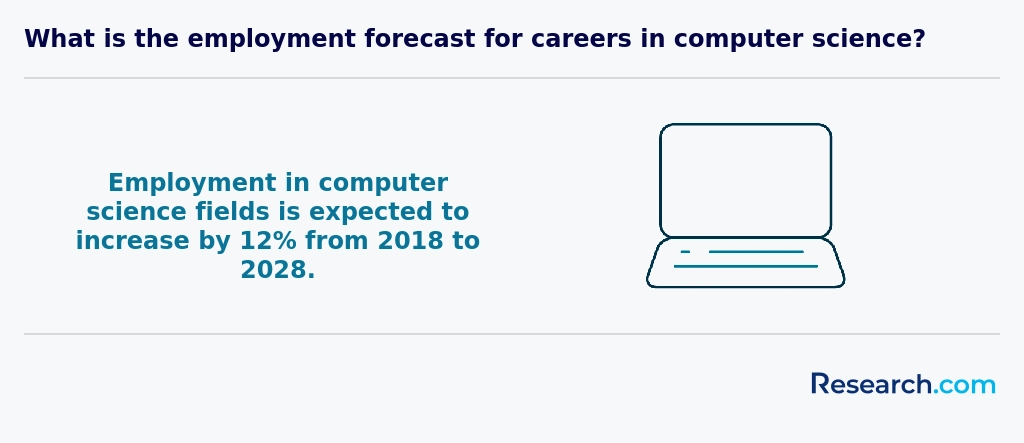
Many online computer science students in America rely on federal aid accessed through the FAFSA, which can provide grants like the Pell Grant, offering up to $7,395 yearly for those demonstrating need. Graduates from universities like Arizona State and University of Florida often mention how such grants made the difference between pausing studies and progressing towards their degree.
State-specific programs also play a critical role. For example, a California resident enrolled via UC Berkeley's online courses might benefit from the Cal Grant, significantly easing financial burdens. However, eligibility varies, and not all online students qualify, which can create uncertainty.
Scholarships targeting computer science students add an encouraging layer of support. Many who studied at institutions like Georgia Tech share they utilized offers from organizations promoting diversity in tech, such as the Google Scholarship, which not only reduced costs but also boosted motivation.
Working professionals often cite employer tuition reimbursement as invaluable, especially at places like Northeastern University, where balancing work and study can be costly. Yet, this aid generally requires continued employment, presenting a trade-off for some.
Veterans attending online programs at schools like Penn State find that GI Bill benefits sometimes fully cover tuition, reflecting a vital recognition of service. Despite these options, navigating financial aid demands patience and proactive planning.
- Reduced overall cost: lower per-credit tuition, no campus fees, and savings on housing and commuting.
- Flexible learning: self-paced schedules allow balancing work, family, and study.
- Diverse specialization options: including cybersecurity, data science, and ai degrees to align skills with market demand.
- Career-focused support: virtual career services, online internships, and networking events connect you with industry professionals.
- Accelerated pathways: transfer credits and year-round sessions help you graduate faster.
To enroll in an online computer science degree program in America, students typically need a high school diploma or GED, laying a foundation of essential academic skills. Graduates from popular programs recall how a strong background in mathematics-especially algebra and sometimes precalculus-proved vital when tackling core coursework at institutions like the University of Illinois Urbana-Champaign or Arizona State University.
Many applicants also submit transcripts that highlight their readiness, often featuring courses in math and science. While some schools require standardized test scores like the SAT or ACT, an increasing number adopt test-optional policies, easing access for diverse candidates. For instance, graduates from leading programs note feeling encouraged by flexibility in testing requirements, making their path feel more attainable.
Some programs recommend or require prior experience with programming languages, which can come from certifications, previous classes, or relevant work experience. At technologically advanced colleges, this background often helps students engage with complex concepts early, fostering a sense of accomplishment and confidence as they progress.
For graduate-level online degrees, a bachelor's in computer science or related fields is usually mandatory, sometimes alongside GRE scores, recommendation letters, and a clear statement of purpose. Many find that technology work experience supplements their applications effectively, demonstrating real-world problem-solving skills valued by top American universities.
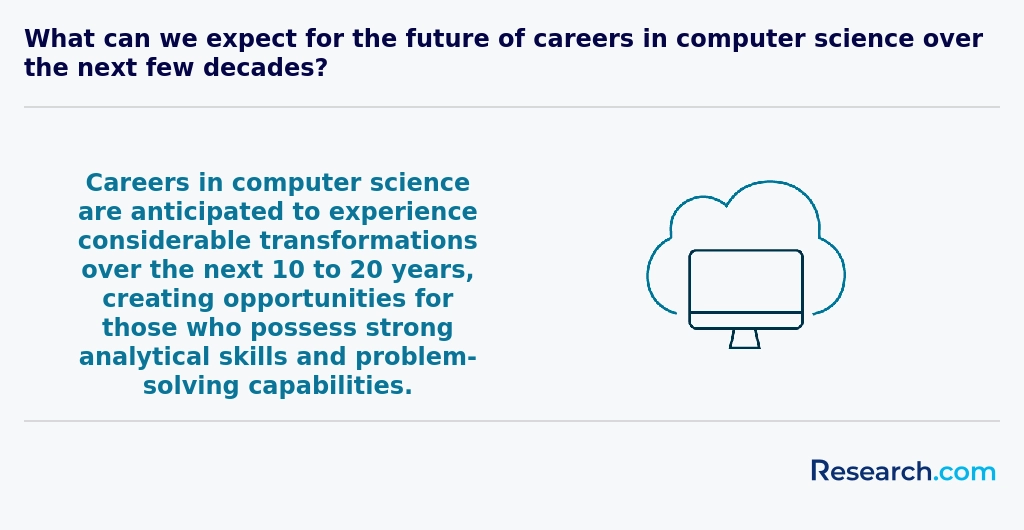
Ensuring your online Computer Science degree is properly accredited is vital for employer recognition, credit transferability, and eligibility for federal financial aid. Accreditation acts as an external quality seal, verifying that a program meets rigorous academic and operational standards. In the United States, regional accrediting bodies such as the Higher Learning Commission (HLC) and the Southern Association of Colleges and Schools Commission on Colleges (SACSCOC) oversee overall institutional quality, while specialized agencies like ABET (Accreditation Board for Engineering and Technology) focus specifically on computing and engineering curricula. Before applying, verify accreditation status on each institution’s website or through the U.S. Department of Education’s Database of Accredited Postsecondary Institutions and Programs (DAPIP). An ABET-accredited curriculum, for example, covers key topics-data structures, algorithms, and cybersecurity protocols-ensuring you acquire industry-aligned competencies. Graduates from accredited programs tend to perform better in certification exams (e.g., CompTIA Security+, AWS Certified Solutions Architect) and have a competitive edge when interviewing for the best coding jobs. Beyond accreditation, pay attention to additional quality indicators: faculty credentials (doctoral degrees or significant industry experience), student-to-instructor ratios, and availability of virtual labs or internships. Programs that publish detailed learning outcomes and success metrics-such as graduation rates and job placement percentages-demonstrate transparency and a commitment to continuous improvement. This proactive approach to accreditation and quality assurance not only safeguards your investment but also lays a strong foundation for lifelong career growth in computer science.
Online computer science degrees in America commonly include foundational courses like Introduction to Computer Science, Programming Fundamentals (usually in Python or Java), Data Structures and Algorithms, and Discrete Mathematics for Computer Science. Graduates from well-known universities often recall how mastering these basics gave them confidence to tackle more complex problems during internships or group projects.
As students progress, they encounter intermediate and advanced topics such as Operating Systems, Database Systems, Software Engineering, Computer Networks, and Artificial Intelligence. For example, graduates from reputable colleges describe how hands-on projects in artificial intelligence prepared them for cutting-edge roles in tech companies.
Electives allow students to personalize their studies, covering areas like cybersecurity or mobile app development. This flexibility is valued in online programs, especially those from top public universities, where learners appreciate the chance to specialize based on evolving industry demands. Such courses simulate real-world tech environments through collaborative assignments, enhancing both skills and enthusiasm.
Online computer science degrees in America typically offer specializations such as software development, cybersecurity, data science, artificial intelligence, and networking. Graduates from popular universities often share how focusing on software development has boosted their confidence in coding complex applications, making them feel well-equipped for fast-paced tech environments. Cybersecurity remains a critical focus due to rising cyber threats, and students pursuing this path appreciate the practical training that aligns with industry certification requirements, adding value beyond the degree itself.
Many graduates from institutions known for affordable online computer science specializations USA recall how data science training helped them translate raw data into actionable business insights, a skill highly sought after in finance and healthcare sectors. However, some express that specialization choices can be overwhelming, emphasizing the importance of aligning interests with market demand to avoid costly missteps. Those in AI and machine learning highlight its cutting-edge appeal but caution that these areas require strong mathematical foundations and commitment.
Students frequently choose their path based on the best computer science degree tracks in America suited to their goals, finding flexibility and support at established colleges. For those exploring careers, understanding different options and job outcomes is crucial; resources showing the best coding jobs help clarify potential paths and earnings expectations.
Choosing the best online computer science degree in America requires more than just comparing tuition costs. Accreditation by agencies like ABET ensures that your degree holds value in the job market, a detail graduates from well-known public universities often emphasize when reflecting on their career success. Affordability is essential, but students also note that programs with flexible curricula, especially those offering specializations in fields like artificial intelligence or cybersecurity, better prepare them for emerging tech roles.
Many graduates from popular colleges describe the importance of faculty experience; professors who actively engage in research or industry projects provide insights that leap beyond textbooks. Reliable online platforms and interactive tools also matter-students from top schools express how these improve their learning and engagement. To find affordable programs fitting your needs, consider consulting resources such as the Affordable Computer Science Degree Programs Ranking in the Northeast.
Ultimately, the best online computer science degrees in the USA balance quality, personalized learning, and career support services, reflecting the varied priorities of students pursuing tech careers today.
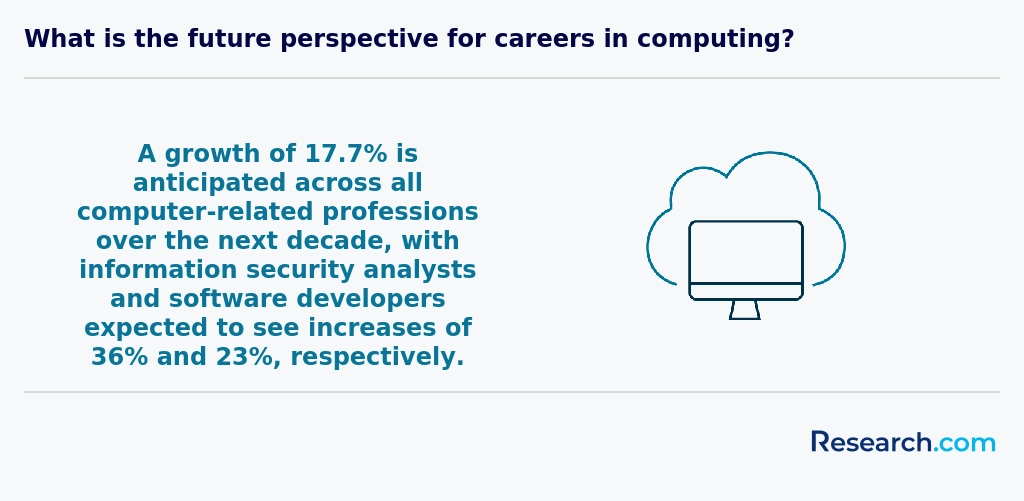
Graduates with an online computer science degree in America find a spectrum of career paths, though these are influenced by factors like specialization, experience, and economic trends. Common roles include software developer, where graduates from universities like the University of Illinois Urbana-Champaign report designing applications that support both startups and established firms. Others move into data science or cybersecurity, fields that reflect growing demand yet require continuous learning to stay current with evolving technologies. For many, roles such as network administrator or web developer offer varied opportunities depending on the industry sector and geographic location.
It's important to consider that while some graduates secure high-paying roles in major cities, others may face more modest salaries or slower career climbs, especially outside tech hubs. Nonetheless, the best accelerated associates degree online avenues often allow for quicker entry into the workforce, enhancing practical skills. This range of options illustrates that online computer science degree career opportunities in the USA are diverse but require proactive engagement with both technical skills and market demands.
Many graduates appreciate the flexibility and breadth offered by this degree, which can open doors to emerging fields like artificial intelligence and blockchain. Those from institutions known for strong online programs, such as Arizona State University, highlight the value in real-world projects that build confidence and adaptability in a fast-changing job landscape.
The online computer science job outlook USA remains promising though nuanced. Graduates from well-known institutions like the University of Illinois Urbana-Champaign or Georgia Tech who complete their degrees online often find their credentials recognized similarly to on-campus peers. Many report that employers value their ability to navigate remote collaboration tools and virtual internships, skills sharpened through remote learning. However, success also depends heavily on practical experience and portfolios, not just the degree itself.
Computer science career opportunities America offers are diverse, spanning roles in technology firms, healthcare, finance, and startups. Graduates from popular colleges frequently share how competitive the job market can be, but also how developing in-demand skills like cybersecurity or data science helps them stand out. Salary prospects vary, yet many online degree holders eventually reach income levels that justify tuition costs, especially in regions with high demand.
For students weighing costs, selecting affordable and accredited programs is critical. Public universities may offer lower tuition, while private options can be significantly costlier. Exploring options like courses that pay well alongside degree programs can boost employability and ROI in this field.
2027 Most Affordable Online Computer Science Degree Programs Ranking in the USA
Investing in your education is a significant decision that can impact your career and future opportunities, and the Research.com team recognizes the importance of making well-informed choices. To aid prospective students in selecting the most affordable online computer science degree programs in the USA, we have carefully developed the "2027 Most Affordable Online Computer Science Degree Programs Ranking." Our dedication to quality, credibility, and accuracy is demonstrated through rigorous research and detailed analysis.
We utilized the following reputable data sources to ensure a comprehensive evaluation of programs:
By reviewing this ranking, readers will gain essential insights into affordable online computer science degrees, enabling them to make informed educational decisions. For further information on our approach, please visit our Research.com methodology page.


# 4 position
Western Governors University
Master of Computer Science Computing Systems


# 16 position
University of Maryland Global Campus
Master of Cloud Computing Systems

# 17 position
Aspen University
Master of Technology and Innovation


# 19 position
University of Management and Technology
Master of Computer Science

# 20 position
Colorado Christian University
Bachelor of Computer Information Technology

Frequently Asked Questions About computer science
Students pursuing online computer science degrees in America can maximize their learning by establishing a consistent study schedule. According to the National Center for Education Statistics, time management is one of the key factors for online student success. Allocating specific hours for coursework helps maintain focus and prevents last-minute stress.
Engaging actively with professors and peers is also essential. Many programs use discussion boards and virtual meetings, providing opportunities for collaboration and networking, which are critical skills in computer science careers.
Utilizing supplemental resources such as coding platforms, free online tutorials, and virtual labs can deepen practical understanding beyond lectures.
Seeking internships or remote projects with US tech companies helps apply learned theories and build a professional portfolio, important in a field where 82% of employers value experience as much as degrees, per a 2023 CompTIA report.
Emerging niches within the computer science field reflect current technological advances and market demands. Areas like artificial intelligence (AI) and machine learning continue to grow rapidly, with the U.S. Bureau of Labor Statistics projecting a 15% increase in jobs related to these fields by 2031. Cybersecurity is another critical area, driven by rising concerns over data breaches, with the sector expected to add about 40,900 new jobs annually nationwide. Additionally, fields such as quantum computing, augmented reality (AR), and blockchain technology are gaining attention in academic programs and research initiatives across American universities, preparing students for cutting-edge careers.
After completing an online computer science degree in America, it is crucial to proactively prepare for the job market to maximize career opportunities. Many graduates benefit from building a strong portfolio of projects and contributing to open-source communities, demonstrating practical skills to employers. According to the U.S. Bureau of Labor Statistics, the demand for computer and information technology jobs is projected to grow 15% from 2021 to 2031, much faster than the average for all occupations.
Networking plays a key role; joining professional organizations like the Association for Computing Machinery can connect graduates with industry events and job leads. Internships, even virtual ones, offer valuable real-world experience and enhance resumes.
Additionally, mastering relevant programming languages and staying updated with emerging technologies improves employability. Furthermore, many companies value certifications such as AWS Certified Solutions Architect or Cisco Certified Network Associate alongside degrees.
Employers in America highly value computer science graduates who possess strong problem-solving and programming skills. According to the National Association of Colleges and Employers (NACE), proficiency in languages such as Python, Java, and C++ consistently ranks among the most requested technical skills. Additionally, knowledge of algorithms, data structures, and software development principles is essential.
Communication skills are increasingly important, as 78% of employers seek graduates who can collaborate effectively in team environments. Adaptability and a willingness to engage in continual learning also stand out, given the fast-evolving nature of technology.
Understanding cybersecurity and data analytics can further boost employability, reflecting trends noted in reports from the Bureau of Labor Statistics and industry surveys.
Finding internships relevant to a computer science degree in America involves a combination of online research, networking, and leveraging university resources. According to the National Association of Colleges and Employers (NACE), 56% of computer science graduates secured internships before graduating, highlighting the importance of early preparation. Students should utilize their university's career services, which often post internship opportunities and host job fairs.
Popular platforms include Handshake, LinkedIn, and internships.com, where many tech companies post openings. Additionally, joining professional organizations like the Association for Computing Machinery (ACM) can provide access to exclusive internship listings and events.
Networking with alumni and attending industry conferences also improves chances. Many companies, including giants like Google and Microsoft, offer structured internship programs open to online students meeting eligibility requirements.
Online computer science degrees in America significantly enhance career mobility and advancement opportunities. According to the National Center for Education Statistics (NCES), employment in computer and information technology occupations is projected to grow 15% from 2021 to 2031, much faster than average.
Completing an online degree allows professionals to gain essential skills such as programming, data analysis, and cybersecurity without pausing their careers. Many employers recognize accredited online degrees equally to traditional ones, which opens doors to promotions and higher-paying roles.
Additionally, graduates report an average starting salary over $70,000 annually, reflecting strong demand in industries like software development, finance, and healthcare IT.
Studying for a computer science degree in America equips students with technical expertise and critical thinking skills vital for interdisciplinary roles. Many accredited programs incorporate courses in business, healthcare, engineering, or data science, fostering versatile knowledge applicable across industries. According to the National Center for Education Statistics, nearly 40% of computer science graduates pursue careers blending technology with other fields, such as bioinformatics or financial technology.
Online computer science degrees emphasize collaboration, communication, and project management, all essential for interdisciplinary teamwork. These programs often include real-world case studies, preparing students to navigate complex problems that cross traditional subject boundaries.
When choosing between a thesis and a non-thesis online computer science degree program in America, consider your career goals. A thesis option often suits students aiming for research roles or doctoral studies. It requires original research and a formal document, demonstrating deep expertise in a specific area.
In contrast, non-thesis programs focus on coursework and practical skills, which may be preferable for those seeking immediate industry employment. According to the Computing Research Association, about 40% of master's CS students in the US choose thesis routes, often to strengthen academic credentials.
Cost and time are factors-thesis programs can take longer and sometimes cost more due to research demands. Verify accreditation and curriculum rigor when selecting a program.
American students interested in studying computer science abroad have a few practical options through online degree programs. Many U.S. universities partner with foreign institutions to offer joint or dual degrees, allowing students to earn credentials recognized in both countries without leaving home.
Additionally, accredited international universities sometimes provide fully online computer science degrees compatible with U.S. education standards. Organizations such as the Computing Accreditation Commission of ABET accredit programs globally, ensuring quality comparable to American counterparts.
According to the National Center for Education Statistics, about 38% of U.S. undergraduates have taken at least one online course, showing rising acceptance of remote learning including international programs. Students should verify credit transfer policies and accreditation to maximize career and academic benefits abroad.
Part-time job opportunities that complement an online computer science degree in America often include roles in software development, IT support, and data analysis. According to the U.S. Bureau of Labor Statistics, software developer jobs are projected to grow 22% from 2020 to 2030, making them both relevant and in demand.
Many students find internships or freelance programming projects valuable for gaining practical experience alongside their studies. Roles like web developer or technical support specialist also provide skills directly applicable to coursework and future careers.
Additionally, campus or remote tutoring in computer science subjects helps reinforce knowledge while offering flexible hours. Platforms such as Handshake report that tech-related part-time positions are among the fastest growing for college students nationwide.
Online computer science students in America have several networking opportunities despite the remote format. Many programs offer virtual career fairs, connecting students with tech companies nationwide. According to the Computing Research Association, over 70% of U.S. computer science programs integrate online platforms for student collaboration and employer engagement.
Professional organizations like the Association for Computing Machinery (ACM) and IEEE Computer Society provide exclusive online events and forums. These platforms allow students to interact with industry leaders, participate in webinars, and access mentorship programs.
Additionally, many universities host regional meetups and alumni networks to foster local connections. These varied options help online learners build valuable professional relationships essential for entering America's tech industry.
Alumni networks provide significant advantages for online computer science degree students in America. These networks create valuable professional connections, often leading to job opportunities in the competitive tech industry. According to the National Association of Colleges and Employers, 70% of jobs are secured through networking. For online students, these networks bridge the gap between remote study and in-person professional communities.
Alumni often offer mentorship, career advice, and access to exclusive job postings. Additionally, many universities organize virtual events and forums, fostering collaboration and lifelong learning. Engaging with alumni can enhance skills and open doors to internships or projects relevant to computer science careers in the U.S.
Many online computer science degree programs in America offer flexible curricula that allow students to tailor their studies to specific career goals. Students can often choose electives in areas like artificial intelligence, cybersecurity, data science, or software engineering. According to the National Center for Education Statistics, over 70% of online programs provide such specialization options.
Some universities also offer certificates or minors alongside the main degree, helping students gain expertise in niche areas. Internship opportunities and project-based courses enable practical experience aligned with individual career paths.
Advisors play a key role, guiding students to select courses and resources suited to evolving industry demands and personal ambitions.
Online computer science students in America often face challenges related to the technical rigor of their coursework. Topics such as algorithms, programming languages, and data structures require not only theoretical understanding but also practical application, which can be difficult without in-person support.
Many students struggle with time management, balancing studies with work or family responsibilities. According to the National Center for Education Statistics, about 60% of online learners in the U.S. are adults with other commitments.
Limited access to hands-on labs and collaborative projects can hinder skill development. Additionally, some students report feelings of isolation without the traditional campus environment, impacting motivation and networking opportunities.
Graduates with an online computer science degree in the United States can pursue a variety of professional certifications to enhance their skills and employability. Popular choices include the Certified Information Systems Security Professional (CISSP), widely recognized for cybersecurity roles, and the Certified Software Development Professional (CSDP) offered by IEEE. According to CompTIA, certifications like Security+ and Network+ remain in high demand across IT sectors.
Additionally, cloud certifications such as the Amazon Web Services (AWS) Certified Solutions Architect and the Microsoft Certified: Azure Fundamentals are beneficial for those targeting cloud computing careers. These certifications demonstrate practical knowledge and often lead to salary increases.
Many professionals begin with entry-level certifications like the Associate Certified Security Practitioner (CASP) before advancing to more specialized credentials. The U.S. Bureau of Labor Statistics projects a 15% growth in computer and information technology jobs through 2031, making certification a strategic step for career advancement.
Writing a winning application for an online computer science program in America begins with understanding the program's requirements. Most accredited programs require a solid academic record, especially in math and science courses. Highlight relevant coursework and any experience with programming languages like Java, Python, or C++.
Clear and concise personal statements are crucial. Articulate your motivation for studying computer science online, career goals, and how the program aligns with these ambitions. According to the National Center for Education Statistics, nearly 40% of STEM applicants emphasize practical experience, so include any internships or coding projects.
Letters of recommendation should come from professionals or professors familiar with your technical skills and dedication. Finally, ensure your application is error-free and meets deadlines, as competitive programs in the U.S. receive many strong candidates.
The global demand for computer science professionals continues to rise, reflecting the digital transformation of nearly every industry. In the United States, the Bureau of Labor Statistics projects a 15% growth in computer and information technology occupations from 2021 to 2031, much faster than the average for all careers.
American computer science graduates often find opportunities not only domestically but also worldwide, as many companies seek skilled workers to manage data, develop software, and enhance cybersecurity. The U.S. remains a leading innovator in technology, which helps maintain strong job prospects for its graduates globally.
Moreover, U.S. online computer science degrees provide flexible access to education, allowing students to gain skills relevant in the international market. According to the National Center for Education Statistics, nearly 40% of all college students took at least one online course in 2022, showing the growing acceptance of digital learning formats.
Gaining practical experience while studying for an online computer science degree in America is essential to increase job readiness. Many programs partner with tech companies to offer internships that align with students' schedules. According to the National Association of Colleges and Employers (NACE) 2023 report, 61% of computer science graduates secured internships prior to graduation, improving employment prospects.
Additionally, students can participate in virtual coding bootcamps and contribute to open-source projects on platforms like GitHub. Engaging in competitions such as hackathons also helps develop real-world skills. Universities often provide virtual labs and project-based courses to simulate practical environments, supplementing theoretical knowledge effectively.
Choosing the right concentration within an online computer science degree in America depends on your career goals and interests. Popular concentrations include artificial intelligence, cybersecurity, software development, and data science. According to the U.S. Bureau of Labor Statistics, fields like cybersecurity are growing rapidly, with a projected 35% job growth from 2021 to 2031.
Consider the curriculum offered by programs-some focus more on theory, others on practical skills. Research if the concentration aligns with industry certifications or certifications favored by employers.
Additionally, evaluate faculty expertise and the availability of internship or networking opportunities, which are crucial for building experience in competitive tech sectors.
Reviewing salary data for specific concentrations can also help; for example, data scientists earn a median annual wage around $100,000 as reported by Glassdoor in early 2024.
Finally, ensure the program is accredited and offers resources like career services tailored to your chosen concentration.
See What Experts Have To Say About Studying Computer Science
Read our interview with Computer Science experts

Derek Riley
Computer Science Expert
Professor, Program Director
Milwaukee School of Engineering

Elan Barenholtz
Computer Science Expert
Associate Professor
Florida Atlantic University

Imed Bouchrika, Phd
Computer Science Expert
Professor of Computer Science
National Higher School of Artificial Intelligence

Martin Kang
Computer Science Expert
Assistant Professor
Loyola Marymount University

- What certifications should I get for computer science? | edX https://www.edx.org/resources/certifications-computer-science
- Earn an Online Computer Science Degree | OEDb.org https://www.oedb.org/rankings/online-computer-science-programs/
- Best Online Computer Science Bachelor's Degrees of 2025 https://www.computerscience.org/degrees/bachelors/online/
- How to Gain Real-World Experience While Studying Online | American National University https://an.edu/how-to-gain-real-world-experience-while-studying-online/
- Online Degree vs. Traditional: Choosing the Right Path https://beal.edu/online-degree-vs-traditional/
- Getting the Most Out of a Computer Science Degree https://robkokochak.com/blog/getting-the-most-out-of-a-cs-degree/
- Essential Skills Every Computer Science Graduate Needs | LSBF https://lsbf.edu.my/blog/11-essential-skills-every-computer-science-graduate-needs/
- Computer Science Alumni Council https://www.myniu.com/article.html
- Computer Science students create live network in simulated scenario https://www.stmartin.edu/news-and-stories/stories/computer-science-students-create-live-network-simulated-scenario
- The Future of Work: The Importance of Computer Science Skills | Gisma https://www.gisma.com/blog/the-future-of-work-the-importance-of-computer-science-skills