2027 Most Popular Accounting Degree Programs Ranking in Notre Dame

Co-Founder and Chief Data Scientist
Choosing the right accounting degree program in Notre Dame can shape your future career and open doors to exciting opportunities. This article presents the 2027 Most Popular Accounting Degree Programs Ranking in Notre Dame, created by the Research.com team of data scientists to guide you through your options with trustworthy data.
By exploring this ranking, you'll gain valuable insights that make deciding easier and more confident. Earning an accounting degree offers strong potential for growth and success, making this guide a helpful tool on your educational journey.
Key benefits of getting accounting degree in Notre Dame
- Salary for accounting degree graduates: Graduates can expect competitive wages, with Staff Accountants earning a mean annual salary of $90,780 and roles like Bookkeepers and Tax Preparers earning around $49,580, reflecting strong earning potential in the field.
- Career paths: Accounting graduates from Notre Dame often pursue diverse careers such as auditing, bookkeeping, tax preparation, and accounts payable, providing flexibility to find a role that fits personal strengths and interests.
- Online degree benefits: Earning an accounting degree online from Notre Dame offers convenience and allows students to balance studies with work or family, making education more accessible while still gaining respected credentials.
- 2027 Most Popular Accounting Degree Programs Ranking in Notre Dame
- What can I expect from accounting degree in Notre Dame?
- Where can I work with accounting degree in Notre Dame?
What can I expect from accounting degree in Notre Dame?
The average cost of pursuing an accounting degree at Notre Dame's Mendoza College of Business typically reflects its status as a prestigious private university, with tuition and fees often ranging from $60,000 to $65,000 annually. Graduates recall balancing these expenses with financial aid packages and scholarships, making the investment feel attainable despite the sticker price.
Many accounting students describe leveraging part-time internships facilitated by Notre Dame's strong corporate ties in Chicago and Indianapolis to offset living costs, which enhances not just finances but real-world experience. Imagine a student immersing themselves in complex financial cases during internships that align perfectly with their forensic accounting elective, a possibility that makes the cost seem like a gateway rather than a barrier.
Students also emphasize the value gained from long-term career support and networking, which often translates into lucrative starting salaries ranging from $60,000 to $70,000-a return on investment that resonates emotionally with those determined to excel in the evolving accounting landscape.
Future students can anticipate costs evolving slightly with potential inclusion of new technologies and data analytics tools embedded in the curriculum, further enriching their educational journey in Notre Dame.
Where can I work with accounting degree in Notre Dame?
Graduates from accounting programs at the University of Notre Dame often find themselves stepping into vibrant roles within public accounting firms like Deloitte or PwC, thanks to strong local connections and internship pipelines. Many recall starting as auditors or tax consultants, quickly gaining hands-on experience that builds confidence and career momentum. The evolving economic landscape in Notre Dame encourages graduates to consider corporate accounting positions at companies such as Edwards Lifesciences, where they engage in dynamic financial reporting and internal auditing tasks that influence real business decisions.
Others are drawn to nonprofit organizations or government agencies, finding fulfillment in managing budgets or ensuring grant compliance-roles often highlighted by fellow students who appreciate the meaningful impact behind the numbers. Entrepreneurial graduates increasingly launch advisory services or small firms, supported by Notre Dame's friendly business climate and local startup programs, which creates exciting pathways to blend accounting with innovation.
With steady growth in South Bend's accounting sector, the future for Notre Dame graduates looks promising, blending traditional roles with emerging opportunities in multinational finance and technology-driven accounting services.
Accounting graduates from universities in Notre Dame often start their careers earning between $55,000 and $65,000 annually, reflecting a strong local job market. For example, recent graduates from popular local colleges find entry-level roles as bookkeepers or accounts payable clerks, with average salaries around $49,580, according to BLS data. These roles provide invaluable hands-on experience and a solid foundation in financial operations.
With a few years of experience, many alumni advance to staff accountant or associate auditor positions, enjoying median wages near $90,780. This jump in earnings brings exciting prospects and increased responsibility, often inspiring graduates to pursue certifications like the CPA to boost their career growth.
Imagine yourself walking the campus of Notre Dame, inspired by peers already thriving in the Chicago and Indianapolis markets where accounting salaries can surpass $100,000 after gaining specialized expertise in taxation or forensic accounting. These success stories highlight the upward mobility awaiting ambitious graduates ready to leverage both local connections and broader regional opportunities.
- Tuition for undergraduate accounting degrees in Notre Dame ranges from $55,000 to $60,000 per year, with additional costs such as fees, books, and living expenses adding about $15,000 annually.
- Starting salaries for entry-level accountants in the area are between $55,000 and $65,000 per year, with mid-career salaries around $85,000.
- Senior accountants and those in leadership roles can earn over $100,000 annually in the Notre Dame region.
- Job opportunities are available in key sectors like manufacturing, financial services, healthcare, and education, with common roles including auditor, tax accountant, financial analyst, and management accountant.
- Many accounting programs prepare students for the CPA exam, requiring 150 credit hours often achieved through extra coursework or graduate study.
At Notre Dame, finishing an accounting degree typically takes about four years for undergraduates, a timeframe familiar to many graduates who recall juggling core subjects alongside specialized courses like auditing and tax accounting. Many found this pace rewarding, providing enough depth to build confidence while still feeling achievable within a standard college journey.
Looking forward, emerging trends suggest accelerated and combined degree programs could shorten this timeline. Imagine a motivated student finishing both a bachelor's and master's in just five years, a path some Midwestern universities nearby have successfully implemented. This streamlined approach excites current students eager to enter the workforce sooner without sacrificing the quality and rigor they expect from a Notre Dame-caliber education.
For working professionals, part-time and evening options offer flexibility, allowing them to balance jobs and studies even if it extends total completion to six years. Graduates commonly reflect on how this adaptability made their educational goals feel more attainable and personalized.
Graduate programs near Notre Dame also often offer intensive one-year tracks, inspiring aspirants aiming for CPA credentials to dive deep and fast, underscoring a future where degree timelines evolve to meet individual ambition and life circumstances.
Graduates from Notre Dame's Mendoza College of Business often describe the on-campus accounting experience as immersive and energizing, with daily face-to-face interactions and real-time problem-solving sessions. Imagine sitting in a lively classroom discussing complex financial regulations, then heading to campus networking events that open doors to internships and CPA career pathways. The $60,000 yearly tuition reflects this premium environment rich in personal connections and campus resources.
Conversely, online accounting students in Notre Dame appreciate the flexibility to study around family and work commitments, using virtual lectures and digital discussion boards. This format creates a quieter, self-paced rhythm, ideal for disciplined learners who thrive independently. Tuition costs are generally lower, between $15,000 and $30,000, making it accessible for those balancing multiple priorities.
Future trends may blend these models-offering hybrid experiences where Notre Dame students can combine the tailored support of on-campus resources with the convenience of remote learning, widening access while preserving vital engagement for accounting success.
To make an informed decision when selecting an accounting program in Notre Dame, IN, it is essential to consider several factors that can impact one's educational journey and future career prospects. Prospective students should research the program's accreditation, ensuring it is recognized by a reputable body such as the AACSB, as this can influence their eligibility for certain certifications and job opportunities. Furthermore, the curriculum and available specializations should be carefully examined to ensure they align with the student's interests and career goals. For instance, those interested in forensic accounting should look for programs that offer specialized courses in this area. Another crucial aspect is the faculty's qualifications and industry experience, as they can provide valuable insights and networking opportunities. Students should also investigate the program's career services and alumni network, as these can play a significant role in securing internships and job placements. Considering the location and its proximity to major financial centers can also be beneficial, as it may lead to more internship opportunities and hands-on experience. Additionally, student support services such as academic advising and tutoring should be available to help students navigate challenging coursework. Lastly, assessing the total cost of the program, including tuition and living expenses, and exploring financial aid options is vital to make an informed decision. By considering these factors, prospective students can find the best accounting program that suits their needs and sets them up for success in their future careers. For more information on popular accounting programs, visit our page on the best popular accounting degree options.
The average cost of an accounting degree in Notre Dame, particularly at the University of Notre Dame's Mendoza College of Business, reflects a substantial investment in education and opportunity. Based on current data, the median total cost to complete an accounting degree ranges around $84,175. Graduates often recall balancing this financial commitment with anticipation for exciting career prospects and the invaluable network gained during their studies. Many describe the experience as challenging yet rewarding, knowing the tuition cost supports access to top-tier faculty and specialized resources.
Considering the median in-state total cost is closer to $65,025, students from Indiana can find more affordable paths, though still above many public universities nationwide. When evaluating Notre Dame accounting degree tuition and fees, it's clear that the price matches the university's prestige and the high academic standards it upholds. Alumni frequently mention how the rigorous curriculum and strong industry connections justified their investment, and for some, these advantages outweighed less costly alternatives.
As education evolves, emerging trends such as hybrid and online programs may influence tuition structures, potentially moderating costs for future students. For those reflecting on whether an accounting degree at Notre Dame is worth the financial commitment, hearing from recent graduates highlights the importance of scholarships and financial aid in lightening the burden. Exploring related fields can also provide perspective, as some students have found success stories in other disciplines, like economics, which you can read about through economics major success stories.

Accounting degree programs in Notre Dame, IN, are designed to equip students not only with technical knowledge but also with the credentials needed to become Certified Public Accountants (CPAs). Many top-ranked programs maintain average CPA first-time pass rates of over 60%, significantly above the national average. Core curricula include specialized courses in ethics, audit, and tax, ensuring students meet the 150-credit hour requirement mandated by most state boards. To support licensure goals, institutions often offer integrated review sessions, online exam simulators, and partnerships with CPA review providers like Becker or Wiley. In addition, several schools provide targeted workshops on exam strategies and time management, as well as mentoring opportunities with recent graduates who have successfully navigated the CPA process. Dedicated accounting clubs and honor societies host mock exam nights and invite professional organizations-such as the AICPA and IMA-to campus for guest lectures and networking events. These experiences bridge academic learning and professional practice, giving candidates a competitive edge when sitting for the Uniform CPA Examination. Beyond certification, strong CPA credentials open doors to advanced roles in public accounting firms, corporate finance departments, and advisory services. To explore a full range of potential accounting degree careers, consider how a program’s licensure support can influence your post-graduation trajectory and long-term earning potential.
Accounting students at Notre Dame increasingly benefit from a blend of traditional and evolving financial aid options, creating hopeful pathways to manage steep tuition costs. Graduates recall how federal Pell Grants, which provided up to $7,395 annually, relieved early financial stress, enabling them to focus on their studies without overwhelming debt. Looking ahead, one can imagine these grants expanding or integrating with digital tools that personalize aid based on real-time academic progress and financial need.
State aid, like the Frank O'Bannon Grant for Indiana residents, continues to be a vital support, often sparking relief and motivation among local students striving to succeed in Notre Dame's rigorous accounting programs. Institutional merit scholarships from the Mendoza College of Business also remain a beacon of hope, rewarding leadership and performance, fostering bonds of pride among recipients.
Federal Work-Study programs offer practical experience combined with income, which recent graduates have described as empowering, balancing finance with valuable career-building. The future may hold more virtual or hybrid work-study opportunities aligned with emerging accounting technologies, enhancing both funding and skill-building.
Private scholarships from groups like the AICPA bring additional competitive advantage, inspiring students to pursue excellence. As these funding avenues evolve, accounting students at Notre Dame can anticipate a more integrated, accessible financial aid ecosystem that adapts to their unique journeys.
Earning an accounting degree is just the first step toward a successful career; obtaining professional certifications and state licensure can significantly enhance your marketability and earning potential. In Indiana, the most sought-after credential is the Certified Public Accountant (CPA) license, regulated by the Indiana Professional Licensing Agency (IPLA). To qualify, graduates must:
- Complete 150 semester-hour credits, including a minimum of 30 hours in accounting and 24 hours in business courses.
- Pass the Uniform CPA Examination, which consists of four sections: Auditing and Attestation, Business Environment and Concepts, Financial Accounting and Reporting, and Regulation.
- Accrue at least one year of supervised accounting experience under a licensed CPA. Many Notre Dame programs integrate CPA-focused coursework-such as advanced auditing and tax research-to help students feel exam-ready. Additionally, continuing education (CPE) is required to maintain licensure, with Indiana CPAs needing 120 hours every three years. Beyond the CPA, graduates may pursue specialties like Certified Management Accountant (CMA) or Certified Internal Auditor (CIA), each offering unique career advantages in corporate finance and risk management. For cost-conscious students, exploring affordable pathways can be equally important. A useful resource is our Inexpensive Accounting Degree Programs Ranking in Birmingham, AL, which highlights programs with strong certification pass-rate support at a lower tuition. By understanding licensure requirements and strategic certification options, Notre Dame graduates can confidently plan their professional journeys and stand out in a competitive job market.
Enrolling in an accounting degree program in Notre Dame often starts with meeting academic prerequisites that reflect a strong foundation in math and communication. Many graduates from local universities recall how having skills in algebra, statistics, and business fundamentals smoothed their transition into demanding coursework. At institutions like the University of Notre Dame, undergraduate applicants typically need a high school diploma or GED, with competitive SAT or ACT scores boosting their chances-especially in quantitative sections.
Graduate hopefuls share that prior business or accounting coursework, along with a bachelor's degree, makes a critical difference when applying for Master's programs or MBAs focused on accounting. Some found taking the GMAT or GRE instrumental in showcasing their readiness. This blend of academic preparedness and test performance reflects the evolving admissions landscape in Notre Dame's accounting education.
Students often describe feeling confident and motivated, knowing they've met these standards before starting studies. Preparing transcripts, test results, and financial paperwork in advance proves essential for a smooth process while embracing these rigorous expectations cultivates a rewarding academic journey.
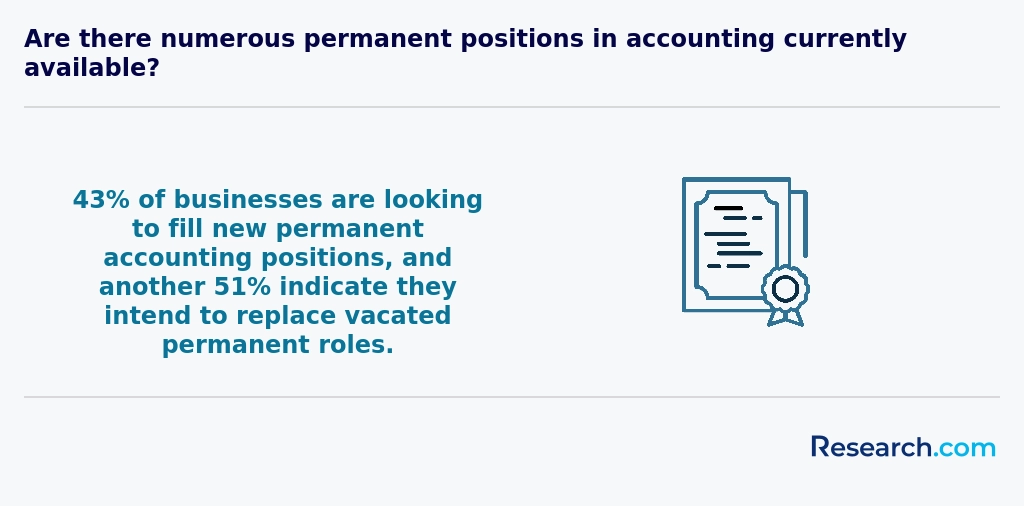
A key aspect that many prospective accounting students seek is understanding the certification process and professional growth opportunities beyond earning a degree. Certification plays a critical role in validating expertise and enhancing career prospects. Many graduates advance their careers by becoming licensed professionals, which not only bolsters credibility but also opens doors to higher earning potential and more specialized roles. For example, obtaining a CPA (Certified Public Accountant) license is a coveted goal among accounting professionals. In fact, learning more about the process to become a certified public accountant example can offer invaluable insights into the certification journey, including necessary coursework, required examinations, and state-specific licensing procedures. Professional development doesn’t end with certification; it is a continuous journey. Engaging in ongoing education, attending industry seminars, joining professional accounting organizations, and networking with industry veterans helps build a robust career. Employers increasingly value candidates who demonstrate a commitment to lifelong learning and active participation in the broader accounting community. As an integral part of career advancement, these efforts provide both knowledge and connections that can significantly influence job performance and satisfaction. Embracing these opportunities can be the catalyst for long-term success in the competitive field of accounting.
Students pursuing an accounting degree at Notre Dame typically enroll in a mix of foundational and advanced courses that reflect both traditional principles and emerging trends. Graduates often recall how financial and managerial accounting classes provided the essential framework for understanding real-world business challenges, from preparing detailed financial statements to making data-driven decisions in student-run enterprises on campus.
Courses like auditing and taxation remain pivotal, teaching practical skills needed to evaluate financial integrity and navigate complex tax laws. In Notre Dame's rigorous environment, students share experiences of applying these lessons during internships, gaining insights into corporate finance and compliance.
Additionally, accounting information systems courses introduce technology-driven processes, preparing students to leverage cutting-edge software and blockchain applications shaping tomorrow's accounting landscape. The integration of ethics classes further resonates, as graduates emphasize how this foundation fosters trustworthiness crucial in all business contexts.
With Notre Dame's alignment to AICPA standards, students feel confident their education equips them to meet future CPA requirements while adapting to innovations in financial reporting and analytics.

Students pursuing an accounting degree in Notre Dame often select from specializations like Financial Accounting, Management Accounting, Tax Accounting, Auditing, and Forensic Accounting. Graduates from top universities in the area frequently share how honing expertise in Financial Accounting helped them excel in real-world financial reporting roles, while others found Management Accounting essential for driving strategic decisions within corporations. These Notre Dame accounting concentration options are designed to align theoretical knowledge with practical challenges students encounter during internships and co-op programs.
Envisioning the future, specializations may increasingly incorporate advanced data analytics and blockchain applications, preparing students to address emerging business complexities. Graduates often feel empowered by the rigorous training and close faculty engagement typical at Notre Dame institutions, providing confidence to tackle evolving job markets. Many also highlight how integrated CPA prep courses boost their professional readiness.
For those exploring these pathways, taking advantage of innovative degree formats, such as those highlighted in the best online master's in accounting, can offer flexible options to deepen specialization while managing other commitments.
Choosing the best accounting degree in Notre Dame often means looking beyond just tuition costs toward the quality and relevance of the program. Graduates from well-known local colleges frequently share how programs accredited by AACSB provided them with a deep understanding of accounting principles integrated with cutting-edge technology trends, preparing them confidently for a rapidly evolving job market. In fact, many students emphasize the importance of choosing programs that offer specialized tracks like forensic or tax accounting, which align closely with personal career ambitions and emerging industry demands.
Affordable accounting schools in Notre Dame can still offer robust curricula that emphasize CPA exam readiness and practical experience through internship placements. These experiences, graduates note, create real-world confidence and local networking opportunities, especially with the region's growing firms. Students also find value in faculties actively engaged in research and industry partnerships, which often bring fresh insights and job connections.
As you explore options, also consider programs that offer flexible paths or supplements like MBA programs at top business schools, enhancing leadership skills alongside accounting expertise to future-proof your education and career.
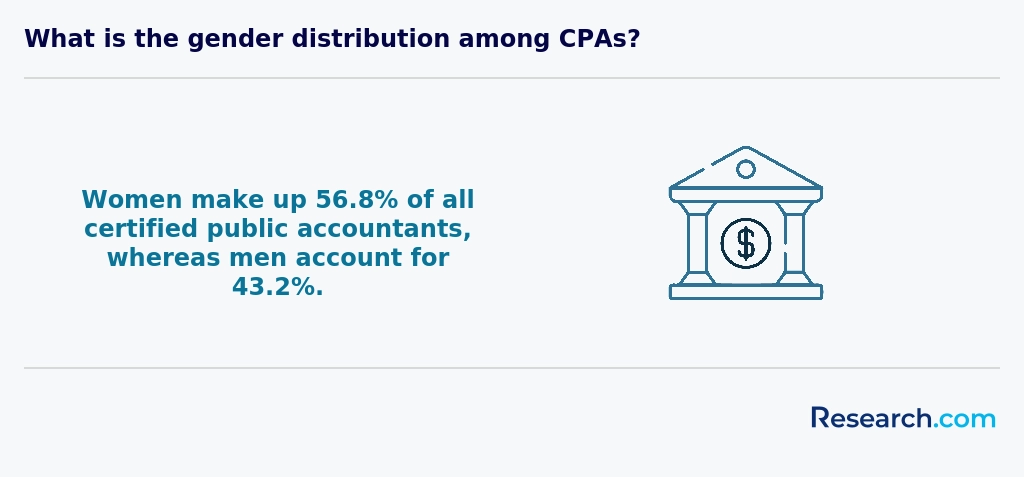
Graduates holding an accounting degree from prominent institutions in Notre Dame often embark on diverse career paths. Many find rewarding roles in public accounting firms, such as local CPA offices, where they engage in auditing and consulting-experiences that several Notre Dame graduates describe as both challenging and deeply satisfying. Others pursue corporate accounting positions, managing financial reporting and internal controls in dynamic companies near Indiana's major business hubs. This region's opportunities create a thriving environment for accounting career opportunities in Notre Dame.
Government agencies and nonprofit organizations also attract accounting graduates, offering roles centered on budget management and compliance. Recent graduates frequently highlight how internships secured through Notre Dame's extensive connections helped refine their skills and confidence. Excitingly, specialized fields like forensic accounting and tax accounting are expanding, driven by stricter regulations and increasing demand for transparency. Students benefit from programs aligning with certification paths such as the CPA, which many see as a gateway to enhanced job prospects with Notre Dame accounting degree credentials.
For students considering alternative or supplemental education options, exploring the top online hospitality management degrees can provide insight into complementary skills and opportunities.
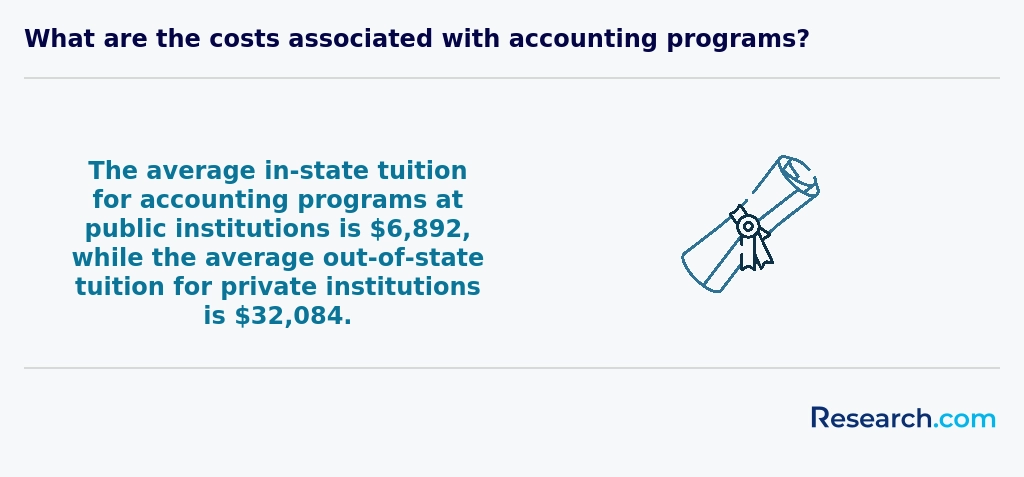
Graduates with an accounting degree in Notre Dame often find promising employment opportunities in a diverse regional economy fueled by manufacturing, finance, healthcare, and education. Many accounting students from popular universities nearby share experiences of securing internships that open doors to well-established firms, creating a positive momentum for career growth. This dynamic job market reflects the outlook for those seeking to work locally or within commuting distance of Chicago's financial hub, enhancing the appeal of an accounting degree job outlook Notre Dame.
The average starting salary around $55,000 to $60,000 in Indiana motivates students to invest in their education despite varying tuition costs at public and private institutions. Graduates often emphasize the importance of mastering accounting software and analytical skills, which align perfectly with curriculum goals in Notre Dame-area programs. The steady growth in demand for accountants supports this trend, encouraging students to view their degree as a valuable gateway to stable employment.
Prospective students can explore the best popular accounting degree options in the area, which often highlight strong placement rates and partnerships with local businesses. These connections fuel an optimistic atmosphere where graduates feel confident pursuing roles like auditors, tax preparers, or financial analysts. The Notre Dame accounting degree employment opportunities blend well with the area's economic strengths, offering students a pathway to rewarding careers.
2027 Most Popular Accounting Degree Programs Ranking in Notre Dame
Investing in your education is a significant decision that can shape your future, and the Research.com team understands the importance of making informed choices. To assist prospective students in Notre Dame, we have meticulously crafted the "2027 Most Popular Accounting Degree Programs Ranking in Notre Dame." Our commitment to quality, credibility, and accuracy is reflected in the extensive research and analysis conducted to compile this ranking.
We utilized the following reputable data sources to ensure a comprehensive evaluation of accounting programs:
By exploring this ranking, readers will gain valuable insights into the most popular accounting degree programs available in Notre Dame, helping them make informed decisions about their educational paths. For more details on our methodology, please visit our Research.com methodology page.

# 3 position
Saint Mary's College
Bachelor of Business Administration in Accounting

Frequently Asked Questions About accounting
Accounting degree students in Notre Dame can maximize their learning by actively engaging with local internship opportunities. The city hosts several accounting firms and corporate offices where students can gain practical experience alongside their studies. According to the Bureau of Labor Statistics, internships improve job placement rates by up to 60% for accounting graduates nationwide, which holds true for Notre Dame's competitive market. Additionally, students should take advantage of networking events hosted by professional organizations such as the Indiana CPA Society, which frequently conducts workshops and seminars in the region.
Participation in campus study groups and accounting clubs fosters collaboration and deeper understanding of complex topics. Notre Dame's proximity to major business hubs also allows students to attend guest lectures and meet industry professionals.
The accounting field is evolving with new niches emerging to meet the demands of a changing economy. One significant area is forensic accounting, which focuses on investigating financial crimes such as fraud and embezzlement. According to the Bureau of Labor Statistics, job growth in this specialty is projected at 16% through 2032, well above the average.
Another growing niche is environmental accounting, where professionals track sustainability costs and compliance with regulations. This is gaining traction as companies adopt greener policies.
Technology-driven roles like data analytics and blockchain auditing are also expanding, requiring accountants to combine finance knowledge with IT skills. Local firms in Notre Dame increasingly seek graduates with these competencies, reflecting national trends.
Preparing for the job market after earning an accounting degree in Notre Dame involves strategic planning and skill development. Students should focus on gaining practical experience through internships, which are highly valued by local employers in Indiana. According to the Indiana Department of Workforce Development, internships increase employment chances by 20% within six months of graduation.
Additionally, acquiring certifications like the CPA or CMA can significantly enhance job prospects. Notre Dame and nearby universities often offer preparatory courses for these exams. Networking is crucial; attending local accounting association events helps students connect with professionals in Chicago's financial sector, less than two hours away.
Strong communication and technology skills, including proficiency with accounting software such as QuickBooks or SAP, are also essential to stand out in the competitive job market.
Employers in Notre Dame highly value accounting degree graduates who demonstrate strong analytical and critical thinking skills. These abilities help professionals interpret complex financial data and support strategic business decisions effectively.
Technical proficiency in accounting software, such as QuickBooks and Microsoft Excel, is frequently required. According to the National Association of State Boards of Accountancy (NASBA), familiarity with these tools increases job placement rates by over 20% for recent graduates.
Communication skills are also essential. Accounting professionals must clearly present financial information to clients and management, often translating technical details into understandable language.
Finally, ethical judgment and adherence to regulatory standards remain a top priority. Notre Dame employers expect graduates to be well-versed in US GAAP and IRS compliance to maintain trust and accuracy in financial reporting.
Finding internships in Notre Dame for accounting students involves a mix of on-campus resources and local networking. The University of Notre Dame's Mendoza College of Business offers targeted career services that connect students with top accounting firms through job fairs and internship programs. Additionally, the city's proximity to larger cities like Chicago expands opportunities in regional and national accounting firms. According to the National Association of Colleges and Employers, about 60% of accounting students secure internships before graduation, highlighting the importance of early outreach. Utilizing online platforms like Handshake and joining professional groups such as the Notre Dame Accounting Club can also enhance your search.
An accounting degree significantly enhances career mobility and advancement opportunities in Notre Dame. Graduates often qualify for a variety of roles across multiple industries, including public accounting, corporate finance, and government agencies. According to the Notre Dame Economic Development office, the local job market shows steady demand for accounting professionals, with a 5% growth rate projected over the next five years.
Holding a degree in accounting also increases access to certifications such as CPA (Certified Public Accountant), which is highly valued by employers and can lead to higher salaries.
Employers in the Notre Dame area tend to prefer candidates with formal accounting education, viewing the degree as evidence of strong analytical and regulatory knowledge, essential for career progression and leadership roles.
Studying for an accounting degree in Notre Dame offers students a strong foundation in financial principles while encouraging interdisciplinary learning. Many programs incorporate courses in economics, information technology, and business law to build a versatile skillset. This approach prepares graduates to navigate complex roles that require knowledge beyond traditional accounting.
Notre Dame's emphasis on experiential learning and collaboration with other departments fosters adaptability. According to the university's latest curriculum overview, over 30% of accounting students take electives in data analytics and management, enhancing their ability to work across fields.
These combined skills support career paths in finance, consulting, and technology-driven industries.
When choosing between a thesis and a non-thesis accounting degree program in Notre Dame, consider your career goals and learning preferences. Thesis programs require original research and a formal paper, ideal for students targeting academic or research careers.
Non-thesis programs focus on coursework and practical skills, often preferred by those aiming for professional certifications like the CPA or direct entry into accounting roles.
According to the National Association of State Boards of Accountancy, nearly 75% of accounting graduates pursue CPA licensure, which typically values applied knowledge over research experience.
In Notre Dame, universities like the University of Notre Dame offer both options, with thesis tracks requiring more time and commitment but enhancing analytical skills.
Students based in Notre Dame seeking to study accounting abroad have several pathways available through their home institutions and external programs. The University of Notre Dame, for example, offers exchange and study abroad programs with partner universities in Europe, Asia, and Australia, allowing accounting majors to gain international experience while earning credits toward their degree.
Many programs emphasize international accounting standards and practices, which can complement U.S.-based curricula. According to the National Association of State Boards of Accountancy (NASBA), exposure to global accounting frameworks is increasingly valuable for career advancement.
Additionally, students can explore semester-long exchanges or summer programs, lasting from four to twelve weeks, that focus on accounting topics relevant to global markets. Financial aid and scholarships may be available to support these opportunities.
Students pursuing an accounting degree in Notre Dame have access to various part-time job opportunities that complement their academic learning. Many local businesses and nonprofits seek accounting interns or assistants, providing practical experience in bookkeeping, tax preparation, and auditing. These roles help students apply theoretical knowledge in real-world settings, enhancing their skills for future careers.
Additionally, the University of Notre Dame offers student employment within its finance and administrative departments, allowing students to work on-campus in accounting-related roles. According to the National Association of Colleges and Employers (NACE), internships and part-time jobs significantly improve employment prospects post-graduation.
Opportunities also exist with regional accounting firms in South Bend, where students can gain exposure to various industries and client needs while balancing coursework.
Accounting students in Notre Dame benefit from strong networking opportunities due to the city's robust academic and professional environment. The University of Notre Dame's Mendoza College of Business hosts frequent events where students meet alumni and industry leaders. These events include career fairs, guest lectures, and workshops specifically tailored to accounting and finance.
Additionally, local chapters of professional organizations such as the Indiana CPA Society provide access to networking events, seminars, and continuing education opportunities. Around 75% of Notre Dame accounting graduates report securing internships or jobs through networking during their studies, according to recent university career services data.
Students can also engage in student-run clubs focused on accounting, which offer peer connections alongside access to regional and national accounting conferences.
Alumni networks offer valuable support to accounting degree students in Notre Dame by connecting them with professionals already established in the field. These networks provide mentorship opportunities, helping students navigate internships and job searches more effectively.
Many Notre Dame accounting graduates work in major firms across Indiana and nationwide, making alumni connections crucial for building professional relationships. According to the University of Notre Dame's Mendoza College of Business, alumni involvement increases the likelihood of students securing competitive positions upon graduation.
Additionally, the network often hosts events and workshops that expose current students to industry trends and career advice, enhancing their learning experience beyond the classroom.
Students pursuing an accounting degree in Notre Dame can tailor their programs by selecting electives that align with specific career paths, such as auditing, tax, or financial analysis. Local universities often offer flexible course scheduling and opportunities for internships with prominent regional firms, enhancing real-world experience.
In addition, students may choose to complement their accounting studies with related fields like information systems or business law to broaden expertise. According to the National Association of State Boards of Accountancy, completing 150 credit hours, typical in many Notre Dame programs, helps students meet CPA exam eligibility requirements.
Advising services at Notre Dame institutions support personalized academic planning to meet professional goals effectively.
Accounting students in Notre Dame often face a rigorous curriculum that demands strong analytical and quantitative skills. Courses typically require mastering complex concepts such as financial reporting, taxation, and auditing standards. Many students report time management challenges due to a heavy workload combined with internship and networking opportunities critical for career advancement.
Additionally, staying updated with frequent changes in accounting regulations and technology is essential but challenging. According to the Notre Dame Career Center, nearly 45% of accounting students find balancing exam preparation with practical experience challenging. Limited access to specialized faculty and competitive job placement further contribute to stress among students pursuing accounting degrees in this region.
With an accounting degree in Notre Dame, graduates can pursue several respected professional certifications to enhance their career prospects. The most sought-after is the Certified Public Accountant (CPA) credential, which is essential for many accounting roles in the United States. Obtaining a CPA requires passing a rigorous exam and meeting education and experience criteria established by the Indiana Board of Accountancy.
Other notable certifications include the Certified Management Accountant (CMA) and Certified Internal Auditor (CIA), both recognized nationwide. These can lead to specialized roles in management accounting or internal auditing, fields growing steadily in demand according to the Bureau of Labor Statistics.
Notre Dame's proximity to several business hubs offers local students ample opportunities to gain relevant internship experience, a valuable asset when pursuing these certifications.
To write a winning application for an accounting program in Notre Dame, start by highlighting your academic achievements clearly. Most competitive programs look for a minimum GPA of 3.0, with strong performance in math and business-related courses. Include relevant experiences such as internships or work in accounting to demonstrate practical skills.
Personal statements should explain your interest in accounting and how Notre Dame's offerings align with your career goals. Address any leadership roles or teamwork experiences, as these are valued by admission committees. Be sure to proofread carefully and follow all application instructions precisely.
Additionally, obtaining strong letters of recommendation from professors or employers familiar with your accounting abilities can greatly strengthen your application. The University of Notre Dame's Mendoza College of Business, ranked among the top 25 for undergraduate business programs nationally, values well-rounded applicants who demonstrate both academic aptitude and motivation.
The accounting profession offers strong global opportunities, reflecting its vital role in international business and finance. Graduates with accounting degrees from Notre Dame benefit from a curriculum that emphasizes not only U.S. accounting standards but also global frameworks like IFRS (International Financial Reporting Standards), which are widely used worldwide.
According to the U.S. Bureau of Labor Statistics, employment for accountants and auditors is projected to grow 7% from 2021 to 2031, driven partly by increasing globalization. Notre Dame's focus on cross-cultural business skills prepares students to work effectively in multinational corporations or firms with international clients.
Accounting professionals often find roles in diverse settings such as public accounting, corporate finance, and government agencies, with the ability to pursue certifications like CPA or CMA that hold international recognition. This global perspective enhances career mobility and competitiveness in the evolving accounting landscape.
Gaining practical experience while studying for an accounting degree in Notre Dame is crucial for career readiness. Many local universities encourage students to participate in internships with nearby accounting firms, businesses, or government agencies. These opportunities allow students to apply classroom knowledge to real-world scenarios. According to the National Association of Colleges and Employers (NACE), internships in accounting increase job prospects by over 60%.
Additionally, students can join university-sponsored accounting clubs and participate in competitions like the Audit Case Challenge or Tax Challenge. Notre Dame's proximity to businesses in Northern Indiana offers diverse part-time job opportunities. Volunteering for tax assistance programs is another effective way to develop practical skills while helping the community.
Choosing the right concentration within an accounting degree program in Notre Dame requires understanding your career goals and interests. Popular concentrations include Auditing, Taxation, and Financial Accounting, each offering different skill sets and job prospects. For example, Notre Dame's Mendoza College of Business emphasizes ethics and leadership alongside technical skills, which can benefit students targeting corporate accounting roles.
Research labor market trends in Indiana and the Midwest; the Bureau of Labor Statistics projects a 7% growth in accounting jobs nationally through 2032, with strong demand in taxation and compliance roles. Additionally, consider seeking programs with hands-on experience options like internships or CPA exam prep aligned with Illinois or Indiana licensure requirements.
- 2027 Most Popular Accounting Degree Programs Ranking in Chicago
- 2027 Most Popular Accounting Degree Programs Ranking in Grand Rapids
- 2027 Most Popular Accounting Degree Programs Ranking in Indianapolis
- 2027 Most Popular Accounting Degree Programs Ranking in Madison
- 2027 Most Popular Accounting Degree Programs Ranking in Cincinnati
- 2027 Most Popular Accounting Degree Programs Ranking in Columbus
- 2027 Most Popular Accounting Degree Programs Ranking in Cleveland
- 2027 Most Popular Accounting Degree Programs Ranking in Louisville
- 2027 Most Popular Accounting Degree Programs Ranking in Saint Louis
- 2027 Most Popular Accounting Degree Programs Ranking in Pittsburgh
See What Experts Have To Say About Studying Accounting
Read our interview with Accounting experts

John Wermert, Ph.D., CPA
Accounting Expert
Associate Professor of Accounting
Middle Tennessee State University

Yaw M. Mensah
Accounting Expert
Professor and Interim Vice Dean for Strategic Partnerships
Rutgers Business School

- Mastering the Art of Networking: A Guide for Accounting Students https://www.wscpa.org/blog/607cb669-8d98-427e-8c9b-06129d9297e8:mastering-the-art-of-networking-a-guide-for-accounting-students
- Why CA Firms Can't Afford to Overlook Alumni Networks: A Key Strategy for Growth and Success https://hoopstr.ai/corporate-resource-center/blog/why-ca-firms-need-to-adopt-corporate-alumni-programs-for-growth-and-success-in-a-changing-industry
- 5 accounting certifications without a degree | Becker https://www.becker.com/blog/career/5-accounting-certifications-you-can-earn-without-a-degree
- Bachelor of Accounting - University of Notre Dame Australia https://uac.edu.au/course-search/search/undergraduate/course/650240
- Why More Future CPAs Are Rethinking Traditional Career Paths - Controllers Council https://controllerscouncil.org/why-more-future-cpas-are-rethinking-traditional-career-paths/
- Accountant Job Outlook & Demand Report 2026 - Intuit Blog https://www.intuit.com/blog/innovative-thinking/accountant-job-outlook-demand-report/
- Everything About Bachelor’s in Accounting https://www.allbusinessschools.com/accounting/bachelor-degree-in-accounting/
- Guide to Transition into an Accounting Career https://teach.com/online-ed/business-degrees/online-masters-accounting/how-to-transition-to-an-accounting-career/
- Accountant Cover Letter Example https://www.careertoolbelt.com/professions/accountant/cover-letter-example/
- Networking events for accountants in 2026 | Eagle Education https://www.eagle-education.co.uk/eagle/networking-events-for-accountants-in-2026/