2027 Most Popular Accounting Degree Programs Ranking in Madison

Co-Founder and Chief Data Scientist
Choosing the right accounting degree program in Madison can feel overwhelming, but you're not alone. This article introduces the 2027 Most Popular Accounting Degree Programs Ranking in Madison, crafted by the Research.com team of data scientists to guide you in making an informed decision.
Discover programs that match your goals and interests, giving you a clear path toward a rewarding career. An accounting degree opens doors to stability, growth, and fulfillment, making your investment worthwhile. Reading this will help you take confident steps toward your future success.
Key benefits of getting accounting degree in Madison
- Accounting degree graduates in Madison can earn competitive salaries, with roles such as Staff Accountant averaging $90,780 per year and hourly wages around $43.65, offering strong financial rewards.
- Graduates often find diverse career paths, including bookkeeping, tax preparation, and auditing, providing flexibility and opportunities to grow in various industries across Madison.
- Online accounting degrees offer convenience and flexibility, allowing students to balance work and study effectively while earning credentials respected by employers in Madison's job market.
- 2027 Most Popular Accounting Degree Programs Ranking in Madison
- What can I expect from accounting degree in Madison?
- Where can I work with accounting degree in Madison?
What can I expect from accounting degree in Madison?
The average cost of pursuing an accounting degree in Madison varies, with many students at the University of Wisconsin-Madison investing a significant but worthwhile amount in their education. Graduates often reflect on the value of this investment, especially when considering the comprehensive curriculum and CPA exam preparation integrated into their programs. Tuition and fees can range broadly depending on residency status and degree level, but many find that financial aid and scholarships help ease this burden.
Students frequently share how the cost translates into real-world gains-access to internships with local firms, networking opportunities, and hands-on experience that boost confidence and job readiness. Some find it helpful to combine undergraduate and graduate coursework to meet Wisconsin's 150-credit requirement without extending their time or expenses unnecessarily.
As accounting demands evolve, there's growing excitement about how Madison's programs might integrate emerging technologies and flexible online components, potentially making education more affordable and accessible without sacrificing quality or professional outcomes.
Where can I work with accounting degree in Madison?
Graduates with an accounting degree in Madison often find themselves stepping into dynamic roles within the city's vibrant economy. Many secure positions at public accounting firms like Deloitte or PwC, where they gain hands-on experience in auditing and tax preparation-roles that recent graduates from the University of Wisconsin-Madison frequently praise for sharpening critical skills early in their careers.
Others pursue corporate accounting paths at local industry leaders such as Epic Systems. Here, graduates engage in financial analysis and compliance work, applying their academic knowledge to fast-growing sectors like healthcare technology. This real-world exposure, often highlighted by students, fuels confidence and professional growth.
Nonprofits and educational institutions also create meaningful opportunities. Many accounting alumni from Madison College find rewarding careers managing budgets and grants, helping these organizations thrive financially. Additionally, healthcare providers offer roles focusing on billing and regulatory compliance, meeting the rising demand for specialists in healthcare finance.
For entrepreneurial spirits, Madison's business environment supports independent consulting and advisory services, where graduates embrace the challenge of working closely with startups. The city's low unemployment and diverse sectors encourage continual growth and the exploration of new, emerging accounting roles.
Graduates with an accounting degree in Madison can anticipate promising salary prospects right from the start. Entry-level roles such as Bookkeeper, Tax Preparer, Associate Auditor, and Accounts Payable Clerk typically offer mean annual wages around $49,580, matching the U.S. Bureau of Labor Statistics data. These positions provide a solid foundation and valuable experience for those emerging from programs at institutions like the University of Wisconsin-Madison.
As graduates advance, roles such as Staff Accountant become accessible, with a mean annual wage approximately $90,780. Many Madison graduates share that landing a Staff Accountant position after completing internships or co-ops offered by their colleges creates a rewarding sense of achievement and financial stability. The progression reflects the city's competitive market, bolstered by local demand and economic growth.
Future trends suggest rising demand for accounting professionals skilled in technology and data analytics, which could further elevate salaries in Madison. With additional certifications like the CPA, graduates often unlock higher pay scales, joining a community of ambitious professionals eager to grow within diverse industries based here.
- Annual tuition for a bachelor's degree in accounting at public universities in Madison ranges from $9,000 to $12,000 for in-state students.
- Private schools in Madison charge between $25,000 and $35,000 per year, excluding books, supplies, and living expenses.
- Entry-level accountants in Madison earn starting salaries between $50,000 and $58,000 annually.
- Experienced CPAs and certified professionals can expect salaries from $70,000 to $90,000 per year.
- The accounting job market in Madison is projected to grow about 7% over the next decade.
- Madison offers many public sector accounting roles and internship opportunities that may lead to job offers.
Graduates from Madison often find that completing an accounting degree fits well within typical timeframes but can be surprisingly flexible. At the University of Wisconsin-Madison, most full-time students finish their bachelor's degree in about four years, balancing a rigorous credit load with internships that enhance practical skills. One graduate recalls managing evening classes alongside a part-time job, stretching their degree to five years-but gaining invaluable hands-on experience that made the extra time worthwhile.
For those attending Madison Area Technical College, associate degrees in accounting often take about two years full-time. Graduates appreciate the swift path to entry-level roles, emphasizing how this shorter timeframe jumpstarts their careers. Meanwhile, master's degree seekers at local institutions report completing their studies in one to two years, often leveraging flexible online or evening courses to fit their busy lives.
Looking ahead, many students expect these durations to evolve with growing online options and hybrid models in Madison, allowing even greater personalization of study pace without sacrificing quality.
To find the most suitable accounting program in Madison, WI, prospective students should consider several factors, including accreditation, curriculum, experiential learning opportunities, and faculty expertise. When evaluating these aspects, it's essential to research the program's reputation and job placement rates, as well as the availability of resources such as career counseling and networking events. For those looking for in demand accounting schools, understanding the local job market and the skills required by top employers can also be beneficial. By carefully considering these elements, students can make informed decisions about their educational paths and set themselves up for success in the accounting field.
Graduates from popular Madison universities often share that online and on-campus accounting degrees offer distinct experiences that shape their learning journey. Online programs stand out for their flexibility, enabling students to study around work or family commitments-a huge benefit for many pursuing degrees from anywhere in Madison. One graduate mentioned appreciating the ability to revisit lectures late at night, which made complex topics like audit procedures more manageable.
On-campus students at Madison-area colleges commonly value the face-to-face interaction and immediate feedback from professors and peers. This setting fosters deeper engagement, especially when tackling challenging subjects such as tax law. Several graduates recall collaborative projects and networking events through campus career centers that boosted their confidence and professional connections.
Cost differences also play a role; while online courses may cost slightly less, some students find the hands-on support and community feel on-campus worth the investment. Both formats prepare students to meet Wisconsin's CPA requirements, but the choice often hinges on personal learning styles and lifestyle needs in Madison's evolving educational landscape.
In today’s dynamic educational landscape, integrating emerging trends and technological innovations into accounting degree programs is essential for keeping pace with the evolving financial industry. This section details how institutions in Madison, WI, are increasingly incorporating advanced technologies, experiential learning opportunities, and accelerated pathways into their curricula to better prepare students for real-world challenges. Modern accounting courses now emphasize data analytics, artificial intelligence, and blockchain technology-tools that are revolutionizing the accounting profession. These innovations not only enhance learning but also open new career pathways. For instance, many schools now offer specialized courses that merge traditional accounting principles with cutting-edge software skills, enabling graduates to quickly adapt to market needs. In addition, accelerated learning options are gaining traction among busy professionals; one effective way to fast-track your education is by exploring an accounting accelerated program that condenses coursework without compromising quality. By staying informed about these trends, students can make strategic decisions that align with both current industry demands and long-term career goals, ensuring a competitive edge in the job market.
The average cost of a accounting degree in Madison typically centers around a median total cost of $51,538, factoring in both tuition and required fees. In-state students often benefit from reduced prices, with median costs near $23,731, reflecting the more affordable options at public universities like the University of Wisconsin-Madison. Graduates from these programs frequently share how managing budget expectations was crucial to their positive college experience, balancing quality education with financial planning.
Private colleges in Madison, known for their personalized instruction and smaller class sizes, tend to push total costs closer to the median out-of-state value. However, students often emphasize the value gained through rich resources and networking opportunities despite the higher price tag. Those pursuing advanced degrees find that investing in graduate programs-especially as an out-of-state student-can elevate costs significantly but also open doors to competitive careers in accounting.
Living expenses, textbooks, and fees further shape the landscape of Madison accounting degree tuition and fees. Many students find creative ways to manage these additional costs, and the availability of financial aid combined with scholarships can meaningfully ease the journey. Exploring in demand accounting schools in Madison can unlock tailored opportunities aligned with one's career goals and budgets, enhancing both educational outcomes and long-term satisfaction.
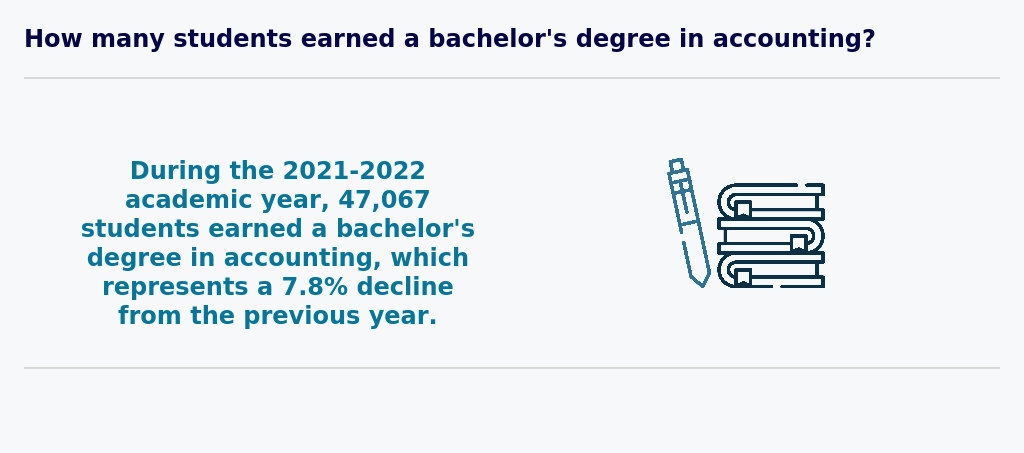
Candidates pursuing an accounting degree in Madison, WI, often aim to sit for the Uniform CPA Exam, a critical step toward licensure and career advancement. To meet Wisconsin’s 150-credit-hour requirement, many students integrate additional coursework-such as advanced taxation or auditing electives-into their Bachelor’s or Master’s programs. Universities like UW–Madison and Edgewood College partner with review providers offering live workshops, practice simulations, and mock exams to boost pass rates. Recent data show an average first-time CPA exam pass rate of approximately 52%, slightly above the national average, reflecting the rigorous academic support available in Madison. In addition to formal coursework, students benefit from joining study groups and attending review sessions coordinated by university chapters of the American Accounting Association (AAA) or Beta Alpha Psi. These peer-led initiatives foster accountability and mirror real-world audit teams and tax firms, enhancing practical understanding. For those exploring complementary credentials, pursuing specialized programs like bookkeeper certifications can reinforce mastery of QuickBooks and general ledger systems. To maximize success, prospective CPA candidates should leverage campus resources-academic advising, career services, and alumni mentors-to create individualized study plans. Tracking performance on section-based mock exams helps identify knowledge gaps in Regulation, Financial Accounting & Reporting, Business Environment & Concepts, and Auditing & Attestation. By strategically blending university support with targeted review tools, accounting degree holders from Madison can achieve pass rates that propel them into public accounting, corporate finance, or government roles with confidence and credibility.
Accounting students at the University of Wisconsin-Madison and Madison Area Technical College benefit from a range of financial aid options that make pursuing their degrees more manageable. Many graduates recall how federal Pell Grants, offering up to $7,395 annually, significantly reduced their tuition burden, allowing them to focus more on mastering accounting principles than on finances.
Wisconsin's state-specific aid, such as the Higher Education Grant providing $534 to $2,500 each year, has proven essential for full-time students showing financial need. Several Madison students share how these grants bridged funding gaps during challenging semesters.
Additionally, scholarships from local institutions and professional organizations like the Wisconsin Institute of Certified Public Accountants (WICPA) often reward dedication and academic achievement. Graduates often express pride in securing these scholarships, which not only alleviate costs but also affirm their commitment to the CPA path.
Federal work-study programs also offer valuable opportunities for on-campus accounting jobs, helping students gain real-world experience while earning. Many Madison students describe this as a confidence booster, combining income with resume-building roles aligned with their career goals.
Calculating the return on investment (ROI) for an Accounting degree in Madison, WI involves comparing program costs, post‐graduation earnings, and certification success rates. On average, graduates from the University of Wisconsin-Madison incur total student debt of around $23,000, while Edgewood College alumni report mean debts near $19,500. Given the median starting salary for Staff Accountants in Madison is $58,000 annually, many graduates achieve a positive debt‐to‐income ratio within four years of employment. Key performance indicators for ROI include:
- Graduation Rates: The UW-Madison accounting program boasts a 92% four-year graduation rate, while Edgewood College reports 88%.
- CPA Exam Pass Rates: Madison graduates achieve a first‐time Uniform CPA Exam pass rate of roughly 65%, exceeding the national average of 58%.
- Employment Outcomes: Within six months of graduation, 87% of accounting majors secure full‐time positions in public accounting firms, corporations, or government agencies. Beyond financial metrics, experiential learning amplifies ROI. Internships at local firms often translate into full‐time offers, and senior capstone projects simulate real‐world audit and tax engagements. Networking via the Madison Accounting Society and on-campus career fairs further enhances placement rates and starting compensation. For students prioritizing affordability without sacrificing quality, our sister ranking, Affordable Accounting Degree Programs Ranking in Pittsburgh, PA, highlights programs with the lowest net tuition. By evaluating debt levels alongside salary trajectories and licensure success, prospective students can make informed decisions that maximize their long-term earning potential.
To enroll in an accounting degree program in Madison, students typically need a high school diploma or GED, reflecting the essential starting point for academic success. Graduates from popular Madison universities often recall how a solid foundation in algebra and sometimes statistics really prepared them for the analytical challenges of their coursework.
Many institutions, including the University of Wisconsin-Madison, have shifted to test-optional policies, but strong SAT or ACT scores can still provide an edge during admission. Applicants who maintained a GPA above 3.0 often feel confident that their academic record showcased readiness for the program rigor.
Some students found that completing introductory economic or business classes before enrolling gave them a significant advantage, turning complex accounting theories into manageable concepts early on. Transfer students appreciate Madison's flexible evaluation of prior accounting and math credits, easing their transition into advanced courses.
The mixture of academic requirements and supportive policies makes the journey both challenging and rewarding, often leaving students excited about their future careers in accounting.

Accounting degrees in Madison typically include foundational courses like financial and managerial accounting, essential for understanding how businesses track and analyze their finances. Graduates often recall how these classes laid the groundwork for real-world applications, such as preparing budgets or analyzing company financials during internships at local firms.
Core topics extend to taxation, auditing, business law, financial management, and ethics. Many students at popular Madison institutions enthusiastically share how auditing courses gave them confidence to assess financial risks, while business law classes clarified the complexities behind contracts they encountered in part-time positions or campus projects.
Emerging trends show Madison programs increasingly integrating data analytics and accounting software training. Graduates mention feeling well-prepared for technology-driven roles thanks to hands-on experience with tools like QuickBooks and ERP systems, common in Madison's business environment.
These courses, paired with alignment to CPA certification standards, create a rewarding academic journey that resonates with students eager to thrive in Madison's evolving financial sector.
Students pursuing an accounting degree in Madison often explore diverse specializations that prepare them for dynamic career paths. Popular areas include Financial Accounting, which equips graduates to analyze statements essential for corporate roles, and Managerial Accounting, focused on budgeting and decision-making processes within businesses. Graduates from Madison's top schools, such as the University of Wisconsin-Madison, often share how Tax Accounting and Auditing specializations provided them with deep insights into compliance and regulatory work, skills increasingly valuable amid evolving state and federal laws.
Emerging trends suggest that Forensic Accounting and Governmental and Nonprofit Accounting are gaining traction due to heightened demand for fraud detection and public sector transparency. Students appreciate how these concentrations connect theoretical knowledge with internships at local firms or government agencies, making the concepts vivid in everyday work environments. Those exploring accounting accelerated program options frequently highlight the flexibility these specializations offer for adapting to Madison's growing tech and manufacturing economy.
Choosing among Madison accounting program concentration options means engaging with curricula aligned with CPA standards and state requirements, ensuring a competitive edge in Wisconsin's job market.
Choosing the best accounting degree programs Madison offers means looking beyond just rankings. Graduates from popular institutions like the University of Wisconsin-Madison often share how valuable AACSB accreditation was in giving them confidence and credibility when entering Madison's competitive job market. Practical experiences, such as internships with local companies, can transform classroom theory into real-world expertise, making the transition to employment smoother and more exciting.
Many students highlight the importance of tailored curricula that prepare them for future challenges like forensic accounting or emerging tax technologies. An accounting degree designed to meet CPA certification requirements also unlocks more career doors. Those seeking affordability often weigh tuition costs against Madison's slightly higher living expenses, balancing financial decisions with the quality of education.
For some, exploring options like bookkeeper certifications complements their degree choice, providing flexibility in a fast-evolving field. Ultimately, the best affordable accounting colleges in Madison equip students with skills that feel relevant and empowering, readying them for a dynamic professional future.
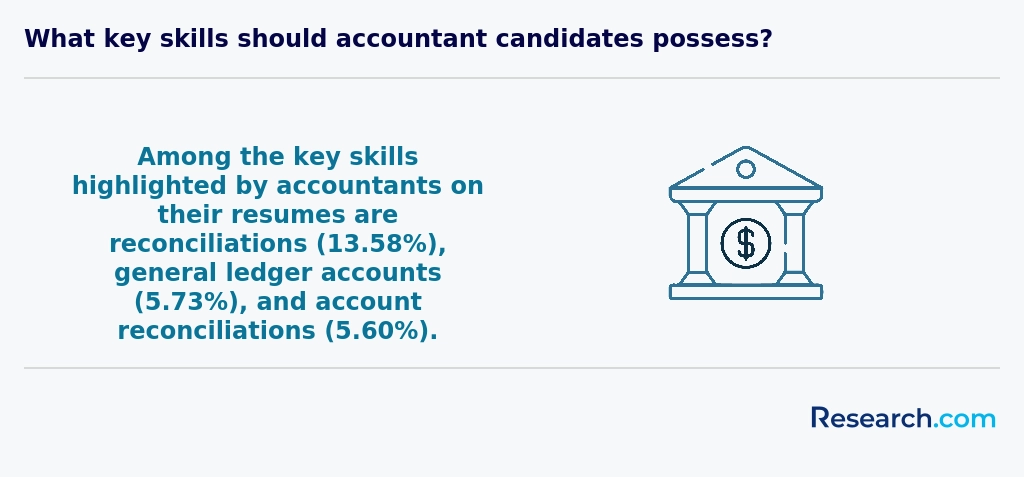
Graduates with an accounting degree in Madison often find themselves drawn to public accounting paths, where becoming a Certified Public Accountant (CPA) opens doors to rewarding careers in auditing, tax consulting, and advisory roles. Many students from local universities share stories of how their CPA journey has boosted their confidence and marketability in the bustling Madison job market. This city's unique mix of government offices, healthcare institutions, and technology companies creates a fertile environment for diverse job opportunities, making accounting careers in Madison especially dynamic.
For those seeking other promising routes, corporate financial roles such as internal auditing, financial analysis, and budget management at firms like Epic Systems provide hands-on experience with cutting-edge financial strategies. Graduates appreciate that these roles often blend analytical challenges with collaborative teamwork, enhancing job satisfaction.
Government accounting positions also attract graduates, as Madison's role as Wisconsin's capital sustains a steady demand for professionals managing public funds and compliance. Exploring job opportunities for accounting graduates Madison through stable government roles allows many to envision a meaningful career contributing to public service. Additionally, forensic accounting is emerging as an exciting field locally, where graduates investigate complex financial frauds, merging accounting skills with legal inquiry.
The cost of obtaining an accounting degree here, ranging from $10,000 to $25,000 annually for in-state students, represents a sound investment. Those eager to explore specific affordable educational options can refer to the Affordable Accounting Degree Programs Ranking in Pittsburgh, PA for comparative insights and further planning.
The job market for accounting degree holders in Madison promises steady expansion, fueled by a mix of public sector agencies and thriving healthcare and tech industries. Graduates from the University of Wisconsin-Madison often share how the city's diverse employment options create excitement about launching careers in forensic accounting or financial analysis. Madison accounting degree career prospects are strengthened by local firms that value fresh talent ready to navigate evolving tax codes and regulatory compliance.
Accounting students find that starting salaries between $50,000 and $60,000 align well with Madison's cost of living, making the decision to study here feel rewarding and sustainable. With startups growing rapidly, graduates gain unique opportunities to specialize in areas that blend accounting with technology. This expanding demand creates a sense of optimism among students eager to contribute their skills.
Many aspiring professionals explore educational pathways and sometimes compare traditional routes to less conventional options, such as easy phd programs to get into, to enhance their qualifications while adapting to the dynamic market.
Overall, accounting job opportunities in Madison reflect a balance of stability and innovation, encouraging graduates to pursue long-term growth in an encouraging environment.
2027 Most Popular Accounting Degree Programs Ranking in Madison
Investing in your education is a significant decision that can shape your future, and the Research.com team is keenly aware of the importance of making well-informed choices. To support prospective students in Madison, we have carefully developed the "2027 Most Popular Accounting Degree Programs Ranking in Madison." Our dedication to quality, credibility, and accuracy is demonstrated through thorough research and analysis used in creating this ranking.
We utilized the following reputable data sources to ensure a comprehensive evaluation of accounting degree programs:
By exploring this ranking, readers will gain valuable insights into the most popular and well-regarded accounting programs in Madison, equipping them to make confident and informed educational decisions. For more details on our methodology, please visit our Research.com methodology page.


Frequently Asked Questions About accounting
Accounting degree students in Madison can maximize their learning experience by engaging actively with both academic resources and local professional opportunities. The University of Wisconsin-Madison, a major educational institution in the city, offers access to experienced faculty and specialized accounting software training essential for hands-on skills.
Taking part in internships with Madison-based firms, including regional accounting offices and non-profit organizations, helps students apply theoretical knowledge to real-world scenarios. According to the Wisconsin Department of Workforce Development, internships significantly improve graduate employment rates.
Joining student organizations like the Accounting Club or attending local networking events hosted by the Madison Society of CPAs also provides valuable peer support and industry connections.
Lastly, leveraging Madison's thriving business environment, including startups and government agencies, offers diverse learning experiences beyond the classroom.
Emerging niches within the accounting field reflect the growing complexity of business and technology. In Madison, students pursuing accounting degrees can explore areas such as forensic accounting, which involves investigating financial fraud. This niche is expanding due to increased regulatory scrutiny and corporate governance demands.
Another growing area is environmental accounting, where professionals assess a company's impact on the environment and help meet sustainability goals. Madison's Green Bay and Dane County initiatives support this trend, encouraging firms to adopt greener practices.
Additionally, data analytics in accounting is becoming crucial. Experts use big data tools to improve financial decision-making, a skill emphasized in many Madison accounting programs. According to the Bureau of Labor Statistics, jobs requiring these skills are projected to grow by 11% nationally over the next decade.
After completing an accounting degree in Madison, preparing for the job market involves several strategic steps. First, gaining practical experience through internships with local firms or government agencies can significantly improve employability. According to the Wisconsin Department of Workforce Development, internships increase job placement rates by over 30% for accounting graduates.
Next, obtaining relevant certifications, such as CPA (Certified Public Accountant), enhances credibility. Madison hosts preparatory courses and networking events that help candidates meet state licensure requirements.
Additionally, leveraging Madison's strong financial sector and professional associations, like the Wisconsin Institute of CPAs, provides valuable connections.
Updating resumes to highlight key accounting software skills, including QuickBooks and Excel, is also critical.
Employers in Madison highly value strong analytical skills in accounting graduates, as these enable effective interpretation of financial data. According to the Wisconsin Department of Workforce Development, proficiency with accounting software like QuickBooks and Excel is essential for success in local firms. Additionally, communication skills are critical; accountants must clearly explain complex financial information to clients and colleagues.
Problem-solving abilities and attention to detail are also key. A 2023 survey by the Madison Area Economic Development Corporation found that 68% of employers prioritized these traits. Finally, knowledge of regulatory standards, including GAAP and state tax laws, distinguishes candidates in the competitive Madison job market.
Finding accounting internships in Madison involves a combination of local networking, college resources, and online platforms. Many universities in Madison, like the University of Wisconsin-Madison, offer dedicated career centers that connect students to internships with regional firms.
Madison is home to numerous accounting firms, both large and small, creating a healthy demand for interns. The Wisconsin Institute of Certified Public Accountants (WICPA) often lists internships and job opportunities through its local chapter, which is a valuable resource for students.
Additionally, websites such as Handshake and LinkedIn provide listings specifically targeted to Madison-area opportunities. Attending local career fairs and joining accounting clubs at your institution can further increase your internship prospects. According to WICPA, about 60% of accounting students in Wisconsin secure internships before graduation, highlighting the importance of early and proactive searching.
An accounting degree in Madison significantly enhances career mobility and advancement opportunities. Local employers, including firms in finance, government, and industry, often prefer candidates with formal accounting education. According to the U.S. Bureau of Labor Statistics, accountants and auditors in the Madison metropolitan area earn an average annual wage above the national median, reflecting strong demand for qualified professionals.
Graduates can leverage their degrees to enter various roles such as tax specialists, financial analysts, or controllers. Many accounting positions in Madison also require or favor certification, like the CPA license, which is more accessible after completing an accredited accounting program.
Furthermore, a degree helps professionals adapt to evolving regulatory standards and technology, supporting long-term career growth within the region's competitive job market.
Studying for an accounting degree in Madison equips students with skills beyond traditional number-crunching. Programs often integrate courses in information systems, management, and finance, reflecting the interdisciplinary nature of today's business challenges. This broad knowledge enables graduates to work effectively across departments, from auditing and tax to consulting and data analysis.
Madison's universities emphasize practical experience and teamwork, encouraging collaboration with fields such as economics and computer science. According to the University of Wisconsin-Madison, over 30% of accounting students engage in cross-disciplinary internships, enhancing their adaptability in diverse roles.
Such training prepares students for complex problem solving and strategic decision-making, crucial for dynamic industries and evolving regulatory environments.
When deciding between a thesis and a non-thesis accounting degree program in Madison, consider your career goals and learning preferences. A thesis option often appeals to students interested in research, academia, or advanced analytical skills, as it involves conducting original research and writing a substantial paper.
Non-thesis programs typically focus more on practical skills and coursework, which can benefit those aiming for immediate employment in public accounting or corporate finance. According to the University of Wisconsin's economics department, over 60% of accounting graduates in Madison enter professional roles requiring strong technical proficiency rather than research experience.
Cost and time commitments also differ: thesis programs may take longer to complete due to research requirements, while non-thesis paths can be faster and more flexible for working students.
Students in Madison interested in studying accounting abroad have several pathways through partnerships between local universities and international institutions. The University of Wisconsin-Madison, for example, offers study abroad programs allowing accounting students to spend a semester or summer in countries like the United Kingdom, Spain, and China. These programs often include internships and coursework focused on international accounting standards.
Additionally, Madison students can participate in exchange programs facilitated by the Wisconsin International University Consortium, which connects students with over 40 global universities. This exposure helps students understand global financial regulations and develop cross-cultural skills, valuable in today's accounting profession.
According to UW-Madison's Business School, about 15% of accounting undergraduates take part in study abroad experiences, reflecting growing interest in global business education.
In Madison, part-time job opportunities that align well with accounting degree programs include roles such as bookkeeping assistants, tax preparers, and payroll clerks. These positions allow students to apply fundamental accounting principles while gaining practical experience. According to the Wisconsin Department of Workforce Development, accounting and auditing clerks in Madison earn an average hourly wage of $22.50, making these jobs both educational and financially beneficial.
Internships at local accounting firms and businesses also provide valuable exposure to real-world accounting tasks. Universities in Madison often connect students with these opportunities to enhance their resume.
Additionally, Madison's nonprofit sector offers volunteer accounting roles, sharpening skills in financial reporting and compliance. These roles support academic growth while contributing to community organizations.
Accounting students in Madison benefit from numerous networking opportunities that enhance their academic and professional growth. Local universities like the University of Wisconsin-Madison host accounting clubs and honor societies such as Beta Alpha Psi, which connect students with professionals and alumni.
Madison's proximity to major accounting firms and a strong business community offers students frequent career fairs, workshops, and internship programs. According to the Wisconsin Department of Workforce Development, the accounting sector in Madison has a steady demand, with over 2,000 jobs available as of 2023, encouraging active employer participation in campus events.
Additionally, regional chapters of organizations like the American Institute of CPAs (AICPA) hold regular events in the city, providing chances for students to attend seminars and meet certified accountants. These experiences are vital for building practical professional networks early in students' careers.
Alumni networks offer significant advantages to accounting degree students in Madison. Graduates often connect students with local accounting firms and statewide businesses, facilitating internships and job placements. According to the University of Wisconsin-Madison School of Business, over 70% of accounting students secure employment through alumni referrals.
These networks also provide mentorship opportunities, allowing students to gain insights into professional certifications like CPA and CMA exams. In Madison's competitive job market, these connections give students a practical edge by exposing them to real-world accounting practices and trends.
Additionally, alumni events and workshops help students expand their professional networks and stay informed on regional accounting developments.
Customizing your accounting degree program in Madison allows you to align your education with specific career goals. Many local universities offer electives in areas like tax accounting, auditing, or forensic accounting, enabling focused skill development. You can also pursue internships in Madison's thriving financial sector, gaining hands-on experience and networking opportunities.
Some programs provide options to prepare for certifications such as CPA or CMA, critical for advancement in accounting careers. Additionally, engaging in research projects or joining accounting clubs enhances practical knowledge. Madison's institutions typically support flexible course schedules, making it easier to tailor your studies around work or personal commitments.
Accounting students in Madison often face several common challenges during their studies. One major difficulty is managing the demanding coursework, which includes complex topics such as taxation, auditing, and financial reporting. These subjects require strong analytical skills and attention to detail.
Additionally, students may struggle with balancing part-time jobs or internships alongside full study loads. According to the Wisconsin Department of Workforce Development, many accounting students work while attending school to support living expenses, which can impact academic performance.
Another challenge is preparing for the CPA exam, a critical step for many accounting careers. Passing rates vary, and students often need additional study time beyond regular classes. This can increase stress and extend time to graduation.
An accounting degree opens the door to several respected professional certifications in the United States. In Madison, graduates frequently pursue the Certified Public Accountant (CPA) license, which requires passing the Uniform CPA Exam and meeting state-specific education and experience requirements. This credential is highly valued for careers in public accounting and corporate finance.
Another popular option is the Certified Management Accountant (CMA) credential, which focuses on financial management and strategic planning skills. This certification is offered by the Institute of Management Accountants and can enhance careers in corporate accounting roles.
Additionally, the Certified Internal Auditor (CIA) certification suits those interested in internal audit careers. While national in scope, Madison-based professionals benefit from local seminars and study groups supporting these exams, as reported by the Wisconsin Institute of Certified Public Accountants.
When applying to accounting programs in Madison, it is essential to present a clear and focused application. Most universities, such as the University of Wisconsin-Madison, emphasize academic performance in relevant coursework, so highlight your achievements in math, economics, and business classes.
Strong letters of recommendation from teachers or employers familiar with your abilities in quantitative analysis and critical thinking also carry weight. Madison's accounting programs increasingly value practical experience, so mention internships, volunteer roles, or jobs related to finance or accounting.
Personal statements should articulate your motivation for pursuing accounting, career goals, and how the program aligns with them. According to the National Association of State Boards of Accountancy (NASBA), accounting graduates in Wisconsin see good job prospects, strengthening your application's relevance.
The accounting profession offers strong global career opportunities, reflecting the high demand for skilled accountants worldwide. In the US, including Madison, the need for accountants is expected to grow by 7% from 2022 to 2032, according to the U.S. Bureau of Labor Statistics. This growth rate aligns with expanding businesses and complex financial regulations, which create a steady demand for accounting professionals.
Internationally, accounting standards such as IFRS (International Financial Reporting Standards) promote consistency in financial reporting, benefiting globally mobile accountants. Madison students can expect to gain skills relevant across borders, enhancing employment prospects.
Moreover, Madison's universities often incorporate global accounting practices into their curricula, preparing graduates for multinational corporations based locally and abroad. The city's economic ties with global companies emphasize the importance of a global perspective in accounting careers.
Gaining practical experience while studying for an accounting degree in Madison is essential to enhance job prospects after graduation. Many local universities offer internship programs with businesses in Madison's growing finance sector. For example, the University of Wisconsin-Madison emphasizes internships and cooperative education, helping students connect with firms like CUNA Mutual and state government agencies.
Students can also participate in campus-based accounting clubs and compete in case competitions, which simulate real-world accounting challenges. Additionally, volunteering for non-profits around Madison provides valuable exposure to bookkeeping and financial reporting.
According to the Wisconsin Department of Workforce Development, internships increase the likelihood of full-time employment by 25% among accounting graduates in the region.
Choosing the right concentration within an accounting degree program in Madison involves assessing your career goals and interests. Common concentrations include auditing, tax accounting, forensic accounting, and management accounting, each leading to different job roles. For example, tax accounting often appeals to those interested in government regulations and compliance, while forensic accounting suits those who enjoy investigative work.
A key factor is the demand in Madison's job market. According to the Wisconsin Department of Workforce Development, auditors and accountants have a steady growth rate of 5%-7% locally through 2028. Specializing in areas with strong employer needs can improve job prospects.
Consider programs that offer internships or partnerships with Madison's leading firms, as practical experience is highly valued. Also, explore certification paths like CPA or CMA related to your concentration to boost your employability.
- 2027 Most Popular Accounting Degree Programs Ranking in Chicago
- 2027 Most Popular Accounting Degree Programs Ranking in Grand Rapids
- 2027 Most Popular Accounting Degree Programs Ranking in Saint Paul
- 2027 Most Popular Accounting Degree Programs Ranking in Minneapolis
- 2027 Most Popular Accounting Degree Programs Ranking in Indianapolis
- 2027 Most Popular Accounting Degree Programs Ranking in Saint Louis
- 2027 Most Popular Accounting Degree Programs Ranking in Cincinnati
- 2027 Most Popular Accounting Degree Programs Ranking in Louisville
- 2027 Most Popular Accounting Degree Programs Ranking in Columbus
- 2027 Most Popular Accounting Degree Programs Ranking in Cleveland
See What Experts Have To Say About Studying Accounting
Read our interview with Accounting experts


John Wermert, Ph.D., CPA
Accounting Expert
Associate Professor of Accounting
Middle Tennessee State University

- How Long Does It Take to Get an Accounting Degree? https://www.warnerpacific.edu/blog/how-long-does-it-take-to-get-accounting-degree/
- Applying for Accounting Graduate School | Accounting.com https://www.accounting.com/resources/graduate-application-guide/
- Accounting Abroad: Benefits and Opportunities : ThisWayToCPA : AICPA https://www.thiswaytocpa.com/education/articles/make-the-most-of-your-education/accounting-abroad-benefits-and-opportunities/
- How to prepare accounting students for an evolving industry | MindBridge https://www.mindbridge.ai/blog/preparing-accounting-students-accounting-career/
- ACCOUNTING AND AUDITING (THESIS / NON-THESIS) - Lisansüstü Eğitim Enstitüsü https://lee.nisantasi.edu.tr/en/accounting-and-auditing/
- Expectations of accounting students in relation to their ... https://sevenpubl.com.br/anais7/article/download/4780/8840/19578
- Why International Career Mobility is Key to Attracting the Next Generation of Professional Accountants https://www.ifac.org/knowledge-gateway/discussion/why-international-career-mobility-key-attracting-next-generation-professional-accountants
- How Is Accounting Higher Education Preparing the Future ... https://run.unl.pt/bitstreams/00df48b8-e024-4711-a8e3-529769165df8/download
- 6 accounting niches for your new firm https://www.becker.com/blog/career/accounting-niches-for-your-firm
- Accountant Salary | State-by-State Accounting Salaries https://www.allbusinessschools.com/accounting/salary/