2027 Best Accounting Degree Programs Ranking in West Hartford

Co-Founder and Chief Data Scientist
Choosing the right accounting degree program in West Hartford can shape your future career and open doors to exciting opportunities. This article presents the 2027 Best Accounting Degree Programs Ranking in West Hartford, developed by the Research.com team of data scientists to help you make informed decisions.
Exploring these top programs will give you clarity on which schools offer quality education and strong career prospects.
Pursuing an accounting degree is a valuable investment in your skills and confidence, making this guide a helpful step toward your success.
Key benefits of getting accounting degree in West Hartford
- Salary for accounting degree graduates: Graduates in West Hartford can expect competitive salaries, with roles like Staff Accountant earning a mean annual wage of $90,780 and Bookkeepers earning about $49,580, reflecting strong financial rewards for your hard work.
- Career paths: An accounting graduate from a popular local college can explore diverse roles such as Tax Preparer, Associate Auditor, or Accounts Payable Clerk, opening doors to stable and rewarding professions in various industries.
- Online degree benefits: Earning an accounting degree online from a well-known West Hartford university offers flexibility and convenience, allowing students to balance work and study while gaining credentials that employers value highly.
- 2027 Best Accounting Degree Programs Ranking in West Hartford
- What can I expect from accounting degree in West Hartford?
- Where can I work with accounting degree in West Hartford?
What can I expect from accounting degree in West Hartford?
In West Hartford, the journey to an accounting degree often carries a price tag as diverse as the paths students take. Graduates from local community colleges recall stretching their budgets, paying around $5,000 to $8,000 annually for associate degrees, a stepping stone packed with practical classes and personalized attention. Meanwhile, peers at four-year universities in the Hartford area share stories of investing $20,000 to $40,000 per year-numbers that feel hefty but open doors to advanced coursework, research projects, and coveted internships.
Imagine walking through a bustling campus where classmates celebrate landing internships at top insurance firms, feeling the thrill that comes with every penny spent on education turning into opportunity. Scholarships and financial aid weave into these tales, easing the financial strain and fueling dreams. The cost here isn't just tuition; it's the ticket to a vibrant network, real-world experience, and the promise of a lucrative career in West Hartford's strong financial sector.
Where can I work with accounting degree in West Hartford?
Graduates from West Hartford's renowned accounting programs quickly find their skills landing them in vibrant financial ecosystems. Imagine stepping out of a lecture hall at the University of Connecticut's Hartford campus and within weeks joining a team at The Hartford, diving into complex audits or compliance reviews. The city's reputation as the "Insurance Capital of the World" means accounting roles aren't just jobs-they're deep dives into industries like insurance and banking that ripple through everyday life.
Local grads also thrive at boutique CPA firms and consulting agencies scattered around West Hartford, where they juggle tax preparation for small business owners or advise healthcare providers on budget strategies. Picture a recent graduate collaborating directly with a local nonprofit, managing tight grant funds and feeling the genuine impact of their work in the community.
Many find themselves behind the scenes in retail or manufacturing firms, mastering internal financial systems and helping businesses grow. Or they step into government roles-auditing public funds or shaping municipal budgets-where their accounting knowledge powers community progress. With West Hartford's blend of opportunities, the career paths for accounting students spark excitement and promise every day.
Graduates from West Hartford's well-regarded accounting programs often step into roles like Staff Accountant, where the mean annual wage dances around $90,780, turning those late-night study marathons into rewarding paychecks. Picture a recent graduate from a local college, fresh with a degree in hand, landing a Staff Accountant position and seeing an hourly wage of about $43.65-proof that the grind pays off in a vibrant, financially stable community.
For those who start with roles such as Bookkeeper, Tax Preparer, Associate Auditor, or Accounts Payable Clerk, the mean annual wage is typically near $49,580, translating to roughly $23.84 per hour. Imagine a graduate balancing coursework with part-time gigs in these fields, getting a solid foothold in accounting while soaking in West Hartford's supportive networks.
These salary figures mesh well with stories from West Hartford alumni, who often describe their first paychecks fueling dreams of professional growth and financial independence. The local job market, enriched by the presence of diverse firms, means that accounting careers here blend real opportunity with community pride.
- Annual tuition for an accounting degree in West Hartford ranges from $15,000 to $35,000 for in-state public schools, with private institutions often charging over $40,000.
- Entry-level accountants in the area typically earn between $50,000 and $60,000 per year, depending on employer and industry.
- Mid-career accounting salaries in West Hartford average between $70,000 and $90,000, especially for those with CPA certification.
- Accounting job growth in the region is expected to increase by about 6% through 2030, following national trends.
- Many programs focus on practical skills like financial reporting, auditing, and tax preparation, and offer internships through local firm partnerships.
In West Hartford, diving into an accounting degree usually means committing around four years of your life, just like many places across the U.S. Imagine juggling classes at the University of Hartford-balancing the excitement of auditing courses one semester with the challenges of mastering taxation the next. Graduates often describe this timeline as a blend of dedication and discovery, a steady climb fueled by clear goals and hands-on learning.
Some students, perhaps those returning from other fields, find joy in accelerated or flexible paths offered by local colleges. These programs can shrink the journey to as little as one year or stretch out to three, all depending on the pace you set amid your work and life commitments.
Picture wrapping up an associate degree at a nearby community college in West Hartford within two years, stepping confidently into entry-level roles, or pushing further to hit 150 semester hours-a trigger for CPA eligibility-through a master's that adds a year or two of enriching challenge.
It's a time investment sprinkled with opportunity, tailored by each student's rhythm and the vibrant academic ecosystem right in West Hartford.
Joining professional associations is a strategic way for accounting students in West Hartford, CT to build credibility, access exclusive resources, and expand their career horizons. Key organizations like the American Institute of Certified Public Accountants (AICPA) and the Connecticut Society of CPAs (CTCPA) offer student memberships that include discounted exam prep materials, mentorship programs, and invitations to regional conferences. By participating in CTCPA’s annual Student Leadership Conference or AICPA’s ENGAGE event, you’ll connect with seasoned professionals and stay up to date on emerging industry trends. University campuses in West Hartford often host student chapters of Beta Alpha Psi and the Institute of Management Accountants (IMA). These chapters organize bookkeeping competitions, finance case studies, and networking mixers with local firms. Engaging in Beta Alpha Psi’s community service projects or IMA’s virtual workshops not only hones your technical skills but also demonstrates commitment to ethical leadership-an attribute that employers highly value. Beyond student groups, many associations provide continuing education and certification resources. CTCPA’s CPE courses and AICPA webinars help you meet licensure requirements while deepening expertise in niches like forensic accounting or nonprofit financial management. Mentorship initiatives, such as AICPA’s CPA Visionary Scholarship Program, pair you with experienced CPAs who guide your career planning and introduction to firm partners. Leveraging these networks can also streamline your job search. Local accounting firms and government agencies frequently recruit through association job boards and career fairs. To explore targeted industry roles and sharpen your employment strategy, check out our bachelor of science in accounting jobs page for insights into top employers and role descriptions.
Picture a graduate at the University of Hartford, energized from face-to-face debates in buzzing classrooms, where every coffee break sparks networking possibilities and mentors' advice feels personal. This is the heartbeat of on-campus accounting degrees-structured, immersive, and anchored by real-time connections on West Hartford's vibrant college grounds. The rhythm of a steady weekly schedule, spending 15 to 20 hours in hands-on classes, builds discipline and fosters camaraderie with peers navigating the same accounting challenges.
Now contrast that with a graduate from an online program, balancing work, family, and studies with fluid ease. Logging in from a cozy nook, accessing lectures at midnight or chasing deadlines between meetings, these students appreciate the freedom online degrees offer. In West Hartford, online tuition tends to be 15-20% lighter on the wallet, reflecting savings from zero commutes and campus fees, yet still backed by trusted accreditation.
Both paths prepare you rigorously, but whether you thrive in a bustling campus environment or prefer digital flexibility, West Hartford's accounting programs shape your future accountant's journey with distinct flavors of experience.
Investing in an accounting degree is not just about tuition-it’s about long-term gains. In West Hartford, CT, the average bachelor’s program costs roughly $27,500 per year (in-state), yet graduates can expect entry-level salaries near $55,000 and mid-career earnings exceeding $80,000. To estimate your break-even point and overall ROI, consider the following: • Total Program Cost: Tuition, fees, textbooks, and living expenses over four years rank between $80,000 and $120,000. • Salary Trajectory: Entry-level staff accountants earn about $55,000, rising to $86,740 (mean) within 5–7 years, accelerating payback. • Payback Period: With an annual net gain of $30,000–$40,000 (after taxes and living costs), most West Hartford graduates recoup educational expenses in 3–4 years. • Financing Strategies: Leveraging federal grants, state scholarships, and work-study programs can cut net costs by up to 50%. • Comparative Affordability: If you’re exploring other regions, our Low Cost Accounting Degree Programs Ranking in Colorado offers insights into even more economical options. By weighing program costs against projected salaries and available aid, prospective students can make data-driven decisions and maximize their return on investment when pursuing an accounting degree in West Hartford.
Accounting students chasing their degree dreams in West Hartford soon discover that the financial tally can span a wide range, blending tuition, fees, and living costs into one vivid picture. The average cost of an accounting degree in West Hartford hovers near $49,000 for in-state students, a figure that captures the combined experiences of attending popular institutions like the University of Hartford or Capital Community College. Graduates often recall balancing tuition with rent, textbooks, and life's smaller expenses, painting a fuller story of what West Hartford accounting degree total expenses truly mean in everyday terms.
Imagine the sense of pride when a student from a community college, paying a more affordable $5,000 to $7,000 tuition, graduates with a solid foundation and smart budget skills. Compare that to the energizing challenge faced by those at private universities, with fees soaring near $40,000 annually, matched by the invigorating opportunities only such places can provide. Those extra living expenses, roughly $10,000 to $12,000 in West Hartford, might feel like a practical reality check but also a step toward independence.
Many students find that enrolling in a local college sparks the need to explore online vs traditional accounting education, letting them shape their budgets and learning styles creatively. Through scholarships, financial aid, and employer tuition assistance programs, the journey becomes less daunting and more a story of empowerment, hope, and each uniquely crafted future.
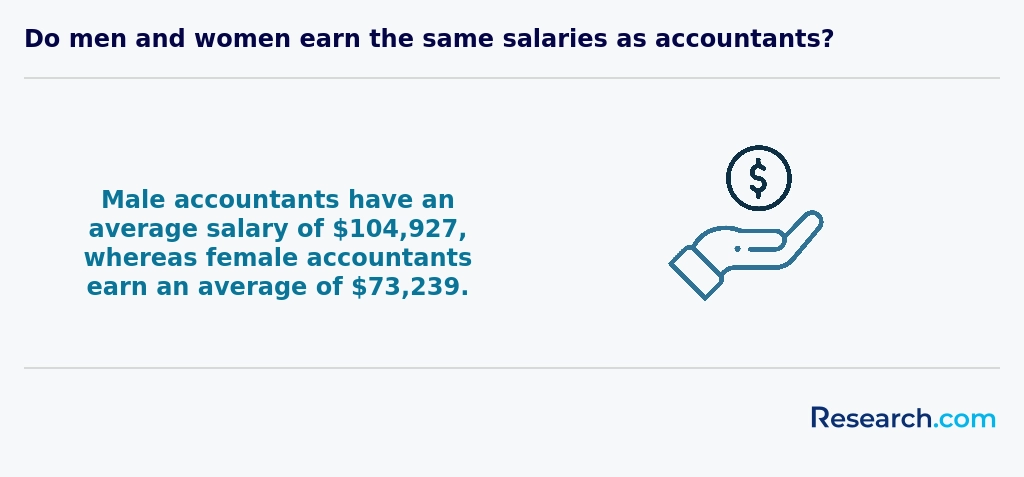
Imagine sitting in a bustling classroom at a West Hartford college, clutching a scholarship letter that feels like a golden ticket. Many accounting students in the area start their financial aid journey with FAFSA, unlocking federal grants like the Pell Grant-up to $7,395-making that mountain of tuition seem more like a reachable hill. Graduates from local colleges often recall the relief when state-specific scholarships, like the Roberta B. Willis Scholarship, landed in their inboxes, easing the burden of in-state tuition. Picture the thrill of winning a merit scholarship after acing an accounting exam or leading a campus project, turning dedication into dollars.
Financial aid doesn't stop there. The Connecticut Society of Certified Public Accountants sometimes steps in with scholarships, rewarding passion for accounting with real cash. Even local employers chip in through tuition assistance, especially for those juggling work and coursework. With a blend of grants, scholarships, and manageable loans, West Hartford accounting students often find their education investment becoming less of a gamble and more of a sure bet.
To make an informed decision when selecting an accounting program in West Hartford, CT, it's essential to consider several factors, including accreditation, program reputation, and CPA exam preparation. Prospective students should also look into the curriculum and specializations offered, internship opportunities, graduate outcomes, and student support services. For those interested in exploring more affordable options, considering an affordable accounting school in connecticut can be a viable path, allowing students to balance financial constraints with educational aspirations. By carefully evaluating these aspects, students can find a program that aligns with their career goals and sets them up for success in the accounting field.
Picture yourself stepping into a bustling classroom at a West Hartford college, textbooks in hand, ready to decode the language of numbers. To enter this scene, you must have first conquered the basics: a high school diploma or GED, a rite of passage affirming you're armed with essential literacy and numeracy skills. Graduates from local universities often recall how their solid foundation in algebra and statistics became their secret weapon, shaping their confidence when tackling complex financial puzzles.
Envision submitting your transcripts-a snapshot of your math journey that speaks volumes about your preparedness. Whether it's through a Mid-50% SAT math score hovering between 520 and 600 or a robust transcript, these benchmarks are your ticket to join the West Hartford community of eager accounting minds. Personal essays and recommendation letters, like whispered endorsements from mentors, bring a human touch, illuminating your passion beyond numbers.
Financial awareness also plays a starring role. Students remember the moment they balanced dreams with reality, planning for tuition that averages $13,000 annually for in-state public colleges or significantly more at private institutions nearby. This foresight isn't just prudent; it fuels excitement for the journey ahead.

The accounting landscape is rapidly evolving as technological advancements and regulatory changes reshape industry practices. Students and professionals alike should pay close attention to these trends to ensure their skills remain competitive in an increasingly digital marketplace. Innovations such as artificial intelligence, blockchain technology, and cloud-based accounting are automating routine tasks, thereby allowing accountants to focus on strategic analysis and advisory roles. In addition, real-time data analytics and business intelligence tools are becoming integral in decision-making processes, prompting many educational institutions to update their curricula accordingly. Understanding these trends can help prospective students choose programs that not only emphasize traditional accounting principles but also incorporate modern technologies and methodologies. As the profession shifts towards a more tech-driven approach, candidates who are comfortable with digital tools and data management are likely to have better career prospects. Furthermore, industry experts suggest that soft skills such as communication, adaptability, and ethical judgment remain crucial even in a technologically advanced environment. To prepare for this future, many accounting programs now offer specialized courses and hands-on experiences that address both conventional practices and emerging digital requirements. For those aspiring to excel in this dynamic field, aligning your education with the evolving demands of the market is essential. Beyond your core studies, familiarizing yourself with evolving financial accounting requirements will equip you with the insights to navigate regulatory challenges and optimize your career path. By staying informed about industry innovations and future market demands, you can make strategic decisions that pave the way for long-term success in the accounting profession.
Courses in accounting degrees at West Hartford's colleges feel like unlocking different keys to the financial kingdom. Picture yourself in a lecture hall at a popular local university, diving into Principles of Financial Accounting, where you learn to translate everyday business happenings into crisp financial statements. It's like becoming a storyteller, but the plot revolves around numbers.
Managerial Accounting shifts the spotlight, teaching you how to become a strategist behind business decisions-budgeting for a startup or evaluating departmental performance, something graduates vividly recall applying during internships at Hartford's booming insurance firms. Then there's Auditing and Assurance Services, where you channel your inner detective, learning to uncover hidden discrepancies and ensure compliance, an experience that former students say gave them real-world confidence.
Federal Taxation courses unravel the complex maze of tax codes, helping you envision yourself tackling tax season with finesse. Add Accounting Information Systems, and you're mastering financial tech, a skill highly praised by alumni working in West Hartford's technology-driven financial sector.
- Principles of Financial Accounting
- Managerial Accounting
- Auditing and Assurance Services
- Federal Taxation
- Accounting Information Systems
- Cost Accounting
- Business Law and Ethics
- Financial Statement Analysis
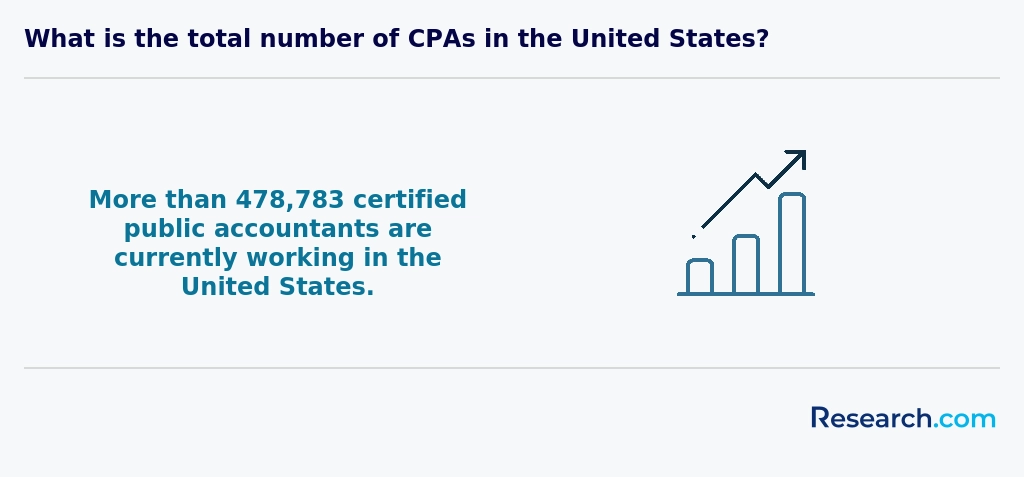
In West Hartford, accounting degree specializations paint a vivid palette of opportunities, from the sharp clarity of Financial Accounting to the strategic shadows of Managerial Accounting. Imagine a graduate from a local college diving deep into budgeting puzzles and cost analysis, gaining insights that empower firms to thrive. Others revel in the intricate dance of tax codes, mastering Connecticut's complex tax landscape, a specialization that software-savvy graduates find particularly rewarding when navigating real-world tax challenges.
West Hartford accounting program concentration options also include Audit and Assurance, where students channel their inner detectives, ensuring numbers tell an honest story. Some adventurous minds explore Forensic Accounting, combining sharp investigative skills with accounting savvy to expose fraud-perfect for those who dream of making a serious impact in legal and corporate worlds.
For aspiring accountants balancing ambition and affordability, programs here harmonize rigorous academics with practical experience. Those curious about further advancement often explore the best online MBA programs in Utah to amplify their credentials and career trajectory.
Choosing the best accounting degree in West Hartford means diving into programs that don't just teach numbers but offer a launchpad to your future. Imagine sitting in a West Hartford classroom where graduates recall how their program's AACSB accreditation opened doors to coveted internships in Hartford's buzzing financial district. These internships turned abstract balance sheets into real-world puzzles, making studying come alive. When weighing options, affordability plays a major role; many students at West Hartford Community College highlight how starting there made pursuing affordable accounting degrees West Hartford CT practical without sacrificing ambition.
Then there's the curriculum-seek programs that weave in all the essentials: financial accounting, auditing, and taxation, plus the 150 semester hours needed for CPA exams. Some who balanced work and studies warmly recommend exploring part-time online accounting certificate programs to keep flexibility in check. Such savvy planning feels less like choosing a degree and more like crafting your ideal career blueprint.
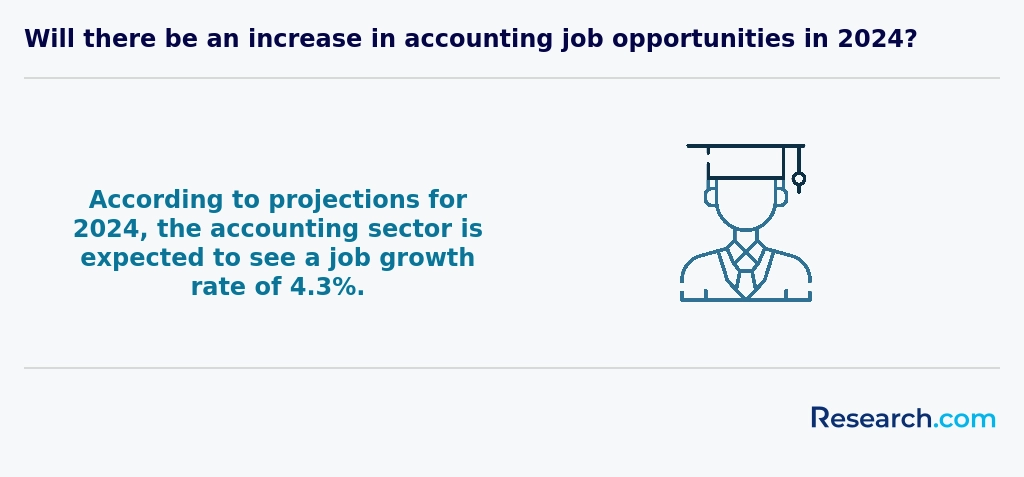
Graduates with an accounting degree in West Hartford step into a landscape bursting with vibrant career paths that spark both ambition and innovation. Imagine starting out in public accounting at a local firm known for its close-knit culture, quickly becoming the trusted audit associate who uncovers financial stories hidden in spreadsheets. Nearby, the buzzing corporate offices of healthcare and insurance companies beckon, where entry-level accountants transform raw data into strategic decisions, blending numbers with insight to boost business growth.
These West Hartford accounting degree job opportunities don't just stop at traditional roles. Some graduates find themselves enthralled by the intricate dance of management accounting, sculpting budgets that shape company futures, while others dive into government accounting, safeguarding public funds with rigor and integrity. Attending a popular college here, many feel the reassuring pulse of the local market, especially with access to giants like The Hartford and Aetna, fueling strong professional optimism.
For those pondering next steps beyond the numbers, graduates often wonder if they can non-business students do MBA degrees to broaden horizons, crafting truly unique finance narratives. In West Hartford, accounting careers feel less like a path and more like a bold expedition into a world that's uniquely yours.
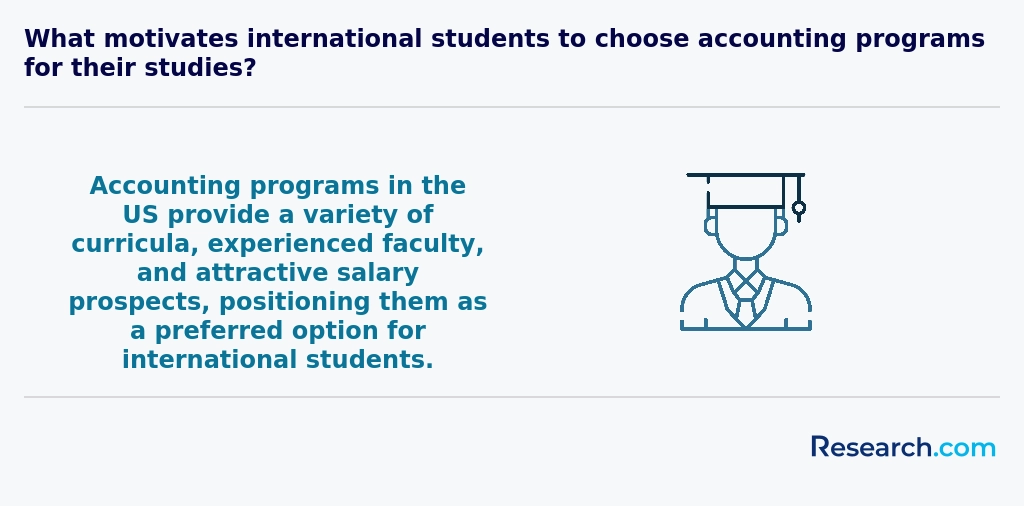
West Hartford's accounting job outlook buzzes with steady promise, where grads from local colleges step confidently into roles like staff accountant or auditor, armed with fresh CPA ambitions. Imagine a recent graduate navigating the halls of a well-known regional university, energized by internships at nearby financial firms nestled in the heart of Greater Hartford's insurance and healthcare sectors. They find entry-level salaries starting near $50,000, climbing to $90,000 as experience accrues-a trajectory that sparks both excitement and relief as living costs around here remain manageable.
Local firms often seek versatile skills; graduates enjoy broad possibilities from forensic accounting adventures to public accounting gigs, supported by tight-knit chapters of professional societies ready to welcome new talent. Many West Hartford students reflect on how the city's community colleges enable affordable pathways to launch careers, discovering that an affordable accounting school in connecticut can be their stepping stone to success.
This vibrant ecosystem shapes the West Hartford accounting career opportunities landscape, making it a nurture ground where ambition meets real-world earnings growth.
2027 Best Accounting Degree Programs Ranking in West Hartford
Investing in your education is a significant decision that can influence your career and future, and the Research.com team recognizes the importance of making well-informed choices. To support prospective students in West Hartford, we have carefully developed the "2027 Best Accounting Degree Programs Ranking in West Hartford." Our dedication to quality, credibility, and accuracy is evident through the thorough research and analysis implemented in creating this ranking.
We utilized the following reputable data sources to ensure a comprehensive evaluation of accounting programs:
By reviewing this ranking, readers will gain valuable insights into the top accounting degree programs available in West Hartford, enabling them to make confident and informed decisions about their educational goals. For more details on our methodology, please visit our Research.com methodology page.


Frequently Asked Questions About accounting
Accounting degree students in West Hartford can maximize their learning by engaging actively with both classroom instruction and practical experiences. Many local colleges, such as the University of Hartford, offer access to internships with regional businesses, which is essential for applying theoretical knowledge.
Students should take advantage of West Hartford's strong network of CPA firms and financial institutions for internships and mentorships. According to the Connecticut Society of Certified Public Accountants, hands-on experience significantly improves job placement rates within the state.
Additionally, joining campus accounting clubs or regional chapters of accounting organizations helps students develop professional connections. Participating in workshops and staying updated on changes in accounting standards also strengthens their expertise.
Emerging niches within the accounting field reflect changes in technology and business practices, offering new career paths for accounting students in West Hartford. One growing area is forensic accounting, where professionals investigate financial crimes and fraud. According to the Bureau of Labor Statistics, employment in this specialty is expected to rise faster than average through 2030.
Another expanding niche is environmental accounting, driven by increasing corporate sustainability efforts. Experts track and report on environmental costs, helping businesses meet regulatory standards.
Technology integration has also created demand for accountants skilled in data analytics and blockchain. These professionals analyze complex datasets and support secure digital transactions.
Students pursuing accounting degrees in West Hartford should consider these areas to stay competitive in the evolving job market.
After completing an accounting degree in West Hartford, preparing for the job market involves combining solid academic knowledge with practical experience. It is crucial to pursue internships or part-time jobs in local accounting firms or businesses to build relevant skills. West Hartford benefits from a growing financial services sector, offering opportunities for entry-level accountants. According to the U.S. Bureau of Labor Statistics, the demand for accountants in the Hartford metropolitan area is expected to grow by 7% through 2030, slightly above the national average.
Networking is another essential strategy. Graduates should attend local professional events hosted by organizations like the Connecticut Society of CPAs, which often holds meetings in West Hartford. Additionally, obtaining certifications such as the CPA (Certified Public Accountant) license can significantly enhance employability and salary prospects.
Employers in West Hartford seek accounting graduates with strong technical skills, including proficiency in accounting software like QuickBooks and Microsoft Excel. Knowledge of Generally Accepted Accounting Principles (GAAP) is essential, as these standards govern financial reporting across the U.S.
Analytical thinking and attention to detail are highly valued, as accountants must accurately analyze financial data and identify discrepancies. Communication skills also rank high; graduates need to clearly explain financial information to clients and colleagues.
According to the U.S. Bureau of Labor Statistics, accounting roles in Connecticut, including West Hartford, often require candidates to demonstrate integrity and ethical judgment, important for handling sensitive financial data responsibly.
Additionally, familiarity with tax regulations and auditing practices improves graduates' employability in the local market, where small and medium-sized businesses form a significant part of the economy.
Finding accounting internships in West Hartford involves several strategic steps tailored to the local job market. Start by exploring opportunities at nearby colleges such as the University of Hartford, which often has partnerships with regional accounting firms for internships.
Additionally, leverage resources provided by the Connecticut Society of Certified Public Accountants (CTCPA), which frequently lists internships and entry-level openings relevant to accounting students across the state, including West Hartford.
Networking plays a key role; attending local business events or career fairs can connect students directly with employers. Online platforms like Handshake and the Career Services of local universities also list many accounting internships with firms based in West Hartford.
An accounting degree significantly enhances career mobility and advancement prospects in West Hartford, a city with a growing business sector requiring skilled financial professionals. Graduates with this degree often access a variety of roles, from entry-level accounting positions to management and consultancy roles.
According to the U.S. Bureau of Labor Statistics, the demand for accountants in Connecticut is projected to grow about 7% through 2030, slightly above the national average. This trend reflects opportunities in West Hartford, where many small and medium-sized businesses seek qualified accountants.
Holding an accounting degree also supports professional certifications such as CPA, which employers in West Hartford highly value for leadership and specialized roles. Combining the degree with local networking can accelerate upward career movement.
Studying for an accounting degree in West Hartford equips students with skills that extend beyond traditional accounting tasks. The curriculum often integrates courses in finance, business law, and information systems, reflecting the interdisciplinary nature of today's workplace. This approach prepares graduates for roles requiring collaboration across departments such as marketing, management, and IT.
Local institutions frequently emphasize practical experience through internships and partnerships with West Hartford businesses, enhancing real-world problem-solving abilities. According to the Connecticut Department of Labor, West Hartford's accounting and finance sectors are growing steadily, with a 5% employment increase projected over the next decade, increasing demand for versatile professionals.
Courses in data analytics and ethics also play a crucial role, enabling students to handle complex regulatory environments and contribute to cross-functional teams.
Choosing between a thesis and a non-thesis accounting degree program in West Hartford depends largely on your career goals and learning preferences. Thesis programs emphasize research skills and are suitable if you plan to pursue a PhD or a career in academia or advanced analytics. Non-thesis options focus more on coursework and practical skills, better aligning with students aiming for professional certifications such as CPA or entering the workforce directly.
According to the National Center for Education Statistics, most accounting students in the U.S. prefer non-thesis tracks, reflecting demand for practical knowledge. Locally, West Hartford colleges follow this trend, offering flexible options.
Consider faculty expertise, program duration, and internship opportunities when deciding.
Students based in West Hartford seeking to study accounting abroad have various pathways within the US higher education system. Many Western Connecticut State University graduates pursue international accounting certifications like the ACCA or CPA, which require understanding global accounting standards. Additionally, some students participate in study abroad programs through partnerships with universities in countries such as the UK or Canada, where accounting principles share common frameworks with the US. Such opportunities often last a semester and combine academic credits with cultural immersion. According to NAFSA, nearly 10% of US accounting majors engage in study abroad during their degree, highlighting growing interest.
Part-time job opportunities in West Hartford that complement an accounting degree can enhance both practical skills and financial knowledge. Many local small businesses and nonprofits seek part-time bookkeeping or accounting assistants, providing hands-on experience with financial records and software like QuickBooks.
The Hartford metropolitan area, including West Hartford, hosts a growing number of financial firms and CPA offices, which often offer internships or part-time roles suitable for accounting students. According to the U.S. Bureau of Labor Statistics, jobs for accounting clerks are projected to grow by 7% nationally from 2022 to 2032, encouraging local availability.
Additionally, West Hartford's retail and service sectors offer payroll and inventory support roles, helping students understand operational finance. Such jobs often provide flexible hours aligning with class schedules, a key factor for part-time employment while studying.
Accounting students in West Hartford benefit from a variety of networking opportunities through local colleges and professional organizations. Institutions like the University of Hartford often host career fairs and alumni events, connecting students with local accounting firms and corporations. The Connecticut Society of Certified Public Accountants (CTCPA) maintains an active chapter near West Hartford, offering networking mixers, workshops, and mentorship programs tailored to accounting students. These events facilitate interaction with established professionals, enhancing job prospects. Additionally, internships with area businesses provide practical experience and networking foundations. According to the CT Department of Labor, the Hartford metropolitan area has a growing demand for accounting professionals, making networking especially valuable.
Alumni networks provide significant advantages for accounting degree students in West Hartford by offering valuable professional connections. These networks connect current students with graduates who have entered various accounting fields, creating opportunities for mentorship and career guidance.
In West Hartford, where the accounting industry includes numerous local firms and branches of national companies, alumni can help students access internships and job openings that may not be widely advertised. According to a 2023 report by the Connecticut Business Journal, over 60% of accounting hires in the area come through networking referrals, highlighting the importance of alumni links.
Furthermore, alumni often organize events and workshops in West Hartford, helping students stay updated on accounting standards, software, and industry trends. This ongoing support enhances both academic and professional development for those pursuing accounting careers locally.
Customizing an accounting degree program in West Hartford allows students to align their education with specific career goals. Many local colleges and universities offer elective courses in areas like tax accounting, auditing, forensic accounting, and financial analysis, enabling focused skill development. Additionally, students can often choose between concentrations or minors that complement accounting, such as business law or information systems. West Hartford's proximity to Hartford's financial and insurance sectors provides valuable internship opportunities, which are essential for practical experience. According to data from the National Association of State Boards of Accountancy, specialized coursework can improve CPA exam success, enhancing career prospects in the region.
Accounting students in West Hartford often face several common challenges throughout their studies. One primary difficulty is mastering complex financial regulations and tax codes, which are frequently updated at both state and federal levels, requiring continuous learning and adaptation. Time management also poses a significant challenge, as students must balance demanding coursework with internships and part-time jobs. According to the National Association of State Boards of Accountancy, the pass rate for the CPA exam hovers around 50%, underscoring the rigorous standards these students must meet. Additionally, students in West Hartford navigate competitive job markets, demanding strong networking and practical experience for success.
With an accounting degree, you can pursue several professional certifications that enhance your career prospects. The most recognized is the Certified Public Accountant (CPA) credential, which demands passing a rigorous exam and meeting experience requirements. CPAs in Connecticut, including West Hartford, typically earn higher salaries and have better job stability.
Other certifications include the Certified Management Accountant (CMA), focused on financial management and strategy, and the Certified Internal Auditor (CIA), valuable for those interested in auditing roles. The Institute of Management Accountants and the Institute of Internal Auditors provide these certifications.
These credentials can significantly improve job opportunities and earning potential. According to the Bureau of Labor Statistics, accountants with certifications often see a 10-15% salary increase compared to non-certified peers.
Applying for an accounting program in West Hartford requires clear presentation of your academic and professional background. Highlight strong grades in math and business courses, as these demonstrate foundational skills important in accounting. Many local institutions like the University of Hartford emphasize a GPA of 3.0 or higher for competitive applicants, according to their published admissions data.
Include relevant experience such as internships or part-time jobs related to finance or accounting to strengthen your application. Personal statements should reflect your motivation for pursuing accounting and your career goals, tailored to West Hartford's business environment.
Letters of recommendation from instructors or employers familiar with your quantitative and analytical abilities can provide valuable support. Lastly, meet standardized test requirements, with many programs accepting the SAT or ACT as part of the evaluation process.
The accounting profession holds a significant role worldwide, influenced by globalization and international financial standards. In the United States, including West Hartford, accountants often engage with globally recognized frameworks such as the International Financial Reporting Standards (IFRS) alongside US Generally Accepted Accounting Principles (GAAP).
For students in West Hartford, understanding these standards is crucial as many firms serve multinational clients or collaborate with global partners. According to the Bureau of Labor Statistics, the demand for accountants is projected to grow 7% nationally through 2031, reflecting increasing needs in diverse markets.
Accountants with global knowledge can access broader career opportunities, including international firms based in Connecticut. This expands the typical scope of an accounting degree beyond local practices, enhancing job prospects and professional growth.
Students pursuing an accounting degree in West Hartford can gain practical experience through internships offered by local businesses and accounting firms. These opportunities allow students to apply classroom knowledge to real-world financial tasks, enhancing their skills and resumes.
Many colleges in the area encourage participation in cooperative education (co-op) programs, where students alternate between academic study and paid work placements. According to the Connecticut Department of Labor, internships in accounting sectors around Hartford County have grown by 12% over the past five years, reflecting increased demand for hands-on experience.
Additionally, joining campus accounting clubs or volunteer programs focused on tax assistance provides students with valuable client interaction and problem-solving practice, critical for future accountants.
Choosing the right concentration within an accounting degree program in West Hartford depends on your career goals and local industry demands. Common concentrations include auditing, taxation, forensic accounting, and managerial accounting. Each prepares students for different roles, such as tax preparation, financial analysis, or fraud examination.
West Hartford benefits from proximity to Hartford's robust insurance and financial sectors, making specializations in risk management and financial accounting particularly valuable. According to the Bureau of Labor Statistics, Connecticut's accounting and auditing jobs are expected to grow by 5% through 2031, slightly above the national average.
When selecting a concentration, consider internships and networking opportunities offered locally. Engaging with the Connecticut Society of CPAs or local firms can provide insights into which specialization aligns with West Hartford's job market. Accreditation of the program, such as by AACSB, should also influence your choice as it ensures quality education relevant to employers.
- 2027 Best Accounting Degree Programs Ranking in Fairfield
- 2027 Best Accounting Degree Programs Ranking in Providence
- 2027 Best Accounting Degree Programs Ranking in Albany
- 2027 Best Accounting Degree Programs Ranking in Bronx
- 2027 Best Accounting Degree Programs Ranking in Boston
- 2027 Best Accounting Degree Programs Ranking in New York
- 2027 Best Accounting Degree Programs Ranking in Brooklyn
- 2027 Best Accounting Degree Programs Ranking in Philadelphia
- 2027 Best Accounting Degree Programs Ranking in Baltimore
- 2027 Best Accounting Degree Programs Ranking in Washington
See What Experts Have To Say About Studying Accounting
Read our interview with Accounting experts


John Wermert, Ph.D., CPA
Accounting Expert
Associate Professor of Accounting
Middle Tennessee State University

- 5 accounting certifications without a degree | Becker https://www.becker.com/blog/career/5-accounting-certifications-you-can-earn-without-a-degree
- 15 Accounting Careers: Undergraduate & Graduate Paths https://www.baypath.edu/news/bay-path-university-blogs/post/15-accounting-careers-undergraduate-graduate-paths/
- Are accounting students overloaded and under-supported? https://www.studentvoice.ai/blog/accounting-students-challenges-with-workload-and-support/
- What Jobs Can You Do With an Accounting Degree? - Intuit Blog https://www.intuit.com/blog/life-at-intuit/intuit-experts/accounting-degree/
- How do they influence the accounting students' career choice? https://edulearn.intelektual.org/index.php/EduLearn/article/download/19870/10113
- Accountant Cover Letter Example https://www.careertoolbelt.com/professions/accountant/cover-letter-example/
- Networking events for accountants in 2026 | Eagle Education https://www.eagle-education.co.uk/eagle/networking-events-for-accountants-in-2026/
- Accountant Salary | State-by-State Accounting Salaries https://www.allbusinessschools.com/accounting/salary/
- Guide to Transition into an Accounting Career https://teach.com/online-ed/business-degrees/online-masters-accounting/how-to-transition-to-an-accounting-career/
- Tips for University Graduates Looking to Land Their First Accounting Job https://www.elby.ca/blog/2022/04/27/tips-for-university-graduates-looking-to-land-their-first-accounting-job/