2027 Best Accounting Degree Programs Ranking in Baltimore

Co-Founder and Chief Data Scientist
Choosing the right accounting degree program is an important step for students in Baltimore looking to build a successful career. This article introduces the 2027 Best Accounting Degree Programs Ranking in Baltimore, created by the Research.com team of data scientists.
Designed to provide clear, data-driven insights, the ranking helps you explore programs that align with your goals and interests. Whether you're just starting or considering a change, understanding your options can open new opportunities.
Reading this guide makes the path to a rewarding accounting degree feel achievable and exciting.
Key benefits of getting accounting degree in Baltimore
- Graduates with an accounting degree in Baltimore can expect strong salaries, with roles like Staff Accountant earning a mean annual wage of $90,780 and hourly wage of $43.65, offering financial stability and growth.
- An accounting graduate from a popular Baltimore university can pursue diverse career paths including Tax Preparer, Bookkeeper, or Associate Auditor, ensuring flexibility and multiple opportunities in business and finance sectors.
- Obtaining an accounting degree online from a well-known Baltimore school allows for balancing work and study, providing convenience and accessibility while maintaining the quality of education comparable to traditional programs.
- 2027 Best Accounting Degree Programs Ranking in Baltimore
- What can I expect from accounting degree in Baltimore?
- Where can I work with accounting degree in Baltimore?
What can I expect from accounting degree in Baltimore?
When it comes to the cost of an accounting degree in Baltimore, most students find it pretty reasonable compared to other big cities. Tuition at local schools like Towson University or the University of Baltimore typically ranges from about $7,500 to $10,000 per year for in-state students. Graduates often mention how they balanced expenses by taking advantage of flexible payment plans and on-campus jobs, which made managing costs less stressful.
Private colleges in Baltimore might lean a bit higher, sometimes hitting around $15,000 a year, but many students say the smaller class sizes and personalized attention they get there are totally worth it. Plus, given Baltimore's strong connections to accounting firms and businesses, plenty of students feel that the investment pays off quickly through internships and strong job placement after graduation.
Overall, students appreciate that Baltimore offers a solid mix of quality education and affordable pricing, so earning your accounting degree here doesn't have to break the bank.
Where can I work with accounting degree in Baltimore?
If you earn an accounting degree in Baltimore, you've got plenty of exciting doors to open. Graduates from schools like Towson University or the University of Maryland, Baltimore County often find themselves landing gigs at big-name public accounting firms like Deloitte or EY right in the city. Imagine starting out as a tax consultant or auditor, then moving up to lead projects or manage teams-it's a real possibility here.
Many grads also jump into Baltimore's financial scene, working for companies like T. Rowe Price where they get hands-on experience with financial analysis and risk management. Plus, local government roles are solid options too. State agencies and the IRS need sharp people who can handle budgeting and compliance, making it a steady and satisfying path.
And don't forget about healthcare spots like Johns Hopkins Health System, where accountants help manage complex finances. Smaller firms in the city also welcome grads, providing great chances to work closely with clients and build consulting skills. It's a super diverse job market that really makes your degree count.
If you're studying accounting in Baltimore, you might be wondering, how much can I really make? Well, grads from local schools often start in roles like bookkeeper or accounts payable clerk, where the average pay hovers around $49,580 a year. It's a solid kick-off, especially when you're fresh out of college and eager to learn the ropes.
Many grads from Baltimore's popular programs find themselves moving up into staff accountant positions fairly quickly. These jobs pay about $90,780 annually on average-definitely something to look forward to if you stick with it. Imagine working downtown, crunching numbers for a healthcare company or a finance firm; it's a real chance to grow your expertise and salary simultaneously.
And if you're aiming for a career boost, earning your CPA can really upswing your paycheck. Baltimore's market respects those credentials, often translating to higher salaries and more opportunities. So, whether you're starting out or eyeing that next step, accounting in Baltimore offers a rewarding financial path.
- Annual tuition for an accounting bachelor's degree in Baltimore ranges from $8,000 to $15,000 at public schools and $20,000 to $40,000 at private schools, excluding books and living expenses.
- Entry-level accounting graduates in Baltimore typically earn between $50,000 and $60,000 yearly, with experienced accountants making $70,000 to $90,000 or more.
- Employment growth for accountants and auditors in Maryland is projected at about 7% through 2030, matching national trends.
- Baltimore has several accredited institutions offering accounting degrees and CPA preparation opportunities.
- Many programs emphasize internships and cooperative education, leveraging the city's financial centers and government agencies for practical training.
If you're thinking about getting an accounting degree in Baltimore, most students spend about four years finishing a bachelor's at places like Towson University or Loyola University Maryland. That's pretty standard since these schools offer solid programs built around a typical 120 to 130 credit hour load. Many graduates say balancing full-time study with other life stuff is doable, especially with the class schedules these schools provide.
Some students speed things up by taking heavier course loads or summer classes, cutting their time to about three years. Others who work or need a lighter schedule might stretch it out longer, taking classes part-time. If you're aiming higher with a master's degree, expect to spend one to two extra years diving deeper into accounting topics, which is perfect if you're chasing that CPA license.
Overall, Baltimore schools really try to make your study journey flexible so you can fit school around your life without feeling overwhelmed.
If you're choosing between online and on-campus accounting degrees in Baltimore, the main difference really comes down to how you want to learn and interact. Graduates from UMBC often highlight how on-campus classes gave them that face-to-face vibe-quick feedback from professors, study groups, and access to campus tools like accounting labs. It's like having a live community cheering you on and keeping you on track.
On the flip side, folks who went the online route, maybe from Towson University's program, appreciate the flexibility. You can catch lectures at midnight after work or manage family stuff without stressing about missing class. But it takes some serious self-discipline-no one's there to nudge you if you slack off.
Cost-wise, both options tend to be pretty similar in Maryland, often between $10,000 and $15,000 a year, though online students might save on things like travel. Either way, whether you're logging in from home or walking campus halls, you're getting a quality education that's respected in Baltimore's finance world.
Many accounting students choose their degree programs based on the quality of CPA exam support and the school’s historic pass rates. In Baltimore, leading institutions like the University of Baltimore and Loyola University Maryland report first-time CPA exam pass rates ranging from 60% to 75%, compared to the national average of approximately 55%. Programs that excel in CPA preparation typically offer dedicated review courses, mentorship from CPAs, and access to practice exams modeled on the four CPA exam sections: Auditing and Attestation (AUD), Business Environment and Concepts (BEC), Financial Accounting and Reporting (FAR), and Regulation (REG). To enhance your chances of success, look for programs that integrate CPA review materials into core coursework and partner with reputable test-prep providers. Many students also supplement their studies with specialized online resources; for example, combining your university’s offerings with best online bookkeeping courses with certificates can reinforce foundational accounting skills and improve exam readiness. When evaluating schools, consider the availability of:
- Structured CPA review sessions led by faculty or alumni who passed the exam
- Access to question banks and simulated exams that mimic the actual testing environment
- Flexible study groups and workshops, often hosted by campus accounting clubs or beta alpha psi chapters
- Support services such as academic coaching and time-management seminars tailored for CPA candidates Graduates who leveraged robust CPA support programs report higher confidence and reduced study time. According to a recent survey of Baltimore accounting alumni, those who attended integrated review courses were 20% more likely to pass all four CPA sections within 18 months of graduation. By prioritizing CPA preparation and pass rate transparency, prospective students can make a more informed decision and accelerate their journey to licensure.
Figuring out the average cost of an accounting degree in Baltimore isn't as tricky as it seems once you break it down. On average, you might expect to spend around $32,689 if you're an in-state student, while those coming from out-of-state face about $51,864 for the full program. Graduates from places like the University of Maryland, Baltimore County often mention how manageable the in-state tuition made their journey, especially when coupled with smart budgeting on books and living expenses. Community colleges around the city offer even more affordable routes, which a lot of students appreciate when weighing total expenses for accounting degree Baltimore 2027 plans.
Private universities in Baltimore, such as Loyola University Maryland, tend to have higher sticker prices, sometimes pushing well over the $50,000 per year mark before any financial aid. However, many grads recall getting solid scholarships or aid packages that made those steep costs feel a lot less intimidating. It's always a good move to explore financial support options early so you don't feel overwhelmed. Plus, remember to factor in things like books, supplies, and campus fees, as these can add a couple thousand dollars annually.
For anyone wanting a clearer idea of costs, checking out the most affordable accounting schools in Maryland is a smart step. That research can help plan for the average cost of accounting degree in Baltimore without surprises, letting you focus on the exciting part: building your career in accounting!

. When considering accounting schools in Baltimore, affordability is a crucial factor for many students. To help with this, researching options like the most affordable accounting schools in Maryland can provide valuable insights. This research can highlight institutions that offer quality education at a lower cost, making it easier for students to pursue their accounting degree without excessive financial burden. By exploring these affordable options, prospective students can make informed decisions about their education, balancing academic aspirations with financial realities.
If you're looking at accounting degrees in Baltimore, there's good news about financial aid options that can really help ease the cost. Many students at places like UMBC or Loyola University Maryland tap into federal aid first-think Pell Grants offering up to $7,395 per year without having to pay it back. That's a huge relief when you're juggling tuition and everyday expenses.
State programs through the Maryland Higher Education Commission are also a solid option. For example, the Educational Assistance Grant can give you up to $4,000 annually, which a lot of Baltimore students rely on to cover part of their bills. Plus, the BOOST program helps out underrepresented groups aiming for fields like accounting, making it easier to focus on studies without money worries.
On top of that, many Baltimore colleges offer scholarships specifically for accounting majors. Past graduates often mention how institutional grants or awards for academic excellence boosted their confidence and bank accounts at the same time.
Don't forget private scholarships from groups like the Maryland Association of CPAs-they look at things beyond grades, like your community involvement, which is pretty cool. And if you're working part-time, employer tuition assistance or work-study gigs around town can make a big difference too, especially with all the local firms eager to support future accountants.
For many accounting graduates, earning an advanced degree can propel their careers to the next level. Delving into graduate studies not only deepens technical knowledge but also enhances critical business acumen and leadership skills that employers value highly. Today's accounting professionals are increasingly leveraging advanced education to specialize in emerging fields such as forensic accounting, digital auditing, and financial analytics. Moreover, individuals can explore opportunities that cater to both personal career interests and market demands. Pursuing graduate studies, such as accounting masters programs, can be especially beneficial for those aiming to climb corporate ladders, secure executive roles, or transition into consultative functions. The insights gained from a rigorous curriculum and hands-on projects often translate into a competitive advantage in an ever-evolving job market. In addition, advanced degrees usually offer strong professional networks and access to specialized career services that can further help graduates navigate their professional journeys. Embracing the challenge of a graduate program demonstrates a commitment to continuous improvement and positions aspiring accountants to meet the dynamic needs of today’s financial landscape.
If you're thinking about jumping into an accounting degree in Baltimore, you'll want to make sure you've nailed a few basics first. Most programs, like the ones at Towson University or the University of Baltimore, expect you to have finished high school or have a GED. It's pretty common to need solid math skills-think algebra or anything more advanced-because accounting is all about working with numbers and financial data.
Graduates often mention how submitting official transcripts showing good grades in English and math helped smooth the admissions process. Some schools even ask for SAT or ACT scores, but a lot have moved to test-optional policies, making things a bit easier. It's also helpful if you've taken some intro business or economics classes beforehand, as this gets you ready for the real deal in accounting courses.
Just imagine sitting in your first class knowing you've got the prerequisites covered-it really builds confidence to tackle those tricky financial problems ahead!
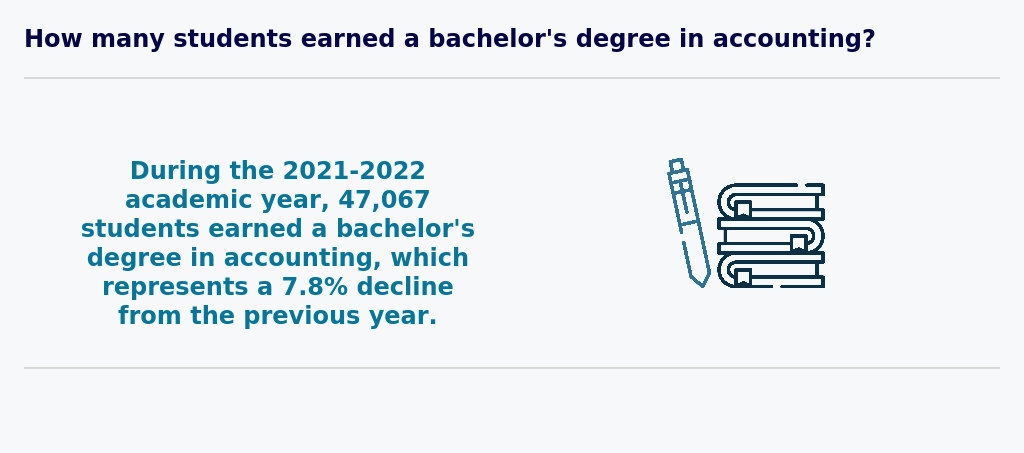
Aspiring accountants in Maryland must navigate state‐specific requirements to become a Certified Public Accountant (CPA) and earn other professional credentials. The Maryland Board of Public Accountancy mandates 150 semester hours of education-including at least 27 credit hours in accounting and 3 in ethics-before candidates can sit for the Uniform CPA Examination. Most Baltimore institutions structure their curricula to satisfy these criteria, yet students should verify that their chosen program aligns with both the credit and subject‐matter requirements. After meeting the educational threshold, candidates must pass all four CPA exam sections-Auditing & Attestation (AUD), Business Environment & Concepts (BEC), Financial Accounting & Reporting (FAR), and Regulation (REG)-within an 18-month rolling window. Many Baltimore schools offer exam prep courses, study groups, and faculty mentoring specifically designed to enhance pass rates. Graduates typically spend 3–6 months reviewing course materials, practicing simulations, and completing multiple mock exams to build proficiency. Beyond the CPA, accounting graduates may pursue additional certifications to broaden their career prospects: • Certified Management Accountant (CMA): Focuses on strategic financial management and corporate decision-making. • Certified Internal Auditor (CIA): Emphasizes risk assessment, internal control, and governance. • Certified Fraud Examiner (CFE): Specializes in forensic accounting and fraud investigation. Costs associated with certification-including application fees, exam fees (approx. $200–$250 per section), and review materials-can add up. Students seeking cost-effective pathways to licensure and exam preparation may compare in-state program expenses with alternative offerings, such as those featured in the Inexpensive Accounting Degree Programs Ranking in Hawaii, to identify study resources and budget-friendly study environments. Finally, maintaining licensure in Maryland requires 80 hours of continuing professional education (CPE) every two years, with at least 4 hours in ethics. Prospective and current students should proactively plan for CPE by leveraging webinars, local chapters of the Maryland Association of CPAs, and on-campus workshops to stay abreast of evolving regulations and technological advancements in accounting.
When you dive into an accounting degree in Baltimore, you'll get a mix of core business stuff alongside specialized accounting classes that really prepare you for the real world. Most grads from schools like the University of Baltimore mention starting with basic business courses-think economics, finance, and management-which give you a solid foundation.
Then you jump into the accounting-specific classes. These include Financial Accounting, where you learn to create and read financial statements-super useful if you want to understand a company's health. Managerial Accounting is next, focusing on how businesses make decisions using costs and budgets, which some students say totally changed how they view business strategy.
Taxation courses cover all the tricky federal and state tax rules that you'll need to know when preparing taxes or advising clients. Auditing classes teach you to investigate and verify financial records, a must-have skill if you're eyeing a CPA career. Plus, you get to explore Accounting Information Systems, where tech meets finance-a popular favorite for students interested in the digital side of accounting.
Many Baltimore programs also include business law, ethics, and stats to make sure you're ready for any curveballs in the legal or ethical side of accounting. Hands-on learning is big, too. Internships and case studies offered by local colleges help students feel confident stepping into the busy Baltimore job market.
When you're diving into an accounting degree in Baltimore, you'll find plenty of cool specializations to choose from that fit what you're into. Graduates from popular Baltimore colleges often mention their excitement about tax accounting, where you get savvy with tax laws and help local businesses tackle tricky state and federal rules. Others loved focusing on auditing, since Baltimore's bustling with public accounting firms and government spots eager for sharp auditors.
If solving puzzles sounds fun, forensic accounting is a popular pick-students get to investigate financial fraud, sometimes teaming up with law enforcement in the city. Managerial accounting is another great option if you're into budgeting and guiding businesses from the inside. And don't forget financial accounting, which helps graduates report important info to external folks using standards like GAAP and IFRS. Tech lovers might lean toward information systems accounting, mastering software and data management to keep up with the digitized finance world.
These accounting degree specializations in Baltimore give you tons of options to match your passion. If you're thinking about going further, check out accounting masters programs in the area for deeper dives into these fields.
Picking the right accounting degree in Baltimore means digging into what really matters for your future. Graduates from popular local colleges often rave about how AACSB-accredited programs, like those at UMBC, gave them a leg up by connecting them with top employers. Cost is another biggie-community colleges here are a lifesaver if you want affordable accounting colleges Baltimore offers, with tuition under $5,000 a year. Many students love how they got real-world experience through internships with city accounting firms, making their resumes stand out when job hunting.
Think about what level degree fits your goals. Bachelor's degrees open doors to entry-level gigs, while master's programs, common in Baltimore, prep you for the CPA exam and career boosts. Plus, flexible scheduling in those grad programs helps you juggle work and study without stress.
Don't forget to check out the best online bookkeeping courses with certificates if you want to add skills quickly or boost your credentials alongside your degree.
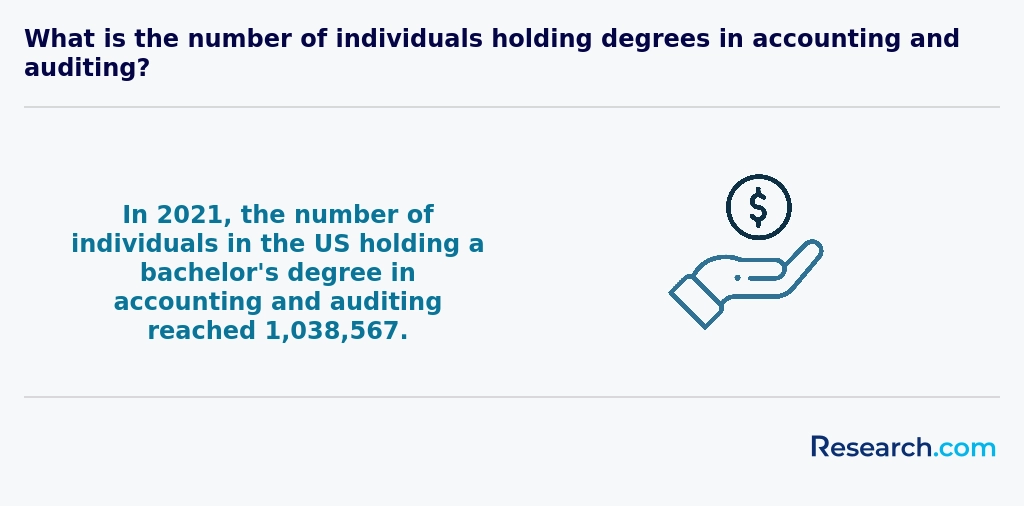
If you're diving into an accounting degree in Baltimore, you've got plenty of career paths to explore. Many graduates find their way into public accounting, working with firms that offer audit and tax services-perfect for those who like solving puzzles and helping businesses stay on track. Plenty of students from well-known Baltimore colleges feel great about landing these roles because the city's bustling business scene opens doors.
Others jump into corporate accounting, handling budgets and reports for companies in healthcare or shipping, thanks to Baltimore's busy port and logistics hubs. This kind of work suits grads who want to combine numbers with real-world business challenges. Job prospects for accounting graduates Baltimore also include government roles, where working on budgeting and compliance brings stability and solid benefits, something past students have told me they really appreciate.
Specialties like forensic accounting and financial analysis are also on the rise-for those who enjoy digging into financial mysteries. Plus, many Baltimore grads aim to become CPAs, boosting their careers even more. If cost is a worry, check out Inexpensive Accounting Degree Programs Ranking in Hawaii to compare options and keep expenses down while preparing for a bright future.
The job market for accounting degree graduates in Baltimore is looking pretty solid these days. Thanks to the city's mix of industries like healthcare, government, and finance, there's a steady demand for accounting pros. Many grads from popular schools around Baltimore find roles quickly, whether in public accounting firms or corporate offices. They often talk about how the city's connections to federal agencies and big healthcare systems open up great opportunities. This strong Baltimore accounting market demand 2027 is attractive for those who want stability and growth.
Entry-level positions, especially for those with CPA certification, are fairly common and offer competitive pay. Many students even mention how getting additional credentials gives them an edge in interviews. The median salary in Baltimore is around $75,000, which gives a nice bump over the national average.
For students still exploring their options, it's worth checking out 2 year certificate programs that pay well, which can be a great alternative or complement to a full accounting degree, helping them get into the job market faster.
Overall, if you're considering an accounting degree job opportunities Baltimore is a solid choice with plenty of room to grow and thrive.
2027 Best Accounting Degree Programs Ranking in Baltimore
Investing in your education is a significant decision that can shape your future, and the Research.com team understands the importance of making informed choices. To assist prospective students in Baltimore, we have meticulously crafted the "2027 Best Accounting Degree Programs Ranking in Baltimore." Our commitment to quality, credibility, and accuracy is reflected in the extensive research and analysis conducted to compile this ranking.
We utilized the following reputable data sources to ensure a comprehensive evaluation of accounting programs:
By exploring this ranking, readers will gain valuable insights into the best accounting degree programs available in Baltimore, helping them make well-informed decisions about their educational paths. For more details on our methodology, please visit our Research.com methodology page.


Frequently Asked Questions About accounting
Accounting degree students in Baltimore can maximize their learning experience by engaging with both academic and practical opportunities. Baltimore hosts reputable institutions such as the University of Maryland, Baltimore County (UMBC) and Johns Hopkins University, which provide strong accounting curricula aligned with CPA requirements.
Students should pursue internships and cooperative education programs offered locally, especially within Baltimore's growing finance and healthcare sectors. According to the Maryland Department of Labor, finance-related jobs in Baltimore are projected to grow by 7% through 2030, offering plenty of practical experience.
Joining professional organizations like the Maryland Association of Certified Public Accountants can enhance networking and access to industry resources. Additionally, utilizing campus career services and attending local accounting workshops will further deepen practical knowledge and readiness for certification exams.
The accounting field is evolving, creating new opportunities for students pursuing degrees in Baltimore. One emerging niche is forensic accounting, which involves investigating financial crimes and fraud. Demand for forensic accountants is growing as businesses and governments increase efforts to combat fraud.
Another rapidly expanding area is environmental accounting, focusing on sustainability and the financial impact of environmental policies. As Maryland prioritizes green initiatives, accountants skilled in this niche are becoming more sought after.
Additionally, technology-driven roles such as data analytics within accounting are growing. Proficiency in software and data interpretation is increasingly essential, with Baltimore companies seeking professionals who can leverage big data for better financial decision-making.
Graduates with an accounting degree in Baltimore can enhance their job market readiness by gaining relevant experience through internships and part-time roles while still in school. The Baltimore metropolitan area hosts numerous accounting firms and financial institutions offering opportunities for practical training. According to the U.S. Bureau of Labor Statistics, employment for accountants in Maryland is projected to grow by 6% through 2030, reflecting strong local demand.
Certification is also critical; pursuing the CPA credential can significantly improve employability and salary potential. Networking at local professional groups like the Maryland Association of Certified Public Accountants helps with connections and job leads. Additionally, mastering emerging accounting software, such as QuickBooks and SAP, is highly recommended to meet employer expectations in Baltimore's competitive market.
Employers in Baltimore value accounting degree graduates who possess strong analytical and technical skills. Proficiency in accounting software like QuickBooks and Excel is highly sought after, as these tools are essential for managing financial data efficiently.
Communication skills are also crucial, enabling accountants to explain complex financial information clearly to clients or team members. According to the Bureau of Labor Statistics, the demand for accountants in Maryland is expected to grow by 7% through 2032, highlighting the importance of adaptability and continuous learning.
Additionally, knowledge of regulatory standards such as GAAP and familiarity with tax laws specific to Maryland enhance a graduate's employability in the local job market.
Finding internships in Baltimore related to an accounting degree involves several strategic steps. Start by exploring local universities such as University of Maryland, Baltimore County (UMBC) and Towson University, which often provide career services with internship listings and employer connections. Many Baltimore accounting firms, including national firms like BDO and regional firms such as Reznick Group, offer internships annually.
Utilize Baltimore-specific job platforms like the Baltimore Business Journal's job board and statewide resources such as Maryland Workforce Exchange. Networking events through organizations like the Baltimore Chapter of the Maryland Association of CPAs can also provide leads.
Research from the National Association of Colleges and Employers (NACE) indicates that 60% of accounting interns in Maryland secure positions through university programs, making campus resources highly valuable.
Obtaining an accounting degree in Baltimore significantly enhances career mobility and advancement opportunities. The city's diverse economy, including finance, healthcare, and manufacturing sectors, demands skilled accountants at various levels. According to the U.S. Bureau of Labor Statistics (2023), Baltimore's metropolitan area employs over 6,000 accountants and auditors, with wages above the national average, reflecting strong local demand.
An accounting degree provides essential knowledge and credentials, often serving as a prerequisite for roles such as financial analyst, auditor, or tax consultant. Earning a degree also supports eligibility for certifications like CPA, which further boost career prospects.
Local employers value graduates from Baltimore-area institutions who understand regional regulations and market conditions, facilitating faster career progression within the city's job market.
Studying for an accounting degree in Baltimore equips students with skills that extend beyond traditional bookkeeping. Many programs emphasize interdisciplinary training by integrating courses in finance, information technology, and business law. This approach reflects real-world demands where accountants collaborate across sectors.
Baltimore's proximity to diverse industries, including healthcare, government, and finance, offers students opportunities to engage in practical internships and projects. According to the Maryland Higher Education Commission, over 65% of accounting graduates find roles requiring cross-functional expertise within two years of graduation.
The curriculum typically includes data analytics and communication skills, preparing graduates for roles in consulting, risk management, and corporate strategy.
When choosing between a thesis and a non-thesis accounting degree program in Baltimore, consider your career goals first. A thesis option is ideal if you plan to pursue research, a PhD, or careers requiring strong analytical skills. It often involves independent research and a final document, which can take 6 to 12 months to complete.
The non-thesis track focuses more on practical skills with coursework and exams, suited for those aiming to enter the workforce quickly. According to the U.S. Bureau of Labor Statistics, Baltimore's accounting jobs are expected to grow 6% from 2022 to 2032, highlighting demand for skilled professionals.
Local institutions like the University of Maryland Baltimore County offer both options, reflecting regional employer preferences. Choose based on your interest in research depth versus applied skills and timelines.
Students in Baltimore interested in studying accounting abroad have several pathways through partnerships between local universities and international institutions. For example, the University of Maryland, Baltimore County (UMBC) offers exchange programs that enable accounting students to study in countries like the United Kingdom or Ireland. These opportunities typically last a semester or a full academic year, allowing students to earn credits transferable to their degree at home.
Additionally, some Baltimore colleges encourage participation in global internships related to accounting, providing practical experience alongside coursework. According to the National Association of State Boards of Accountancy, exposure to international accounting standards can enhance career prospects, especially as business becomes more globalized.
Financial aid and scholarships are sometimes available for study abroad programs, helping make these options more accessible to students within Baltimore's vibrant academic community.
Students pursuing accounting degrees in Baltimore have several part-time job options that can complement their education effectively. Common roles include bookkeeping assistant, tax preparer, and payroll clerk positions at local firms and nonprofits. These jobs provide practical experience in financial record-keeping and compliance, essential skills for accountants. According to the U.S. Bureau of Labor Statistics, the Baltimore metropolitan area employed over 9,000 bookkeeping, accounting, and auditing clerks in 2023, reflecting strong local demand.
Internships at Baltimore accounting firms also offer hands-on exposure to auditing and financial analysis. Additionally, working in city government offices can help students understand public sector accounting standards. These roles often provide networking opportunities crucial for career development in accounting.
Accounting students in Baltimore benefit from a variety of networking opportunities that connect them with local professionals and firms. The Baltimore Chapter of the Maryland Association of CPAs (MACPA) hosts regular events, workshops, and seminars, helping students meet licensed accountants and industry leaders. Many universities in Baltimore, including Towson University and the University of Maryland, Baltimore County, have strong ties to local businesses and offer career fairs specifically for accounting majors. These fairs often attract recruiters from regional accounting firms such as CliftonLarsonAllen and Whiting-Turner, providing valuable internship and job leads. According to MACPA, Maryland ranks among the top states for CPA exam pass rates, increasing networking demand in the city's accounting community.
Alumni networks play a crucial role for accounting degree students in Baltimore by creating valuable connections within the local industry. These networks often include graduates working at major firms like Baker Tilly and CliftonLarsonAllen, which are prominent in Baltimore's accounting sector. Through alumni events and online platforms, students gain mentorship opportunities and guidance on career paths specific to the region.
Engaging with alumni can also provide inside access to internships and job openings. According to the Maryland Higher Education Commission, 65% of recent accounting graduates in Baltimore found employment through personal connections.
The network fosters professional growth by sharing updates on industry trends and local certification requirements, such as the CPA licensure process governed by Maryland's Board of Public Accountancy.
Customizing your accounting degree program in Baltimore allows you to align your education with specific career goals. Local universities and colleges often provide elective courses focused on areas like forensic accounting, tax preparation, or auditing. Selecting these electives helps tailor your skillset.
Many institutions in Baltimore also offer internship opportunities with nearby accounting firms or government agencies, enabling practical experience in your chosen field. According to the Maryland Department of Labor, Baltimore's accounting sector is growing steadily, emphasizing skills in technology and compliance.
Additionally, some programs allow students to pursue certifications such as CPA preparation alongside their degree, enhancing job prospects.
Accounting students in Baltimore often encounter challenges related to balancing rigorous coursework with practical experience. The accounting curriculum demands strong skills in mathematics, analytics, and understanding complex financial regulations. Many students find mastering US Generally Accepted Accounting Principles (GAAP) and preparing for the CPA exam particularly demanding.
Access to quality internships can also be limited due to high competition in Baltimore's finance sector, which is crucial for gaining hands-on experience. According to the Maryland Higher Education Commission, accounting programs in Baltimore see a steady increase in enrollment, intensifying competition for job placements. Additionally, students must navigate rising tuition costs and limited availability of scholarships specific to accounting fields.
With an accounting degree in Baltimore, you can pursue several respected professional certifications that enhance career prospects. The most recognized is the Certified Public Accountant (CPA) credential, essential for many roles in public accounting and corporate finance. Baltimore is part of Maryland's CPA exam jurisdiction, which requires 150 credit hours of education and passing the Uniform CPA Exam.
Additionally, you can consider the Certified Management Accountant (CMA), focusing on management accounting and financial strategy. The CMA is offered by the Institute of Management Accountants and is ideal for those aiming at corporate finance jobs.
Other notable certifications include the Certified Internal Auditor (CIA) and Certified Fraud Examiner (CFE), which address internal auditing and fraud investigation. According to the Bureau of Labor Statistics, Maryland shows steady demand for accounting professionals, making these credentials valuable locally.
To write a winning application for an accounting program in Baltimore, start by clearly demonstrating your interest and understanding of the accounting field. Highlight relevant coursework, internships, or work experiences that showcase your analytical and numerical skills. Schools in Baltimore often value applicants with strong communication abilities, so emphasize any teamwork or leadership roles. Baltimore's job market for accountants is expanding, with a 7% growth rate projected by the U.S. Bureau of Labor Statistics through 2030, which programs may mention.
Be sure to meet all application deadlines and submit standardized test scores if required. Letters of recommendation should come from academic or professional sources familiar with your goals. Personal statements should connect your ambitions to what Baltimore's accounting education and local business environment offer.
Accounting is recognized globally as a vital profession that supports economic stability and business growth. In the United States, including Baltimore, accounting careers benefit from strong demand driven by regulatory compliance and financial transparency needs. According to the U.S. Bureau of Labor Statistics, accountants and auditors are projected to grow by 7% from 2021 to 2031, reflecting steady opportunities.
Globally, English-speaking accountants with U.S.-based qualifications often find increased mobility, as many multinational firms value American accounting standards and certifications like the CPA. Baltimore's proximity to international business hubs supports access to firms with global operations.
Moreover, global perspectives emphasize technology skills, ethical standards, and adaptability to diverse regulatory environments, important traits for Baltimore students considering international career paths.
Students pursuing an accounting degree in Baltimore can gain practical experience through internships at local firms, which are crucial for applying classroom knowledge to real-world scenarios. Baltimore hosts a number of public accounting offices and financial institutions that regularly offer internships and part-time roles tailored to accounting majors. According to the Maryland Department of Labor, internships in the accounting field in Baltimore have grown by 12% over the past five years, illustrating increasing opportunities.
Many universities in Baltimore also facilitate cooperative education (co-op) programs, enabling students to alternate semesters of full-time study with semesters of professional work. Additionally, involvement in campus accounting clubs and participation in case competitions can provide hands-on exposure to accounting practices and develop relevant skills.
Choosing the right concentration within an accounting degree program in Baltimore depends on your career goals and local job market trends. Popular concentrations include public accounting, management accounting, and forensic accounting. Baltimore's proximity to federal agencies and financial sectors increases demand for forensic and government accounting specialties.
Students should consider internships and networking opportunities available in Baltimore, such as connections with companies in the Inner Harbor financial district. According to the Bureau of Labor Statistics, Maryland's accounting sector is growing at 6% annually, reflecting steady job prospects.
Research specific programs at Baltimore institutions to see which concentrations align with certified public accountant (CPA) exam requirements and local employer needs.
- 2027 Best Accounting Degree Programs Ranking in Washington
- 2027 Best Accounting Degree Programs Ranking in Philadelphia
- 2027 Best Accounting Degree Programs Ranking in New York
- 2027 Best Accounting Degree Programs Ranking in Brooklyn
- 2027 Best Accounting Degree Programs Ranking in Bronx
- 2027 Best Accounting Degree Programs Ranking in Pittsburgh
- 2027 Best Accounting Degree Programs Ranking in Fairfield
- 2027 Best Accounting Degree Programs Ranking in Buffalo
- 2027 Best Accounting Degree Programs Ranking in Albany
- 2027 Best Accounting Degree Programs Ranking in Greensboro
See What Experts Have To Say About Studying Accounting
Read our interview with Accounting experts


Yaw M. Mensah
Accounting Expert
Professor and Interim Vice Dean for Strategic Partnerships
Rutgers Business School

- Guide to Transition into an Accounting Career https://teach.com/online-ed/business-degrees/online-masters-accounting/how-to-transition-to-an-accounting-career/
- How to Choose a Degree in Accounting | Accounting.com https://www.accounting.com/resources/choosing-a-program/
- Accountants of the Future https://www.deloitte.com/us/en/programs/center-for-controllership/blogs/future-of-accounting-profession.html
- Best Niches for Accounting Firms, Ranked by Profitability https://dreamfirms.com/insights/best-niches-for-accounting-firms/
- Accounting AA https://www.ccbcmd.edu/Programs-and-Courses-Finder/Program/accounting-aa.html
- Accounting Degree: Associate or Bachelor’s | Monroe University https://www.monroeu.edu/news/accounting-degree-associate-or-bachelors
- Top Accounting Options at Community College of Baltimore https://afbf.in/best-colleges-for/accounting-community-college-of-baltimore-county/
- Accounting Career: Outlook and Overview | DeVry University https://www.devry.edu/blog/accounting-career-outlook.html
- 15 Accounting Careers: Undergraduate & Graduate Paths https://www.baypath.edu/news/bay-path-university-blogs/post/15-accounting-careers-undergraduate-graduate-paths/
- Online Accounting Program (MS) | University of Baltimore https://www.ubalt.edu/schools-and-colleges/merrick-school-of-business/academics/explore-all-programs/online-ms-in-accounting-and-business-advisory-services/index.cfm