2027 Best Accounting Degree Programs Ranking in Texas

Co-Founder and Chief Data Scientist
Choosing the right accounting degree program in Texas can shape your future career in finance and business. Our article presents the 2027 Best Accounting Degree Programs Ranking in Texas, carefully crafted by the Research.com team of data scientists to guide you toward the best options available.
By exploring this ranking, you'll gain valuable insights that help you make an informed decision based on data and reputable analysis. An accounting degree opens doors to rewarding opportunities and a stable profession.
Start your journey with confidence and discover programs that match your goals and aspirations.
Key benefits of getting accounting degree in Texas
- The mean annual wage for Staff Accountants in Texas is $90,780, showcasing solid earning potential right after graduation.
- Graduates from popular Texas universities often find diverse career paths like Tax Preparer, Bookkeeper, or Associate Auditor, all offering stable job opportunities.
- Online accounting degrees from Texas schools provide flexibility and convenience, allowing graduates to balance work and study while gaining the same respected credentials as traditional programs.
- 2027 Best Accounting Degree Programs Ranking in Texas
- What can I expect from accounting degree in Texas?
- Where can I work with accounting degree in Texas?
What can I expect from accounting degree in Texas?
The average cost of earning an accounting degree in Texas can vary quite a bit depending on where you study. For example, graduates from big-name schools like the University of Texas at Austin often find tuition runs higher, sometimes around $10,000 to $15,000 per year for in-state students, while community colleges might offer more affordable options closer to $3,000 to $5,000 annually. Many students appreciate that Texas offers this range, making it easier to find a program that fits their budget.
Several students recount how choosing a local university helped them save on living expenses too, adding to the overall affordability. Plus, many programs in Texas connect you with internships and flexible schedules, which means you can often work part-time to help cover costs.
And don't forget, some universities bundle bachelor's and master's courses to help you meet CPA requirements efficiently, which can save both time and money in the long run. All in all, Texas offers solid value for accounting students aiming to get a quality education without breaking the bank.
Where can I work with accounting degree in Texas?
Graduates from accounting programs at popular Texas schools like the University of Texas at Austin or Texas A&M often find themselves diving into a variety of jobs across the state. Many land roles at public accounting firms-either big names in Houston or Dallas or smaller local setups-where they work on audits, taxes, and consulting gigs. Passing the Texas CPA exam is a huge boost, opening doors to even better opportunities.
Others take their skills corporate, joining companies like ExxonMobil or AT&T, handling budgeting, financial reports, or internal controls. It's great to see fellow grads chatting about their exciting roles in Texas's energy or tech sectors, where the pace is fast but rewarding.
You'll also find many who step into government jobs, helping keep public money in check or auditing city finances. Plus, nonprofits in Austin or San Antonio offer meaningful work focused on grant accounting and finance, mixing career growth with giving back.
So, what can you expect to make with an accounting degree in Texas? Well, graduates from popular Texas schools often land jobs like Staff Accountant, with a mean annual wage around $90,780. That's pretty solid starting pay! Many fresh grads working in Dallas or Houston, where companies are booming, often see salaries beginning near $55,000, but with experience, they quickly move up to $90,000 or more.
If you start as a Bookkeeper or Tax Preparer, you'll usually see salaries near $49,580 a year, which is a great stepping stone while you gain experience. Plus, being a CPA in Texas can seriously boost your paycheck-CPAs often earn above $100,000, especially those who've worked for a few years or taken on management roles.
Graduates from schools like the University of Texas or Texas A&M feel this growth firsthand. They tell stories of starting in entry-level roles, then moving on to exciting positions in finance or corporate accounting, earning salaries that make the long study hours totally worth it.
- Texas employs over 112,000 accountants and auditors, making it a top state for accounting jobs.
- In-state tuition for a bachelor's degree in accounting at public Texas universities ranges from $10,000 to $25,000 annually.
- Starting salaries for new accounting graduates average around $54,000 per year in Texas.
- Mid-career accountants typically earn between $75,000 and $90,000, with senior roles exceeding six figures.
- Obtaining a CPA in Texas requires 150 semester hours of education and passing the Uniform CPA Exam.
If you're thinking about getting an accounting degree in Texas, the usual time to finish a bachelor's is about four years if you're studying full-time. This matches the pace pretty much everywhere in the U.S., whether you're at the University of Texas at Austin or Texas A&M. Many grads share how those four years fly by when you're diving into classes, internships, and campus life.
But if you want to become a CPA in Texas, things stretch out a bit. The state requires 150 semester hours to sit for the CPA exam-more than the typical 120 credit hours you get in a bachelor's. So, many students either tack on an extra year for a master's or enroll in 5-year combined bachelor's/master's programs. You might know folks from Texas Tech who went this route; they say it's worth it to speed through both degrees while staying in one school.
If you're juggling work or family, part-time study is a popular choice, especially in cities like Houston or Dallas. Just keep in mind this can push your timeline to five years or more. Still, many find the flexible schedule lets them enjoy life without feeling rushed.
Success in an accounting program goes beyond choosing the right school-it involves effective time management, proactive networking, and hands-on experience. Students can maximize their academic journey by adopting a strategic approach from the very start. Here are some essential tips to help you thrive: • Set Clear Goals: Define your academic and career objectives. Create a study schedule that balances coursework, exam preparation, and personal commitments. • Engage Actively in Class: Participate in discussions, ask questions, and seek clarifications. Active engagement not only helps solidify concepts but also builds relationships with professors and peers. • Utilize Campus Resources: Take advantage of tutoring services, academic workshops, and counseling centers. These resources can provide personalized guidance that makes complex topics more manageable. • Seek Internships & Practical Experience: Gain real-world exposure by applying classroom knowledge to internships. Practical experience can significantly boost your resume and open doors to future opportunities. • Leverage Online Learning Advantages: Whether you're enrolled in a traditional program or taking online courses, staying organized is key. For instance, exploring additional programs to save costs and offer flexibility can empower your academic and career journey-learn more about what can i do with online accounting degree. • Build a Professional Network: Connect with alumni and industry professionals through career services and networking events. These connections can provide mentorship, recommend internships, and even suggest job openings. By implementing these strategies, you'll be well-prepared to excel in your accounting program, turning academic achievements into a strong foundation for your future career.
If you're thinking about getting an accounting degree in Texas, the main difference between online and on-campus programs usually comes down to how you learn and connect. Take Texas A&M University-Commerce, for example-online students there love the freedom to fit classes around their busy lives, whether it's work or family stuff. You log in whenever it works for you, which is a total game-changer if you're juggling a job.
On the flip side, students attending the University of Texas at Arlington campus enjoy being right there with their professors and classmates. This face-to-face vibe makes asking questions and joining study groups way easier, plus it's perfect for tapping into on-campus clubs and networking events, which really help when hunting for an internship in Texas's competitive accounting scene.
Graduates from both styles say the key is picking what fits your lifestyle and goals. Some online grads appreciate the self-discipline it builds, while on-campus grads often highlight how the personal connections helped kickstart their careers.
Earning an accounting degree in Texas provides a solid foundation for pursuing industry-leading credentials that can accelerate your career and boost earning potential. Top certifications include:
- Certified Public Accountant (CPA): Widely regarded as the gold standard, the CPA credential requires 150 semester hours of education, a passing score on the Uniform CPA Exam, and state-specific work experience. Graduates often attribute their success on the exam to rigorous coursework in auditing, taxation, and ethics.
- Certified Management Accountant (CMA): Focused on financial management and strategic decision-making, the CMA designation involves passing a two-part exam covering financial planning, analysis, control, and professional ethics. Many Texas programs integrate managerial accounting and cost accounting courses to prepare students for CMA topics.
- Certified Internal Auditor (CIA): Ideal for those interested in risk management and internal controls, the CIA credential demands a comprehensive exam and relevant work experience. Coursework in audit theory and accounting information systems lays the groundwork for exam readiness.
- Certified Fraud Examiner (CFE): Combining accounting with investigative techniques, the CFE certification covers fraud prevention, detection, and deterrence. Forensic accounting electives and case-study projects help graduates develop the analytical skills needed for CFE success. By aligning your degree electives with certification requirements, you can streamline exam preparation and meet eligibility criteria efficiently. Practical experiences-such as internships at public accounting firms or research assistantships-further reinforce technical knowledge and ethical standards. For cost-conscious students seeking flexible, high-quality programs, it’s helpful to compare tuition rates and delivery formats; for example, explore the Most Affordable Online Accounting Degree Programs Ranking in Illinois to benchmark affordability and program features. Whether you aim for public accounting, corporate finance, or forensic roles, professional certifications unlock advanced responsibilities, leadership opportunities, and higher compensation in the dynamic world of accounting.
When you're weighing the average cost of accounting degree in Texas, it helps to look at the typical expenses that students actually face. For instance, graduates from big programs like the University of Texas at Austin often share how their total in-state cost for the entire bachelor's degree hovered around $11,300, which feels pretty manageable compared to out-of-state rates. Out-of-state students usually end up paying a lot more, with total costs sometimes tripling that amount. This mix of tuition, fees, and other expenses really shapes the overall picture for Texas accounting degree tuition and fees.
Besides tuition, students also factor in costs for books, supplies, and living expenses. Many recall budgeting around $1,000 a year for textbooks and about $10,000 for room and board if living on campus. Then there are those smaller but not insignificant fees for labs or technology, which can tack on another $1,000 to $2,000 yearly. It's these combined expenses that influence the total price tag, but fortunately, many Texas students find ways to ease the burden through scholarships or federal aid.
Graduate programs like a Master of Accounting can be pricier, with some public schools charging anywhere from $12,000 to $30,000 for the full program for in-state students. This can include CPA exam prep, which makes it a valuable investment. If you're curious about finding an affordable option, checking out an affordable online accounting school in Texas can be a great move to keep costs down while earning your degree.

To become a licensed CPA in Texas, you must meet the education, exam, ethics, and experience requirements set by the Texas State Board of Public Accountancy.
- Education: 150 semester credit hours including 30 accounting-specific credits and 24 business credits.
- Uniform CPA Exam: pass all four sections (Auditing and Attestation, Financial Accounting and Reporting, Regulation, Business Environment and Concepts) within an 18-month window.
- Ethics Exam: complete the AICPA Ethics course and achieve a minimum score of 90%.
- Experience: one year (2,000 hours) of supervised accounting work under a licensed Texas CPA.
Many candidates complete additional credits or review courses through online accounting degree programs.
If you're aiming for an accounting degree in Texas, chances are you'll find some solid financial aid options to ease the cost. For example, many students at big schools like UT Austin or Texas A&M tap into federal aid like Pell Grants and low-interest loans that help cover tuition and living expenses without drowning in debt. These grants don't need to be paid back, which is a huge relief when you're juggling classes and life.
Then there are state-specific programs like the Texas Grant or the Texas Educational Opportunity Grant. These are perfect if you're starting out at a community college or already enrolled in a public university and meet financial need criteria. Plenty of accounting students I know got scholarships from organizations like the Texas Society of Certified Public Accountants-it's their way of rewarding those who show serious dedication to the field.
Plus, many universities in Texas offer work-study gigs or departmental scholarships that can shave off some costs. Imagine working part-time on campus with flexible hours while gaining experience-that's exactly what several recent grads from Texas State University found super helpful. And don't forget, private scholarships from businesses supporting business and STEM fields can be a game-changer!
Filling out the FAFSA early is key-it's the gateway to unlocking these opportunities and building a financial package that actually works for you while you chase that accounting degree in Texas.
When considering an accounting degree in Texas, one of the crucial factors to evaluate is the cost of tuition and the availability of affordable options. Prospective students can significantly benefit from exploring institutions that offer quality education at a lower cost. For those interested in pursuing an affordable path, researching online programs can be particularly beneficial. In fact, online education has become increasingly popular due to its flexibility and cost-effectiveness, allowing students to balance their academic commitments with other responsibilities. If you're looking for an affordable online accounting school in Texas, taking the time to compare different programs will help you find the best fit for your needs and budget, ensuring that you can achieve your educational goals without accumulating excessive debt.
So, if you're thinking about enrolling in an accounting degree program in Texas, the first thing to know is that you'll need a high school diploma or something equivalent like a GED. That's the basic starting line everywhere, whether you're aiming for a spot at The University of Texas at Austin or any other college.
Many graduates mention how important those SAT or ACT scores were when they applied-these tests help schools figure out if you're ready for college-level math and problem-solving, which is super key for accounting. It's also a big plus if you've got a solid math background from high school, like algebra and geometry. One grad from Texas A&M said having those classes made the tough accounting stuff way less scary.
Other things to keep in mind are official transcripts showing your core courses, a decent GPA (think around 2.5 to 3.0), and sometimes even introductory economics or business classes. If you're not a native English speaker, proving your language skills with tests like TOEFL can be a must. Some programs, especially at more competitive schools, might want letters of recommendation or a personal statement, but don't let that stress you out - it's all part of showing them you're ready and excited to dive into accounting.
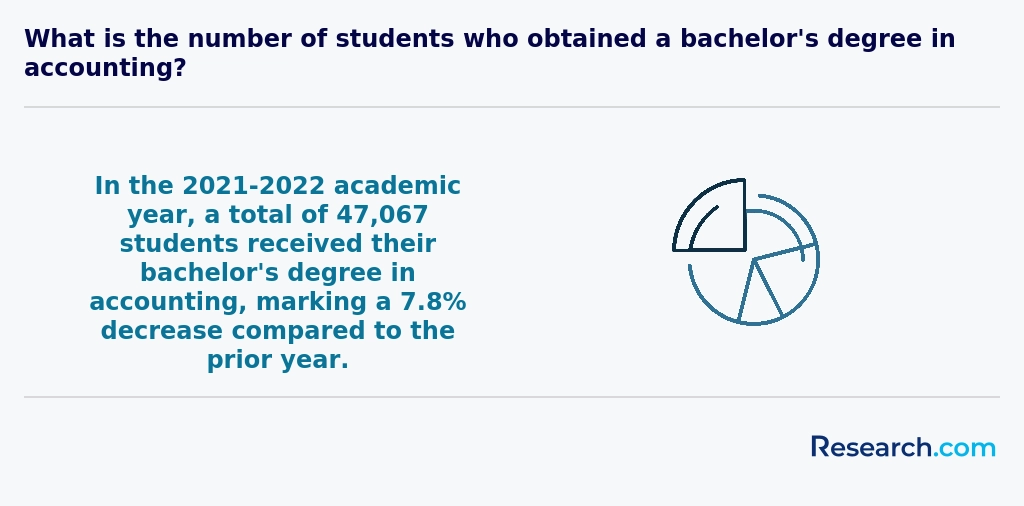
Understanding the real value of an accounting degree in Texas goes beyond tuition figures-it’s about comparing educational investment to career earnings and placement success. According to the National Center for Education Statistics, the average student loan debt for a bachelor’s degree in Texas stands at approximately $28,000, while mean starting salaries for accounting graduates hover around $55,000–$60,000. This suggests a payback period of roughly 1½ to 2 years when accounting for typical entry-level wages. Moreover, graduates from AACSB-accredited programs report higher placement rates-often exceeding 85%-within six months of graduation. Schools with robust career services and internship pipelines, like the University of Texas at Austin, often achieve 90%+ placement by leveraging employer partnerships. For students mindful of minimizing debt, pursuing an online certified bookkeeper program can further reduce costs while providing a solid credential that boosts employability in bookkeeping and related entry-level roles. Key metrics to evaluate ROI include:
- Average total cost of attendance (tuition + fees): $24,000–$36,000 for public in-state vs. $60,000–$80,000 for private institutions
- Mean starting salary: $55,000–$60,000
- Average student debt: $28,000
- Typical loan repayment term: 10 years, with standard monthly payments of $300–$350
- Job placement rate within six months: 80%–90% for top-ranked programs By weighing these figures against individual financial situations and career goals, prospective students can make data-driven decisions that maximize both educational quality and long-term financial benefits.
When you dive into an accounting degree in Texas, you'll quickly find yourself tackling a mix of courses that really build your skills for the real world. Graduates from schools like the University of Texas at Austin or Texas A&M often mention how they got hooked on classes like Financial Accounting, where you learn to make sense of balance sheets and income statements-kind of like decoding a company's financial story. Then there's Managerial Accounting, which feels super practical because it's all about helping businesses make smart money moves using budgets and cost analysis.
Taxation courses are a big deal here too, especially since Texas has its own quirks. Expect to learn the ins and outs of federal and state tax rules, which grads say really helped them understand what goes on behind the scenes during tax season. Auditing classes teach you how to double-check financials ethically, while Business Law covers contracts and regulations that come up every day in business life. Plus, Accounting Information Systems shows you the tech side-how software can turn tons of data into clear financial insights.
Many students appreciate how schools mix in hands-on projects, internships, or case studies, so it's not just textbook stuff. For example, working on actual business problems during your capstone at Texas State University often feels like a mini job experience, making you feel confident stepping into the workforce.
When you dive into an accounting degree in Texas, you'll find plenty of cool specializations that make your education fit your career dreams. Many students at well-known Texas schools choose Tax Accounting because it's super practical-they get to tackle tricky multi-state tax issues, which is a big deal in Texas with its unique tax setup. Graduates often say this specialization gave them a real edge in landing jobs since tax pros are always in demand here.
Another favorite is Auditing, where you learn how to spot errors and make sure companies like those in the oil and gas or healthcare sectors are playing by the rules. Then there's Forensic Accounting, perfect if you're into detective work, helping to uncover fraud and support legal cases. Schools across Texas offer these concentrations, so students feel pumped about what they're studying because it's tied to real-world jobs.
With Texas accounting degree concentration options like Management, Government, and even Environmental Accounting, students get to pick what excites them most. If you're curious about what kinds of careers these pathways can lead to, check out what can i do with online accounting degree to get inspired.
Picking the best accounting degree in Texas comes down to a few real-deal factors. First off, make sure the school has solid accreditation like AACSB-that's a big deal for grads landing jobs or prepping for the CPA exam. Many students from popular Texas colleges share how the strong reputation and higher CPA pass rates of their programs really boosted their confidence and job prospects. Tuition costs can vary a lot too; public universities usually offer more affordable accounting colleges Texas options, but some private schools might give better financial aid or flexible online classes.
Graduates often say flexibility is a game-changer, especially if you're juggling work or family. Lots of programs now let you study online or in a hybrid setup, letting you stay on track without stress. Also, focus on courses that cover the CPA exam requirements because Texas requires 150 semester hours to sit for it. For those looking for even more hands-on prep, check out an online certified bookkeeper program-it's a great way to build skills while you study.
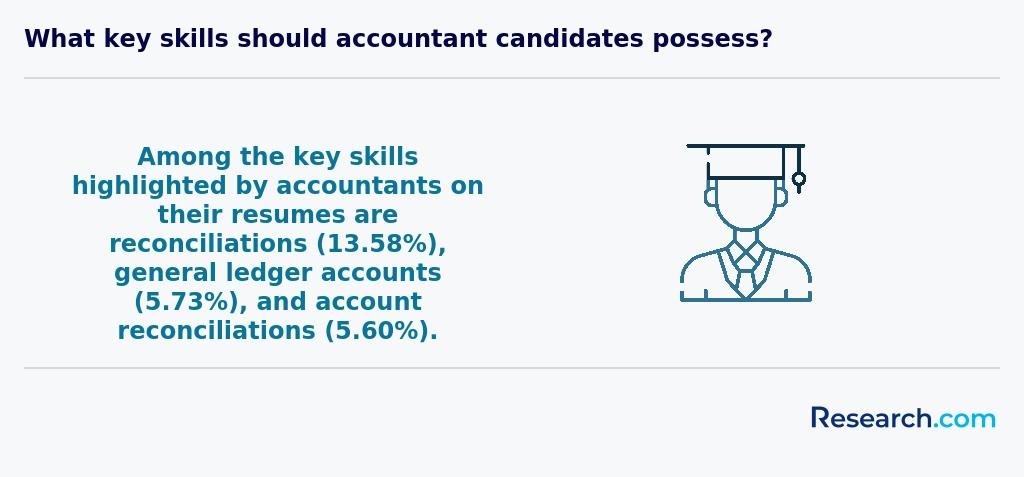
If you're looking at accounting degree job prospects in Texas, there are plenty of exciting paths waiting for you. Graduates from popular schools like the University of Texas at Austin or Texas A&M often dive into public accounting, joining big firms or launching their own practices to handle audits and taxes. Passing the CPA exam is a big deal here-it really opens doors and shows you're ready to tackle real-world challenges. Many grads tell me how rewarding it feels to build their careers in Texas' buzzing cities like Dallas and Houston, where the demand for accountants is strong.
Another cool route is corporate accounting. Think about working for Texas giants like ExxonMobil or American Airlines managing budgets or analyzing finances-that's where many grads from Texas State University find their groove. For those into public service, government accounting roles offer steady work and good benefits, with state offices welcoming new talent eager to keep things running smoothly.
Plus, if you're curious about forensic accounting or managing internal audits, there's room to specialize with certifications beyond CPA. Many students also look for affordable options to get started-check out the Most Affordable Online Accounting Degree Programs Ranking in Illinois to see how you can begin smart, even if you're Texas-based.
The accounting job outlook in Texas is pretty solid right now, especially if you're studying at popular schools like the University of Texas or Texas A&M. Graduates often share how they easily land gigs in cities like Dallas or Houston, thanks to the booming local economy. These places have loads of companies needing accountants, from startups to big energy firms, so it's a win-win. Plus, with Texas's growing job market, many find themselves with plenty of choices right after graduation, whether it's in financial accounting or auditing roles.
Salary trends in Texas accounting degrees lean positive too, with the average wage sitting above the national average. A lot of grads mention how their CPA certifications really push their paychecks up, especially around Austin where tech and finance companies thrive. And if the regular 4-year route isn't for you, some check out best 6 month online programs that pay well to jumpstart their careers. Overall, the mix of good pay and strong demand makes the Texas market feel welcoming and promising.
2027 Best Accounting Degree Programs Ranking in Texas
Investing in your education is a significant decision that can shape your future, and the Research.com team understands the importance of making informed choices. To assist prospective students in Texas, we have meticulously crafted the "2027 Best Accounting Degree Programs Ranking in Texas." Our commitment to quality, credibility, and accuracy is reflected in the extensive research and analysis conducted to compile this ranking.
We utilized the following reputable data sources to ensure a comprehensive evaluation of accounting programs:
By exploring this ranking, readers will gain valuable insights into the top accounting degree programs in Texas, empowering them to make well-informed decisions about their educational paths. For more information on how this ranking was developed, please visit our Research.com methodology page.


Frequently Asked Questions About accounting
Accounting degree students in Texas can maximize their learning by engaging with both theoretical and practical experiences. They should seek internships in Dallas, Houston, or Austin, where many accounting firms are headquartered, providing ample opportunities to apply classroom knowledge. Participating in student organizations like the Texas Society of CPAs allows networking and professional growth.
Utilizing Texas Higher Education Coordinating Board resources can help students stay informed about CPA exam requirements, which is crucial since Texas requires 150 semester hours to sit for the exam. Additionally, seeking courses with an emphasis on Texas tax law improves regional expertise. According to the Texas Workforce Commission, demand for accountants in Texas is projected to grow 10% through 2030, highlighting the importance of practical skills combined with academic knowledge.
The accounting field in Texas is rapidly evolving, with several emerging niches gaining prominence. One key area is forensic accounting, which focuses on investigating financial crimes and fraud. Demand for experts in this field is growing due to increased regulatory scrutiny and cybercrime.
Another niche is environmental accounting, reflecting Texas's expanding energy sector and growing focus on sustainability. Professionals track environmental costs and compliance with regulations.
Additionally, data analytics and blockchain technology are transforming accounting practices. Texas businesses seek accountants skilled in these technologies to enhance transparency and decision-making.
According to the Texas Workforce Commission, jobs in these specialized areas are expected to grow faster than traditional accounting roles through 2030.
After completing an accounting degree in Texas, preparing for the job market requires both practical experience and professional certification. Students should seek internships or part-time roles, as Texas hosts many Fortune 500 companies and a growing financial sector, increasing internship opportunities. According to the Texas Workforce Commission, accounting jobs are expected to grow by 10% through 2030, higher than the national average.
Furthermore, pursuing the Certified Public Accountant (CPA) license is essential in Texas. The Texas State Board of Public Accountancy requires 150 credit hours and passing the Uniform CPA Exam. Networking through local chapters of professional organizations like the Texas Society of Certified Public Accountants also boosts employment prospects.
Strong communication skills and proficiency in accounting software such as QuickBooks and Excel are highly valued by employers across Texas. Continuous learning and staying current with tax laws and financial regulations further enhance career readiness in this competitive market.
Employers in Texas seek several key skills in graduates with accounting degrees. Strong proficiency in accounting principles and tax regulations is essential, given Texas's complex business environment. According to the Texas Workforce Commission, analytical thinking and attention to detail are critical for roles like auditor and financial analyst.
Communication skills, both written and verbal, are highly valued for effectively explaining financial information. Increasingly, familiarity with accounting software, such as QuickBooks and SAP, is expected. The Bureau of Labor Statistics highlights that adaptability and ethical judgment remain fundamental, especially as regulations evolve.
Understanding data analytics and technology integration is becoming more important due to growing automation in accounting tasks. Employers prioritize graduates who combine technical expertise with strong interpersonal skills to succeed in Texas's competitive market.
Finding accounting internships in Texas requires a strategic approach, especially given the state's strong economy and diverse business sectors. Start by exploring internship opportunities with the Big Four firms-Deloitte, PwC, EY, and KPMG-as they have significant operations in cities like Dallas, Houston, and Austin.
Many Texas universities with accredited accounting programs, such as the University of Texas at Austin or Texas A&M, offer dedicated career services that connect students with local firms. According to the Texas Workforce Commission, industries such as energy, healthcare, and finance actively seek accounting interns.
Networking is crucial: attend local accounting association events, like those held by the Texas Society of CPAs (TXCPA), which frequently posts internship openings.
Online job portals and university career centers remain essential resources for finding internships fitting accounting students' schedules and career goals.
An accounting degree in Texas significantly enhances career mobility and advancement opportunities. According to the Texas Workforce Commission, the state's demand for accountants is projected to grow by 11% from 2020 to 2030, faster than many other occupations. This growth indicates strong job stability and multiple pathways for promotion.
Graduates with an accounting degree often qualify for positions such as financial analysts, auditors, and tax advisors, roles that provide essential skills for climbing the corporate ladder. Additionally, acquiring certifications like the CPA (Certified Public Accountant) in Texas further boosts credibility and career prospects.
Employers in Texas's diverse industries-ranging from energy to technology-seek accounting professionals who understand local tax laws and regulations, which creates unique advancement chances for degree holders. The thorough education and professional networks built through Texas accounting programs also support long-term career development.
Studying for an accounting degree in Texas equips students with a broad skill set that supports interdisciplinary roles across business sectors. Texas universities include courses in finance, management, information systems, and economics alongside accounting fundamentals. This integrated approach helps graduates adapt to roles requiring knowledge of multiple fields. For example, proficiency in data analytics and business law, often part of Texas accounting programs, prepares students for compliance and advisory positions.
According to the Texas Higher Education Coordinating Board, over 30% of accounting graduates pursue careers in financial consulting, corporate management, or tax law, highlighting their interdisciplinary skills. These programs emphasize communication, problem-solving, and technology use, essential in today's complex business environments.
When choosing between a thesis and a non-thesis accounting degree program in Texas, consider your career goals. Thesis programs focus on research and writing, suitable for students aiming for academia or advanced study like a PhD. Non-thesis programs emphasize practical skills, ideal for those entering the workforce directly.
Texas universities offering these options include the University of Texas at Austin and Texas A&M University. According to Texas Higher Education Coordinating Board data, around 60% of accounting graduates enter professional roles requiring hands-on expertise, favoring non-thesis routes.
Additionally, thesis programs often demand more time to complete, which may impact your budgeting and schedule.
Students based in Texas who seek to study accounting abroad have several pathways. Many Texas universities with strong accounting programs, such as the University of Texas at Austin, offer established study abroad partnerships with institutions in Europe, Asia, and Latin America. These programs often allow students to earn credits toward their degree while gaining international experience.
Additionally, Texas students may participate in exchange programs facilitated by organizations like IIE or the Council on International Educational Exchange. These programs frequently include options focused on business and accounting studies.
It is important to consider how foreign coursework will transfer back to Texas institutions. Ensuring that study abroad credits align with Texas Board of Public Accountancy requirements can be crucial for students pursuing CPA licensure.
According to the Texas Higher Education Coordinating Board, international experience is increasingly valued by employers in Texas, especially in accounting roles linked to multinational corporations headquartered in the state.
Students pursuing accounting degrees in Texas can benefit from several part-time job opportunities that align with their studies. Roles such as bookkeeping assistants, tax preparers, and accounting clerks offer practical experience while supporting coursework. These positions often exist within small businesses, accounting firms, and nonprofit organizations across Texas cities like Houston and Dallas.
According to the Texas Workforce Commission, jobs in bookkeeping and accounting support are expected to grow by about 7% from 2022 to 2032, reflecting strong demand for part-time roles. Gaining such experience can help students develop critical skills like data entry, financial reporting, and familiarity with software such as QuickBooks and Excel.
Internships through university programs also provide structured part-time work, bridging academic learning with real-world applications. Texas universities often collaborate with local businesses, increasing opportunities in the competitive marketplace.
Accounting students in Texas benefit from numerous networking opportunities essential for career development. Many universities partner with the Texas Society of Certified Public Accountants (TSCPA), which has over 30,000 members statewide. This organization offers events, workshops, and mentorship programs tailored for students.
Additionally, Texas universities often host career fairs and guest lectures featuring professionals from top firms such as Deloitte, PwC, and EY. These events provide valuable face-to-face interaction with potential employers.
Local chapters of national organizations like Beta Alpha Psi also support accounting students by fostering professional connections and sharing internship opportunities.
Alumni networks play a crucial role for accounting degree students in Texas by providing direct access to experienced professionals within the state's vast accounting sector. Texas is home to numerous Fortune 500 companies and rapidly growing businesses, making these connections particularly valuable. Through alumni networks, students gain mentorship opportunities that help with navigating certifications like the CPA, which more than 40,000 CPAs are licensed in Texas (Texas State Board of Public Accountancy, 2023).
These networks also enhance job placement prospects. Many accounting firms and corporations prefer hiring graduates recommended by trusted alumni, creating a reliable recruitment pipeline. Additionally, alumni often share job leads, internships, and career advice tailored to the Texas market.
Students can attend alumni events hosted by universities, which foster networking, workshops, and professional development. Such interactions improve students' understanding of local industry trends and regulatory changes, reflecting the dynamic nature of Texas's accounting landscape.
Customizing an accounting degree program in Texas involves selecting courses and specializations that align with your career goals. Many Texas universities offer concentrations such as forensic accounting, taxation, and auditing, allowing students to tailor their studies.
Students can also pursue internships or cooperative education opportunities with Texas-based firms, gaining practical experience relevant to their desired field.
Additionally, Texas schools often provide preparation for certifications like the CPA exam, which is essential for many accounting careers in the state. According to the Texas Board of Public Accountancy, over 100,000 licensed CPAs serve the region, highlighting the importance of this credential.
Customizing your degree also means leveraging flexible course schedules, including online and evening classes, to fit professional or personal commitments.
Accounting students in Texas face several common challenges during their studies. One major difficulty is managing the extensive curriculum, which covers complex topics such as taxation, auditing, and financial reporting. Many students find it challenging to balance coursework with preparation for the Certified Public Accountant (CPA) exam, a necessary step to advance in the profession.
Additionally, high competition for internships and entry-level roles in Texas' major cities like Houston and Dallas can create stress. According to the Texas Workforce Commission, job market demands require not only technical skills but also proficiency in emerging software and data analytics.
Finally, the financial cost of education combined with living expenses poses a burden for many, as highlighted by the National Center for Education Statistics, which notes the increasing tuition rates in Texas public universities.
An accounting degree in Texas opens doors to several respected professional certifications that can enhance career prospects and earning potential. The Certified Public Accountant (CPA) license is the most sought-after, requiring 150 semester hours of education, which aligns with Texas Board of Public Accountancy rules.
Other common certifications include the Certified Management Accountant (CMA), focusing on financial management skills, and the Certified Internal Auditor (CIA), which is valuable for careers in auditing.
The demand for CPAs in Texas is growing, with the Texas Workforce Commission projecting a 10% increase in accounting jobs by 2030. These credentials signify expertise and often lead to higher salaries and senior roles.
To write a winning application for an accounting program in Texas, start by highlighting your academic achievements, especially in math and business courses. Many Texas universities prefer applicants with a strong GPA, typically above 3.0. Preparing a compelling personal statement is essential; explain why you want to pursue accounting and how your career goals align with the program. Including any relevant internships or work experience strengthens your case.
Also, meet all application requirements, such as submitting SAT or ACT scores when required. According to the Texas Higher Education Coordinating Board, demand for accounting professionals in Texas is strong, making programs competitive. Proofreading your application carefully can prevent errors that may hurt your chances.
The accounting profession is increasingly interconnected across the globe, influenced by international standards such as the IFRS (International Financial Reporting Standards) alongside the US GAAP (Generally Accepted Accounting Principles). For Texas students pursuing accounting degrees, understanding these frameworks is essential as businesses operate internationally.
According to the Texas Workforce Commission, the state expects a 10% growth in accounting jobs by 2030, driven partly by global business expansion and trade. Accountants with global knowledge often have higher job prospects and salary potential.
Many Texas universities incorporate global accounting topics to prepare graduates for challenges in multinational environments, emphasizing compliance and ethical standards worldwide.
Gaining practical experience while studying for an accounting degree in Texas is crucial to enhancing employability. Many Texas universities encourage students to participate in internships with local accounting firms, corporations, or government agencies. These internships often provide real-world exposure to tax preparation, auditing, and financial reporting.
Additionally, students can join campus organizations such as the accounting club or Beta Alpha Psi, a national honor organization for accounting students. These groups often connect members with networking events, workshops, and mentorship opportunities.
The Texas Workforce Commission reports that internships increase job placement success rates by up to 20% for accounting graduates in the state.
Choosing the right concentration within an accounting degree program in Texas involves evaluating your career goals and interests. Popular concentrations include auditing, taxation, financial accounting, and management accounting. According to the Texas Society of Certified Public Accountants (TSCPA), specialization in taxation is highly valued due to Texas's complex tax environment.
Consider the job market: the U.S. Bureau of Labor Statistics reports Texas will add over 5,000 accounting jobs annually through 2031, especially in corporate finance and auditing sectors. Research programs accredited by AACSB or ACBSP to ensure quality education aligned with industry standards.
Finally, seek internships and networking opportunities in Texas-based firms to gain practical experience in your chosen concentration.
- 2027 Best Accounting Degree Programs Ranking in Oklahoma
- 2027 Best Accounting Degree Programs Ranking in Tennessee
- 2027 Best Accounting Degree Programs Ranking in South Carolina
- 2027 Best Accounting Degree Programs Ranking in North Carolina
- 2027 Best Accounting Degree Programs Ranking in Virginia
- 2027 Best Accounting Degree Programs Ranking in Ohio
- 2027 Best Accounting Degree Programs Ranking in North Dakota
- 2027 Best Accounting Degree Programs Ranking in Wisconsin
- 2027 Best Accounting Degree Programs Ranking in New Jersey
- 2027 Best Accounting Degree Programs Ranking in Montana
See What Experts Have To Say About Studying Accounting
Read our interview with Accounting experts

Yaw M. Mensah
Accounting Expert
Professor and Interim Vice Dean for Strategic Partnerships
Rutgers Business School


- Accounting (BBA) https://www.etamu.edu/programs/accounting-bba/
- Accounting and Auditing (Non-Thesis) | Beykoz Üniversitesi https://www.beykoz.edu.tr/icerik/5029-accounting-and-auditing-without-thesis
- Challenges Faced by Accounting Students https://www.onlineassignment-expert.com/blog/what-are-the-challenges-faced-by-accounting-students
- How do they influence the accounting students' career choice? https://edulearn.intelektual.org/index.php/EduLearn/article/download/19870/10113
- The Diverse Skills you Gain with an Accounting Degree https://www.accounting-education.org/blog/accounting-degree-diverse-skills/
- Skills You Need for a Career Path in Accounting | AIU https://www.aiuniv.edu/degrees/business/articles/top-skills-for-career-in-accounting
- Why CA Firms Can't Afford to Overlook Alumni Networks: A Key Strategy for Growth and Success https://hoopstr.ai/corporate-resource-center/blog/why-ca-firms-need-to-adopt-corporate-alumni-programs-for-growth-and-success-in-a-changing-industry
- Harnessing the Power of an Alumni Network | Friend & Grant Accountants https://www.friendandgrant.co.uk/blog/how-to-harness-the-power-of-alumni-networks/
- How to Meet Accounting Degree Requirements for Career Success - ICMS https://www.icms.edu.au/degree-discovery/how-to-meet-accounting-degree-requirements/
- 6 accounting niches for your new firm https://www.becker.com/blog/career/accounting-niches-for-your-firm