
2027 Best Accounting Degree Programs Ranking in Virginia

Co-Founder and Chief Data Scientist
Choosing the right accounting degree program in Virginia can be a crucial step toward a rewarding career. To help you navigate your options, this article presents the 2027 Best Accounting Degree Programs Ranking in Virginia, created by the Research.com team of data scientists. Their data-driven approach ensures you get reliable insights.
Reading this article will guide you in discovering programs that align with your goals and aspirations. An accounting degree offers stability and growth, making it a smart investment in your future. Explore your possibilities with confidence.
Key benefits of getting accounting degree in Virginia
- Salary for accounting degree graduates: Graduates can expect competitive salaries, with Staff Accountants earning a mean annual wage of $90,780 and roles like Bookkeepers and Tax Preparers averaging around $49,580, reflecting strong earning potential in Virginia's job market.
- Career paths: A popular Virginia college graduate might pursue diverse roles such as Staff Accountant, Associate Auditor, or Accounts Payable Clerk, offering opportunities in corporate, government, or nonprofit sectors tailored to their interests and strengths.
- Benefits of online degrees: Earning an accounting degree online from a reputable Virginia university offers flexible scheduling and the ability to balance work or family commitments while gaining the same respected credentials as traditional programs.
- 2027 Best Accounting Degree Programs Ranking in Virginia
- What can I expect from accounting degree in Virginia?
- Where can I work with accounting degree in Virginia?
What can I expect from accounting degree in Virginia?
The average cost of an accounting degree in Virginia varies significantly depending on whether you attend a public or private institution and your residency status. Graduates from schools like Virginia Tech or the University of Virginia often mention that in-state tuition helps keep expenses manageable, making a bachelor's degree more affordable compared to out-of-state or private college counterparts. For many, the accessibility of financial aid and scholarships further eases the financial burden.
Some students recount balancing part-time jobs or internships offered by their programs, which also provide valuable experience while offsetting costs. However, those attending private colleges may face higher tuition fees, requiring careful budgeting and exploration of all funding options.
Ultimately, while tuition can range widely, many accounting students in Virginia find that their investment correlates with solid preparation for the CPA exam and career opportunities. The practical experience integrated into these programs enhances value beyond tuition alone, helping graduates feel confident and optimistic about their future in accounting.
Where can I work with accounting degree in Virginia?
Accounting graduates from Virginia universities like the University of Virginia and Virginia Tech often find themselves entering diverse career paths throughout the state. Many secure roles in federal agencies near Washington, D.C., such as the Treasury Department or Internal Revenue Service, where they engage in auditing and compliance-positions valued for their stability and impact. Graduates describe the challenge and reward in navigating government financial regulations.
Others join private firms in Richmond or Northern Virginia, from local accounting offices to large firms like Deloitte and PwC. These environments provide hands-on experiences with tax preparation and advisory services, where graduates feel a strong sense of professional growth and teamwork.
Employment options extend beyond traditional firms; some graduates highlight fulfilling work within nonprofits handling grant management or healthcare organizations overseeing budgeting. Skills in Virginia-specific tax laws and accounting software often differentiate candidates, enhancing employability in a competitive market.
Though job opportunities are broad, success frequently depends on adaptability and a willingness to engage with Virginia's unique regulatory and economic landscape.
Graduates with an accounting degree from Virginia universities such as Virginia Tech or the University of Richmond often find their starting salaries align closely with regional job markets. Entry-level roles like staff accountants typically earn around $90,780 annually, according to recent BLS data. This figure may pleasantly surprise many, reflecting Virginia's strong demand for financial expertise. However, salaries for related positions such as bookkeepers, tax preparers, associate auditors, and accounts payable clerks are notably lower, averaging about $49,580, which indicates varied earning potential within the accounting field.
Many graduates appreciate that those entering Northern Virginia may command higher wages due to proximity to government and large financial firms. For example, an associate auditor employed in this area may experience more rapid salary growth compared to counterparts in rural regions. Graduates with internship experience often report feeling more confident negotiating starting pay, sometimes exceeding base estimates.
Understanding these numbers helps future accountants set realistic expectations. While $90,000 annually for a staff accountant is rewarding, others in supporting roles might initially earn less. This underscores the value of certifications and experience in boosting long-term earnings within Virginia's diverse accounting landscape.
- Virginia offers many accredited public and private institutions with accounting programs meeting the 150-credit hour CPA requirement.
- Annual tuition for in-state students at public universities ranges from $12,000 to $18,000, while private colleges often charge over $30,000.
- Entry-level accounting salaries in Virginia range from $55,000 to $65,000, varying by firm size, location, and CPA status.
- Experienced accountants earn between $75,000 and $95,000, with higher pay for senior or specialized roles.
- Employment for accountants in Virginia is projected to grow 7% over the next decade, faster than the average for all jobs.
- Virginia's location near Washington, D.C. increases demand for accountants with government accounting and compliance skills.
Completing an accounting degree in Virginia generally takes about four years for full-time students pursuing a Bachelor of Science in Accounting. This timeline, common at universities like Virginia Tech or the University of Virginia, reflects a balance between general education and specialized accounting courses, preparing graduates well for entry-level roles and CPA eligibility. However, the experience varies; some students choosing part-time enrollment due to work or family responsibilities may extend their study to five or six years.
Community colleges such as Northern Virginia Community College offer associate degrees requiring roughly two years, appealing to those eager to enter the workforce quickly or later transfer to a four-year program. For graduates aiming at advanced credentials, master's programs in Virginia often add one to two years beyond the bachelor's degree, sometimes enabling accelerated routes to meet CPA credit requirements.
Graduates often describe their time management challenges but also highlight the rewarding satisfaction of progressing steadily, especially when institutions provide flexible schedules that fit busy lifestyles. These varied pathways illustrate that while four years is typical, individual circumstances and goals can meaningfully influence completion times.
To navigate the complexities of accounting programs in Virginia while managing financial concerns, students should consider the affordability of their desired institution. Exploring options such as the most affordable accounting schools in Virginia can be a crucial step in making an informed decision. By understanding the cost of tuition, the availability of financial aid, and the potential return on investment, students can better prepare themselves for a successful career in accounting. Many institutions in Virginia offer competitive pricing, scholarships, and assistantships to help mitigate the financial burden of pursuing an accounting degree. Additionally, students can look into online programs or part-time study options to balance their educational pursuits with work or other responsibilities, ultimately setting themselves up for success in the accounting field.
Online and on-campus accounting degrees in Virginia differ mainly in delivery and experience. Graduates from on-campus programs at schools like Virginia Tech often highlight the benefit of face-to-face interactions with professors and peers, which foster strong professional networks and easier access to local internships. These connections can be pivotal when seeking roles in Virginia's competitive accounting job market.
Conversely, online students appreciate the flexibility offered by programs delivered entirely through digital platforms. This allows balancing work, family, and studies without relocating or commuting. Some online graduates from universities like James Madison University mention that while networking requires more effort, regional firm collaborations help bridge these gaps.
Tuition costs also vary; on-campus rates in Virginia range from $10,000 to $20,000 annually for in-state students, while online programs may be slightly more affordable after savings on housing and commuting. Both formats maintain accreditation standards from bodies such as AACSB, ensuring comparable academic rigor.
In sum, students must weigh their priorities: immediate engagement and local opportunities against flexibility and independence, each shaping their Virginia accounting education in unique ways.
Obtaining professional certifications and licenses can significantly boost an accounting graduate’s credibility and earning potential. In Virginia, the most sought-after credential is the Certified Public Accountant (CPA) license, which requires 150 credit hours, passing the Uniform CPA Exam, and one year of relevant work experience under a licensed CPA. Beyond the CPA, graduates often pursue the Certified Management Accountant (CMA) designation to demonstrate expertise in financial management and strategic planning, or the Certified Internal Auditor (CIA) credential for careers in internal auditing and risk management. Specialized certifications such as the Certified Fraud Examiner (CFE) and Chartered Global Management Accountant (CGMA) cater to niche fields like forensic accounting and global financial strategy. These credentials involve rigorous exams and continuing education requirements, ensuring holders stay current with industry standards. For bookkeepers aiming to elevate their skills, enrolling in a certified bookkeeping course offers foundational knowledge in payroll processing, accounts receivable/payable, and bookkeeping software-preparing them for advanced certifications like the Certified Bookkeeper (CB) designation from the American Institute of Professional Bookkeepers. Employers in Virginia value candidates who combine an accredited degree with nationally recognized credentials. Graduates should research state board requirements, plan their exam schedules, and leverage university resources-such as exam prep workshops and mentorship programs-to streamline their certification journey. By strategically obtaining these licenses and certifications, accounting professionals can distinguish themselves in a competitive job market and access higher-level positions in public accounting firms, corporations, and government agencies.
The average cost of a 4-year accounting degree in Virginia reflects notable variation depending on residency status and the type of institution attended. Median total costs indicate that in-state students can expect to pay around $15,948 for the entire program, which is considerably more affordable compared to the $51,948 median total for out-of-state students. These figures underscore the significant financial advantage Virginia residents may have when pursuing accounting degrees within public universities or community colleges.
Many graduates from popular Virginia universities studying accounting recall the relief of in-state tuition rates, which made the pursuit of their degree feel more attainable. However, even with in-state tuition, students must consider additional expenses such as books, technology fees, and living costs. These supplemental fees can sometimes shift what initially seems like a manageable price tag into a more substantial financial commitment.
For students exploring affordable options, Virginia's community colleges offer an economical pathway with tuition averaging about $5,000 per year for residents, providing an excellent start before transferring to a four-year institution. This route aligns well with the average cost of accounting degree in Virginia, especially for those mindful of budget constraints but eager to build a solid educational foundation.
Prospective students weighing their options would benefit from consulting resources like the most affordable accounting schools in Virginia, which highlight institutions balancing cost with quality education. This kind of research helps clarify the financial landscape ahead, providing a clearer picture beyond sticker prices alone.

As the accounting landscape evolves with technological advancements and shifting industry demands, students in Virginia must not only master traditional accounting principles but also develop future-oriented skills. Today’s professionals are expected to be proficient with data analytics, artificial intelligence tools, and blockchain technology-all of which are increasingly integrated into modern financial practices. In addition, emerging soft skills such as strategic thinking, effective communication, and leadership are critical for success in an ever-changing market. Understanding these trends early on can give students a competitive edge. For example, graduates who embrace digital accounting platforms and cloud-based software find that they are better equipped to adapt to remote and hybrid work environments. Those interested in flexible learning options can explore programs that incorporate these digital innovations. In fact, you may wish to consider programs that offer the most affordable online accounting degree options, which blend technological fluency with traditional coursework to meet evolving industry needs. By keeping an eye on emerging trends and continuously updating their skill set, Virginia accounting students can ensure they are well-prepared not only for today’s challenges but also for the future opportunities in the field. This proactive approach to education and career planning lays the foundation for long-term professional growth and adaptability in the dynamic world of accounting.
Accounting students in Virginia often rely on a blend of financial aid options to manage the cost of their education. For many at universities like James Madison University or the University of Virginia, federal aid is a primary resource. Pell Grants, for example, offer up to $7,395 in need-based funding that doesn't require repayment, easing immediate financial pressure. Federal student loans-such as Direct Subsidized and Unsubsidized Loans-are another common option, providing manageable borrowing with relatively low interest.
State programs also play a significant role. The Virginia Tuition Assistance Grant (VTAG) is especially valuable for those attending private nonprofit colleges, helping reduce tuition bills. At public schools, the Virginia Commonwealth Award supports students with demonstrated financial need, often benefiting accounting majors specifically.
Many graduates recall the importance of departmental scholarships targeting accounting students, which reward academic merit and leadership. These scholarships often come from within the accounting departments at those same Virginia universities and can meaningfully lower expenses.
Furthermore, work-study programs and scholarships from professional groups like the Virginia Society of CPAs provide accessible ways to earn income and gain relevant experience, cultivating both financial relief and career readiness.
Enrolling in an accounting degree in Virginia usually starts with holding a high school diploma or GED, coupled with a solid math background. Graduates from Virginia Tech or George Mason University often reflect on how prior coursework in algebra and statistics eased their transition into accounting studies. While SAT or ACT scores are commonly requested, the growing test-optional policies at many Virginia institutions provide flexibility, allowing some students to focus more on their academic record and extracurricular strengths.
Many programs also expect students to have completed general education classes like economics and business before delving into advanced accounting subjects. For example, graduates recall that these foundational courses at the University of Richmond helped build confidence and a broader understanding of how accounting fits within the business world.
At the graduate level, Virginia Commonwealth University's accounting master's students highlight the importance of having a competitive undergraduate GPA and prerequisite coursework to keep pace with rigorous programs. This preparation aligns well with Virginia's CPA licensing requirements, which demand 150 credit hours including specific accounting and business courses-something many local programs carefully integrate into their curriculum to support students' professional goals.
Earning an accounting degree is just the first step toward a successful career; obtaining professional certifications such as the Certified Public Accountant (CPA) license can significantly enhance employability and salary potential. In Virginia, CPA candidates must complete at least 150 semester hours of accredited coursework, including specified accounting and business subjects, pass the Uniform CPA Examination, and fulfill a one-year supervised experience requirement under a licensed CPA. Additionally, applicants must complete the Virginia Board of Accountancy’s ethics examination. Understanding these requirements early can help students plan their coursework and internships strategically. Beyond the CPA, Virginia accounting graduates may pursue other in-demand credentials like the Certified Management Accountant (CMA) and Certified Internal Auditor (CIA). The CMA focuses on financial management and strategy, requiring two exam parts and two years of professional experience. The CIA, governed by the Institute of Internal Auditors, emphasizes risk management and internal controls, with candidates sitting for a three-part exam. Each certification demands continuing professional education (CPE) to maintain active status, ensuring accountants stay current with evolving standards and technologies. Preparation for these exams often begins during undergraduate study. Many Virginia universities offer review courses and industry partnerships that provide discounted access to exam prep materials. Networking through campus accounting clubs and state CPA societies can also yield mentorship and study groups. When considering the overall cost of certification and licensure, students seeking budget-friendly educational pathways may benefit from exploring out-of-state options; for example, the Cheapest Accounting Degree Programs Ranking in Louisville, KY highlights programs that combine affordability with robust accounting curricula. By aligning degree coursework with certification requirements and leveraging available resources, Virginia accounting students can streamline their journey from graduation to professional licensure, positioning themselves for leadership roles in public accounting, corporate finance, and beyond.
Accounting degree programs in Virginia commonly include courses that cover fundamental accounting principles alongside business skills tailored to the state's regulatory environment. Graduates from popular Virginia universities often recall mastering financial accounting, where they learned to prepare statements reflecting real-world business performance. Managerial accounting courses brought fresh perspectives on internal decision-making, helping students envision themselves advising companies on budgeting and cost control.
Auditing classes stood out as particularly challenging but essential, emphasizing the importance of verifying financial records-a skill remembered fondly for its practical relevance. Taxation courses, focusing on both individual and corporate tax laws under U.S. codes, were highlighted by graduates as eye-opening, especially in understanding Virginia's diverse economy.
- Financial Accounting
- Managerial Accounting
- Auditing
- Taxation (Individual and Corporate)
- Business Law
- Accounting Information Systems
- Cost Accounting
- Ethics in Accounting
- Statistics and Quantitative Analysis
- Corporate Finance
Beyond these, ethics and law courses helped students grasp the professional responsibility demanded in Virginia's accounting sector, while accounting information systems provided insights into the technology shaping digital finance management today. Such a curriculum not only prepares students for CPA exams but also fosters confidence in navigating Virginia's business challenges effectively.
Accounting degrees in Virginia typically offer specializations that reflect the state's economic needs, providing students with targeted expertise. Graduates from universities such as Virginia Tech and George Mason often highlight specializations like auditing, where they learn to scrutinize financial reports - a skill valued by Virginia's corporate and government sectors. Another concentration gaining attention is tax accounting, prized for Virginia's complex tax landscape and proximity to Washington, D.C. Students in this track report feeling confident tackling real-world tax challenges, which aligns with the best Virginia accounting program concentrations.
Forensic accounting is an intriguing option for those drawn to investigative roles, focusing on uncovering fraud or financial misconduct. Graduates emphasize how hands-on projects offered by Virginia colleges helped them develop critical analytical skills needed in this fast-growing field. Management accounting and government accounting remain strong choices as well, providing paths into budgeting and financial oversight that suit expanding businesses and public agencies in Virginia.
Many students praise their schools for combining these specializations with internships, offering practical experience. To explore options that balance quality and cost, consider programs highlighted in the most affordable online accounting degree listings.
Choosing the best accounting degree in Virginia requires a thoughtful balance between academic quality and practical outcomes. Graduates from institutions like Virginia Tech emphasize the importance of accreditation, notably by AACSB, as it signals rigorous standards aligned with Virginia's competitive job market. However, assuming accreditation alone guarantees success overlooks other factors such as the program's curriculum focus; courses in forensic accounting or data analytics might be decisive for those targeting specialized roles.
Cost considerations also shape decisions significantly. While public universities average around $13,000 yearly for in-state students, private options can reach $45,000 or more, posing challenges for some. Students who prioritized financial aid and looked for scholarships often found the extra effort rewarding, ensuring affordability without compromising educational quality. Reflecting on how to choose accounting degree Virginia, recent graduates highlight the value of programs offering strong internship partnerships in Richmond and Northern Virginia, which add essential real-world experience and enhance job prospects.
Smaller class sizes in schools such as the University of Virginia foster closer faculty interactions, creating a supportive learning environment that many find encouraging when tackling complex accounting concepts. Some students also benefit from exploring additional certifications, including taking a certified bookkeeping course, which complements their degree and broadens career options.
Graduates of accounting programs at notable Virginia institutions often find diverse accounting career opportunities in Virginia that reflect both traditional and emerging fields. Many pursue public accounting, gaining experience through firms ranging from local boutiques to international firms in Northern Virginia or Richmond. These roles, especially for Certified Public Accountants, offer steady demand and a clear professional trajectory. However, some graduates notice intense competition and high certification standards, prompting them to explore alternatives.
Corporate roles provide a different avenue, with graduates working as financial analysts or internal auditors in sectors like government contracting or technology. Those who enjoy dynamic, problem-solving environments appreciate these jobs, though some caution that corporate accounting can be less predictable in terms of career growth. Many students from Virginia's well-regarded accounting programs also report engaging with government agencies, benefiting from the state's focus on transparency and fiscal accountability-this highlights the value of an understanding of public sector work.
For students uncertain about traditional paths, forensic accounting offers a meaningful way to apply skills while addressing financial crime, a growing concern locally and nationally. Before committing, prospective students should review options such as the Cheapest Accounting Degree Programs Ranking in Louisville, KY to balance education costs with career ambitions, ensuring informed decisions about job prospects with accounting degree Virginia.
The accounting job outlook in Virginia remains stable, with steady growth driven by sectors like finance, government, and technology. Graduates from well-regarded programs at universities such as the University of Virginia or Virginia Tech often find themselves quickly placed in roles within corporate accounting departments or government agencies. Many report feeling optimistic about their career trajectory, especially when pursuing certifications like the CPA, which is highly valued here. However, students should weigh the competitive salary-which averages around $78,000 annually-and the cost of education, where in-state tuition can be about $13,000 per year, against potential job opportunities.
Experience from recent graduates suggests that regions like Northern Virginia and Richmond offer the most diverse employment opportunities, including specialized roles such as forensic accounting, which is growing in demand. Those exploring Virginia accounting degree employment opportunities must also understand that government roles offer job stability but possibly slower salary growth.
For students unsure about which path to take, researching programs and career outcomes can be helpful; some find reviewing the best college degrees beneficial when planning their studies.
2027 Best Accounting Degree Programs Ranking in Virginia
Investing in your education is a significant decision that can profoundly impact your career, and the Research.com team recognizes the importance of providing trustworthy guidance. To support prospective students in Virginia, we have carefully developed the "2027 Best Accounting Degree Programs Ranking in Virginia." This ranking reflects our dedication to quality, credibility, and accuracy through thorough research and detailed analysis.
We utilized the following reputable data sources to ensure a comprehensive evaluation of accounting degree programs:
By reviewing this ranking, readers will gain valuable insights into the top accounting programs offered in Virginia, helping them make informed decisions about their educational journey. For more information on how this ranking was created, please visit our Research.com methodology page.
# 1 position
Virginia Polytechnic Institute and State University
Master of Accounting and Information Systems

# 2 position
Virginia Polytechnic Institute and State University
Accounting and Business Analysis Major


# 7 position
George Mason University
Bachelor of Science in Business with a Concentration in Accounting


# 20 position
Strayer University-Virginia
Master of Science in Accounting

Frequently Asked Questions About accounting
Accounting degree students in Virginia can maximize their learning experience by combining classroom knowledge with practical applications. Engaging in internships, especially at firms recognized by the Virginia Society of Certified Public Accountants (VSCPA), provides valuable real-world exposure. Many Virginia colleges offer access to accounting software like QuickBooks and SAP, essential for developing technical skills.
Networking through student chapters of professional organizations such as VSCPA or Beta Alpha Psi can open doors to mentors and job opportunities. Additionally, seeking courses that fulfill the 150-credit hour requirement for CPA licensure in Virginia ensures students are on track for certification. According to the U.S. Bureau of Labor Statistics, Virginia's accounting jobs are projected to grow 7% through 2031, highlighting strong career prospects.
Emerging niches within the accounting field in Virginia reflect broader national trends emphasizing technology and specialized expertise. One notable area is forensic accounting, where professionals investigate financial fraud and disputes. Demand for forensic accountants in Virginia is expected to grow as regulatory scrutiny increases.
Environmental accounting is another expanding niche, driven by businesses' growing focus on sustainability and compliance with environmental regulations. Virginia's push toward green initiatives creates new opportunities for accountants with this specialization.
Additionally, data analytics and cybersecurity audits are becoming integral to accounting roles. Virginia's robust technology sector fuels this trend, requiring accountants skilled in interpreting large data sets and assessing cyber risks. According to the Bureau of Labor Statistics, accounting jobs in Virginia are projected to grow 7% through 2030, partly due to these emerging fields.
After completing an accounting degree in Virginia, preparing for the job market involves several key steps. First, gaining practical experience through internships or part-time roles is essential, as Virginia employers value candidates with hands-on skills. According to the Virginia Employment Commission, accounting-related jobs in the state are projected to grow by about 7% through 2028, highlighting a steady demand.
Networking is crucial; joining local chapters of organizations like the Virginia Society of CPAs can connect graduates with industry professionals. Additionally, pursuing certification such as the CPA license improves job prospects significantly. Meeting the 150-credit-hour education requirement and passing the CPA exam are vital milestones.
Finally, enhancing technical skills in software like QuickBooks or Excel is recommended to meet employer expectations across Virginia's diverse job market.
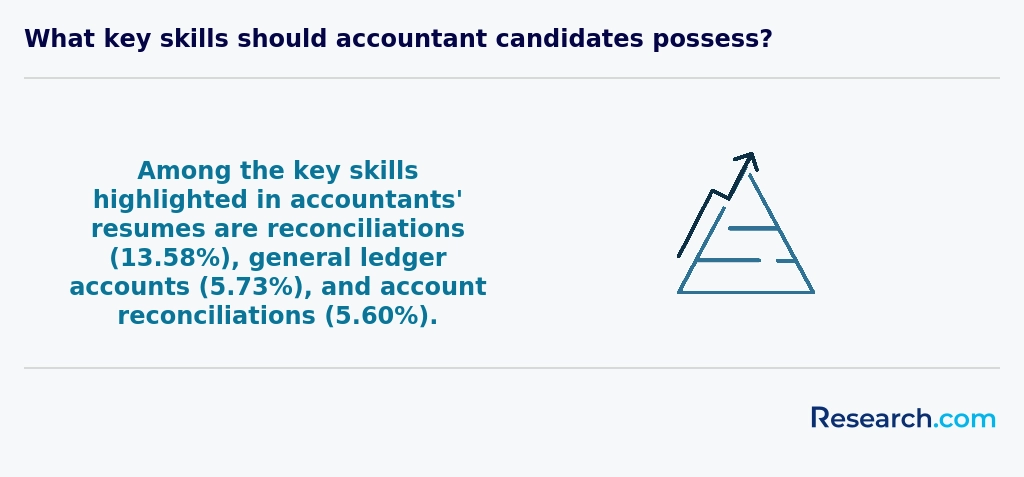
Employers in Virginia highly value accounting graduates who demonstrate strong analytical skills and proficiency with accounting software such as QuickBooks and Sage. According to the Virginia Employment Commission, attention to detail and accuracy are critical due to the rigorous regulatory environment in the state. Communication skills, both written and verbal, are also essential since accountants often collaborate with clients and other departments.
Knowledge of tax laws specific to Virginia and federal regulations is increasingly important, as reported by the American Institute of CPAs. Additionally, problem-solving abilities and ethical judgment rank among the top attributes employers seek. These skills ensure graduates can contribute effectively in both public and private sectors within the region.
Finding internships in Virginia relevant to an accounting degree involves several targeted strategies. Many universities in Virginia, such as Virginia Tech and George Mason University, have established partnerships with local accounting firms and corporations to provide internship opportunities.
Students should utilize campus career services, which often list positions from regional companies like KPMG and Deloitte, both of which have offices in major Virginia cities. Networking through professional associations such as the Virginia Society of Certified Public Accountants (VSCPA) can also be instrumental.
According to the U.S. Bureau of Labor Statistics, Virginia's accounting sector is growing steadily, with a 5% increase in accounting jobs expected by 2028, making internships highly competitive but accessible through proactive engagement in job fairs and online portals like Handshake.
An accounting degree significantly enhances career mobility and advancement opportunities in Virginia. According to the Virginia Employment Commission, the demand for accountants and auditors in the state is projected to grow by 8% through 2030, faster than the average for all occupations. Earning a degree provides foundational knowledge and credentials valued by employers across various industries, including government, finance, and business services.
Graduates with an accounting degree in Virginia often qualify to take the Certified Public Accountant (CPA) exam, a key credential that boosts earning potential and eligibility for senior roles. Furthermore, possessing a degree expands opportunities for promotions and salary increases in competitive markets like Richmond and Northern Virginia. Overall, the degree serves as a critical credential for professional growth within the state's dynamic economy.
Studying for an accounting degree in Virginia equips students with skills that extend beyond traditional bookkeeping and auditing. Programs in the state emphasize interdisciplinary learning by integrating courses in finance, information technology, and business law. This approach prepares graduates to navigate complex roles where accounting intersects with data analysis, compliance, and management.
Virginia institutions often collaborate with industries, providing real-world projects that encourage problem-solving across multiple fields. According to the Virginia Employment Commission, sectors like finance and IT increasingly value accountants with interdisciplinary expertise. This trend highlights the practical advantage of Virginia's accounting curricula in fostering versatile professionals.
When deciding between a thesis and a non-thesis accounting degree program in Virginia, students should consider their career goals and learning preferences. Thesis programs often emphasize research skills, suitable for those aiming for doctoral studies or careers in academia. Non-thesis programs focus more on practical applications, appealing to students targeting professional accounting roles.
Virginia hosts several accredited schools offering both options, including those recognized by the Association to Advance Collegiate Schools of Business (AACSB). According to the Virginia Department of Education, graduates with non-thesis accounting degrees typically enter the workforce faster, while thesis graduates may access research-focused jobs or PhD programs.
Cost and time commitment also differ. Thesis paths generally require more semesters and may involve funding through research assistantships. Prospective students should assess program curricula, internship opportunities, and alignment with the Certified Public Accountant (CPA) licensure requirements in Virginia before deciding.
Students based in Virginia who wish to study accounting abroad have several options through US universities offering international exchange programs. Many Virginia institutions, such as Virginia Tech and George Mason University, partner with universities worldwide to provide accounting studies overseas.
These study abroad programs allow students to earn credits toward their accounting degree while gaining global business perspectives. For example, Virginia Tech's Pamplin College of Business encourages students to participate in exchanges with top universities in Europe and Asia, which can enhance resumes in the competitive accounting field.
Additionally, students can explore internships and dual-degree options affiliated with these programs, broadening their exposure to international accounting standards like IFRS. According to the National Association of State Boards of Accountancy, knowledge of global accounting practices can improve career prospects for Virginia graduates.
Students pursuing accounting degrees in Virginia have several part-time job opportunities that can enhance their education and resume. Common roles include accounting interns, bookkeeping assistants, and tax preparers. These positions provide hands-on experience with financial statements, payroll, and tax filings, which are crucial skills in accounting careers.
Virginia's growing economy supports employment in sectors like government agencies, small businesses, and accounting firms, offering valuable exposure to real-world accounting practices. According to the Virginia Employment Commission, the state expects a 7% growth in accounting-related jobs through 2028, signaling healthy demand for part-time roles.
Working part-time in these positions allows students to develop expertise while balancing academic requirements, improving their job prospects after graduation.
Accounting students in Virginia benefit from various networking opportunities through professional organizations such as the Virginia Society of Certified Public Accountants (VSCPA). This group hosts events, workshops, and conferences that connect students with experienced accountants and potential employers. Additionally, many universities in Virginia offer accounting clubs and chapters of Beta Alpha Psi, an international honor organization for accounting students, which promotes networking and career development.
Internships are also widely available across Virginia's business hubs, like Richmond and Northern Virginia, helping students gain practical experience and expand professional contacts. According to the U.S. Bureau of Labor Statistics, Virginia's proximity to federal agencies and major corporations enhances these opportunities.
Alumni networks play a crucial role for accounting degree students in Virginia by providing valuable professional connections. Graduates often share job opportunities, internships, and industry insights that are not always publicly advertised. According to the Virginia Society of Certified Public Accountants, nearly 70% of accounting jobs in the state are filled through networking and referrals.
These networks also offer mentorship programs where experienced alumni guide students in navigating the CPA exam and career planning. Students can attend exclusive events organized by their university's alumni association, gaining direct access to local firms and multinational companies operating in Virginia.
Active alumni connections help students stay informed about trends in accounting standards and regional economic developments, which can enhance classroom learning with real-world context. Overall, engaging with alumni networks strengthens a student's professional foundation within Virginia's accounting community.
Students pursuing an accounting degree in Virginia can tailor their programs to align with specific career goals by selecting electives in areas such as forensic accounting, taxation, or auditing. Many Virginia universities offer concentrations or tracks that help deepen expertise in these fields. Additionally, internships and cooperative education opportunities within Virginia's robust business environment, including government agencies and private firms, provide practical experience that complements academic learning.
Virginia's accounting programs also emphasize preparation for professional certifications like the CPA exam, allowing students to focus coursework on the required accounting principles and ethics. According to the Virginia Society of CPAs, about 70% of accounting graduates pursue CPA licensure, highlighting its importance in career advancement.
Students can also customize their degrees by combining accounting with related disciplines such as finance or information systems, which is beneficial given the increasing demand for accountants skilled in data analytics and financial technology. Exploring these options ensures a degree fits both personal interests and the evolving job market in Virginia.
Accounting students in Virginia often face significant challenges related to the rigorous curriculum and professional certification requirements. Many struggle with mastering complex topics such as taxation, auditing, and financial reporting, which are essential for passing the CPA exam-a critical step for most accounting careers. According to the Virginia Society of CPAs, the CPA exam pass rate in the state has hovered around 50-55%, indicating the exam's difficulty level. Beyond academics, balancing internships or part-time jobs alongside studies is a common hurdle, especially in competitive markets like Northern Virginia. Additionally, understanding state-specific accounting regulations adds complexity unique to the region.
With an accounting degree in Virginia, graduates can pursue several respected professional certifications that enhance career opportunities. The most prominent is the Certified Public Accountant (CPA) license, regulated by the Virginia Board of Accountancy. To qualify, candidates must complete 150 semester hours of education, pass the Uniform CPA Exam, and fulfill experience requirements.
Other valuable certifications include the Certified Management Accountant (CMA), which focuses on financial management and strategic skills. The Certified Internal Auditor (CIA) is another option, especially for those interested in internal audit roles.
These credentials can increase earning potential and job security in Virginia's diverse accounting job market, which includes government, corporations, and non-profits, according to the Bureau of Labor Statistics.
Applying to an accounting program in Virginia requires a clear and focused approach. Start by thoroughly researching programs accredited by the Association to Advance Collegiate Schools of Business (AACSB), which ensure high academic standards. Highlight relevant coursework, such as economics and math, and emphasize any prior work experience or internships in finance or accounting. Many Virginia schools look for competitive GPA scores, often above 3.0, and strong letters of recommendation from academic or professional references.
Virginia also values applicants who demonstrate knowledge of the CPA exam's requirements. Showing familiarity with the state's licensing process can strengthen your application. Tailor your personal statement to explain your motivation for pursuing accounting and your career goals. Use clear, professional language and avoid clichés.
According to the Virginia Department of Education, mastering writing skills and attention to detail are crucial, as is submitting all documents before deadlines. Finally, research financial aid and scholarships offered specifically for accounting students at Virginia institutions to support your application.
The global perspective on an accounting career highlights the demand for professionals who understand international financial standards and regulations. In the United States, including Virginia, accounting degrees increasingly emphasize knowledge of the International Financial Reporting Standards (IFRS), which are used by many countries worldwide. According to the U.S. Bureau of Labor Statistics, employment for accountants and auditors is projected to grow 7% from 2021 to 2031, reflecting steady demand.
Virginia's proximity to global businesses and government agencies offers unique opportunities for accountants to work with multinational corporations and participate in international audits. Higher education institutions in Virginia, like George Mason University, often include global accounting concepts in their curricula. This prepares students to meet evolving demands in global finance and compliance.
Gaining practical experience while studying accounting in Virginia is essential for career readiness. Many universities, such as Virginia Tech and the University of Virginia, offer internship programs partnering with local businesses and accounting firms. These internships provide hands-on experience in financial reporting, auditing, and tax preparation.
Additionally, students can participate in campus clubs like Beta Alpha Psi, which often facilitate networking opportunities with professionals and host case competitions that simulate real-world accounting challenges. According to the Virginia Society of CPAs, 70% of accounting employers prefer candidates with internship experience.
Virginia also offers cooperative education (co-op) programs, enabling students to alternate between semesters of study and full-time work, thereby gaining extensive practical exposure before graduation.
Choosing the right concentration within an accounting degree program in Virginia requires careful consideration of your career goals and the local job market. Common concentrations include auditing, taxation, forensic accounting, and managerial accounting. Each focus prepares students for different roles-taxation is in high demand due to Virginia's growing business environment, while forensic accounting is useful for roles in fraud detection and legal investigations.
Virginia's accounting profession is regulated by the Virginia Board of Accountancy, which requires 150 credit hours for CPA licensure. Concentrations that align with CPA exam content, like auditing and financial accounting, can provide a smoother path to certification.
Researching local employment trends from sources like the Virginia Employment Commission can help identify concentrations linked to higher job growth and salaries in the state.
- 2027 Best Accounting Degree Programs Ranking in North Carolina
- 2027 Best Accounting Degree Programs Ranking in Tennessee
- 2027 Best Accounting Degree Programs Ranking in South Carolina
- 2027 Best Accounting Degree Programs Ranking in Ohio
- 2027 Best Accounting Degree Programs Ranking in New Jersey
- 2027 Best Accounting Degree Programs Ranking in Wisconsin
- 2027 Best Accounting Degree Programs Ranking in New Hampshire
- 2027 Best Accounting Degree Programs Ranking in Oklahoma
- 2027 Best Accounting Degree Programs Ranking in Texas
- 2027 Best Accounting Degree Programs Ranking in North Dakota
See What Experts Have To Say About Studying Accounting
Read our interview with Accounting experts


Yaw M. Mensah
Accounting Expert
Professor and Interim Vice Dean for Strategic Partnerships
Rutgers Business School

- Accounting Degree Programs in Virginia | Accounting.com https://www.accounting.com/states/virginia/
- What Can You Do with an Accounting Degree? Salary and Career Outlook - University of the Potomac https://potomac.edu/jobs-for-an-accounting-degree/
- Accountant Job Outlook & Demand Report 2026 - Intuit Blog https://www.intuit.com/blog/innovative-thinking/accountant-job-outlook-demand-report/
- Know more about thesis vs non- thesis: what is the difference? https://studyfans.com/en/blogs/816
- How to get into accounting as a graduate https://targetjobs.co.uk/careers-advice/accountancy-banking-and-finance/how-get-accounting-graduate
- How to Choose an Accounting Specialization https://freemannews.tulane.edu/2025/11/03/how-to-choose-an-accounting-specialization
- How do they influence the accounting students' career choice? https://edulearn.intelektual.org/index.php/EduLearn/article/download/19870/10113
- Accounting Abroad: Benefits and Opportunities : ThisWayToCPA : AICPA https://www.thiswaytocpa.com/education/articles/make-the-most-of-your-education/accounting-abroad-benefits-and-opportunities/
- Guide to Transition into an Accounting Career https://teach.com/online-ed/business-degrees/online-masters-accounting/how-to-transition-to-an-accounting-career/
- Accounting https://bridgewater.cleancatalog.io/economics-business-administration/concentration/accounting


