2027 Best Accounting Degree Programs Ranking in Arizona

Co-Founder and Chief Data Scientist
Choosing the right accounting degree program can feel overwhelming, especially with so many options in Arizona. This article presents the 2027 Best Accounting Degree Programs Ranking in Arizona, developed by the Research.com team of data scientists to guide you toward the best choices.
By exploring this ranking, you'll gain valuable insights into top programs that balance quality education and career opportunities. Pursuing an accounting degree opens doors to a rewarding profession with strong growth potential and financial stability.
Take the next step with confidence and discover programs that fit your goals and lifestyle.
Key benefits of getting accounting degree in Arizona
- Graduates with an accounting degree in Arizona can expect competitive salaries, such as a Staff Accountant earning an average of $90,780 annually or $43.65 hourly, while roles like Bookkeepers and Tax Preparers earn about $49,580 annually.
- Career paths include diverse roles such as associate auditors, accounts payable clerks, and tax preparers, offering flexibility and opportunities to grow in various financial sectors within Arizona's thriving economy.
- Obtaining an accounting degree online from a reputable Arizona university provides the convenience of flexible study schedules and the ability to balance work and life, making education more accessible without sacrificing quality.
- 2027 Best Accounting Degree Programs Ranking in Arizona
- What can I expect from accounting degree in Arizona?
- Where can I work with accounting degree in Arizona?
What can I expect from accounting degree in Arizona?
In Arizona, the average cost of earning an accounting degree varies significantly with the type of institution you choose. Graduates from Arizona State University, for example, often recall budgeting around $10,000 to $14,000 per year for in-state tuition and fees, which adds up to roughly $40,000 to $56,000 for a full four-year bachelor's program. Community colleges offering associate degrees in accounting are more affordable, typically charging between $3,000 and $6,000 annually, making them a practical option for students aiming to transfer credits later.
Private colleges may charge higher tuition, sometimes exceeding $30,000 per year, yet they often provide smaller class sizes and more personalized faculty support. Many students find value in investing in these environments for the additional networking and internship opportunities.
Graduates frequently mention how scholarships and employer partnerships helped ease their financial burden while gaining hands-on experience through internships in Phoenix or Tucson. Planning finances carefully and exploring Arizona Society of Certified Public Accountants (ASCPA) resources can make pursuing an accounting degree in Arizona both accessible and rewarding.
Where can I work with accounting degree in Arizona?
Graduates with an accounting degree from universities like Arizona State University or the University of Arizona often find rewarding careers in public accounting firms across Phoenix or Tucson. Many start with CPA firms where they gain hands-on experience in auditing, tax services, and consulting, often working alongside seasoned professionals. This practical exposure builds confidence and sharpens skills in real financial environments.
Others secure roles in corporate accounting, joining well-known companies headquartered in Arizona such as PetSmart or Banner Health. These positions involve managing budgets, preparing financial reports, and ensuring compliance. Graduates frequently mention the satisfaction of contributing directly to business growth in thriving sectors like healthcare and technology.
For those interested in steady, community-focused work, government accounting positions with state agencies provide stability and benefits. Nonprofit organizations and educational institutions in Arizona also seek accountants to oversee grants and donations, offering a meaningful way to support local causes.
These opportunities reflect the state's diverse economy and the strong demand for accounting skills, making it easier for graduates to launch successful careers close to home.
Graduates with an accounting degree in Arizona can expect to earn solid salaries soon after completing their studies, especially from institutions like Arizona State University or the University of Arizona. For entry-level roles, positions such as bookkeeper, tax preparer, accounts payable clerk, or associate auditor offer mean annual wages around $49,580, based on recent U.S. Bureau of Labor Statistics data. This gives new graduates a practical income base while they gain essential experience.
Moving up to staff accountant roles, salaries increase significantly, reaching a mean annual wage of approximately $90,780. Many graduates find this a motivating benchmark, especially when balancing a part-time job while finishing coursework in Phoenix's dynamic financial sector. Earning roughly $43.65 per hour, staff accountants in Arizona benefit from local business growth and resourceful networking opportunities.
Accounting students from Arizona colleges often emphasize the advantage of CPA certification, which can push salaries beyond these averages. By starting in these solid-paying positions and pursuing hands-on experience, graduates set themselves up for strong career growth and financial stability in a competitive job market.
- Tuition at public universities in Arizona ranges from $11,000 to $14,000 per year for in-state students, while community colleges generally cost less than $5,000 annually.
- Private schools in Arizona may charge over $25,000 per year for an accounting degree, with financial aid availability varying by institution.
- Starting salaries for entry-level accountants in Arizona are about $50,000 to $55,000 per year, increasing to $70,000 to $90,000 with experience and CPA certification.
- Arizona's accounting job market is growing faster than the national average, with opportunities in public accounting firms, corporate finance, government, and nonprofits.
- CPA licensure in Arizona requires 150 semester hours of education and passing the Uniform CPA Exam; many programs support these requirements.
Completing an accounting degree in Arizona usually takes about four years for a bachelor's degree when attending schools like Arizona State University or the University of Arizona full-time. Graduates often share how balancing studies with part-time jobs or family duties means they sometimes stretch this timeline to five years, which is perfectly normal. If you enroll part-time or choose night classes offered by these institutions, expect the program to take longer-but the flexibility can be a big relief when managing a busy schedule.
Associate degrees typically wrap up in two years at community colleges, providing a solid base before transferring to a four-year university. Many have found this pathway practical, easing into college life and saving on tuition costs.
For those aiming for a master's-like the Master of Accountancy (MAcc) at Arizona universities-the time ranges from one to two years. Graduates appreciate that these programs, offered full- or part-time, fit around work commitments, making advancement feel achievable even with a full plate.
When considering a career in accounting, one of the most pivotal decisions is selecting the right location for your education. Arizona stands out as a prime destination for accounting students due to its thriving job market, competitive salaries, and the array of top-notch accounting programs available. Prospective students can benefit from exploring the most affordable accounting programs in Arizona, which not only offer academic excellence but also provide a cost-effective pathway to a rewarding career. The state's universities, such as Arizona State University and the University of Arizona, are renowned for their strong accounting programs, which blend theoretical foundations with practical experiences. This comprehensive approach to education ensures that graduates are well-equipped to tackle the challenges of the accounting profession, from financial analysis and auditing to taxation and forensic accounting. Furthermore, the networking opportunities available through these programs can be invaluable, connecting students with industry professionals and potential employers. By choosing Arizona for their accounting education, students position themselves for success in a field that is both financially rewarding and personally fulfilling.
Choosing between an online and an on-campus accounting degree in Arizona hinges on your lifestyle and learning preferences. Graduates from Arizona State University often praise the on-campus experience for its structured schedule and immediate access to professors, which helps build strong networks through in-person collaboration and campus events. On the other hand, online accounting students, including those studying at the University of Arizona, appreciate the flexibility to study around work or family commitments, accessing lectures and exams at their own pace.
Cost-wise, both formats usually have similar tuition, typically $10,000 to $12,000 annually for in-state students, but online learners should budget for possible technology fees or occasional travel for in-person sessions. Importantly, whether you choose online or on-campus, Arizona's programs maintain AACSB accreditation, ensuring your education meets CPA exam requirements. This means you can confidently plan your education path knowing neither format compromises your eligibility or preparation for a career in accounting.
The average cost of obtaining an accounting degree in Arizona varies mainly by residency and institution type. For in-state students attending public universities, the median tuition and fees total about $13,009, making it a practical and more affordable path compared to out-of-state students whose median costs can rise to approximately $32,494. Graduates from Arizona State University often recall managing costs near the lower range by taking advantage of in-state rates and financial aid, which made balancing school and work feasible.
Private universities, like Grand Canyon University or the University of Phoenix, usually charge higher tuition, but flexible schedules and accelerated programs help many students complete their degrees faster, potentially lowering overall expenses. These positive experiences are echoed by those who successfully navigated the tuition costs through scholarships or employer tuition assistance.
When budgeting, keep in mind additional expenses such as textbooks and living costs. Textbooks can add about $1,000 per year, and depending on the city, living expenses generally range from $10,000 to $15,000 annually. Planning ahead for these costs ensures a smoother academic journey and reduces unexpected financial stress.
For detailed information on the most affordable accounting programs in Arizona, it's wise to explore the most affordable accounting programs in Arizona, which highlight options that optimize quality and cost. This practical approach to tuition and fees helps you understand what to expect as you invest in your accounting degree in Arizona.
By mapping out a clear financial plan, you can confidently move forward with your accounting education, knowing the average cost and opportunities in your state.
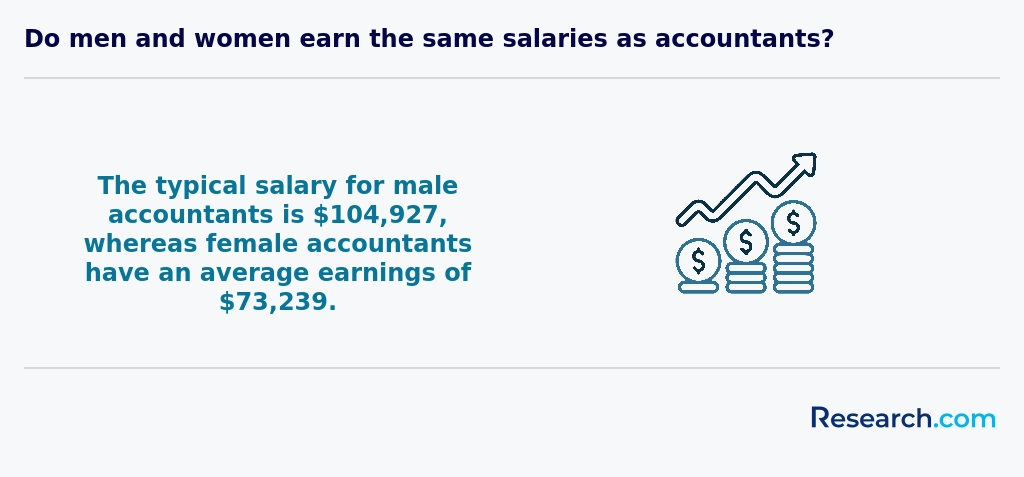
Graduates of Arizona’s accounting programs often aim to solidify their credentials through professional certification and licensure. In Arizona, the most sought-after credential is the Certified Public Accountant (CPA) license, administered by the Arizona State Board of Accountancy. To qualify, candidates must: 1. Complete 150 semester hours of accredited coursework, typically fulfilled by a bachelor’s degree plus additional credits in accounting and business. 2. Pass the Uniform CPA Examination, a four-part test covering Auditing, Business Environment, Financial Accounting and Reporting, and Regulation. 3. Satisfy the Experience Requirement by obtaining one year of supervised work under a licensed CPA, which reinforces practical skills in audit, tax, or consulting engagements. 4. Complete the Arizona Ethics Examination, ensuring adherence to state-specific professional standards. Beyond the CPA, many graduates pursue specialized credentials, such as the Certified Management Accountant (CMA), Certified Internal Auditor (CIA), or Enrolled Agent (EA). These certifications enhance career flexibility in corporate finance, internal auditing, and tax representation. For those starting their careers, bookkeeping certificates can provide a rapid pathway to entry-level roles; explore our top bookkeeping certification options to strengthen foundational skills. Continuing Professional Education (CPE) is mandatory for maintaining licensure: Arizona CPAs must complete 80 hours of CPE every two years, including ethics training. Many universities and professional associations in Arizona offer CPE courses online or in-person, covering emerging topics such as data analytics, forensic accounting, and blockchain in finance. By understanding and navigating these certification steps, accounting graduates can accelerate their career advancement and demonstrate a commitment to excellence in the profession.
Students pursuing an accounting degree in Arizona can access multiple financial aid options to ease tuition costs, typically between $11,000 and $12,000 annually for in-state public universities. The first step is completing the FAFSA to qualify for Pell Grants, which may cover up to $7,395 of expenses based on financial need, a relief many accounting students at Arizona State University have appreciated when budgeting their education.
Next, explore state grants like AzLEAP or the Arizona State Grant Program, which provide additional need-based aid ranging from hundreds to several thousand dollars. Graduates from the University of Arizona often mention how these grants helped fill in tuition gaps without adding debt pressure.
Merit scholarships awarded by universities are another avenue. Those excelling academically or showing leadership in accounting have secured scholarships that sometimes cover full or partial tuition, encouraging persistence and success.
Private scholarships, such as those from the Arizona Society of CPAs or AICPA, also reward commitment and achievement in accounting, offering competitive funding for students. Employers providing tuition assistance create a valuable option for working students seeking advancement without financial strain.
Q1: What factors should I consider when choosing an accounting program in Arizona? When researching programs, consider accreditation, curriculum quality, internship opportunities, faculty expertise, and overall cost. These elements help ensure that you receive practical training aligned with current industry standards and maximize your career potential. Q2: How can I balance affordability and quality in my accounting education? Many schools in Arizona offer competitive tuition rates along with scholarships and financial aid options that offset costs. Prospective students are encouraged to compare program fees, analyze return on investment, and review testimonials from current students and alumni to gauge both affordability and academic excellence. For an in-depth look at financial considerations, you might explore what how much is an accounting degree before making a decision. Q3: What support and career resources are available to accounting students? Arizona’s accounting programs often provide robust career services including networking events, mentorship programs, and internship placements. These services not only assist with academic growth through personalized feedback but also facilitate smoother transitions into the professional world once you graduate. Q4: Are there online accounting degree options available in Arizona? Yes, many institutions offer flexible online programs that maintain high academic standards while allowing students to balance work, personal commitments, and study effectively. Online programs typically provide access to digital libraries, virtual tutorials, and remote career counseling, making them an attractive option for many prospective professionals.
To enroll in an accounting degree program in Arizona, start by ensuring you have a high school diploma or equivalent, like a GED. Many successful accounting students from Arizona State University emphasize that strong skills in math-especially algebra-make a big difference in handling coursework smoothly. Taking introductory classes in economics or business before applying can give you an edge and ease your transition into advanced accounting topics.
Standardized tests like the SAT or ACT may be required for admission to public universities, but some schools waive these if your GPA is solid. For example, several University of Arizona graduates mention how maintaining good grades opened doors even without perfect test scores. Community college transfers often need to complete specific prerequisites such as College Algebra, Introductory Financial Accounting, and Microeconomics to qualify for a four-year accounting program.
Submitting accurate transcripts is critical. Planning ahead and meeting these requirements taken by peers at Arizona's top programs will help you stay confident and competitive throughout your application process.
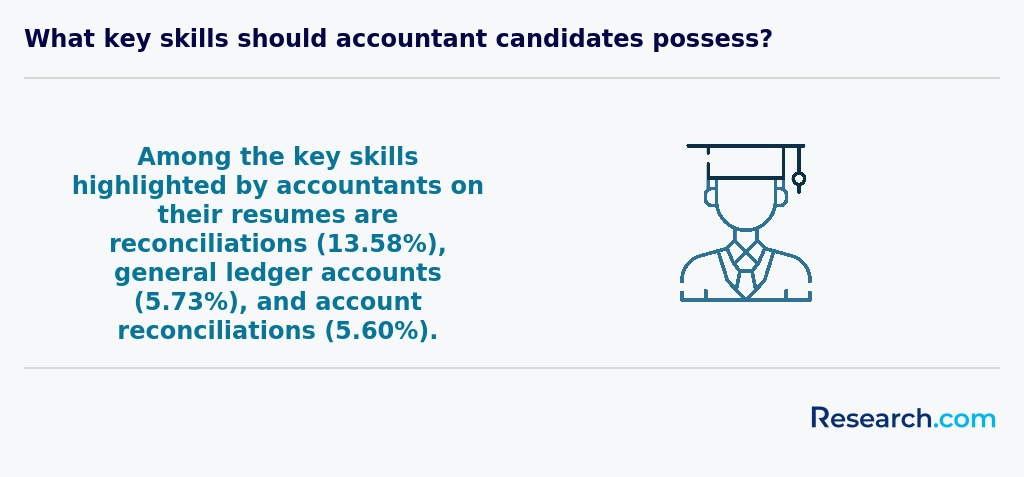
Becoming a licensed Certified Public Accountant (CPA) in Arizona involves meeting specific educational, examination, and experience requirements designed to uphold professional standards and public trust. First, candidates must complete at least 150 semester hours of college education, including a bachelor’s degree with coursework in accounting, auditing, taxation, and business law. Many students choose to exceed the minimum by pursuing specialized electives in forensic accounting or information systems to strengthen their expertise. Next, aspirants must pass the Uniform CPA Examination, which consists of four sections: Auditing and Attestation (AUD), Business Environment and Concepts (BEC), Financial Accounting and Reporting (FAR), and Regulation (REG). Arizona requires a minimum score of 75 on each section, and candidates typically schedule exams over a rolling 18-month period to allow for adequate preparation. High-quality review courses-often offered by universities or professional associations-can dramatically improve pass rates and build confidence in complex topics. In addition to exam success, Arizona mandates one year (2,000 hours) of supervised accounting experience under a licensed CPA. This practical training usually covers financial reporting, tax preparation, and ethical compliance, ensuring that newly licensed CPAs can navigate real-world challenges. Many graduates secure internships or part-time roles during their studies to begin accruing these hours early. Finally, a professional ethics exam administered by the AICPA rounds out the licensing process, reinforcing the ethical standards central to the profession. Once all requirements are met, applicants submit a formal application to the Arizona State Board of Accountancy, pay the licensure fee, and receive their CPA certificate. For students comparing program costs and considering out-of-state options, exploring the Cheapest Accounting Degree Programs Ranking in Virginia can provide additional insights into affordable pathways to licensure.
Arizona accounting degree programs guide students through essential courses that build a solid foundation and practical skills. Graduates from universities like Arizona State University often recall starting with core courses such as financial accounting, managerial accounting, and intermediate accounting. These classes teach you how to prepare financial statements, make informed business decisions, and understand complex transactions, skills you'll use daily in accounting roles.
Following these basics, students encounter advanced topics like taxation, auditing, and accounting information systems. For example, understanding Arizona's specific tax laws in taxation courses helps graduates confidently navigate local business requirements. Auditing classes prepare you to critically evaluate financial statements-something auditors do regularly for Arizona's diverse businesses, from startups to established corporations.
Many students appreciate the inclusion of business law, ethics, and economics, which provide clarity on the rules and moral responsibility behind accounting practices. These practical courses make graduates feel ready and motivated to enter Arizona's competitive accounting job market, armed with relevant, real-world knowledge.
Accounting degree specializations in Arizona cover several practical areas that prepare students for targeted career paths. Graduates from universities like Arizona State University often highlight how Financial Accounting training helped them confidently handle corporate financial statements, a vital skill in many firms. Auditing, another common specialization, is popular among graduates from community colleges around Phoenix, who praise its focus on ensuring legal compliance and minimizing risks, which employers highly value.
Arizona accounting career concentration options also include Tax Accounting, which is especially useful due to the complexity of state and federal tax laws. Students sharing their experiences at colleges such as the University of Arizona recall how this preparation opened doors to roles in government agencies or tax consulting firms. Managerial and Cost Accounting specializations teach budgeting and efficiency skills, enabling graduates to thrive in internal business roles across various Arizona-based companies.
Another growing focus is Accounting Information Systems, blending tech with accounting-a favorite for students aiming to support cybersecurity and data management needs in Phoenix's expanding tech-driven market. For a clear budget, many look into how much is an accounting degree to plan their education accordingly.
Start by verifying if the program holds the Association to Advance Collegiate Schools of Business (AACSB) accreditation, a mark of quality embraced by top Arizona universities like Arizona State University and the University of Arizona. Graduates from these schools often praise their strong faculty expertise and valuable career networking. Next, consider affordability: in-state tuition ranges from $11,000 to $14,000 annually at public institutions, making them a practical choice for many. Private schools offer more specialized programs but at a higher cost. Reflect on your career goals-whether you want a degree strictly in accounting or one that includes business analytics or forensic accounting, common specialization options in Arizona programs. Plan around flexibility if you're working, as part-time and online options can ease managing studies and life. Don't overlook internship opportunities, which local graduates cite as crucial for landing jobs in the Phoenix financial sector. For those aiming at certification, pick programs helping you complete the required 150 semester hours. To explore options further, also check out top bookkeeping certification choices related to accounting. This practical approach ensures finding one of the best accounting degree programs Arizona offers.
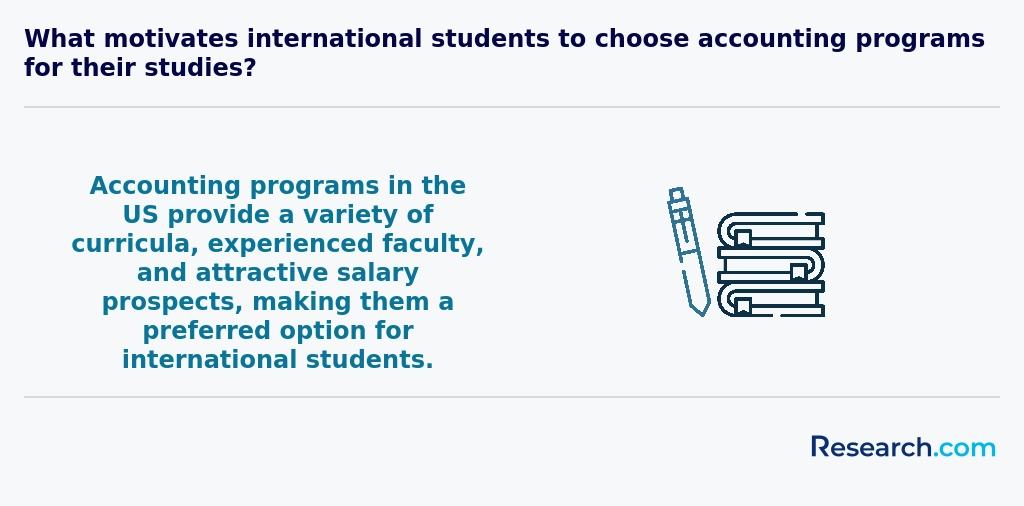
Graduates of accounting programs in Arizona find diverse career paths available to them, reflecting local economic strengths. For example, those studying at Arizona State University often pursue roles as Public Accountants, leveraging ties with Phoenix-based firms auditing and consulting for major corporations. Many aim to become Certified Public Accountants (CPAs), a credential highly respected across Arizona's corporate finance and public accounting sectors.
Other practical options include becoming Management Accountants or Auditors working within Arizona's government agencies or private companies, where accurate financial analysis supports strategic decisions. Tax Accountants specializing in Arizona's complex tax laws help both individuals and businesses navigate compliance, often drawing graduates from universities like University of Arizona.
With growing demand in cities like Tucson, financial analysts and forensic accountants also offer attractive roles for accounting degree holders, ready to explore opportunities supported by strong job prospects for accounting degree holders Arizona. Graduates appreciate how practical coursework applies directly to these careers while maintaining focus on affordable education options, which you can explore via the Cheapest Accounting Degree Programs Ranking in Virginia.
The accounting job opportunities in Arizona continue to grow steadily, driven by the state's expanding economy in cities like Phoenix and Tucson. Graduates from popular universities such as Arizona State University and the University of Arizona report favorable hiring climates, especially in healthcare, finance, and technology sectors. Many find entry-level positions that offer competitive wages around $78,000 per year, which is attractive considering Arizona's reasonable cost of living and tuition fees compared to national averages.
For those pursuing an Arizona accounting degree career outlook, earning a CPA license significantly enhances job prospects and salary potential. Firms actively encourage certification, opening doors to management and consulting roles. Recent graduates mention that networking through university career services and local accounting events accelerates their job search and provides a clearer path forward.
Students looking for flexible study options often explore the best accelerated associate's degree online programs to quickly enter the workforce while gaining practical skills valued by Arizona employers.
2027 Best Accounting Degree Programs Ranking in Arizona
Investing in your education is a significant decision that can shape your future, and the Research.com team understands the importance of making informed choices. To assist prospective students in Arizona, we have meticulously crafted the "2027 Best Accounting Degree Programs Ranking in Arizona." Our commitment to quality, credibility, and accuracy is reflected in the extensive research and analysis conducted to compile this ranking.
We utilized the following reputable data sources to ensure a comprehensive evaluation of accounting programs:
By exploring this ranking, readers will gain valuable insights into the best accounting degree programs available in Arizona, helping them make confident and well-informed decisions about their educational paths. For more details on our methodology, please visit our Research.com methodology page.


# 7 position
Arizona State University Digital Immersion
Bachelor of Science in Accountancy

# 8 position
University of Phoenix-Arizona
Master of Science in Accountancy

# 9 position
University of Phoenix-Arizona
Bachelor of Science in Accounting
# 10 position
American InterContinental University System
Bachelor in Accounting

Frequently Asked Questions About accounting
Accounting degree students in Arizona can maximize their learning experience by engaging with both academic and practical opportunities. Arizona hosts several accredited universities offering robust accounting programs, including Arizona State University, which is nationally recognized for its business curriculum. Students should take advantage of internships available in Phoenix and Tucson, where many accounting firms and corporations are headquartered.
Participating in student organizations such as the American Institute of Certified Public Accountants (AICPA) student chapters can enhance networking and professional growth. Additionally, utilizing state resources like the Arizona Society of CPAs for workshops helps students stay current on industry standards.
Incorporating technology skills through programs emphasizing software like QuickBooks or SAP is crucial, as the demand for data-savvy accountants rises. According to the U.S. Bureau of Labor Statistics, Arizona's accounting employment is expected to grow 7% through 2031, aligned with national trends.
Finally, students should focus on preparing for the CPA exam early, as Arizona requires 150 credit hours for licensure, which can influence course planning and internships.
Emerging niches within the accounting field in Arizona reflect the evolving demands of businesses and technology integration. For example, forensic accounting is growing rapidly due to increased focus on fraud detection and financial crime. According to the Arizona Society of Certified Public Accountants, demand for forensic accountants has risen by over 15% in recent years.
Another expanding area is environmental accounting, which helps companies track sustainability costs and comply with regulations. This niche is gaining traction as Arizona businesses prioritize environmental responsibility.
Additionally, technology-driven roles like data analytics and accounting information systems experts are essential as firms adopt automation and AI tools.
Graduates with an accounting degree in Arizona should focus on developing both technical skills and professional connections to succeed in the job market. Earning certifications like the CPA (Certified Public Accountant) is highly recommended, as the Arizona State Board of Accountancy requires 150 credit hours for licensure. Practical experience through internships or part-time roles helps build relevant skills and strengthens resumes.
Networking is also crucial; Arizona hosts professional groups such as the Arizona Society of CPAs that offer valuable events and resources. According to the U.S. Bureau of Labor Statistics, Arizona's demand for accountants is expected to grow by 7% from 2022 to 2032, which is slightly above the national average.
Developing proficiency in accounting software and staying current with industry regulations will improve job prospects. Finally, leveraging university career centers and job fairs specific to Arizona can connect students with local employers, enhancing employment opportunities within the state.
Employers hiring accounting graduates in Arizona prioritize strong analytical skills. Graduates must interpret financial data accurately to support decision-making. According to the Arizona Commerce Authority, professionals with proficiency in data analysis software like Excel and QuickBooks have a competitive edge. Communication skills are also vital, as accountants must explain complex financial information clearly to clients and colleagues.
Attention to detail is a critical skill, reducing errors in financial reports and audits. Additionally, understanding federal and state tax regulations relevant to Arizona ensures compliance and avoids penalties. Familiarity with accounting standards such as GAAP is expected. Leadership potential and adaptability to technology-driven accounting tools are increasingly valued as well.
Finding internships in Arizona relevant to an accounting degree involves a combination of research, networking, and utilizing university resources. Many Arizona universities, including Arizona State University and the University of Arizona, offer career centers that connect students with local accounting firms and corporations seeking interns.
Students should explore opportunities with large firms headquartered or operating in Arizona, such as Deloitte, PwC, and the Arizona-based Honeywell, which often offer paid internships. Websites like the Arizona Society of CPAs provide internship listings and professional networking events tailored for accounting students.
Additionally, the Arizona Department of Economic Security reports a steady increase in accounting job openings, suggesting expanding internship opportunities. Applying early and preparing strong resumes and cover letters aligned with accounting qualifications increases chances of success.
An accounting degree significantly enhances career mobility and advancement opportunities in Arizona. Employers in the state's diverse economy, including finance, real estate, and government sectors, highly value candidates with formal accounting education. According to the U.S. Bureau of Labor Statistics, Arizona's demand for accountants and auditors is projected to grow 6% from 2022 to 2032, faster than the national average.
Holding an accounting degree also supports eligibility for professional certifications like the CPA license-a critical credential for career advancement in Arizona. Many firms require or prefer CPA holders for senior roles.
Additionally, graduates with accounting degrees benefit from higher median wages; Arizona accountants earned a mean annual wage of around $73,000 in 2023, reflecting competitive compensation for qualified professionals. This degree opens doors to various industries, helping professionals move into management or specialized financial positions regionally.
Studying for an accounting degree in Arizona equips students with skills that extend beyond traditional accounting tasks. Programs emphasize interdisciplinary learning by integrating economics, finance, business law, and information technology courses. This broad approach prepares graduates for roles requiring analytical thinking and cross-functional collaboration.
Universities in Arizona often partner with local businesses and industries, providing real-world experience that enhances problem-solving across various sectors. According to the Arizona Board of Regents, over 60% of accounting graduates secure positions in roles that blend accounting with management or consulting functions.
This interdisciplinary focus reflects market demands, where accountants increasingly use technology and strategic decision-making in diverse business contexts.
Choosing between a thesis and a non-thesis accounting degree program in Arizona depends on your career goals and learning preferences. Thesis programs emphasize research, requiring students to complete an original study, which is ideal if you plan to pursue a PhD or a research-oriented role. Non-thesis programs focus more on coursework and practical skills, appealing to those entering the workforce directly.
In Arizona, universities offering accounting degrees often reflect this distinction. For example, Arizona State University provides both options, with the thesis track favored by students targeting academic or analytical careers. According to the National Center for Education Statistics, about 30% of Arizona accounting graduates enroll in research-intensive tracks.
Consider also exam preparation for the CPA license, as non-thesis programs typically cover more CPA-relevant coursework.
Students based in Arizona who wish to study accounting abroad have several avenues to explore. Many Arizona universities with accounting programs offer study abroad partnerships with institutions in countries like the United Kingdom, Australia, and Canada. These programs often allow students to earn credits transferable to their home degree, maintaining progress toward CPA requirements. According to the National Association of State Boards of Accountancy (NASBA), Arizona requires 150 credit hours for CPA licensure, so overseas courses must align with these criteria.
Additionally, some Arizona schools participate in exchange programs that let accounting students spend a semester or year overseas while benefiting from academic advising and support. These opportunities expose students to international accounting standards, such as IFRS, broadening their knowledge beyond the US GAAP typically covered in Arizona curricula.
Part-time jobs in Arizona that complement accounting degree education often include roles such as bookkeeping assistants, tax preparers, and administrative support in finance departments. These positions allow students to gain hands-on experience with accounting software and financial record-keeping, crucial for their academic and professional growth.
The Arizona Office of Economic Opportunity reports that accounting-related jobs are expected to grow by 8% through 2030, highlighting a healthy demand in the state. Many students find opportunities with local accounting firms or businesses in Phoenix and Tucson, where internships and part-time roles help build practical skills and networking connections.
Additionally, positions at nonprofit organizations and government offices provide exposure to budgeting, auditing, and compliance standards under the Generally Accepted Accounting Principles (GAAP).
Accounting students in Arizona benefit from numerous networking opportunities that help connect them with industry professionals. Many universities in the state, such as Arizona State University and the University of Arizona, host accounting clubs and student chapters of national organizations like the American Institute of CPAs (AICPA). These groups organize events, workshops, and conferences focused on career development.
Additionally, Arizona's accounting professionals often participate in local chapters of organizations such as the Arizona Society of CPAs. These events provide students with chances to meet potential employers and mentors. According to the AICPA, active involvement in these networks can increase job prospects significantly.
Alumni networks play a significant role for accounting degree students in Arizona by providing valuable professional connections. These networks help students access internships, job opportunities, and mentorships within local firms and industries. According to the Arizona Board of Regents, about 65% of graduates find employment through alumni referrals.
In Arizona's competitive accounting market, networking is crucial. Established alumni connections often guide students through licensure processes like the CPA exam, share insights on industry standards, and recommend continuing education options.
Additionally, many universities host alumni events that foster relationships with experienced accounting professionals, enhancing career prospects. This practical guidance supports students transitioning into Arizona's diverse accounting roles in sectors such as public accounting, government, and corporate finance.
In Arizona, students can tailor their accounting degree programs by selecting electives aligned with their career ambitions, such as forensic accounting, tax preparation, or auditing. Many universities offer specialized tracks or concentrations, allowing focused study in areas like corporate finance or governmental accounting. Internships in Arizona's diverse business sectors also provide practical experience, enhancing employability. Additionally, students should consider coursework that prepares them for the CPA exam, a crucial credential in the accounting field. According to the Arizona Board of Accountancy, over 10,000 CPAs practice statewide, reflecting strong professional opportunities for graduates with tailored education paths.
Accounting students in Arizona often face several common challenges during their studies. One major hurdle is managing the rigorous coursework, which includes mastering complex topics like federal tax law, auditing standards, and financial regulations specific to the U.S. system. According to the National Association of State Boards of Accountancy (NASBA), the pass rates for the CPA exam remain demanding nationwide, including Arizona, where candidates must prepare extensively to meet licensure requirements.
Additionally, many students balance part-time jobs or internships while studying, which can increase stress and limit study time. The cost of higher education in Arizona, averaging about $11,000 per year for in-state tuition at public universities, can also be a financial burden. Lastly, staying updated with constantly changing accounting software and technology poses an ongoing learning challenge for students preparing to enter the workforce.
With an accounting degree in Arizona, students can pursue several recognized professional certifications that enhance career opportunities. The most common certification is the Certified Public Accountant (CPA), which requires passing the Uniform CPA Examination and meeting Arizona's specific education and experience criteria. The CPA credential is highly valued in public accounting, corporate finance, and government sectors.
Other popular certifications include the Certified Management Accountant (CMA), focusing on financial management and strategy, and the Certified Internal Auditor (CIA), ideal for those interested in internal auditing roles. These certifications often require additional exams and professional experience.
According to the Arizona Board of Accountancy, the CPA certification remains the top choice for accounting graduates in the state due to strong demand in industries like banking, taxation, and consulting.
To write a winning application for an accounting program in Arizona, start by clearly demonstrating your passion for accounting and quantitative skills. Admissions committees often look for strong academic performance, especially in math and business-related courses. Arizona State University, for example, values applicants with high GPAs and relevant coursework.
Highlight any internships or work experience in accounting or finance, as these practical experiences strengthen your profile. Tailor your personal statement to explain why you want to study accounting in Arizona, referencing local industry opportunities and CPA licensure paths.
Ensure your letters of recommendation come from professionals or professors familiar with your analytical and ethical qualities, which are key traits for accountants.
Finally, proofread carefully and meet all deadlines, as punctuality and attention to detail reflect essential accounting skills.
Accounting careers have a strong global presence, especially in the United States where the demand for skilled accountants continues to grow. Arizona, with its expanding economy, reflects this trend, showing increased job opportunities in accounting roles. According to the U.S. Bureau of Labor Statistics, accounting employment in Arizona is expected to grow by 6% from 2022 to 2032, aligning with national growth.
Internationally, accounting standards like IFRS are influencing U.S. accounting practices, promoting a more unified approach. This global perspective benefits Arizona graduates, as many firms value professionals familiar with both U.S. GAAP and international standards.
Additionally, accounting careers often offer strong job stability and competitive salaries nationwide. Arizona accountants had a median annual wage of approximately $76,000 in 2023, according to the U.S. Labor Department.
Gaining practical experience while studying for an accounting degree in Arizona is crucial for career readiness. Many Arizona universities, such as Arizona State University and the University of Arizona, offer internship programs connecting students with local accounting firms and businesses.
Internships provide hands-on training in tax preparation, auditing, and financial analysis. According to the Arizona Board of Accountancy, nearly 60% of accounting students secure internships before graduation, enhancing their job prospects.
Additionally, joining student organizations like the American Institute of CPAs (AICPA) student chapters can provide networking opportunities and workshops tailored to practical skills.
Some schools also have cooperative education (co-op) programs, allowing students to alternate semesters of coursework with paid work experience.
Choosing the right concentration within an accounting degree program in Arizona depends on your career goals and interests. Common concentrations include auditing, taxation, forensic accounting, and management accounting. Each offers distinct career paths and skill sets valued in Arizona's job market.
For example, taxation is crucial due to Arizona's complex state and local tax codes, making tax specialists in demand. Auditing is another strong area because many local firms seek professionals skilled in regulatory compliance and financial reporting.
Research from the Arizona Board of Accountancy highlights that certified public accountants (CPAs) in Arizona often specialize to enhance employability and salary potential.
Consider also the specific offerings of Arizona universities, as some institutions emphasize different concentrations based on industry connections and faculty expertise.
- 2027 Best Accounting Degree Programs Ranking in Utah
- 2027 Best Accounting Degree Programs Ranking in Texas
- 2027 Best Accounting Degree Programs Ranking in Oklahoma
- 2027 Best Accounting Degree Programs Ranking in Montana
- 2027 Best Accounting Degree Programs Ranking in North Dakota
- 2027 Best Accounting Degree Programs Ranking in Wisconsin
- 2027 Best Accounting Degree Programs Ranking in Tennessee
- 2027 Best Accounting Degree Programs Ranking in South Carolina
- 2027 Best Accounting Degree Programs Ranking in North Carolina
- 2027 Best Accounting Degree Programs Ranking in Virginia
See What Experts Have To Say About Studying Accounting
Read our interview with Accounting experts

John Wermert, Ph.D., CPA
Accounting Expert
Associate Professor of Accounting
Middle Tennessee State University

Yaw M. Mensah
Accounting Expert
Professor and Interim Vice Dean for Strategic Partnerships
Rutgers Business School

- 8 Accounting Niches You Should Consider | Accountancy | Bingparse https://www.icslearn.co.uk/blog/accountancy/8-accounting-niches-you-should-consider/
- Accountant Job Outlook & Demand Report 2026 - Intuit Blog https://www.intuit.com/blog/innovative-thinking/accountant-job-outlook-demand-report/
- Networking events for accountants in 2026 | Eagle Education https://www.eagle-education.co.uk/eagle/networking-events-for-accountants-in-2026/
- Networking opportunities https://www.saica.org.za/members/member-info/member-value-proposition/networking-opportunities/
- Master’s Program in Accounting and Auditing (Thesis/Non-Thesis, Turkish) https://www.isikun.edu.tr/en/academic/graduate/accounting-auditing/masters-program-accounting-and-auditing-thesis/non-thesis
- Best Niches for Accounting Firms, Ranked by Profitability https://dreamfirms.com/insights/best-niches-for-accounting-firms/
- Alumni Network | MSc in Accounting & Finance | UoM × CUT https://accfinmsc.com/alumni/
- Mastering the Art of Networking: A Guide for Accounting Students https://www.wscpa.org/blog/607cb669-8d98-427e-8c9b-06129d9297e8:mastering-the-art-of-networking-a-guide-for-accounting-students
- Best Affordable Online Accounting Degrees of 2025 https://www.accounting.com/degrees/accounting/bachelors/most-affordable/
- ManagingStudentandParentalEx... https://www.imanet.org/-/media/3538549230c741e89277723c1016ccef.ashx