2027 Best Accounting Degree Programs Ranking in New York

Co-Founder and Chief Data Scientist
Choosing the right accounting degree program in New York can feel overwhelming. Our 2027 Best Accounting Degree Programs Ranking in New York brings clarity by highlighting the top options based on detailed research by the Research.com team of data scientists.
This article helps you make an informed decision, focusing on programs that offer strong career prospects and quality education. Pursuing an accounting degree opens doors to rewarding opportunities and growth.
Explore the ranking to find a program that fits your goals and sets you up for success in the exciting field of accounting.
Key benefits of getting accounting degree in New York
- Salary for accounting degree graduates: Graduates can expect competitive pay, such as Staff Accountants earning a mean annual wage of $90,780 and Tax Preparers around $49,580, reflecting strong financial rewards for qualified professionals.
- Career paths: An accounting graduate from a well-known New York university often finds opportunities in diverse roles like auditing, bookkeeping, and accounts payable, offering a promising and flexible career trajectory.
- Online degree benefits: Earning an accounting degree online from a reputable New York institution allows students to balance work and study efficiently, making education more accessible without sacrificing quality or networking possibilities.
- 2027 Best Accounting Degree Programs Ranking in New York
- What can I expect from accounting degree in New York?
- Where can I work with accounting degree in New York?
What can I expect from accounting degree in New York?
The average cost of pursuing an accounting degree in New York varies depending on the institution, but students can generally expect to invest between $10,000 and $35,000 per year in tuition. For example, graduates from schools within the City University of New York (CUNY) system often appreciate the affordability and quality education they receive, while students attending private colleges like Pace University usually face higher tuition but benefit from smaller class sizes and personalized support. Many graduates share how the investment felt worthwhile, especially considering the strong internship opportunities available in New York City's financial district that helped them build valuable industry connections.
Keep in mind that public universities tend to offer lower tuition rates for in-state students, making them accessible options for New Yorkers. Additionally, some students pursue scholarships or part-time work to help manage costs. Remember, this investment is a stepping stone to meeting the state's rigorous CPA exam requirements and entering one of the most competitive job markets in the country, a goal many accounting graduates in New York find deeply rewarding and motivating.
Where can I work with accounting degree in New York?
With an accounting degree from institutions like Baruch College or Pace University, graduates find themselves stepping into a vibrant job market right in New York City, one of the world's leading financial hubs. Many alumni land roles at Big Four firms such as Deloitte, PwC, EY, and KPMG, where they gain hands-on experience auditing major corporations and advising on complex financial matters. This path often leads to exciting careers in public accounting with excellent growth opportunities.
Other graduates are drawn to corporate accounting roles within top banks, real estate companies, or tech startups scattered across the city. Imagine working as a financial analyst for a multinational headquartered in Manhattan, helping guide key business decisions with your expertise. Additionally, the government sector offers rewarding positions in budgeting and compliance at agencies like the New York State Office of the Comptroller.
Many students discover fulfilling careers in nonprofits that rely on their skills to manage grants and finances. Earning a CPA license through the New York State Board of Public Accountancy further opens doors to specialized roles like forensic accounting, enabling graduates to thrive in New York's dynamic financial environment.
Graduates from accounting programs at well-known New York institutions like Baruch College or Pace University often enter the workforce with promising salary prospects. For example, those starting as staff accountants can expect a mean annual wage of about $90,780 in New York, with an hourly rate near $43.65, reflecting the city's vibrant financial landscape. This compares favorably to many other regions, giving you a tangible advantage when launching your career.
If you pursue roles such as bookkeeping, tax preparation, associate auditing, or accounts payable, the mean annual salary hovers around $49,580 with an hourly wage of approximately $23.84. Though these figures might sound modest compared to staff accountants, these positions provide a strong foundation and valuable experience in accounting practices, often leading to faster advancement and higher pay.
Many recent graduates mention the surge of confidence they gain by working in New York City's competitive environment, knowing their earnings reflect both their skill and the economic pulse of the region. Remember, combining this experience with CPA certification can significantly boost your compensation and open doors to more prestigious roles.
- Public universities in New York charge between $7,000 and $10,000 per year for in-state students, while private institutions can cost $30,000 to $60,000 annually, excluding fees and living expenses.
- Starting salaries for entry-level accounting positions in New York average $55,000 to $60,000 per year.
- Experienced accountants earn median salaries between $85,000 and $100,000 annually, with CPAs typically earning more.
- Employment growth for accountants and auditors in New York is projected at around 6% over the next decade.
- CPA licensure requires 150 semester hours, more than a typical bachelor's degree, often fulfilled through additional coursework or a master's degree.
- New York City offers extensive internship and networking opportunities, supported by the presence of major accounting firms.
In New York, completing a bachelor's degree in accounting generally takes about four years when attending full-time, a timeline followed by many students at well-known institutions like Baruch College or St. John's University. These graduates often share how balancing challenging coursework with internships gave them a real-world edge, making the time well worth it.
For those seeking a quicker path, associate degrees are available at community colleges such as LaGuardia Community College and typically take two years. These programs provide essential skills and can lead to entry-level jobs or transfer options, perfect for those eager to start their careers sooner.
Graduate degrees, including a Master's in Accounting or an MBA with an accounting focus, add one to two years beyond a bachelor's degree. Many students pursuing CPA certification find combined five-year programs attractive, blending bachelor's and master's studies efficiently at institutions like Pace University.
Part-time study options with evening or weekend classes are widely available throughout New York, allowing working professionals to progress at their own pace without sacrificing income, proving that dedication and flexibility both lead to success in the field.
In today’s rapidly evolving financial landscape, staying ahead means embracing the latest technological innovations and developing skills that align with future industry demands. As automation, artificial intelligence, and cloud-based systems reshape the accounting profession, graduates must be ready to adapt to new ways of managing financial data and delivering strategic insights. Modern accounting education is incorporating practical training with emerging tools, ensuring that students not only master traditional accounting principles but also gain expertise in digital solutions that streamline processes and enhance decision-making. Forward-thinking programs now emphasize data analytics, cybersecurity, and blockchain technology-an interdisciplinary approach that prepares graduates for a dynamic job market. These trends are paving the way for new and exciting career opportunities. For instance, students exploring online accounting paths may find that discovering what are some jobs you can get with online accounting degree can significantly broaden their professional horizons. By investing in continuous learning and staying informed about industry trends, future accountants can ensure they remain competitive, innovative, and ready to contribute effectively to their organizations in a digital-first world.
Choosing between an online and an on-campus accounting degree in New York often comes down to how you want to learn and live your college experience. Graduates from Baruch College often speak warmly about the vibrant campus life and face-to-face connections with professors and peers, which fuel motivation and create lasting professional networks. Imagine lively group projects and instant access to campus career services, right in the heart of one of the world's biggest financial hubs.
On the flip side, online graduates appreciate the flexibility to juggle work, family, and study. Many have shared how remote access to classes fits perfectly with busy schedules or life beyond New York City's limits. This flexibility can turn potential obstacles into opportunities, allowing you to pursue your CPA goals without uprooting your daily routine.
Both paths meet New York's CPA requirements, so remember the best choice aligns with your lifestyle and learning style. Whether it's the traditional classroom buzz of NYU Stern or the adaptable rhythm of online learning, your accounting journey in New York can be shaped to fit your unique story.
Graduates of accounting degree programs in New York often complement their academic credentials with professional certifications to boost employability and meet industry standards. The most recognized credential is the Certified Public Accountant (CPA) license, which in New York requires 150 semester hours of college education-including 33 credit hours in accounting and 36 credit hours in business courses-plus passing the Uniform CPA Examination and meeting experience requirements set by the New York State Board of Public Accountancy. Achieving CPA status not only validates technical expertise in auditing, taxation, and financial reporting but also opens doors to higher-level positions in public accounting firms, corporate finance departments, and government agencies. Beyond the CPA, other certifications help diversify career paths. The Certified Management Accountant (CMA) designation, administered by the Institute of Management Accountants (IMA), emphasizes strategic financial management and decision support. Meanwhile, the Certified Internal Auditor (CIA) credential, offered by the Institute of Internal Auditors (IIA), focuses on risk assessment, internal control, and governance. Each certification demands a combination of examination success, relevant work experience, and adherence to ethical standards, underscoring a commitment to professional growth. For entry-level bookkeeping roles or those seeking specialized credentials in financial record-keeping, pursuing the best bookkeeping certification online can strengthen your resume and demonstrate proficiency with accounting software, reconciliations, and regulatory compliance. By strategically selecting certifications aligned with your career goals, you’ll enhance your expertise, credibility, and competitiveness in New York’s dynamic accounting job market.
The average cost of an accounting degree in New York varies depending on whether you attend a public or private institution and your residency status. For many in-state students enrolled in public universities, such as those within the SUNY system, the median total expenses hover around $28,775. Graduates from these programs often reflect on the balance they found between quality education and manageable costs, allowing them to confidently pursue rewarding careers in accounting.
Out-of-state students tend to face higher expenses, with median total costs near $49,590. Private colleges and universities in New York, celebrated for their rigorous accounting curricula, align closely with this figure. Alumni from institutions like NYU or Columbia often share stories of the initial financial commitment feeling daunting but ultimately worthwhile, especially when coupled with strategic financial planning and scholarship opportunities tailored to accounting students.
Navigating the total expenses for accounting degree programs NY requires thoughtfully considering tuition, fees, and additional costs like CPA exam preparation. Many students highlight the vital role of scholarships and financial aid, which can ease the burden significantly. For those seeking guidance, exploring options such as the cheapest accounting school in New York can reveal affordable pathways to a strong accounting foundation without compromising educational goals.
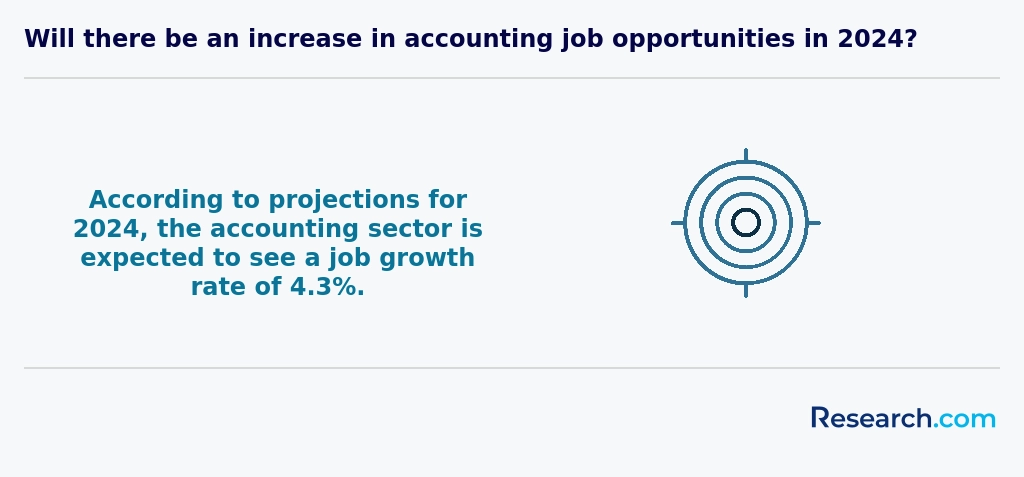
. When considering accounting programs in New York, affordability is a crucial factor for many students. To find the cheapest accounting school in New York, prospective students can explore various options, including public and private institutions. Researching and comparing tuition costs, financial aid packages, and scholarship opportunities can help students make informed decisions about their educational investments. For instance, students can visit cheapest accounting school in New York to discover affordable programs that meet their academic and professional goals, enabling them to pursue a successful career in accounting without accumulating excessive debt.
When pursuing an accounting degree in New York, tapping into financial aid can be a game-changer. Many graduates from schools like Baruch College and SUNY Albany recall how completing the FAFSA unlocked federal aid options such as Pell Grants, which provide up to $7,395 yearly for eligible students. This support lightened their financial load and helped them focus on mastering accounting principles.
New York State residents benefit from the Tuition Assistance Program (TAP), offering awards up to $6,470 annually. Graduates often share how TAP made attending private and public institutions feasible, especially since most accounting programs qualify.
Scholarships from organizations like the New York State Society of CPAs add another layer of support, rewarding academic promise and easing expenses. Others working while studying found employer tuition reimbursement invaluable, easing the challenge of balancing work and school. Financial aid advisors in colleges are essential allies, guiding students to combine grants, scholarships, loans, and work-study options strategically to make the dream of an accounting career in New York a reality.
Choosing an accredited accounting program is critical for meeting state board requirements and sitting for the Certified Public Accountant (CPA) exam. In New York, candidates must complete 150 credit hours from a program accredited by a recognized agency-typically the Middle States Commission on Higher Education (MSCHE) or AACSB International. Regional accreditation not only ensures academic rigor but also guarantees that your credits transfer seamlessly if you pursue advanced certifications like CMA or CIA. Most states, including New York, require a blend of core accounting courses-such as auditing, tax, and financial reporting-plus ethics and business law credits to qualify for the CPA Uniform Exam. Schools often embed these courses within their 120–150 credit curricula, but you should verify that they align with your state board’s syllabus. Additionally, many institutions offer exam prep workshops, mock simulations, and partnerships with review providers to boost your pass rates. Beyond accreditation, consider program support services: dedicated CPA mentors, exam fee reimbursements, and alumni networks that provide study groups and job leads. For those balancing budget and quality, you may also explore our Affordable Accounting Degree Programs Ranking in Greensboro, NC, which highlights accredited options with strong CPA track records. Ensuring your program meets these standards lays a solid foundation for a successful accounting career.
To enroll in an accounting degree program in New York, you need a solid high school foundation, including strong math and English skills demonstrated through official transcripts. Graduates from SUNY and Fordham University often recall how mastering algebra and statistics early on gave them confidence tackling complex accounting courses. Many schools expect SAT or ACT scores, though some programs have become test-optional. It's wise to check individual college requirements carefully, especially at competitive schools where higher test scores can strengthen your application.
Beyond academics, admissions committees appreciate well-rounded candidates. Successful applicants often share how extracurriculars, recommendation letters, and personal essays helped show their passion for accounting-a crucial edge when applying to schools like Pace University or St. John's University. For graduate programs, having a bachelor's in a related field with GRE or GMAT scores is often key. Planning ahead financially is just as important since in-state tuition at public New York universities ranges roughly from $7,000 to $10,000 annually, with private colleges charging more.

If you're diving into an accounting degree in New York, expect a curriculum packed with core courses that build your expertise step-by-step. Graduates from institutions like Baruch College and SUNY Buffalo often describe their journey beginning with Financial Accounting, where they learned to prepare and analyze real company financial statements-skills vital for any accountant.
Managerial Accounting follows, teaching you how to use numbers internally, budgeting and understanding costs to help businesses thrive. Then, Intermediate Accounting I and II take you deeper into complex topics like asset valuation, preparing you to handle real-world financial challenges confidently.
Taxation classes cover both individual and business tax laws, an area that many students find rewarding because they see the tangible impact their knowledge can have during tax season. Auditing courses add another layer by introducing professional standards and ethics, crucial for maintaining trust in financial reporting.
Accounting Information Systems open your eyes to the technology behind the numbers-something graduates from NYU often highlight as a key differentiator in the job market.
Beyond these staples, you'll find courses in business law, finance, and economics shaping your broader understanding of the business world, ensuring you graduate ready to contribute meaningfully from day one.
If you're considering an accounting degree in New York, you'll find several specializations that align perfectly with diverse career ambitions. Graduates from well-known institutions like Baruch College and Fordham University often highlight the value of specializing in public accounting, mastering skills in auditing and tax preparation. This path is ideal for those aiming to become CPAs, a prestigious credential that opens doors in New York's competitive financial landscape.
Another exciting specialization is forensic accounting, where students tackle financial crime investigations-a field growing rapidly due to New York's status as a global financial hub. Imagine working alongside law enforcement or corporate compliance teams, applying your knowledge to detect fraud in dynamic real-world environments. This concentration enriches your education in ways many graduates find deeply rewarding.
The array of New York accounting program concentration options also includes management accounting, perfect for those drawn to strategic financial decision-making in corporations. Graduates often speak of the satisfaction in helping businesses thrive through budgeting and performance analysis. If you want to explore government accounting or tax accounting, New York's public sector and tax laws provide fertile ground for specialization.
You can explore more about what these paths lead to and what are some jobs you can get with online accounting degree, helping you choose the best focus for your goals.
Choosing the best accounting degree programs in New York means focusing on quality and relevance. Graduates from New York University's business school often highlight the value of AACSB accreditation, which assures rigorous faculty expertise and curriculum aligned with CPA requirements. Such programs prepare you well for the 150 semester hours New York mandates for CPA licensure, making your path toward certification smoother and more confident.
Many affordable accounting colleges New York have strong ties to the local financial industry, offering practical internships that transform textbook concepts into real-world experience. Students balancing work and study appreciate schools offering flexible schedules or online options to maintain momentum without sacrificing income. Remember, the investment goes beyond tuition-scholarships and financial aid can make a significant difference, so explore those opportunities early.
To gain an edge, seek programs emphasizing CPA exam success and career support. Some graduates share how connections made through internships at firms in Manhattan led to full-time roles. Also, if bookkeeping is your passion, check out the best bookkeeping certification online to complement your studies.
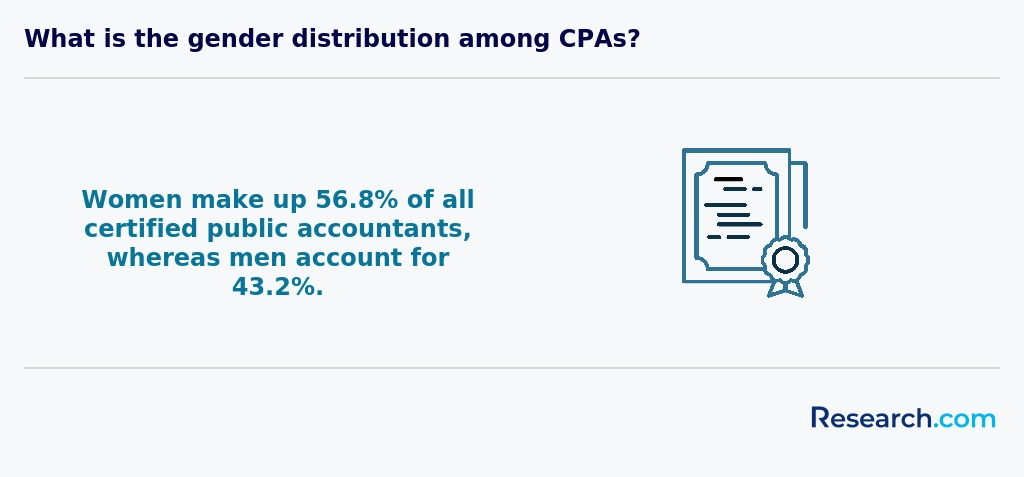
Graduates with an accounting degree in New York open doors to diverse and rewarding career paths. Many find success becoming Certified Public Accountants (CPAs), a role demanding 150 credit hours, passing the Uniform CPA Exam, and gaining hands-on experience under a licensed CPA. Graduates from schools like Baruch College often highlight how the city's bustling finance sector fuels job opportunities and the average CPA salary near $85,000 motivates sustained effort.
Others transition into corporate accounting roles, managing company budgets and internal audits at firms throughout Manhattan or Westchester. These roles can blossom into leadership positions such as CFO or financial analysts. For students passionate about social impact, nonprofit organization accounting offers meaningful work supporting financial transparency in vital community services. Exploring jobs with accounting degree in New York also includes government accounting, providing steady careers with excellent benefits.
Some grads dive into forensic accounting, investigating financial discrepancies, a growing field strengthened by complex state tax laws. Whether attending SUNY or private colleges, balancing tuition costs and career potential remains crucial. Those seeking cost-effective options may benefit from Affordable Accounting Degree Programs Ranking in Greensboro, NC, helping guide smart investments in education aligned with clear career goals.
The accounting job outlook in New York is vibrant and filled with promise for graduates ready to dive into a dynamic marketplace. For many who studied at well-known institutions like the State University of New York (SUNY) or private colleges in Manhattan, the city's dense landscape of accounting firms-from boutique agencies to Big Four giants-offers a rewarding blend of challenge and opportunity. Graduates often share stories of landing roles in public accounting or corporate finance where their skills directly impact high-stakes financial decisions.
New York accounting degree salary levels are notably strong, with average annual wages frequently surpassing $90,000, a figure that reflects the city's financial significance. Those earning the Certified Public Accountant (CPA) credential tend to enjoy even greater advantages, securing jobs that often come with leadership responsibilities. Managing education costs by choosing affordable programs, like those in the SUNY system, helps many graduates enter this competitive market with less debt, boosting confidence and career flexibility.
For students considering routes to success, exploring options like the best accelerated associate's degree online can complement traditional study paths, allowing for faster entry into the workforce. By embracing the strong demand and focusing on continuous learning, accounting degree holders in New York can thrive in a city that never stops growing financially.
2027 Best Accounting Degree Programs Ranking in New York
Investing in your education is a significant decision that can shape your future, and the Research.com team understands the importance of making informed choices. To assist prospective students in New York, we have meticulously crafted the "2027 Best Accounting Degree Programs Ranking in New York." Our commitment to quality, credibility, and accuracy is reflected in the extensive research and analysis conducted to compile this ranking.
We utilized the following reputable data sources to ensure a comprehensive evaluation of accounting programs:
By exploring this ranking, readers will gain valuable insights into the top accounting degree programs available in New York, helping them make well-informed decisions about their educational paths. For more details on our methodology, please visit our Research.com methodology page.


# 6 position
Fordham University
Bachelor of Science in Business Administration: Public Accountancy Major







# 20 position
Touro University
Bachelor of Science in Accounting

Frequently Asked Questions About accounting
Accounting degree students in New York can enhance their learning by engaging in internships, which provide practical experience and networking opportunities within the city's robust financial sector. According to the New York State Society of CPAs, internships significantly improve job placement rates for graduates. Enrolling in programs accredited by the AACSB or ACBSP ensures quality education aligned with industry standards. Students should also leverage access to resources like the New York Public Library's Business collection and attend professional events to stay updated on industry trends. Additionally, joining student chapters of accounting organizations can deepen understanding and foster professional connections.
The accounting field is rapidly evolving, and several emerging niches are gaining popularity among students in New York. One key area is forensic accounting, where professionals use accounting skills to investigate financial crimes. The demand for forensic accountants in New York is growing in response to increased regulatory scrutiny and corporate fraud cases.
Another expanding niche is environmental accounting, which focuses on analyzing sustainability costs and reporting environmental impact. This specialty aligns with New York's strong emphasis on green business practices and regulatory compliance.
Additionally, technology-driven roles such as data analytics and blockchain auditing are becoming critical. According to the New York State Department of Labor, jobs requiring advanced technological proficiency within accounting have increased by 15% over the past five years.
Preparing for the job market after completing an accounting degree in New York requires strategic steps beyond earning your diploma. First, obtaining the Certified Public Accountant (CPA) license is crucial since New York State mandates 150 semester hours of education and passing the Uniform CPA Exam for licensure, significantly boosting employment opportunities.
Internships and networking are equally important. The New York State Society of CPAs offers resources and events where students can connect with professionals. Gaining practical experience through internships, often available at accounting firms in New York City, improves job prospects and resumes.
Additionally, graduating with knowledge of accounting software like QuickBooks and SAP aligns with employer requirements. According to the U.S. Bureau of Labor Statistics, the employment of accountants in New York is projected to grow 10% from 2022 to 2032, indicating solid demand.
Employers in New York seek a diverse set of skills in accounting degree graduates to meet the demands of a dynamic financial environment. Strong analytical skills are essential, enabling graduates to interpret complex financial data accurately. According to the New York State Society of CPAs, employers also prioritize proficiency in accounting software such as QuickBooks and Microsoft Excel, reflecting the rise of technology-driven accounting practices.
Communication skills are vital, as accountants often collaborate with non-financial colleagues and clients. Attention to detail ensures compliance with New York's rigorous tax codes and regulations. Additionally, ethical judgment remains a cornerstone skill, especially in industries concentrated in New York City's finance sector. Understanding GAAP and the ability to adapt swiftly to regulatory changes are also highly valued.
Finding internships in New York for accounting students requires a strategic approach. First, leverage your college's career services, as many universities in New York have strong connections with local accounting firms and corporations. The New York State Society of CPAs offers internship listings and networking events specifically for accounting students. According to the Bureau of Labor Statistics, New York City hosts over 200,000 accounting jobs, making it a prime location for internship opportunities.
Students should also explore major accounting firms like Deloitte, PwC, and EY, which regularly offer structured internship programs in New York. Additionally, online platforms such as Handshake and LinkedIn feature location-specific internships, tailored to accounting majors. Attending career fairs and engaging in professional organizations can further increase your chances of securing a well-paid, relevant internship.
Obtaining an accounting degree in New York significantly enhances career mobility and advancement within the region's competitive job market. According to the New York State Department of Labor, the demand for skilled accountants is projected to grow 7% through 2030, faster than the average for all occupations.
An accounting degree equips graduates with essential skills in financial analysis, auditing, and regulatory compliance, which are highly valued by employers in diverse industries such as finance, government, and corporate sectors.
Additionally, holding an accounting degree is often a prerequisite for certifications like CPA (Certified Public Accountant), which can boost earning potential and open doors to senior-level roles.
Networking opportunities through New York's numerous professional organizations further support career advancement for degree holders.
Studying for an accounting degree in New York equips students with skills that extend beyond traditional accounting. Many New York programs emphasize interdisciplinary learning by integrating coursework in finance, economics, information systems, and business law. This approach prepares graduates for various roles in corporate finance, data analytics, compliance, and consulting. According to the New York State Education Department, over 70% of accounting graduates enter fields requiring diverse expertise, reflecting the state's demand for versatile professionals.
Moreover, New York's position as a financial hub exposes students to real-world challenges through internships and partnerships with major corporations. This experiential learning fosters critical thinking and adaptability crucial for interdisciplinary careers.
When choosing between a thesis and a non-thesis accounting degree program in New York, consider your career goals and learning preferences. A thesis program typically involves conducting original research, which suits students aiming for academic careers or specialized roles in accounting. Non-thesis programs focus more on practical skills and coursework, ideal for professionals targeting immediate employment or certifications like the CPA.
According to the New York State Education Department, about 35% of accounting graduates pursue graduate degrees with a research component, reflecting interest in deeper analytical skills. Also, New York's strong corporate sector values practical experience, often emphasized in non-thesis paths.
Cost and program length can differ: thesis tracks may take longer due to research demands. Assess faculty expertise, program flexibility, and internship opportunities available at New York institutions to make an informed choice.
Students in New York seeking to study accounting abroad have several options, often facilitated through New York's many universities. Institutions like New York University and SUNY offer exchange programs with partner schools worldwide, including in Europe, Asia, and Australia. These programs typically last a semester or a full academic year, allowing students to gain international experience while earning credits toward their degree.
Additionally, New York students can participate in study abroad consortia such as the Council on International Educational Exchange (CIEE), which features accounting-focused courses in major global financial centers.
According to the National Association of State Boards of Accountancy (NASBA), exposure to diverse accounting standards can improve CPA exam success for New York candidates planning international careers.
Part-time jobs that complement accounting degree education in New York are crucial for practical experience. Many students find opportunities as accounting clerks or bookkeeping assistants in NYC firms. According to the U.S. Bureau of Labor Statistics, New York offers approximately 5,000 accounting clerk positions annually, providing hands-on experience with financial records and transactions.
Internships at local accounting firms and non-profits are also common. These roles allow students to apply theoretical knowledge to real-world tax preparation, auditing, and budgeting tasks.
Additionally, gaining experience with tax preparation services during tax season can be valuable. Such roles enhance familiarity with IRS regulations and software like QuickBooks, which are widely used in the industry.
New York offers extensive networking opportunities for accounting students, crucial for career development. Many universities in the state host accounting clubs and chapters of national organizations like Beta Alpha Psi, providing access to professionals and recruiters.
The state's proximity to Wall Street and numerous financial firms creates a vibrant environment for internships and events. According to the New York State Society of CPAs (NYSSCPA), students can attend workshops, job fairs, and networking mixers that connect them with seasoned accountants and potential employers.
Additionally, local chapters of the American Institute of CPAs (AICPA) offer mentorship programs and continuing education, helping students build professional relationships early. These opportunities are vital in a competitive job market like New York's, enhancing chances for internships and full-time roles.
Alumni networks provide valuable support to accounting degree students in New York by offering access to professional connections within the state's large financial sector. Graduates often help current students find internships and job opportunities, leveraging relationships built in firms like Deloitte and PwC, which are prominent in New York City.
These networks also provide mentoring, which is crucial for navigating the Certified Public Accountant (CPA) exam requirements in New York State-details available from the New York State Education Department. Additionally, alumni events facilitate knowledge-sharing on evolving accounting regulations and technologies.
According to the National Association of State Boards of Accountancy, strong local networks improve job placement rates by up to 25%, an advantage for students in competitive New York markets.
Customizing your accounting degree in New York to align with your career ambitions involves selecting specialized courses and practical experiences. Many New York universities offer concentrations such as forensic accounting, tax, or auditing, allowing students to focus on areas in demand. For example, tax professionals in New York often see higher average salaries due to complex state and city tax codes, according to the New York State Society of CPAs.
Internships with local firms and participation in CPA exam preparation programs are crucial for hands-on experience. Additionally, some schools provide partnerships with financial institutions and nonprofits to enhance real-world learning tailored to your career goals.
Coursework flexibility also lets you balance accounting studies with complementary fields like information systems or finance, broadening your expertise. This targeted approach helps build skills directly relevant to New York's diverse financial job market.
Accounting students in New York commonly face rigorous academic demands, including mastering complex financial regulations and tax codes specific to the state. New York's fast-paced business environment requires up-to-date knowledge of both federal and state accounting standards.
Another significant challenge is the high cost of education. According to the College Board, average annual tuition at New York public universities exceeds $10,000 for in-state students, while private institutions often surpass $40,000. This financial burden can affect students' focus and increase stress.
Additionally, internship competition is intense due to New York City's large pool of talent and prestigious firms. Securing valuable practical experience is crucial for CPA licensure and future employment.
Finally, balancing study with part-time work or family commitments is a common hurdle, reflecting the diverse background of New York's student population.
With an accounting degree in New York, graduates can pursue several professional certifications that boost career opportunities and earning potential. The most recognized is the Certified Public Accountant (CPA) license, which requires 150 credit hours of education, passing the Uniform CPA Exam, and meeting New York's experience requirements. According to the New York State Education Department, CPAs often earn salaries significantly higher than the state average for accountants.
Other in-demand certifications include the Certified Management Accountant (CMA), which focuses on financial management, and the Chartered Financial Analyst (CFA), valuable for accounting professionals in investment roles. The Certified Internal Auditor (CIA) credential is also notable for those interested in auditing and risk management within organizations.
These certifications help accounting graduates distinguish themselves in the competitive New York job market and typically require ongoing continuing education to maintain.
To write a winning application for an accounting program in New York, start by clearly demonstrating your academic readiness, especially in mathematics and business-related courses. Many New York institutions look for a minimum GPA around 3.0 for competitive accounting programs. Highlight any relevant internships or work experience in finance or accounting to show practical skills.
Personal statements should reflect your motivation for studying accounting and your career goals, tailored to the specifics of each school. Mention New York's dynamic business environment and how it inspires your choice.
Finally, strong letters of recommendation from professors or employers familiar with your quantitative skills can significantly strengthen your application.
Accounting careers in New York are influenced by global trends that emphasize the increasing importance of international financial standards. The adoption of IFRS (International Financial Reporting Standards) alongside US GAAP reflects the growing need for accountants to understand multiple accounting frameworks. According to the New York State Society of CPAs, professionals with cross-border expertise are in higher demand as multinational companies expand.
Moreover, technological advances like AI and blockchain impact accounting worldwide, requiring new skills and adaptability. The US Bureau of Labor Statistics projects an 7% growth in accounting jobs through 2031, with New York City being a major hub due to its status as a global financial center. This global outlook shapes educational programs, encouraging students to gain diverse competencies.
Gaining practical experience while studying for an accounting degree in New York is essential for career readiness. Many universities offer internship programs, allowing students to work with local firms in areas like auditing, tax preparation, and financial analysis. These internships often provide college credit and valuable networking opportunities.
Additionally, accounting students can join campus organizations such as Beta Alpha Psi, which often connect members with industry professionals and workshops. According to the New York State Society of CPAs, securing internships can increase employment prospects by up to 40% after graduation. Students may also participate in volunteer income tax assistance programs to gain hands-on skills while supporting their community.
Choosing the right concentration within an accounting degree program in New York involves assessing your career goals and interests. Popular concentrations include auditing, taxation, forensic accounting, and managerial accounting, each leading to different job opportunities. For example, taxation specialists are in demand due to New York's complex state and city tax codes, with the New York State Department of Labor projecting a 10% growth in tax-related roles through 2028.
Consider also the CPA licensure requirements, as New York mandates 150 credit hours and specific coursework, influencing your concentration choices.
Research the curriculum of colleges, such as CUNY or SUNY schools, which often tailor programs to local market needs and regulatory frameworks.
- 2027 Best Accounting Degree Programs Ranking in New Jersey
- 2027 Best Accounting Degree Programs Ranking in New Hampshire
- 2027 Best Accounting Degree Programs Ranking in Ohio
- 2027 Best Accounting Degree Programs Ranking in Virginia
- 2027 Best Accounting Degree Programs Ranking in North Carolina
- 2027 Best Accounting Degree Programs Ranking in South Carolina
- 2027 Best Accounting Degree Programs Ranking in Tennessee
- 2027 Best Accounting Degree Programs Ranking in Wisconsin
- 2027 Best Accounting Degree Programs Ranking in Oklahoma
- 2027 Best Accounting Degree Programs Ranking in North Dakota
See What Experts Have To Say About Studying Accounting
Read our interview with Accounting experts


John Wermert, Ph.D., CPA
Accounting Expert
Associate Professor of Accounting
Middle Tennessee State University

- Accounting Abroad: Benefits and Opportunities : ThisWayToCPA : AICPA https://www.thiswaytocpa.com/education/articles/make-the-most-of-your-education/accounting-abroad-benefits-and-opportunities/
- Best Accounting Jobs NYC 2025 | Built In NYC https://www.builtinnyc.com/jobs/finance/search/accounting
- ACCOUNTING AND AUDITING (THESIS / NON-THESIS) - Lisansüstü Eğitim Enstitüsü https://lee.nisantasi.edu.tr/en/accounting-and-auditing/
- Challenges Faced by Accounting Students https://www.onlineassignment-expert.com/blog/what-are-the-challenges-faced-by-accounting-students
- How to Find Your Ideal Accounting Niche - INAA https://www.inaa.org/how-to-find-your-ideal-accounting-niche/
- What Jobs Can You Get with an Accounting Degree? https://www.mountunion.edu/academics/undergraduate-degrees/accounting/what-jobs-can-you-get-with-an-accounting-degree
- 5 Niches for Accountants to Consider - Samera Global https://sameraglobal.com/5-niches-for-accountants-to-consider/
- 5 accounting certifications without a degree | Becker https://www.becker.com/blog/career/5-accounting-certifications-you-can-earn-without-a-degree
- What Jobs Can You Do With an Accounting Degree? - Intuit Blog https://www.intuit.com/blog/life-at-intuit/intuit-experts/accounting-degree/
- Must-Have Skills for Accounting & Finance Graduates Entering Singapore’s Competitive Job Market https://www.lsbf.edu.sg/blog/accountancy-and-finance/must-have-skills-for-accounting-finance-graduates-entering-singapores-competitive-job-market