2027 Most Affordable Accounting Degree Programs Ranking in New York

Co-Founder and Chief Data Scientist
Choosing the right accounting degree program in New York can feel overwhelming, but we're here to help. This article features the 2027 Most Affordable Accounting Degree Programs Ranking in New York created by the Research.com team of data scientists. It aims to guide you toward programs that balance quality and value.
Discover options that fit your budget and career goals, so you can confidently invest in your future. Earning an accounting degree opens doors to rewarding opportunities and financial growth. Let this ranking be your trusted resource on that journey.
Key benefits of getting accounting degree in New York
- Graduates with an accounting degree in New York can expect strong earning potential, with roles like Staff Accountant earning about $90,780 annually and Bookkeepers or Tax Preparers earning around $49,580 per year.
- An accounting degree opens diverse career paths, including auditing, tax preparation, and accounts payable, giving graduates from colleges like NYU many opportunities to find a role that fits their interests.
- Online accounting degrees from respected New York universities offer flexible schedules and lower costs, making it easier for busy students to balance work and studies while earning a valuable credential.
- 2027 Most Affordable Accounting Degree Programs Ranking in New York
- What can I expect from accounting degree in New York?
- Where can I work with accounting degree in New York?
What can I expect from accounting degree in New York?
The average cost of pursuing an accounting degree in New York can vary widely, but many students attending public universities, like those in the SUNY system, often pay around $8,000 per year if they are in-state residents. Graduates frequently recall balancing this more affordable tuition with the value of hands-on experiences and internships that these schools offer, which often leads to promising job prospects after graduation. Conversely, those at private colleges might face higher tuition, yet they find value in specialized programs that sometimes open doors to niche fields within accounting.
One graduate from a SUNY campus shared how the manageable tuition fees allowed them to focus more on networking opportunities in New York City's bustling financial district rather than worrying about debt. Another noted that attending a private institution, despite the higher cost, gave them access to small class sizes and direct mentorship from instructors with deep industry ties. These experiences paint a vivid picture: the sticker price is just part of the equation-you're investing in both education and your future professional environment.
Where can I work with accounting degree in New York?
Graduates from accounting programs at institutions like Baruch College or New York University often find themselves stepping into high-energy roles within New York City's iconic financial district. Rather than limiting themselves to traditional public accounting firms, many embrace diverse paths-auditing at the Big Four, guiding healthcare companies through complex budgets, or navigating real estate firms' financial strategies. Picture a recent graduate balancing tax season demands at a boutique local CPA firm, gaining hands-on experience and the satisfaction of directly impacting small businesses.
Some pursue careers in government agencies such as the New York State Office of the Comptroller, where the work involves safeguarding public funds and enhancing transparency. These roles offer a sense of purpose alongside professional stability, which many New York accounting grads find empowering.
Others leverage their CPA licensing to command senior roles across the city's vast tech and financial sectors, a trajectory that many alumni from prominent New York accounting schools attest to as both challenging and deeply rewarding.
Graduates from accounting programs at institutions like Baruch College or NYU often find that the reality of their earnings can surpass initial expectations. For example, a recent graduate working as a staff accountant in New York sees an average annual wage of about $90,780, reflecting not just their skills but the city's dynamic financial environment. This salary significantly exceeds the national average, demonstrating the tangible benefits of an accounting degree earned here.
Entry-level roles such as bookkeepers, tax preparers, or accounts payable clerks typically start around $49,580 annually. While these roles might seem modest, many graduates leverage this starting point to build specialized expertise that leads to rapid salary growth. The city's high cost of living is balanced by these premium wages, and graduates consistently report a sense of achievement from securing competitive compensation in such a vibrant economy.
Ultimately, the New York accounting scene rewards persistence and networking, with salary figures reflecting both formal education and professional growth. These numbers challenge the stereotype that accounting is a static field-here, earnings evolve quickly with experience and credentials.
- Tuition for a bachelor's degree in accounting in New York ranges from $7,000 to $9,000 per year at public colleges for in-state students and $25,000 to $60,000 annually at private institutions.
- Entry-level salaries for accounting graduates in New York typically start around $55,000 to $65,000, which is above the national average.
- Experienced accountants with CPA credentials can earn over $90,000 per year due to the state's competitive business environment and high cost of living.
- CPA licensure in New York requires 150 semester hours of education, passing the Uniform CPA Examination, and meeting specific work experience requirements.
- Employment for accountants and auditors in New York is projected to grow by about 5% through 2030, supporting steady demand across finance, government, and healthcare sectors.
- New York City offers valuable internship opportunities and professional networking that enhance career prospects for accounting graduates.
Completing an accounting degree in New York is rarely a one-size-fits-all timeline. Many graduates from institutions like Baruch College or SUNY Albany discover that a traditional Bachelor's degree demands about four years if studied full-time, a familiar rhythm but not always reflective of their lived experience. Some students juggling evening classes or demanding internships stretch this journey to six years, finding pride in balancing work and study. Others, transferring credits from an Associate degree earned at a community college, accelerate through their bachelor's, finishing sooner with a sense of accomplishment and agility.
Graduate degrees add another layer of complexity. A Master of Science in Accounting or an MBA with an accounting focus typically requires one to two more years, yet part-time, working professionals appreciate the flexibility New York programs offer, turning the challenge into opportunity. It's clear that in New York, the path to an accounting degree is personal-shaped by ambition, circumstances, and a community that supports diverse pacing without sacrificing success.
Understanding the return on investment (ROI) of an accounting degree in New York is crucial for students balancing cost and career outcomes. On average, a bachelor’s in accounting from a public in-state institution costs approximately $9,374 per year, while private out-of-state tuition can exceed $27,091 annually. Considering a mean annual salary of $86,740 for staff accountants and $114,280 in the New York metro area, graduates can expect to recoup their investment within 3 to 5 years of full-time employment, depending on living expenses and loan terms. Moreover, ROI varies by program reputation and career trajectory. For instance, graduates from Baruch College often secure higher starting salaries due to its strong industry connections, reducing payback periods. Conversely, online programs at Pace University may offer lower tuition costs, which, paired with flexible scheduling, allow working students to maintain income while studying-effectively shortening the break-even timeline. Prospective students should model scenarios using net present value (NPV) calculations, factoring in scholarship awards and anticipated salary growth. To maximize ROI, graduates should target high-growth specializations and roles, leveraging resources that highlight the highest paying jobs in accounting and finance. Positions in forensic accounting, financial analysis, and assurance services not only command premium salaries but also offer accelerated promotion tracks. Finally, ongoing professional development-such as CPA licensure and specialized certifications-can further increase earning potential, ensuring that the upfront investment in education continues to yield dividends throughout one’s career.
Choosing between an online and on-campus accounting degree in New York often means weighing tangible experiences against flexible convenience. Graduates from Baruch College frequently describe the energy of face-to-face interactions-discussing assignments over coffee or attending accounting club meetings that spark real connections and career opportunities. This immersion fosters a sense of community hard to replicate digitally.
By contrast, online students balancing full-time jobs or family in New York find freedom in asynchronous courses, allowing them to absorb complex accounting principles on their own schedules. Many appreciate how this flexibility reduces stress and fits seamlessly into busy lives, though some acknowledge missing the spontaneity of in-person collaboration.
Cost considerations also shape these paths: attending the University at Albany on campus usually means additional expenses like commuting and housing, while online formats can cut those. Yet, tuition itself remains closely matched, especially at esteemed institutions where curriculum rigor is consistent across formats. Ultimately, the differences lie not just in location but in how students engage with their education and community.
The average cost of an accounting degree in New York often surprises many prospective students. Reflecting on median figures, in-state students pay around $28,775 for their entire degree, while out-of-state students face almost $49,590. These numbers challenge the assumption that all college degrees come with an overwhelming price tag, especially when you consider graduates from popular universities in New York who express both pride and relief upon earning their diploma within this range.
Students choosing SUNY schools may appreciate the manageable costs and the emotional ease of not carrying excessive debt, a sharp contrast to private institutions where expenses can skyrocket beyond $160,000. One graduate recalls balancing late-night study sessions and part-time jobs, thankful their tuition was within reach, proving that affordable accounting degree programs New York 2027 are accessible with determination and planning.
Additionally, those pursuing associate degrees at community colleges find a surprisingly affordable pathway, often under $6,000 yearly, providing a powerful stepping stone. But the total expense transcends tuition-books, housing, and transportation add layers to the investment. For practical guidance, prospective students should explore the most affordable online accounting schools in New York, blending cost efficiency with flexibility and quality education.
To make informed decisions about their educational journey, prospective students in New York should consider the costs and benefits associated with various accounting degree programs. Understanding the factors that influence the affordability and quality of these programs can empower students to choose the best fit for their needs. For instance, exploring the most affordable online accounting schools in New York can provide valuable insights into affordable options that offer a balance of quality education and financial viability. By leveraging such information, students can optimize their educational choices and set themselves on a successful career path in the accounting profession.
Accounting students attending schools like Baruch College or SUNY Buffalo often find federal financial aid to be a crucial lifeline. Imagine the relief when a Pell Grant or a Federal Supplemental Educational Opportunity Grant (FSEOG) arrives-these funds don't need to be repaid, easing the immediate worry about debt. Filling out FAFSA is the essential first step, unlocking these opportunities.
New York residents, particularly those studying at institutions such as New York University or Fordham, frequently benefit from the Tuition Assistance Program (TAP). One graduate from a local university described how TAP's contribution of up to $6,470 annually transformed their ability to focus on studies instead of juggling multiple jobs.
Scholarships tailored for accounting majors, offered by groups like the AICPA or the New York State Society of CPAs, often reward dedication and academic excellence. Securing one felt like a personal validation of hard work and ambition to many accounting graduates.
Beyond public sources, institutional aid and employer tuition reimbursement add layers of support. Those balancing part-time jobs or internships appreciate how these programs acknowledge both merit and real-life challenges, making the demanding pursuit of an accounting degree in New York more manageable.
As technology continues to reshape industries, the accounting field is experiencing a rapid transformation driven by automation, artificial intelligence, and data analytics. Today's accounting professionals are not only expected to master traditional financial skills but also to stay ahead of emerging trends that redefine how financial data is analyzed and interpreted. Modern tools are enabling quicker audit processes, real-time reporting, and more sophisticated risk assessments, which in turn demand that graduates become proficient in innovative software and digital systems. In New York, where the financial sector is highly competitive and dynamic, keeping pace with these technological advancements is crucial for long-term career success. Students and professionals are increasingly encouraged to pursue additional certifications and specialized training programs that focus on these technological shifts. Engaging with professional communities and attending industry conferences can provide invaluable insights into how automation and emerging technologies are influencing the evolving landscape of accounting. For those seeking to understand how these trends tie into broader career prospects, it's beneficial to review the accounting requirements outlined by industry experts. By aligning their educational journey with current and predicted industry needs, graduates can position themselves to not only meet the demands of today’s market but also to lead the future of the accounting profession.
Meeting the prerequisites for an accounting degree in New York means more than just ticking boxes; it shapes your readiness for a challenging yet rewarding journey. Graduates from top New York universities recall how a strong foundation in math and English from high school-often highlighted in their applications-helped them tackle complex financial concepts with confidence. Many institutions still value SAT or ACT scores, though some now embrace test-optional policies, reflecting evolving admissions landscapes post-pandemic.
One common thread among successful applicants is presenting personal statements and letters of recommendation that tell genuine stories of ambition and resilience, often strengthened by volunteer or work experiences related to finance. For transfer students aiming for advanced degrees, demonstrating completion of key prerequisites like introductory accounting or business statistics is crucial. These requirements, familiar at schools across New York City and beyond, ensure you're prepared to dive deep into accounting's analytical and ethical demands.
Such preparation not only eases academic stress but also fuels the pride and excitement graduates express when recalling their first successful audits or tax models during internships.
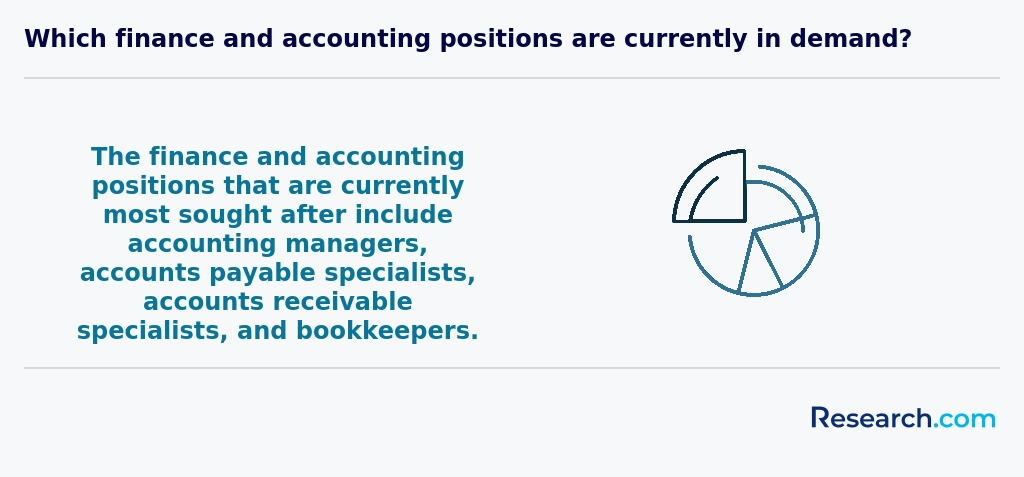
After completing an accounting degree, many New York graduates pursue the Certified Public Accountant (CPA) license to boost credibility and open advanced career opportunities. In New York State, candidates must accumulate 150 credit hours-typically through a bachelor’s plus a master’s or additional upper-level undergraduate courses-including specific credits in accounting, business law, and ethics. Applicants register via the National Association of State Boards of Accountancy (NASBA), submit official transcripts, and pass the four-part Uniform CPA Exam covering Auditing and Attestation, Business Environment and Concepts, Financial Accounting and Reporting, and Regulation. In addition to exam requirements, New York mandates at least one year of supervised experience in public accounting or its equivalent under a licensed CPA’s oversight. An ethics exam, administered by the AICPA, is also required for licensure. Once licensed, CPAs in New York can expect median salaries ranging from $95,000 to $130,000, depending on sector and experience. Many programs highlighted in our ranking integrate CPA review courses, internship placements, and mentorship to streamline exam preparation. For students exploring cost-effective pathways beyond New York, consider our Inexpensive Accounting Degree Programs Ranking in Delaware for comparative insights. Maintaining the CPA credential involves 36 hours of continuing professional education (CPE) every three years. Further certifications such as CMA, CIA, and CFE can deepen expertise in management accounting, internal audit, and forensic accounting, respectively.
Accounting degrees in New York uniquely blend theory with the city's dynamic business environment, starting with core courses like Financial Accounting, where students learn to prepare and analyze financial statements-skills instantly applicable in Manhattan's bustling finance sector.
Managerial Accounting courses challenge students to think like decision-makers, diving into cost analysis that graduates recall using during internships at renowned public accounting firms. Taxation classes go beyond basics, covering New York's intricate federal, state, and local tax laws, making students feel confident navigating complex real-life tax scenarios.
Auditing, a key course, demands attention to detail and ethical integrity, qualities emphasized by professors at top colleges who share stories of audit cases in major NYC corporations. Business Law introduces essential concepts around contracts and regulatory compliance, helping students understand the legal backbone influencing every financial transaction they'll encounter.
Additionally, the integration of Accounting Information Systems reflects the technological realities graduates face daily, bridging traditional accounting with innovative software used across New York's industries. This comprehensive curriculum ensures students are not just prepared but energized to thrive in the city's competitive landscape.
Within accounting degree specializations New York offers, students at renowned institutions like Baruch College or NYU find themselves gravitating toward areas that challenge traditional accounting norms. Graduates often share how specializing in Auditing transformed their understanding of business integrity, exposing them to the intense scrutiny needed in financial centers like Manhattan. Another frequent choice, Tax Accounting, demands mastering New York's layered tax codes-something graduates describe as unlocking a complex puzzle that impacts real families and businesses.
Forensic Accounting, increasingly popular among students at schools such as Fordham University, merges curiosity with analytical rigor as they investigate financial fraud hidden in high-stakes corporate operations. Management Accounting, favored by many alumni, reveals an insider's view into strategic decision-making, crucial in New York's competitive marketplace. These accounting career options in New York also include Government Accounting and International Accounting, where graduates experience firsthand how their expertise supports global commerce and crucial public services.
Many students reflect on how pursuing these specializations deepened their passion for accounting beyond numbers, seeing it as a vital force shaping New York's economy. Navigating this pathway requires understanding the accounting requirements that guide professional success.
Choosing the best accounting degree in New York goes beyond just comparing tuition fees or course lists-it demands a nuanced look at how each program aligns with your ambitions. Graduates from well-known institutions in the city often highlight the value of AACSB accreditation, which signals programs that truly prepare students for the CPA exam and a competitive marketplace. Yet affordability remains critical; seeking out the best affordable accounting degree programs New York offers can be a game-changer, especially since accounting degrees typically require 150 credit hours, amplifying cost and time commitments.
Consider how some graduates found success by tapping into programs that emphasize practical experience, such as internships tied to New York's bustling accounting firms-including partnerships that open doors to some of the highest paying jobs in accounting and finance. Campus reputation or location alone won't guarantee outcomes; students who embrace schools offering flexible schedules or evening classes often stress how this adaptability fueled their career momentum without sacrificing income or personal responsibilities.
Graduates with an accounting degree in New York discover career paths far beyond the traditional CPA roles. Many find themselves thriving as corporate accountants in vibrant companies around Manhattan, navigating complex financial regulations while enjoying the dynamic pace of the city. Others choose to become auditors or forensic accountants, roles that challenge them to uncover financial discrepancies and fraud, often relishing the intellectual rigor involved. Graduates from esteemed New York colleges report feeling empowered by access to internships on Wall Street, which significantly broaden their prospects and confidence.
Exploring jobs with accounting degree New York reveals opportunities in government agencies and nonprofit sectors, where professionals impact public policy and community services. These roles often provide a strong sense of purpose alongside competitive salaries. For those weighing the investment in education, it helps to consider resources such as the Inexpensive Accounting Degree Programs Ranking in Delaware, which guides students toward affordable programs while emphasizing career returns in a state where demand remains high and pathways are diverse.
For graduates navigating the accounting job outlook in New York, the market is unusually vibrant but demanding, reflecting the city's stature as a global financial nexus. Those completing their degrees at institutions like Baruch College or Fordham University often find themselves immersed in a dynamic environment where millions of dollars move daily, and precise financial insight is king. These graduates report entering roles in leading public accounting firms or corporate finance departments that not only offer competitive entry salaries but also challenge their analytical abilities right away.
Many discover that the value of an accounting degree here goes beyond the textbook, as real-world experience blends with robust academic training. The New York accounting degree career opportunities are enriched by large firms and nonprofits alike, spanning auditing, tax preparation, and forensic accounting. Graduates weigh tuition costs against strong salary prospects and the advantage of certifications like CPA. Some even explore quick certifications that pay well to enhance their trajectory amidst evolving demands.
2027 Most Affordable Accounting Degree Programs Ranking in New York
Investing in your education is a significant decision that can shape your future, and the Research.com team understands the importance of making informed choices. To assist prospective students in New York, we have meticulously developed the "2027 Most Affordable Accounting Degree Programs Ranking in New York." Our dedication to quality, credibility, and accuracy is demonstrated through rigorous research and thorough analysis.
We utilized the following reputable data sources to ensure a comprehensive evaluation of accounting degree programs:
By exploring this ranking, readers will gain valuable insights into the most affordable accounting degree programs in New York, helping them make well-informed decisions about their educational investments. For more information on how this ranking was created, please visit our Research.com methodology page.


# 9 position
Bryant & Stratton College-Online
BBA Accounting

# 10 position
SUNY at Fredonia
Bachelor of Science in Accounting





Frequently Asked Questions About accounting
Accounting degree students in New York can enhance their learning by engaging in internships with local accounting firms or corporations. New York hosts over 40% of all Fortune 500 companies, offering abundant opportunities for practical experience, which is essential in this field.
Joining student chapters of professional organizations like the New York State Society of CPAs (NYSSCPA) provides networking and mentorship prospects. Additionally, staying informed about the latest accounting software through workshops can improve technical skills in demand by employers.
Taking advantage of resources at state universities, which often have CPA exam review courses, also supports academic success. According to the National Association of State Boards of Accountancy (NASBA), over 25,000 candidates in New York sat for the CPA exam in recent years, highlighting the competitive environment where preparation is key.
The accounting field in New York is evolving with several emerging niches gaining prominence. One notable area is forensic accounting, where professionals investigate financial fraud and white-collar crime. The New York State Society of CPAs highlights increased demand for experts skilled in digital forensics and fraud detection. Another growing niche is sustainability accounting, reflecting the rise in corporate responsibility and environmental reporting requirements within New York businesses.
Technology integration also expands opportunities in accounting analytics and data science. Firms seek professionals who can interpret big data to inform financial decisions. Additionally, expertise in blockchain accounting is becoming valuable due to New York's emerging fintech sector.
After earning an accounting degree in New York, preparing for the job market involves a combination of practical experience and credentialing. The New York State Board of Public Accountancy requires 150 credit hours for CPA licensure, often exceeding a standard bachelor's degree. Many students pursue a Master's in Accounting or additional coursework to meet this requirement.
Gaining internships or part-time positions during studies is crucial, as the New York labor market favors candidates with real-world experience. According to the New York State Department of Labor, accounting roles in the state grew by 7% from 2020 to 2023.
Networking with local accounting firms and joining professional groups like the New York State Society of CPAs also enhances job prospects.
Employers in New York seeking accounting degree graduates prioritize several key skills. Strong proficiency in financial reporting and analysis is essential, as New York-based firms handle complex transactions influenced by diverse industries. According to the New York State Society of CPAs, technical knowledge of GAAP standards and tax regulations remains critical. Additionally, candidates must demonstrate advanced proficiency in accounting software such as QuickBooks and Oracle NetSuite, commonly used in local businesses.
Effective communication skills are equally valued, enabling graduates to present financial data clearly to clients and executives. Problem-solving abilities and ethical judgment also rank highly, given New York's stringent regulatory environment and emphasis on corporate responsibility. Adaptability and continuous learning are crucial to stay current in this evolving field.
Finding internships in New York relevant to an accounting degree requires a strategic approach. Start by exploring university career centers, which often partner with local accounting firms and corporations to provide internship opportunities specifically for accounting students.
Networking is essential. Attend accounting-related events hosted by organizations like the New York State Society of Certified Public Accountants (NYSSCPA) or local business chambers. These platforms offer direct access to potential employers and internships.
Utilize online resources such as Handshake and LinkedIn to search for accounting internships in the New York City metropolitan area. According to the NYSSCPA, internships at reputable firms like Deloitte, PwC, and EY offer valuable real-world experience and often lead to job offers.
Additionally, focus on internships that provide exposure to tax preparation, auditing, and financial analysis, which align well with New York's diverse business environment.
An accounting degree significantly enhances career mobility and advancement opportunities in New York. According to the New York State Department of Labor, demand for accountants and auditors in the state is projected to grow by 6% through 2030, faster than the national average. Employers often require or prefer candidates with a formal accounting education, which provides essential skills in financial reporting, tax preparation, and auditing. Additionally, obtaining a degree is a critical step toward qualifying for the Certified Public Accountant (CPA) exam, a credential highly valued across New York's competitive financial and corporate sectors. This combination of education and certification opens doors to higher salaries and leadership roles.
The New York metropolitan area, home to a dense concentration of financial firms and public companies, rewards those with accredited accounting degrees through greater access to diverse job opportunities and the potential for quick promotions. According to the Bureau of Labor Statistics, accountants in New York earn a median annual wage above the national average, reflecting the value placed on accounting credentials in this market. Thus, earning an accounting degree in New York provides both the foundational knowledge and certification pathway essential for professional growth in the region's dynamic economy.
Studying for an accounting degree in New York prepares students for interdisciplinary roles by integrating core accounting principles with broader business knowledge. Many programs incorporate coursework in finance, economics, information systems, and data analytics, reflecting the diverse demands of modern financial careers. According to the New York State Education Department, top institutions emphasize skills such as critical thinking and communication alongside technical accounting expertise.
New York's economic environment, featuring major financial markets and corporations, offers students opportunities for internships and real-world experience. This exposure fosters understanding of how accounting intersects with areas like law, technology, and management.
The evolving role of accountants increasingly requires collaboration across disciplines, making New York's programs well-positioned to prepare graduates for dynamic, interdisciplinary careers.
When choosing between a thesis and a non-thesis accounting degree program in New York, consider your career goals and learning preferences. Thesis programs emphasize research and writing, preparing students for doctoral studies or roles requiring strong analytical skills. Non-thesis programs focus more on coursework and practical skills, suitable for those aiming for professional certifications like the CPA or immediate employment in accounting firms.
New York State's Board of Accountancy requires 150 credit hours for CPA eligibility, which both program types typically meet. According to the New York State Education Department, thesis options may take longer but offer deeper expertise.
Cost and time commitment are also key factors when selecting your program.
Students based in New York seeking to study accounting abroad have several pathways to consider. Many universities in New York, including SUNY and CUNY systems, offer study abroad programs that partner with institutions in countries like the United Kingdom, Canada, and Australia. These programs often allow students to earn credits transferable to their home degree.
Additionally, New York State Board of Public Accountancy recognizes education from certain international institutions for CPA eligibility, but students should verify this early. According to the New York State Education Department, courses taken abroad may count toward the 150-credit requirement if aligned with US accounting standards.
Financial aid and scholarships may be available through federal programs or specific New York-based grants for study abroad. Many students also rely on exchange agreements to minimize costs while gaining international experience in accounting practices.
New York offers diverse part-time job options that can enhance accounting degree education. Many students find opportunities as accounting clerks or bookkeeping assistants at local firms, gaining hands-on experience with financial records and software such as QuickBooks. According to the U.S. Bureau of Labor Statistics, New York employs over 120,000 accountants and auditors, creating a competitive environment ripe with internship and part-time roles.
Working in tax preparation services during tax season is another popular choice. This job complements coursework in taxation and federal regulations, offering real-world insights. Additionally, roles in payroll administration or financial data entry within various NYC-based businesses help students sharpen analytical and organizational skills essential for accountant positions.
Accounting students in New York benefit from numerous networking opportunities essential for career growth. Many universities in the state host events in partnership with the New York State Society of Certified Public Accountants (NYSSCPA), providing access to over 24,000 CPA members. These events include workshops, guest lectures, and career fairs, allowing students to connect with experienced professionals.
Additionally, New York City's role as a financial hub means students can attend conferences and seminars hosted by major accounting firms and industry groups. Internship programs through colleges also offer invaluable practical experience and networking connections, often leading to job offers.
Alumni networks offer substantial benefits to accounting degree students in New York by providing access to a wide professional community. These connections can lead to internships and job opportunities in prominent New York financial firms, crucial in a competitive market. According to the New York State Society of CPAs, networking significantly increases the chances of securing employment after graduation.
Members of alumni networks often participate in mentoring, helping students navigate CPA exam preparations and career planning. This support is vital, especially since New York requires 150 credit hours for CPA licensure, more than many states.
Additionally, alumni events and platforms facilitate knowledge sharing on industry trends unique to New York's economy. Overall, active alumni networks serve as a bridge between academic learning and real-world accounting practices in the state.
Customizing an accounting degree program in New York allows students to align their education with specific career goals. Many New York institutions offer flexible course selections, including electives in tax accounting, forensic accounting, and auditing. Students can also pursue concentrations or minors related to finance or business analytics to broaden their skill set.
Internships and cooperative education programs are widely available in New York's financial hubs, providing practical experience and networking opportunities. Additionally, some programs emphasize preparation for the CPA exam, with coursework tailored to New York State's licensing requirements.
According to the New York State Education Department, over 70% of accounting students seek programs that integrate technology and data analysis, reflecting industry demands. Choosing schools with strong alumni networks in New York is also beneficial for career placement.
Accounting students in New York often face significant challenges balancing rigorous coursework with practical experience requirements. The state's competitive job market pressures students to excel not only academically but also in internships, which are crucial for CPA licensure prospects. According to the New York State Board of Public Accountancy, over 75% of accounting graduates aim for CPA certification, adding stress due to demanding exam preparation alongside full-time studies.
Another challenge is the relatively high cost of higher education in New York. The average annual tuition for accounting programs at public universities exceeds $10,000, which can be a financial hurdle for many students. Additionally, the complexity of New York's tax laws means students must master both federal and state-specific accounting regulations, increasing the workload and difficulty of their studies.
With an accounting degree in New York, graduates can pursue several recognized professional certifications to advance their careers. The most prominent is the Certified Public Accountant (CPA), licensure required to perform audits and provide accounting services to the public. New York state mandates 150 credit hours of education and passing the Uniform CPA Exam to qualify.
Other certifications include the Certified Management Accountant (CMA), focusing on financial management and strategy, and the Certified Internal Auditor (CIA), which is valued for auditing careers. The Chartered Financial Analyst (CFA) credential also complements accounting by emphasizing investment analysis.
According to the New York State Education Department, over 30,000 CPAs are licensed statewide, reflecting strong demand for these professionals.
When applying to accounting programs in New York, start by emphasizing your strong quantitative skills and relevant coursework such as economics or finance. Admissions committees value applicants who demonstrate both analytical ability and attention to detail. According to New York State Education Department data, many top programs prefer candidates with a minimum GPA of 3.0 and solid performance in math-related subjects.
Include a well-crafted personal statement that highlights your career goals in accounting and any internships or experience related to finance or bookkeeping. Showing familiarity with New York's accounting regulations or CPA requirements can strengthen your application.
Secure strong letters of recommendation from professors or employers who can attest to your work ethic and academic potential. Lastly, meeting all application deadlines and submitting all required documents ensures your application is fully considered.
Accounting careers have a broad global relevance, and many principles taught in New York's degree programs align with international standards like the IFRS (International Financial Reporting Standards) used outside the U.S. More than 90% of businesses worldwide use IFRS, while New York accounting professionals primarily follow US GAAP (Generally Accepted Accounting Principles).
The New York State Education Department reports that New York is home to over 150,000 accounting professionals, highlighting strong regional demand that connects to globalization in finance and commerce.
Professionals with a New York accounting degree often find opportunities in multinational firms that value knowledge of both domestic and international accounting rules. Understanding global financial regulations and cross-border tax structures is becoming more essential, especially in New York's diverse economy.
According to the Bureau of Labor Statistics, the accounting field in New York is expected to grow by 7% over the next decade, reflecting increasing complexity in global business transactions requiring skilled accountants.
Gaining practical experience while studying for an accounting degree in New York is essential for career success. Many universities offer internship programs that connect students with local accounting firms, banks, and corporations. According to the New York State Society of CPAs, internships can significantly improve job prospects after graduation. Students should also explore cooperative education (co-op) programs, which combine classroom study with paid work experience.
Additionally, joining student chapters of professional organizations like the American Institute of CPAs (AICPA) provides networking and real-world learning opportunities. Volunteering for tax preparation assistance programs such as the IRS Volunteer Income Tax Assistance (VITA) can also develop valuable skills.
Choosing the right concentration within an accounting degree program in New York starts with understanding your career goals and interests. Common concentrations include forensic accounting, taxation, auditing, and financial accounting. Each offers different career paths: for example, New York State's Department of Labor reports a strong demand for tax accountants and auditors due to the region's complex tax landscape.
Research local job market trends to identify in-demand skills. Forensic accounting is growing as financial fraud detection gains priority among New York firms. Additionally, consider certifications like the CPA, which often require specific coursework in auditing and taxation.
Visiting college websites and consulting academic advisors can provide detailed course offerings. Many New York institutions align their concentrations with regional industry needs, helping you tailor your education for local employment opportunities.
- 2027 Most Affordable Accounting Degree Programs Ranking in Connecticut
- 2027 Most Affordable Accounting Degree Programs Ranking in Vermont
- 2027 Most Affordable Accounting Degree Programs Ranking in Delaware
- 2027 Most Affordable Accounting Degree Programs Ranking in West Virginia
- 2027 Most Affordable Accounting Degree Programs Ranking in Georgia
- 2027 Most Affordable Accounting Degree Programs Ranking in Florida
- 2027 Most Affordable Accounting Degree Programs Ranking in Alabama
- 2027 Most Affordable Accounting Degree Programs Ranking in Minnesota
- 2027 Most Affordable Accounting Degree Programs Ranking in Colorado
- 2027 Most Affordable Accounting Degree Programs Ranking in Arizona
See What Experts Have To Say About Studying Accounting
Read our interview with Accounting experts

John Wermert, Ph.D., CPA
Accounting Expert
Associate Professor of Accounting
Middle Tennessee State University


- Trainee Accountant Cover Letter Example https://www.kickresume.com/en/help-center/trainee-accountant-1-cover-letter-sample/
- Accounting Degree: Associate or Bachelor’s | Monroe University https://www.monroeu.edu/news/accounting-degree-associate-or-bachelors
- Scholarship | NYCPA https://nysscpa.org/nextgen/scholarships
- How to get into accounting as a graduate https://targetjobs.co.uk/careers-advice/accountancy-banking-and-finance/how-get-accounting-graduate
- Why Is Accounting So Hard? Understanding Challenges and Misconceptions https://www.glasscubes.com/why-is-accounting-so-hard-understanding-challenges-and-misconceptions/
- ACCOUNTING AND AUDITING (THESIS / NON-THESIS) - Lisansüstü Eğitim Enstitüsü https://lee.nisantasi.edu.tr/en/accounting-and-auditing/
- Accountants of the Future https://www.deloitte.com/us/en/programs/center-for-controllership/blogs/future-of-accounting-profession.html
- Accounting Career Path: A Guide to Accounting Careers - Intuit https://www.intuit.com/blog/life-at-intuit/intuit-experts/accounting-careers/
- Tips for University Graduates Looking to Land Their First Accounting Job https://www.elby.ca/blog/2022/04/27/tips-for-university-graduates-looking-to-land-their-first-accounting-job/
- Skills You Need for a Career Path in Accounting | AIU https://www.aiuniv.edu/degrees/business/articles/top-skills-for-career-in-accounting