2027 Most Affordable Accounting Degree Programs Ranking in Des Moines

Co-Founder and Chief Data Scientist
Choosing the right accounting degree program in Des Moines can feel overwhelming. That's why the Research.com team of data scientists created the 2027 Most Affordable Accounting Degree Programs Ranking in Des Moines to help you make an informed decision.
This article highlights the best value programs that won't break your budget while setting you up for a successful career.
By exploring these options, you'll gain confidence in investing in your future and unlocking opportunities with an accounting degree tailored to your goals.
Key benefits of getting accounting degree in Des Moines
- Salary for accounting degree graduates: Graduates in Des Moines can expect strong earnings, with Staff Accountants earning a mean annual wage of $90,780 and Bookkeepers making around $49,580, reflecting promising financial rewards in the field.
- Career paths: Graduates from popular local colleges often secure roles such as Tax Preparer, Associate Auditor, or Accounts Payable Clerk, offering diverse opportunities to grow within accounting and finance sectors.
- Online degree benefits: Earning an accounting degree online from a reputable university in Des Moines offers flexibility for working students and the chance to balance life commitments while still preparing for rewarding accounting careers.
- 2027 Most Affordable Accounting Degree Programs Ranking in Des Moines
- What can I expect from accounting degree in Des Moines?
- Where can I work with accounting degree in Des Moines?
What can I expect from accounting degree in Des Moines?
The average cost of pursuing an accounting degree in Des Moines dances between affordability and value, shaped by the city's mix of community colleges and four-year universities. Graduates from local institutions often recall how community colleges offered them a budget-friendly launchpad, with tuition costs generally sitting comfortably lower compared to bigger universities. Imagine beginning your journey at a place where you can earn an associate degree or seamlessly transfer to a larger university-all without breaking the bank.
For example, students at Des Moines-area universities find that the investment in a bachelor's degree leans towards the mid-range of national averages but feels worth every penny when internship opportunities at companies like Principal Financial Group come into clear view. Many grads remember balancing part-time jobs, managing online classes, and feeling a steady wave of excitement as they built skills in QuickBooks and Excel.
This flexible education format-hybrid, online, or traditional-means you can tailor your expenses and experience to fit your life, turning the cost into a smart, manageable step toward a thriving accounting career.
Where can I work with accounting degree in Des Moines?
With an accounting degree from universities like Drake or Grand View right here in Des Moines, graduates dive straight into a vibrant ecosystem buzzing with opportunity. Imagine walking into the sleek offices of Principal Financial Group, where freshly minted accountants tackle real-world puzzles in risk management and internal audits, feeling the thrill of protecting financial landscapes.
Others find their rhythm in the sturdy halls of EMC Insurance Companies or local government agencies, navigating budgets and grant reports that shape communities. There's a deep satisfaction in knowing your number-crunching skills fuel public services that everyone depends on.
Graduates often share stories of landing spots in public accounting firms, where the daily grind includes tax codes, consultations, and eye-opening challenges molding them into sharp CPA candidates. The healthcare giants MercyOne and UnityPoint Health add another layer, with accountants orchestrating cost controls that keep vital services thriving.
In Des Moines, your degree becomes a key unlocking doors not just to jobs, but to careers filled with purpose, steady growth, and the pride of contributing to a city's financial heartbeat.
Imagine launching your accounting career right here in Des Moines after graduating from Drake University or Grand View University, where the classroom meets real-world financial savvy. Starting as a Staff Accountant, you could step into a role earning a mean annual wage of about $90,780, translating to roughly $43.65 an hour. That's a strong kickoff, especially when you consider the blend of city life enthusiasm and competitive wages.
If balancing books or prepping taxes is more your style, roles like Bookkeeper, Tax Preparer, or Associate Auditor beckon with mean annual wages around $49,580, close to $23.84 hourly. Visualize navigating spreadsheets and financial statements with confidence, knowing your skills are valued by local businesses and agencies alike.
Graduates often share a sense of empowerment watching their paychecks grow as they gain certifications and experience in Des Moines' thriving finance and corporate sectors. The numbers here don't just represent dollars-they represent opportunity unfolding in a city that supports your professional rise and lifestyle.
- The cost of a bachelor's degree in accounting in Des Moines ranges from $25,000 to $40,000 for in-state students, with community colleges generally more affordable than private colleges.
- Entry-level accountants in Des Moines earn between $50,000 and $55,000 annually, with mid-career salaries reaching $75,000 to $85,000.
- Accounting jobs in Des Moines are expected to grow by 6% to 8% over the next decade, which is above the national average.
- Local programs often meet the 150-credit hour requirement needed for CPA licensing and offer flexible scheduling, including evening and online classes.
- There are many opportunities for internships and networking in Des Moines, enhancing job prospects after graduation.
Imagine juggling a full-time job while pursuing your accounting dreams at Drake University: that flexible part-time path can stretch your journey up to six years, blending ambition with life's demands. Meanwhile, many Des Moines Area Community College students find the steady rhythm of a two-year associate degree perfectly suits their desire to quickly dive into entry-level roles.
Bachelor's seekers embrace the four-year commitment, mastering accounting basics alongside general education, walking halls where peers share caffeine-driven study sessions and spirited debate over financial formulas. These graduates proudly recall the moment they qualified to sit for the CPA exam, a milestone symbolizing both endurance and expertise.
For those hungry to push boundaries, an extra one to two years in graduate studies pulses with promise-deepening knowledge while navigating Des Moines' evolving job market. Tuition costs ripple throughout these timelines, but the shared buzz among students is the lasting satisfaction of investing time wisely-turning hours into a vibrant accounting career.
After earning your accounting degree, obtaining professional certification-most commonly the Certified Public Accountant (CPA) license-is essential for career advancement and credibility in Des Moines, IA. The CPA credential demonstrates expertise in financial reporting, auditing and taxation, and is often required for senior roles in public accounting and corporate finance. Key steps to become a CPA in Iowa:
- Educational Requirements: Complete at least 150 semester hours of college coursework, including 30 semester hours in accounting and related subjects. Many students bridge this gap by pursuing an affordable master’s program; consider an affordable masters in accounting online to fulfill credit-hour and specialization requirements.
- Uniform CPA Exam: Register with the Iowa Board of Accountancy and pass all four sections (Auditing and Attestation, Business Environment and Concepts, Financial Accounting and Reporting, Regulation). Average pass rates for first-time test-takers hover around 55–60%, so dedicated study and review courses are crucial.
- Experience Requirement: Accumulate one year (2,000 hours) of supervised accounting experience under a licensed Iowa CPA. This practical training solidifies your skills in real-world settings and is verified by a supervising CPA on your license application.
- Ethics Exam: After the Uniform CPA Exam, complete the AICPA’s Professional Ethics Exam to ensure you understand the ethical standards expected of all CPAs. Continuing Professional Education (CPE) is mandatory to maintain your license: Iowa CPAs must complete 120 CPE hours every three years, with a minimum of 20 hours each year, including ethics training. By following these licensure pathways, Des Moines graduates can secure a competitive edge in public accounting firms, corporate finance departments, and government agencies, positioning themselves for leadership roles and higher salary brackets.
Choosing between online and on-campus accounting degrees in Des Moines feels like deciding whether to steer your career ship through a bustling harbor or sail solo across open waters. Online learners from DMACC or local universities appreciate the freedom to juggle work deadlines and family dinners, logging in between real-life moments without missing a beat. Their wallets smile too, paying around $300-$400 per credit hour, lighter than the on-campus fees.
On-campus students, meanwhile, dive into the dynamic energy of classroom debates and impromptu study groups under the bright lights of Drake University or Grand View University. They soak up face-to-face guidance, tapping into career centers that open doors to internships with Des Moines' thriving accounting firms. These students pay a bit more-$350 to $500 per credit hour-but gain a community that boosts motivation and real-time networking.
Both paths weave core accounting threads-financial statements, auditing, tax codes-with different rhythms: online's self-driven discipline versus on-campus's interactive buzz. CPAs emerge from either route armed and ready, proof that both roads can lead to success in Des Moines' vibrant financial landscape.
In addition to traditional degree programs, many aspiring accounting professionals are increasingly turning to online certificate programs as a strategic way to enhance their expertise while balancing work, study, and personal commitments. These programs offer a cost-effective and flexible alternative that allows students to gain specialized skills-such as financial analysis, taxation, or auditing-in a shorter timeframe than a degree program. Certificate courses can serve as a stepping stone into the accounting field, offering industry-relevant training and boosting employability, especially in competitive job markets. Moreover, for those looking to supplement their education or pivot their career focus, exploring the best online certificate programs for accounting can provide both targeted knowledge and practical experience. By considering certificate options alongside full degree programs, prospective students can more easily tailor their educational pathway to meet evolving industry demands, stay updated with new technologies, and maximize their earning potential in the accounting profession.
When it comes to the average cost of an accounting degree in Des Moines, prepare for a landscape that blends opportunity with investment. Local graduates from Des Moines Area Community College often share relief at the affordability, where tuition for an associate degree hovers around $6,000 to $7,200. This makes community colleges the go-to for budget-conscious students chasing affordable accounting degree programs Des Moines has to offer, providing a welcoming start without breaking the bank.
Meanwhile, those stepping into the world of four-year private universities, like Drake University, encounter a different story-a thrilling yet costly journey. The annual tuition easily approaches $47,000, with the full bachelor's degree tallying well above $180,000. Yet, many graduates from these institutions highlight the prestige and extensive networking opportunities they gained, making the hefty price tag feel like an investment in a vibrant future.
Consider the real-world blend of textbooks, student fees, and everyday living expenses in Des Moines, all coloring the financial tapestry of your studies. Those balancing work, scholarships, and financial aid often find creative ways to navigate these costs without sacrificing their dreams. For a deeper dive into cost structures and pathways for accounting studies, explore https://research.com/degrees/accounting-degree to uncover a detailed, insightful view tailored just for you.

Investing in an Accounting degree requires careful consideration of both upfront costs and long-term earnings. In Des Moines, the average in‐state public tuition of $6,892 translates to an estimated total investment of $27,568 over four years, including fees and living expenses. With entry-level salaries for Staff Accountants starting at a mean annual wage of $86,740, graduates can expect to recover their educational costs within approximately two to three years of full-time employment. When assessing ROI, consider these factors: • Net Cost of Attendance: Subtract average grants and scholarships-often covering up to 50% of tuition-from total program expenses. • Salary Growth Trajectory: Accounting professionals in Iowa report a 5%–7% salary increase annually, boosting lifetime earnings and shortening the payback period. • Career Advancement: Obtaining certifications such as the CPA or CMA can increase median wages by 15%–20%, further enhancing ROI. Comparative studies show that ROI for online programs can be even more favorable. Students who balance work and study often graduate with lower debt burdens, accelerating their path to profitability. For regional benchmarks and alternative affordability metrics, prospective students can explore Low Cost Accounting Degree Programs Ranking in Chicago, IL and compare tuition trends, earning potential, and student outcomes across different metropolitan areas. By evaluating net investment against projected income growth and certification premiums, future accountants in Des Moines can make informed decisions that maximize both educational value and long-term financial security.
Imagine starting your accounting journey at Drake University or Grand View University in Des Moines, where financial aid feels less like a maze and more like a tailored toolkit. Federal aid kicks off the support parade-complete the FAFSA, and you might unlock Pell Grants up to $7,395 that gently lift the tuition weight without looming repayments.
Graduates often recall Stafford Loans as a reliable sidekick, with flexible terms that ease repayment while juggling study and life. Then there's Iowa's state charm: the Tuition Grant for private college attendees, averaging $4,000, gives a pleasant boost to local students chasing that accounting degree.
Beyond that, scholarships glitter across campus. The Iowa Society of CPAs lights up dreams with awards tied to grit and academic spark-a lifeline remembered fondly by many grads. Imagine working part-time through Des Moines' campus work-study programs, earning a paycheck while mastering ledger sheets. The American Institute of CPAs also puts a trophy of private scholarships within reach, celebrating leadership and merit in the accounting world.
These overlapping pathways turn the cost of numbers into an achievable adventure right where you study, in the heart of Iowa's capital.
Accounting students in Des Moines, IA benefit from robust internship and practicum programs that bridge classroom theory with real-world experience. Many universities partner with top local firms-including regional CPA practices, corporate finance departments, and government agencies-to ensure students complete at least one 3–6 month internship before graduation. These partnerships often translate into on-the-job training in areas such as auditing, tax preparation, and financial analysis, giving students a competitive edge. To explore additional affordable programs with strong experiential components, check out our Low Cost Accounting Degree Programs Ranking in Chicago, IL. Key features of Des Moines internships and experiential learning:
- Structured Credit-Bearing Internships: Most programs award 3–6 academic credits for internships, allowing students to fulfill degree requirements while gaining hands-on experience.
- Diverse Placement Opportunities: Students intern at public accounting firms, nonprofits, hospitals, and government agencies-placements that often lead to full-time offers upon graduation.
- Mentorship and Professional Development: Each intern is paired with a supervisor who provides feedback, performance evaluations, and networking introductions to industry professionals.
- Integrated Practicums and Case Competitions: Beyond traditional internships, universities host quarterly case competitions and classroom practicums where multidisciplinary teams solve real client challenges. Benefits of experiential learning in Des Moines accounting programs:
- Enhanced Job Placement: Over 75% of interns secure full-time positions with their host organizations, often before receiving their diplomas.
- Skill Mastery: Internships reinforce technical proficiencies in software like QuickBooks and Excel, as well as soft skills in communication, teamwork, and ethical decision-making.
- Professional Network Growth: Direct engagement with industry leaders and alumni mentors accelerates career readiness and boosts graduate salary prospects. By leveraging these internships and experiential learning opportunities, students graduate not only with theoretical knowledge but with a portfolio of real work achievements that set them apart in the competitive accounting job market.
Diving into an accounting degree in Des Moines means bringing along the essentials: a high school diploma or GED, where algebra and geometry aren't just subjects but trusty tools for your journey. Imagine a graduate from Drake University recalling how those math classes sharpened their analytical mind, making balance sheets less daunting and more like puzzles to solve.
Test scores like the SAT or ACT might be on the table, but many Des Moines institutions have embraced test-optional policies, easing pressures just when applicants need it most. One graduate from Grand View University shared that this openness allowed them to focus on their personal statement and recommendation letters-key pieces that really showed their motivation and spark for accounting.
Courses in business and computer applications aren't just boxes to tick-they're lifelines connecting you to the real world of finance and commerce. Picture a student mastering Excel and understanding economic trends before even walking into an accounting class at Des Moines Area Community College, feeling confident and ready.
Lastly, if you're eyeing the CPA license in Iowa, gearing up with auditing, tax, and business law courses during your degree ensures you're not just prepared, but ahead of the curve.

When considering accounting schools in Des Moines, IA, affordability is a crucial factor for many students. To help with this, researching the cheapest accounting schools in iowa can provide valuable insights into affordable options without compromising on the quality of education. Many institutions in Des Moines offer a range of accounting programs, from associate's to master's degrees, catering to different career goals and financial situations. By exploring these options and understanding the factors that contribute to the affordability of accounting programs, prospective students can make informed decisions that align with their educational and financial aspirations.
Diving into an accounting degree in Des Moines means immersing yourself in courses that feel both practical and energizing. Imagine sitting in a class at Drake University, where you decode the mysteries of Financial Accounting-learning to read and craft financial statements that tell the story behind a company's numbers. Then, shift gears with Managerial Accounting, where the focus flips to using those numbers to make savvy business moves, like budgeting for a local startup or analyzing costs at a manufacturing plant in Iowa.
Graduates often recall the challenge and thrill of Taxation classes, tackling real-life federal and Iowa state tax scenarios that prepare them to advise individuals and businesses with confidence. Auditing courses? They paint you as a financial detective, scrutinizing records to protect organizations from errors or fraud, a skill highly praised by employers around Des Moines.
On top of these, courses like Accounting Information Systems equip you with tech-savvy tools, essential for today's fast-moving business world. Delving into Intermediate and Advanced Accounting at institutions such as Grand View University means mastering complex topics like partnerships and international standards, giving graduates a clear edge in Iowa's evolving market.
Beyond numbers, business law, economics, and statistics flesh out your knowledge, making you a versatile pro ready for the dynamic financial landscape of Des Moines. Many graduates reflect on how this mix not only honed their analytical skills but also sparked a deep excitement for the profession.

In Des Moines, accounting degree specializations paint a vivid landscape of career avenues, much like a graduate from Drake University discovering the precise rhythm of tax codes in bustling financial firms. Taxation, with its intricate dance of federal, state, and local regulations, often feels like decoding a secret language, making tax-savvy accountants highly sought after here.
Audit and Assurance feels like stepping into a detective's shoes for students in Des Moines, verifying the truth behind financial narratives. Many find this thrilling, especially with abundant internship doors swinging open through regional offices of big firms. The city's heartbeat also calls for forensic accounting specialists who blend sharp financial acuity with investigative instincts, catching fraud before it festers.
Graduates focusing on Des Moines accounting career focus options relish diving into Management, Government, or International Accounting, each opening distinctive portals into corporate strategy, public sector oversight, or global trade. Those seeking a broader horizon sometimes pair these with an accredited online MBA in California to boost their edge in the marketplace.
Imagine walking the halls of Drake University, where AACSB-accredited classes blend theory with the pulse of Des Moines' business scene. Graduates recall how the right accounting degree wasn't just about credits-it was about immersive experiences, from evening lectures tailored for working students to internships nestled in local firms. Choosing the best accounting degree in Des Moines means weighing affordability too; many find DMACC's associate programs a savvy launchpad into a bachelor's without breaking the bank. These most affordable accounting degree programs in Des Moines offer sturdy foundations without sacrificing quality.
Other students thrive by diving into curricula rich with auditing and tax classes led by faculty who've weathered real audits and tax seasons. For those juggling life's demands, flexible schedules at Des Moines schools transform the dream of balancing work, study, and family into a vibrant reality. If you're curious about blending construction management expertise with your accounting acumen, also explore the best online construction management degrees. Here in Des Moines, the perfect accounting degree is as personalized as your ambitions, rooted in practical skills, community connections, and lasting career momentum.
Graduates stepping out of Des Moines' universities with an accounting degree often find themselves riding the vibrant wave of the city's financial heartbeat. Here, accounting career opportunities in Des Moines stretch far beyond traditional roles, painting a colorful palette of possibilities-from the intense pulse of public accounting firms where auditing and tax consulting sharpen one's skills, to the strategic sanctuaries of corporate finance within Principal or Nationwide. Many grads recall the thrill of landing their first position in internal audit or budgeting, immersing themselves in the world of insurance giants and financial service firms that call Des Moines home.
Job prospects for accounting graduates Des Moines extend into forensic accounting, uncovering financial mischief, or governmental roles managing city budgets, a path some students discover during internships at local state agencies. The practical knowledge gained at community colleges or four-year institutions here not only fosters confidence but also fuels entrepreneurial dreams-equipping grads to navigate the startup ecosystem and small business finance with enthusiasm and savvy. For students curious about branching out, exploring an economics degree job opportunities might also spark exciting avenues.
The job market in Des Moines for accounting degree holders pulses with opportunity, especially for those who've walked the halls of local universities known for strong accounting programs. Graduates often find themselves stepping into roles within the bustling insurance firms or regional banks that pepper the city's landscape. One recent graduate shared how the affordability of studying in Iowa-where tuition at public universities hovers around $9,000 to $11,000-made earning an accounting degree feel like a smart investment, not a gamble.
With a steady 5% growth projected for accounting and auditing jobs in the area, students can expect a welcoming environment where their skills are sought after in corporate offices or state agencies. Many alumni highlight not only competitive starting salaries but also a variety of career trajectories, including government positions and vibrant private sector roles. Exploring internal auditor career prospects is often a natural next step for those familiar with accounting career opportunities in Des Moines.
2027 Most Affordable Accounting Degree Programs Ranking in Des Moines
Investing in your education is a significant decision that can shape your future, and the Research.com team understands the importance of making informed choices. To assist prospective students in Des Moines, we have meticulously crafted the "2027 Most Affordable Accounting Degree Programs Ranking in Des Moines." Our commitment to quality, credibility, and accuracy is reflected in the extensive research and analysis conducted to compile this ranking.
We utilized the following reputable data sources to ensure a comprehensive evaluation of accounting programs:
By exploring this ranking, readers will gain valuable insights into the most affordable accounting degree programs in Des Moines, empowering them to make well-informed decisions about their education and future careers. For more details on how this ranking was created, please visit our Research.com methodology page.


Frequently Asked Questions About accounting
Accounting degree students in Des Moines can enhance their learning by engaging with local professional organizations, such as the Iowa Society of CPAs. Networking through these groups provides valuable insights and internship opportunities. Many Des Moines colleges also collaborate with nearby firms, offering practical experience through co-op programs and internships.
Students should utilize resources from institutions like Des Moines Area Community College and Drake University, which provide access to modern accounting software and personalized academic advising. According to the Bureau of Labor Statistics, Des Moines has a higher demand for accountants than the national average, making early practical experience especially beneficial.
Additionally, attending local workshops and seminars on tax law and auditing helps students stay updated with industry changes, further maximizing their educational outcomes.
The accounting field in Des Moines is evolving with several emerging niches gaining prominence. One notable area is forensic accounting, driven by increased demand for fraud detection and financial investigation in both private companies and government agencies. According to the Bureau of Labor Statistics, forensic accounting jobs are expected to grow faster than average through 2030.
Another growing specialty is environmental accounting, reflecting the expanding focus on sustainability and corporate social responsibility. Firms in Des Moines are increasingly tracking environmental costs and compliance with regulations.
Additionally, technology-related roles such as accounting information systems and data analytics are rising in importance, aided by Des Moines' growing financial services sector. These niches require accounting graduates to combine finance knowledge with IT skills.
After completing an accounting degree in Des Moines, preparing for the job market involves combining practical experience with strong networking. Internships in local firms, such as those in the city's growing finance sector, provide valuable hands-on skills that employers demand. According to the Iowa Workforce Development, accountants in Des Moines can earn a median annual wage of around $74,000, highlighting the city's competitive market.
Students should also consider obtaining certifications like the CPA, which greatly improve job prospects in Iowa. Additionally, attending local professional events and joining organizations like the Iowa Society of CPAs can expand your network and increase access to job opportunities.
Developing proficiency in accounting software and staying current with regulatory changes reported by the Iowa Board of Accountancy is crucial. These steps ensure a smoother transition from education to employment within Des Moines' accounting sector.
Employers in Des Moines seek accounting graduates with a strong foundation in technical skills such as proficiency in accounting software like QuickBooks and Excel. According to the Iowa Workforce Development, attention to detail and accuracy are critical, as errors in financial data can lead to significant issues.
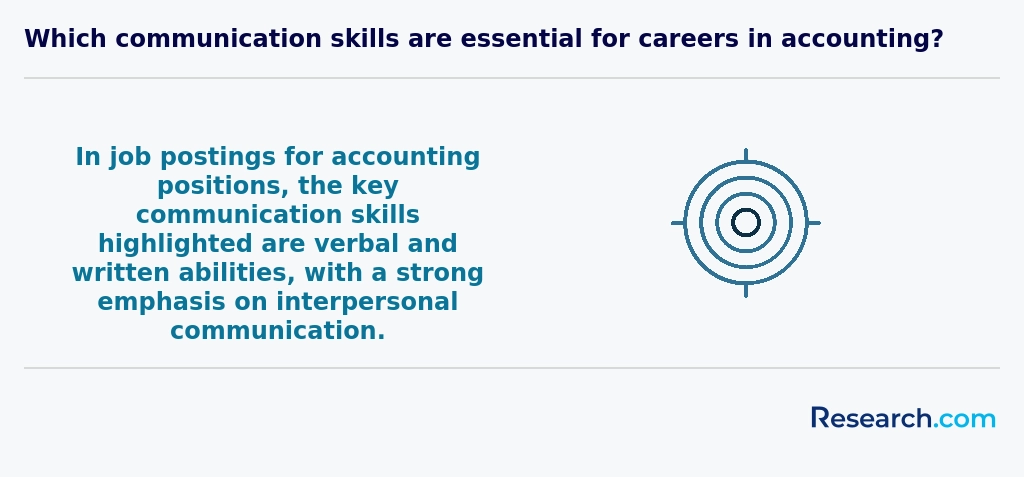
Communication skills are equally important. Graduates must effectively explain complex financial information to clients and colleagues who may not have an accounting background. Problem-solving abilities and ethical judgment are also highly valued, reflecting the trust placed in accountants handling sensitive financial information.
Many local businesses emphasize familiarity with U.S. tax regulations and GAAP standards. Pursuing certifications such as CPA further enhances employability.
Finding internships in Des Moines related to accounting degrees involves several strategic steps. Start by exploring opportunities at local accounting firms and corporations headquartered in the city, such as Principal Financial Group and Wellmark Blue Cross Blue Shield, both known to offer internships. Networking through campus career services at institutions like Drake University or Des Moines Area Community College can provide direct access to accounting-specific internships.
Additionally, utilize job portals like Handshake or the Iowa Workforce Development website, which list updated internship openings in Des Moines. Joining regional professional associations, such as the Iowa Society of CPAs, can also offer valuable connections and internship listings tailored to accounting students.
Holding an accounting degree in Des Moines significantly enhances career mobility and advancement opportunities. The city's growing financial sector, including regional banks and corporate headquarters, values candidates with formal accounting education. According to the U.S. Bureau of Labor Statistics, accountants in Iowa experience a median annual wage higher than the national average, reflecting strong local demand.
An accounting degree serves as a foundation for certifications like CPA, essential for career growth in Des Moines. Professionals with these credentials often progress into management roles faster than those without a degree. Employers in Des Moines prioritize degrees from accredited institutions, signaling technical proficiency and adherence to ethical standards.
Networking through local professional organizations and internships also becomes more accessible with an accounting degree, supporting upward mobility. This educational credential is increasingly a minimum requirement for competitive positions within Des Moines' accounting and finance industries.
Studying for an accounting degree in Des Moines equips students with skills that extend beyond traditional number-crunching. Programs often integrate courses in finance, economics, information systems, and business law, reflecting the interdisciplinary nature of modern accounting roles. This broad curriculum prepares graduates to collaborate across departments, making them valuable in areas like financial analysis, auditing, and strategic planning.
Des Moines' growing financial sector, including insurance and banking, offers practical opportunities for students to apply diverse knowledge in real-world settings. According to the Iowa Workforce Development, the region expects a 7% increase in accounting-related roles by 2028, underscoring demand for versatile professionals.
Additionally, local colleges emphasize technology proficiency, including training in accounting software and data analytics, enabling graduates to handle complex datasets and support decision-making processes across industries.
When choosing between a thesis and a non-thesis accounting degree program in Des Moines, consider your career goals and learning preferences. Thesis programs often appeal to students interested in research or pursuing a PhD later, as they require conducting original research and writing a detailed paper.
Non-thesis options focus more on coursework and practical skills, benefiting those aiming for immediate professional roles such as CPA positions or corporate accounting jobs. In Des Moines, with its growing financial sector, non-thesis programs align well with industry demands, according to Iowa Workforce Development data.
Cost and program length also differ; thesis tracks may take longer due to research commitments, while non-thesis tracks can be completed faster, impacting tuition and time to employment.
Students in Des Moines interested in studying accounting abroad have several options through U.S. institutions that offer international exchange and study-abroad programs. Many universities in Iowa, including those near Des Moines, partner with schools in Europe, Asia, and other regions, allowing accounting students to earn credits overseas. These programs often last a semester or a summer and provide exposure to global accounting standards such as IFRS, which complements U.S. GAAP education.
Des Moines-area students should also explore articulation agreements between local colleges and foreign universities, which may reduce credit transfer issues. According to the Institute of Management Accountants, global experience is increasingly valuable in accounting careers.
Des Moines offers several part-time job opportunities that align well with accounting degree studies, providing practical experience alongside academic learning. Common roles include bookkeeping assistant, tax preparer during tax season, and accounting clerk positions in local businesses or nonprofit organizations. These jobs allow students to apply fundamental accounting principles and develop skills in financial reporting and data entry.
Internships and part-time work within Des Moines' growing financial services sector, which includes major firms such as Principal Financial Group, are highly valuable. According to the U.S. Bureau of Labor Statistics, gaining work experience in accounting while studying can enhance job prospects and professional networking opportunities in Iowa's capital.
Accounting students in Des Moines benefit from robust networking opportunities linked to the city's position as a regional business hub. Professional organizations such as the Iowa Society of CPAs offer local student chapters, providing access to events, workshops, and mentorship programs tailored for future accountants. Des Moines also hosts frequent accounting and finance conferences, including sessions at the Greater Des Moines Partnership, which connect students with industry leaders and employers.
Local universities often collaborate with firms in the city, facilitating internships that enhance practical experience and build professional contacts. According to the Bureau of Labor Statistics, Des Moines has a high concentration of accounting jobs, underscoring the value of these connections for career development.
Alumni networks in Des Moines play a crucial role for accounting degree students by offering valuable professional connections. These networks often host events where students can meet local accountants, firm partners, and financial experts, increasing job opportunities and internships within the city's robust finance sector.
Many alumni actively mentor current students, providing guidance on CPA exam preparation and career advancement. According to the Iowa Society of CPAs, networking significantly improves employment prospects for accounting graduates in Iowa.
Furthermore, alumni networks help students stay informed about industry trends and regulatory changes affecting accounting practices in Des Moines. This connection between past graduates and students fosters a supportive community that eases the transition from education to profession.
In Des Moines, students can tailor their accounting degree programs by selecting electives aligned with specific career goals, such as taxation, auditing, or forensic accounting. Local institutions often offer internship opportunities with firms headquartered in the city, like Principal Financial Group, which helps build practical experience. Additionally, many programs in Des Moines provide options for certificate add-ons in related fields such as data analytics or financial management, enhancing employability.
Understanding Iowa's CPA licensing requirements is crucial, as programs can be customized to meet the 150-credit hour rule. According to the Iowa Accountancy Examining Board, tailored coursework helps students prepare for local accounting regulations and standards.
Accounting students in Des Moines often face challenges balancing rigorous coursework with practical experience. Many programs require mastery of complex topics such as tax codes, auditing standards, and financial regulations, which can be overwhelming for new students.
Another common difficulty is finding internships or local work experience. Although Des Moines has a growing financial sector, competition for accounting internships is high, impacting students' ability to apply classroom knowledge in real environments.
Additionally, students must prepare for the CPA (Certified Public Accountant) exam, which demands extensive study and understanding of both state and federal accounting laws. According to the Iowa Accountancy Examining Board, the CPA pass rate statewide is around 60%, reflecting the exam's difficulty.
Financial concerns also affect many students. Balancing tuition, living expenses, and study materials while attending schools in Des Moines can be stressful. According to the National Center for Education Statistics, the average annual tuition at Iowa public universities is approximately $9,500, which may be a significant investment for some.
With an accounting degree, you can pursue several important professional certifications that enhance career opportunities in Des Moines and beyond. The most recognized credential is the Certified Public Accountant (CPA), which requires passing a rigorous exam and meeting state-specific experience requirements. Iowa's Board of Accountancy oversees CPA licensing, making it essential for accountants working in the state.
Other valuable certifications include the Certified Management Accountant (CMA), focusing on financial management skills, and the Certified Internal Auditor (CIA), which is ideal for those interested in auditing careers. These certifications often lead to higher salaries and increased job security.
According to data from the Iowa Workforce Development, accounting professionals with certifications tend to earn 15-20% more on average in the Des Moines area compared to those without.
To write a winning application for an accounting program in Des Moines, start by highlighting your strong academic background in math and business-related subjects. Schools often look for a GPA of 3.0 or higher, especially in relevant coursework. Including any relevant internships or work experience in finance or bookkeeping can strengthen your profile.
Des Moines hosts several reputable programs, such as those at Drake University and Des Moines Area Community College, which prioritize clear career goals and commitment to accounting. Craft a personal statement that explains why you chose accounting and how studying in Des Moines aligns with your career plans.
Make sure to request strong recommendation letters from teachers or employers familiar with your skills. Also, emphasize soft skills like attention to detail and analytical thinking, which are crucial for accounting professionals. Finally, follow each school's application instructions carefully to avoid mistakes that could weaken your chances.
Accounting careers in Des Moines benefit from a growing global demand for skilled professionals who understand international financial standards. The U.S. accounting system increasingly aligns with global frameworks like the International Financial Reporting Standards (IFRS), promoting cross-border career opportunities. Des Moines, home to major financial firms and the Iowa Society of CPAs, offers students local access to a strong professional network.
According to the Bureau of Labor Statistics, accounting jobs in the U.S. are projected to grow 7% between 2022 and 2032, emphasizing steady demand. Graduates with accounting degrees in Des Moines can engage in global finance, auditing, and taxation roles impacted by evolving international regulations. Understanding global perspectives enhances adaptability in a competitive market.
Students pursuing an accounting degree in Des Moines can gain practical experience through internships offered by local firms. Many accounting programs collaborate with businesses in the Des Moines metropolitan area, known for its strong financial services sector, including companies like Principal Financial Group and Wells Fargo.
Internships typically last from a few months to a year, allowing hands-on training in audit, tax, and financial reporting. The Iowa Department of Labor reports that over 60% of accounting students in Iowa complete an internship before graduation, which significantly improves employment prospects.
Additionally, students may join campus organizations such as Beta Alpha Psi, which often host networking events with professionals in the field. Volunteer opportunities with nonprofits in Des Moines also provide valuable exposure to accounting practices in real-world settings.
Choosing the right concentration within an accounting degree program in Des Moines depends on your career goals and local industry demand. Popular concentrations include tax accounting, auditing, forensic accounting, and managerial accounting. Each focuses on different skills-tax accounting emphasizes IRS regulations, while forensic accounting involves fraud detection.
Des Moines hosts many insurance and financial services firms, so concentrations in financial or managerial accounting can open local job opportunities. According to the Iowa Workforce Development, accounting employment in Des Moines is expected to grow by 6% through 2028, reflecting steady demand.
Consider your strengths and interests, along with internship availability through Des Moines colleges, to choose a concentration that aligns with the local job market.
- 2027 Most Affordable Accounting Degree Programs Ranking in Saint Paul
- 2027 Most Affordable Accounting Degree Programs Ranking in Minneapolis
- 2027 Most Affordable Accounting Degree Programs Ranking in Madison
- 2027 Most Affordable Accounting Degree Programs Ranking in Saint Louis
- 2027 Most Affordable Accounting Degree Programs Ranking in Chicago
- 2027 Most Affordable Accounting Degree Programs Ranking in Indianapolis
- 2027 Most Affordable Accounting Degree Programs Ranking in Grand Rapids
- 2027 Most Affordable Accounting Degree Programs Ranking in Conway
- 2027 Most Affordable Accounting Degree Programs Ranking in Louisville
- 2027 Most Affordable Accounting Degree Programs Ranking in Memphis
See What Experts Have To Say About Studying Accounting
Read our interview with Accounting experts

Yaw M. Mensah
Accounting Expert
Professor and Interim Vice Dean for Strategic Partnerships
Rutgers Business School

John Wermert, Ph.D., CPA
Accounting Expert
Associate Professor of Accounting
Middle Tennessee State University

- Accounting Degree: Associate or Bachelor’s | Monroe University https://www.monroeu.edu/news/accounting-degree-associate-or-bachelors
- College Readiness: Connecting with the Alumni Network - Community Foundation https://southcoastcf.org/college-readiness-connecting-with-the-alumni-network/
- Accounting Work Experience in London | Guaranteed work experience https://www.kbmtr.co.uk/accounting-work-experience.php
- ACCOUNTING AND AUDITING (THESIS / NON-THESIS) - Lisansüstü Eğitim Enstitüsü https://lee.nisantasi.edu.tr/en/accounting-and-auditing/
- How to Meet Accounting Degree Requirements for Career Success - ICMS https://www.icms.edu.au/degree-discovery/how-to-meet-accounting-degree-requirements/
- How to Choose a Degree in Accounting | Accounting.com https://www.accounting.com/resources/choosing-a-program/
- Accounting Abroad: Benefits and Opportunities : ThisWayToCPA : AICPA https://www.thiswaytocpa.com/education/articles/make-the-most-of-your-education/accounting-abroad-benefits-and-opportunities/
- Challenges Faced by Accounting Students https://www.onlineassignment-expert.com/blog/what-are-the-challenges-faced-by-accounting-students
- How do they influence the accounting students' career choice? https://edulearn.intelektual.org/index.php/EduLearn/article/download/19870/10113
- Accountant Job Outlook & Demand Report 2026 - Intuit Blog https://www.intuit.com/blog/innovative-thinking/accountant-job-outlook-demand-report/