2027 Most Valuable Accounting Degree Programs Ranking in Colorado

Co-Founder and Chief Data Scientist
Choosing the right accounting degree program can shape your future in meaningful ways. This article introduces the 2027 Most Valuable Accounting Degree Programs Ranking in Colorado, crafted by the Research.com team of data scientists to guide you through top options across the state.
By exploring this ranking, you'll gain valuable insights to help make informed decisions that align with your goals. An accounting degree opens doors to rewarding career paths, financial stability, and personal growth.
Discover which programs stand out and take a confident step toward your future success.
Key benefits of getting accounting degree in Colorado
- Graduates with an accounting degree in Colorado can expect competitive salaries such as a Staff Accountant earning a mean annual wage of $90,780, while roles like Bookkeeper and Tax Preparer earn around $49,580 annually, providing strong financial stability.
- Career paths are diverse, including positions like Associate Auditor or Accounts Payable Clerk, with opportunities in public accounting firms, corporate finance, and government agencies, making it easier to find a role that fits your interests and goals.
- Earning an accounting degree online in Colorado offers flexibility and convenience, allowing students to balance work and life while gaining quality education similar to traditional programs, helping you advance your career without sacrificing your current responsibilities.
- 2027 Most Valuable Accounting Degree Programs Ranking in Colorado
- What can I expect from accounting degree in Colorado?
- Where can I work with accounting degree in Colorado?
What can I expect from accounting degree in Colorado?
When you're thinking about the average cost of an accounting degree in Colorado, most students at public universities like the University of Colorado Boulder or Colorado State University usually pay between $10,000 and $15,000 per year if they're in-state. That price tag covers tuition, but many grads share how scholarships and financial aid helped ease the burden, making the whole experience more affordable than they expected.
Imagine balancing your classes in financial accounting and taxation while landing an internship with a local Denver firm-this hands-on experience often comes with its own perks, like connections that can lead to job offers. Students often say the blend of quality education and practical opportunities made their investment totally worth it.
Plus, attending a school with AACSB accreditation means you're getting a top-notch education that meets professional standards, which is a huge confidence boost. Knowing that you're setting up solid foundations for certifications like the CPA or CMA feels like a win after managing tuition costs and the daily grind.
Where can I work with accounting degree in Colorado?
If you're studying accounting in Colorado, the job options after graduation are pretty exciting and diverse. Many grads from schools like the University of Colorado Boulder or Colorado State University find themselves landing gigs at public accounting firms in Colorado Springs or Denver. These firms cover everything from tax prep to forensic accounting, so you can really zero in on what you enjoy.
Others jump into corporate accounting at growing tech companies or manufacturing businesses around Boulder and Denver. Imagine yourself helping a startup keep their finances in check while they scale up-that's a real-world, dynamic role many grads love.
Plenty of graduates also head to government jobs, like budgeting at the Colorado State Auditor's Office, where stability and benefits come with the package. Nonprofits are another great spot. Working with healthcare or arts organizations to manage grants gives you a chance to make a meaningful impact.
And if you're the entrepreneurial type, Colorado's buzzing small business scene lets accountants act as financial advisors, mixing numbers with strategy to help local businesses thrive.
If you graduate with an accounting degree in Colorado, you can expect some pretty solid paychecks starting out. For example, many grads from schools like the University of Colorado Boulder or Colorado State University land jobs as staff accountants, making around $90,780 a year-that's a nice step into the professional world! On the flip side, some might start as bookkeepers, tax preparers, or accounts payable clerks, with average salaries near $49,580. It's not as high at first, but still respectable, especially for a fresh graduate.
One graduate I heard about started as an associate auditor in Denver and was excited to make close to $50K right after college. After a few years, their paycheck grew steadily, especially when they earned certifications like the CPA. This extra effort can bump your salary way up.
Working in Colorado offers great opportunities, especially near big hubs like Denver, where companies truly value those accounting skills. So, if you're studying at Metro State University of Denver or anywhere in Colorado, your degree can lead to a rewarding career with steady income growth.
- Bachelor's degrees in accounting in Colorado typically take four years, while associate degrees require two years and can lead to entry-level jobs or further study.
- The average annual tuition for a bachelor's degree at a public university is $25,000 to $35,000 for in-state students; private universities often charge over $45,000 per year.
- Community college tuition ranges from $5,000 to $8,000 per year for two-year programs.
- Entry-level accountants earn between $55,000 and $60,000 annually, with experienced CPAs making $75,000 to $90,000 or more.
- Accounting jobs in Colorado are expected to grow by about 7% over the next decade, especially in Denver and Colorado Springs.
If you're thinking about getting an accounting degree in Colorado, the typical timeline depends a lot on how you choose to study. Most full-time students at popular schools like the University of Colorado Boulder or Colorado State University wrap up their bachelor's in about four years. That means putting in around 120 to 130 credit hours, juggling classes in accounting, business, and general education. It's a solid pace that gives you time to really dive into the material without feeling rushed.
Some ambitious students go for accelerated programs offered at a few Colorado colleges, finishing in as little as three years by taking heavier course loads and summer classes. Graduates from these programs often mention how intense it can be but also how rewarding it feels to get started on their careers faster.
For those starting out with an associate degree at community colleges around the state, two years is usually enough to get you job-ready or prepped for transferring to a four-year school. And if you're eyeing a master's degree-like a MAcc or MBA with an accounting focus-it'll take another year or two after your bachelor's, often helping you meet CPA requirements here in Colorado.
- Full-time bachelor's degree: approximately 4 years
- Accelerated bachelor's programs: about 3 years
- Associate degree programs: roughly 2 years
- Master's degree programs: 1 to 2 years
Evaluating the return on investment (ROI) of an accounting degree in Colorado requires comparing total educational costs-tuition, fees, and living expenses-to expected post-graduation earnings and career progression. For example, in-state tuition at public universities averages $6,892 per year, while out-of-state students may pay up to $32,084 annually. When factoring in room, board, and materials (approximately $12,000 per year), the total cost for a four-year bachelor’s degree ranges from $60,000 to $176,000. • Average Starting Salary: Graduates report a median entry-level wage of $58,000, with Staff Accountants earning up to $86,740 annually within two years of experience. • Break-Even Period: Based on average debt loads of $30,000–$40,000, most graduates reach the break-even point within three to five years of full-time employment. • Job Placement Rates: Top-ranked programs in Colorado boast placement rates above 90% within six months of graduation, accelerating ROI through reduced unemployment gaps. • Internship Pipeline: Institutions offering paid internships or co-op experiences help students offset costs and secure early career opportunities, shaving up to one year off the payback period. For students aiming to further optimize their ROI through graduate study, accessible master’s programs can boost salary potential by 20–30%. Exploring the Inexpensive Online Master's in Accounting Degree Programs Ranking in the Northeast provides insights into cost-efficient pathways that align with career goals and minimize additional debt.
If you're thinking about getting an accounting degree in Colorado, choosing between online and on-campus programs really comes down to your lifestyle and how you like to learn. For example, graduates from the University of Colorado Denver who took online classes often mention how awesome it was to study at their own pace, fitting coursework around work or family stuff without stressing about commuting. It's super flexible and you can log in anytime, which is a big win for busy people.
On the flip side, on-campus grads from places like Colorado State University love the face-to-face vibe. They say being able to chat directly with professors and join accounting clubs on campus made a huge difference-not just for understanding tricky topics but for building local connections in Denver's accounting community. Plus, having easy access to resources like tutoring and career services feels pretty reassuring when deadlines hit.
Costs can vary too. Online programs might save you some cash on fees, but picking the right school means checking all the expenses carefully. Either way, your degree from a reputable Colorado university-online or in-person-gets you ready for the CPA exam just the same.
For students seeking flexibility and affordability, exploring an affordable accounting school in Colorado can be a strategic decision. This option not only reduces financial burden but also provides access to quality education that prepares students for the accounting profession. Many of these schools offer online or part-time programs, catering to the needs of working professionals or those with other commitments. By considering alternative options, prospective students can navigate the challenges of traditional university programs, such as high tuition fees and rigid course schedules, and find a pathway that better aligns with their lifestyle and career goals.
If you're thinking about getting an accounting degree in Colorado, the average cost might surprise you-in a good way. Recent numbers show that the median total cost for a degree here is around $48,929, which is pretty reasonable compared to some other states. A lot of students who started at community colleges and then transferred to bigger universities like those in Denver or Boulder found this path saved them a ton on tuition.
For in-state students, finishing a degree often runs closer to $11,937 total, which feels like a great value considering the quality of education you get. Graduates from well-known Colorado schools often talk about how they managed the cost with scholarships and part-time jobs without too much stress. That's because many schools here offer solid financial aid opportunities that really make a difference.
Out-of-state students, on the other hand, can expect to pay notably more, sometimes near that median $48,929 figure, so budgeting carefully makes sense. But whether you're from Colorado or beyond, looking at the total cost for accounting degree programs Colorado-wide gives a clearer picture than only focusing on annual tuition.
Some students have also shared how turning to community colleges at first made all the difference in handling expenses, all while keeping their eyes on transferring to a top university later. If you want to dig deeper into the best options, you might want to check out an affordable accounting school in Colorado to see which programs fit your budget and goals best.
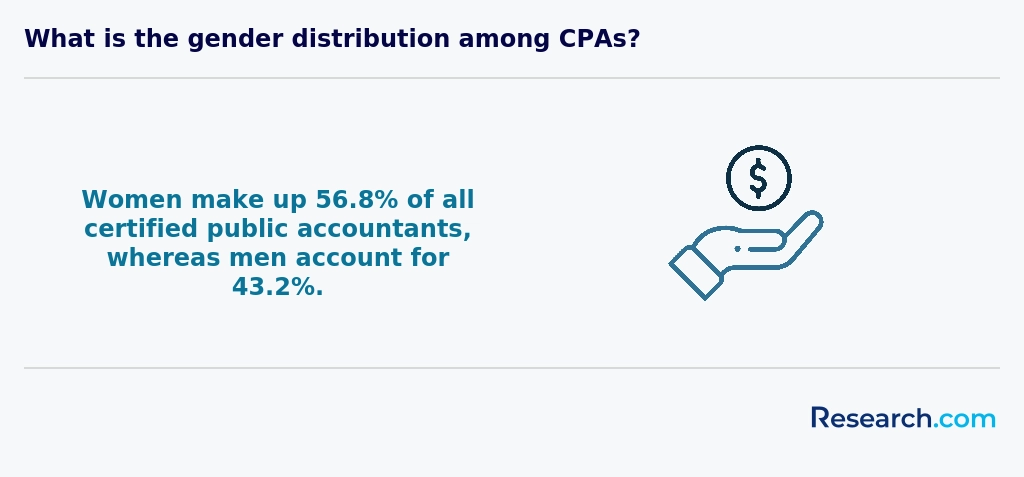
Investing in an accounting degree in Colorado not only enhances your professional skills but also offers a compelling return on investment over the long term. When evaluating ROI, prospective students should consider the balance between tuition costs, financial aid opportunities, and future earnings. Many graduates report that the competitive accounting salary they attain shortly after graduation justifies the initial expense, with long-term career growth often outpacing the rising costs of education. Detailed comparisons of program fees, internship experiences, and post-graduation trajectories can help you measure expected earnings against your educational investment. This analysis is especially crucial in a state where diverse opportunities-from public accounting to forensic specialties-can lead to significant financial rewards. Emphasizing cost-effectiveness and strategic planning, integrating ROI considerations into your decision-making process ensures that you are not only selecting a program that meets your academic needs but also one that positions you for financial success in the competitive accounting field.
If you're studying accounting in Colorado, there's plenty of financial aid to help lighten the load. Many students start with the FAFSA to tap into federal grants like the Pell Grant, which can cover up to $7,395 a year if you qualify. This was a game-changer for one graduate from the University of Colorado Denver, who said it made finishing their degree way less stressful.
State programs also play a big role. The Colorado Opportunity Scholarship Initiative (COSI) is perfect for accounting majors and offers grants that can really chip away at tuition. Plus, schools like Colorado State University offer scholarships tailored specifically for accounting students based on grades and community work.
Many students balance work-study jobs related to accounting, gaining practical experience while earning some cash. It's a win-win that helped a recent graduate at Denver's Metropolitan State University build their resume and pay bills at the same time.
- Federal Pell Grants up to $7,395 annually for eligible students
- Colorado Opportunity Scholarship Initiative grants aimed at accounting majors
- Institution-specific scholarships, such as those at University of Colorado Denver
- Federal Direct Loans with competitive interest rates
- Work-study programs to gain experience and earn income during studies
If you're thinking about enrolling in an accounting degree program in Colorado, you'll want to have some basics covered first. Most schools here, like the University of Colorado Boulder, expect you to have a high school diploma or something similar, like a GED. Math classes, especially algebra and sometimes statistics, are key because accounting leans heavily on those skills. It's not just numbers, though-strong writing and communication skills really help, too, and many programs value a solid background in English.
Some students sharing their experiences from Colorado State University say they chose to submit their SAT or ACT scores because it boosted their chances, even when the schools didn't strictly require them. For transfer students, showing you've already taken courses like microeconomics, macroeconomics, or financial accounting makes the transition much smoother.
Graduate programs typically want you to bring a bachelor's degree and sometimes expect you to have a few prior accounting or finance courses under your belt. It's a bit of prep, but grads often say it feels rewarding once you're deep into those business classes specialized in accounting.
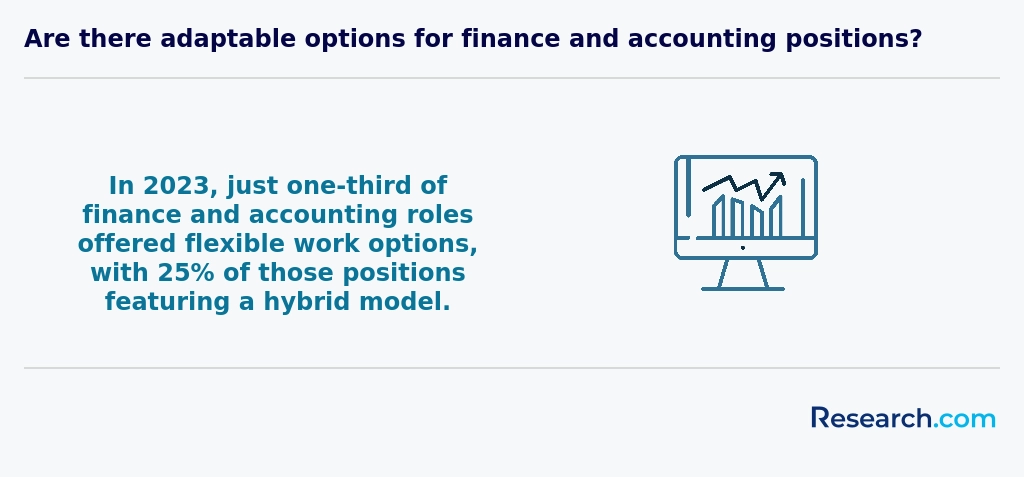
Colorado’s top accounting programs consistently deliver strong graduation and employment metrics, underscoring their value: • University of Colorado Boulder – Graduation Rate: 87% within six years – Employment Rate: 94% of graduates employed or in graduate study within six months • Colorado State University – Graduation Rate: 85% within six years – Employment Rate: 92% secured full-time positions within three months • University of Denver – Graduation Rate: 90% within six years – Employment Rate: 96% employed in accounting or finance roles within six months Average Student Satisfaction: Across these institutions, alumni report an average satisfaction score of 4.6 out of 5, citing rigorous career services, active alumni networks, and hands-on internships as key factors. Return on Investment (ROI): – Median Student Debt at Graduation: $21,000 – Median Starting Salary: $60,000 – Estimated Payback Period: Approximately 4 years For prospective students balancing cost against outcomes, Colorado’s public universities offer strong ROI, while accredited online options can further reduce expenses. Many candidates explore cheap online accounting degrees that match on-campus graduation and placement rates but at lower tuition. By prioritizing schools with proven graduation success and robust career support, you can maximize both your educational investment and long-term earning potential in Colorado’s dynamic accounting landscape.
If you're diving into an accounting degree in Colorado, expect to tackle a mix of solid business basics and hands-on accounting courses. Graduates from schools like the University of Colorado Boulder often mention how useful classes like Introduction to Financial Accounting and Managerial Accounting were in getting a real feel for how businesses keep their books.
Alongside those essentials, you'll get into deeper stuff like Intermediate Financial Accounting and Taxation, which really prep you for the CPA exam and day-to-day work in tax firms or accounting departments.
Many students enjoy how programs at places such as Colorado State University combine theory with real-world skills-think auditing practices and using accounting software that helps you analyze data efficiently. It's like being able to solve puzzles with numbers, which feels pretty rewarding.
Plus, courses on ethics and business law give you confidence that you're not just crunching numbers but also understanding the rules that keep everything above board in Colorado's financial world.
If you're looking into an accounting degree in Colorado, you'll find plenty of options to tailor your studies to what really excites you. Many graduates from well-known schools like the University of Colorado Boulder or Colorado State University mention how their programs offer a variety of popular accounting degree specializations in Colorado such as auditing, tax accounting, forensic accounting, management accounting, and financial accounting. These areas let you dive deep into what fits your future career best.
For example, if you enjoy detective work, forensic accounting is becoming a hot field here-especially with rising financial fraud cases. Other students find management accounting super practical, helping businesses with budgeting and decision-making. And those focusing on tax accounting get a valuable edge by learning both federal and Colorado's unique tax rules, perfect for residents.
Picking your focus will help you better understand the career paths and even potential accounting salary outcomes you can expect after graduation. This kind of hands-on specialization is part of what makes Colorado accounting degree concentration options so appealing for students ready to jumpstart their careers.
Picking the best accounting degree in Colorado means thinking about what suits your lifestyle and career goals. Graduates from schools like the University of Colorado Boulder rave about the solid AACSB accreditation, which sets them up well for CPA exam prep and real-world auditing or tax work. If you're balancing work and study, look for flexible programs around Denver or Boulder that offer evening classes or online options. This way, you can keep your day job while earning your degree.
Cost is another biggie. Public universities are much friendlier on the wallet with annual in-state tuition around $10,000 to $12,000, while private schools can top $30,000 a year. If budget is tight, exploring cheap online accounting degrees can be a smart move that still delivers quality education.
Many graduates from Colorado State University highlight how the curriculum's focus on forensic accounting and taxation gave them an edge in landing good gigs. Plus, being close to top accounting firms boosts internship chances, which is key for getting your foot in the door. So, balance accreditation, cost, course offerings, and location to find your perfect fit among the best accounting degree programs Colorado has to offer.
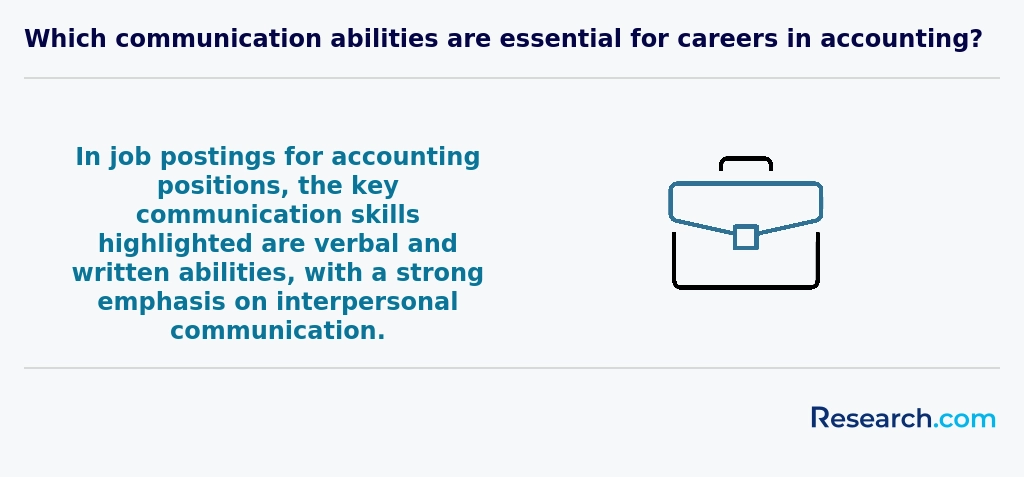
If you're wondering what career paths are available for accounting degree graduates in Colorado, there's plenty to choose from! Many go into public accounting, working for everything from big firms in Denver to smaller local setups. These grads often aim for their CPA license, which Colorado requires with its 150 semester hours plus exam and experience. It really pays off, especially in a state where companies and government agencies need pros to keep finances straight.
Other graduates jump into private accounting roles, handling budgeting or financial analysis inside companies. With Colorado's booming economy, jobs like corporate accountant or internal auditor are pretty common, and the salaries-around $74,000 median-make it worth the grind. You'll find folks from popular schools around Boulder or Denver who love the variety and stability these jobs offer.
There are also unique paths like forensic accounting or managerial roles that blend tech skills and data analytics, which are hot in Colorado's innovative scene. For those curious about costs, many students look to the Inexpensive Online Master's in Accounting Degree Programs Ranking in the Northeast to balance price and quality while exploring accounting career opportunities in Colorado.
Government accounting is another path grads take, enjoying job security by managing budgets for local or state agencies. Overall, jobs with an accounting degree in Colorado come with solid prospects and lots of room to grow, no matter what your passion is.
If you're thinking about accounting job opportunities in Colorado, things look pretty bright. Graduates from popular schools like the University of Denver or Colorado State University find plenty of openings, especially around Denver's busy corporate scene. Because Colorado's economy is growing, the demand for accountants is solid, with entry-level salaries typically between $55,000 and $65,000. Many graduates share how internships during their studies helped them build connections and land jobs faster.
Colorado accounting degree employment outlook also gets a boost from industries like healthcare and technology, which are always hungry for skilled accountants. Graduates often mention how earning certifications like the CPA while studying helped them earn higher wages and stand out from the crowd. If you're worried about tuition costs, many local public universities offer rates around $11,000 to $12,500 annually for in-state students, making it easier to plan your finances.
Plus, some students find success by exploring options like the best associate degree in 6 months online accredited to kickstart their careers quickly without sacrificing quality education.
2027 Most Valuable Accounting Degree Programs Ranking in Colorado
Investing in your education is a significant decision that can shape your future, and the Research.com team understands the importance of making informed choices. To assist prospective students in Colorado, we have meticulously developed the "2027 Most Valuable Accounting Degree Programs Ranking in Colorado." Our commitment to quality, credibility, and accuracy is evident through the thorough research and analysis involved in creating this ranking.
We utilized the following reputable data sources to ensure a comprehensive evaluation of accounting programs:
By exploring this ranking, readers will gain valuable insights into the most valuable accounting degree programs in Colorado, empowering them to make informed decisions about their educational investment. For more details on our methodology, please visit our Research.com methodology page.
# 1 position
Colorado State University Global
Bachelor of Science in Accounting

# 2 position
Colorado State University Global
Master of Professional Accounting
# 3 position
Colorado Technical University-Colorado Springs
Bachelor of Science in Accounting


# 10 position
Colorado Christian University
Bachelor of Science in Accountancy

Frequently Asked Questions About accounting
Accounting degree students in Colorado can maximize their learning experience by engaging actively in both coursework and practical opportunities. Colorado is home to several accredited institutions offering accounting programs that align with the CPA exam requirements, which is crucial for career advancement. Students should seek internships within local firms in Denver or Boulder, where the concentration of businesses offers real-world exposure. Joining professional organizations such as the Colorado Society of Certified Public Accountants provides networking and continuing education resources. Additionally, Colorado students benefit from strong statewide support for accounting certifications, as noted by the National Association of State Boards of Accountancy.
Participating in workshops that focus on emerging areas like forensic accounting or tax law can also enhance skills. Leveraging Colorado's growing economy, especially the tech and energy sectors, helps students understand diverse financial environments. Utilizing campus resources like tutoring centers and accounting clubs encourages peer learning and academic success. Staying informed about updates to the Uniform CPA exam and Colorado's own licensing criteria improves exam readiness. These efforts collectively strengthen students' competitiveness in Colorado's dynamic job market.
The accounting field in Colorado is evolving with several emerging niches attracting new talent. One rapidly growing area is forensic accounting, which focuses on investigating financial fraud and legal disputes. This niche is becoming increasingly important due to rising corporate regulatory demands and white-collar crime.
Another promising specialty is environmental accounting, reflecting Colorado's commitment to sustainability and green business practices. Professionals in this field help organizations track environmental costs and compliance, aligning with state policies on clean energy.
Additionally, healthcare accounting is expanding in Colorado, driven by the state's sizeable healthcare sector. This niche involves managing complex billing, insurance, and regulatory financial reporting.
Data analytics in accounting is also gaining momentum, with firms seeking accountants skilled in technology to analyze big data and automate processes.
According to the Colorado Department of Labor and Employment, such specialized roles are expected to grow faster than traditional accounting positions over the next decade.
After earning an accounting degree in Colorado, it is crucial to build relevant professional experience to improve job prospects. Internships and volunteer opportunities with Colorado firms or government agencies provide hands-on skills and local networking. The Colorado Department of Labor notes that strong connections help graduates access positions in Denver and Boulder, key hubs for accounting careers. Pursuing certifications like the Certified Public Accountant (CPA) enhances credibility; Colorado requires 150 semester hours and passing the Uniform CPA Exam. Additionally, developing proficiency in accounting software widely used in the state, such as QuickBooks and Sage, is beneficial. Joining state accounting associations also supports career growth.
Employers in Colorado highly value accounting graduates who demonstrate strong technical skills, including proficiency in accounting software such as QuickBooks and Excel. Knowledge of Generally Accepted Accounting Principles (GAAP) and familiarity with tax regulations specific to Colorado are also critical. Communication skills are essential, as accountants must clearly explain financial information to clients and colleagues.
Analytical thinking is another top skill; many Colorado employers seek graduates who can interpret data trends and contribute to strategic decision-making. According to the Colorado Department of Labor and Employment, demand for accountants is projected to grow by 6% through 2030, emphasizing the need for adaptability and problem-solving abilities in changing economic conditions.
Finding accounting internships in Colorado involves leveraging resources both on and off campus. Many universities, such as the University of Colorado Boulder and Colorado State University, offer dedicated career centers with internship listings tailored to accounting students. Additionally, the Colorado Society of Certified Public Accountants (COCPA) provides networking events and internship opportunities, which are highly recommended for hands-on experience.
Local businesses in Denver and other metropolitan areas often post openings on platforms like Handshake and LinkedIn. According to the U.S. Bureau of Labor Statistics, Colorado's accounting employment is projected to grow by 8% through 2030, highlighting increasing internship availability. Connecting with faculty and alumni can further enhance access to relevant internships in the state.
Obtaining an accounting degree in Colorado significantly enhances career mobility and advancement opportunities. Many employers in Colorado prefer candidates with a bachelor's or higher in accounting, as it meets the educational requirements for Certified Public Accountant (CPA) licensure in the state. CPA certification is vital for career growth, often leading to higher salaries and leadership roles in firms or corporations.
Colorado's growing economy, especially in Denver and Boulder, supports a strong demand for skilled accountants. According to the U.S. Bureau of Labor Statistics, accountants and auditors in Colorado earn a median annual wage above the national average, reflecting the value of formal education.
Furthermore, an accounting degree provides foundational knowledge in auditing, tax, and financial analysis, making professionals adaptable to various industries within Colorado's diverse economy.
Studying for an accounting degree in Colorado equips students with skills that extend beyond traditional accounting. Programs often integrate coursework in finance, economics, and information systems, preparing graduates for interdisciplinary roles in business and technology sectors. Colorado's colleges emphasize practical experience, encouraging internships with firms that blend accounting with data analysis, IT, and management.
According to the Colorado Department of Higher Education, over 65% of accounting graduates find roles requiring knowledge across multiple disciplines. This prepares students for diverse careers, such as financial consulting, forensic accounting, and corporate strategy, which demand both technical and analytical abilities.
Additionally, many Colorado universities collaborate with local industries, fostering skills in communication and problem-solving. This interdisciplinary approach reflects current market needs and boosts graduates' employability statewide.
Choosing between a thesis and a non-thesis accounting degree program in Colorado depends largely on your career goals and interests. A thesis program usually requires conducting original research, suitable for students considering a PhD or careers in academia. It fosters strong analytical and writing skills. Non-thesis programs focus more on practical coursework and may include internships or capstone projects, ideal for those aiming to enter the workforce quickly.
colorado is home to universities like the University of Colorado Boulder, which offers both options. According to the Colorado Department of Higher Education, accounting graduates in the state see an average starting salary of around $60,000, with thesis students often pursuing higher-level roles.
Consider your long-term plans carefully to decide which path aligns best with your ambitions and learning style.
Students based in Colorado seeking to study accounting abroad have several pathways through partnerships between Colorado institutions and foreign universities. Many universities in Colorado, such as the University of Colorado Boulder and Colorado State University, offer study abroad programs tailored to business and accounting students. These programs provide opportunities to earn credits toward their degree while gaining international experience.
Additionally, Colorado accounting students can benefit from exchanges and internships in countries with strong accounting standards, including the United Kingdom, Australia, and Canada. These experiences help comply with the diverse requirements of certifications like the CPA, which is essential in the U.S. market.
According to NAFSA: Association of International Educators, Colorado ranks in the top 15 U.S. states for outbound study abroad students, signaling solid support for such options.
Students pursuing accounting degrees in Colorado have diverse part-time job opportunities that enhance their education. Common roles include bookkeeping assistant, tax preparer, and audit intern, frequently offered by local accounting firms or businesses. These positions help develop practical skills in financial reporting, tax regulations, and data analysis.
Colorado's strong economic sectors-such as finance, healthcare, and tech-often seek part-time accounting support, providing hands-on experience in various industries. According to the Colorado Department of Labor and Employment, accounting-related jobs in the state are expected to grow by 8% from 2022 to 2032.
Additionally, many students find campus-based roles in university financial offices or research centers, which complement their coursework with real-world applications.
Accounting students in Colorado have access to a range of valuable networking opportunities that connect them with professionals and peers. Many universities, such as the University of Denver and Colorado State University, host accounting clubs and honor societies where students can engage with local CPA professionals.
Additionally, the Colorado Society of Certified Public Accountants (COCPA) offers events, mentorship programs, and career fairs tailored to accounting students. This organization supports over 5,000 members statewide, providing a significant network for internships and job placements.
Regional conferences and workshops also offer chances to build contacts within Denver's growing financial sector, which employed over 30,000 accountants as of recent BLS data.
Alumni networks in Colorado provide valuable support for accounting degree students by offering mentorship opportunities and professional connections. Many accounting programs in the state maintain active alumni groups, which help students navigate the competitive job market. According to the Colorado Society of Certified Public Accountants, nearly 70% of accounting graduates secure employment through personal referrals, often facilitated by alumni contacts. These networks also provide access to internships and job openings at top firms in Denver, Boulder, and Colorado Springs. Furthermore, alumni often share industry insights and advice on CPA exam preparation, enhancing students' chances of certification and career advancement in Colorado's growing accounting sector.
Students pursuing an accounting degree in Colorado can tailor their programs by selecting specialized courses aligned with their career goals. Many Colorado universities offer concentrations such as forensic accounting, tax accounting, or auditing, enabling focused skill development. Additionally, Colorado's accounting programs often include options for internships or cooperative education, helping students gain practical experience within local industries.
Colorado's Division of Registrations notes that accounting professionals in the state benefit from well-rounded education due to evolving state tax laws and business environments. Students can also prepare for CPA licensure by choosing programs that meet the Colorado State Board's 150 credit-hour requirement.
Flexibility in elective choices and experiential learning opportunities are key features allowing degree customization in Colorado.
Accounting students in Colorado often face several challenges related to coursework and professional preparation. Many find mastering complex topics like tax law, auditing, and financial reporting demanding due to the technical nature of these subjects.
Balancing rigorous study schedules with part-time work is another common issue, as Colorado's cost of living can strain student budgets. According to the Colorado Department of Higher Education, about 40% of accounting students work during their studies, which impacts study time.
Furthermore, navigating the Certified Public Accountant (CPA) exam requirements in Colorado can be overwhelming. The state requires 150 semester hours and specific coursework, which can extend degree completion time and add financial pressure.
Limited local internship opportunities in smaller cities pose an additional hurdle, restricting practical experience essential for job placement.
With an accounting degree in Colorado, you can pursue several key professional certifications to enhance your career prospects. The most popular certification is the Certified Public Accountant (CPA), which requires passing the Uniform CPA Exam and meeting Colorado's specific education and experience standards. According to the Colorado State Board of Accountancy, over 25,000 CPAs are licensed in the state.
Other valuable credentials include the Certified Management Accountant (CMA) and Certified Internal Auditor (CIA), recognized nationally and respected among employers.
These certifications can significantly increase job opportunities and earning potential within Colorado's growing finance and business sectors.
To write a winning application for an accounting program in Colorado, start by thoroughly researching the schools you are interested in. Many Colorado universities, like the University of Denver and Colorado State University, emphasize a strong GPA-often a minimum of 3.0-for admission into their accounting programs.
Highlight relevant experience, such as internships or part-time jobs in finance or bookkeeping, to demonstrate practical skills. Colorado's accounting job market is growing, with the Denver metro area expecting a 7% increase in accounting roles by 2028, according to the U.S. Bureau of Labor Statistics.
Be sure to craft a clear personal statement explaining why you want to study accounting in Colorado, referencing local industry connections or faculty expertise if possible. Also, request strong recommendation letters from professors or employers familiar with your work ethic and academics.
Accounting is a profession with strong global relevance, yet its foundations remain tied closely to national standards and regulations. In the United States, including Colorado, accounting degrees prepare students for careers that align with U.S. Generally Accepted Accounting Principles (GAAP). However, globally, many countries use the International Financial Reporting Standards (IFRS), which adds an international dimension to the knowledge accounting professionals must acquire.
For Colorado students, understanding these global standards can be an advantage, as multinational companies value accountants who can bridge domestic and international financial practices. According to the Bureau of Labor Statistics, the demand for accountants in Colorado is expected to grow by 6% through 2030, reflecting a need for professionals well-versed in both U.S. and global accounting concepts.
Furthermore, certifications like the CPA (Certified Public Accountant) remain paramount in the U.S., while international credentials such as ACCA or CIMA bolster global mobility for accountants. This global perspective is essential for those aiming to work beyond Colorado or with international clients.
Gaining practical experience while studying for an accounting degree in Colorado is crucial for career readiness. Many universities offer internship programs that connect students with local accounting firms, corporations, and government agencies. According to the Colorado Department of Labor and Employment, internships in accounting-related fields have grown by 12% over the past five years, reflecting increased opportunities for hands-on learning.
Students can also participate in cooperative education (co-op) programs, which combine coursework with paid, real-world work assignments. Additionally, joining campus accounting clubs and attending networking events hosted by organizations like the Colorado Society of Certified Public Accountants (COCPA) helps build professional connections.
Choosing the right concentration within an accounting degree program in Colorado depends on your career goals and interests. Popular concentrations include forensic accounting, tax accounting, auditing, and management accounting. Each offers different skills suited to various roles in public accounting firms, corporations, or government agencies.
The Colorado Department of Labor reports that tax accountants and auditors make up a significant portion of the state's accounting workforce, reflecting strong local demand. Students should also consider programs accredited by the AACSB, which are recognized for quality education and can improve job prospects.
Internships and networking with Colorado-based firms can help identify which concentration aligns best with your strengths and the state's job market. Exploring course offerings and speaking to academic advisors further supports informed decision-making.
- 2027 Most Valuable Accounting Degree Programs Ranking in Arizona
- 2027 Most Valuable Accounting Degree Programs Ranking in Idaho
- 2027 Most Valuable Accounting Degree Programs Ranking in Arkansas
- 2027 Most Valuable Accounting Degree Programs Ranking in Louisiana
- 2027 Most Valuable Accounting Degree Programs Ranking in Minnesota
- 2027 Most Valuable Accounting Degree Programs Ranking in Illinois
- 2027 Most Valuable Accounting Degree Programs Ranking in Indiana
- 2027 Most Valuable Accounting Degree Programs Ranking in Kentucky
- 2027 Most Valuable Accounting Degree Programs Ranking in Alabama
- 2027 Most Valuable Accounting Degree Programs Ranking in Georgia
See What Experts Have To Say About Studying Accounting
Read our interview with Accounting experts

John Wermert, Ph.D., CPA
Accounting Expert
Associate Professor of Accounting
Middle Tennessee State University


- Get Ahead in Accounting: Ways to Build Relevant Work Experience https://www.fctraining.org/gain-accounting-work-experience.php
- Colorado CPA Requirements | Accounting.com https://www.accounting.com/states/colorado-cpa/
- Guide to Transition into an Accounting Career https://teach.com/online-ed/business-degrees/online-masters-accounting/how-to-transition-to-an-accounting-career/
- Challenges Faced by Accounting Students https://www.onlineassignment-expert.com/blog/what-are-the-challenges-faced-by-accounting-students
- Jobs you can get with a degree in Accounting | Monroe University https://www.monroeu.edu/academics/undergraduate-programs/school-business-and-accounting/jobs-with-degree-in-accounting
- How to Integrate Service Learning into the Accounting Classroom | IMA https://www.sfmagazine.com/articles/2024/august/how-to-integrate-service-learning-into-the-accounting-classroom
- Why CA Firms Can't Afford to Overlook Alumni Networks: A Key Strategy for Growth and Success https://hoopstr.ai/corporate-resource-center/blog/why-ca-firms-need-to-adopt-corporate-alumni-programs-for-growth-and-success-in-a-changing-industry
- Pardon Our Interruption https://www.coloradotech.edu/degrees/studies/business-and-management/articles/what-can-i-do-with-accounting-degree
- How to Meet Accounting Degree Requirements for Career Success - ICMS https://www.icms.edu.au/degree-discovery/how-to-meet-accounting-degree-requirements/
- Associate of Arts & Sciences Degree & Certificate Program in Accounting https://www.frontrange.edu/programs-courses/program-list/accounting.html