2027 Most Valuable Accounting Degree Programs Ranking in Milwaukee

Co-Founder and Chief Data Scientist
Choosing the right accounting degree program in Milwaukee can feel overwhelming. To help, the Research.com team of data scientists created the 2027 Most Valuable Accounting Degree Programs Ranking in Milwaukee. This article breaks down those rankings to guide you toward programs that offer real value and strong career potential.
Reading this article will give you clear insights, making it easier to find a program that fits your goals. Earning an accounting degree opens doors to rewarding opportunities and personal growth.
Key benefits of getting accounting degree in Milwaukee
- Salary for accounting degree graduates: Graduates in Milwaukee can expect competitive earnings, with roles like Staff Accountant averaging an annual wage of $90,780 and hourly wage of $43.65, while other positions such as Bookkeeper and Tax Preparer earn around $49,580 annually.
- Career paths: An accounting degree from a popular Milwaukee college opens doors to diverse roles including auditing, tax preparation, and accounts payable, offering steady growth and rewarding opportunities in local businesses and firms.
- Online degree benefits: Earning an accounting degree online from a respected Milwaukee institution provides flexibility for working students, allowing them to balance life while gaining the same valuable skills and recognition as traditional degrees.
- 2027 Most Valuable Accounting Degree Programs Ranking in Milwaukee
- What can I expect from accounting degree in Milwaukee?
- Where can I work with accounting degree in Milwaukee?
What can I expect from accounting degree in Milwaukee?
The average cost of pursuing an accounting degree in Milwaukee varies, but public institutions like the University of Wisconsin-Milwaukee (UWM) tend to offer more affordable tuition, especially for in-state students. Graduates often reflect on striking a balance between manageable costs and valuable educational experiences that prepare them for local job markets.
For many, finding an accounting program isn't just about tuition numbers; it's about connecting with practical opportunities. At Marquette University, students appreciate the investment knowing it leads to strong CPA exam preparation and access to internships within Milwaukee's vibrant business community. One graduate described feeling confident entering the workforce, attributing that to the program's rigor paired with real-world experience.
Choosing a Milwaukee institution means tapping into a network of support through organizations like the Wisconsin Institute of Certified Public Accountants (WICPA), which encourages continuing education beyond the classroom without excessive financial strain. This blend of resources and reasonable tuition costs challenges the idea that quality accounting education requires sacrificing financial peace of mind.
Where can I work with accounting degree in Milwaukee?
Graduates with an accounting degree in Milwaukee often find themselves immersed in a dynamic job landscape that defies simple expectations. Many alumni from institutions like Marquette University or the University of Wisconsin-Milwaukee begin their careers in well-known public accounting firms such as Baker Tilly or Wipfli, where they refine skills in auditing and tax preparation amidst fast-paced, real-world challenges. These experiences can be exhilarating, as the work directly influences businesses and clients alike.
Others discover fulfilling roles within Milwaukee's robust manufacturing sector, stepping into positions like cost accountants or financial analysts. Imagine managing budgets for a company that produces essential goods; this creates a strong sense of purpose and impact on the local economy. Beyond corporations, government agencies and nonprofits also actively seek accounting talent, offering roles that provide stability and community-driven satisfaction-such as overseeing city budgets or ensuring nonprofit compliance.
These varied paths underscore that an accounting degree in Milwaukee opens doors not just to jobs, but to careers that shape organizations and lives in tangible ways.
Graduates with an accounting degree from Milwaukee's well-regarded institutions like Marquette University or the University of Wisconsin-Milwaukee often find themselves stepping into roles where salaries reflect both their hard-earned skills and regional economic realities. For example, staff accountants in Milwaukee earn a mean annual wage of around $90,780, a number that sparks excitement for many recent grads balancing student loans and living expenses.
Some graduates begin their careers in positions such as bookkeeper, tax preparer, or accounts payable clerk, where the average annual salary hovers near $49,580. While these roles may feel entry-level, they offer a crucial foothold in the local market and valuable experience for advancement.
Alumni often share how securing certifications like the CPA or gaining experience auditing can elevate their earnings well beyond these figures. The city's diverse employers-from nonprofits to manufacturing firms-embrace accounting expertise, meaning your accounting degree can unlock a stable and rewarding career path with salaries that grow in tandem with your professional development.
- Tuition and fees for accounting degrees in Milwaukee range from about $7,000 to $15,000 per year for in-state students.
- Starting salaries for accounting graduates in Milwaukee typically range between $50,000 and $60,000 annually.
- Experienced accountants in Milwaukee can earn between $70,000 and $90,000 per year, depending on role and certifications like CPA.
- Employment for accountants in Milwaukee is projected to grow by about 7% over the next decade, which is above the national average.
- Many Milwaukee programs include CPA exam preparation and offer local internships to improve job prospects.
In Milwaukee, completing an accounting degree often aligns with the familiar four-year journey experienced nationwide, especially at universities like the University of Wisconsin-Milwaukee and Marquette University. Graduates often reflect on the rhythm of full-time study-120 to 130 credit hours transformed into a meaningful career foundation. Yet, the timeline isn't rigid; many find themselves balancing part-time enrollment alongside work, stretching their degree completion to five or six years without losing momentum or dedication.
For those chasing advanced credentials, the path extends naturally. Master's degrees in accounting, taxation, or finance typically add one to two years beyond a bachelor's. Graduates often share the relief of this investment, knowing it sharpens their edge for CPA licensure-a crucial step in Wisconsin, where the 150 semester-hour requirement nudges many toward combined degrees.
Flexibility shapes the story for others. Accelerated programs in Milwaukee create opportunities to finish a bachelor's in as little as three years, though they demand grit and intense focus. This trade-off challenges students to weigh personal capacity against ambition. These varied experiences underscore that how long it takes truly depends on individual goals and circumstances in Milwaukee's dynamic academic landscape.
As the accounting landscape continues to evolve, staying informed about emerging trends is crucial for both current students and practicing professionals. In recent years, digital transformation has reshaped how accounting functions are performed, from automating routine tasks with cloud-based software to embracing data analytics for deeper financial insights. Innovations in artificial intelligence and blockchain are further enhancing transparency and efficiency in financial reporting, setting a new standard for the industry. In addition, the increasing complexity of global tax regulations and the need for rigorous compliance measures are driving demand for specialized skills. For example, as businesses and regulatory bodies look to mitigate financial fraud, forensic accounting careers have become an attractive option for graduates who wish to combine analytical rigor with investigative practices. Moreover, remote work trends and flexible online learning platforms are enabling professionals to pursue advanced certifications and master new technologies with ease. As these shifts continue, accounting programs in Milwaukee and beyond are increasingly integrating emerging topics into their curricula to produce graduates who are not only equipped with foundational knowledge, but also ready to leverage cutting-edge tools and methodologies in their careers. Embracing these changes not only prepares accounting professionals for the challenges ahead, but also positions them to seize a broader range of opportunities in the dynamic financial landscape.
Choosing between online and on-campus accounting degrees in Milwaukee often reveals surprising contrasts beyond just location. Graduates from traditional programs at popular universities like the University of Wisconsin-Milwaukee often recount the energizing buzz of face-to-face classes, where real-time discussions and instant feedback ignite deeper understanding. Hands-on access to campus facilities and local networking events opens doors to job opportunities with Milwaukee accounting firms that actively recruit on-site.
In contrast, online students cherish the flexibility to balance work and family without sacrificing quality. Many online graduates highlight the convenience of virtual classrooms that adapt to their schedules, especially when juggling responsibilities. For example, online programs at UW-Milwaukee offer tuition costs 20-40% lower than their on-campus counterparts, relieving financial pressure while delivering comparable academic rigor.
However, the sense of community online might feel less tangible. On-campus students often describe a stronger emotional connection, fueled by in-person collaborations and shared moments. Yet, well-designed online programs strive to replicate this through live sessions and virtual networking, helping students feel connected despite the distance.
The average cost of an accounting degree in Milwaukee generally falls around $55,997, a figure that reflects a blend of both public and private institution expenses. Graduates often recall that attending a public university such as the University of Wisconsin-Milwaukee made their education more manageable, especially as in-state tuition typically lowers overall costs to around $43,640. This makes pursuing an accounting degree in Milwaukee financially feasible for many local students who aim to balance quality with affordability.
On the other hand, graduates from private institutions, like Marquette University, share stories of higher tuition's impact on their decision-making, with total costs closer to the median but leaning toward the upper end due to additional fees and living expenses. Many emphasize the importance of researching financial aid opportunities because these can significantly ease the burden beyond the sticker price. This perspective encourages future students to look deeper than face value when considering Milwaukee accounting degree tuition fees.
One common reflection from students is how vital it is to consider additional costs such as textbooks and mandatory fees, which can add thousands annually. They also highlight how options like credit transfer policies and online courses can reduce overall expenses or accelerate completion-elements that alter the true price tag in Milwaukee's educational landscape.
Those curious about attending one of the most valuable accounting programs in Wisconsin can find more insights by exploring the valuable accounting school in wisconsin, helping to make a well-informed choice. Balancing cost with educational quality remains essential for anyone considering the average cost of accounting degree Milwaukee options today.
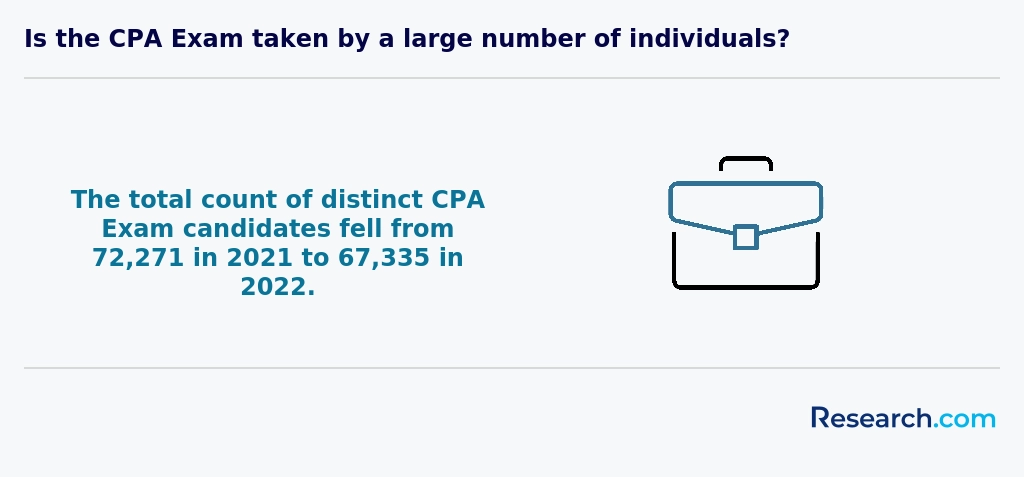
To make an informed decision about which accounting school in Milwaukee, WI, is the best fit, prospective students should consider several factors, including accreditation, curriculum, and cost. One crucial aspect to look into is the ranking of accounting schools, which can provide valuable insights into the quality of education and job placement rates. For instance, researching the valuable accounting school in wisconsin can help students understand how different programs compare in terms of affordability, faculty expertise, and alumni success. By exploring these rankings and evaluating factors such as program format, career services, and networking opportunities, students can choose an accounting program that aligns with their career goals and sets them up for success in the competitive job market.
Financial aid for accounting students in Milwaukee isn't just about filling out the FAFSA-it's a layered experience that can truly shape your journey. Graduates from Marquette University and UW-Milwaukee often share how federal aid, like Pell Grants, eased their tuition burden by thousands, making full-time study feel possible without overwhelming debt. Imagine balancing late-night study sessions with the relief of knowing your student loans come with manageable interest rates.
State grants, such as the Wisconsin Grants Program, bring another level of support, reducing tuition costs at in-state public universities and private nonprofit colleges alike. Many Milwaukee students discover these grants open doors to internships with local accounting firms, thanks to scholarships partnered through the Milwaukee Chapter of the Institute of Management Accountants.
What often surprises new students is employer-driven aid. Those who juggle part-time jobs in Milwaukee's vibrant financial sector find tuition reimbursement programs transforming their educational dreams into achievable goals. This mosaic of financial aid makes pursuing an accounting degree here not only feasible but an empowering story of opportunity.
Earning professional credentials is a critical step for accounting graduates aiming to advance their careers and command higher salaries. In Wisconsin, the Certified Public Accountant (CPA) designation is governed by the Wisconsin Department of Regulation and Licensing and requires 150 semester hours of college credit, including specific coursework in accounting, auditing, and business law. Candidates must pass the Uniform CPA Examination-comprised of Auditing and Attestation (AUD), Business Environment and Concepts (BEC), Financial Accounting and Reporting (FAR), and Regulation (REG)-within an 18-month rolling window and complete at least one year of accounting experience under a licensed CPA’s supervision. Beyond the CPA, many Milwaukee graduates pursue the Certified Management Accountant (CMA) credential offered by the Institute of Management Accountants, which emphasizes financial planning, analysis, control, and decision support. To qualify, candidates need a bachelor’s degree, two years of professional experience in management accounting or financial management, and must pass a two-part exam covering Financial Planning, Performance and Analytics, and Strategic Financial Management. Other valuable certifications include the Certified Internal Auditor (CIA) and Certified Fraud Examiner (CFE), each with its own eligibility criteria and examination process that enhance skills in auditing and forensic investigations. Preparation strategies for these rigorous exams often involve review courses, study groups, and practice simulations. Graduates report that leveraging online prep providers and university-affiliated review seminars significantly boosts pass rates. When budgeting for the additional credit hours and exam fees, prospective students can also explore affordable degree pathways-such as our Inexpensive Accounting Degree Programs Ranking in the Northeast-to minimize educational debt before embarking on certification. Maintaining licensure requires continuing professional education (CPE) credits-120 hours every three years for CPAs in Wisconsin-which ensures accountants stay current with evolving standards, regulations, and technology. Many local firms and professional associations, including the Wisconsin Institute of Certified Public Accountants (WICPA), host workshops and webinars that count toward CPE, fostering a culture of lifelong learning and ethical excellence in Milwaukee’s accounting community.
To enroll in an accounting degree program in Milwaukee, the path often begins with a high school diploma or equivalent. Graduates from local institutions like the University of Wisconsin-Milwaukee frequently recall how meeting a 2.5 to 3.0 GPA, especially excelling in algebra and statistics, laid the groundwork for their confidence and success. This isn't just bureaucracy-it's the baseline that ensures you're prepared to tackle complex financial problems.
Some institutions may ask for SAT or ACT scores, focusing heavily on math sections, though many have embraced test-optional policies. International students often highlight how demonstrating English proficiency through TOEFL or IELTS opened doors they initially thought were closed in Milwaukee's competitive academic environment.
- Completing prerequisite courses such as introductory economics or financial literacy is common, providing a practical edge before fully diving into accounting studies
- Graduate programs demand a completed bachelor's, often in accounting, emphasizing readiness by requiring foundational coursework
Graduates frequently share that beyond grades, submitting compelling recommendation letters and personal statements transforms applications from mere paperwork into stories of ambition and dedication that Milwaukee colleges value deeply.
Aspiring accountants in Milwaukee must meet Wisconsin’s CPA licensure standards, which include education, examination, experience, and ethics components to ensure readiness for professional practice. Many students choose accelerated accounting degree programs to efficiently complete the required 150 semester credit hours. Education Requirements
- A bachelor’s degree (or higher) with at least 150 semester credit hours from a regionally accredited institution.
- Minimum coursework: 24 semester hours in accounting subjects (e.g., financial accounting, auditing, taxation) and 24 semester hours in business-related fields (e.g., finance, management, economics). Uniform CPA Examination
- Four sections: Auditing & Attestation, Business Environment & Concepts, Financial Accounting & Reporting, Regulation.
- Candidates must pass all sections within an 18-month rolling window, achieving a minimum score of 75 on each. Experience Requirement
- One year (2,000 hours) of supervised accounting work under a licensed CPA, with documented verification from the supervising accountant. Ethics Examination
- Completion of the AICPA Professional Ethics for CPAs exam with a score of 90 or higher. Continuing Professional Education (CPE)
- After licensure, CPAs must complete 40 hours of CPE every two years, including at least four hours in ethics, to maintain active status. By fulfilling these steps, Milwaukee graduates can confidently advance to licensed CPA status and capitalize on the strong demand for accounting professionals in Wisconsin.
Accounting degrees in Milwaukee typically include a mix of courses that challenge the way students think about numbers and business. Graduates from institutions like the University of Wisconsin-Milwaukee often describe how foundational courses such as Financial Accounting and Managerial Accounting transformed their understanding from simple bookkeeping to strategic decision-making. These classes dive into real-world scenarios-imagine analyzing a company's cost structure to improve profitability, not just balancing ledgers.
Intermediate Accounting and Auditing courses push students to grapple with complex financial reporting standards and the importance of accuracy, reflecting the accountability demanded in professional practice. Graduates from Marquette University frequently highlight how hands-on learning in Taxation and Accounting Information Systems prepared them for the fast-paced demands of their careers, whether planning corporate taxes or mastering accounting software.
The inclusion of broader business subjects such as economics and business law ensures that Milwaukee students don't just learn numbers-they understand the market forces and legal frameworks behind them, making their education deeply practical and empowering.
Accounting degree specializations in Milwaukee challenge students to consider not just numbers but the strategic roles behind them. Graduates from local universities often highlight how Tax Accounting immerses them in complex, real-world issues tied to Milwaukee's manufacturing and healthcare sectors, making their learning feel immediately impactful. Others find themselves drawn to Auditing and Assurance Services, a specialization that cultivates skills transferable to forensic accounting careers, offering a blend of analytical rigor and ethical responsibility that resonates deeply with Milwaukee's economic landscape.
Students pursuing managerial accounting appreciate the chance to develop insights that shape business decision-making in Milwaukee's bustling industries, a specialization that transforms abstract data into practical strategies. Meanwhile, those focused on Financial Accounting or Information Systems Accounting find a dynamic interplay between traditional accounting tasks and cutting-edge technology. The emergence of Environmental and Sustainability Accounting invites students to reflect on how accounting can promote corporate responsibility-an area gaining traction in Milwaukee's forward-thinking education programs and workforce.
Each specialization offers a unique lens on accounting career paths Milwaukee programs use to prepare graduates not only for jobs but for meaningful, satisfying careers that echo the city's diverse economy.
Choosing the best accounting degree in Milwaukee goes beyond simply picking a school with a recognized name. Graduates from local universities often reflect on how accreditation deeply influenced their confidence when sitting for the CPA exam-a crucial step to securing rewarding roles in Milwaukee's competitive finance sector. Programs accredited by the AACSB or ACBSP can serve as a passport to more than just a diploma; they signal quality and trust to employers.
Another layer to examine carefully is how well the curriculum fits your personal career ambitions. Some students found that specialized tracks, such as forensic accounting or auditing offered by popular Milwaukee colleges, allowed them to discover their unique niche and stand out in the local job market. If flexibility matters to you, considering accelerated accounting degree programs might open doors to faster career entry.
Cost also shapes the experience profoundly. Many aspiring accountants worry about affordable accounting degrees Milwaukee cost can be a barrier. However, by closely comparing tuition and financial aid packages, students discovered that Milwaukee's mixture of public institutions and private colleges offers viable pathways without sacrificing educational quality.
Lastly, networking opportunities embedded within Milwaukee's robust manufacturing and professional service industries proved invaluable. Graduates often recount networking events and internships facilitated by their schools as pivotal moments that transformed abstract theory into real-world accounting prowess.
Graduates with an accounting degree in Milwaukee often find themselves at the crossroads of multiple exciting career paths, each offering distinct challenges and rewards. For example, many graduates from well-known Milwaukee universities eagerly pursue public accounting, aiming to become Certified Public Accountants (CPA) who can tap into the city's vibrant business landscape through auditing, tax preparation, or consulting roles. This path is often described by alumni as both intellectually stimulating and financially rewarding, especially given Milwaukee accounting degree job prospects that match national salary averages and local demand.
Other graduates dive into corporate accounting, where they become financial analysts or management accountants within Milwaukee's expanding manufacturing and healthcare sectors. These roles demand a sharp eye for budgeting and compliance, creating a dynamic work environment that many find deeply satisfying. Interestingly, some accounting career opportunities in Milwaukee also include government positions, which offer stability and service-driven satisfaction, resonating with those who value meaningful impact in public finance.
For those seeking a niche edge, forensic accounting or financial advisory roles present compelling options, fueled by the region's growing regulatory focus. Graduates appreciate how these prospects reflect a broader regional financial market, especially given Milwaukee's proximity to Chicago. To better understand the local educational cost-benefit balance, students often consult resources like the Inexpensive Accounting Degree Programs Ranking in the Northeast to find affordable routes that still lead to robust career outcomes.
Graduates holding an accounting degree in Milwaukee often find themselves stepping into a steady job market that defies the stereotype of limited local opportunities. Many students from popular institutions appreciate how Milwaukee's diverse economy, spanning manufacturing to healthcare, enables them to secure roles in public accounting firms or corporate finance departments. The city's environment creates practical, real-world learning experiences that prepare graduates to meet employer demands effectively.
A noticeable trend among Milwaukee accounting degree holders is the advantage of competitive salaries, with the average nearing $70,000 annually-above the national median. This salary outlook aligns with the ongoing demand, confirmed by projected employment growth around 6%, ensuring that recent graduates feel confident about entering the workforce. Experiences shared by alumni highlight the importance of pursuing professional credentials, which often serve as critical differentiators.
For those balancing education costs, graduates point to the moderate tuition at Wisconsin's public universities as a strong factor in their career decision-making. Many also enhance their prospects by exploring certificates that make money, which reflect the evolving skills desired by Milwaukee employers. These combined earnings potential and affordable education make the accounting job opportunities in Milwaukee both realistic and rewarding.
2027 Most Valuable Accounting Degree Programs Ranking in Milwaukee
Investing in your education is a significant decision that can shape your future, and the Research.com team understands the importance of making informed choices. To assist prospective students in Milwaukee, we have meticulously crafted the "2027 Most Valuable Accounting Degree Programs Ranking in Milwaukee." Our commitment to quality, credibility, and accuracy is reflected in the extensive research and analysis conducted to compile this ranking.
We utilized the following reputable data sources to ensure a comprehensive evaluation of accounting degree programs:
By exploring this ranking, readers will gain valuable insights into the most impactful accounting programs available in Milwaukee, enabling them to make well-informed decisions about their educational paths. For more details on our methodology, please visit our Research.com methodology page.


Frequently Asked Questions About accounting
Accounting degree students in Milwaukee can maximize their learning experience by engaging deeply with both academic and practical opportunities. Milwaukee hosts several reputable institutions offering accounting programs accredited by the AACSB or ACBSP, which ensures high-quality education standards. Taking advantage of internships with local firms helps students apply classroom theory to real-world scenarios, providing valuable hands-on experience.
Joining accounting clubs or organizations like Beta Alpha Psi can expand professional networks and expose students to industry events. Additionally, Milwaukee's status as a regional financial hub offers access to workshops and guest lectures from experienced accountants and auditors. According to the Milwaukee Business Journal, internships increase job placement rates by over 20% in the area.
Finally, utilizing university career services for resume building and interview preparation tailored to the accounting industry can further enhance job-readiness and learning outcomes in Milwaukee.
Emerging niches within the accounting field reflect advances in technology and evolving business needs. In Milwaukee, areas such as forensic accounting are growing rapidly, driven by increasing corporate fraud cases and the demand for specialized financial investigations. According to the Bureau of Labor Statistics, forensic accounting jobs are expected to grow 8% nationally through 2031, reflecting strong local demand as well.
Environmental accounting is another promising niche, as businesses prioritize sustainability reporting and comply with new regulations. This sector involves analyzing environmental costs and impacts-a skill set increasingly valued by Milwaukee firms.
Additionally, data analytics and cybersecurity accounting are rising fields. Accountants with expertise in analyzing big data and securing financial information offer vital contributions to organizations adapting to digital transformations.
Graduates with an accounting degree in Milwaukee should focus on gaining relevant experience to improve job prospects. Internships with local firms or financial departments offer practical skills and networking opportunities. According to the Wisconsin Department of Workforce Development, Milwaukee's accounting sector grew by about 3% annually over recent years, increasing demand for qualified candidates.
Professional certifications such as the CPA (Certified Public Accountant) significantly enhance employability. Milwaukee hosts several CPA review courses tailored to state requirements, complementing a degree with exam preparation. Additionally, involvement in local chapters of organizations like the Wisconsin Institute of Certified Public Accountants (WICPA) helps build professional connections.
Finally, sharpening software competencies with tools like QuickBooks and Microsoft Excel can give applicants an edge. Employers in Milwaukee often expect proficiency in these programs, as automation becomes more integrated into accounting processes.
Employers in Milwaukee highly value accounting graduates with strong analytical and technical skills. Proficiency in accounting software like QuickBooks and Microsoft Excel is essential, as these tools are widely used by local firms. Additionally, understanding Generally Accepted Accounting Principles (GAAP) remains a fundamental requirement.
Effective communication skills are also crucial; accounting professionals must clearly present financial information to non-experts. Attention to detail and ethical judgment are emphasized in Milwaukee's robust corporate and nonprofit sectors, reflecting national standards reported by the American Institute of CPAs (AICPA).
Recent data from the Wisconsin Department of Workforce Development highlights a growing demand for accountants skilled in data analysis, suggesting that knowledge of data visualization and basic programming can enhance job prospects locally.
Finding internships in Milwaukee relevant to an accounting degree involves several strategic steps. Start by exploring local university career centers, such as those at the University of Wisconsin-Milwaukee and Marquette University, which often partner with local firms for internship placements.
Utilizing online job platforms like Handshake and LinkedIn can provide access to numerous accounting internship opportunities posted by Milwaukee-based employers. Networking through professional organizations such as the Milwaukee Chapter of the American Institute of CPAs (AICPA) can also connect students with industry professionals.
According to the Wisconsin Department of Workforce Development, the accounting sector in Milwaukee is growing steadily, making internships increasingly accessible in public accounting firms, corporate finance departments, and government agencies.
Holding an accounting degree in Milwaukee significantly enhances career mobility and advancement opportunities. The city's robust economy, anchored by financial services, manufacturing, and healthcare, demands skilled accountants for varied roles. According to the U.S. Bureau of Labor Statistics, Milwaukee's metropolitan area employs over 6,000 accountants and auditors, with a projected growth rate consistent with the national average of 6% through 2030.
Employers in Milwaukee value candidates with formal accounting education, as degrees often fulfill the educational requirements for certifications like the CPA, which is critical for upward mobility. Graduates can access roles from entry-level accounting positions to senior financial analysts and controllers with greater ease and competitive salaries.
Furthermore, earning an accounting degree provides foundational knowledge in tax, auditing, and financial reporting, essential for leadership roles. Local firms and corporations frequently promote degree holders faster than those without formal qualifications, making the degree a strategic investment for career advancement in Milwaukee's accounting sector.
Studying for an accounting degree in Milwaukee offers valuable preparation for interdisciplinary roles by integrating core accounting principles with complementary skills in finance, management, and information systems. Local universities frequently design curricula that emphasize real-world applications, encouraging students to collaborate with business, IT, and marketing departments.
The city's diverse economic landscape, featuring manufacturing, healthcare, and finance sectors, creates opportunities for accounting graduates to understand industry-specific challenges. According to the Wisconsin Department of Workforce Development, Milwaukee's accounting-related jobs are projected to grow by 6% from 2022 to 2032, highlighting an increasing demand for versatile professionals.
Additionally, many programs include internships and cooperative education placements with regional firms, fostering interdisciplinary experience crucial for roles such as financial analyst, auditor, or consultant.
When choosing between a thesis and a non-thesis accounting degree program in Milwaukee, consider your career goals carefully. A thesis program typically involves conducting original research and writing a detailed paper, which can be beneficial if you are interested in pursuing a PhD or research-oriented roles. Non-thesis programs generally focus on coursework and practical skills, making them ideal for students aiming to enter the workforce quickly.
According to the National Center for Education Statistics, Milwaukee-area universities offering accounting degrees provide options for both tracks, with non-thesis programs comprising roughly 70% of enrollments in 2023.
Thesis programs may require more time and are suited for those who enjoy analytical writing and in-depth study. Non-thesis programs emphasize applied knowledge, which is highly valued by local employers such as BMO Harris Bank and Northwestern Mutual. Weighing your personal learning style and your planned accounting career path helps determine the best choice.
Students based in Milwaukee seeking to study accounting abroad have several pathways, primarily through exchange programs and accredited partner universities. Many local institutions, such as the University of Wisconsin-Milwaukee, offer study abroad opportunities aligned with accounting curricula, allowing students to earn credits overseas while maintaining progress toward their degree.
Popular destinations include countries with strong business education reputations like the United Kingdom, Australia, and Canada. Participation often involves programs lasting from a semester to a full academic year.
Before enrolling, students should ensure foreign courses meet the accounting accreditation standards required for CPA licensure in Wisconsin, which remains essential for professional certification.
The Wisconsin Department of Workforce Development cites that accounting graduates with international experience often have a competitive advantage in Milwaukee's growing finance sector.
Milwaukee offers various part-time job opportunities that complement accounting degree education by providing practical experience alongside academic learning. Internships or part-time roles in local accounting firms such as Baker Tilly or collaborators with the Greater Milwaukee Committee allow students to apply their coursework in real-world settings.
Positions in bookkeeping, tax preparation assistance, and payroll departments at companies across Milwaukee can enhance financial skills and familiarity with accounting software used in the US industry.
Additionally, opportunities in finance departments of Milwaukee's manufacturing and healthcare sectors help students understand sector-specific accounting practices.
According to Wisconsin Department of Workforce Development, accounting and auditing jobs in Milwaukee are projected to grow 7% through 2030, suggesting strong local demand for these skills.
Accounting students in Milwaukee have access to diverse networking opportunities critical for career development. Local universities often host career fairs and alumni events specifically for accounting majors, providing direct contact with firms operating in the area. The Milwaukee Chapter of the Wisconsin Institute of Certified Public Accountants (WICPA) is especially active, offering regular meetings, seminars, and mentorship programs for students.
Additionally, Milwaukee's position as a financial hub in Wisconsin means students can attend industry conferences and workshops held in the city. These events connect students with accounting professionals from prominent firms such as BDO USA and Baker Tilly. According to WICPA reports, membership and involvement with professional organizations can increase job placement rates by up to 25% for recent graduates.
Alumni networks provide significant advantages to accounting degree students in Milwaukee by fostering connections within the local industry. These networks often include graduates working at top firms like Deloitte, KPMG, and local CPA offices, which can open doors for internships and job placements. According to the Wisconsin Department of Workforce Development, Milwaukee's accounting sector experienced steady growth in recent years, increasing the demand for qualified professionals.
Through alumni events and mentoring programs, students gain insights into industry trends and career pathways. Networking also enhances access to continuing education opportunities and professional certifications, critical in accounting careers. Engaged alumni communities contribute to higher employment rates among graduates by bridging academic knowledge and practical experience.
Customizing an accounting degree program in Milwaukee allows students to align education with specific career ambitions. Many local universities offer elective courses in areas like forensic accounting, taxation, or auditing, enabling focused skill development. Additionally, students can pursue internships with Milwaukee-based firms, gaining practical experience while building a professional network in the city's growing financial sector. Some programs also allow concentrations in business analytics or information systems, which complement traditional accounting skills. According to the Bureau of Labor Statistics, the demand for accountants in Milwaukee is projected to grow by 7% through 2030, emphasizing the value of tailored expertise in this competitive market.
Accounting students in Milwaukee often face several common challenges during their studies. One significant hurdle is mastering complex accounting principles and staying current with evolving tax laws and regulations, which are essential for passing certifications like the CPA exam. According to the Wisconsin Department of Revenue, frequent legislative changes require students to stay adaptable.
Another challenge involves balancing rigorous coursework with part-time jobs or internships, as many Milwaukee students work to support themselves financially. Additionally, access to local networking opportunities can be limited, impacting practical experience acquisition.
Lastly, students must navigate the competitive job market in Milwaukee, where demand for accountants grows steadily but so does the need for practical skills alongside academic knowledge.
With an accounting degree in Milwaukee, you can pursue several professional certifications that enhance your career prospects. The most recognized credential is the Certified Public Accountant (CPA), essential for many accounting roles. Wisconsin requires 150 semester hours of education and passing the Uniform CPA Exam.
Other valuable certifications include the Certified Management Accountant (CMA), which focuses on financial management, and the Certified Internal Auditor (CIA), relevant for internal auditing positions.
Milwaukee's strong business environment makes these certifications highly sought after. According to the Wisconsin Department of Workforce Development, CPAs in Milwaukee earn a median annual salary above the state average, reflecting the value of these credentials.
Writing a winning application for an accounting program in Milwaukee begins with showcasing your academic achievements and relevant experience. Most programs expect a strong background in math and business courses, so highlight your GPA and any accounting-related classes. Milwaukee's job market for accountants is growing, with a 7% projected increase through 2030, according to the Bureau of Labor Statistics, making practical experience valuable.
Include a clear, focused personal statement explaining why you want to study accounting in Milwaukee and how you plan to contribute. Be specific about your career goals and any ties to the local business community. Letters of recommendation from teachers or employers who understand your skills also strengthen your application.
Finally, ensure all documents are polished and submitted before deadlines, as Milwaukee-area programs can be competitive. Attention to detail and professionalism matter greatly in accounting admissions.
The accounting profession is increasingly influenced by global trends, impacting career opportunities for students in Milwaukee. As businesses expand internationally, accountants must understand international financial reporting standards (IFRS) alongside U.S. Generally Accepted Accounting Principles (GAAP). According to the Milwaukee Journal Sentinel, local employers value candidates familiar with cross-border regulations and global tax issues.
Additionally, technology and automation are reshaping accounting roles worldwide. Milwaukee accounting programs often include training in data analytics to prepare graduates for global market demands. The U.S. Bureau of Labor Statistics forecasts a 7% growth in accounting jobs nationwide through 2031, reflecting strong demand across industries.
Understanding cultural and economic differences remains crucial, as multinational corporations seek accountants who can navigate diverse financial environments responsibly.
Gaining practical experience while studying for an accounting degree in Milwaukee is essential for career readiness. Many local universities and colleges offer internship programs that connect students with businesses in the city's robust financial sector. For example, internships at firms in downtown Milwaukee provide hands-on opportunities in auditing, tax preparation, and financial analysis. According to the Wisconsin Department of Workforce Development, Milwaukee hosts over 6,000 accounting-related jobs, highlighting strong industry demand.
Students can also join student chapters of professional organizations, such as the Milwaukee chapter of the Institute of Management Accountants. These groups often organize networking events and workshops that enhance real-world skills. Moreover, part-time roles in accounting departments of local corporations or nonprofits allow students to apply classroom knowledge. Combining internships, student organizations, and part-time work prepares Milwaukee's accounting students to enter the workforce with valuable experience.
Choosing the right concentration within an accounting degree program in Milwaukee depends on your career goals and the local job market. Popular specializations include auditing, taxation, forensic accounting, and managerial accounting. Milwaukee's economy, driven by manufacturing and finance, often demands expertise in corporate accounting and tax compliance.
Consider programs accredited by the AACSB for quality education recognized by employers. The Wisconsin Department of Workforce Development reports a steady growth in accounting jobs, especially for those skilled in auditing and tax preparation.
Internships and networking opportunities in Milwaukee also influence specialization choices. Explore concentrations that align with available internships at local firms to gain practical experience.
- 2027 Most Valuable Accounting Degree Programs Ranking in Madison
- 2027 Most Valuable Accounting Degree Programs Ranking in Chicago
- 2027 Most Valuable Accounting Degree Programs Ranking in Grand Rapids
- 2027 Most Valuable Accounting Degree Programs Ranking in Indianapolis
- 2027 Most Valuable Accounting Degree Programs Ranking in Saint Paul
- 2027 Most Valuable Accounting Degree Programs Ranking in Minneapolis
- 2027 Most Valuable Accounting Degree Programs Ranking in Cincinnati
- 2027 Most Valuable Accounting Degree Programs Ranking in Saint Louis
- 2027 Most Valuable Accounting Degree Programs Ranking in Columbus
- 2027 Most Valuable Accounting Degree Programs Ranking in Cleveland
See What Experts Have To Say About Studying Accounting
Read our interview with Accounting experts

Yaw M. Mensah
Accounting Expert
Professor and Interim Vice Dean for Strategic Partnerships
Rutgers Business School

John Wermert, Ph.D., CPA
Accounting Expert
Associate Professor of Accounting
Middle Tennessee State University

- Get Ahead in Accounting: Ways to Build Relevant Work Experience https://www.fctraining.org/gain-accounting-work-experience.php
- 5 Niches for Accountants to Consider - Samera Global https://sameraglobal.com/5-niches-for-accountants-to-consider/
- Must-Have Skills for Accounting & Finance Graduates Entering Singapore’s Competitive Job Market https://www.lsbf.edu.sg/blog/accountancy-and-finance/must-have-skills-for-accounting-finance-graduates-entering-singapores-competitive-job-market
- Accounting and Auditing (Non-Thesis) | Beykoz Üniversitesi https://www.beykoz.edu.tr/icerik/5029-accounting-and-auditing-without-thesis
- Accounting Degree Programs in Wisconsin | Accounting.com https://www.accounting.com/states/wisconsin/
- Accounting Abroad: Benefits and Opportunities : ThisWayToCPA : AICPA https://www.thiswaytocpa.com/education/articles/make-the-most-of-your-education/accounting-abroad-benefits-and-opportunities/
- The Diverse Skills you Gain with an Accounting Degree https://www.accounting-education.org/blog/accounting-degree-diverse-skills/
- Know more about thesis vs non- thesis: what is the difference? https://studyfans.com/en/blogs/816
- Skills You Need for a Career Path in Accounting | AIU https://www.aiuniv.edu/degrees/business/articles/top-skills-for-career-in-accounting
- How do they influence the accounting students' career choice? https://edulearn.intelektual.org/index.php/EduLearn/article/download/19870/10113