2027 Most Valuable Accounting Degree Programs Ranking in Columbus

Co-Founder and Chief Data Scientist
Choosing the right accounting degree program in Columbus can feel overwhelming. This article introduces the 2027 Most Valuable Accounting Degree Programs Ranking in Columbus, created by the Research.com team of data scientists to guide you in making an informed decision.
By exploring this ranking, you'll discover programs that offer excellent value, quality education, and promising career paths. An accounting degree opens doors to numerous opportunities, providing financial stability and professional growth.
Take this step confidently and find the program that aligns with your goals and ambitions.
Key benefits of getting accounting degree in Columbus
- Graduates with an accounting degree in Columbus can expect competitive salaries, such as a Staff Accountant earning a mean annual wage of $90,780 or a Bookkeeper at $49,580, showing strong financial rewards for their education.
- Career paths are diverse, ranging from tax preparers to associate auditors, giving you flexibility to find a role that fits your skills and interests after studying at a local popular school like Ohio State University at Columbus.
- Online accounting degrees offer convenience and the chance to balance work and study, as seen with graduates from Columbus State Community College's online program who gain recognized qualifications without sacrificing daily commitments.
- 2027 Most Valuable Accounting Degree Programs Ranking in Columbus
- What can I expect from accounting degree in Columbus?
- Where can I work with accounting degree in Columbus?
What can I expect from accounting degree in Columbus?
The average cost of pursuing an accounting degree in Columbus varies depending on the institution. Graduates from The Ohio State University's Fisher College of Business often reflect on investments ranging from $10,000 to $15,000 per year for in-state tuition, which equips them with comprehensive CPA exam preparation and access to a vast network of local employers. These costs tend to be offset by scholarships and strong internship opportunities within Columbus's thriving business community, making the expense feel worthwhile.
Meanwhile, students attending Columbus State Community College typically experience a more affordable path, with tuition costs generally around $4,000 to $6,000 per year. These graduates appreciate the hands-on training and practical knowledge that quickly open doors to entry-level accounting roles in local companies, often allowing them to balance work and study more effectively.
In both settings, the financial commitment is closely linked to the quality of education and potential salary growth after graduation. Many students find that the cost is an investment toward a stable, well-compensated career in a city with growing demand for skilled accountants.
Where can I work with accounting degree in Columbus?
Graduates with accounting degrees from Columbus-area institutions like The Ohio State University often find themselves drawn to dynamic environments such as major public accounting firms. These firms provide exciting entry points where graduates gain hands-on experience in auditing, tax, and consulting, laying the foundation for careers as Certified Public Accountants (CPAs). Many report a strong sense of achievement early on as they navigate complex financial challenges alongside seasoned professionals.
Corporate accounting also offers promising pathways, especially within Columbus-based giants like Nationwide Mutual Insurance or Huntington Bancshares. Recent graduates from local colleges share stories of stepping into roles involving budgeting and financial analysis that directly impact company decisions, fostering pride and motivation through tangible contributions.
Furthermore, emerging fintech companies in Columbus present futuristic opportunities where analytical skills merge with technology. Graduates experienced in data analysis find themselves at the forefront of innovative financial solutions, fueling excitement about shaping the future of accounting. These varied roles across public firms, corporate offices, government agencies, nonprofits, and cutting-edge startups ensure Columbus accounting graduates enjoy rewarding and multifaceted career landscapes.
Graduates from accounting programs in Columbus often find promising salary prospects starting with roles like Staff Accountant, where the mean annual wage reaches about $90,780. This figure aligns well with the vibrant local market supported by institutions such as Ohio State University and Columbus State Community College, where students frequently share stories of securing entry-level jobs quickly after graduation.
Entry-level positions such as Bookkeeper, Tax Preparer, Associate Auditor, and Accounts Payable Clerk tend to offer mean salaries near $49,580. Many recent graduates begin their careers here, appreciating the stable income while gaining valuable hands-on experience within diverse sectors from nonprofit organizations to corporate settings.
Looking ahead, as Columbus's economy grows and companies expand, certified professionals typically enjoy a jump in earnings. Graduates eager to pursue CPA or CMA certifications often report faster salary growth and more fulfilling roles, imagining futures where they lead teams or specialize in high-demand fields like forensic accounting.
- In-state tuition for accounting degrees at public universities in Columbus ranges from $8,000 to $12,000 per year.
- Private colleges in Columbus often charge more than $20,000 annually for accounting programs.
- Starting salaries for entry-level accounting graduates in Columbus average around $55,000 per year.
- Experienced accountants with certifications like CPA can earn over $85,000 annually within five to ten years.
- The demand for accountants in Columbus is expected to grow by about 7% over the next decade.
- Local colleges offer internships and cooperative education programs to provide practical experience for accounting students.
Completing an accounting degree in Columbus typically ranges from two to five years, influenced by the chosen degree level and program format. Graduates from Ohio State University often recall the intensity of their four-year bachelor's pathway, balancing 120 to 130 credit hours with internships that boosted their confidence and readiness for professional challenges. For those pursuing a faster route, community colleges in Columbus offer associate degrees that can be completed in about two years, ideal for students eager to enter bookkeeping roles swiftly and start working sooner.
Emerging trends show many students at Columbus State Community College appreciating flexible online and part-time programs, which extend completion times but allow them to work while studying-a trade-off that brings satisfaction through manageable workloads and sustained income. Meanwhile, some ambitious graduates take advantage of combined bachelor's and master's options available at institutions like Franklin University, trimming the usual six years down to roughly five and emerging more prepared for CPA licensure.
This evolving landscape in Columbus means students can tailor their accounting education timelines to fit personal goals and circumstances, feeling empowered by the variety of viable options within reach.
When evaluating an accounting degree, understanding how quickly tuition costs translate into earnings is essential for measuring value. In Columbus, the median in-state public tuition of $6,892 per year (four-year total of ~$27,568) can be weighed against an average entry-level salary of $86,740 for Staff Accountants. At this rate, graduates recoup their academic investment in under four years, assuming stable earnings growth and responsible budgeting. Key factors influencing ROI: • Net Cost After Aid: With average scholarships and grants covering up to 30% of tuition, out-of-pocket expenses often drop below $20,000 for in-state students. • Payback Period: Dividing net cost by starting salary yields an estimated payback period of 2.5–3.5 years. • Long-Term Earnings Growth: Accounting professionals enjoy a 4%–5% annual salary increase, shortening ROI timelines and boosting lifetime income. • Career Progression and Certifications: Obtaining a CPA credential or CMA can accelerate salary growth by 15%–20% over five years, further enhancing ROI. To maximize return, prospective students should research programs with strong career services, low average debt, and proven job placement rates. Additionally, exploring roles featured among the best paid accounting jobs can help graduates target high-earning specializations and expedite financial payback.
Accounting students in Columbus often find that online programs, like those at Ohio State University, offer unmatched flexibility-allowing graduates to juggle busy work schedules or family life while progressing steadily toward their degree. Many share how attending classes after work and accessing lectures anytime helped them stay motivated without sacrificing income. This contrasts with on-campus students who value personal interaction, thriving on face-to-face discussions with professors and peers, which can spark insightful debates and foster deeper understanding during study groups at local libraries or campus centers.
Tuition differences also shape experiences: online students enjoy reduced costs per credit hour, sometimes saving thousands when compared to on-campus rates exceeding $900. Graduates appreciate how these savings freed budgets for tools like accounting software or certification exam prep. Meanwhile, traditional students relish campus life's networking benefits-connecting directly with Columbus-area accounting firms through internship programs, enriching their job prospects post-graduation.
While curricula meet the same accreditation standards, future trends hint at hybrid models blending online convenience with in-person practical labs, tailoring to diverse learning styles. This evolution could redefine how Columbus accounting students balance cost, flexibility, and community engagement.
The accounting profession is rapidly evolving, and staying informed about emerging trends is key for prospective students and professionals alike. In Columbus, OH, technological advancements such as artificial intelligence, cloud accounting software, and blockchain are transforming how financial data is managed and reported. These innovations not only increase efficiency but also create new opportunities for specialization, allowing graduates to pivot into roles that require advanced tech skills. Furthermore, regulatory changes and a growing emphasis on sustainability and ethical disclosure are reshaping traditional accounting practices. As organizations adapt to these shifts, professionals who embrace continuous learning and upskilling have a competitive edge. Networking, ongoing certification, and practical internships can play pivotal roles in preparing graduates for these changes. For those ready to explore rewarding career trajectories, keeping up-to-date with industry trends is crucial for securing that ideal job in accounting and achieving long-term career growth. By understanding future challenges and opportunities, students in Columbus can align their educational investments with a forward-thinking strategy that will serve them well in a dynamic professional landscape.
The average cost of an accounting degree in Columbus varies notably depending on residency and institution choice, with recent data placing the median total cost around $48,302 for out-of-state students and approximately $13,244 for in-state students. Graduates from Ohio State University often reflect positively on their experience balancing in-state tuition rates with access to a broad network of business resources, making the investment feel worthwhile despite the upfront expense. Meanwhile, those attending Columbus State Community College highlight how starting with a more affordable associate degree helps ease financial pressure before transferring to a four-year program.
Many accounting students envision managing their finances while gaining valuable credentials, understanding that tuition is just a part of the overall cost picture. Textbooks, fees, and living expenses can add up, but scholarships and part-time work remain common ways to support these costs. The practical benefits felt by alumni, such as solid job placement and career growth, often overshadow temporary financial concerns. Understanding Columbus accounting degree tuition and fees helps prospective students plot a realistic education budget while remaining optimistic about their future success in the field.
Looking ahead, evolving educational models and flexible learning options may further influence the average cost of accounting degrees in Columbus, making them more accessible. For those researching options, exploring the valuable accounting schools in ohio offers insight into programs that balance cost with quality education, enhancing long-term career value.

Beyond earning an accounting degree, professional certifications such as the Certified Public Accountant (CPA), Certified Management Accountant (CMA), and Certified Internal Auditor (CIA) play a pivotal role in career advancement and salary potential. Most Columbus programs integrate exam prep into their curricula, offering review courses, simulated exams, and faculty mentorship to ensure graduates meet the stringent education and ethics requirements for CPA licensure. For example, Ohio State’s Becker CPA Review partnership provides hands-on workshops and adaptive learning technology that mirror real-world client scenarios. Continuing Professional Education (CPE) is mandated by state boards and professional bodies to maintain certification status and stay abreast of industry changes. Local accounting firms and universities regularly host CPE seminars on topics like new revenue recognition standards, tax law updates, and data analytics in auditing. Students and alumni can leverage these events to network with professionals, earn credits, and deepen their expertise in niche areas such as forensic accounting or sustainability reporting. For graduates seeking flexible, cost-effective routes to certification preparation or CPE credits, online options are increasingly popular. Many students compare programs through resources like the Affordable Online Accounting Degree Programs Ranking in the Midwest, which highlights institutions offering accelerated CPA tracks alongside affordable tuition. These online platforms often include 24/7 access to video lectures, practice question banks, and peer forums-features that support diverse learning styles and busy professional schedules. By strategically planning for certification exams during their degree and committing to ongoing CPE, accounting graduates in Columbus, OH, not only strengthen their technical competencies but also enhance their marketability in a competitive job market.
Accounting students in Columbus increasingly benefit from diverse financial aid options that make pursuing their degrees more attainable. Graduates from Ohio State University often share how Pell Grants and the Federal Supplemental Educational Opportunity Grant substantially reduced their financial burdens, allowing them to focus more on mastering accounting principles.
At Columbus State Community College, many future accountants highlight the value of state-specific support like the Ohio College Opportunity Grant, which often bridges gaps between tuition and personal budgets. These aids, combined with institutional grants and work-study programs, let students earn while gaining hands-on experience in accounting roles on campus.
Looking ahead, scholarship opportunities from local professional bodies such as the Ohio Society of CPAs are expanding, rewarding both academic excellence and community involvement. Imagine a Columbus student balancing a work-study position in a tax office while benefiting from merit-based scholarships, setting a strong foundation for a confident career launch.
With these evolving support systems, accounting students in Columbus feel empowered, hopeful, and well-equipped to tackle both academic challenges and future financial success.
When considering an accounting degree, selecting the right institution is crucial, and for those interested in valuable accounting schools in ohio, understanding the local job market and the specializations available is essential. Columbus, OH, offers a unique blend of academic excellence and practical experience, making it an attractive location for students. The city's growing economy and diverse industries provide a wealth of opportunities for internships and job placements, allowing students to apply theoretical knowledge in real-world settings. Furthermore, the region's strong network of accounting professionals and organizations facilitates mentorship and networking, which are vital for career advancement. By choosing accounting schools in Columbus, OH, students can position themselves for success in a field that is both rewarding and in high demand.
To enroll in an accounting degree program in Columbus, students typically need a high school diploma or equivalent like the GED. Graduates often recall how a strong foundation in math-algebra, statistics, or even calculus-gave them the confidence to tackle complex accounting concepts at institutions like Ohio State University or Columbus State Community College.
While SAT or ACT scores have traditionally played a role, many Columbus colleges now offer test-optional policies, allowing students to focus on personal statements, recommendation letters, and resumes. These elements help prospective students showcase their unique motivation and real-world experience, making the application process feel more personal and attainable.
Transfer students or those aiming for advanced degrees usually complete foundational courses in economics and business, easing their transition into more specialized accounting studies. Many graduates reflect on how these prerequisites set them up for success, creating a practical, hands-on learning environment that feels both challenging and rewarding in Columbus's vibrant college communities.
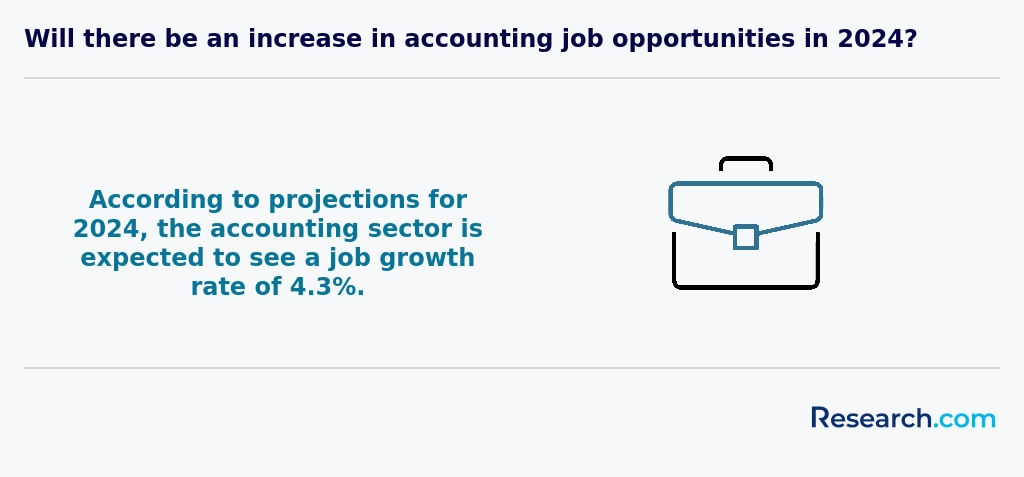
Students pursuing accounting degrees in Columbus typically dive into core courses like financial accounting, managerial accounting, and auditing, which form the backbone of their education. Graduates from popular local institutions often share how financial accounting classes helped them confidently prepare real-world financial statements, giving them clarity in understanding how businesses truly operate.
Managerial accounting courses frequently encourage students to engage in budgeting exercises or cost analysis projects, simulating challenges they might face at Ohio-based companies. Auditing coursework, meanwhile, sharpens their ability to evaluate records for compliance - a critical skill praised by firms throughout Columbus.
Beyond these essentials, many students find value in courses like business law and corporate finance, which connect classroom theory to the bustling commercial environment of Ohio's capital. Graduates recall how lessons in accounting information systems and ethics offered a practical edge, particularly as technology becomes central to managing financial data responsibly.
Emerging trends in Columbus colleges also emphasize data analytics and risk management, preparing students to navigate the evolving landscape where accounting meets advanced technology and strategic decision-making.
Accounting degree students in Columbus often choose specializations tailored to the city's dynamic economic landscape. Graduates from popular Columbus colleges frequently highlight Taxation as a rewarding path, especially given the city's thriving small and mid-sized businesses that require expert tax knowledge. Another common focus is Auditing and Assurance Services, where students get hands-on experience with regulatory standards and software that prepare them for roles in large firms based in Columbus. Managerial Accounting attracts those interested in strategic decision-making within manufacturing or service sectors prevalent in the area.
Many students have found the rise of Forensic Accounting particularly exciting, as Columbus-based businesses and agencies intensify efforts to combat fraud-a specialization that stands out in the evolving job market. Financial Accounting remains a core choice, offering versatile skills applicable in Columbus's healthcare and tech industries. These specializations within the Columbus accounting degree program options equip students for a future where adaptability is key, helping them pursue a fulfilling job in accounting.
Choosing an accounting degree in Columbus increasingly means looking beyond traditional programs to find options that blend flexibility with strong local connections. Graduates from Ohio State University often highlight how AACSB accreditation boosts confidence in their education, linking them to top employers in the city's expanding financial sector. Many find value in programs offering specialized tracks like forensic accounting or auditing, which help tailor their skills for niche markets.
With several affordable accounting colleges Columbus Ohio provides, it's possible to balance quality with cost, especially when considering financial aid or scholarships. Students frequently appreciate internships at local accounting firms, as these in-city experiences enhance job readiness and build networks essential for future career growth.
Looking ahead, programs offering online or hybrid formats allow students to continue working while studying, echoing the experiences of past graduates who juggled responsibilities effectively. For those curious about the career payoff, exploring the best paid accounting jobs can further clarify which degree path aligns with long-term goals.
Exploring the best accounting degree programs in Columbus means embracing these evolving trends to find a program that feels both practical and inspiring for your unique journey.
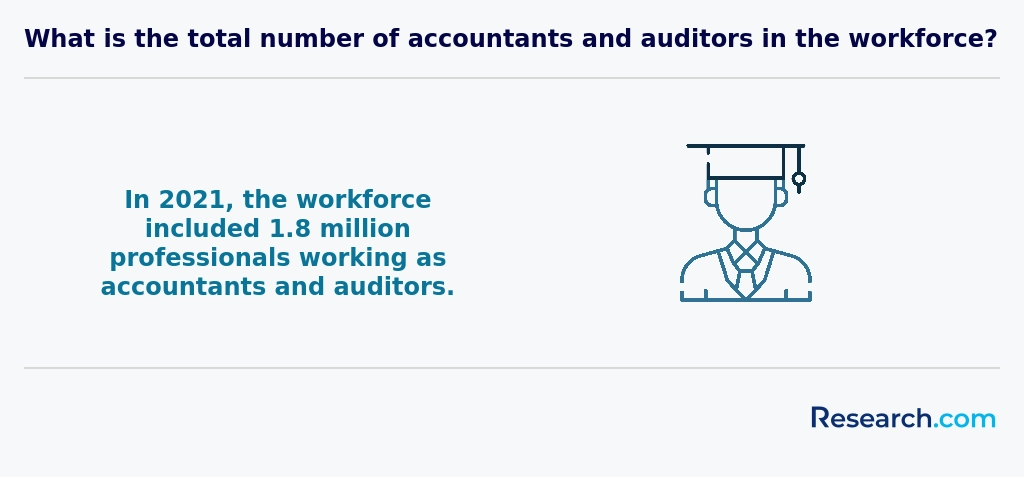
Graduates with an accounting degree in Columbus find a range of promising options that tap into the city's diverse economy. Many pursue public accounting roles at regional CPA firms, gaining hands-on experience auditing, preparing taxes, and consulting. Others explore corporate accounting within Columbus-based companies, stepping into roles like financial analysts or management accountants, especially as local demand grows steadily. Some graduates share enthusiasm about working in government accounting or nonprofit financial management, where they handle public funds or grants, enjoying a meaningful impact on the community.
Emerging trends suggest forensic and tax accounting will continue to expand, fueled by Columbus's financial sector. Students from colleges known for accounting in Columbus appreciate opportunities for real-world internships that clarify these specialty roles. For those curious about costs and educational quality, affordable options encourage many to deepen their skills without hefty debt. Exploring the Affordable Online Accounting Degree Programs Ranking in the Midwest can help them plan successfully. These accounting career opportunities in Columbus feel accessible yet rich with future potential.
Some of the most enthusiastic graduates mention the city's vibrant job market, noting how jobs for accounting graduates in Columbus often combine competitive pay with meaningful work across finance, insurance, and government sectors. As Columbus continues to grow, so do pathways for innovative accounting professionals ready to shape the region's economic future.
The job market for accounting degree graduates in Columbus is promising, supported by steady growth in local demand for accounting professionals. Recent graduates from well-known Columbus colleges have found opportunities in diverse sectors such as public accounting firms, government agencies, and corporate finance departments. Many graduates share positive experiences about securing internships through university partnerships, giving them an edge when entering the job market.
Columbus provides a favorable environment thanks to its strong economic base and the presence of major employers who value professional certifications like CPA alongside a bachelor's degree. Graduates often report feeling optimistic about their career prospects, particularly when comparing Columbus's favorable cost of living with potential salaries ranging from $50,000 to $60,000 for entry-level roles, or even higher for certified professionals. Students interested in accelerating their education may explore fast associate degree programs online to gain early access to these opportunities.
With Columbus's growing demand for financial expertise, those pursuing an accounting degree job outlook Columbus can expect consistent opportunities and rewarding career paths, reflecting the city's role as a vibrant financial hub in the region.
2027 Most Valuable Accounting Degree Programs Ranking in Columbus
Investing in your education is a significant decision that can shape your future, and the Research.com team understands the importance of making informed choices. To assist prospective students in Columbus, we have meticulously crafted the "2027 Most Valuable Accounting Degree Programs Ranking in Columbus." Our commitment to quality, credibility, and accuracy is reflected in the extensive research and analysis conducted to compile this ranking.
We utilized the following reputable data sources to ensure a comprehensive evaluation of accounting programs:
By exploring this ranking, readers will gain valuable insights into the most valuable accounting degree programs available in Columbus, helping them make well-informed decisions about their education and career paths. For more details on our methodology, please visit our Research.com methodology page.
# 1 position
Franklin University
Bachelor of Science in Accounting

# 2 position
Franklin University
Master of Science in Accounting


Frequently Asked Questions About accounting
Accounting degree students in Columbus can maximize their learning experience by engaging in internships with local firms, such as those in the city's growing financial sector. According to the Columbus Chamber of Commerce, internships improve job placement rates by nearly 20% for accounting graduates. Students should also participate in campus organizations like the Accounting Club at Ohio State University, which hosts networking events and workshops. Leveraging technology is key; mastering software like QuickBooks and Excel aligns with industry expectations. Additionally, pursuing CPA exam preparation alongside coursework can enhance career readiness, since Ohio ranks among the top states for CPA employment opportunities.
The accounting field is evolving rapidly, and several emerging niches offer promising career opportunities for Columbus students. One key area is forensic accounting, which focuses on investigating financial crimes and fraud. According to the Bureau of Labor Statistics, demand for forensic accountants is expected to grow by 16% through 2032, faster than the average for all occupations.
Another growing niche is environmental accounting, which assesses the financial impact of sustainability practices. Columbus-based companies increasingly seek professionals skilled in evaluating environmental costs due to rising regulatory pressure.
Technology integration is also crucial, with roles in data analytics and accounting information systems expanding. The adoption of AI and blockchain in finance encourages accountants to develop expertise in these areas.
These specialized areas provide diverse pathways within accounting for students pursuing degrees in Columbus.
Preparing for the job market after completing an accounting degree in Columbus involves strategic steps. Graduates should obtain relevant certifications, such as the CPA, which is highly valued in Ohio's accounting industry. According to the Ohio Accountancy Board, CPA candidates must complete 150 semester hours, including specific accounting and business courses. Networking plays a vital role; attending local events organized by the Columbus Chapter of the Ohio Society of CPAs can connect job seekers with employers.
Gaining practical experience through internships or part-time roles in Columbus firms improves employability. The Bureau of Labor Statistics reports that the Columbus metropolitan area hosts numerous accounting and auditing firms, providing ample opportunities. Additionally, mastering accounting software like QuickBooks and Excel aligns with employer preferences in the region.
Employers in Columbus highly value accounting graduates who demonstrate strong analytical and problem-solving skills. According to the Ohio Society of CPAs, proficiency in data analysis and familiarity with accounting software like QuickBooks and Excel are essential for job readiness. Communication skills, both written and verbal, also rank among the top requirements, as accountants must present financial information clearly to clients and teams.
Attention to detail and ethical judgment are critical due to the regulatory environment in Ohio's business sector. Additionally, knowledge of tax codes and financial regulations specific to the state gives candidates an advantage. Professional certification preparation, such as CPA eligibility, further enhances employability in Columbus's competitive job market.
Finding internships in Columbus relevant to an accounting degree involves leveraging both local resources and university connections. Many Columbus-based firms, including those in finance and public accounting, offer internship programs specifically for accounting students. The Ohio Society of CPAs and the Columbus Chamber of Commerce provide valuable internship listings and networking events tailored to accounting majors.
Students should also explore opportunities through Columbus-area universities like Ohio State University, which hosts career fairs and maintains employer partnerships in accounting. According to the National Association of Colleges and Employers (NACE), the average accounting internship in Columbus pays approximately $17-$22 per hour. Utilizing online tools such as Handshake, which is popular at Ohio colleges, can increase access to local accounting internships.
An accounting degree in Columbus significantly enhances career mobility and advancement opportunities. According to the Bureau of Labor Statistics, Columbus hosts a growing number of accounting and auditing jobs, with a 7% employment increase projected through 2031. This growth creates demand for qualified professionals, making degrees valuable for entry and promotion within local firms.
Columbus's diverse economy, including finance, healthcare, and government sectors, values accounting credentials. A degree often serves as a prerequisite for certifications like CPA, which further boosts job prospects and earning potential. Employers prioritize candidates with formal accounting education for roles in auditing, tax preparation, and financial analysis.
Graduates benefit from the city's network of accounting firms and professional organizations, which provide mentorship and continuing education essential for career development. Educational credentials combined with local opportunities enable professionals to move into senior positions efficiently.
Studying for an accounting degree in Columbus equips students for interdisciplinary roles by blending core accounting skills with knowledge from finance, management, and information systems. Many Columbus universities integrate accounting curricula with courses on data analytics and business communication, reflecting employer demands for versatile professionals.
According to the National Association of State Boards of Accountancy, aspiring accountants benefit from understanding regulatory environments and technological tools that cross traditional accounting boundaries. Columbus's business programs emphasize teamwork and problem-solving, preparing graduates to collaborate in diverse corporate settings.
Local internships and partnerships with Columbus's growing finance and tech sectors provide practical exposure to interdisciplinary workflows, enhancing career readiness.
When choosing between a thesis and a non-thesis accounting degree program in Columbus, students should consider their career goals and learning preferences. Thesis programs usually focus on research and require a substantial written project, appealing to those interested in academia or advanced studies. Non-thesis programs emphasize practical skills and coursework, fitting students aiming for immediate employment in fields like public accounting or corporate finance.
Columbus houses respected institutions offering both options, and according to the National Center for Education Statistics, nearly 60% of local accounting graduates enter the workforce directly post-graduation. Evaluating program structure, faculty expertise, and potential networking opportunities in Columbus can guide students to the best fit for their ambitions.
Students in Columbus interested in studying accounting abroad have several paths through U.S. higher education partnerships and study abroad programs. Ohio State University, a prominent institution in Columbus, offers exchange programs with universities in Europe and Asia that emphasize international accounting standards. These programs allow students to earn credits toward their degree while experiencing global business environments.
Additionally, some private colleges in Columbus provide short-term study abroad opportunities specific to accounting and finance, focusing on areas like international tax law and cross-border auditing. According to the Institute of International Education, 10% of accounting students from Ohio participate in such programs annually.
Students pursuing accounting degrees in Columbus can enhance their education by engaging in relevant part-time jobs that develop practical skills. Positions such as accounting clerks, bookkeepers, or tax preparers provide valuable hands-on experience with financial documents and software commonly used in the industry. According to the U.S. Bureau of Labor Statistics, Columbus has a growing demand for accounting support roles, with an estimated 5% employment increase projected through 2031.
Many local accounting firms, banks, and corporate offices offer part-time opportunities suited for students balancing coursework. Additionally, roles in accounts payable/receivable at Columbus-based businesses help strengthen analytical abilities and attention to detail. These experiences complement classroom learning and improve job prospects after graduation.
Accounting students in Columbus benefit from various networking opportunities essential for career growth. Local universities such as Ohio State University host events through their business schools that connect students with regional accounting firms. These events include career fairs, guest speaker sessions, and workshops focused on practical skills.
The Columbus chapter of the Ohio Society of CPAs (OSCPA) is highly active, offering students access to professional mentors, seminars, and job shadowing programs. According to OSCPA, these networking platforms help students gain insights into industry trends and expand their professional contacts early.
Additionally, Columbus's thriving finance sector, ranked among the top ten metro areas for accounting jobs by the U.S. Bureau of Labor Statistics, encourages local meet-ups and internships. Such opportunities allow students to engage directly with employers and peers in the accounting field.
Alumni networks play a crucial role for accounting degree students in Columbus by providing valuable professional connections. These networks often connect current students with graduates working in local firms, which can lead to internships and job opportunities. According to the Columbus Chamber of Commerce, nearly 70% of accounting jobs in the city are secured through personal and professional connections. Strong alumni ties also offer mentorship programs, where experienced accountants guide students through career development and certification processes like the CPA exam. Additionally, alumni events foster a community that supports knowledge sharing and industry insights, enhancing students' practical understanding of accounting trends in Columbus.
In Columbus, customizing your accounting degree program starts with selecting electives that align with your career goals. Many local institutions offer courses in taxation, auditing, forensic accounting, or financial analysis to deepen your expertise.
Internships with Columbus-based firms provide practical experience and networking opportunities. The city's growing finance sector increases chances to work with corporations, government agencies, or nonprofits.
Students can also pursue certifications like CPA or CMA alongside their degree, which are highly valued in Ohio's competitive job market. According to the Ohio Society of CPAs, Columbus has seen a 7% growth in accounting jobs since 2020.
Additionally, some programs offer online or evening classes to balance work or personal commitments, making degree customization more flexible.
Accounting students in Columbus often face several challenges during their studies. One common difficulty is mastering complex topics such as tax regulations, auditing standards, and financial reporting. These subjects require strong analytical skills and attention to detail.
Another challenge is balancing the demanding coursework with internships and networking opportunities critical for career advancement. Columbus offers many internship options, but competition remains high, especially at prominent firms.
Additionally, keeping up with the evolving accounting software and technology used in the industry can be daunting. Students must learn tools like QuickBooks, Excel, and emerging data analytics platforms.
According to the Ohio Board of Accountancy, the state's CPA exam pass rate fluctuates annually, indicating the exam rigor faced by local candidates.
With an accounting degree in Columbus, you can pursue several respected professional certifications to enhance your career prospects. The most recognized is the Certified Public Accountant (CPA) credential. Ohio requires candidates to complete 150 semester hours of education and pass a rigorous exam.
Other valuable certifications include the Certified Management Accountant (CMA), which focuses on financial management, and the Certified Internal Auditor (CIA), a prestigious credential for internal auditing professionals.
According to the Ohio Society of CPAs, over 30,000 CPAs work in the state, reflecting strong demand. These certifications often boost salary potential and job security in Columbus' growing financial sector.
Writing a winning application for an accounting program in Columbus requires careful preparation and a clear understanding of the selection criteria. Start by showcasing your strong quantitative skills, as accounting demands proficiency in math and analysis. Highlight relevant coursework, internships, or work experience in finance or accounting.
Many programs in Columbus, such as Ohio State University's Fisher College of Business, look for applicants with competitive GPA scores, typically above 3.0. According to the National Association of State Boards of Accountancy, a solid academic record correlates with success in accounting studies and CPA exam pass rates.
Writing a concise personal statement that explains your motivation for pursuing accounting in Columbus can strengthen your application. Be sure to tailor it to explain why you chose local programs, referencing Columbus's growing job market for accountants, projected to grow 7% by 2030 (BLS data).
Finally, secure strong letters of recommendation from professors or employers who can attest to your work ethic and analytical abilities. Thoroughly review each application for accuracy and completeness before submitting.
The global perspective on an accounting career highlights its growing importance due to increasing international business and trade. Accountants in Columbus, like in many U.S. cities, often engage with global financial standards such as the International Financial Reporting Standards (IFRS). Understanding these standards can make professionals more marketable worldwide.
According to the U.S. Bureau of Labor Statistics, the accounting field is projected to grow 7% from 2021 to 2031, reflecting steady demand influenced by globalization. Columbus-based accountants frequently work with multinational companies and must navigate both U.S. GAAP and global accounting practices.
Additionally, the rise of cross-border investments requires accountants to have skills in international tax laws and ethics. Networking through organizations like the American Institute of CPAs (AICPA) supports professionals in staying current with global trends.
Gaining practical experience while pursuing an accounting degree in Columbus is essential for career success. Many local universities, such as Ohio State University, encourage students to participate in internships with accounting firms or corporate finance departments. According to the Columbus Chamber of Commerce, over 60% of students in accounting programs secure internships before graduation.
Additionally, students can join campus organizations like the Accounting Club or Beta Alpha Psi, which often provide networking opportunities and hands-on case competitions. Volunteering for tax preparation programs, such as the IRS Volunteer Income Tax Assistance (VITA) program, is another valuable way to develop real-world skills.
Choosing the right concentration within an accounting degree program in Columbus depends on your professional goals and interests. Popular concentrations include auditing, tax accounting, forensic accounting, and managerial accounting. Consider which area aligns with your desired career path; for example, auditing suits those interested in compliance, while tax focuses on preparing and planning tax strategies.
Research local job markets to understand demand. According to the Bureau of Labor Statistics, Columbus shows a steady growth rate of 7% for accountants, with particular demand for tax specialists during tax season. Networking with local professionals and reviewing internships can also clarify which concentration fits best.
Finally, ensure the program is accredited and offers practical coursework aligned with your concentration to enhance your employability in Columbus's competitive market.
- 2027 Most Valuable Accounting Degree Programs Ranking in Cincinnati
- 2027 Most Valuable Accounting Degree Programs Ranking in Cleveland
- 2027 Most Valuable Accounting Degree Programs Ranking in Pittsburgh
- 2027 Most Valuable Accounting Degree Programs Ranking in Indianapolis
- 2027 Most Valuable Accounting Degree Programs Ranking in Louisville
- 2027 Most Valuable Accounting Degree Programs Ranking in Grand Rapids
- 2027 Most Valuable Accounting Degree Programs Ranking in Chicago
- 2027 Most Valuable Accounting Degree Programs Ranking in Buffalo
- 2027 Most Valuable Accounting Degree Programs Ranking in Greensboro
- 2027 Most Valuable Accounting Degree Programs Ranking in Washington
See What Experts Have To Say About Studying Accounting
Read our interview with Accounting experts


John Wermert, Ph.D., CPA
Accounting Expert
Associate Professor of Accounting
Middle Tennessee State University

- 8 Accounting Niches You Should Consider | Accountancy https://www.icslearn.co.uk/blog/accountancy/8-accounting-niches-you-should-consider/
- What Jobs Can You Get with an Accounting Degree? https://www.mountunion.edu/academics/undergraduate-degrees/accounting/what-jobs-can-you-get-with-an-accounting-degree
- Work Experience https://www.streets.uk/work-experience/
- 5 accounting certifications without a degree | Becker https://www.becker.com/blog/career/5-accounting-certifications-you-can-earn-without-a-degree
- Are accounting students overloaded and under-supported? https://www.studentvoice.ai/blog/accounting-students-challenges-with-workload-and-support/
- Mastering the Art of Networking: A Guide for Accounting Students https://www.wscpa.org/blog/607cb669-8d98-427e-8c9b-06129d9297e8:mastering-the-art-of-networking-a-guide-for-accounting-students
- Applying for Accounting Graduate School | Accounting.com https://www.accounting.com/resources/graduate-application-guide/
- Know more about thesis vs non- thesis: what is the difference? https://studyfans.com/en/blogs/816
- Networking events for accountants in 2026 | Eagle Education https://www.eagle-education.co.uk/eagle/networking-events-for-accountants-in-2026/
- How do they influence the accounting students' career choice? https://edulearn.intelektual.org/index.php/EduLearn/article/download/19870/10113