
2027 Most Valuable Accounting Degree Programs Ranking in Wisconsin

Co-Founder and Chief Data Scientist
Choosing the right accounting degree program in Wisconsin can shape your future career and open doors to rewarding opportunities. This article introduces the 2027 Most Valuable Accounting Degree Programs Ranking in Wisconsin, developed by Research.com's expert data scientists to help students make informed decisions.
Reading this ranking will guide you toward programs that offer strong value and successful outcomes. Pursuing an accounting degree is a smart step toward financial stability, growth, and professional satisfaction. Let this resource support your path to achieving your goals confidently.
Key benefits of getting accounting degree in Wisconsin
- Graduates with an accounting degree in Wisconsin can expect strong salary potential, with roles like Staff Accountant earning an average annual wage of $90,780 and Bookkeepers making about $49,580 per year, reflecting rewarding financial stability.
- Career paths are diverse, from working as a Tax Preparer to becoming an Associate Auditor, offering opportunities to grow in fields that value precision and analytical skills, as seen in graduates from the University of Wisconsin-Madison.
- Online accounting degrees from institutions like the University of Wisconsin offer flexible scheduling and the ability to balance work and study, making it easier to advance your career while managing life's demands.
- 2027 Most Valuable Accounting Degree Programs Ranking in Wisconsin
- What can I expect from accounting degree in Wisconsin?
- Where can I work with accounting degree in Wisconsin?
What can I expect from accounting degree in Wisconsin?
The average cost of pursuing an accounting degree in Wisconsin can feel like an exciting investment in your future. For example, students at the University of Wisconsin-Madison often find tuition and fees around $10,700 per year for in-state residents, making the path both accessible and valuable. Meanwhile, at UW-Milwaukee or other state universities, costs can vary slightly but generally stay within a similar range, allowing you to focus on learning without overwhelming financial stress.
Many graduates recall balancing budgets while discovering their passion for numbers, appreciating how these programs blend solid academics with real-world practicalities. Scholarships, internships, and work-study opportunities often play a big role in easing costs, giving students more freedom to explore accounting's many facets. This financial aspect, combined with hands-on experiences in bustling cities like Milwaukee or Madison, helps make the journey feel like a rewarding adventure rather than just a cost.
Where can I work with accounting degree in Wisconsin?
Graduates with an accounting degree in Wisconsin dive into a vibrant landscape of career paths, fueled by the state's dynamic economy. Imagine starting your journey from a campus like the University of Wisconsin-Madison, then stepping into bustling public accounting firms in Milwaukee or Green Bay, where you audit thriving businesses or craft tax strategies that keep companies afloat. The thrill of applying classroom theory to real-world numbers brings exhilaration as you gain experience.
Others find their rhythm in corporate finance, joining manufacturers or healthcare providers across Wisconsin's diverse industries. Picture managing budgets for a large Milwaukee manufacturer, feeling the satisfaction of ensuring financial stability through every quarterly report. Government roles at the Wisconsin Department of Revenue offer steady, rewarding opportunities for those craving structure and community impact.
Nonprofit institutions and universities round out the field, with graduates from places like Marquette University energized by the challenge of safeguarding donor funds or handling complex grants, knowing their work supports meaningful causes. And with Wisconsin's CPA requirements, many find that earning their license unlocks even more exciting doors, enhancing both career prospects and confidence.
Graduates from accounting programs at universities like the University of Wisconsin-Madison often find themselves stepping into rewarding roles with solid starting salaries. For example, fresh staff accountants can expect to earn about $90,780 a year on average, according to recent data. Imagine landing your first position in a bustling Milwaukee firm, where the $43.65 hourly wage translates to steady pay and growing financial confidence.
Many alumni share how roles such as bookkeepers, tax preparers, associate auditors, or accounts payable clerks offer starting incomes near $49,580 annually. This range provides a reliable foundation while gaining hands-on experience in varied industries throughout Wisconsin's diverse economy.
Picture yourself navigating the dynamic work environments these jobs offer, discovering your unique strengths while building a career path toward higher-paying positions. With Wisconsin's combination of strong regional demand and solid salary benchmarks, an accounting degree here opens intriguing doors to financial stability and professional growth.
- In-state tuition for accounting programs at public universities in Wisconsin ranges from $9,000 to $11,000 per year.
- Private colleges in Wisconsin charge between $25,000 and $35,000 or more annually for accounting degrees.
- Entry-level accountants in Wisconsin earn about $50,000 to $55,000 per year, with mid-career salaries rising to $70,000-$85,000.
- Senior accountants and specialists like auditors can earn over $100,000 annually in the state.
- The demand for accountants and auditors in Wisconsin is expected to grow by around 7% over the next decade.
- Wisconsin schools offer accredited accounting programs that meet the 150-credit hour requirement for CPA exam eligibility.
Embarking on an accounting degree journey in Wisconsin often means committing about four years if you're diving into a bachelor's program at popular spots like the University of Wisconsin or Marquette University. Imagine yourself navigating through a rich mix of general education and specialized classes, from auditing to taxation-each semester unveiling new challenges and victories.
Some adventurous souls choose a two-year associate degree at community colleges, quickly gaining foundational skills that open doors to entry-level roles or smooth transfers to four-year schools. Others, fueled by ambition, extend their education with one or two more years for a master's degree, aiming to meet the demanding 150-credit-hour CPA requirement.
Graduates often share how juggling summer sessions or online classes added flexibility, letting them tailor their path without slowing down. Whether studying full-time or balancing work, the process in Wisconsin feels like a personal expedition-sometimes smooth sailing, sometimes requiring extra time-but always rich with discovery.
Earning your CPA license is a pivotal step toward advancing your accounting career in Wisconsin, and methodical preparation is key to success. First, familiarize yourself with the Uniform CPA Examination’s four sections-Auditing and Attestation (AUD), Business Environment and Concepts (BEC), Financial Accounting and Reporting (FAR), and Regulation (REG)-and create a study schedule that spans at least four to six months. Allocate weekly goals (for example, 10–15 hours per week) and focus on one exam section at a time, using reputable review providers like Becker, Wiley CPAexcel, or Roger CPA Review. Next, maximize your study effectiveness by practicing multiple-choice questions and task-based simulations under timed conditions. Many successful candidates recommend dedicating 50–60% of study time to practice questions and the remainder to reading and video lectures. Form or join a study group-either through your university’s accounting club or online forums-so you can discuss challenging topics and hold each other accountable. Leveraging academic resources can further enhance your preparedness. Check whether your accounting program offers a CPA boot camp or exam-focused seminars, and inquire about discounted access to review materials. If you’re weighing program costs against CPA support services, balance affordability with exam prep value by exploring alternatives like the Most Affordable Accounting Degree Programs Ranking in Providence, RI. Finally, register for the exam sections strategically: aim to pass all four parts within an 18-month window to avoid expiring scores, and schedule sections based on your personal strengths (for example, tackle FAR early if financial reporting is your strongest domain). By combining structured study plans, high-quality review materials, collaborative learning, and strategic scheduling, you’ll position yourself for a successful CPA Exam outcome and a competitive edge in Wisconsin’s accounting job market.
Choosing between online and on-campus accounting degrees in Wisconsin sparks a unique adventure tailored to your lifestyle. Imagine studying at your own pace through the University of Wisconsin Extended Campus's online program, where flexibility is king and balancing work or family feels seamless. Graduates treasure this freedom, appreciating the ability to dive into accounting principles, taxation, and financial reporting whenever inspiration strikes, without a strict schedule.
Conversely, stepping onto the University of Wisconsin-Madison's campus immerses you in an energetic community. Imagine lively classrooms buzzing with discussions, face-to-face mentorship from professors, and hands-on networking events that open doors to coveted internships. Alumni often recall the warmth of peer connections and access to dedicated resources like tutoring and CPA exam workshops that amplify their confidence.
Both pathways prepare Wisconsin students for CPA success, yet each offers distinct vibes: the online route embraces independence and convenience, while on-campus life pulses with direct engagement and vibrant campus experiences. It's a thrilling choice, shaped by how you want to experience your accounting journey.
, when evaluating the most valuable accounting degree programs, it's essential to consider the financial implications of pursuing higher education. One crucial aspect is understanding the cost of tuition and how it compares across different institutions. This includes exploring options for the cheapest accounting schools in Wisconsin, which can significantly impact the return on investment for graduates. Additionally, students should research available financial aid, scholarships, and potential avenues for reducing educational expenses, ensuring that they make informed decisions about their academic and professional paths.
If you're wondering about the average cost of an accounting degree in Wisconsin, let's explore some vivid examples that bring numbers to life. Graduates from popular programs like those at the University of Wisconsin-Madison often reflect on the significant financial investment, with in-state total costs typically around $22,499. This includes tuition, fees, and essential supplies, painting a realistic picture of budgeting for your degree journey. For out-of-state students, that figure can almost double, reaching near $45,556, which calls for strategic financial planning and a sense of adventure in finding scholarships and aid.
Imagine the excitement of a student attending Marquette University, where private tuition rates are higher but come with promises of individualized support and strong alumni networks. Such graduates often recall balancing their passion for numbers with challenging expenses, sharing insights that make the Wisconsin accounting degree tuition and fees feel more accessible when approached with enthusiasm and careful preparation. The blend of academic rigor and community involvement enriches their learning experience despite the cost considerations.
Prospective students curious about models for saving might explore the cheapest accounting schools in Wisconsin to find affordable pathways that spark optimism. Across the state, additional expenses like textbooks and room and board add another layer, reminding future accountants that their degree's value stretches beyond tuition alone. Navigating these layers with a blend of curiosity and commitment makes the pursuit of a Wisconsin accounting degree a truly rewarding endeavor.
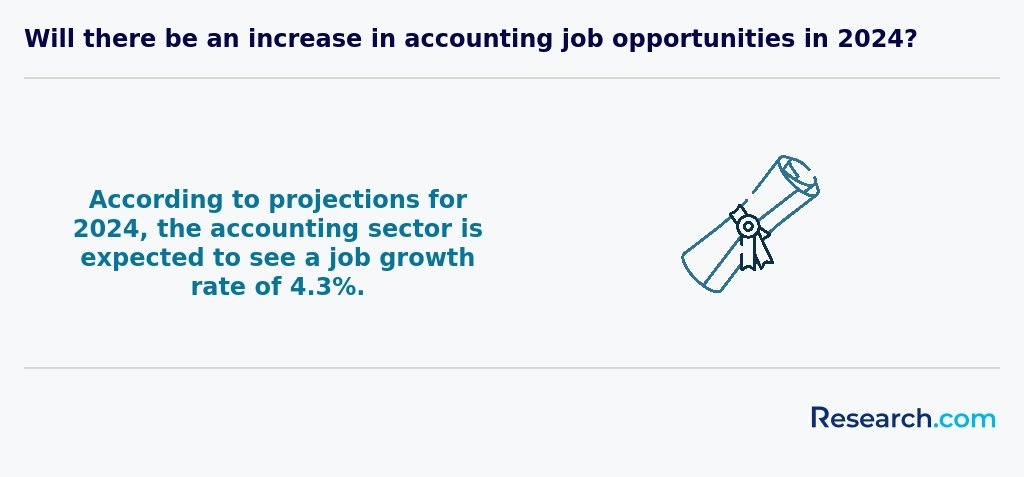
Staying ahead in the accounting field means continuously evolving with industry trends and embracing lifelong learning opportunities. With automation and advanced software reshaping traditional accounting roles, it’s crucial for graduates to invest in professional development beyond their academic credentials. Emerging areas such as data analytics, cybersecurity in financial systems, and regulatory technology are becoming significant differentiators in the career landscape. Many professionals also enhance their marketability by pursuing certifications like the CPA, CMA, or specialized credentials in forensic accounting, which not only validate their expertise but also open doors to leadership positions. Additionally, developing strong soft skills-such as adaptability, effective communication, and strategic thinking-will bolster your ability to navigate complex financial environments. For those planning their career pathways, exploring resources on how to transition from student to seasoned professional is essential; consider checking out this guide on accountant how to become to map out actionable steps for success in an ever-changing market. Embracing these trends and investing in continuous learning will ensure you remain competitive and ready for the future of accounting in Wisconsin and beyond.
Diving into the world of accounting at schools like the University of Wisconsin-Madison or Marquette University brings exciting financial aid opportunities that can ease the journey. Imagine a student waking up knowing that their FAFSA application unlocks Pell Grants-free money covering up to $7,395 annually-enabling them to focus more on mastering ledgers than stressing over bills.
Many Wisconsin public and private college attendees benefit from the Wisconsin Higher Education Grant, a need-based treasure providing up to $3,472 a year. Those eyeing private nonprofit institutions can tap into the Wisconsin Tuition Grant for up to $3,167 annually, offering additional relief.
Graduates often recall how scholarships from the Wisconsin Institute of Certified Public Accountants (WICPA) Foundation rewarded their passion and academic diligence, making their studies feel supported and valued. Some even experience assistantships or fellowships that blend financial help with invaluable real-world accounting practice, turning education into adventure.
Every semester bears the promise that combining federal, state, and institutional aid can transform the cost of an accounting degree into a manageable, rewarding investment in Wisconsin's vibrant academic landscape.
Diving into an accounting degree in Wisconsin starts with a few key steps that set you up for success. Graduates from the University of Wisconsin-Madison often recall how their solid foundation in high school math and statistics made the transition smoother, showing just how much those algebra lessons pay off. Most programs ask for a high school diploma or equivalent, and many expect a GPA hovering between 2.5 and 3.0 to ensure readiness for the challenges ahead.
At Marquette University, students remember how strong skills in English and communication helped them not just crunch numbers, but tell the story behind the figures. Some schools weigh your SAT or ACT scores, especially math, though many are moving away from rigid testing requirements, opening doors for diverse talents.
Transfer students from Wisconsin's community colleges find it exciting to bring in credits from introductory courses in accounting and economics-these serve as stepping stones to advanced classes like auditing. Planning financially is part of the adventure too, with in-state annual costs around $10,000 to $15,000 at public universities, making preparation essential for a smooth journey.
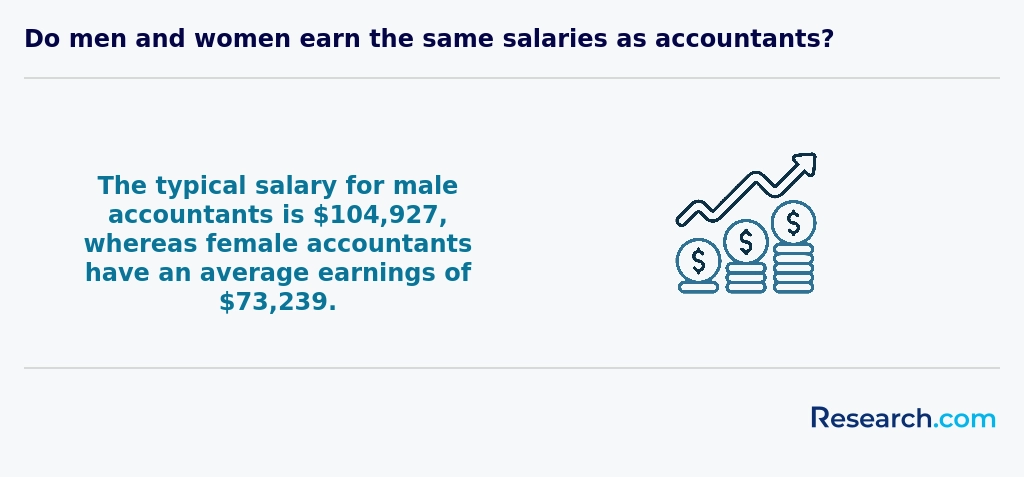
Earning a professional certification can significantly enhance your credibility, open doors to specialized roles, and boost earning potential in Wisconsin’s competitive accounting landscape. Below are the most sought-after credentials and what you need to know to pursue them: 1. Certified Public Accountant (CPA) - Requirements: A bachelor’s degree with at least 150 credit hours, passing the Uniform CPA Exam, and 1–2 years of supervised experience. - Benefits: CPAs often command top roles in audit, tax, and consulting; according to Research.com, many of the highest paid accountants hold this credential. - Preparation Tips: Enroll in a CPA review course, join a study group through local chapters of the Wisconsin Institute of CPAs, and schedule regular mock exams to identify weak areas. 2. Certified Management Accountant (CMA) - Requirements: A bachelor’s degree, two years of professional experience in management accounting or financial management, and passing Parts 1 & 2 of the CMA Exam. - Benefits: CMAs excel in strategic planning, budgeting, and performance management, often rising quickly to director-level roles. - Preparation Tips: Leverage Wiley CMAexcel materials, attend virtual workshops, and practice case studies on financial decision-making. 3. Certified Internal Auditor (CIA) - Requirements: A bachelor’s degree (or equivalent), passing the three-part CIA Exam, and 24 months of internal auditing experience (waivers available for relevant credentials). - Benefits: CIAs are in high demand in corporate governance and risk management, particularly within manufacturing and healthcare sectors prevalent in Wisconsin. - Preparation Tips: Join the Institute of Internal Auditors (IIA) Wisconsin Chapter for networking, and use IIA’s official CIA Learning System for structured study. 4. Additional Credentials to Consider - Certified Fraud Examiner (CFE): Ideal for forensic roles; requires two years of anti-fraud experience and passing the CFE Exam. - Chartered Global Management Accountant (CGMA): Focuses on strategic management and global business; jointly offered by AICPA and CIMA. - Certified Information Systems Auditor (CISA): Perfect for information assurance careers; demands five years of IS audit experience and passing the CISA Exam. By strategically choosing certifications aligned with your career goals, you demonstrate both expertise and commitment to lifelong learning-key factors recruiters seek in Wisconsin’s dynamic accounting job market.
Diving into an accounting degree in Wisconsin means immersing yourself in courses that spark curiosity and sharpen practical skills. Graduates from well-known schools like the University of Wisconsin-Madison often describe tackling Financial Accounting first, where they learn to decode financial statements just like a detective piecing together clues from a business's story.
Managerial Accounting classes call upon students to step into the shoes of decision-makers, budgeting and analyzing costs as if running their own company. Meanwhile, Auditing courses feel like an adventure in uncovering the truth, teaching methods to examine financial reports with precision and integrity.
Classes in Federal Income Taxation challenge students to navigate complex tax laws, a skill graduates find invaluable when working in bustling Wisconsin firms. Accounting Information Systems bring technology into play, turning abstract data into clear, actionable insights. Business Law and Ethics in Accounting add layers of real-world wisdom, guiding students through legalities and moral responsibilities they'll face in their careers.
Many also cherish electives like forensic accounting or tax strategies, which open doors to unique, specialized paths within the dynamic Wisconsin job market.
In Wisconsin, students diving into accounting degree specializations discover exciting pathways like Tax Accounting, where graduates relish mastering complex state and federal tax codes, often envisioning themselves navigating real tax challenges faced by local businesses. Others find their stride in Auditing and Assurance Services, imagining the crucial role they'll play ensuring financial integrity in Wisconsin's thriving manufacturing hubs. Upon graduation from colleges known for their strong Wisconsin accounting degree concentration options, many feel empowered stepping into careers as forensic accountants, tackling fraud investigations with enthusiasm fueled by hands-on learning experiences.
Management Accounting also captivates students eager to influence business decisions through budgeting and cost control, especially within Wisconsin's corporate and government sectors. Meanwhile, those fascinated by technology gravitate toward Information Systems Accounting, excited by the prospect of merging accounting with cybersecurity and analytics. Many graduates from popular Wisconsin universities appreciate how these specializations open doors to dynamic roles, sharpening skills through internships and CPA exam prep. To explore these paths or understand how to become an accountant how to become, students are encouraged to dive into specific programs and curricula tailored to their passions.
Choosing the best accounting degree in Wisconsin means diving into programs that blend quality with opportunity. Graduates from University of Wisconsin-Madison often praise its AACSB-accredited curriculum, which not only sharpens critical skills but also opens doors to renowned CPA careers across the state. Exploring affordable Wisconsin accounting degrees 2027 is equally exciting-imagine balancing budget-friendly tuition while gaining access to internships with local firms in Milwaukee or Madison. These hands-on experiences bring classroom concepts to life, making complex topics like auditing or forensic accounting more approachable and even thrilling.
What sparks real enthusiasm among students is discovering programs that align perfectly with their career goals and lifestyle-many Wisconsin schools offer flexible online or evening courses, perfect for those juggling work or family. When selecting your program, also consider how graduates describe support networks and career services that connect them to the highest paid accountants. This real-world link turns your accounting degree into a launchpad for a prosperous future, making your academic journey both practical and adventurous.
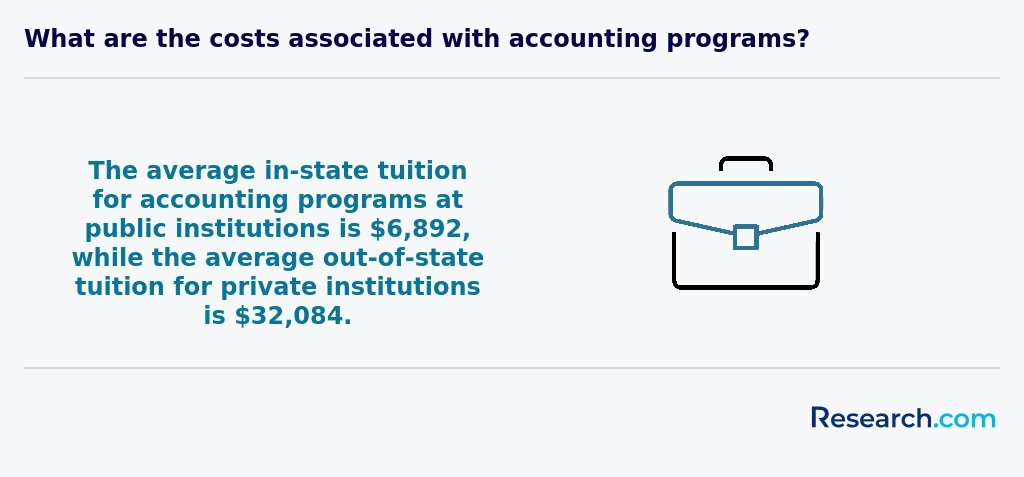
Graduates from accounting programs in Wisconsin often find themselves stepping into dynamic career paths bursting with opportunity. Imagine walking the halls of popular universities like the University of Wisconsin-Madison or Marquette University, where classmates dive into CPA preparation, targeting Wisconsin's 150 credit hour rule to unlock the prestigious Certified Public Accountant credential. This journey sets a solid footstep toward thriving in public accounting firms or private companies.
Jobs with an accounting degree in Wisconsin also stretch beyond CPA roles. Graduates frequently move into financial analyst positions, where they scrutinize budgets and costs for bustling manufacturing firms or agricultural enterprises intrinsic to the state's economy. Picture freshly minted accountants collaborating in Milwaukee's corporate offices, progressing toward management roles with enthusiasm fueled by real-world impact.
Inquisitive minds sometimes venture into forensic accounting, crafting detective-like careers uncovering financial fraud, a growing field thanks to increased demand for transparency. Others explore public sector opportunities, balancing budgets in government agencies or nonprofit organizations. Those curious about affordability might enjoy exploring the Most Affordable Accounting Degree Programs Ranking in Providence, RI to compare costs while planning their educational adventure.
The accounting job opportunities in Wisconsin buzz with promise for graduates from popular universities and colleges across the state. Imagine stepping out of a robust program at a well-known Wisconsin university where hands-on internships with local businesses, government agencies, and healthcare providers have prepared many students to confidently manage complex financial systems. These graduates often find themselves in roles where their skills shine, whether in bustling manufacturing firms or at state government offices, navigating regulations with ease.
Wisconsin accounting degree employment outlook continues to impress with a mean annual wage near $70,000, offering graduates a solid financial footing right after finishing their studies. Many students relish the state's blend of affordable tuition in public institutions and the opportunity to pursue advanced certifications like the CPA, which enhances their job prospects further. For those seeking to fast-track their credentials, programs such as the top 6 month associate degree online provide flexible pathways tailored to busy lives.
2027 Most Valuable Accounting Degree Programs Ranking in Wisconsin
Investing in one's education is a significant decision that can profoundly impact one's career and future, and the Research.com team is keenly aware of the importance of making well-informed choices. To support students and professionals, we have carefully developed the "2027 Most Valuable Accounting Degree Programs Ranking in Wisconsin." Our dedication to quality, credibility, and accuracy is demonstrated by the thorough research and rigorous analysis behind this ranking.
We utilized the following reputable data sources to ensure a comprehensive and trustworthy evaluation of accounting programs:
By consulting this ranking, readers will gain valuable insights to help identify the most valuable accounting degree programs in Wisconsin, empowering them to choose the education path best aligned with their goals. For more information on how we create our rankings, please visit our Research.com methodology page.


Frequently Asked Questions About accounting
Accounting degree students in Wisconsin can maximize their learning by combining strong academic coursework with practical experience. Wisconsin is home to several accredited institutions offering accounting programs aligned with state CPA requirements. Taking advantage of internships at local accounting firms or businesses helps students apply theory to real-world scenarios, enhancing job readiness.
Students should engage with professional organizations like the Wisconsin Institute of CPAs, which provides networking and continuing education opportunities. Additionally, staying current with Wisconsin's specific tax laws and regulations is crucial, as these impact accounting practices locally.
According to the Bureau of Labor Statistics, Wisconsin's demand for accountants and auditors is expected to grow 7% through 2032, making practical experience and professional connections vital for job placement.
Emerging niches within the accounting field in Wisconsin reflect broader national trends shaped by technology and regulatory changes. One fast-growing area is forensic accounting, where professionals investigate financial fraud and disputes. Demand for these experts is rising as companies and government agencies increase oversight.
Another promising niche is environmental accounting. With growing attention on sustainability, accountants skilled in tracking environmental costs and compliance are increasingly sought after by Wisconsin businesses.
Additionally, data analytics and automation have created a need for accountants who can manage and interpret complex financial data using specialized software.
According to the Wisconsin Department of Workforce Development, job growth for accountants and auditors is expected to increase by nearly 7% through 2030, emphasizing the demand for diverse skills in these emerging fields.
Graduates with an accounting degree in Wisconsin should focus on gaining relevant experience to enter the job market confidently. Internships remain a critical step, offering practical skills and networking opportunities with local firms. According to the Wisconsin Department of Workforce Development, the state's accounting and auditing employment is projected to grow by 8% through 2030, emphasizing the importance of early work experience.
Obtaining certifications like the CPA (Certified Public Accountant) can significantly enhance job prospects. Wisconsin requires 150 semester hours for CPA licensure, often pushing candidates to pursue a master's degree or additional coursework. Joining professional organizations such as the Wisconsin Institute of Certified Public Accountants helps graduates stay updated on industry trends and connect with potential employers.
Developing strong technical skills in software such as QuickBooks and Excel is also essential. Many employers value candidates who can demonstrate both accounting expertise and proficiency with financial technology. Finally, tailoring resumes and preparing for interviews by understanding Wisconsin's business environment improves chances of employment after graduation.
Employers in Wisconsin seek accounting graduates with strong technical skills, including proficiency in Generally Accepted Accounting Principles (GAAP) and familiarity with accounting software like QuickBooks and Microsoft Excel. According to the Wisconsin Department of Workforce Development, over 65% of employers expect graduates to have practical experience in data analysis and financial reporting. Communication skills are equally important, as accountants must explain complex financial information clearly.
Attention to detail and ethical judgment are critical due to the regulatory environment surrounding accounting in Wisconsin. Additionally, a 2023 survey by the Wisconsin CPA Society highlights problem-solving abilities and adaptability as top desired traits, reflecting the evolving nature of accounting roles in response to technology and policy changes.
Finding internships in Wisconsin related to accounting degrees involves several strategic steps. Start by exploring university career centers, as many Wisconsin colleges maintain partnerships with local accounting firms and businesses. According to the Wisconsin Department of Workforce Development, the state's accounting sector grew 4% from 2018 to 2023, increasing internship opportunities in cities like Milwaukee and Madison.
Students should also leverage professional networks such as the Wisconsin Institute of Certified Public Accountants (WICPA), which offers internship listings and mentorship programs. Online job boards focused on Wisconsin, like WisconsinJobs.com, regularly feature accounting internship postings. Additionally, attending regional job fairs and accounting conferences can connect you directly with employers looking for interns.
Part-time internships during the academic year or full-time opportunities in summer months provide valuable experience. Networking on LinkedIn by following Wisconsin accounting firms and alumni can also uncover hidden internships. Applying early and preparing tailored resumes is essential, as competition in this growing market is strong.
An accounting degree in Wisconsin can significantly enhance career mobility and advancement prospects. Wisconsin's diverse economy, featuring strong manufacturing, agriculture, and financial sectors, creates robust demand for skilled accountants. According to the U.S. Bureau of Labor Statistics, the state saw a projected 6% growth rate in accounting jobs from 2022 to 2032, matching national trends.
Graduates with accounting degrees in Wisconsin benefit from eligibility to pursue CPA licensure, a critical credential for higher-level positions. Employers often prioritize candidates with formal education combined with certifications, facilitating quicker promotions into managerial and leadership roles. Additionally, many Wisconsin firms value local accounting knowledge tied to state tax codes and regulations, giving degree holders a localized advantage.
Studying for an accounting degree in Wisconsin offers a strong foundation for interdisciplinary roles by integrating coursework in finance, economics, information systems, and business law. Many Wisconsin programs emphasize practical skills, such as data analysis and compliance, which are essential in diverse professional settings.
Universities like the University of Wisconsin system include collaborations between their accounting departments and business schools, fostering a well-rounded education. According to the Wisconsin Department of Workforce Development, professionals with such interdisciplinary skills are in higher demand, as 23% of accounting-related jobs in the state require knowledge beyond traditional accounting.
This approach allows graduates to work effectively in areas like consulting, auditing, and financial technology, adapting to evolving industry needs.
Choosing between a thesis and a non-thesis accounting degree program in Wisconsin depends largely on your career goals. A thesis program typically involves conducting original research and writing a substantial paper, which can be ideal if you aim for roles in academia or advanced analytical positions. According to the National Center for Education Statistics, about 30% of accounting master's students nationwide choose thesis options.
Non-thesis programs often emphasize practical skills, coursework, and internships, preparing students for immediate professional accounting roles. In Wisconsin, universities like the University of Wisconsin-Madison offer both options with different focuses.
Cost and program length may also vary; thesis paths can extend your graduation timeline slightly due to research requirements. Consider your learning style, career ambitions, and opportunities in Wisconsin's accounting job market when deciding.
Students based in Wisconsin seeking to study accounting abroad have several pathways available through exchange programs and partnerships between Wisconsin universities and international institutions. The University of Wisconsin System, for example, offers study abroad opportunities in countries like the United Kingdom, Australia, and Germany, where students can take accounting courses that align with US accreditation standards. These programs often last from a semester to a full academic year.
Wisconsin students should also consider programs affiliated with the Association to Advance Collegiate Schools of Business (AACSB), as many international schools with this accreditation offer comparable accounting curricula. According to the National Center for Education Statistics, nearly 40% of Wisconsin's accounting graduates pursue internships or study experiences that include global perspectives, enhancing their career prospects.
In Wisconsin, students pursuing accounting degrees often seek part-time jobs to gain practical experience alongside their studies. Common opportunities include roles as bookkeeping assistants, tax preparers, and payroll clerks. These positions help develop skills in financial record-keeping and tax regulations, which are essential in accounting careers.
Local accounting firms in cities like Milwaukee and Madison frequently hire interns or part-time workers, providing exposure to real-world accounting software and client management. Additionally, many Wisconsin businesses value candidates with experience in QuickBooks and Excel, skills often honed during part-time jobs.
According to the Wisconsin Department of Workforce Development, accounting support roles show steady demand with a median hourly wage around $22.50, making these jobs both educational and financially rewarding for students.
Accounting students in Wisconsin benefit from numerous networking opportunities designed to connect them with professionals and peers. The Wisconsin Institute of Certified Public Accountants (WICPA) offers student memberships, local chapter events, and mentorship programs that are valuable for professional growth. Many universities partner with regional accounting firms for career fairs and internships, providing practical experience and contacts within the industry.
Additionally, the American Accounting Association's Wisconsin section hosts conferences and workshops attracting students and professionals statewide. These events promote knowledge exchange and career development. According to WICPA, Wisconsin's accounting job market is robust, with a 7% projected growth from 2021 to 2031, making networking crucial for job placement.
Local alumni networks from Wisconsin universities also support accounting students with regular meetups and online forums, easing transitions into the workforce. Participation in these groups can significantly enhance career prospects.
Alumni networks play a crucial role for accounting degree students in Wisconsin by providing valuable professional connections and career support. These networks often include graduates working in prominent firms such as Deloitte, PwC, and regional accounting companies within the state. According to the Wisconsin Department of Workforce Development, strong local professional contacts improve job placement rates for accounting graduates.
Students benefit from networking events, mentorship programs, and internships facilitated through alumni organizations. Such connections often lead to job referrals and insights about emerging trends in Wisconsin's accounting industry. Moreover, alumni can offer guidance on obtaining CPA licensure, a key credential in the field.
Through these networks, students can access resources that enhance both academic and professional growth, making alumni ties an important asset during and after their studies.
In Wisconsin, students can customize their accounting degree programs by selecting electives that align with specific career goals, such as auditing, tax accounting, or forensic accounting. Many universities offer specialized tracks or concentrations within their accounting degrees. For instance, the University of Wisconsin system provides options to focus on areas like managerial accounting or financial planning.
Additionally, students can pursue internships and cooperative education experiences to gain practical skills and network within Wisconsin's robust financial sector. Tailoring coursework to meet the 150-credit requirement for CPA licensure is another crucial customization, ensuring eligibility to sit for the exam once graduated. According to the Wisconsin Department of Safety and Professional Services, this flexibility enhances career readiness in various accounting fields.
Accounting students in Wisconsin often face several common challenges during their studies. One significant hurdle is mastering the complexity of tax laws and regulations, which frequently change both at the federal and state levels. Wisconsin's unique tax rules require students to stay updated beyond typical classroom learning.
Another challenge is balancing rigorous coursework with practical experience. Many students strive to gain internships, but statewide competition for accounting internships can be steep, especially in major cities like Milwaukee and Madison. According to the Wisconsin Department of Workforce Development, the accounting field is projected to grow by 7% through 2030, increasing demand for skilled graduates.
Additionally, preparing for the CPA exam is a major concern. Wisconsin requires 150 credit hours for licensure, often necessitating additional classes or graduate studies, which can extend time and financial commitments. This pressure affects many students trying to manage academic and personal responsibilities.
With an accounting degree in Wisconsin, graduates can pursue several key professional certifications to enhance their career opportunities. The most prominent is the Certified Public Accountant (CPA) license, which requires meeting education credits, passing the Uniform CPA Exam, and obtaining relevant work experience. Wisconsin is among states that require 150 credit hours for CPA licensure.
Other valuable certifications include the Certified Management Accountant (CMA) and Certified Internal Auditor (CIA), which focus on financial management and auditing, respectively. These credentials are recognized nationally and can improve job prospects in corporate accounting and government roles.
The U.S. Bureau of Labor Statistics projects steady demand for accountants in Wisconsin, supporting the value of these certifications.
Writing a winning application for an accounting program in Wisconsin requires clear focus and preparation. Start by researching schools carefully, considering programs accredited by the ACBSP or AACSB, which are key quality indicators for accounting education in the state.
Highlight relevant experience, such as internships or related work, since Wisconsin employers value practical skills alongside academic achievement. The University of Wisconsin system reports that 70% of accounting graduates find work within six months, reflecting strong demand.
Ensure your personal statement explains why you want to study accounting in Wisconsin specifically and how your goals align with the state's economic environment, especially industries like manufacturing and finance.
Finally, submit all required documents on time, including transcripts, letters of recommendation, and standardized test scores if requested.
The accounting profession is increasingly global, influencing how degrees from Wisconsin are valued worldwide. Many U.S. standards, including those taught in Wisconsin universities, align with International Financial Reporting Standards (IFRS), promoting cross-border career opportunities.
Wisconsin accountants often engage with multinational companies, requiring knowledge of both U.S. GAAP and global accounting frameworks. According to the Wisconsin Department of Workforce Development, accounting jobs are projected to grow by 6% through 2030, reflecting steady demand influenced by international trade and finance.
For students considering accounting careers, understanding global tax laws, auditing standards, and ethics enriches their skills. Many Wisconsin programs incorporate global accounting principles, preparing graduates for roles in various countries.
Globally recognized certifications, such as CPA (Certified Public Accountant), remain key for career advancement, particularly as Wisconsin's CPA exam includes elements relevant to international accounting practices.
Gaining practical experience while studying for an accounting degree in Wisconsin is essential for career readiness. Many universities, including the University of Wisconsin system, offer internship programs that connect students with local businesses and accounting firms. These internships often provide hands-on experience in auditing, tax preparation, and financial reporting.
Additionally, students can participate in cooperative education (co-op) programs, which alternate periods of classroom study with full-time work experience. Wisconsin's strong manufacturing and financial sectors present a variety of opportunities for accounting students.
Joining campus accounting clubs and volunteer organizations, such as AICPA student chapters, can also build practical skills and professional networks.
Choosing the right concentration within an accounting degree program in Wisconsin depends on your career goals and interests. Common concentrations include auditing, taxation, forensic accounting, and managerial accounting. Wisconsin's job market shows strong demand in taxation and auditing, reflecting the state's diverse industries, from manufacturing to healthcare (Bureau of Labor Statistics, 2023).
Consider which skills align best with your strengths and desired career path. For example, if you enjoy analyzing financial records for accuracy, auditing might be ideal. Taxation focuses more on understanding laws and regulations, which suits detail-oriented students.
Research each program's curriculum and seek internships in Wisconsin firms to gain practical experience. This can clarify which concentration fits you best while building local professional networks.
- 2027 Most Valuable Accounting Degree Programs Ranking in Minnesota
- 2027 Most Valuable Accounting Degree Programs Ranking in Illinois
- 2027 Most Valuable Accounting Degree Programs Ranking in Indiana
- 2027 Most Valuable Accounting Degree Programs Ranking in Kentucky
- 2027 Most Valuable Accounting Degree Programs Ranking in Arkansas
- 2027 Most Valuable Accounting Degree Programs Ranking in Colorado
- 2027 Most Valuable Accounting Degree Programs Ranking in Alabama
- 2027 Most Valuable Accounting Degree Programs Ranking in Georgia
- 2027 Most Valuable Accounting Degree Programs Ranking in Louisiana
- 2027 Most Valuable Accounting Degree Programs Ranking in Delaware
See What Experts Have To Say About Studying Accounting
Read our interview with Accounting experts


Yaw M. Mensah
Accounting Expert
Professor and Interim Vice Dean for Strategic Partnerships
Rutgers Business School

- Top 10 Accounting and Finance Skills Employers Want | Tamarack Recruiting | Tamarack Recruiting https://tamarackrecruiting.com/top-10-accounting-and-finance-skills-employers-want-tamarack-recruiting/
- How to get into accounting as a graduate https://targetjobs.co.uk/careers-advice/accountancy-banking-and-finance/how-get-accounting-graduate
- Applying for Accounting Graduate School | Accounting.com https://www.accounting.com/resources/graduate-application-guide/
- How Is Accounting Higher Education Preparing the Future ... https://run.unl.pt/bitstreams/00df48b8-e024-4711-a8e3-529769165df8/download
- 5 accounting certifications without a degree | Becker https://www.becker.com/blog/career/5-accounting-certifications-you-can-earn-without-a-degree
- How to Find Your Ideal Accounting Niche - INAA https://www.inaa.org/how-to-find-your-ideal-accounting-niche/
- Get Ahead in Accounting: Ways to Build Relevant Work Experience https://www.fctraining.org/gain-accounting-work-experience.php
- Best Online Accounting Degrees in Wisconsin https://www.onlineu.com/degrees/accounting/wisconsin
- Know more about thesis vs non- thesis: what is the difference? https://studyfans.com/en/blogs/816
- Guide to Transition into an Accounting Career https://teach.com/online-ed/business-degrees/online-masters-accounting/how-to-transition-to-an-accounting-career/


