
2027 Most Popular Accounting Degree Programs Ranking in Columbia

Co-Founder and Chief Data Scientist
Choosing the right accounting degree program can shape your future career in Columbia. This article introduces the 2027 Most Popular Accounting Degree Programs Ranking in Columbia, created by the Research.com team of data scientists. It aims to help you make an informed and confident decision when selecting a program that fits your goals.
Discover programs that offer strong opportunities, practical skills, and industry recognition. Pursuing an accounting degree opens doors to rewarding careers and personal growth. Explore the options and take the first step toward a fulfilling future in accounting.
Key benefits of getting accounting degree in Columbia
- The mean annual wage for Staff Accountants in the US is $90,780, highlighting a strong earning potential with an accounting degree exposure to roles like bookkeepers and tax preparers earning around $49,580 annually.
- Graduates from acclaimed Columbia colleges often pursue diverse career paths, including auditing, tax preparation, and accounts payable, offering flexibility and growth in the financial sector.
- Completing an online accounting degree from top Columbia universities provides the convenience to balance work and study, gaining practical skills faster while saving on commuting and campus costs.
- 2027 Most Popular Accounting Degree Programs Ranking in Columbia
- What can I expect from accounting degree in Columbia?
- Where can I work with accounting degree in Columbia?
What can I expect from accounting degree in Columbia?
When considering the cost of an accounting degree in Columbia, students can expect tuition to range from approximately $7,000 to $15,000 per year for in-state enrollment. Graduates from well-known institutions like the University of South Carolina and Clemson University often reflect on this investment as a vital step toward their thriving careers. Many share how affordable tuition paired with the quality education they received made it possible to focus fully on mastering their coursework and gaining valuable internship experience.
The accessible pricing at public universities in Columbia empowers students to pursue their passion without overwhelming financial stress. This balance allows them to immerse themselves in advanced subjects such as auditing, tax law, and managerial accounting, while building proficiency with essential software like QuickBooks and Excel. These graduates often describe a rewarding journey fueled by a supportive learning environment and real-world opportunities that prepare them to confidently enter the competitive job market.
With tuition costs that provide excellent value, aspiring accountants in Columbia feel inspired to advance their knowledge and achieve their professional goals.
Where can I work with accounting degree in Columbia?
Graduates with an accounting degree from well-regarded institutions in Columbia often find themselves stepping confidently into vibrant career paths. Many secure positions at leading public accounting firms, where they gain hands-on experience auditing diverse clients, preparing taxes, or offering expert consulting services. These roles not only build practical skills but also open doors for rapid professional advancement.
Others thrive within corporate finance departments of private companies, managing critical tasks like financial reporting and budgeting. Imagine a recent graduate from Columbia's top colleges helping a manufacturing firm stay compliant with tax laws while contributing to strategic business decisions-this real impact is common and rewarding. The steady 6% job growth rate nationally ensures these opportunities continue to expand.
For those passionate about public service, government agencies represent stable and fulfilling environments. Local and federal offices in Columbia frequently employ accountants to safeguard public funds and maintain transparency, offering graduates a chance to serve their community with pride.
Additionally, Columbia's nonprofit organizations eagerly hire skilled accountants to ensure responsible stewardship of donations, which is crucial in today's climate of financial accountability. Some graduates also pursue exciting specialties such as forensic accounting or taxation, often earning prestigious certifications like the CPA license that enhance their career trajectory.
Many alumni from Columbia's universities have also embraced entrepreneurship, launching their own successful practices in tax preparation or financial advising. This entrepreneurial spirit underscores the flexibility and creativity an accounting degree can inspire in this thriving region.
Graduates with an accounting degree from well-regarded Columbia institutions like the University of South Carolina often find themselves stepping into promising careers with competitive salaries. Entry-level roles such as Bookkeepers, Tax Preparers, and Associate Auditors generally start with annual wages around $49,580. This provides a strong financial foundation for new professionals eager to establish themselves in the field.
Those who pursue positions as Staff Accountants, a common path for accounting graduates, typically earn a mean annual salary of approximately $90,780 in the area. This solid earning power reflects the skills and knowledge gained through rigorous academic training and real-world internships often available through Columbia's accounting programs.
Many graduates share stories of overcoming early challenges and feeling pride in securing roles that offer both growth and stability. As they gain experience, opportunities in higher-paying roles emerge, fueling motivation for continued learning and certification. The journey from classroom at respected Columbia colleges to confident professionals with rewarding salaries is an achievable and exciting path.
- In Columbia, public universities charge between $8,000 and $15,000 per year for in-state tuition, while private colleges can cost over $25,000 annually.
- Additional expenses like fees, books, and living costs increase the total cost of obtaining an accounting degree.
- Starting salaries for entry-level accountants range from $50,000 to $60,000 per year in Columbia.
- Mid-career accountants typically earn between $70,000 and $85,000 annually, with seasoned professionals possibly making over $100,000.
- The job market in Columbia is expected to grow 5% to 8% over the next decade, driven by demand in finance, healthcare, education, and manufacturing sectors.
- A bachelor's degree and CPA certification improve job prospects and earning potential for accounting professionals in Columbia.
Completing an accounting degree in Columbia typically takes about four years when enrolling full-time at well-known institutions like the University of South Carolina or Columbia College. This timeframe fits perfectly with the classic undergraduate journey, where students dive into around 120 to 130 credit hours, blending general education with specialized accounting courses. Graduates emerge well-prepared, ready to pursue exciting career paths or certifications such as the CPA.
Many students find this experience deeply rewarding, describing their time at Columbia's colleges as a period of growth and discovery. Some accelerate their studies by taking summer courses or heavier loads, finishing in as little as three years-an intense but exhilarating pace that proves their dedication. Others balance work and study, stretching the timeline to five years without losing enthusiasm for their goals.
For those dreaming bigger, pursuing a master's degree at Columbia within one to two years unlocks further opportunities, fulfilling CPA credit requirements with confidence. This journey, though varied in timeline, is always rewarding and empowering for aspiring accountants in Columbia.
To make an informed decision about which accounting program to attend, prospective students should research and compare different institutions. A crucial factor to consider is the program's reputation and accreditation. Students can check the https://research.com/rankings/accounting/most-popular-accounting-sc as the most popular accounting school to get insights into the top-ranked programs. Additionally, they should look into the curriculum, faculty expertise, and available resources, such as career services and networking opportunities. By carefully evaluating these factors, students can choose a program that aligns with their career goals and provides them with the necessary skills and knowledge to succeed in the accounting field.
Choosing between online and on-campus accounting degrees in Columbia means deciding how you want to shape your learning experience. Graduates from the University of South Carolina often recall the energizing campus atmosphere-the lively discussions after class, hands-on group projects, and face-to-face mentorship that built their confidence to excel professionally. On-campus study gives vibrant access to career centers and clubs, making every connection a step closer to future success.
Meanwhile, online graduates from institutions like Coastal Carolina University celebrate the freedom to balance work and study. They appreciated logging in from anywhere, tackling coursework on their own schedule without sacrificing quality. This flexibility turned busy days into powerful opportunities for skill-building, showing that dedication transcends location.
In both paths, accredited programs in Columbia ensure you're on a reliable track toward your accounting career. Whether energized by campus buzz or motivated by personal pace, students tap into a supportive community and valuable resources that spark growth and achievement.
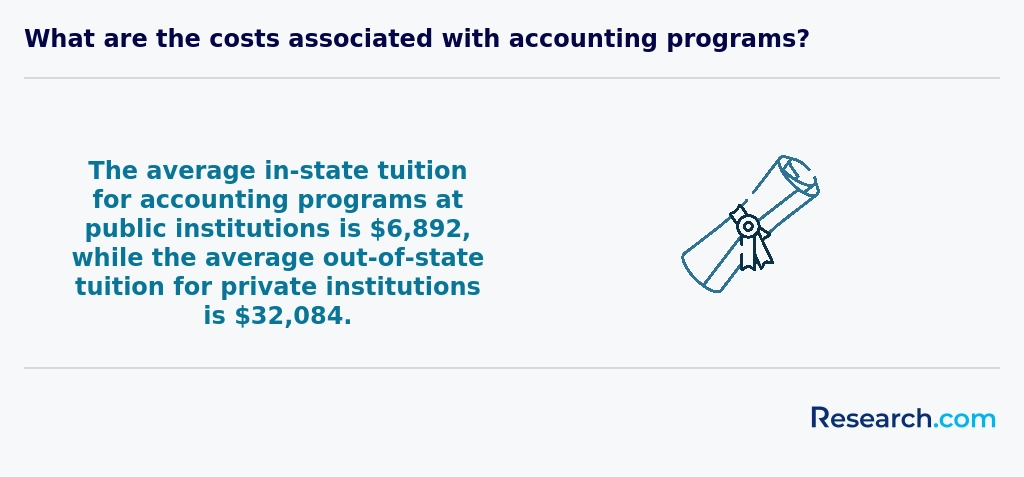
When considering an Accounting degree in Columbia, SC, it’s essential to weigh the total investment-tuition, fees and living expenses-against potential post-graduation earnings and career growth. On average, in-state public programs cost approximately $6,892 per year, while private institutions can exceed $30,000 annually. Factoring in textbooks, software and living costs, a four-year bachelor’s degree can range from $30,000 to $130,000 in total outlay. However, graduates typically enter roles such as Staff Accountant with a mean annual salary of $86,740 or as Bookkeepers earning $47,440. At these rates, even the highest-cost programs can pay for themselves within 3–5 years of full-time employment. Beyond on-campus options, many students find that online programs offer even greater affordability and flexibility. To explore cost-effective alternatives that still deliver accredited curricula and strong career support, consider our Inexpensive Online Accounting Degree Programs Ranking in the West, which highlights top-ranked programs with median program costs under $10,000 per year. Additionally, pursuing scholarships, federal grants or work-study positions can significantly reduce out-of-pocket expenses. Graduates who leverage financial aid and choose programs with high job placement rates often experience faster return on investment and lower student debt burdens. By carefully comparing total program costs, anticipated salaries and financial aid opportunities, prospective students in Columbia, SC can select the Accounting degree path that maximizes long-term value and career satisfaction.
The average accounting degree cost in Columbia offers a promising investment for students eager to advance their careers. In-state students attending well-known public universities like the University of Missouri typically face a median total cost of about $12,688, which covers tuition and essential fees for the full degree program. Many graduates recall feeling empowered by the accessibility of these education options, which allow them to pursue their passion for numbers without overwhelming financial burden.
Out-of-state students often experience higher expenses, with median total costs around $51,004. However, attending private institutions in Columbia can also vary widely within this range, from $25,000 to $40,000 annually. Despite these figures, many graduates highlight how scholarship opportunities and financial aid have made their journeys manageable, turning what might seem like a daunting total cost of accounting programs Columbia into an achievable goal filled with rewarding breakthroughs.
Living costs, textbooks, and supplies add a valuable layer to the investment, but students often find vibrant campus communities and strong support networks that enrich their experiences beyond academics. Exploring the best careers for business administration majors, many aspiring accountants find practical guidance through financial aid advisors at these institutions, ensuring their focus stays on their dreams and growth rather than just expenses.

A critical factor often overlooked when choosing an accounting degree program in Columbia, SC, is the pathway to professional certification and ongoing development in the field. While your degree lays the foundation, securing certifications like the CPA can significantly boost your career prospects. For example, many professionals explore the requirements to be a certified public accountant as an integral next step after graduation. This section highlights the benefits of obtaining professional credentials, the process of certification, and continuing education opportunities designed to keep your skills current. In today’s competitive job market, credentialing not only validates your expertise but also paves the way for advancements in specialized areas such as forensic accounting, tax advising, and financial management. Additionally, many accounting programs now incorporate career services that connect students with resources for exam preparation, networking events, and professional workshops. As you plan your educational journey, consider how a program supports both your academic and professional development, ensuring you remain agile in an ever-evolving financial landscape.
Accounting students in Columbia find a variety of financial aid opportunities that make their educational journey both achievable and rewarding. Many benefit from federal Pell Grants, which can cover up to $7,395 of annual costs, significantly easing the financial burden. Graduates from Missouri State University often share how these grants were crucial in helping them focus on their studies without constant financial stress.
Federal student loans, especially subsidized ones, provide an accessible option with low interest and flexible repayment plans tailored to students' needs. This has empowered many accounting majors to confidently manage tuition and living expenses while pursuing their goals.
State-sponsored grants and scholarships through Missouri's higher education office further support residents, rewarding academic excellence and commitment. Universities like the University of Missouri offer competitive scholarships specifically for accounting students, fueling motivation to excel.
Finally, work-study programs create real-world experience and additional income, allowing students to contribute to campus projects while funding their studies. These combined options illuminate a clear path forward for Columbia's aspiring accountants.
To enroll in an accounting degree program in Columbia, you'll need a high school diploma or equivalent, like a GED, laying a solid foundation to handle college-level challenges. Many successful graduates from top Columbia colleges often share that strong skills in mathematics-especially algebra, and sometimes introductory statistics or calculus-played a crucial role in their readiness.
Communication is key too, so completing English or language arts courses ensures you can confidently engage with complex accounting concepts and professional documents. Some students find that taking basic economics or business classes during high school gave them an extra edge, helping them connect theory with real-world financial scenarios even before stepping into university.
Standardized tests such as the SAT or ACT might be required, though test-optional options are growing in popularity, making access more flexible. Popular accounting programs at Columbia colleges often recommend prerequisite accounting courses or placement exams, so you feel fully prepared when you start.
Many graduates express how letters of recommendation and personal statements helped them showcase their passion and dedication, unlocking opportunities in their accounting journey in Columbia's vibrant academic scene.

Accounting graduates in Columbia, SC, often pursue professional certifications to enhance their credibility and career prospects. The most sought-after credential is the Certified Public Accountant (CPA) license, which requires passing the Uniform CPA Examination, completing 150 credit hours of education, and meeting South Carolina’s experience requirements. Many students fulfill the 150-hour rule by enrolling in a cheap online master of science in accounting, combining flexibility with affordability while gaining specialized knowledge in taxation, auditing, and advanced financial reporting. In addition to the CPA, other key certifications include the Certified Management Accountant (CMA) and the Certified Internal Auditor (CIA). The CMA, administered by the Institute of Management Accountants, emphasizes strategic management and financial planning; candidates must pass two exam parts covering financial planning, performance, and analytics. The CIA, offered by the Institute of Internal Auditors, focuses on risk assessment and internal controls, preparing graduates for forensic accounting and compliance roles within government and nonprofit sectors. Preparing for these exams demands targeted study plans and practical experience. Columbia’s institutions often partner with local firms to provide internships that count toward licensure requirements. Many students join study groups or use review courses to strengthen exam readiness. Graduates recommend scheduling exams shortly after coursework conclusion, leveraging fresh knowledge of auditing standards and accounting principles. Ultimately, earning a professional license not only validates technical expertise but also unlocks higher salary brackets and leadership opportunities. Whether aspiring to public accounting, corporate finance, or specialty fields, Columbia graduates who obtain certifications distinguish themselves in a competitive job market and position themselves for long-term career growth.
Accounting degree programs in Columbia offer a dynamic curriculum that equips students with both foundational knowledge and hands-on skills essential for a thriving career. Graduates from popular universities and colleges in Columbia often share how courses like Financial Accounting helped them confidently prepare real-world financial statements, while Managerial Accounting sharpened their ability to analyze budgets and guide business decisions.
In these programs, students embrace rigorous Auditing classes, learning how to critically evaluate financial records and maintain compliance-an experience many find empowering as they gain insight into safeguarding a company's integrity. Courses in Federal Taxation open doors to mastering U.S. tax laws, which graduates frequently highlight as invaluable when navigating complex tax scenarios in internships and beyond.
Popular institutions in Columbia also emphasize Accounting Information Systems, where students interact with cutting-edge technology that streamlines data management, making their learning both practical and exciting. Business Law and Ethics classes inspire a deep understanding of professional responsibility, fostering confidence in future accountants to act with integrity and trust.

Accounting degree specializations in Columbia offer dynamic pathways that empower students to thrive in various business sectors. Graduates from prominent universities in Columbia often highlight how specializations like Financial Accounting immerse them in mastering GAAP and IFRS, shaping their confidence as future professionals. Managerial Accounting, another popular track, encourages students to embrace budgeting and strategic decision-making, preparing them to become invaluable assets to any company's leadership.
Columbia accounting programs with specialization options also include Auditing, where students gain hands-on experience aligned with PCAOB standards, instilling pride in their ability to safeguard financial integrity. Those drawn to Taxation explore ever-changing state and federal laws, igniting passion to advise clients through complex tax landscapes. Forensic Accounting stands out by merging investigative skills with accounting, inspiring students to pursue roles that uncover financial fraud and promote justice.
Many find inspiration in Information Systems Accounting, diving into cutting-edge accounting software and cybersecurity challenges vital for today's data-driven world. If you're aiming for excellence, explore how the top business schools in Utah exemplify similar specialization opportunities, motivating you to envision your own success journey.
Choosing the best accounting degree in Columbia means looking for programs that combine strong accreditation with a curriculum focused on both theory and real-world application. Graduates from popular universities in Columbia often share how internships and cooperative education opportunities boosted their confidence and employability, turning classroom knowledge into practical skills. Considering best accounting degree programs in Columbia, it's thrilling to find degrees that prepare students fully for the CPA exam, fulfilling all 150 credit hour requirements needed for licensure.
Aspiring accountants embrace the journey when they find programs offering flexibility, such as online or evening classes, helping balance studies with life commitments. Affordability is key too; many students seek affordable accounting degrees Columbia that don't compromise quality but still provide access to thriving alumni networks and strong local industry connections. If you dream of career growth, exploring options like MBA healthcare management positions can also be inspiring, highlighting the diverse paths available after your accounting studies in Columbia.
Graduates with an accounting degree in Columbia find themselves stepping into a world full of exciting possibilities. Many begin their journey by becoming Certified Public Accountants, a role highly respected in Columbia's thriving public accounting firms, where they engage in auditing, tax consulting, and forensic accounting. Others discover rewarding careers in corporate accounting departments of manufacturing and healthcare companies, managing finances and driving strategic decisions. Columbia's universities cultivate confident professionals who move into positions such as financial managers or controllers, making a visible impact in growing industries.
Jobs with accounting degree in Columbia also extend into government roles, with graduates contributing to tax administration and public financial oversight at local agencies. Some graduates advance by obtaining certifications like CMA or CIA, unlocking leadership opportunities in financial planning and management consulting. Students from top universities in Columbia share how their education and hands-on experience opened doors to these vibrant career paths. For those balancing work and study, part-time online accounting certificate programs add flexibility to this inspiring journey.
The accounting degree job opportunities in Columbia are robust and expanding, fueled by a diverse economy and growing business environment. Graduates from popular universities often find themselves stepping into roles within local government agencies, financial firms, and manufacturing companies that value their skills in auditing, compliance, and financial analysis. Many students appreciate how Columbia's educational institutions foster strong employer connections through internships and career fairs, making the transition from study to the workforce smoother and encouraging.
Columbia accounting career prospects 2027 look especially encouraging, with salaries beginning near $50,000 for entry-level roles and rising well above $80,000 for certified professionals in management or advisory positions. The affordability of studying locally, with in-state tuition significantly lower than national averages, makes earning an accounting degree here both attainable and smart. Students seeking broader expertise also explore complementary options like supply chain management degree courses to enhance their versatility and job prospects in this thriving market.
2027 Most Popular Accounting Degree Programs Ranking in Columbia
Investing in your education is a significant decision that can shape your future, and the Research.com team understands the importance of making informed choices. To assist prospective students in Columbia, we have meticulously crafted the "2027 Most Popular Accounting Degree Programs Ranking in Columbia." Our commitment to quality, credibility, and accuracy is reflected in the extensive research and analysis conducted to compile this ranking.
We utilized the following reputable data sources to ensure a comprehensive evaluation of accounting programs:
By exploring this ranking, readers will gain valuable insights into the most popular accounting degree programs available in Columbia, helping them make well-informed decisions about their educational paths. For more details on our methodology, please visit our Research.com methodology page.
# 1 position
University of South Carolina-Columbia
Bachelor of Science in Business Administration in Accounting

Frequently Asked Questions About accounting
Accounting degree students in Columbia can maximize their learning experience by engaging deeply with both coursework and practical opportunities. According to the National Association of State Boards of Accountancy (NASBA), nearly 60% of accounting students nationwide benefit from internships, which strongly improve job prospects. Columbia students should seek internships with local firms or government agencies to gain hands-on experience.
Participating in student organizations like Beta Alpha Psi also helps develop professional networks and leadership skills. Additionally, mastering accounting software such as QuickBooks and Excel is essential, as 85% of employers look for these skills in entry-level candidates, per the Bureau of Labor Statistics.
Finally, leveraging campus resources, such as tutoring centers and career services, can support academic success and career planning throughout the program. Staying proactive enhances both learning outcomes and employability.
Emerging niches within the accounting field reflect growing demand for specialized skills. In Columbia and across the US, fields like forensic accounting have surged due to increased corporate fraud investigations and regulatory requirements. According to the American Institute of CPAs, job growth for forensic accountants is expected to rise by 15% through 2031.
Another expanding area is environmental accounting, where professionals assess costs related to environmental conservation, supported by increasing federal and state regulations. Technology-driven roles such as data analytics accounting also gain importance, as firms use big data to improve financial decision-making.
These niches offer promising career paths for students pursuing accounting degrees, aligning with economic trends and technological advancements.
After completing an accounting degree in Columbia, preparing for the job market involves several strategic steps. First, gaining relevant experience is crucial. Internships, whether through your university or local firms, provide practical skills and networking opportunities. According to the U.S. Bureau of Labor Statistics, candidates with internship experience have 20% higher employment rates in accounting roles.
Next, obtaining certifications such as the Certified Public Accountant (CPA) license significantly improves job prospects. In Columbia, passing the CPA exam is recognized as an industry standard for accounting professionals.
Additionally, developing strong technical skills in accounting software like QuickBooks and Excel boosts marketability. Joining professional organizations such as the American Institute of CPAs (AICPA) can offer mentorship and job leads.
Employers in Columbia highly value accounting graduates who demonstrate strong analytical skills. These skills enable graduates to interpret financial data effectively and support business decision-making. According to the U.S. Bureau of Labor Statistics, proficiency in accounting software such as QuickBooks and Excel is essential, as 75% of firms expect familiarity with digital tools.
Communication skills are also crucial. Accountants must clearly present financial concepts to clients and colleagues, often without a financial background. Additionally, attention to detail is vital to minimize errors in reports and tax filings, which can lead to costly consequences.
Ethics and integrity are fundamental in the accounting profession. Employers prioritize graduates who adhere to strict professional standards, reflecting the requirements outlined by the American Institute of CPAs (AICPA).
Finding internships in Columbia related to an accounting degree involves strategic research and networking. Many universities in Columbia have partnerships with local businesses and accounting firms, offering dedicated internship programs for accounting students. According to the National Association of Colleges and Employers (NACE), approximately 60% of accounting students secure internships before graduation.
Students should utilize their college's career services, which often maintain internship databases and host job fairs. Additionally, professional organizations like the American Institute of Certified Public Accountants (AICPA) provide resources and connections for accounting internships. Online platforms specific to Columbia's job market, such as local university portals, are also valuable tools to explore opportunities.
In Columbia, an accounting degree significantly enhances career mobility and advancement opportunities within the financial and business sectors. Graduates often qualify for roles such as auditors, tax consultants, and financial analysts, which are in demand due to the country's expanding economy. According to the U.S. Bureau of Labor Statistics, accountants in the state have a median annual wage of around $72,000, which is above the national average.
Possessing a degree also boosts chances of promotion, as many senior accounting positions require formal education and certifications like CPA. Employers in Columbia tend to prefer candidates with robust academic backgrounds for leadership roles. The degree provides foundational knowledge in tax laws and financial regulations, essential for adapting to evolving industry standards.
Moreover, Columbia's growing business hubs offer networking and internship opportunities for accounting students, further enhancing career progression. Overall, an accounting degree lays a vital groundwork for both entry-level and advanced career paths in the state.
Studying for an accounting degree in Columbia equips students with skills that extend beyond traditional accounting. Programs often include courses in finance, management, information systems, and business law, fostering an interdisciplinary approach essential for today's complex workplace. This broad curriculum enables graduates to work effectively in roles that require both technical accounting knowledge and strategic decision-making abilities.
According to the National Association of State Boards of Accountancy (NASBA), 75% of employers in Columbia seek accountants with multi-skilled expertise. Many universities also emphasize teamwork, communication, and technology proficiency, which are vital in interdisciplinary settings.
These programs prepare students to collaborate across departments, integrating financial data with broader business objectives.
Choosing between a thesis and a non-thesis accounting degree program in Columbia depends on your career goals and learning preferences. Thesis programs typically require original research, ideal for students aiming for academic or research careers, or planning to pursue a PhD. Non-thesis programs focus more on coursework and practical skills, suited for those targeting professional accounting roles or certifications like the CPA.
According to the National Center for Education Statistics, over 60% of accounting graduates in the US choose non-thesis options, valuing faster completion and practical application. Consider speaking to academic advisors and reviewing program curricula to find the best fit.
Students based in Columbia who want to study accounting abroad primarily consider programs in the United States due to its well-established higher education system. The U.S. offers a variety of accounting degree options, including bachelor's, master's, and professional certifications like the CPA. Notably, around 60% of students enrolled in accounting programs in Columbia expressed interest in U.S. universities, based on a 2023 survey by the National Association of Colleges and Employers.
Many U.S. universities provide specialized accounting degrees accredited by the AACSB, ensuring high educational standards. Students can also explore exchange programs and scholarships aimed specifically at international learners.
Additionally, flexible learning options such as online accounting degrees from U.S. institutions are increasingly popular, accommodating students who wish to study abroad without relocating.
Students pursuing accounting degrees in Columbia can benefit from part-time jobs closely related to their field. Positions such as bookkeeping assistants, tax preparers, and audit clerks offer practical experience alongside academic studies. These roles help students apply classroom knowledge to real-world scenarios.
According to the U.S. Bureau of Labor Statistics, accounting and auditing clerks have a median hourly wage of about $21, making this a financially viable option. Additionally, internships with local accounting firms and corporate finance departments in Columbia provide valuable networking and professional growth opportunities.
Such jobs enhance skills in financial reporting, tax regulations, and software commonly used in accounting, including QuickBooks and Excel, thus complementing academic learning efficiently.
Accounting students in Columbia benefit from a variety of networking opportunities that support their academic and professional growth. Universities often host events such as guest lectures, career fairs, and accounting club meetings, connecting students with professionals in the finance and accounting sectors. According to the National Association of State Boards of Accountancy (NASBA), networking plays a crucial role in securing internships and employment in the accounting field.
Local chapters of organizations like the American Institute of CPAs (AICPA) frequently offer student memberships and regional events. These gatherings provide students with access to seasoned accountants, potential mentors, and peer support.
Additionally, Columbia's proximity to major financial hubs allows students to engage with industry workshops and seminars. Online platforms and university alumni networks further enhance connections and job placement chances.
Alumni networks provide valuable support for accounting degree students in Columbia by connecting them to professionals who have navigated similar educational and career paths.
These networks often offer mentorship opportunities, helping students understand industry trends, such as the growing demand for forensic accounting reported by the U.S. Bureau of Labor Statistics.
In Columbia, alumni connections can facilitate internships and job placements within local accounting firms or corporations, enhancing practical experience and employability after graduation.
Moreover, alumni groups frequently organize workshops and networking events that expose students to real-world accounting challenges and professional development.
Participation in these networks increases access to resources beyond the classroom, boosting career readiness in a competitive field.
In Columbia, students pursuing accounting degrees can tailor their programs by selecting electives that align with their career interests, such as tax accounting, auditing, or forensic accounting. Many institutions offer internship opportunities, allowing students to gain practical experience in local businesses or accounting firms.
Additionally, students may choose to pursue certifications like the CPA (Certified Public Accountant) alongside their degree, enhancing career prospects. Columbia's colleges often provide access to specialized workshops and networking events with professionals in finance and accounting sectors.
According to the National Association of State Boards of Accountancy, over 75% of accounting graduates secure jobs within six months, emphasizing the value of customization in education to meet job market demands.
Accounting students in Columbia often face several challenges unique to their academic and professional environment. One major hurdle is the rigorous curriculum, which demands strong analytical and quantitative skills. According to the National Association of State Boards of Accountancy (NASBA), the pass rate for the Uniform CPA Exam in Columbia is slightly below the national average, reflecting the difficulty of mastering all required topics.
Many students also struggle with balancing internship opportunities alongside their studies. Columbia's competitive job market means practical experience is crucial but can be hard to secure. Additionally, staying updated with evolving accounting regulations and tax codes requires continuous learning outside of classroom hours.
Finally, financial concerns can affect student performance. Tuition costs in Columbia's public universities average around $10,000 annually for residents, according to the College Board, making budgeting a key stress factor for many aspiring accountants.
With an accounting degree, graduates in Columbia can pursue several key professional certifications to enhance their career prospects. The most recognized certification is the Certified Public Accountant (CPA), which is essential for many accounting roles and requires passing the Uniform CPA Exam and meeting state experience requirements. According to the Columbia Board of Accountancy, the CPA license is highly respected locally and nationally.
Another valuable credential is the Certified Management Accountant (CMA), which focuses on management accounting and financial analysis. The CMA designation is offered by the Institute of Management Accountants and suits those aiming for corporate finance roles.
Additionally, the Certified Internal Auditor (CIA) is available for professionals interested in internal auditing. This credential is issued by the Institute of Internal Auditors and can complement an accounting degree well.
These certifications typically require a combination of education, experience, and exam success, providing graduates with greater job opportunities and potentially higher salaries in Columbia's competitive accounting market.
To write a winning application for an accounting program in Columbia, start by highlighting your academic achievements, particularly in mathematics and business-related courses. Strong GPA and relevant coursework improve your chances significantly. Columbia's universities often value applicants with demonstrated interest in accounting, so mention any internships or work experience in finance or accounting sectors.
Include a clear personal statement explaining why you want to study accounting and how it aligns with your career goals. Use concise, focused language to convey your motivation and commitment.
References from teachers or employers familiar with your quantitative skills can further strengthen your application. Lastly, ensure you meet standardized test requirements such as the SAT or ACT scores, if required by the institution.
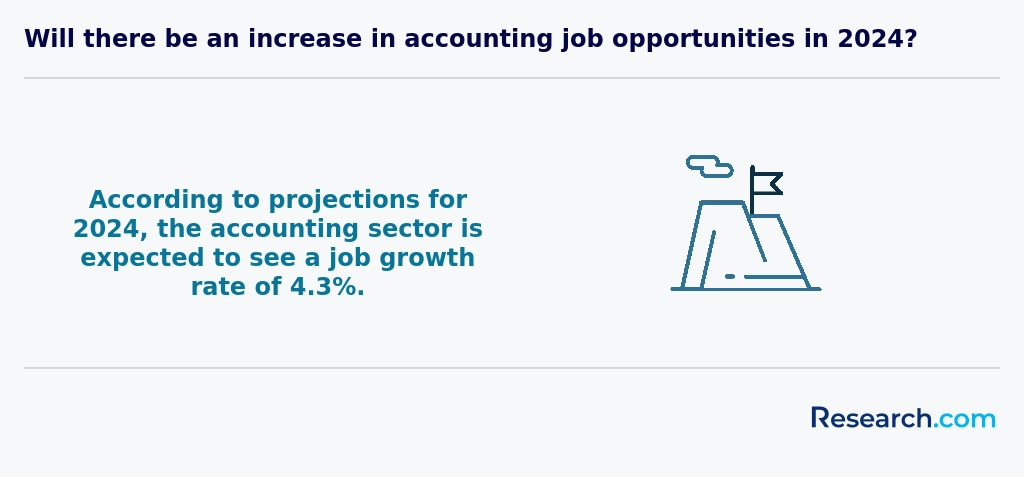
The accounting profession offers a dynamic global career path, highly valued in the United States. According to the U.S. Bureau of Labor Statistics, employment of accountants and auditors is projected to grow 7% from 2022 to 2032, reflecting steady demand. Columbia, with its vibrant business environment, provides ample opportunities for accountants to engage with both domestic and international markets.
Globally, recognized credentials like the CPA (Certified Public Accountant) enhance job prospects and open doors to multinational corporations. US-based accounting degrees also emphasize strong regulatory knowledge and ethical standards, which are respected worldwide. Columbia's institutions often align curricula with these standards to prepare graduates for competitive roles.
As businesses expand internationally, accountants with a global perspective and cross-border experience are increasingly sought after. Professionals who understand international financial reporting standards (IFRS) alongside US GAAP gain a clear advantage. This makes accounting careers in Columbia a promising choice for students aiming to work within or outside the US financial landscape.
Gaining practical experience while studying for an accounting degree in Columbia is essential for career readiness. Many universities offer internships through partnerships with local businesses and accounting firms. These internships allow students to apply classroom knowledge in real-world settings, enhancing skills in areas like auditing, tax preparation, and financial reporting.
Additionally, students can participate in cooperative education programs (co-ops) that integrate paid work experiences with academic study. According to the National Association of Colleges and Employers (NACE), accounting majors have one of the highest internship participation rates, improving employment prospects post-graduation.
Volunteering for non-profits or campus organizations to manage finances also provides hands-on experience. Many schools in Columbia have student accounting clubs and offer case competitions that simulate real industry challenges, fostering practical learning beyond lectures.
Choosing the right concentration within an accounting degree program in Columbia depends on your career goals and interests. Common concentrations include auditing, taxation, forensic accounting, and managerial accounting. Auditing is suited for students interested in examining financial records and ensuring compliance. Taxation focuses on tax laws and planning, often leading to careers in accounting firms or government agencies. Forensic accounting involves investigating financial crimes and requires strong analytical skills.
Consider job market demand in Columbia as reported by the Bureau of Labor Statistics, which highlights steady growth in tax and audit roles. Additionally, check if your chosen college offers CPA exam preparation aligned with specific concentrations, since CPA licensure boosts employability in the field.
- 2027 Most Popular Accounting Degree Programs Ranking in Greensboro
- 2027 Most Popular Accounting Degree Programs Ranking in Atlanta
- 2027 Most Popular Accounting Degree Programs Ranking in Jacksonville
- 2027 Most Popular Accounting Degree Programs Ranking in Tallahassee
- 2027 Most Popular Accounting Degree Programs Ranking in Montgomery
- 2027 Most Popular Accounting Degree Programs Ranking in Birmingham
- 2027 Most Popular Accounting Degree Programs Ranking in Nashville
- 2027 Most Popular Accounting Degree Programs Ranking in Louisville
- 2027 Most Popular Accounting Degree Programs Ranking in Cincinnati
- 2027 Most Popular Accounting Degree Programs Ranking in Washington
See What Experts Have To Say About Studying Accounting
Read our interview with Accounting experts


John Wermert, Ph.D., CPA
Accounting Expert
Associate Professor of Accounting
Middle Tennessee State University

- College Readiness: Connecting with the Alumni Network - Community Foundation https://southcoastcf.org/college-readiness-connecting-with-the-alumni-network/
- Get Ahead in Accounting: Ways to Build Relevant Work Experience https://www.fctraining.org/gain-accounting-work-experience.php
- 15 Accounting Careers: Undergraduate & Graduate Paths https://www.baypath.edu/news/bay-path-university-blogs/post/15-accounting-careers-undergraduate-graduate-paths/
- Accountant Cover Letter Example https://www.careertoolbelt.com/professions/accountant/cover-letter-example/
- 5 Niches for Accountants to Consider - Samera Global https://sameraglobal.com/5-niches-for-accountants-to-consider/
- Why International Career Mobility is Key to Attracting the Next Generation of Professional Accountants https://www.ifac.org/knowledge-gateway/discussion/why-international-career-mobility-key-attracting-next-generation-professional-accountants
- Everything About Bachelor’s in Accounting https://www.allbusinessschools.com/accounting/bachelor-degree-in-accounting/
- Know more about thesis vs non- thesis: what is the difference? https://studyfans.com/en/blogs/816
- Are accounting students overloaded and under-supported? https://www.studentvoice.ai/blog/accounting-students-challenges-with-workload-and-support/
- Accounting https://www.columbiabasin.edu/learn/discover-your-path/business/accounting/index.html


