
2027 Best Accounting Degree Programs Ranking in Burlington

Co-Founder and Chief Data Scientist
Choosing the right accounting degree program in Burlington can be overwhelming, but this article simplifies the process for you. Featuring the 2027 Best Accounting Degree Programs Ranking in Burlington, created by the Research.com team of data scientists, it provides clear, data-driven insights to guide your decision.
Whether you're starting fresh or planning a career shift, an accounting degree offers valuable skills and opportunities. Reading this article will help you discover programs that align with your goals and set you up for success in a rewarding field.
Key benefits of getting accounting degree in Burlington
- Salary benefits: Accounting degree graduates in Burlington can expect competitive salaries, such as Staff Accountants earning an average of $90,780 annually and Bookkeepers earning around $49,580 per year.
- Career paths: Graduates from local universities like the University of Vermont can pursue diverse roles such as Tax Preparer, Associate Auditor, or Accounts Payable Clerk, providing flexibility and growth.
- Online degree advantages: Completing an accounting degree online offers convenient scheduling and often lower costs, allowing students to balance work and study while still accessing quality education.
- 2027 Best Accounting Degree Programs Ranking in Burlington
- What can I expect from accounting degree in Burlington?
- Where can I work with accounting degree in Burlington?
What can I expect from accounting degree in Burlington?
The average cost of an accounting degree in Burlington varies, but students typically face tuition fees ranging from $20,000 to $40,000 per year at well-known institutions like the University of Vermont or Champlain College. Graduates often recall balancing the challenge of these expenses with the value of hands-on experiences such as internships with local accounting firms, which made the investment feel worthwhile beyond just the classroom.
Many students embrace the opportunity to connect theory with practical applications, which amplifies the return on their financial commitment. One graduate reflected on how the cost was offset by career counseling and networking events that opened doors to CPA preparation resources and local job markets.
For those juggling budgets, Burlington's accounting programs also offer options like community colleges or part-time enrollment, providing more affordable pathways. This adaptability helps students navigate financial pressures while staying engaged with evolving industry demands-an essential balance when investing in a future amid rising educational costs.
Where can I work with accounting degree in Burlington?
Graduates from accounting programs at institutions like the University of Vermont often discover a surprising breadth of career options in Burlington's vibrant economy. Many find themselves stepping into public accounting firms, handling audits or tax preparation, where regional offices of national giants alongside respected local CPA firms eagerly seek new talent. Imagining yourself advising a local business or managing a complex audit early in your career becomes not just possible but common.
Others embrace roles in the private sector, joining companies like GlobalFoundries, where accounting skills directly influence decisions on manufacturing costs or financial strategy. This hands-on experience, often shared by alumni, brings accounting's abstract concepts to life, weaving them into real business challenges.
Burlington's government agencies and nonprofits also hire graduates, offering opportunities to contribute meaningfully to public finance or community initiatives. Many find personal satisfaction managing funds for local educational institutions or city programs, blending numbers with purpose.
The city's entrepreneurial spirit further encourages graduates to combine accounting expertise with advisory roles in small businesses, transforming traditional job paths into dynamic careers.
Accounting graduates in Burlington often find their first roles aligning with positions like Staff Accountant, where the mean annual wage is about $90,780 according to the U.S. Bureau of Labor Statistics. This salary level reflects the competitive nature of Burlington's job market, especially for those coming from well-regarded programs at local institutions such as the University of Vermont.
Many recent graduates share stories of starting comfortably above $50,000, particularly if they enter roles similar to Bookkeeper, Tax Preparer, or Associate Auditor, all averaging around $49,580 annually. These figures illustrate that even entry-level positions offer a solid foundation, allowing graduates to quickly support themselves while gaining valuable industry experience.
Graduates frequently mention that the vibrant economic landscape in Burlington-the mix of finance, healthcare, and manufacturing sectors-provides an encouraging environment to grow professionally. The blend of hands-on experience and relevant certifications like CPA often propels their earnings well beyond starting salaries, underscoring the tangible value of their degree.
- Tuition for accounting degrees in Burlington ranges from $12,000 to $25,000 per year at public colleges, while private institutions often charge over $30,000 annually.
- Books, supplies, and living costs are additional expenses that can add several thousand dollars each year to the total cost.
- Entry-level accountants in Burlington start with an average salary of about $50,000, with median incomes rising to $70,000-$80,000 after five to ten years.
- The local job market is growing, with a projected 7% increase in accounting and auditing jobs through 2030.
- Many programs offer degrees at both bachelor's and associate levels, including part-time and accelerated options for working adults.
- Programs often prepare students for CPA certification and emphasize internships to build practical skills.
In Burlington, completing an accounting degree typically takes four years for most students pursuing a bachelor's degree full-time at well-known institutions like the University of Vermont. Graduates often recall balancing the rigorous coursework with campus life, appreciating that this traditional timeline allows a deep dive into accounting principles and practical skills.
However, not everyone follows this steady path. Some students at community colleges in Burlington opt for associate degrees, finishing in about two years and entering the workforce sooner. These quicker routes appeal to those eager to start their careers or manage family responsibilities alongside studies.
Then there are students who embrace part-time schedules, extending their journey to five years or more. This choice often reflects the reality of juggling jobs and classes, a sacrifice many feel is worth the financial and personal balance it provides.
For the determined few, accelerated bachelor's programs offer a thrilling challenge, wrapping up studies in roughly three years through intensive coursework. Their stories highlight a fierce commitment but remind us that speed doesn't always fit every ambition or lifestyle.
Earning an accounting degree in Burlington, VT, is just the first step toward becoming a licensed professional; pursuing certifications like the CPA, CMA, and CIA can dramatically boost your career prospects and earning potential. Certified Public Accountant (CPA): To sit for the CPA exam in Vermont, candidates must complete 150 semester-hours of education, including specific accounting and business coursework. The exam consists of four sections-Auditing and Attestation, Business Environment and Concepts, Financial Accounting and Reporting, and Regulation-and passing all within an 18-month window is required for licensure. Many programs integrate review courses or partner with prep providers to streamline this process. Certified Management Accountant (CMA): Ideal for students interested in corporate finance and strategic management, the CMA credential requires a bachelor’s degree, two years of professional experience, and passing two exam parts covering Financial Planning, Performance and Analytics, and Strategic Financial Management. Preparing through targeted electives and case-based projects can give you a competitive edge. Certified Internal Auditor (CIA): For those drawn to auditing and risk management roles, the CIA designation demands passing three exam parts-Essentials of Internal Auditing, Practice of Internal Auditing, and Business Knowledge for Internal Auditing-as well as meeting education and experience criteria. Coursework in audit techniques and ethics enhances readiness for both the exam and on-the-job challenges. Enrolled Agent (EA): Specializing in taxation, EAs are federally authorized tax practitioners. Candidates must pass a three-part IRS exam covering Individual Tax, Business Tax, and Representation, Practices & Procedures. Combining taxation electives with hands-on internships can solidify your understanding of complex tax codes. To accelerate your path to these certifications, consider programs with built-in exam prep and credit-overload options. For flexible, intensive curricula designed to meet licensure requirements quickly, explore our best accelerated accounting degree offerings, which balance foundational theory with targeted review modules and professional mentorship. Continuous professional education (CPE) is mandatory after certification-look for institutions that offer post-licensure workshops, webinars, and alumni networks to help you stay current with regulatory changes and industry best practices. Embedding certification readiness into your academic plan ensures you graduate not only with a degree but also with a clear roadmap to professional success.
Many students in Burlington find that choosing between online and on-campus accounting degrees isn't just about convenience-it shapes their entire learning journey. Graduates from local universities often recall how on-campus programs allowed them to bounce ideas off peers during late-night library sessions or build lasting connections through networking events with nearby firms, an experience that online formats can struggle to replicate.
On the other hand, online graduates appreciate the freedom to balance work and study without sacrificing income or relocating. One common reflection is the self-discipline gained from managing asynchronous courses, which many say prepared them for real-world accounting deadlines. While tuition costs at Burlington colleges remain similar, online learners benefit from cutting travel and housing expenses, making their education feel more manageable financially.
Ultimately, Burlington students recognize that both paths demand rigor and accreditation by institutions like AACSB or ACBSP, ensuring their degree holds value. Whether engaging face-to-face in campus classrooms or mastering independent study at home, the true difference lies in how the program fits into one's lifestyle and career goals.
The average cost of an accounting degree in Burlington often surprises prospective students who anticipate a straightforward tuition figure. In reality, the total expenses for accounting degree Burlington 2027 tend to vary based on residency and institution, with in-state students typically facing a median total cost around $33,454, while out-of-state students may pay nearly double, averaging $63,687. Graduates from popular local public universities often share stories of balancing financial aid packages and part-time work to manage these expenses, turning initial worries into a sense of accomplishment and readiness.
It's important to recognize that tuition alone doesn't define the complete investment. For example, community colleges offer a more affordable path, but students frequently weigh whether credits will transfer seamlessly to four-year programs, reflecting a nuanced decision beyond just price tags. Many students at Burlington's colleges recall how technology fees, books, and living costs can unexpectedly add up, challenging traditional notions of cost. This holistic view underscores why the average cost of accounting degree in Burlington extends beyond tuition.
Amid these financial realities, the growing availability of merit-based scholarships and federal aid transforms perceived obstacles into achievable goals for many. The journey to an accounting master's degree in Burlington becomes less daunting, inspiring students to pursue their ambitions despite the numbers. Such stories highlight how understanding the full scope of costs sharpens financial planning, making the investment in accounting education both a practical and rewarding pursuit.

Many accounting students at Burlington's well-known colleges find financial aid is more than just a safety net-it's a transformative tool. Imagine a student juggling coursework at the University of Vermont, relieved when a Pell Grant covers a significant portion of tuition, reducing anxiety about mounting debt. Federal grants like these offer up to $7,395 annually without needing repayment, sparking hope and focus rather than stress.
Beyond federal support, Vermont's own State Grant Program tailors assistance to local residents, making education feel more accessible. Undergraduates report that institutional scholarships, awarded for diligence in accounting studies or leadership roles, not only ease financial pressure but also recognize and motivate personal achievement.
- Work-study programs immerse students in practical experiences while supplementing their income, blending education and earning seamlessly.
- Federal loans exist but are approached cautiously, with graduates emphasizing the importance of understanding long-term impacts before borrowing.
For Burlington students, financial aid is a multifaceted reality. It intertwines with their ambitions and daily lives, making an accounting degree feel like an attainable goal rather than a distant dream.
With the rapid evolution of technology and increasing demand for secure financial practices, forensic accounting is experiencing significant transformation. Modern forensic accountants are leveraging advanced data analytics, artificial intelligence, and digital investigation tools to uncover fraudulent activities more efficiently. This shift not only enhances transparency and accuracy but also opens up new career avenues that emphasize remote and flexible work arrangements. As businesses globally adapt to hybrid work models, many professionals are exploring how technology empowers them to support critical financial investigations from any location. For example, several industry reports have highlighted that today’s financial experts are well-equipped to conduct comprehensive audits and investigations even outside traditional office settings-proving that can forensic accountants work from home without compromising the effectiveness of their work. This emerging trend not only addresses the need for work-life balance but also enables firms to tap into a wider talent pool, ensuring that specialized expertise in forensic accounting is accessible regardless of geographical constraints. As the sector continues to evolve, prospective students and current professionals should consider staying updated on technological advancements and remote work strategies, which are likely to shape the future of accounting significantly.
To enroll in an accounting degree program in Burlington, students quickly realize that having a high school diploma or GED is just the starting point. Graduates from well-known Burlington colleges often recall the emphasis on a strong foundation in algebra and the expectation to have completed prerequisite courses in math and occasionally business or economics. It's not merely about ticking boxes; these requirements reflect the demanding nature of accounting itself, where analytical and numerical skills are critical.
Many students find that submitting official transcripts showcasing a minimum GPA near 2.5 opens doors, but it's the proven readiness-often demonstrated through test scores or placement exams-that truly sets them apart. For some, navigating standardized test policies can be a surprise, as more schools in Burlington adopt test-optional paths, fostering a more inclusive atmosphere.
Non-native English speakers share how showcasing proficiency through exams like TOEFL adds confidence when engaging in complex coursework. Letters of recommendation and personal statements aren't mere formalities; they become storytelling tools that connect applicants personally to the accounting field. Applicants who embrace this holistic process often feel more motivated entering Burlington's academic environment.
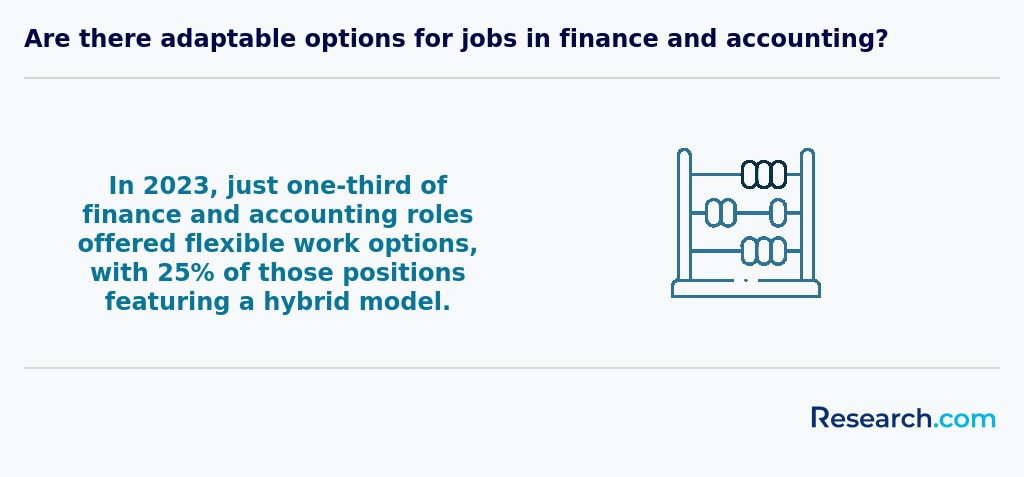
To further assist prospective accounting students in making informed decisions, it is essential to consider the affordability of accounting programs in Burlington, VT. When exploring options for higher education, cost is a critical factor that can significantly impact one's choice. Fortunately, Burlington, VT, offers a range of accounting schools that cater to different budgets and preferences. For those seeking affordable options, researching schools that offer competitive pricing without compromising on quality is crucial. By visiting affordable accounting schools in Vermont, students can gain access to a comprehensive list of institutions that balance affordability with academic excellence, helping them make a more informed decision about their future in accounting.
Students pursuing accounting degrees in Burlington dive into courses that challenge the way they think about finance and business. Graduates from popular local colleges often recall how Financial Accounting transformed their view of everyday transactions, revealing the story behind numbers on bank statements or business ledgers. Meanwhile, Managerial Accounting offers clear insights into budgeting and cost management, essential skills that students enthusiastically apply during internships with Burlington's financial firms.
Many find that Auditing equips them with a detective's mindset, scrutinizing financial statements to uncover hidden discrepancies, an experience both exciting and empowering for those aiming to stand out. Taxation classes, focused on federal and state laws, turn abstract regulations into practical knowledge, something graduates frequently recall using to simplify real tax filing scenarios.
Beyond fundamentals, courses like Accounting Information Systems connect students to the tech side of finance, where they master software crucial for modern accounting. Business Law grounds them in real-world legal challenges, fostering confidence in navigating contracts or compliance issues. These courses combined make studying accounting in Burlington an immersive, deeply rewarding journey.

In Burlington, accounting degree specializations often challenge students to think beyond the conventional ledger books. Graduates from local colleges frequently highlight how public accounting, with its emphasis on CPA licensure, opens doors to auditing, tax prep, and consulting roles that thrive in the city's vibrant business environment. Such specialization isn't just theory; it reflects the real, tangible needs of Burlington's corporate hubs. Choosing managerial accounting draws students into the heart of internal business strategy, where mastering tools like QuickBooks and SAP is essential for driving growth in the region's expanding SMEs.
Students exploring Burlington accounting programs with concentrations also find taxation and auditing specializations deeply relevant. One graduate recalls grappling with Vermont-specific tax codes in taxation classes, an experience that made their expertise immediately valuable to local firms navigating unique state regulations. The auditing track offers another practical edge, supporting careers crucial to the city's financial services sector, where precision and compliance are non-negotiable. For those seeking something niche yet impactful, forensic accounting combines finance with investigative work-perfect for law enforcement or private firms around Burlington.
For students unsure about their focus or considering alternative paths, institutions in the area sometimes recommend exploring an affordable online associate degree in paralegal studies as a complementary skill set, revealing the diverse opportunities linked to financial and legal expertise.
Choosing the best accounting degree in Burlington demands more than just comparing tuition costs or program rankings. Graduates from local universities often recall how accreditation was their compass-programs recognized by bodies like AACSB ensured their CPA exam success and opened doors in Burlington's competitive job market. Yet, affordability matters, too; seeking affordable accounting colleges near Burlington helped some balance quality education with manageable debt, a critical factor as many juggle work and study.
Beyond credentials, consider how immersive the program is: Burlington students frequently mention internship experiences with local accounting firms that transformed theory into real-world confidence, fueling their passion and networking power. Flexibility also shapes success stories-small classes and evening options allowed them to thrive amid personal commitments.
Ultimately, knowing your career path-whether public accounting or corporate finance-and aligning your program accordingly is key. Exploring fields such as healthcare accounting through an MBA in healthcare career options can also expand horizons, urging students to envision a dynamic future in accounting.
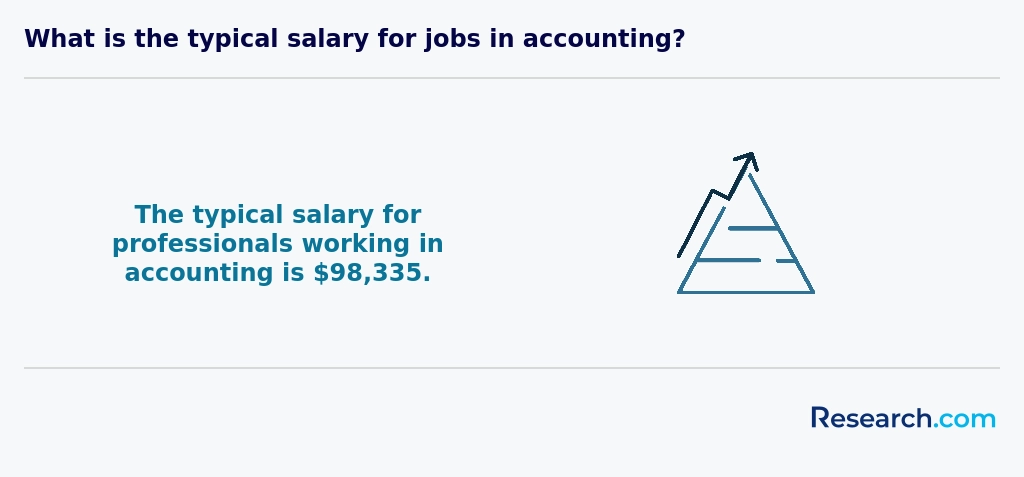
Graduates with an accounting degree in Burlington often discover career opportunities that extend beyond the traditional office setting, thriving in roles like public accountants who handle complex tax preparations or forensic accountants digging into financial fraud cases. Those emerging from well-known local colleges often share stories of early challenges mastering software such as QuickBooks and SAP, yet describe these experiences as transformative stepping stones toward becoming sought-after management accountants or internal auditors. These roles demand not only technical expertise but also a deep understanding of strategy and risk-skills sharpened within Burlington's vibrant academic environment.
Exploring accounting degree job prospects Burlington reveals many paths where graduates feel empowered to influence both corporate decisions and public accountability. Government accountant positions offer a unique chance to safeguard community funds, while others find fulfillment collaborating with nonprofit organizations. For students considering expanding their qualifications, professional certifications are critical, much like how some peers balance rigorous coursework with accredited digital marketing degrees online to diversify skills and advance careers.
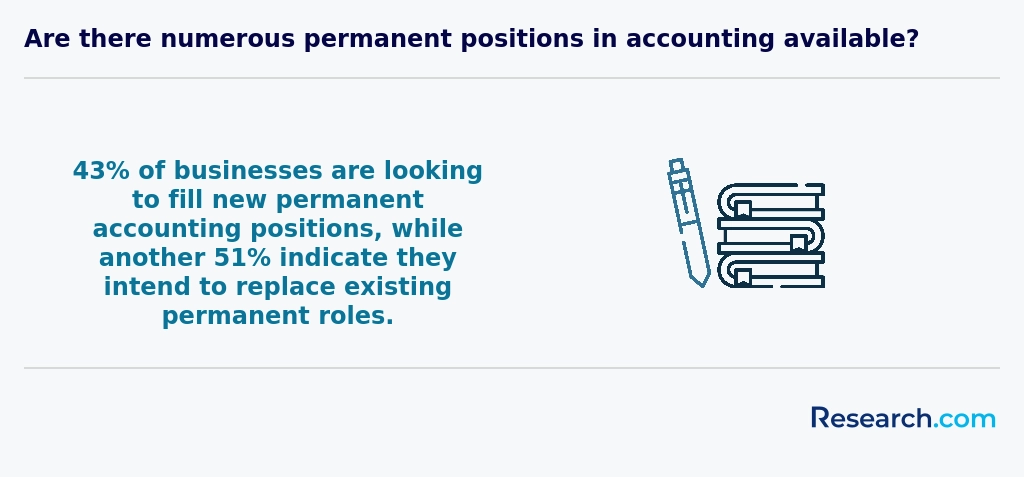
The accounting job outlook in Burlington defies the idea that career paths are rigid and limited by location. Graduates from popular colleges in Burlington often find themselves stepping into a dynamic market shaped by diverse industries like finance, healthcare, and emerging tech startups. One graduate shared how starting as a junior auditor at a local public accounting firm quickly evolved into a role involving advanced forensic accounting, highlighting the fluidity and growth potential available. This vibrant opportunity landscape is fueled by the steady 6% employment growth expected statewide, paralleling national trends yet supported by Burlington's unique economic mix.
Burlington accounting degree employment opportunities extend beyond traditional roles. Students graduating here witness firsthand a variety of sectors eager to hire entry-level professionals while emphasizing certifications like the CPA to boost advancement. Local tuition costs remain competitive, allowing many to invest wisely in their education. For students considering broader options, researching the best online colleges for bachelor's degrees can complement their path, blending flexibility with robust academic foundations.
2027 Best Accounting Degree Programs Ranking in Burlington
Investing in your education is a significant decision that can shape your future, and the Research.com team understands the importance of making informed choices. To assist prospective students in Burlington, we have meticulously crafted the "2027 Best Accounting Degree Programs Ranking in Burlington." Our commitment to quality, credibility, and accuracy is reflected in the extensive research and analysis conducted to compile this ranking.
We utilized the following reputable data sources to ensure a comprehensive evaluation of accounting programs:
By exploring this ranking, readers will gain valuable insights into the best accounting degree programs available in Burlington, helping them make informed decisions about their educational paths. For more details on our methodology, please visit our Research.com methodology page.


Frequently Asked Questions About accounting
Accounting degree students in Burlington can maximize their learning by engaging actively with both their coursework and local professional opportunities. Burlington is home to several accredited institutions offering strong accounting programs recognized by the AACSB, ensuring high educational standards. Students should seek internships with nearby firms; the Burlington metropolitan area, with a growing finance and business sector, offers practical experience that enhances understanding of accounting principles.
Joining student chapters of professional organizations such as Beta Alpha Psi or the American Institute of CPAs (AICPA) can provide networking, mentorship, and workshops. According to the U.S. Bureau of Labor Statistics, strong connections and practical experience improve job prospects for accountants significantly. Additionally, Burlington students should utilize university resources like tutoring centers and career services tailored to accounting students to strengthen skills and prepare for CPA exams.
Emerging niches within the accounting field are shaping new career paths for students pursuing accounting degrees in Burlington. One growing area is forensic accounting, which involves investigating financial fraud and disputes. The demand for forensic accountants in the U.S. is expected to grow by 16% through 2031, according to the U.S. Bureau of Labor Statistics.
Another niche gaining traction is sustainability accounting, focusing on environmental impact and corporate social responsibility reporting. As more companies prioritize sustainability, accountants skilled in these practices become essential.
Additionally, technology-driven roles such as data analytics and blockchain accounting are expanding, requiring accountants to blend financial expertise with IT skills. Institutions in Burlington are beginning to integrate these topics into their curricula to meet market needs.
Graduates with an accounting degree in Burlington should focus on building practical skills to enhance employability. Internships or cooperative education programs offered by local employers provide valuable real-world experience. According to the U.S. Bureau of Labor Statistics, accounting jobs in Massachusetts, including Burlington, are projected to grow 7% from 2021 to 2031, indicating positive job market prospects.
Networking within Burlington's professional community, such as joining local chapters of the American Institute of CPAs (AICPA), can open doors to career opportunities. Additionally, obtaining certifications like the CPA credential significantly boosts job prospects and earning potential.
Strong proficiency in accounting software and data analysis tools is increasingly demanded by employers in the region.
Employers in Burlington seek several key skills in accounting degree graduates to meet local industry demands. Technical proficiency in Generally Accepted Accounting Principles (GAAP) and familiarity with software like QuickBooks and Microsoft Excel are essential. According to the Bureau of Labor Statistics, proficiency in data analysis and financial reporting enhances a candidate's appeal in the current job market.
Additionally, strong attention to detail and organizational skills are critical, as roles often involve managing complex financial records. Communication skills also rank highly, enabling accountants to clearly explain financial information to non-expert colleagues and clients. Local employers emphasize adaptability and ethical judgment, reflecting the evolving regulatory environment in Burlington's finance sector.
Finding internships in Burlington relevant to an accounting degree involves a strategic approach. Start by exploring local businesses, especially accounting firms, financial institutions, and corporate offices, which often offer internship opportunities tailored to accounting students. According to the Burlington Economic Development Office, the city hosts over 200 businesses in the finance and insurance sector, creating numerous internship possibilities.
Students should also connect with Burlington-area colleges and universities, like the University of Vermont, which provide internship placement assistance through career centers. Additionally, professional organizations such as the Vermont Society of Certified Public Accountants frequently share internship openings with members and students.
Online internship portals like Handshake and local job boards can be valuable tools. Networking at accounting events and job fairs in Burlington also plays a critical role in securing internships. Early application is key, as many firms fill spots several months in advance.
An accounting degree significantly enhances career mobility and advancement opportunities in Burlington. According to the U.S. Bureau of Labor Statistics, accounting roles in the Burlington area are expected to grow by approximately 7% over the next decade, driven by the city's diverse business and financial sectors. Holding a degree not only qualifies graduates for entry-level positions but also opens doors to specialized roles such as financial analyst, auditor, and tax consultant.
Employers in Burlington often prefer candidates with accredited accounting degrees, as these programs cover essential skills like financial reporting, compliance, and accounting software proficiency. Additionally, graduates are better prepared to pursue certifications such as the CPA, which are highly valued locally and can lead to higher salaries and leadership roles.
Studying for an accounting degree in Burlington equips students to engage in interdisciplinary roles by integrating core accounting skills with knowledge from business, finance, and technology fields. Local institutions often emphasize courses in data analysis, management information systems, and business law, reflecting industry needs in Vermont's diverse economy.
Burlington's accounting programs prepare students to collaborate across departments, blending accounting expertise with skills in communication and problem-solving. This interdisciplinary approach aligns with national trends showing accountants increasingly work alongside marketing, IT, and operations teams to support strategic decisions.
According to the Bureau of Labor Statistics, accounting jobs in Vermont are expected to grow moderately, underscoring the value of versatile skills gained through these integrated programs.
Choosing between a thesis and a non-thesis accounting degree program in Burlington depends largely on your career goals and learning preferences. A thesis program emphasizes research, requiring the student to develop and defend an original project, which is ideal for those considering doctoral studies or careers in academia.
Conversely, non-thesis programs focus more on practical accounting skills through coursework and internships, making them suitable for students aiming to enter the workforce quickly in roles such as public accounting or corporate finance.
According to the National Association of State Boards of Accountancy, nearly 70% of accounting positions in Burlington favor candidates with practical experience, highlighting the value of non-thesis options. However, top local universities like the University of Vermont offer both paths, reflecting the diverse needs of students.
Ultimately, evaluating program structure, your career objectives, and professional licensing requirements in Burlington will guide your decision effectively.
Students in Burlington seeking to study accounting abroad have several pathways within the US higher education system. Many local institutions, such as the University of Vermont, offer exchange programs that collaborate with universities in countries like the UK, Australia, and Canada. These programs allow students to gain international experience while earning credit toward their degree.
Additionally, students can enroll in study abroad semesters organized by their home colleges. According to NAFSA (2023), over 70% of US accounting students participate in some form of international study to enhance cultural and professional skills.
Options include summer internships abroad focused on accounting practices, internships compliant with CPA guidelines, and specialized certificate programs offered overseas with US accreditation.
Students pursuing accounting degrees in Burlington can find various part-time jobs that enhance their education and practical skills. Common roles include bookkeeping assistants, tax preparation aides, and accounting clerks. These positions provide hands-on experience with financial software and understanding of accounting principles, vital for future certification exams such as the CPA.
Local businesses and nonprofits often seek part-time help during tax season, offering valuable real-world exposure. According to the U.S. Bureau of Labor Statistics, accounting support roles are expected to grow by 6% nationally through 2032, indicating ample opportunities.
Accounting students in Burlington have access to various strong networking opportunities that can enhance their career prospects. Local universities such as the University of Vermont host accounting clubs and events where students regularly connect with professionals and alumni. These gatherings often include guest speakers from firms like PwC and KPMG, which have offices in the area.
Additionally, the Vermont Society of Certified Public Accountants (VSCPA) provides student memberships, offering conferences, workshops, and mentorship programs tailored to accounting students. According to VSCPA, participation can increase job placement rates by up to 30%.
Students can also attend regional job fairs and internships arranged through Burlington's business community, fostering professional relationships before graduation.
Alumni networks provide significant advantages to accounting degree students in Burlington by offering access to a broad community of experienced professionals. These connections often lead to valuable mentorship opportunities, helping students navigate the complexities of certifications like CPA requirements specific to Vermont. According to the Vermont Department of Labor, networking remains one of the top three factors in securing internships and entry-level positions within the state's finance sector.
Students benefit from networking events and job placement assistance organized by alumni, increasing their chances of employment locally. Additionally, alumni can offer insights into regional market trends, which is crucial for accounting roles tailored to Burlington's economic landscape.
Research from the National Association of State Boards of Accountancy (NASBA) highlights that students engaged with active alumni communities tend to have higher job placement rates within six months of graduation, enhancing their career prospects immediately after completing their degree.
Customizing an accounting degree program in Burlington allows students to align their education with specific career goals. Many local colleges offer flexible curricula, including elective courses in areas such as forensic accounting, tax preparation, or auditing. This flexibility helps students build expertise relevant to their interests.
Internships and cooperative education programs with Burlington's financial firms provide practical experience that enhances job readiness. Additionally, students can pursue certifications, such as the CPA, alongside their degree by selecting prerequisite courses required for licensure.
According to the Bureau of Labor Statistics, accounting professionals in Vermont, including Burlington, enjoy strong job growth prospects, making tailored programs valuable for career advancement.
Accounting students in Burlington commonly face several challenges that can affect their academic progress. One key difficulty is managing the demanding coursework that combines theory with practical skills such as tax preparation and auditing. Many students report struggles with mastering complex regulations established by the Financial Accounting Standards Board (FASB).
Another challenge involves balancing studies with part-time jobs or internships, which are often necessary due to the cost of education. According to recent data from the National Association of State Boards of Accountancy (NASBA), around 60% of accounting students nationwide work while studying, a figure reflective of Burlington's student population.
Additionally, students must stay updated on evolving software like QuickBooks and SAP, which universities incorporate into their curricula but can be intimidating for beginners. Navigating certification requirements, especially preparing for the CPA exam, also adds pressure during the final years of study.
With an accounting degree in Burlington, you can pursue several respected professional certifications that enhance career opportunities. The most recognized credential is the Certified Public Accountant (CPA), which requires passing a rigorous exam and meeting state experience requirements. In Vermont, CPA candidates must complete 150 semester hours of education and obtain one year of relevant work experience.
Other valuable certifications include the Certified Management Accountant (CMA) and the Chartered Financial Analyst (CFA), both focusing on management accounting and financial analysis respectively. The CPA remains the most common path for accountants in Burlington seeking public accounting roles. According to the Vermont Society of CPAs, CPAs enjoy higher earning potential and diverse job roles in the region.
Additional certifications like Certified Internal Auditor (CIA) and Certified Fraud Examiner (CFE) are also pursued by accounting professionals seeking specialization. These credentials often require relevant experience and passing specialized exams.
To write a winning application for an accounting program in Burlington, start by carefully reviewing each school's admission requirements. Most programs expect a solid academic record, particularly in math and business-related courses. Highlight your GPA, relevant coursework, and any certifications like bookkeeping or QuickBooks knowledge.
Next, craft a clear and focused personal statement. Explain why you want to study accounting, your career goals, and how the program aligns with them. Use specific examples of experience, such as internships or volunteer work involving financial tasks.
Letters of recommendation from teachers or employers can strengthen your application. Aim for references who can attest to your analytical skills, work ethic, or leadership.
Finally, ensure your application is error-free and submitted before deadlines. According to the National Association of State Boards of Accountancy, Burlington's accounting job market is growing, so a well-prepared application improves your chances of acceptance in this competitive field.
The accounting profession is increasingly influenced by global standards and practices. For students in Burlington, understanding international accounting frameworks like the IFRS is vital, as many US companies engage in global business. According to the American Institute of CPAs, cross-border transactions require accountants to be knowledgeable about both US GAAP and international rules.
Moreover, technology such as AI and blockchain is reshaping accounting worldwide, emphasizing the need for professionals fluent in digital tools. The Bureau of Labor Statistics projects a 6% job growth for accountants nationally through 2032, highlighting steady global demand. While Burlington offers strong local programs, considering global perspectives broadens career opportunities considerably.
Gaining practical experience while studying for an accounting degree in Burlington is essential for career readiness. Many local universities and colleges offer internship programs that connect students with firms in the area. For example, students can pursue internships at companies in Burlington's growing financial sector, including accounting firms and corporate finance departments.
Additionally, students may seek volunteering opportunities with nonprofit organizations to develop hands-on bookkeeping and accounting skills. According to the Burlington Chamber of Commerce, approximately 35% of accounting students secure internships before graduation, enhancing their resumes.
Campus career services often support job placement and networking events. Moreover, some programs incorporate cooperative education (co-op) options, blending coursework with paid work experience.
When choosing a concentration within an accounting degree program in Burlington, consider your career goals first. Specializations such as auditing, tax accounting, or forensic accounting offer distinct paths. Burlington-area employers, including firms in finance and government, often seek candidates with skills tailored to specific sectors.
Research local demand by reviewing Burlington's labor market reports, which highlight growth in fields like tax accounting due to complex tax regulations. Also, consider accreditation; programs accredited by AACSB tend to offer concentrations aligned with industry standards, improving job prospects.
Speak with academic advisors and local professionals to understand which concentrations offer practical experience opportunities, such as internships in Burlington's accounting firms. This insight can guide you toward the right specialization for your interests and the local job market.
- 2027 Best Accounting Degree Programs Ranking in Albany
- 2027 Best Accounting Degree Programs Ranking in Boston
- 2027 Best Accounting Degree Programs Ranking in Providence
- 2027 Best Accounting Degree Programs Ranking in Fairfield
- 2027 Best Accounting Degree Programs Ranking in Bronx
- 2027 Best Accounting Degree Programs Ranking in New York
- 2027 Best Accounting Degree Programs Ranking in Brooklyn
- 2027 Best Accounting Degree Programs Ranking in Buffalo
- 2027 Best Accounting Degree Programs Ranking in Philadelphia
- 2027 Best Accounting Degree Programs Ranking in Baltimore
See What Experts Have To Say About Studying Accounting
Read our interview with Accounting experts

Yaw M. Mensah
Accounting Expert
Professor and Interim Vice Dean for Strategic Partnerships
Rutgers Business School

John Wermert, Ph.D., CPA
Accounting Expert
Associate Professor of Accounting
Middle Tennessee State University

- What Jobs Can You Get with an Accounting Degree? https://www.mountunion.edu/academics/undergraduate-degrees/accounting/what-jobs-can-you-get-with-an-accounting-degree
- Professional Networking in Accounting - Accounting.com https://www.accounting.com/resources/networking-tips-for-landing-a-job/
- The Diverse Skills you Gain with an Accounting Degree https://www.accounting-education.org/blog/accounting-degree-diverse-skills/
- Rowan College at Burlington County Catalog https://catalog.rcbc.edu/courses
- Junior Accounting Manager, Record to Report - North America https://careers.umicore.com/job/Burlington-Junior-Accounting-Manager%2C-Record-to-Report-North-America-ON/1234388501/
- ACCOUNTING AND AUDITING (THESIS / NON-THESIS) - Lisansüstü Eğitim Enstitüsü https://lee.nisantasi.edu.tr/en/accounting-and-auditing/
- Accounting Certificate https://programs.scciowa.edu/current/pathways/business/accounting/acc-certificate.aspx
- Top Ways to Gain Accounting Work Experience https://www.fctraining.org/gain-accounting-work-experience.php
- 5 Niches for Accountants to Consider - Samera Global https://sameraglobal.com/5-niches-for-accountants-to-consider/
- What Jobs Can You Do With an Accounting Degree? - Intuit Blog https://www.intuit.com/blog/life-at-intuit/intuit-experts/accounting-degree/


