2027 Most Affordable Accounting Degree Programs Ranking in New York

Co-Founder and Chief Data Scientist
Choosing the right accounting degree program in New York can feel overwhelming, especially when considering costs and quality. In this article, you'll find the 2027 Most Affordable Accounting Degree Programs Ranking in New York, carefully created by the Research.com team of data scientists to guide your decision.
Exploring this ranking helps you identify programs that balance affordability and quality, so you invest wisely in your education. Getting an accounting degree opens many doors, offering stability and growth opportunities in a dynamic field.
Take a confident step toward your future with the insights shared here.
Key benefits of getting accounting degree in New York
- Salary for accounting degree graduates: Graduates can expect competitive pay, such as a Staff Accountant earning a mean annual wage of $90,780 and a mean hourly wage of $43.65, highlighting strong financial rewards in New York's job market.
- Career paths: An accounting graduate from a popular New York university may pursue roles like Bookkeeper, Tax Preparer, or Associate Auditor, offering diverse opportunities across industries with solid starting salaries.
- Online degree benefits: Earning an accounting degree online from a reputable New York college provides flexibility to balance work and study while gaining the same respected credentials as traditional programs, helping graduates quickly advance.
- 2027 Most Affordable Accounting Degree Programs Ranking in New York
- What can I expect from accounting degree in New York?
- Where can I work with accounting degree in New York?
What can I expect from accounting degree in New York?
In New York, students diving into accounting degrees often discover that cost varies widely depending on the institution. For example, attending a public university like the State University of New York (SUNY) system might cost around $10,000 to $15,000 per year for in-state students, making it a practical choice for those balancing budget and ambition. Graduates often reflect on how this affordability allowed them to focus more on mastering financial analysis and auditing without overwhelming debt.
On the other hand, private colleges such as those in New York City can push annual tuition closer to $40,000, a price many students eagerly invest in for the enriched networking, internship opportunities, and access to cutting-edge accounting technology these schools provide. Graduates frequently mention how their connection to the city's finance sector was a game changer for landing competitive roles post-graduation.
Many aspiring accountants also pursue extended programs or master's degrees to meet the 150-credit requirement for the CPA license, increasing their total investment but boosting career potential significantly. This blend of cost, opportunity, and hands-on experience shapes the vibrant journey of studying accounting in New York.
Where can I work with accounting degree in New York?
Graduates from accounting programs at renowned New York institutions like Baruch College or Fordham University often find themselves stepping into dynamic roles at major public accounting firms, including the Big Four. Imagine starting as a staff accountant in a bustling Midtown office, diving into audits or tax advisory projects that sharpen your expertise and open doors to senior consultant positions.
Beyond public firms, many alumni venture into corporate finance with top banks on Wall Street or media giants in Manhattan, where they apply skills in budgeting, financial analysis, and risk management. Visualize working in a sleek financial department, collaborating on reports that influence real-world business decisions every day.
Other paths lead to government roles, like auditing public expenditures for the New York State Department of Taxation and Finance, offering stability and meaningful public service. Nonprofit organizations, too, offer opportunities to ensure financial transparency and impact-perfect for accountants passionate about community trust and stewardship.
With New York's vibrant economy and diverse sectors, pursuing an accounting degree here truly opens a frontier of exciting, well-paying career adventures.
Graduates from New York's top accounting programs-whether from a bustling city college or a renowned university-often find themselves stepping into roles like staff accountants with an average annual salary of around $90,780. Imagine landing that first job, putting theory into practice while earning nearly $44 an hour; it's a thrilling start to a financial career in the Empire State.
Some graduates begin as bookkeepers, tax preparers, or associates auditor positions, where the mean annual wage sits closer to $49,580. These roles offer an accessible entry point into the vast accounting landscape, allowing new professionals to gain valuable experience and build confidence amid the energy of New York's financial world.
Picture yourself navigating spreadsheets and audits while being part of firms in vibrant New York City or other dynamic regions across the state. The demand for skilled accountants is strong, and these salary figures reflect a rewarding journey fueled by growing expertise and opportunities that turn classroom lessons into real-world success stories.
- Tuition for a bachelor's degree in accounting at public universities in New York ranges from $7,000 to $11,000 per year for in-state students.
- Private schools in New York often charge over $40,000 annually for accounting degrees.
- Entry-level accountants in New York earn between $55,000 and $65,000 per year, with mid-career salaries around $85,000 to $100,000.
- Senior or specialized accounting roles can earn more than $120,000 annually in New York.
- New York requires 150 credit hours of education to qualify for the CPA exam, exceeding the standard 120-credit bachelor's degree.
Completing an accounting degree in New York usually takes about four years for full-time students, a journey many at SUNY or CUNY campuses find both challenging and rewarding. Imagine walking through the bustling halls of these universities, textbooks in hand, eager to master those 120 to 130 credit hours filled with everything from general education to deep dives into accounting principles.
Some adventurous students even take advantage of combined bachelor's and master's programs, compressing what might normally be six years of study into a thrilling five-year ride. These accelerated paths are popular because New York's CPA licensing demands 150 credit hours, so going beyond the bachelor's feels like leveling up in a game.
For those balancing work or life's unpredictability, part-time or online options extend the journey but open doors to flexibility. Graduates often reflect on this process as an exciting expedition-full of growth, new friendships, and the thrill of edging closer to a career in one of the state's vibrant financial hubs.
Graduates of accounting programs in New York can expect competitive starting salaries and strong long-term earning potential. According to the U.S. Bureau of Labor Statistics, the mean annual wage for accountants and auditors in the New York metropolitan area is $114,280, significantly above the national average of $80,000. Entry-level positions, such as staff accountants and junior auditors, typically begin between $55,000 and $70,000, while mid-career professionals in roles like financial analyst or tax manager can command salaries in the $90,000 to $110,000 range. Over time, salary growth is driven by certification and specialization. Earning a CPA license often yields a 10–15% salary premium, and forensic accounting or information systems specializations can push mid-career earnings past $120,000. Senior roles-such as controller or chief financial officer-frequently exceed $150,000, with bonuses and profit-sharing adding 10–20% more in total compensation. When calculating return on investment, consider average tuition costs ($9,374 for in-state public and $32,084 for private institutions) against potential earnings. With a bachelor’s degree cost range of $27,000–$128,000 total, many graduates recoup their investment within three to five years of full-time employment. Financial aid packages and scholarship support can shorten that timeline even further. For students exploring flexible or out-of-state options, it’s also worth comparing regional affordability and outcomes. For example, the Affordable Online Accounting Degree Programs Ranking in Texas highlights programs with lower tuition and robust online support, which may offer similar earning trajectories at reduced upfront costs.
Choosing between an online and on-campus accounting degree in New York feels like picking your own adventure. Imagine juggling a part-time job while attending Pace University's online accounting program-flexibility is king here. You set your schedule, dive into digital discussions, and absorb lectures at your pace, all from your favorite café or home. Many fellow students cherish this freedom, especially those balancing busy lives.
On the flip side, picture walking the vibrant halls of Baruch College, engaging face-to-face with professors and peers. Graduates often recall the buzz of classroom debates and the hands-on internship opportunities downtown, which sharpened their skills and expanded their networks in real time. This immersive environment suits those who thrive on direct interaction and structure.
Tuition costs also tell a story. Online programs sometimes cost 15-25% less than the roughly $10,000 per year typical at public New York campuses, offering savings for those mindful of expenses. Yet, the strong connections formed on campus can open doors in the tight-knit accounting community.
Ultimately, whether it's flexibility or rich in-person engagement that excites you, New York's accounting programs offer paths tailored to different learning styles and goals.
When considering higher education options in New York, particularly in fields like accounting and engineering, students often weigh the benefits and challenges of each path. While accounting programs focus on developing skills in financial analysis, taxation, and auditing, engineering programs delve into the technical aspects of design, development, and problem-solving. For those interested in engineering, it's worth exploring the cheapest engineering programs in New York, which can provide a quality education at an affordable cost. In contrast, accounting programs offer a range of specializations, from tax accounting to forensic accounting, catering to diverse career aspirations. Ultimately, the choice between accounting and engineering depends on individual interests, skills, and career goals, with both fields offering rewarding and challenging opportunities in New York's dynamic job market.
When exploring the average cost of accounting degree in New York, many students find the financial landscape both exciting and manageable with proper planning. Graduates from popular universities in the state often recall balancing tuition costs around a median total of $46,974. For in-state students, this amount drops nearly in half, making local institutions appealing for those seeking affordable accounting degree programs New York 2027 will continue to offer competitive options that leverage state residency benefits.
Many students describe their time at New York colleges as a journey filled with dynamic learning and resourceful budgeting. While the tuition might seem steep initially, encountering scholarships specifically tailored for business and accounting majors can transform the experience, easing the monetary load and opening doors to vibrant campus life. The annual added expenses for textbooks and supplies hover around $1,000 to $2,000, a factor that savvy students anticipate when calculating their budgets.
Room and board costs often surprise newcomers, reflecting the bustling energy and higher cost of living in New York. Nevertheless, graduates often cherish the trade-off, sharing stories of how their diverse educational community and networking opportunities made the investment worthwhile. For those curious about balancing cost and quality, exploring the cheapest engineering programs in New York can also inspire prospects to discover affordable paths within the state's competitive academic environment.
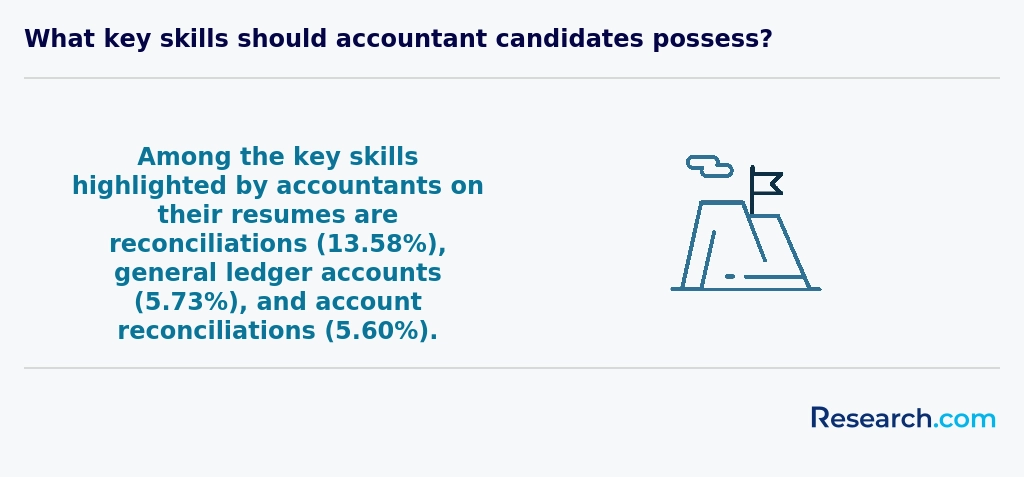
Understanding earning potential is essential when investing in an accounting degree, especially in a competitive market like New York. Entry-level accountants in the region typically earn between $50,000 and $70,000 annually, with salaries rising as professionals gain experience, obtain further certifications, and take on increased responsibilities. For instance, staff accountants in reputable firms can expect an average salary of around $86,740 per year, while accountants in mid-level positions-such as financial analysts or tax managers-often see their earnings exceed six figures. Moreover, professionals who diversify into specialized fields, like the easiest accounting specializations, tend to experience accelerated salary growth due to high demand and a more focused skill set. Ultimately, factors such as advanced certifications (e.g., CPA), continued professional development, and strategic career choices all contribute to long-term salary progression and overall financial stability in the accounting field.
Imagine starting your accounting journey at a bustling campus like Baruch College, knowing that federal aid like the FAFSA can unlock essential support such as the Pell Grant, which offers up to $7,395 annually to students with demonstrated financial need. Many graduates from such New York institutions vividly recall how this grant helped ease the pressure of tuition fees.
Beyond federal aid, the Tuition Assistance Program (TAP) presents a thrilling opportunity for in-state New Yorkers, providing awards up to $5,665 each year. Students at SUNY schools often share stories of how TAP funding made their accounting degrees feel more within reach, fueling their passion to dive deeper into the world of finance and numbers.
- State scholarships like the NYS STEM Incentive Program can be a hidden gem, especially for those focusing on tech-driven accounting specialties;
- institutional merit scholarships at colleges like NYU can offer a financial boost for top-performing accounting majors;
- while work-study options not only support expenses but enrich resumes with practical experience.
Many graduates express relief and excitement from combining these aids, allowing them to explore their studies with less financial worry and more focus on mastering the craft of accounting in New York's vibrant academic landscape.
When choosing an affordable accounting degree, understanding the true return on investment (ROI) is essential. By comparing program costs against average starting salaries and career growth potential, students can forecast how quickly tuition expenses will be recouped and when they’ll begin earning a net financial benefit. Average tuition for in-state public programs in New York hovers around $9,374 per year, while out-of-state students may pay up to $27,091. Given a mean starting salary of $60,000 for bachelor’s degree holders in New York, most graduates can expect to break even within four to five years of full-time employment. Online programs often reduce this timeline: selecting the cheapest bachelor’s degree in accounting online can lower annual tuition to approximately $6,000, accelerating ROI to just three years. Beyond salary, consider long-term earnings growth. Accountants with CPA licensure typically see a 15–20% salary premium over non-licensed peers. Continuous professional education and specialization-such as forensic accounting or management accounting-can further boost annual wages by $5,000–$10,000 within five years post-graduation. Non-tuition costs like textbooks, exam fees, and technology can add $1,500–$2,000 annually, but financial aid and employer tuition reimbursement programs often offset these expenses. By weighing total cost of attendance against projected earnings trajectories, prospective students gain a realistic picture of how an affordable accounting degree in New York can translate into financial stability and career advancement.
Diving into an accounting degree in New York begins with a clear checkpoint: a high school diploma or its equivalent, like a GED. Imagine a student fresh from Brooklyn navigating through algebra and geometry-these math courses aren't just hurdles but stepping stones that sharpen the numerical skills essential for accounting. At schools like Baruch College or SUNY Albany, graduates often recall the excitement of mastering these subjects, feeling ready to tackle real-world financial puzzles.
Applications open doors but also ask for your story-transcripts, recommendation letters, and personal statements all paint a vivid picture of who you are beyond numbers. Some students thrive in this process, using it to showcase their passion for finance and problem-solving.
For those transferring from a community college, holding an associate degree or some college credits can accelerate the journey, allowing a seamless switch into programs at institutions like Pace University.
Also essential is understanding New York's unique 150-credit-hour mandate to qualify for the CPA exam-a milestone graduates describe as both challenging and deeply rewarding, shaping their academic path with purpose.
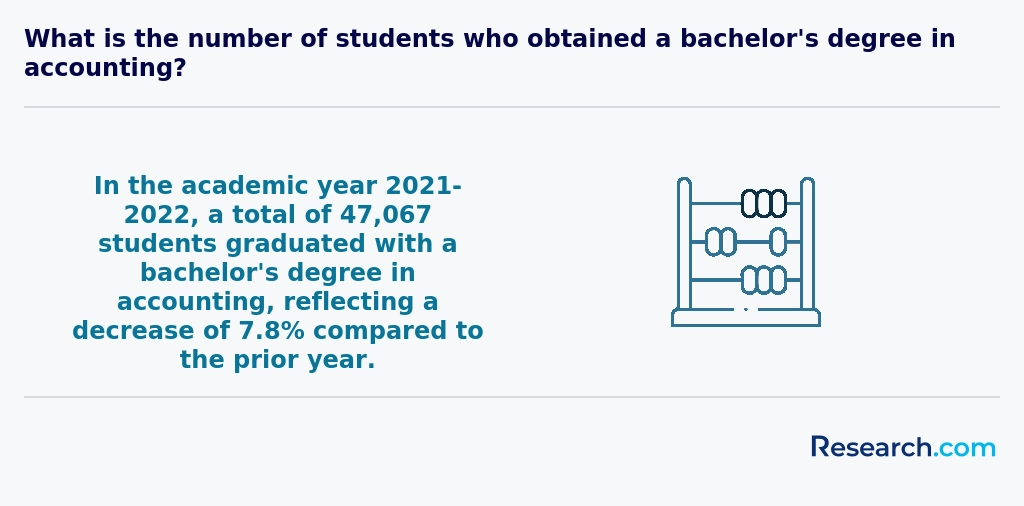
Diving into an accounting degree in New York feels like stepping into a vibrant world where numbers tell the story of bustling businesses and dynamic markets. Students at institutions like Baruch College or SUNY Buffalo quickly encounter core courses such as Financial Accounting, where they learn to decode balance sheets much like an investigator piecing together clues from company records. Managerial Accounting invites them to become strategists, shaping budgets and steering business decisions from within.
Many graduates recall the challenge and excitement of Taxation classes, especially as they decode the complexities of New York's unique state and local tax laws. Auditing then sharpens their eye for detail, teaching them to safeguard integrity in financial records-an essential skill in the city's fast-paced economic environment.
Courses in Accounting Information Systems open doors to cutting-edge technology, mirroring real-world finance operations, while Business Law and Corporate Finance prepare students for the legal and financial challenges they'll face. These offerings create a rich, hands-on learning adventure tailored to New York's energetic business landscape.
When diving into accounting degree specializations in New York, students quickly discover a thrilling array of paths to explore. From the bustling halls of SUNY to renowned private colleges, many graduates find themselves drawn to Financial Accounting, mastering the art of crafting and interpreting financial statements that power corporations. Others thrive in vibrant NYC auditing firms, honing skills in Auditing and Assurance to detect accuracy and compliance in complex financial data.
For those captivated by the intricate tax landscape of the Empire State, specializing in Taxation opens doors to mastering both state and local tax codes-a challenge that leaves many feeling accomplished and in demand. Meanwhile, the daring choose Forensic Accounting, using sharp analytical minds to uncover fraud, sometimes collaborating with legal teams in dramatic financial investigations.
Management Accounting attracts students eager to influence internal decision-making, budgeting, and strategy within ambitious organizations. Some students rave about how these varied New York accounting degree focus areas brought their education to life, letting them engage with real-world scenarios and fueling their career dreams. Curious about more options? Check out this guide on easiest accounting specializations to find your own exciting direction.
Choosing the best accounting degree in New York means diving into programs that not only offer solid academics but also vibrant connections to the local financial world. Graduates from institutions like Baruch College often share how crucial it was to enroll in programs accredited by the AACSB, which guaranteed they were well-prepared for the CPA exam. Imagine studying auditing and taxation while getting hands-on experience through internships right near Wall Street-this real-world exposure brings lessons to life and sparks excitement for your future career.
If you're exploring affordable accounting degree programs New York has lots to offer, from community colleges with practical associate degrees to prestigious universities with extensive scholarship opportunities. Those who started with a transfer program often reflect on how cost-effective choices didn't compromise the quality of education. For many, finding the cheapest bachelor's degree in accounting online was a game-changer to balance finances and ambitions.

Graduates from popular New York institutions often dive into accounting career opportunities in New York that stretch far beyond the traditional numbers game. Imagine yourself becoming a certified public accountant (CPA), a role that many alumni proudly take on after passing the CPA exam and gaining valuable experience. This pathway unlocks thrilling positions in auditing, tax preparation, and consulting, especially vibrant in New York City's bustling financial scene. Some graduates share how working in corporate finance departments at major firms in Manhattan fuels their passion for strategic financial management.
For those craving variety, roles like forensic accountant or internal auditor offer intriguing challenges-think uncovering financial fraud in fast-paced legal environments or helping companies steer clear of costly errors. Many accounting degree holders in New York also explore high paying accounting jobs in New York such as financial analysts or budget analysts, where work in top colleges or multinational companies helps sharpen decision-making skills. Students curious about cost-effective studying options may check out the Affordable Online Accounting Degree Programs Ranking in Texas for additional avenues to further their credentials.
The landscape for accounting job opportunities in New York pulses with vibrant activity, especially in places like CUNY or Fordham University, where graduates often share stories of landing roles at top financial firms. With an average annual salary hovering near $93,000 in the metropolitan area, it's clear that New York offers rewarding prospects for those with accounting degrees. Imagine walking through Wall Street's bustling corridors or attending networking events in Midtown where employers seek sharp minds skilled in audit and compliance.
Many aspiring accountants find themselves energized by the challenge of securing CPA licensure, a credential highly valued among New York employers. The New York accounting degree career outlook shines brightest for those actively pursuing internships to gain hands-on experience. Graduates often describe the thrill of uncovering opportunities amid the city's dynamic corporate landscape. For students exploring certifications that pay well, this environment provides an adventurous pathway to professional growth and financial success.
2027 Most Affordable Accounting Degree Programs Ranking in New York
Investing in your education is a significant decision that can shape your future, and the Research.com team understands the importance of making informed choices. To assist prospective students interested in accounting, we have meticulously crafted the "2027 Most Affordable Accounting Degree Programs Ranking in New York." Our commitment to quality, credibility, and accuracy is reflected in the extensive research and analysis conducted to compile this ranking.
We utilized the following reputable data sources to ensure a comprehensive evaluation of accounting degree programs:
By exploring this ranking, readers will gain valuable insights into the most affordable and quality accounting degree options in New York, empowering them to make well-informed decisions about their educational investments. For more details on our methodology, please visit our Research.com methodology page.


# 5 position
Touro University
Bachelor of Science in Accounting

# 7 position
Touro University
Master of Science in Accounting
# 8 position
Berkeley College-New York
Bachelor of Business Administration in Accounting


Frequently Asked Questions About accounting
Accounting degree students in New York can enhance their learning experience by actively engaging in internships offered by the city's numerous financial firms. According to the New York State Society of CPAs, hands-on experience through internships boosts job placement rates after graduation. Networking is also essential; students should join professional organizations such as NYSSCPA to connect with industry experts and attend relevant events.
Utilizing campus resources like tutoring centers and accounting software labs helps reinforce classroom material. Additionally, preparing for the CPA exam early is crucial, as New York requires 150 credit hours and specific work experience for licensure.
Emerging niches within the accounting field reflect technological advances and evolving business needs, especially relevant for students in New York. One significant area is forensic accounting, which focuses on investigating financial fraud and disputes. According to the New York State Society of CPAs, demand for forensic accountants in the region has grown by over 15% in the past five years.
Another promising niche is environmental and sustainability accounting. As New York strengthens its climate policies, companies seek professionals who can report on environmental costs and compliance.
Lastly, data analytics in accounting is rapidly expanding, merging finance with big data to improve decision-making. The NY state Bureau of Labor Statistics highlights this as a high-growth area linked to advanced accounting roles.
Preparing for the job market after completing an accounting degree in New York requires strategic steps. Begin by obtaining the Certified Public Accountant (CPA) license, as it is highly valued in the state and often required for many accounting roles. New York State mandates 150 credit hours of education and passing the Uniform CPA Examination.
Gain practical experience through internships or entry-level positions, ideally with firms in New York City, where the accounting field is highly competitive. Networking remains critical; join local professional groups like the New York State Society of CPAs to connect with employers and mentors.
Strong proficiency in accounting software such as QuickBooks, Sage, or SAP can enhance employability. According to the Bureau of Labor Statistics, New York has one of the highest concentrations of accounting jobs nationally, reflecting robust opportunities but fierce competition. Staying current with tax laws and financial regulations specific to New York is essential for career advancement.
Employers in New York seeking accounting degree graduates prioritize a mix of technical and interpersonal skills. Strong proficiency in accounting software such as QuickBooks and Excel remains essential. Knowledge of New York State tax laws and regulations is particularly valuable due to the state's complex financial landscape. According to the New York State Society of CPAs, familiarity with Generally Accepted Accounting Principles (GAAP) is a must-have foundation.
Communication skills are equally important, as accountants must clearly explain financial information to clients and colleagues. Analytical thinking and problem-solving abilities also top employer wish lists, supporting accurate financial reporting and effective auditing practices.
Finding internships in New York relevant to an accounting degree involves several strategic steps. Start by exploring campus career centers at institutions such as Baruch College or Pace University, which often have dedicated accounting internship listings. Networking is crucial; joining local chapters of accounting organizations like the New York State Society of CPAs (NYSSCPA) can open doors to hidden opportunities.
Online job platforms like Handshake and LinkedIn frequently post internships specifically for accounting students in New York. According to the Bureau of Labor Statistics, accounting internships enhance employment prospects, with 61% of finance and accounting interns in New York securing job offers post-internship.
Additionally, consider applying directly to accounting firms in New York City, including large firms in the "Big Four," as they offer structured internship programs aligned with degree requirements.
An accounting degree significantly enhances career mobility and advancement opportunities in New York's competitive job market. Graduates with an accounting background are qualified for diverse roles, including public accounting, corporate finance, and government auditing. According to the Bureau of Labor Statistics, New York employs over 75,000 accountants and auditors, reflecting strong local demand.
In addition, obtaining a degree is often a prerequisite for professional certifications such as the CPA, which is highly valued by employers and linked to higher earning potential. New York State requires 150 credit hours, frequently fulfilled through a bachelor's plus graduate coursework, making degree holders more competitive.
Employers in New York prioritize candidates with a solid educational foundation, which supports upward mobility into managerial or specialized positions over time.
Studying for an accounting degree in New York provides students with a strong foundation in financial principles while emphasizing interdisciplinary skills essential for modern careers. Many New York institutions incorporate coursework in data analytics, information systems, and business law, allowing students to engage with fields beyond traditional accounting.
This approach prepares graduates for roles that require collaboration across departments such as finance, technology, and compliance. According to the New York State Education Department, integrating accounting with technology and regulatory knowledge is increasingly demanded by employers, reflecting the state's diverse economy.
Furthermore, New York's proximity to major financial centers offers students practical exposure through internships and networking, helping them apply interdisciplinary skills in real-world settings. This practical experience enhances adaptability in various professional environments.
Choosing between a thesis and a non-thesis accounting degree program in New York depends on your career goals and learning preferences. Thesis programs often demand in-depth research and are suited for students considering academic, consulting, or analytical roles. They typically require writing a substantial research paper, which helps develop critical thinking skills.
Non-thesis programs focus more on coursework and practical knowledge, making them ideal for those aiming for professional accounting roles such as CPA preparation or corporate accounting. Many New York institutions, including SUNY and CUNY schools, offer both options with flexible formats.
According to the New York State Education Department, around 60% of accounting graduates pursue professional certifications, often favoring non-thesis routes for faster completion.
Assess your time availability, career plan, and preferred learning style when deciding between these paths.
Students based in New York who wish to study accounting abroad have several options through exchange programs and study abroad partnerships established by many New York universities. These arrangements often include institutions in countries with strong accounting education, such as the United Kingdom, Canada, and Australia.
The New York State Board of Education requires a total of 150 credit hours to become a Certified Public Accountant (CPA), which means credits earned abroad must be transferable and compliant with these standards. Many programs offer semester-long visits or full-degree opportunities in collaboration with US schools, allowing seamless integration.
Popular destinations for accounting study abroad are often those with aligned professional accounting certifications such as ACCA or CPA Canada, enhancing global career prospects. According to the Institute of Management Accountants, New York ranks among the top states for CPA licenses, indicating strong local demand for well-qualified accountants with international experience.
New York offers various part-time job opportunities that complement accounting degree education effectively. Positions such as bookkeeping assistants or tax preparers provide practical experience with financial records and IRS regulations, essential for aspiring accountants. Many firms in New York City hire part-time accounting clerks, helping students develop skills in data entry, reconciliations, and financial reporting.
Internships with local CPA firms or corporate accounting departments also offer valuable hands-on exposure. According to the New York State Society of CPAs, students engaging in part-time roles often enhance their understanding of accounting software like QuickBooks and Excel, crucial tools in the industry.
Additionally, roles in payroll administration or auditing support can deepen knowledge of compliance and regulatory standards, which are key in New York's complex financial environment.
Accounting students in New York benefit from a rich network of professional organizations and events. The New York State Society of Certified Public Accountants (NYSSCPA) offers student memberships, networking events, and mentorship programs tailored specifically for accounting majors. This involvement helps students connect with experienced professionals and explore career opportunities.
Additionally, New York City hosts numerous accounting conferences and job fairs, providing valuable face-to-face interactions with major firms such as Deloitte, PwC, and EY. Many universities also partner with local businesses to organize internships, enhancing student experience and connections.
According to the Bureau of Labor Statistics, New York has one of the highest concentrations of accounting jobs in the US, making networking crucial for job placement.
Alumni networks play a crucial role in supporting accounting degree students in New York by connecting them with a broad community of professionals. These networks offer mentorship opportunities, helping students gain insights into the accounting industry and understand local job market trends. According to the New York State Society of CPAs, graduates involved in alumni groups report higher job placement rates within six months after graduation.
In New York, a state with over 140,000 accountants employed as of 2023 (Bureau of Labor Statistics), alumni connections often lead to internships and job openings not publicly advertised. This insider access boosts students' chances of employment in competitive firms.
Networking through alumni events and platforms also enhances students' professional development by providing workshops and continuing education, essential for CPA licensure and career advancement.
Customizing an accounting degree program in New York involves selecting courses and specializations aligned with your career goals. Many institutions offer elective options in auditing, taxation, forensic accounting, or financial analysis, allowing students to tailor their studies.
Students can also choose programs with CPA (Certified Public Accountant) exam preparation, an essential step to becoming a licensed accountant in New York. The New York State Education Department requires 150 credit hours, often met through combined bachelor's and master's programs or additional coursework.
Internships and cooperative education with New York-based firms provide valuable hands-on experience and networking opportunities specific to the local job market. According to the New York State Department of Labor, accountants in New York earn a median annual wage of around $80,000, highlighting the benefit of focused training.
Accounting students in New York face several challenges that can impact their academic progress and career readiness. One common difficulty is managing the high cost of education, as New York has some of the highest tuition rates in the US, with public institutions averaging over $10,000 annually for in-state students, according to NCES data. This financial burden often leads students to balance part-time jobs alongside demanding coursework.
The rigorous curriculum requires strong analytical skills and mastery of complex topics like taxation, auditing, and financial reporting. Many students also find that gaining practical experience through internships is competitive due to New York's dense professional market.
Furthermore, preparing for the Uniform CPA Exam presents additional stress, as New York has specific credit hour and ethics course requirements that differ from other states. These combined factors require good time management and support systems for success.
Graduates with an accounting degree in New York have various professional certification options to enhance their careers. The most recognized is the Certified Public Accountant (CPA) credential, which is essential for public accounting roles. New York State requires 150 credit hours, including specific accounting and business courses, plus passing the Uniform CPA Examination and fulfilling experience requirements.
Other valuable certifications include Certified Management Accountant (CMA), focused on management accounting and financial analysis, and Certified Internal Auditor (CIA), ideal for careers in internal auditing. According to the New York State Society of CPAs, over 90,000 professionals hold CPA licenses in the state, reflecting its strong demand.
These certifications can significantly improve job prospects and salaries, with CPAs in New York earning a median salary above the national average, according to the Bureau of Labor Statistics.
Writing a winning application for an accounting program in New York requires clear presentation of your academic achievements and professional goals. Most colleges request your high school transcripts, letters of recommendation, and a personal statement that highlights your interest in accounting. It's vital to demonstrate strong math skills and analytical thinking, as these are foundational for the field.
Many schools in New York, like Baruch College and SUNY Albany, consider GPA alongside relevant coursework such as economics, finance, or statistics. Including any internships or work experience related to accounting can strengthen your application.
According to the New York State Education Department, the demand for accountants grows steadily, making a focused personal statement essential. Expressing a clear career plan aligned with local job market trends can differentiate you from other applicants.
The global perspective on an accounting career highlights strong demand for skilled professionals who understand international financial standards and regulations. Accountants in New York benefit from exposure to global business hubs like Wall Street and multinational corporations, increasing their need for knowledge in International Financial Reporting Standards (IFRS) alongside US Generally Accepted Accounting Principles (GAAP).
The New York State Board of Public Accountancy reports that roughly 10,000 active Certified Public Accountants (CPAs) serve diverse industries, reflecting the state's role in global finance. Many accounting degree programs in New York incorporate global case studies and emerging trends such as digital currencies and environmental accounting.
Studying accounting in New York prepares graduates for roles not only in the US but also in international firms, highlighting the career's worldwide mobility and relevance.
Students pursuing an accounting degree in New York can gain practical experience through internships, cooperative education (co-op) programs, and part-time jobs with local accounting firms. Many universities in the state collaborate with companies in New York City, a major financial hub, offering diverse internship opportunities that strengthen students' resumes.
According to the New York State Society of CPAs, internships not only provide hands-on exposure but also increase the chances of full-time employment after graduation. Students can also participate in campus clubs focused on accounting, which often host networking events and workshops with industry professionals.
Additionally, New York offers numerous volunteer tax assistance programs, such as VITA, where accounting students can help low-income residents file taxes. This experience develops real-world skills and fulfills community service requirements.
Choosing the right concentration within an accounting degree program in New York depends on your career goals and interests. Popular options include auditing, tax accounting, forensic accounting, and management accounting. Each concentration prepares students for specific roles in the accounting field. For example, tax accounting is highly relevant in New York due to the state's complex tax code, offering strong job prospects.
It's important to consider New York's demand for Certified Public Accountants (CPAs), as concentrations aligning with CPA licensure often provide greater employment opportunities. According to the New York State Education Department, CPA candidates must complete 150 credit hours, including coursework in accounting and business.
Research local industry trends, such as the financial services sector in New York City, to find concentrations with high growth potential. Connecting with academic advisors and professionals can also provide insight on which specializations suit current market needs.
- 2027 Most Affordable Accounting Degree Programs Ranking in Brooklyn
- 2027 Most Affordable Accounting Degree Programs Ranking in Bronx
- 2027 Most Affordable Accounting Degree Programs Ranking in Fairfield
- 2027 Most Affordable Accounting Degree Programs Ranking in Philadelphia
- 2027 Most Affordable Accounting Degree Programs Ranking in West Hartford
- 2027 Most Affordable Accounting Degree Programs Ranking in Albany
- 2027 Most Affordable Accounting Degree Programs Ranking in Providence
- 2027 Most Affordable Accounting Degree Programs Ranking in Baltimore
- 2027 Most Affordable Accounting Degree Programs Ranking in Boston
- 2027 Most Affordable Accounting Degree Programs Ranking in Washington
See What Experts Have To Say About Studying Accounting
Read our interview with Accounting experts

John Wermert, Ph.D., CPA
Accounting Expert
Associate Professor of Accounting
Middle Tennessee State University

Yaw M. Mensah
Accounting Expert
Professor and Interim Vice Dean for Strategic Partnerships
Rutgers Business School

- Networking events for accountants in 2026 | Eagle Education https://www.eagle-education.co.uk/eagle/networking-events-for-accountants-in-2026/
- Jobs you can get with a degree in Accounting | Monroe University https://www.monroeu.edu/academics/undergraduate-programs/school-business-and-accounting/jobs-with-degree-in-accounting
- Inside the world of accounting internships: What to expect : ThisWayToCPA : AICPA https://www.thiswaytocpa.com/work-experience/articles/internships/inside-world-accounting-internships-what-expect/
- ACCOUNTING AND AUDITING (THESIS / NON-THESIS) - Lisansüstü Eğitim Enstitüsü https://lee.nisantasi.edu.tr/en/accounting-and-auditing/
- Accounting and Auditing (Non-Thesis) | Beykoz Üniversitesi https://www.beykoz.edu.tr/icerik/5029-accounting-and-auditing-without-thesis
- Master’s Program in Accounting and Auditing (Thesis/Non-Thesis, Turkish) https://www.isikun.edu.tr/en/academic/graduate/accounting-auditing/masters-program-accounting-and-auditing-thesis/non-thesis
- Best Niches for Accounting Firms, Ranked by Profitability https://dreamfirms.com/insights/best-niches-for-accounting-firms/
- 5 Niches for Accountants to Consider - Samera Global https://sameraglobal.com/5-niches-for-accountants-to-consider/
- Best Accounting Schools in New York | Accounting.com https://www.accounting.com/states/new-york/
- Accounting Degree Requirements You Should Know | DeVry University https://www.devry.edu/blog/accounting-degree-requirements.html