2027 Easiest Online Accounting Degree Programs Ranking in Massachusetts

Co-Founder and Chief Data Scientist
If you're a student in Massachusetts exploring your options in accounting, this article can help guide your journey. It introduces the 2027 Easiest Online Accounting Degree Programs Ranking in Massachusetts, carefully crafted by the Research.com team of data scientists. This ranking provides clear insights into programs that balance quality and accessibility.
Choosing the right accounting degree can open doors to a rewarding career. By reading this article, you'll discover programs suited to your goals, making your educational path smoother and more confident.
Key benefits of getting online accounting degree in Massachusetts
- Graduates with an online accounting degree in Massachusetts can expect strong earning potential, with roles like Staff Accountant offering a mean annual wage of $90,780 and an hourly wage of $43.65.
- Career paths for accounting degree holders include positions such as Tax Preparer, Bookkeeper, Associate Auditor, and Accounts Payable Clerk, providing diverse opportunities for growth and specialization in Massachusetts' thriving financial sector.
- Obtaining an accounting degree online from a reputable Massachusetts university offers flexibility and convenience, allowing students to balance work and study while gaining the same respected credentials as traditional graduates.
- 2027 Easiest Online Accounting Degree Programs Ranking in Massachusetts
- What can I expect from online accounting degree in Massachusetts?
- Where can I work with online accounting degree in Massachusetts?
What can I expect from online accounting degree in Massachusetts?
The average cost of pursuing an online accounting degree in Massachusetts typically ranges from $15,000 to $40,000, depending on the level of study and the institution. For instance, graduates from programs at institutions such as Fitchburg State University or Northeastern University often reflect on the value of their investment, emphasizing the balance between affordability and quality education. These students frequently highlight flexible tuition payment plans and financial aid options that helped ease the financial burden while they managed jobs or family commitments.
Many online accounting students appreciate that their tuition covers not only core courses like financial and managerial accounting but also preparation for the CPA exam, which is especially important in Massachusetts due to the 150-semester-hour education requirement. Students share that the cost feels justified when considering comprehensive support services, including internship placements and career counseling, which enhance their employability in the state's competitive job market.
Where can I work with online accounting degree in Massachusetts?
Graduates with an online accounting degree in Massachusetts frequently find employment in prominent public accounting firms located in Boston and Worcester, including well-known names like Deloitte and PwC. Working as staff accountants, auditors, or tax specialists, these graduates often describe a sense of accomplishment as they contribute to complex financial projects within these firms. For example, those from institutions like Boston University or Northeastern University report smooth transitions into these roles due to strong industry connections.
Beyond public accounting, many graduates secure positions in corporate finance within Massachusetts' thriving sectors such as healthcare, technology, and manufacturing. Alumni from popular colleges often mention fulfilling experiences managing budgeting and compliance for innovative tech companies in Cambridge, blending financial skills with industry-specific knowledge.
Government agencies also attract graduates who value job stability and public service. Several graduates recall rewarding careers at the Commonwealth of Massachusetts or local municipal offices, where they oversee revenue and auditing processes.
Nonprofit organizations further provide meaningful employment opportunities, with graduates often highlighting their impact managing grants and program budgets for Massachusetts-based charities.
Additionally, pursuing CPA licensure remains a critical step, significantly enhancing graduates' prospects and earnings across all sectors throughout the state.
Graduates holding an online accounting degree from well-regarded institutions in Massachusetts, such as Northeastern University or the University of Massachusetts Amherst, often find themselves earning competitive salaries aligned with local market demands. For instance, staff accountants typically earn a mean annual wage of around $90,780, reflecting a strong return on educational investment in Massachusetts's dynamic economy.
Entry-level roles like bookkeepers, tax preparers, associate auditors, and accounts payable clerks generally have mean annual wages close to $49,580. These positions provide essential hands-on experience and serve as a solid foundation for career growth.
Many graduates appreciate the flexibility of online programs, which enables them to balance work and study while preparing for certifications such as the CPA. This professional certification can substantially increase earning potential, especially in metropolitan areas like Boston, where demand for skilled accountants is high.
Overall, pursuing an accounting degree online in Massachusetts positions graduates well for rewarding careers that combine financial expertise with the prospect of steady income growth.
- The cost of online accounting degrees in Massachusetts ranges from $15,000 to $40,000, with public and community colleges offering cheaper options for in-state students.
- Average starting salaries for accounting graduates in the state are between $55,000 and $65,000 annually, with experienced accountants earning $80,000 to $95,000 per year.
- Programs should be accredited by AACSB or ACBSP to ensure quality and help meet CPA licensure requirements.
- Massachusetts requires 150 semester hours of education for CPA qualification, often requiring additional credits beyond a bachelor's degree.
- Employers value experience with accounting software and data analysis tools, which are commonly taught in online accounting programs.
Completing an online accounting degree in Massachusetts typically requires around four years for a bachelor's degree if studied full-time. Graduates from institutions like the University of Massachusetts have often noted that the flexibility of online programs allows them to balance work and family commitments while progressing steadily through their coursework. For those enrolled part-time, the duration may extend, but the convenience of asynchronous classes helps maintain motivation and engagement.
Associate degrees in accounting generally take about two years online and serve as a practical entry point for many students eager to join the workforce quickly or later transition into a bachelor's program. For advanced studies, such as a master's in accounting offered by schools like Boston University's online division, the time commitment is usually one to two years.
Students frequently appreciate how programs accommodate prior credits, accelerated sessions, and summer courses, which can significantly shorten their path to graduation. These factors make Massachusetts' online accounting degrees adaptable to varied lifestyles and career goals.
Online and on-campus accounting degrees in Massachusetts differ primarily in format and student experience. Online programs, such as those offered by well-known institutions like Northeastern University, allow students to complete coursework asynchronously, ideal for those balancing work or family. Graduates often appreciate the flexibility to study at their own pace without commuting, making it easier to integrate education into daily life.
Conversely, on-campus programs at universities like Boston College provide face-to-face interaction, structured schedules, and immediate access to campus resources. Students frequently highlight the value of networking with professors and peers, as well as hands-on opportunities through local internships that enhance job prospects in Massachusetts's competitive accounting market.
Online students must exercise significant self-discipline, yet they often report a rewarding sense of independence. Meanwhile, on-campus students benefit from a collaborative environment that fosters ongoing support. Both pathways maintain rigorous accreditation standards, ensuring graduates are well-prepared for CPA licensure and professional success in Massachusetts.
Choosing an online Accounting program in Massachusetts with proper accreditation is critical for ensuring the credibility of your degree and meeting state CPA exam requirements. The most recognized accrediting bodies-AACSB (Association to Advance Collegiate Schools of Business), ACBSP (Accreditation Council for Business Schools and Programs), and IACBE (International Accreditation Council for Business Education)-validate that a curriculum meets rigorous academic standards. Graduates of AACSB-accredited programs, for example, often benefit from enhanced employer recognition and streamlined eligibility for professional certifications. In Massachusetts, the Board of Public Accountancy requires aspiring CPAs to complete 150 semester hours of education, including specific accounting and business courses. Enrolling in an accredited online program ensures your credits align with these requirements, reducing administrative hurdles when you apply for the Uniform CPA Examination. Many institutions also offer integrated review courses for the CPA, CMA, or CIA exams, giving you structured preparation alongside your core accounting studies. If you’re considering advancing beyond a bachelor’s degree, it’s essential to factor in the investment and potential return. For a detailed analysis of graduate program expenses and long-term financial outcomes, see our insights on cost of masters in accounting. By prioritizing accreditation and licensure pathways, you not only secure a reputable education but also position yourself for a smooth transition into high-demand accounting roles.
The average cost of an online accounting degree in Massachusetts generally aligns with the state's range of tuition rates for public and private institutions. Graduates from public universities commonly report total expenses around $27,000, though this figure may vary based on residency and specific programs. Online accounting degree programs in Massachusetts often provide flexibility that helps students manage finances better than traditional on-campus models.
Many accounting students pursuing online degrees at well-regarded Massachusetts institutions find the balance between cost and quality appealing. Public universities usually charge between $400 and $700 per credit hour for residents, resulting in a total cost near $27,000 for degree completion. However, private colleges may demand a higher tuition fee per credit hour, which elevates the total investment but often comes with enhanced resources and networking opportunities. These factors contribute to a fulfilling experience despite the higher price points.
For students seeking more budget-friendly options, some choose to begin their accounting education through an affordable graduate certificate in accounting before committing to a full bachelor's program. This pathway supports financial planning and academic preparation simultaneously. Many Massachusetts students value the ability to access scholarships and financial aid tailored to online learners, which further mitigates costs while fostering engagement in their fields.
Prospective students interested in affordable online accounting degree programs Massachusetts offer should also consider additional expenses like fees and materials, although savings on commuting and housing often make online studies more economical. Overall, the cost landscape reflects a range that accommodates diverse financial situations while maintaining strong academic standards.
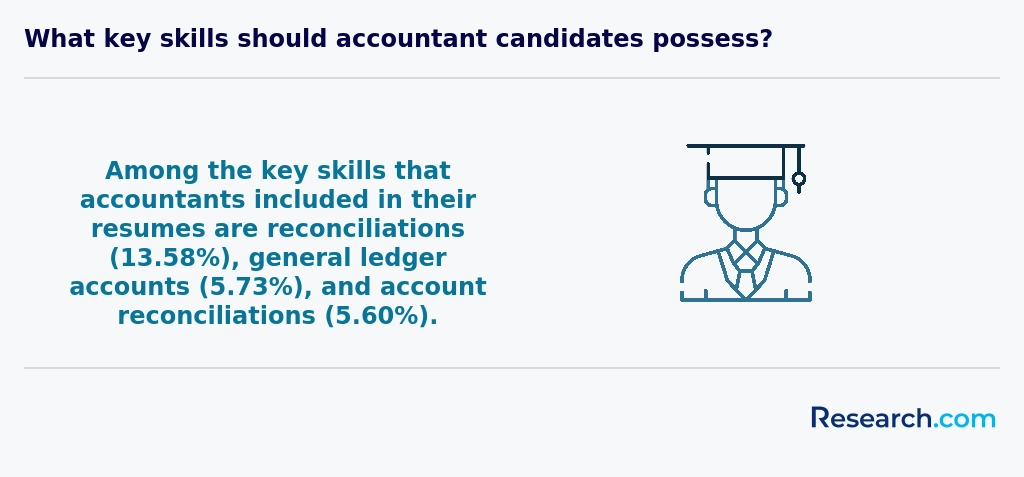
Choosing an online accounting degree program in Massachusetts isn’t just about flexibility and affordability-it’s also about ensuring you meet the educational requirements to sit for the CPA exam and earn one of the most respected credentials in the finance profession. Accredited programs typically align their curriculum with the Uniform CPA Examination’s core content areas: Auditing and Attestation, Business Environment and Concepts, Financial Accounting and Reporting, and Regulation. Here’s what you should look for: • Comprehensive Coverage of CPA Topics: Verify that courses include advanced auditing techniques, tax preparation, ethics, and regulatory compliance modules designed to mirror the exam’s four sections. Programs often offer integrated review materials, practice exams, and case studies to reinforce key concepts. • 150-Credit Hour Alignment: Massachusetts requires 150 semester hours of education for CPA licensure. Many online bachelor’s programs supplement their core curriculum with elective credits or partner with master’s-level coursework to help you reach this threshold. • Dedicated Review and Tutoring Services: Top programs provide access to specialized CPA review courses-often through partnerships with providers like Becker or Wiley-and schedule live Q&A sessions, mock exams, and one-on-one tutoring to boost your pass rates. • Faculty Expertise and Advisory Support: Seek programs where faculty members have active CPA licensure and industry experience. Personalized academic advising ensures you select the right mix of courses, track your credit accumulation, and stay on target for exam eligibility. • Career Services and Exam Fee Assistance: Many institutions in Massachusetts offer career coaching, networking events with local CPA firms, and even financial support such as exam fee reimbursements or scholarships for high-achieving accounting students. While Massachusetts universities excel at preparing candidates for the CPA pathway, you may also want to explore affordability alongside rigorous certification prep. Check out our Affordable Accounting Degree Programs Ranking in Idaho for additional program comparisons that balance cost with strong CPA exam support.
Students pursuing an online accounting degree in Massachusetts can access various financial aid options designed to ease tuition costs. Federal aid, notably through the FAFSA, offers students opportunities to receive Pell Grants covering up to $7,395 annually and low-interest federal loans. Many graduates from institutions like Boston University and Northeastern University have benefited greatly from these resources, making their education more affordable while balancing work and study commitments.
State-specific programs such as the MassGrant provide significant support for Massachusetts residents enrolled in approved online programs, helping cover tuition at both public and private colleges. The FASFA program further supplements federal assistance, creating a strong financial safety net for online learners. Scholarships from organizations like the Massachusetts Society of Certified Public Accountants offer additional merit- and need-based funding, often easing the burden for online students managing family and job responsibilities.
Employer tuition reimbursement plans are another valuable option that many working professionals leverage to afford their accounting degrees, allowing them to advance careers without overwhelming debt. Private loans and institutional payment plans exist as alternatives, though graduates often caution about higher interest rates. Overall, these diverse aid avenues support learners in Massachusetts to pursue accounting degrees online with financial confidence.
Enrolling in an online accounting degree program in Massachusetts typically requires a high school diploma or equivalent, such as a GED. Many programs emphasize a minimum GPA of around 2.5 to 3.0, reflecting the academic rigor needed to succeed. Graduates from well-regarded Massachusetts institutions often recall how their strong math foundation - particularly in algebra and statistics - was crucial in mastering accounting concepts. Proficiency in English is equally important; students must navigate dense reading materials and express complex ideas clearly in writing.
Some students pursuing graduate-level studies, such as a Master of Accounting or MBA at leading Massachusetts colleges, found prior coursework in business or economics beneficial and sometimes mandatory. While standardized tests like the SAT or ACT are no longer universally required, applicants should confirm specific criteria with their chosen school. Real-life applicants frequently highlight the motivational boost they gained preparing detailed personal statements and securing solid recommendations, which helped admissions committees recognize their potential and commitment.
Online accounting degree programs in Massachusetts commonly include core courses such as Financial Accounting, which covers essential skills in recording and reporting financial transactions. Graduates from popular institutions in the state often praise how Managerial Accounting equips them to analyze internal business processes like budgeting, providing real-world business insights applicable to local companies.
Intermediate Accounting courses deepen understanding of accounting standards critical for compliance and reporting, a frequent focus for those aiming to work in Massachusetts' dynamic financial sector. Taxation classes, addressing both federal and Massachusetts-specific tax laws, receive positive feedback from students who appreciate the practical advantage this knowledge offers when navigating state regulations.
Auditing courses teach methods for assessing financial records and ensuring adherence to regulations, instilling confidence in graduates entering public accounting roles. Programs at well-known Massachusetts colleges also include Business Law and Accounting Information Systems, blending legal and technical knowledge essential for today's accounting professionals.
Electives such as Financial Management and Advanced Taxation allow students to tailor their studies based on career goals, reflecting a personalized and empowering education experience praised by many alumni statewide.
Online accounting degree specializations Massachusetts schools offer include diverse fields designed to meet the needs of today's finance professionals. Graduates from popular colleges in the state often highlight concentrations such as Financial Accounting, which focuses on preparing and analyzing financial statements-a key skill for careers in corporate finance and auditing. Taxation is another common specialization, crucial for navigating Massachusetts' complex tax regulations, often appreciated by students aiming to become expert tax advisors.
Other sought-after options are Auditing, emphasizing internal controls and compliance favored by local public accounting firms, and Managerial Accounting, which supports strategic business decisions through budgeting and cost analysis. Forensic Accounting has become increasingly relevant, as graduates describe feeling empowered to detect fraud and contribute to legal investigations. Additionally, Accounting Information Systems merges technology and accounting knowledge, reflecting high demand for professionals adept in software and analytics.
Students considering these options benefit from programs aligned with CPA licensure requirements. Many find it valuable to explore the cost of masters in accounting to determine the best fit for their career goals and budget.
Choosing the best online accounting degree in Massachusetts requires prioritizing accreditation to ensure your education is recognized and respected. Graduates from top accredited online accounting programs Massachusetts often emphasize the value of attending schools accredited by ACBSP or AACSB, which uphold high academic standards and offer targeted courses in taxation, auditing, and accounting information systems. For many, balancing work and study is crucial, making asynchronous course formats especially appealing as they allow students to progress on their own schedules.
Affordability is another key consideration. Students in Massachusetts frequently compare tuition costs and additional expenses, as the state's programs can be priced higher than the national average. Exploring resources like the Affordable Accounting Degree Programs Ranking in Idaho can offer insights on managing costs across regions. Moreover, graduates often praise the importance of strong student support services, such as academic advising and career counseling, which directly impact successful job placement post-graduation.
Finally, understanding local job market outcomes adds perspective. Massachusetts' accounting graduates report career satisfaction tied to programs preparing them for certifications like the CPA exam, critical for meeting employer expectations and securing competitive salaries around $85,000 annually.

Graduates with an online accounting degree in Massachusetts find diverse career paths available across multiple sectors. Many pursue roles in public accounting, often advancing to positions such as Certified Public Accountant (CPA), where they lead auditing, tax preparation, and consulting projects. Graduates from institutions like UMass report satisfaction in leveraging their education to meet the Massachusetts Board of Public Accountancy's licensure requirements, opening doors to elevated career prospects.
Others embark on corporate accounting careers within Boston's dynamic industries, including finance departments and healthcare organizations. Familiarity with tools like QuickBooks and Excel is highly valued, allowing graduates to excel in budgeting, financial reporting, and compliance roles. These opportunities align strongly with the growth of accounting degree job opportunities Massachusetts offers, especially in healthcare finance and reimbursement.
Government agencies such as the Massachusetts Department of Revenue provide additional pathways requiring strong accounting expertise. Those exploring high paying trade jobs also recognize the broad potential that an online accounting careers in Massachusetts uniquely deliver, creating avenues for personal and professional fulfillment.
The job market for an online accounting degree in Massachusetts is promising, supported by steady accounting career growth Massachusetts 2027 projections. Graduates from well-known institutions such as Boston University or Northeastern University often find themselves well-prepared for diverse roles including staff accountant, auditor, and tax consultant. Many report positive experiences transitioning directly into financial firms or healthcare organizations, thanks to the state's robust economy and the demand these sectors place on accounting expertise.
Employers increasingly recognize online degrees from accredited Massachusetts colleges, which aids graduates in securing competitive salaries that frequently exceed the national average. Entry-level accountants can expect annual earnings between $55,000 and $65,000, with further advancement to senior roles bringing substantial income growth. Personalized learning paths, including options like a bachelor's degree fast track, enable students to join the workforce sooner, enhancing their employment prospects. This favorable landscape reflects the real experiences of many who studied remotely yet thrived locally.
2027 Easiest Online Accounting Degree Programs Ranking in Massachusetts
Investing in your education is a significant decision that can shape your future, and the Research.com team understands the importance of making informed choices. To support prospective students in Massachusetts, we have carefully developed the "2027 Easiest Online Accounting Degree Programs Ranking in Massachusetts." Our dedication to quality, credibility, and accuracy is demonstrated through extensive research and rigorous analysis.
We utilized the following reputable data sources to ensure a thorough evaluation of online accounting programs:
By exploring this ranking, readers will gain valuable insights into the easiest online accounting degree programs in Massachusetts, helping them make confident and informed decisions about their educational journey. For more details on how this ranking was created, please visit our Research.com methodology page.


Frequently Asked Questions About accounting
Online accounting degree students in Massachusetts can maximize their learning by engaging actively with course materials and participating in virtual discussions. Utilizing resources like tutoring centers and academic advising offered by many Massachusetts institutions strengthens understanding.
Networking with peers and professionals through LinkedIn or local accounting organizations, such as the Massachusetts Society of CPAs, enhances practical insights. According to the Massachusetts Department of Higher Education, students studying accounting online benefit from aligning coursework with CPA exam requirements to boost career readiness.
Time management and setting a consistent study schedule are essential, given that Massachusetts has some of the highest CPA exam pass rates nationally, reflecting the competitive job market. Lastly, taking advantage of internships offered remotely helps students apply knowledge hands-on.
Emerging niches in the accounting field reflect significant changes in technology and business needs. In Massachusetts, areas such as forensic accounting and sustainability accounting are gaining momentum. Forensic accountants are increasingly in demand to investigate financial fraud and support legal cases, driven by tighter regulations and heightened corporate oversight.
Another growing niche is environmental, social, and governance (ESG) accounting, where professionals evaluate companies' sustainability and social impact efforts. According to the Massachusetts Department of Labor, jobs in these specialized fields are expected to grow faster than traditional accounting roles through 2030.
Moreover, data analytics and blockchain technology are influencing new skills accountants must develop, offering niche opportunities in these advanced technical areas.
After completing an online accounting degree in Massachusetts, preparing for the job market involves strategic steps. First, earning relevant certifications like the CPA is crucial, as Massachusetts requires 150 credit hours and passing the Uniform CPA Exam for licensure.
Networking is also key. Joining local chapters of professional organizations such as the Massachusetts Society of Certified Public Accountants (MSCPA) offers valuable connections and job leads.
Internships or part-time roles during or after your program enhance practical experience, which employers highly value. According to the U.S. Bureau of Labor Statistics, Massachusetts has a median annual wage of over $80,000 for accountants, showing strong earning potential in this state.
Additionally, tailoring your resume to highlight technical skills like Excel, QuickBooks, and familiarity with Massachusetts tax laws can improve job prospects.
Employers in Massachusetts highly value accounting graduates with strong technical skills, particularly proficiency in accounting software like QuickBooks and Microsoft Excel. According to the Massachusetts Department of Labor, candidates who demonstrate data analysis and financial reporting capabilities stand out in the job market.
Communication skills are also critical, as accountants must explain complex financial information clearly to clients and colleagues. Additionally, attention to detail and ethical judgment are essential, given the regulatory environment in Massachusetts.
Problem-solving skills coupled with knowledge of tax laws and GAAP (Generally Accepted Accounting Principles) significantly increase a graduate's employability in the state's competitive accounting sector.
Finding internships in Massachusetts related to an accounting degree involves a combination of research, networking, and leveraging academic resources. Many colleges offering online accounting degrees maintain partnerships with local firms and corporations where students can gain practical experience. According to the Massachusetts Department of Higher Education, accounting internships are frequently available in Boston's finance and business sectors.
Students should explore internship listings on platforms like Handshake and the Massachusetts Society of Certified Public Accountants (MSCPA) website, which often posts opportunities specific to accounting fields.
Additionally, joining accounting student organizations can connect students with professional mentors and employers in the state. Early engagement during coursework increases chances of securing competitive internships.
In Massachusetts, earning an online accounting degree significantly enhances career mobility and advancement opportunities. The state's strong financial sector and concentration of accounting firms create a demand for skilled professionals with recognized credentials. According to the U.S. Bureau of Labor Statistics, employment of accountants and auditors in Massachusetts is projected to grow by 7% from 2022 to 2032, aligning with national trends.
An online degree provides flexibility for working professionals to upskill without interrupting their careers. It also fulfills educational requirements necessary for certifications such as the CPA, which are highly valued by employers in Massachusetts.
Graduates with online degrees often find improved eligibility for promotions and higher salaries. Reports from the Massachusetts Department of Higher Education highlight that degree holders typically experience a 15-20% wage increase compared to non-degree counterparts in finance roles.
Studying for an online accounting degree in Massachusetts equips students with skills that extend beyond traditional accounting. Coursework often integrates subjects like finance, business law, and information systems, fostering an interdisciplinary approach. This is crucial as accountants increasingly collaborate with professionals in tech, management, and analytics.
Massachusetts institutions emphasize critical thinking and problem-solving, preparing graduates for diverse roles such as financial analysis, auditing, and consulting. According to the Massachusetts Department of Higher Education, the state's accounting programs frequently include hands-on experience with software tools widely used in various industries.
This multidisciplinary training enhances adaptability, a valuable asset in today's dynamic job market.
Choosing between a thesis and a non-thesis online accounting degree program in Massachusetts depends largely on your career goals and learning preferences. Thesis programs typically emphasize research skills, preparing students for roles in academia or advanced analytical positions. Non-thesis tracks focus more on practical knowledge and coursework, which may suit professionals aiming to enter the workforce quickly.
Massachusetts has a strong accounting job market, with the Bureau of Labor Statistics reporting a 6% growth in accounting roles through 2030. Programs accredited by recognized bodies, such as AACSB, offer rigorous training whether thesis or not.
Consider if you prefer writing a substantial research project or applying skills through internships and exams like the CPA. Your choice should align with your long-term plans and time availability.
Students based in Massachusetts who wish to study accounting abroad have several practical options, especially through modern online degree programs. Many US-accredited universities offer fully online accounting degrees that can be completed internationally without physically relocating. This flexibility is crucial for Massachusetts residents, as the state ranks in the top 10 for CPA exam pass rates nationwide, indicating strong local demand for qualified accountants (NASBA, 2023).
Additionally, some Massachusetts institutions maintain exchange or partnership agreements with foreign universities, allowing students to combine online learning with short international residencies. These programs provide exposure to global accounting standards while fulfilling Massachusetts Board of Public Accountancy requirements. Resources like the Massachusetts Department of Higher Education and NASBA help prospective students verify program accreditation and CPA eligibility when studying abroad remotely.
Students pursuing online accounting degrees in Massachusetts can enhance their education by working part time in roles such as bookkeeping assistants, tax preparers, or accounting clerks. These positions provide practical experience with financial records, software, and regulatory compliance.
The Massachusetts labor market shows steady demand for bookkeeping and accounting support, with the Bureau of Labor Statistics (BLS) projecting a 5% growth for bookkeeping jobs statewide through 2030. This growth reflects the importance of business services in the region.
Internships or part-time roles at local accounting firms also offer exposure to tax preparation and auditing tasks, vital for CPA certification. Additionally, many businesses in Boston and other cities seek part-time payroll assistants, complementing coursework in payroll management.
Such jobs help students develop skills in Excel, QuickBooks, and communication, essential for career advancement post-graduation.
Online accounting students in Massachusetts benefit from a variety of networking opportunities designed to connect them with professionals and peers. Many universities offering online degrees encourage participation in virtual events, webinars, and career fairs that focus specifically on accounting and finance. Additionally, the Massachusetts Society of Certified Public Accountants (MSCPA) plays a key role by providing online workshops, mentorship programs, and local chapter meetings accessible to online students.
The state's vibrant business environment, including Boston's role as a financial hub, creates numerous internship and job shadowing possibilities. These can often be accessed through university partnerships and alumni networks. According to the MSCPA, Massachusetts has over 20,000 practicing CPAs, making professional networking especially valuable for career growth.
Alumni networks offer valuable support to students pursuing online accounting degrees in Massachusetts. Graduates can access mentorship and career guidance from experienced professionals who understand the local job market, including key industries such as finance and public accounting prominent in Boston and Worcester.
Networking through alumni groups often leads to job referrals and internship opportunities within Massachusetts firms. According to the Massachusetts Society of CPAs, well-connected candidates have a 30% higher chance of landing entry-level accounting roles.
Additionally, alumni events and online forums provide platforms for students to stay updated on accounting trends and continuing education requirements specific to Massachusetts, enhancing their professional growth.
Students pursuing online accounting degrees in Massachusetts can tailor their programs by choosing electives that align with specific career goals, such as taxation, auditing, or forensic accounting. Many schools offer concentrations, allowing specialization while meeting general education requirements.
Massachusetts also encourages accounting students to prepare for licensure exams like the CPA, which requires 150 credit hours, often prompting students to supplement bachelor's degrees with graduate-level courses. Online programs usually provide flexible pacing, letting students balance work and study efficiently.
Additionally, some programs incorporate internship opportunities or partnerships with local firms in Boston and surrounding areas, offering practical experience tailored to regional economic needs. According to the Massachusetts Department of Higher Education, customizing coursework helps students meet the growing demand for skilled accountants in finance and tech sectors.
Online accounting students in Massachusetts often face the challenge of balancing coursework with professional and personal commitments. Many are working adults who find time management difficult when courses require intensive study and complex accounting software practice.
Another common issue is limited access to in-person support. Unlike traditional students, online learners may struggle with fewer opportunities for live interaction with instructors, which can hinder comprehension of intricate accounting principles and tax regulations specific to Massachusetts.
Technical difficulties also pose challenges. Reliable internet and familiarity with digital platforms are essential, yet some students encounter interruptions that affect learning continuity.
Furthermore, meeting Massachusetts' CPA exam requirements requires additional preparation beyond coursework, demanding strong self-discipline and resources that online programs need to adequately provide.
An online accounting degree from Massachusetts institutions can prepare you for several respected professional certifications. The most common is the Certified Public Accountant (CPA), which requires passing a rigorous exam and meeting state-specific experience criteria. Massachusetts mandates 150 credit hours for CPA licensure, often fulfilled through a bachelor's plus additional coursework.
Other valuable credentials include the Certified Management Accountant (CMA) and the Chartered Financial Analyst (CFA), which focus on management accounting and investment analysis, respectively. The National Association of State Boards of Accountancy (NASBA) website offers updated requirements for Massachusetts candidates.
Online degrees meeting accreditation standards support qualification for these certifications, boosting employment prospects within the state's competitive accounting market.
To write a winning application for an online accounting program in Massachusetts, start by clearly articulating your career goals and how the degree aligns with them. Admissions committees appreciate applicants who show a solid understanding of accounting's role within Massachusetts' business environment.
Highlight relevant work experience, internships, or certifications such as CPA exam progress since Massachusetts requires passing the CPA for licensure. According to the Massachusetts Board of Public Accountancy, demonstrating commitment to this path is a key strength.
Maintain a strong GPA and submit well-crafted personal statements that emphasize analytical skills and attention to detail, vital for accounting success.
Be sure to meet all application deadlines and provide transcripts from regionally accredited institutions recognized by the New England Commission of Higher Education.
The accounting profession is recognized globally for its critical role in business and finance. In the United States, including Massachusetts, demand for skilled accountants continues to grow, with the U.S. Bureau of Labor Statistics forecasting a 7% increase in jobs through 2031. Globally, accounting careers offer opportunities in multinational corporations and international firms, reflecting the need for consistent financial standards such as IFRS and GAAP.
Massachusetts, with its strong economy and focus on innovation, presents unique advantages for accounting professionals aiming to work globally. Many online accounting degree programs in the state emphasize international accounting standards and compliance, preparing students for diverse career paths.
According to the Massachusetts Department of Higher Education, online programs increasingly integrate global finance topics to align with international markets, enhancing graduates' employability both locally and worldwide.
Gaining practical experience while pursuing an online accounting degree in Massachusetts is essential for career readiness. Many programs encourage internships with local firms or remote accounting projects. According to the Massachusetts Society of CPAs, internships provide hands-on learning that aligns with state standards.
Students can also engage in virtual accounting simulations and software training included in online curricula. Volunteering for nonprofit organizations offers additional real-world experience. Networking through Massachusetts-based professional groups further connects students to opportunities.
The integration of practical experience ensures graduates meet the Massachusetts Board of Public Accountancy's requirements for licensure and enhances job prospects in the state's robust financial sector.
Choosing the right concentration within an online accounting degree program in Massachusetts depends on your career goals and interests. Popular concentrations include audit, taxation, forensic accounting, and managerial accounting. Research from the Massachusetts Board of Public Accountancy shows that tax and audit skills remain in high demand, with tax-related jobs increasing by 5% annually.
Consider whether you want to prepare for certifications like the CPA, which often requires knowledge aligned with auditing or tax. Forensic accounting is growing in Massachusetts due to the state's expanding financial sectors.
Explore programs that align their curriculum with Massachusetts' job market and industry needs, ensuring relevant skills and licensure pathways.
- 2027 Easiest Online Accounting Degree Programs Ranking in Connecticut
- 2027 Easiest Online Accounting Degree Programs Ranking in New York
- 2027 Easiest Online Accounting Degree Programs Ranking in Pennsylvania
- 2027 Easiest Online Accounting Degree Programs Ranking in Maryland
- 2027 Easiest Online Accounting Degree Programs Ranking in Virginia
- 2027 Easiest Online Accounting Degree Programs Ranking in Ohio
- 2027 Easiest Online Accounting Degree Programs Ranking in West Virginia
- 2027 Easiest Online Accounting Degree Programs Ranking in Michigan
- 2027 Easiest Online Accounting Degree Programs Ranking in Georgia
- 2027 Easiest Online Accounting Degree Programs Ranking in Illinois
See What Experts Have To Say About Studying Accounting
Read our interview with Accounting experts

John Wermert, Ph.D., CPA
Accounting Expert
Associate Professor of Accounting
Middle Tennessee State University

Yaw M. Mensah
Accounting Expert
Professor and Interim Vice Dean for Strategic Partnerships
Rutgers Business School

- Accounting Bachelor's Degree & Majors in MA https://www.baypath.edu/academics/undergraduate-programs/accounting/
- Accounting Degree: Associate or Bachelor’s | Monroe University https://www.monroeu.edu/news/accounting-degree-associate-or-bachelors
- Accounting Degree Programs in Massachusetts | Accounting.com https://www.accounting.com/states/massachusetts/
- Online Accounting Degree | University of Phoenix https://www.phoenix.edu/online-business-degrees/accounting-bachelors-degree.html
- 2025 Most Popular Online Accounting Degrees in Massachusetts https://www.onlineu.com/degrees/accounting/massachusetts
- Accounting Online Degree Pathway https://www.learndirect.com/course/accounting-online-degree
- Accounting Career Pathways: How to Become an Accountant https://www.umassglobal.edu/blog-news/accounting-career-pathways-become-accountant
- Online Accounting Associate Degree | Affordable Accounting Degree https://www.uscareerinstitute.edu/online-accounting-associate-degree
- Top-Ranked Affordable Online Accounting Programs in Massachusetts https://itsupplychain.com/top-ranked-affordable-online-accounting-programs-in-massachusetts/
- Accounting | Massachusetts Bay Community College https://www.massbay.edu/academics/business-accounting/accounting