2027 Most Valuable Accounting Degree Programs Ranking in Columbia

Co-Founder and Chief Data Scientist
Choosing the right accounting degree program can shape your future career and open many doors. Our article presents the 2027 Most Valuable Accounting Degree Programs Ranking in Columbia, carefully crafted by the Research.com team of data scientists. This ranking helps students like you understand which programs offer the best opportunities and value.
By exploring this guide, you can make an informed decision and invest in a degree that truly matters. Pursuing accounting not only builds essential skills but also sets you on a rewarding professional path.
Key benefits of getting accounting degree in Columbia
- Salary for accounting degree graduates: Staff Accountants in Columbia earn a mean annual wage of $90,780, while other roles like Bookkeepers and Tax Preparers have a mean annual wage around $49,580, showing strong earning potential in the region.
- Career paths: Graduates from popular Columbia universities explore diverse roles such as auditors, tax preparers, and accounts payable clerks, offering flexibility and opportunities to grow in finance and business sectors.
- Online degree benefits: Earning an accounting degree online from well-known Columbia institutions allows for flexible study schedules and balancing work or family, making career advancement more accessible and convenient.
- 2027 Most Valuable Accounting Degree Programs Ranking in Columbia
- What can I expect from accounting degree in Columbia?
- Where can I work with accounting degree in Columbia?
What can I expect from accounting degree in Columbia?
Accounting degree costs in Columbia typically vary depending on the type of institution you choose. Graduates from public universities often report paying between $10,000 and $15,000 per year for tuition, while private colleges can be more expensive, ranging from $20,000 to $30,000 annually. Community colleges offer a more affordable pathway, with some students completing core accounting courses for under $5,000 per year before transferring to a four-year school.
Many students find that combining financial aid, scholarships, and part-time work helps manage these expenses effectively. For example, graduates from popular public universities in Columbia often highlight the positive impact of university-sponsored internships and cooperative programs that provide both valuable experience and financial support.
Choosing an online or hybrid program offered by institutions in Columbia can also reduce costs significantly, as some graduates share how this flexibility allowed them to work while earning their degree.
Investing in an accounting degree here opens doors to well-paying jobs, making the upfront expense a worthwhile step toward a rewarding career.
Where can I work with accounting degree in Columbia?
Graduates with an accounting degree from popular Columbia institutions often find rewarding roles at accounting firms, where they apply skills in auditing, tax preparation, and consulting. Many start as entry-level auditors or tax advisors at regional branches of national firms, gaining hands-on experience that builds confidence and expertise early in their careers.
Government agencies in Columbia also recruit accounting graduates for positions managing budgets, performing financial analysis, or ensuring compliance. Working for South Carolina's state government or local offices offers stability and the chance to contribute to public service, which many graduates find personally fulfilling.
Private sector roles abound near Columbia, with corporations in manufacturing and services seeking accountants for internal audits and financial planning. Alumni from Columbia-based colleges report that these jobs provide dynamic environments where they can quickly advance while contributing to business growth.
Additionally, healthcare providers, educational institutions, and nonprofits present diverse opportunities to manage budgets or grants, allowing graduates to feel directly involved in supporting community services and making a tangible impact.
Graduates with an accounting degree from institutions like the University of South Carolina in Columbia can anticipate starting salaries between $50,000 and $60,000 per year. This aligns well with the average wages for entry-level positions such as bookkeeper, tax preparer, and associate auditor, which hover around $49,580 annually according to the latest U.S. Bureau of Labor Statistics data.
Many graduates quickly see salary growth by earning professional certifications like the CPA, which can boost earnings to between $75,000 and $95,000. For example, those moving into staff accountant roles in Columbia often earn a mean annual wage of $90,780, with hourly wages around $43.65, reflecting rising responsibilities and expertise.
Graduates who gain experience in larger firms or specialize-such as in tax or forensic accounting-frequently exceed $100,000 annually. Accounting students in Columbia report feeling motivated as their practical skills and certifications open doors to rewarding, well-compensated careers within the city's expanding job market.
- In-state tuition for accounting programs at public universities in Columbia is about $12,000 per year, while out-of-state students pay around $30,000 annually.
- Private colleges in Columbia often charge more than $35,000 per year in tuition, excluding additional costs like books and living expenses.
- The unemployment rate for accountants and auditors in Columbia is low, typically between 2% and 3%, which is below the national average.
- Entry-level accountants earn between $50,000 and $60,000 annually, with mid-level salaries ranging from $70,000 to $80,000, and experienced professionals making over $90,000.
- Most bachelor's degrees in accounting take four years to complete and include a 150-credit hour option required for CPA exam eligibility in South Carolina.
- Local universities partner with accounting firms and companies to offer internships, providing practical experience and improving job opportunities after graduation.
The typical time to complete an accounting degree in Columbia depends on your chosen path and pace. Most full-time students at popular institutions like the University of Missouri or Columbia College finish their bachelor's degree in about four years, covering roughly 120 credit hours of general and specialized courses.
Some graduates highlight how taking summer classes or heavier course loads helped them finish in three years, accelerating their entry into the workforce or graduate programs.
For those aiming higher, pursuing a master's degree or an MBA with an accounting emphasis at these schools usually adds one to two years. Many students who balance work and study opt for part-time or online formats, extending completion to five years or more but gaining valuable flexibility.
Graduates striving for CPA licensure remind others that 150 credit hours are required, meaning extra coursework past the bachelor's degree. This commitment pays off with enhanced career prospects in Columbia's thriving business environment.
Earning a CPA credential is often the most impactful way to advance your accounting career in Columbia, SC, signaling both expertise and ethical commitment. In South Carolina, the licensure process involves several key steps: Education Requirements • Complete a minimum of 150 semester credit hours, including a bachelor’s degree in accounting or a related field. Many students satisfy this via a four-year bachelor’s plus a one-year master’s program. • Ensure your curriculum covers core subjects-financial accounting, managerial accounting, auditing, taxation, business law and ethics. Uniform CPA Exam • Pass all four sections (Auditing and Attestation, Business Environment and Concepts, Financial Accounting and Reporting, Regulation) within an 18-month rolling window. • Schedule exams through the National Association of State Boards of Accountancy (NASBA) once your transcript is approved. Experience Requirement • Accumulate at least one year (2,000 hours) of supervised accounting experience under a licensed CPA. • Document responsibilities in auditing, financial reporting or taxation, which must be verified by your supervising CPA. Ethics Exam • Successfully complete the AICPA’s Professional Ethics: The American Institute of Certified Public Accountants (AICPA) Exam or an equivalent state-approved ethics course. Application and Fees • Submit your application, official transcripts and experience verification to the South Carolina Board of Accountancy. • Pay applicable application, examination and licensing fees. Continuing Professional Education (CPE) • After licensure, complete 120 hours of CPE every three years, including state-mandated ethics instruction, to maintain your CPA status. Benefits of CPA Licensure • Higher earning potential-CPAs in South Carolina typically earn 10–15% more than non-licensed accountants. • Expanded career paths in public accounting, corporate finance, government and consulting. • Authority to sign audit reports and attest to financial statements. For students eager to accelerate their journey toward licensure, exploring the fastest way to become an accountant can reveal program options that bundle required credit hours, exam prep and practical experience into an efficient pathway.
Online accounting degrees in Columbia offer unmatched flexibility, ideal for students juggling jobs or family. Graduates from well-known local institutions share how they appreciated accessing lectures and assignments anytime, fitting study around busy schedules without sacrificing quality. This format also cuts costs by eliminating commuting and housing expenses.
Conversely, traditional on-campus programs at popular colleges provide immersive experiences with direct professor interaction and vibrant campus communities. Graduates often highlight the value of real-time discussions, group projects, and networking events within Columbia's business scene, which helped them secure internships and build professional connections.
Cost differences matter too: on-campus tuition at private universities averages around $37,000 yearly, while online options typically run closer to $20,000. Yet, both meet AACSB accreditation standards, ensuring reliable education quality and career readiness.
Choosing between formats in Columbia means weighing lifestyle, finances, and career goals. Whether attending lively campus classrooms or studying remotely, students find pathways that fit their unique circumstances and aspirations in accounting.
As the accounting landscape evolves, both academic programs and industry roles are adapting to new technologies and global business practices. Innovations such as cloud accounting, data analytics, and artificial intelligence are reshaping traditional accounting methods, urging academic institutions in Columbia, SC to incorporate these trends into their curricula. This forward-thinking approach ensures that students not only master foundational accounting principles but also gain valuable skills in emerging areas critical for modern finance roles. With courses increasingly integrating practical tech-based applications, graduates are better prepared to navigate the complexities of digital transformation in finance. Many wonder, what are some jobs you can get with accounting degree, and the answer increasingly reflects the diverse opportunities available in dynamic fields such as forensic accounting, financial analytics, and cybersecurity within financial systems. Embracing these innovations provides a competitive edge, enabling recent graduates to serve as effective problem solvers in an ever-changing global economy while fostering long-term career resilience.
The average cost of an accounting degree in Columbia varies significantly based on residency status and the type of institution attended. For in-state students at public universities like the University of Missouri, the median total expense usually hovers around $12,688, which includes tuition, fees, and other essential costs. Graduates often highlight how taking advantage of in-state tuition benefits and available scholarships makes completing their accounting degree feel more financially manageable and rewarding.
Out-of-state students face a median total cost closer to $51,004, reflecting higher tuition and fees typical at public institutions for non-residents. Despite this, many have found success by seeking assistantships or financial aid packages tailored for business and accounting programs, which help ease the burden of these expenses. Private colleges in Columbia tend to attract similar out-of-state pricing, often starting around $25,000 annually and increasing based on the program.
Beyond tuition, students should factor in additional expenses such as textbooks and living costs. Textbook costs alone can reach about $1,200 each year for accounting courses, with living expenses averaging between $10,000 and $12,000 annually in Columbia. These total expenses for accounting degree programs Columbia students should consider carefully as they plan their educational journey.
Prospective students looking to manage costs effectively can explore options such as scholarships, grants, and part-time study, or consider programs known for offering financial support. For those interested in flexible learning paths, it's also useful to compare traditional routes with alternatives like the best digital marketing degrees for online learning, which can offer insight into managing tuition alongside work commitments.
Accounting students in Columbia can access various financial aid opportunities to ease tuition costs. Federal aid, including Pell Grants and Direct Subsidized Loans, forms a crucial part of support. These options offer low-interest rates and flexible repayment, making them ideal for students at institutions like the University of Missouri or Columbia College. Completing the FAFSA early is essential to unlock these benefits.
State programs administered by the Missouri Department of Higher Education & Workforce Development provide additional grants and scholarships for in-state learners. Many graduates recall how state aid helped make their education affordable while attending local universities.
- Merit-based scholarships recognize academic excellence and leadership, a benefit frequently tapped by students at well-known Columbia schools.
- Work-study programs allow students to earn income through on-campus jobs related to accounting, helping graduates gain practical experience and reduce debt.
- Private scholarships from bodies like the AICPA and local businesses are widely available and are often tailored to accounting majors.
Combining these federal, state, and private resources creates a robust financial plan. Many accounting graduates fondly remember the relief and motivation these aids provided during their studies.
Building on a solid bachelor’s foundation, accounting graduates in Columbia, SC, often pursue professional certifications and ongoing education to enhance credibility and earning potential. The Certified Public Accountant (CPA) credential remains the gold standard, requiring 150 credit hours, ethics exams, and passing the Uniform CPA Examination. Many local programs integrate CPA-style review courses, ensuring students meet South Carolina Board of Accountancy requirements. Beyond the CPA, certifications such as Certified Management Accountant (CMA) and Certified Internal Auditor (CIA) offer specialized pathways in management accounting and auditing, respectively. Each designation demands rigorous exams and continuing professional education (CPE) credits-typically 20 hours annually-to maintain active status. For those balancing work and study, affordable online pathways can streamline certification preparation. Consider exploring our Inexpensive Online Bachelor's in Accounting Degree Programs Ranking in the South to compare programs that combine low tuition with targeted certification support. Additionally, short-term continuing education courses in areas like forensic accounting, data analytics, and tax law updates help professionals stay ahead of industry trends. By strategically selecting programs with built-in CPE modules and strong alumni networks, Columbia’s accounting graduates can seamlessly transition into advanced roles, maintain licensure, and maximize their return on investment.
To enroll in an accounting degree program in Columbia, you first need to have a high school diploma or GED. This basic credential ensures you have the foundational skills necessary for success. Many students who thrive at local universities have emphasized how important it was to complete key math and business classes in high school, such as algebra and statistics, before applying.
Standardized tests like the SAT or ACT may also be required by some schools in Columbia, though test-optional policies have gained traction recently. Graduates often mention how preparing well for the quantitative sections made their application stand out and helped them feel confident starting their accounting courses.
At community colleges and some four-year institutions around Columbia, placement tests are commonly used to tailor your courses, ensuring you're ready for college-level work. This personalized approach boosts new students' confidence and helps them succeed early on.
By meeting these prerequisites and focusing on relevant coursework, you position yourself strongly to join accounting programs popular in Columbia, turning your passion for numbers into a rewarding career.

. Attending a valuable accounting school in South Carolina can significantly impact one's career prospects and earning potential. For those interested in exploring the best educational paths, checking out the valuable accounting school in south carolina can provide valuable insights into the top programs available. Many graduates from reputable institutions in South Carolina have gone on to secure prestigious roles in public accounting firms, corporate finance, and government agencies, highlighting the state's strong reputation for producing skilled accountants. The combination of rigorous academic programs, practical experiences, and networking opportunities offered by these institutions sets graduates up for success in the competitive accounting landscape of Columbia, SC.
Accounting degree programs in Columbia commonly include core courses such as financial accounting, managerial accounting, and auditing, which graduates often describe as instrumental in building confidence for real-world tasks like preparing financial statements or conducting audits for local businesses. At universities known for strong accounting tracks, students find that taxation courses provide practical knowledge of federal and state tax laws, helping them understand complex tax planning and compliance scenarios they'll face after graduation.
Many graduates emphasize the importance of courses in accounting information systems, where learning to navigate modern software prepares them to manage financial data efficiently. Electives in business law, economics, and ethics offer a broader perspective, enabling students to make informed decisions and uphold professional standards in fast-paced environments around Columbia's corporate sector.
Students also highlight how proficiency in finance and statistics strengthens their analytical skills, crucial when evaluating business performance or advising clients. Tailored tracks such as forensic accounting or international accounting give added flexibility, making graduates ready to tackle diverse roles in Columbia's evolving job market.
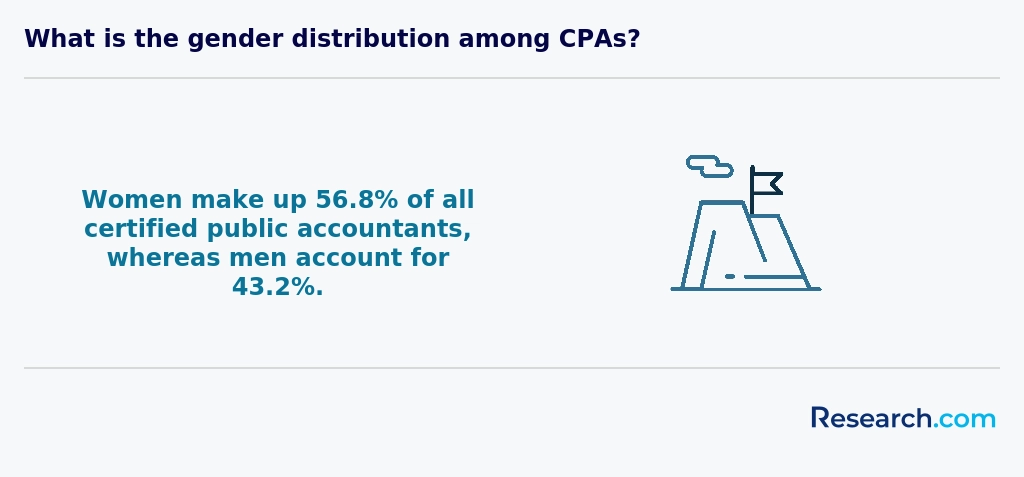
Accounting degrees in Columbia typically offer a range of specializations designed to match diverse career paths. Graduates from popular colleges often choose Financial Accounting, focusing on skills vital for roles like auditors or financial analysts. This is a reliable choice, given its high job stability in both local firms and national corporations. The availability of varied Columbia accounting concentration options means students can also delve into Auditing, gaining expertise crucial for compliance with state and federal tax laws-a key area for businesses in Columbia.
Many also specialize in Tax Accounting, which combines tax planning and preparation skills that help graduates secure well-paying jobs, making it easier to offset degree costs. For those interested in leadership, Managerial Accounting develops budgeting and strategic decision-making capabilities, highly sought after by Columbia's growing SMEs. Technology-savvy students turn to Accounting Information Systems (AIS), blending data management with accounting-a future-proof choice.
When exploring accounting degree specializations in Columbia, consider programs from top schools known for producing successful professionals. Graduates often highlight how these focused tracks helped them thrive in competitive markets. For a comprehensive view on schools offering strong programs, check out the top colleges for future earnings.
When choosing the best accounting degree in Columbia, start by prioritizing programs with AACSB accreditation, which ensures rigorous academic standards and is valued by employers. Graduates from top colleges in Columbia often share how this accreditation boosted their confidence when applying for jobs and sitting for the CPA exam. Look closely at curricula that cover financial accounting, auditing, taxation, and managerial accounting, with hands-on internships that connect you to local businesses-it's these experiences that graduates recall as game-changers for their career readiness.
Considering cost is essential, especially for those seeking affordable accounting degrees Columbia 2027 options. Compare tuition fees at public institutions versus private ones, and explore financial aid to make educated decisions without sacrificing quality. Graduates from popular universities suggest evaluating job placement and CPA exam pass rates to ensure strong program outcomes.
If balancing work and study is your priority, exploring the best part-time MBA programs 2024 in Columbia can also offer pathways to enhance your business skills alongside accounting expertise, adding flexibility and value to your education.

Graduates with an accounting degree in Columbia can pursue a variety of rewarding career paths tailored to their strengths and interests. Many find roles in public accounting firms, gaining practical experience while working on audits, tax preparation, and consulting projects. Others transition into corporate accounting, managing financial records and budgets for companies in sectors like manufacturing, healthcare, and technology, which are prominent in Columbia's economy. Government accounting is another viable option, with positions available in local and state agencies focusing on compliance and public fund management.
For those interested in specialized work, forensic accounting stands out as a growing field that combines investigative skills with finance, an area where Columbia graduates have excelled. Careers as Certified Public Accountants (CPAs) remain popular due to their enhanced earning potential, supported by active local chapters of the AICPA in Columbia. Additionally, jobs for accounting degree holders in Columbia include tax consulting, financial planning, and internal auditing, roles that help organizations improve financial efficiency and comply with regulations.
Graduates from well-known Columbia colleges often explore flexible learning options and continuing education through online business schools in Utah to further enhance their skills and career prospects.
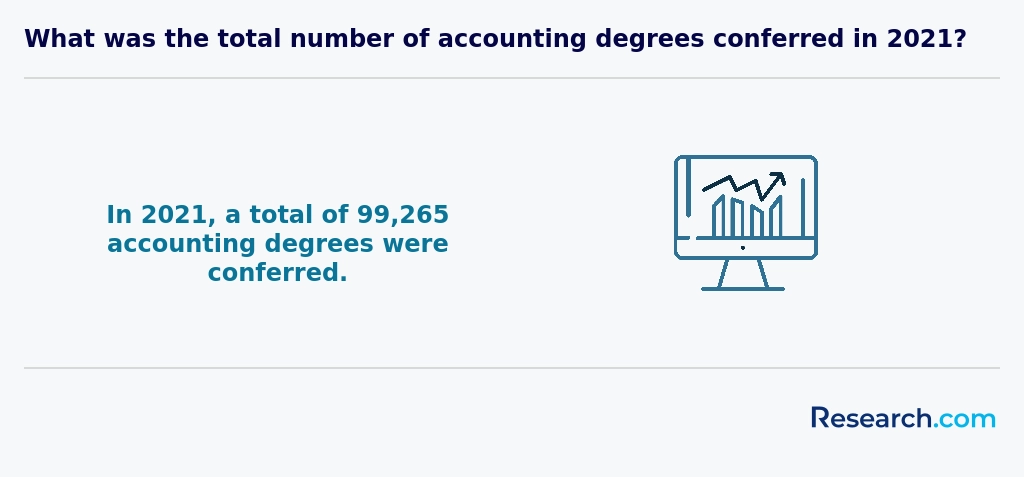
The accounting job opportunities in Columbia are robust, with a steady demand in both the private and public sectors. Graduates from popular universities in Columbia often secure internships and entry-level roles through strong connections these institutions maintain with local businesses and government agencies. Many find positions in auditing, tax preparation, and financial reporting shortly after graduation, benefiting from the city's diverse economy that includes manufacturing, healthcare, finance, and government services.
Recent graduates often share how obtaining a CPA credential opens doors to higher salary brackets and rapid career growth. The Columbia accounting degree employment outlook is positive, supported by competitive salaries averaging around $65,000 annually for accountants, which is in line with the Southeast region. Aspiring accountants can also explore cost-effective education options, as tuition at local public universities ranges from $10,000 to $15,000 per year for in-state students, enhancing return on investment.
Students considering different paths might also explore related programs such as bachelor's in project management online programs, which can complement financial oversight skills and broaden job prospects in Columbia's thriving business sectors.
2027 Most Valuable Accounting Degree Programs Ranking in Columbia
Investing in your education is a significant decision that can shape your future, and the Research.com team understands the importance of making informed choices. To assist prospective students in Columbia, we have meticulously crafted the "2027 Most Valuable Accounting Degree Programs Ranking in Columbia." Our commitment to quality, credibility, and accuracy is reflected in the extensive research and analysis conducted to compile this ranking.
We utilized the following reputable data sources to ensure a comprehensive evaluation of accounting degree programs:
By exploring this ranking, readers will gain valuable insights into the most valuable accounting degree programs in Columbia, helping them make well-informed decisions about their educational investments. For more details on our methodology, please visit our Research.com methodology page.
# 1 position
University of South Carolina-Columbia
Bachelor of Science in Business Administration in Accounting

Frequently Asked Questions About accounting
Accounting degree students in Columbia can maximize their learning experience by actively engaging in both academic and practical opportunities. Many universities offer internships with local businesses or government agencies, which provide valuable real-world experience. According to the American Institute of CPAs, internships increase job placement rates by up to 60% for accounting graduates.
Students should also take advantage of tutoring centers and study groups to reinforce core subjects like tax law and auditing. Joining professional organizations such as the Columbia Chapter of the AICPA can offer networking, mentorship, and continuing education resources.
Additionally, staying current with software tools like QuickBooks and Excel is essential, as 85% of accounting jobs require proficiency in these programs. Attending workshops and seminars on emerging topics like data analytics can further enhance skills and career prospects.
Within the accounting field, several emerging niches are gaining importance, especially for students pursuing degrees in Columbia. One notable growth area is forensic accounting, which involves investigating financial fraud and supporting legal cases. According to the Bureau of Labor Statistics, jobs in this specialty are expected to grow by 16% from 2021 to 2031, faster than average for all occupations.
Another expanding niche is sustainability accounting, focusing on environmental and social governance (ESG) reporting. Businesses increasingly require accountants skilled in tracking their ecological impact, a trend highlighted in recent Columbia regional job market analyses.
Additionally, data analytics in accounting is becoming essential. Accountants with expertise in analyzing big data help companies make smarter financial decisions, an area seeing a strong demand in Columbia's financial sector.
Preparing for the job market after completing an accounting degree in Columbia involves a strategic approach focused on both academic credentials and practical experience. Students should prioritize internships, which are highly valued by employers in the accounting sector. According to the U.S. Bureau of Labor Statistics, internships improve employment prospects by up to 20%, providing hands-on knowledge of financial systems used in industries throughout South Carolina.
Additionally, pursuing CPA (Certified Public Accountant) licensure greatly enhances job opportunities. The South Carolina Board of Accountancy requires 150 semester hours of education and passing the Uniform CPA Examination, a standard recognized nationwide.
Networking through local chapters of professional organizations like the South Carolina Association of CPAs can open doors to job fairs, mentorships, and exclusive listings. Keeping skills updated with software like QuickBooks and Excel is also crucial due to demand in regional firms.
Employers in Columbia value a combination of technical and soft skills in accounting degree graduates. Proficiency in accounting software such as QuickBooks and Microsoft Excel is often essential. Knowledge of Generally Accepted Accounting Principles (GAAP) and tax regulations relevant to both federal and state levels is also critical. Strong analytical skills help graduates interpret financial data effectively.
Communication abilities, including clear reporting and teamwork, rank highly since accountants must collaborate with clients and colleagues. Time management and ethical judgment are other important attributes. According to the Bureau of Labor Statistics, job growth for accountants in the U.S. is projected at 7% through 2031, reflecting steady demand for these competencies.
Finding internships in Columbia related to an accounting degree involves using both local and online resources. Start by visiting the career services office of your college or university, where they often list internship opportunities and employer partnerships specifically for accounting students.
Networking plays a vital role. Join accounting clubs and professional organizations such as the American Institute of CPAs (AICPA) local chapters, which frequently share internships with students. LinkedIn and Handshake are also popular platforms for locating internships in Columbia.
According to the National Association of Colleges and Employers (NACE), accounting internships often convert into full-time roles, making early engagement crucial.
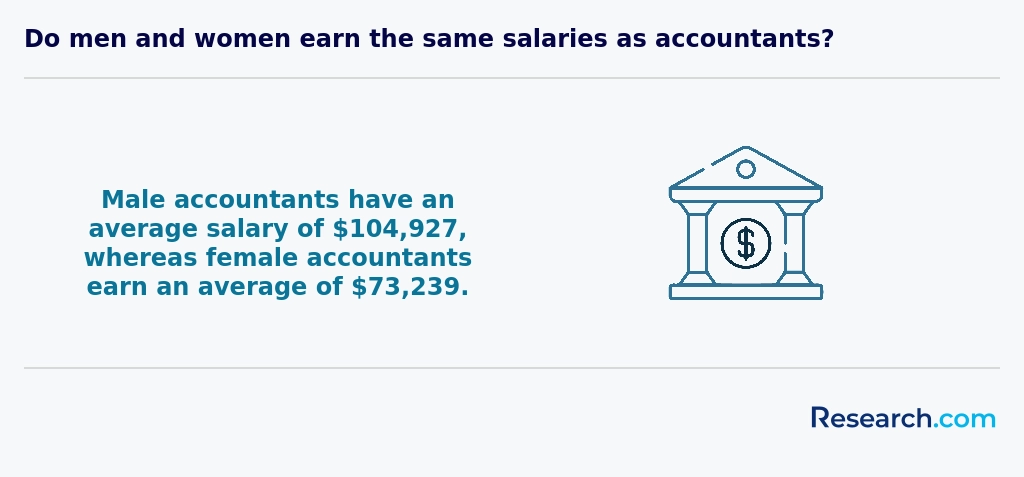
An accounting degree in Columbia significantly enhances career mobility and advancement opportunities. According to the Bureau of Labor Statistics, accountants in South Carolina-referred to here as Columbia-earn a median annual wage of approximately $73,000, which rises substantially with experience and certification.
This degree equips graduates with essential skills for various roles such as auditors, controllers, and financial analysts. Employers often prefer candidates with formal education in accounting due to the complex regulatory environment in the United States.
Furthermore, a degree is crucial for pursuing certifications like the CPA, which positively impacts salary potential and promotions. The South Carolina Department of Labor reports consistent growth in accounting jobs, suggesting strong demand for qualified professionals with degrees.
Studying for an accounting degree in Columbia equips students with a strong foundation in financial principles, taxation, and auditing, essential for interdisciplinary roles. Programs often include coursework in business law, information systems, and data analytics, fostering skills beyond traditional accounting. This blend promotes versatility, enabling graduates to collaborate with professionals in marketing, finance, and technology sectors.
According to the National Association of State Boards of Accountancy (NASBA), 65% of accounting graduates in Columbia report engaging in cross-functional teams within their first five years of employment. This demonstrates the state's focus on practical, real-world applications. Moreover, Columbia's universities emphasize communication and ethical decision-making, crucial for leadership in multidisciplinary environments.
When choosing between a thesis and a non-thesis accounting degree program in Columbia, students should consider their career goals and learning preferences. Thesis programs usually emphasize research, helping students develop skills in critical analysis and academic writing. These are ideal for those planning to pursue a PhD or work in research-intensive roles.
Non-thesis programs focus more on practical knowledge and coursework, often preparing students directly for professional certifications such as the CPA. According to data from the Columbia Board of Accountancy, students in non-thesis tracks often graduate faster and enter the workforce sooner.
Cost and time commitment are also key factors. Thesis degrees may take longer to complete due to research requirements, while non-thesis degrees offer more flexibility for working professionals.
Students based in Columbia who wish to study accounting abroad have several opportunities, particularly within the United States. Many U.S. universities offer strong accounting programs, often ranked highly nationally. For example, institutions such as the University of Texas at Austin and the University of Illinois Urbana-Champaign provide accounting degrees that meet the rigorous standards set by the American Institute of Certified Public Accountants (AICPA).
Exchange programs and international partnerships allow Columbia students to enroll temporarily in U.S. accounting courses, gaining exposure to global accounting practices. Online programs are another flexible option, increasingly popular due to their accessibility and accreditation.
Current data from the National Center for Education Statistics (NCES) shows over 600 accredited U.S. institutions offering accounting degrees, which widens the choice for students abroad. These programs often align with CPA licensure requirements, crucial for career advancement.
Students pursuing accounting degrees in Columbia often seek part-time jobs that build relevant skills while supporting their education. Typical opportunities include bookkeeping clerk roles, where students handle financial records and gain practical accounting experience. These positions frequently pay between $12 and $18 per hour, according to the U.S. Bureau of Labor Statistics (2023).
Another common option is working as a tax preparer during tax season. This role enhances knowledge of tax codes and regulations, which is crucial for accounting professionals. Many local firms and non-profits in Columbia hire seasonal workers to assist with tax filing.
Internships at accounting firms or corporate finance departments are highly beneficial. Though some may be unpaid, many provide stipends or hourly wages and offer valuable insight into financial auditing and reporting.
Lastly, tutoring fellow students in accounting subjects or assisting in university finance offices can reinforce accounting concepts and improve communication skills, important for future careers.
Accounting students in Columbia benefit from numerous networking opportunities that connect them with professionals and peers. Many universities in the state host student chapters of prominent organizations such as the American Institute of CPAs (AICPA) and Beta Alpha Psi, a global honor organization for accounting students.
These groups often organize events, workshops, and career fairs, providing direct access to local accounting firms and industry leaders. In addition, schools frequently collaborate with the Columbia Association of Accountants to offer mentorship programs and internship placements.
According to recent data from the National Association of Colleges and Employers (NACE), over 70% of accounting students in Columbia secure professional connections through campus-based networking activities.
Alumni networks play a significant role in supporting accounting degree students in Columbia. These networks connect current students with graduates working in various accounting fields, offering valuable mentorship and career guidance. According to the National Association of Colleges and Employers (NACE), students engaged in alumni programs have 15% higher job placement rates after graduation.
Many accounting alumni in Columbia work at top regional firms or national corporations, providing internship and job opportunities exclusively to network members. Networking events and workshops organized by alumni associations help students develop professional skills and learn about industry trends.
Additionally, alumni can share insights on certification processes, such as CPA licensing, which is crucial in accounting careers. This access to practical knowledge and professional connections often accelerates career advancement for students in Columbia's accounting programs.
In Columbia, you can tailor your accounting degree program by selecting electives that align with your career ambitions, such as forensic accounting, tax preparation, or auditing. Many universities offer flexible curricula allowing students to focus on specialties like managerial accounting or financial analysis. Additionally, internships and cooperative education opportunities can provide practical experience in specific industries including finance, government, or non-profits.
Some programs also incorporate certifications like CPA or CMA exam preparation, crucial for advancing in the accounting profession. According to the National Association of State Boards of Accountancy, 75% of accounting graduates in the region pursue CPA licensure to enhance their job prospects.
Networking events and faculty mentorship further support personalized career planning. By leveraging these options, students can effectively align their academic path with their professional goals.
Accounting students in Columbia often face several common challenges related to the rigorous nature of the curriculum. Many struggle with mastering complex topics such as tax law, auditing standards, and financial reporting. The high demand for precision and analytical skills can be overwhelming, especially when balancing coursework with internships or part-time jobs.
Additionally, students frequently encounter difficulties adapting to evolving accounting software and technology, an essential skill given the profession's increasing digitalization. According to the Columbia Education Research Institute (2023), about 40% of students report stress related to time management.
Moreover, preparation for the CPA exam adds extra pressure, as passing rates for first-time candidates from Columbia hover around 55%, slightly below the national average, indicating an area requiring more focused support.
With an accounting degree, graduates in Columbia can pursue several professional certifications that enhance career prospects. The most recognized credential is the Certified Public Accountant (CPA), which requires passing the Uniform CPA Examination and meeting experience criteria. According to the American Institute of CPAs, CPA holders often enjoy higher salaries and better job stability.
Another valuable certification is the Certified Management Accountant (CMA), focused on financial management. The Institute of Management Accountants reports that CMAs tend to hold leadership roles in corporate finance.
Additionally, the Certified Internal Auditor (CIA) credential is popular among those interested in auditing and risk management. Columbia graduates should consider these certifications to validate expertise and increase competitiveness in the accounting job market.
To write a winning application for an accounting program in Columbia, begin by ensuring your academic records reflect strong performance in math and business-related courses. Admissions committees often look for at least a 3.0 GPA, especially in relevant subjects, according to the National Association of State Boards of Accountancy.
Next, craft a clear personal statement that highlights your interest in accounting, career goals, and any practical experience such as internships or part-time work in finance.
Demonstrating familiarity with Generally Accepted Accounting Principles (GAAP) or software like QuickBooks can set you apart.
Strong letters of recommendation from teachers or employers who can vouch for your analytical skills and work ethic are valuable.
Finally, prepare for required tests, like the SAT or ACT, if applicable, as competitive scores improve your chances significantly.
Accounting is a globally recognized profession with strong demand in many economies, including Columbia and the United States. The U.S. Bureau of Labor Statistics projects a 4% growth in accounting jobs from 2022 to 2032, reflecting steady opportunities for graduates. Many international companies seek accountants with knowledge of U.S. Generally Accepted Accounting Principles (GAAP) and International Financial Reporting Standards (IFRS), highlighting the career's global importance.
In Columbia, earning an accounting degree aligned with U.S. standards increases job prospects locally and abroad. Multinational firms value professionals skilled in cross-border financial compliance.
Understanding global tax regulations and auditing practices boosts an accountant's relevance in international trade and finance. This blend of technical and cross-cultural skills is vital for students considering an accounting career with global impact.
Gaining practical experience while pursuing an accounting degree in Columbia is essential for career readiness. Many universities in the area offer internship programs aligned with local businesses and accounting firms. These internships provide hands-on exposure to accounting tasks such as auditing, tax preparation, and financial analysis.
In addition, some schools encourage participation in cooperative education (co-op) programs, where students alternate semesters of classroom learning with full-time work in the accounting field. This model helps students build professional networks and apply theoretical knowledge.
Joining student organizations like the Accounting Club or Beta Alpha Psi can also enhance practical skills through workshops and networking events. According to the National Association of State Boards of Accountancy, having internship experience significantly improves employment prospects after graduation.
Choosing the right concentration within an accounting degree program in Columbia depends largely on your career goals and interests. Popular specializations include auditing, taxation, forensic accounting, and managerial accounting. According to the American Institute of CPAs (AICPA), tax and audit remain the highest-demand areas nationally, which also reflects local job trends in Columbia.
Consider your strengths: if you like analyzing financial records in detail, auditing could be suitable. Taxation requires knowledge of federal and state tax codes and offers opportunities in both public and private sectors. Forensic accounting focuses on fraud detection and legal investigations, growing as companies increase regulatory compliance.
Research the curriculum and faculty expertise offered by Columbia institutions, as well as internship and job placement rates. Aligning your choice with market demand can improve employment prospects in the region's competitive accounting field.
- 2027 Most Valuable Accounting Degree Programs Ranking in Greensboro
- 2027 Most Valuable Accounting Degree Programs Ranking in Atlanta
- 2027 Most Valuable Accounting Degree Programs Ranking in Huntsville
- 2027 Most Valuable Accounting Degree Programs Ranking in Montgomery
- 2027 Most Valuable Accounting Degree Programs Ranking in Birmingham
- 2027 Most Valuable Accounting Degree Programs Ranking in Nashville
- 2027 Most Valuable Accounting Degree Programs Ranking in Louisville
- 2027 Most Valuable Accounting Degree Programs Ranking in Cincinnati
- 2027 Most Valuable Accounting Degree Programs Ranking in Washington
- 2027 Most Valuable Accounting Degree Programs Ranking in Columbus
See What Experts Have To Say About Studying Accounting
Read our interview with Accounting experts

Yaw M. Mensah
Accounting Expert
Professor and Interim Vice Dean for Strategic Partnerships
Rutgers Business School

John Wermert, Ph.D., CPA
Accounting Expert
Associate Professor of Accounting
Middle Tennessee State University

- Why International Career Mobility is Key to Attracting the Next Generation of Professional Accountants https://www.ifac.org/knowledge-gateway/discussion/why-international-career-mobility-key-attracting-next-generation-professional-accountants
- Accounting Career: Outlook and Overview | DeVry University https://www.devry.edu/blog/accounting-career-outlook.html
- What Jobs Can You Do With an Accounting Degree? - Intuit Blog https://www.intuit.com/blog/life-at-intuit/intuit-experts/accounting-degree/
- Accounting Abroad: Benefits and Opportunities : ThisWayToCPA : AICPA https://www.thiswaytocpa.com/education/articles/make-the-most-of-your-education/accounting-abroad-benefits-and-opportunities/
- ACCOUNTING AND AUDITING (THESIS / NON-THESIS) - Lisansüstü Eğitim Enstitüsü https://lee.nisantasi.edu.tr/en/accounting-and-auditing/
- The Diverse Skills you Gain with an Accounting Degree https://www.accounting-education.org/blog/accounting-degree-diverse-skills/
- Challenges Faced by Accounting Students https://www.onlineassignment-expert.com/blog/what-are-the-challenges-faced-by-accounting-students
- Accounting Degree: Associate or Bachelor’s | Monroe University https://www.monroeu.edu/news/accounting-degree-associate-or-bachelors
- How to get into accounting as a graduate https://targetjobs.co.uk/careers-advice/accountancy-banking-and-finance/how-get-accounting-graduate
- Are accounting students overloaded and under-supported? https://www.studentvoice.ai/blog/accounting-students-challenges-with-workload-and-support/