2027 Most Valuable Online Master's in Accounting Degree Programs Ranking in Connecticut

Co-Founder and Chief Data Scientist
Choosing the right online master's in accounting program can feel overwhelming, especially when considering your future in Connecticut's competitive job market. This article introduces the 2027 Most Valuable Online Master's in Accounting Degree Programs Ranking in Connecticut, thoughtfully developed by the Research.com team of data scientists to guide you toward programs that truly stand out.
By exploring this ranking, you'll gain clear insights into which accounting degrees offer the best value, helping you invest your time and money wisely. Pursuing an accounting degree can open doors to rewarding career opportunities and personal growth, making this guide an essential step on your educational journey.
Key benefits of getting online accounting degree in Connecticut
- Graduates with an online accounting degree in Connecticut can expect competitive salaries, with roles like Certified Public Accountant, Tax Manager, and Auditing Manager earning a mean annual wage of $90,780.
- Career paths after graduation include positions in corporate accounting, forensic accounting, and management roles, providing diverse opportunities at firms around Hartford or New Haven.
- Choosing an online accounting degree offers flexibility and convenience, allowing students to balance work and study while earning a respected credential from institutions such as the University of Connecticut.
- 2027 Most Valuable Online Master's in Accounting Degree Programs Ranking in Connecticut
- What can I expect from online accounting degree in Connecticut?
- Where can I work with online accounting degree in Connecticut?
What can I expect from online accounting degree in Connecticut?
The average cost of an online accounting degree in Connecticut typically ranges between $15,000 and $40,000, depending on the school and program level. For example, graduates from well-regarded institutions like the University of Connecticut or Quinnipiac University often report tuition near the higher end, which reflects the comprehensive curriculum and strong support services. Many students find this investment worthwhile because these programs prepare them for the CPA exam and provide connections to local employers.
Working professionals appreciate the flexibility of online formats offered by these schools, allowing them to study while maintaining their jobs. One graduate shared how balancing coursework with a full-time job was manageable, thanks to asynchronous classes and dedicated advisors.
Scholarships, employer tuition assistance, and payment plans are common solutions to manage costs. Exploring these options early can reduce financial stress and make earning a respected online accounting degree in Connecticut feel achievable and rewarding.
Where can I work with online accounting degree in Connecticut?
Graduates with an online accounting degree in Connecticut frequently find rewarding careers in public accounting firms, ranging from large international companies to smaller local businesses. Many have secured positions as auditors or tax consultants, gaining hands-on experience with financial reports and compliance. For example, graduates from universities like the University of Connecticut often highlight how internships in nearby firms opened doors to full-time roles.
Others thrive in corporate accounting jobs within Connecticut's key industries such as insurance and manufacturing. Working with companies like those headquartered in Hartford, graduates take on roles like financial analysts or internal auditors, managing budgets and ensuring accurate financial records. These positions provide practical experience and growth potential.
Additionally, government agencies and nonprofits in Connecticut hire accounting graduates for roles in fiscal management and grant accounting. Alumni from institutions such as Central Connecticut State University report feeling proud to contribute to community organizations and public agencies, applying their skills to meaningful work.
Many graduates also pursue CPA certification offered in the state, which significantly boosts career prospects. With dedication and the right preparation, accounting graduates in Connecticut can access diverse and stable employment opportunities that align with their skills and goals.
Graduates with an online accounting degree in Connecticut can expect competitive salaries reflecting the state's strong financial market. Typical roles such as Certified Public Accountant, Corporate Accountant, Tax Manager, Auditing Manager, and Forensic Accountant show mean annual wages of about $90,780 according to U.S. Bureau of Labor Statistics data.
For example, a graduate from a respected program in Connecticut, like those offered by University of Hartford or Central Connecticut State University, can quickly move into roles paying close to this average. Many find that holding CPA certification boosts their earning power beyond $100,000, especially after gaining professional experience.
Entry-level salaries start lower, generally between $55,000 and $65,000, but graduates appreciate how online programs provide both flexibility and cost savings, enabling them to work while advancing their credentials. These opportunities often translate into promotions and raises, particularly in metro areas like Hartford and Stamford where financial and insurance sectors actively seek such talent.
Embracing certifications and gaining real-world experience helps maximize income potential in this lucrative Connecticut accounting landscape.
- Annual in-state tuition for online accounting degrees in Connecticut ranges from $10,000 to $25,000 at public universities, while private institutions may charge over $30,000.
- Connecticut employs about 24,000 accountants and auditors, with a 6% job growth projected over the next ten years.
- Starting salaries for new accounting graduates range between $55,000 and $65,000, with mid-career professionals earning $80,000 to $95,000 annually.
- Senior accounting roles such as CPAs typically earn over $100,000 per year, reflecting the state's higher cost of living.
- Connecticut requires passing the Uniform CPA Exam and relevant experience hours for licensing, which many online programs prepare students to meet.
- Accreditation by bodies like AACSB is important to ensure program quality and recognition by employers.
Completing an online accounting degree in Connecticut typically takes about two years for an associate's degree, making it an efficient choice for those eager to enter the workforce quickly. Bachelor's degrees usually require around four years of full-time study, though many students at schools like the University of Connecticut appreciate the option to study part-time, extending their timeline to six years while balancing jobs and family.
Graduate accounting degrees, such as master's programs, generally take one to two years full-time but offer flexible pacing that allows busy professionals to complete their studies in three or more years. Many online programs provide asynchronous courses, enabling students to learn at their own speed, a benefit frequently enjoyed by working graduates.
Connecticut's online programs often allow you to accelerate by taking heavier course loads or enroll year-round, helping you finish sooner. Graduates report feeling empowered by these options, successfully managing coursework alongside personal commitments without compromising their progress.
Earning a recognized professional certification can significantly boost your marketability and earning potential after completing an online accounting master’s program. Here are the most sought-after credentials and the pathways to licensure: • Certified Public Accountant (CPA): The gold standard in accounting, the CPA license demonstrates expertise in auditing, tax, and financial reporting. To qualify, you must complete 150 semester hours (typically fulfilled by a bachelor’s plus a master’s), pass the Uniform CPA Examination, and meet your state’s ethics requirements. Connecticut candidates apply through the Connecticut Board of Accountancy and often benefit from exam review courses integrated into online master’s curricula. • Certified Management Accountant (CMA): Ideal for those targeting corporate finance and strategic planning roles, the CMA requires a bachelor’s degree, two years of professional experience, and successful completion of the two-part CMA exam. Master’s programs with a managerial accounting focus can align coursework directly to CMA exam content, streamlining your preparation. • Certified Internal Auditor (CIA): Designed for internal audit professionals, the CIA designation involves passing a three-part exam and having at least 24 months of internal auditing experience (or academic waivers). Programs offering auditing specializations often provide case studies and simulated audits that mirror CIA exam scenarios. • Chartered Global Management Accountant (CGMA): Offered in collaboration with the AICPA and CIMA, the CGMA emphasizes international management accounting. Candidates typically hold a management accounting qualification and a professional role in finance; pursuing global accounting courses can satisfy part of the CGMA exam requirements. Preparing for these certifications during your online master’s not only strengthens your resume but also correlates with higher compensation-see how much does an accountant get paid for detailed salary benchmarks. Aligning your program’s curriculum, internship opportunities, and career services with your chosen certification path ensures a seamless transition from academia to a licensed accounting professional.
Choosing between online and on-campus accounting degrees in Connecticut often comes down to how you want to balance life and study. Graduates from the University of Connecticut highlight that on-campus programs provide valuable face-to-face interaction with professors and peers, making it easier to engage in campus activities and secure local internships. This hands-on environment helps many build strong local networks essential for launching their careers.
Meanwhile, graduates from online programs appreciate the flexibility to study from anywhere, perfect for working professionals juggling jobs or family. Online degrees at Connecticut colleges often use digital platforms that let students access lectures and assignments on their own schedule, reducing commute time and offering a less disruptive path to advancement.
Both formats meet the same high academic standards, but online students should ensure they have reliable internet and comfort with digital tools. If you thrive in a structured classroom setting with immediate support, on-campus might suit you better. For a self-paced style that adapts to your lifestyle, online programs in Connecticut offer a practical and effective alternative.
Online accounting graduates aiming to become Certified Public Accountants (CPAs) in Connecticut must meet specific education, examination, and experience requirements set by the Connecticut State Board of Accountancy. To ensure your online master’s program aligns with these requirements and accelerates your path to licensure, consider the following:
- 150-Semester-Hour Rule: Connecticut requires 150 semester hours of college credit, including a bachelor’s in accounting or equivalent coursework. Many online master’s programs incorporate these additional credits, helping you satisfy the educational threshold for the Uniform CPA Examination.
- Core Coursework: Candidates must complete courses in financial accounting, auditing, taxation, business law, and professional ethics. Verify that your chosen online master’s is accredited by recognized bodies such as AACSB, ACBSP, or IACBE and covers all mandated topics.
- Uniform CPA Examination: You must pass all four exam sections within an 18-month rolling period. Look for programs offering dedicated CPA review courses, practice exams, and faculty support to boost your pass rates.
- Ethics and Experience: Connecticut mandates an approved ethics exam (often the AICPA ethics course) and one year (2,000 hours) of relevant accounting experience under a licensed CPA. Select programs with strong industry partnerships, internship placements, or mentorship opportunities to fulfill this requirement seamlessly.
- State Board Approval: Before enrolling, confirm that your online program meets Connecticut State Board of Accountancy standards. This step prevents surprises when you apply for examination eligibility and licensure. Understanding and planning for these licensure milestones ensures your online master’s in accounting not only delivers academic rigor but also directly prepares you for the CPA credential. If affordability is a priority, explore our Affordable Accounting Degree Programs Ranking in Atlanta, GA to compare cost-effective master’s options.
The average cost of an online accounting degree in Connecticut typically ranges around $26,250 for both in-state and out-of-state students at many public universities. Graduates from well-known institutions like the University of Connecticut often share how this investment feels worthwhile given the quality of education and the supportive resources available throughout their studies. Many students appreciate that programs commonly require 30 to 36 credit hours, which helps keep total tuition costs manageable compared to longer programs.
While private colleges in Connecticut tend to charge higher tuition, sometimes exceeding $40,000, many students find the personalized attention and career networking opportunities invaluable for their future accounting careers. Online students frequently mention that flexible payment plans and financial aid options ease the financial burden, making the cost more approachable.
Anyone budgeting for online master's in accounting tuition and fees Connecticut should also consider additional expenses like technology fees and course materials, which can add a few hundred to a few thousand dollars. Thankfully, federal and state-specific grants are often available, especially for Connecticut residents, further reducing out-of-pocket costs.
Many students researching their options carefully compare costs and benefits across schools, and some explore related fields, such as online MBA programs with noGMAT requirements, to widen their career prospects while managing expenses.

When considering an online accounting degree in Connecticut, one of the critical factors to evaluate is the cost and how to finance your education. Understanding the financial implications and planning accordingly can make a significant difference in your academic journey. For many, exploring affordable accounting schools in Connecticut is a crucial step, as it allows students to balance their educational aspirations with financial realities. By weighing the costs against potential earnings and considering financial aid options, students can make informed decisions about their investment in an online accounting degree. This includes calculating not just the tuition fees but also additional expenses such as textbooks, technology fees, and potential living expenses, even for online programs. Many institutions offer financial counseling and resources to help students navigate these considerations, ensuring that they can focus on their studies and career development without undue financial stress.
Students pursuing an online accounting degree in Connecticut often rely on federal student aid by completing the FAFSA to access grants, loans, and work-study opportunities. For example, graduate students at the University of Connecticut have successfully used Pell Grants or Direct Unsubsidized Loans to ease tuition costs, appreciating the fixed interest rates and flexible repayment options.
State-specific aid through CHESLA offers low-interest loans with better terms than many private lenders, a benefit that graduates from Quinnipiac University found useful in managing expenses without overwhelming debt. Merit-based scholarships are available from many Connecticut schools, rewarding strong undergraduate GPAs or work experience, which some Southern Connecticut State University students leveraged to reduce costs.
Additionally, working professionals often tap into employer tuition reimbursement programs offered by local accounting firms, making continuing education more affordable. Graduates also highlight resources from the Connecticut Society of CPAs, which provide specialized scholarships, helping them feel supported by their professional community throughout their studies.
Earning an online accounting degree is only the beginning of your professional journey. To maximize your career potential, obtaining industry certifications such as the CPA (Certified Public Accountant) or CMA (Certified Management Accountant) is crucial. These credentials not only boost your credibility but also open doors to higher-level positions and increased earning potential. In addition, engaging in ongoing professional development through workshops, webinars, and networking events helps you stay up-to-date with the latest accounting practices and regulatory changes. Moreover, many experts recommend comparing different educational approaches; for instance, examining the online vs traditional accounting degrees key similarities can highlight the unique benefits of flexible learning environments and how they prepare you for success in the modern marketplace. This well-rounded strategy-combining certification, ongoing education, and a deep understanding of industry trends-ensures that graduates not only secure reputable positions but also continue to advance throughout their careers.
To enroll in an online accounting degree program in Connecticut, you typically need a bachelor's degree from a regionally accredited school, often in business, finance, or economics. Graduates from popular institutions like the University of Connecticut or Quinnipiac University share how having a solid foundation in accounting basics made their transition to advanced topics smoother and boosted their confidence early on.
Applicants should expect to provide transcripts showing coursework in key areas such as introduction to accounting, managerial accounting, business mathematics or statistics, and economics principles. For example, mastering financial accounting concepts helped many graduates excel in analyzing real-world financial reports during their studies.
Most programs also require a minimum GPA around 3.0, and some may ask for GRE or GMAT scores, though those with relevant work experience often have these requirements waived. Strong communication skills and proficiency with Excel or accounting software are practical assets that Connecticut students recommend developing beforehand to ease the learning curve.

Online accounting degree programs in Connecticut typically include core courses designed to build practical and theoretical expertise essential for real-world success. Graduates from popular institutions like the University of Connecticut or Central Connecticut State University often highlight courses such as Financial Accounting, which teaches how to prepare and interpret financial statements-a skill critical when managing business finances or personal investments.
Managerial Accounting equips students with budgeting and cost analysis know-how, helping future accountants advise businesses on financial decisions. Auditing and Assurance Services courses simulate real audit scenarios, sharpening ethical judgment and attention to detail, skills graduates find invaluable when working for firms or government agencies.
Taxation classes focus on IRS regulations for individuals and businesses, providing hands-on practice with tax preparation software. Accounting Information Systems introduce essential technology skills, reflecting the digital tools commonly used in Connecticut's finance sector.
Additionally, courses in Finance and Business Law prepare students to navigate corporate finance and legal frameworks confidently. Graduates appreciate how these subjects connect theory to everyday challenges, empowering them to thrive in diverse accounting roles locally and beyond.

Online accounting degree programs in Connecticut typically offer a variety of specializations to meet diverse career goals. Students at well-known universities focus on areas such as Financial Accounting, which involves mastering the preparation and analysis of financial statements following GAAP standards. Graduates often share how this specialization helped them confidently handle corporate financial reporting in real-world scenarios.
Managerial Accounting is another popular concentration, emphasizing budgeting and decision-making within organizations. This is practical for those aiming to support business leadership with internal financial insights. Many Connecticut students pursuing the best accounting master's concentrations find that Taxation stands out, especially due to the demand for expertise in personal and corporate taxes, crucial for CPA certification efforts.
Other sought-after specializations include Auditing, Forensic Accounting, and Accounting Information Systems, each offering specific skill sets that boost employability in financial centers like Hartford. Students appreciate how these concentrations align with local job market needs and enhance their career prospects. For tailored advice on how to advance your career, explore best career options for MBA graduates.
Start by confirming that the online accounting degree program in Connecticut holds accreditation from respected bodies like the Accreditation Council for Business Schools and Programs (ACBSP) or the Association to Advance Collegiate Schools of Business (AACSB). Graduates from popular Connecticut colleges often emphasize how this accreditation gave them confidence their education met employer and CPA licensing standards.
Review the curriculum carefully to ensure it covers essential topics such as financial accounting, auditing, taxation, and managerial accounting. Many online accounting degree programs in Connecticut align coursework to meet the 150 semester hour requirement for the CPA exam, a crucial step shared by successful graduates balancing work and study.
Affordability is key-compare the total cost with available financial aid options. Graduates from state schools appreciate predictable tuition rates and scholarships that made pursuing the best affordable online master's in accounting Connecticut achievable without financial stress.
Look for online programs offering asynchronous classes and strong student support. Alumni often praise the flexibility to study on their own schedule while accessing faculty guidance, career resources, and networking that eased their transition into Connecticut's accounting job market.
Finally, investigate alumni job placement and CPA pass rates to gauge program effectiveness. Choosing a program connected with local industry through internships and networking can boost employment chances in Connecticut's competitive accounting field. For insight on value and outcomes, consider exploring the highest paying college programs in the state.

Graduates with an online accounting degree in Connecticut often pursue careers as Certified Public Accountants (CPAs), a path supported by the state's requirement of 150 credit hours, which many Connecticut colleges' programs fulfill. Students from universities such as the University of Connecticut or Central Connecticut State University report feeling confident stepping into roles at accounting firms where they provide auditing, tax preparation, and consulting services. These experiences highlight the practical value of flexible online study combined with hands-on internships.
Other viable options include becoming financial analysts, management accountants, tax specialists, or forensic accountants. Graduates share how they apply critical skills learned in their programs to real-life scenarios, like helping local businesses in Hartford optimize budgeting or investigating financial discrepancies for regional law enforcement. These diverse career opportunities with accounting master's in Connecticut appeal to those seeking growth and variety in their professional lives.
For students interested in expanding their expertise while exploring related fields, degree holders often complement their skills with programs such as the best online paralegal studies associate degrees, illustrating how combining disciplines can open doors to broader financial and legal roles.
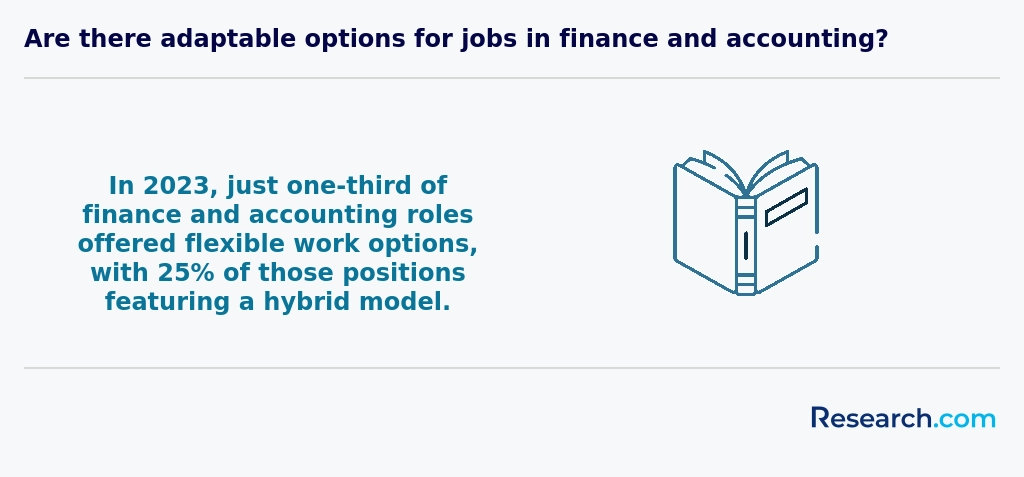
The job market for those with an online accounting degree in Connecticut remains strong and accessible, especially for graduates from well-regarded institutions like the University of Connecticut and Quinnipiac University. Many find rewarding roles in Hartford and Stamford, where insurance companies and financial services firms seek skilled accountants. Graduates often report that combining their degree with CPA certification greatly boosts their job prospects and salary potential in this competitive environment. Practical experience through internships or part-time roles during study also opens doors to employers valuing real-world skills.
Connecticut's economic diversity-including healthcare, manufacturing, and professional services-creates a steady demand for accounting professionals. Online programs provide the flexibility to balance work and study, a benefit frequently mentioned by students who aim to advance while earning their degree. For anyone considering this path, researching tuition and comparing programs can help manage costs effectively. Many students explore affordable options and gain insights on financial planning, sometimes alongside courses from best online MBA programs to broaden their skill set.
Understanding the local job market for online accounting degree employment Connecticut can empower graduates to target roles in auditing, tax consulting, and forensic accounting-fields expected to grow steadily. Remaining adaptable to evolving tax laws and software tools helps maintain a competitive edge in Connecticut's solid accounting job outlook Connecticut 2027.
2027 Most Valuable Online Master's in Accounting Degree Programs Ranking in Connecticut
Investing in your education is a significant decision, and the Research.com team is deeply aware of the care required to make informed choices. To support prospective students in Connecticut, we have carefully created the "2027 Most Valuable Online Master's in Accounting Degree Programs Ranking." Our dedication to quality, credibility, and accuracy is demonstrated by the thorough research and analysis underpinning this ranking.
We utilized the following reputable data sources to ensure a comprehensive evaluation of accounting programs:
By exploring this ranking, readers will gain valuable insights into the most valuable online master's accounting programs available in Connecticut, enabling them to make confident and well-informed educational decisions. For a detailed explanation of our methodology, please visit our Research.com methodology page.


Frequently Asked Questions About accounting
Online accounting degree students in Connecticut can maximize their learning by actively engaging with course materials and participating in virtual discussions. Utilizing resources such as online tutoring and accounting software simulations can enhance practical skills. Accredited programs aligned with the Connecticut Board of Accountancy's requirements ensure students meet state certification standards. Networking through state-specific professional groups like the Connecticut Society of Certified Public Accountants provides valuable connections and internships.
Balancing study schedules with local workforce demands is vital, as Connecticut's accounting sector grew by 3.8% between 2018 and 2023, reflecting strong job prospects (U.S. Bureau of Labor Statistics). Mastery of Generally Accepted Accounting Principles (GAAP) is essential for success in the state's financial services industry.
The accounting profession is evolving, with new niches emerging that offer promising career opportunities. One key area is forensic accounting, which involves investigating financial crimes and fraud. This specialty is increasingly important as businesses face growing regulatory scrutiny.
Another developing field is environmental accounting, focusing on measuring and reporting the environmental costs associated with business operations. Connecticut's emphasis on sustainability has created demand for accountants skilled in this niche.
Technology integration also defines a rising niche: accountants with expertise in data analytics and blockchain are highly sought after. According to the Bureau of Labor Statistics, employment in accounting is expected to grow 7% nationally by 2032, with Connecticut reflecting similar trends.
These emerging sectors highlight the diverse opportunities available to students pursuing an online accounting degree in Connecticut.
After completing an online accounting degree in Connecticut, preparing for the job market involves several focused steps. First, obtaining professional certifications such as the CPA is crucial; Connecticut requires 150 credit hours and passing the Uniform CPA Exam for licensure (NASBA, 2024). Many employers value internships or part-time roles gained during study for practical experience.
Networking is important-joining local chapters of organizations like the Connecticut Society of CPAs enhances connections and job leads. Additionally, tailoring resumes to emphasize skills in software like QuickBooks or Excel, commonly used in Connecticut accounting firms, will improve employability.
Staying updated on Connecticut's business climate and accounting regulations benefits graduates in job interviews and practical work.
Employers in Connecticut highly value accounting graduates who demonstrate strong analytical and technical skills. Proficiency in accounting software such as QuickBooks and Excel is often essential, as these tools are widely used by local businesses and firms. According to the Connecticut Department of Labor, candidates with solid knowledge of Generally Accepted Accounting Principles (GAAP) stand out in the competitive job market. Communication skills are also important since accountants regularly present financial reports to non-financial stakeholders. Additionally, attention to detail and problem-solving abilities rank among the top qualities employers seek in the state's accounting professionals.
Finding internships related to accounting in Connecticut begins with connecting to local organizations and companies that specialize in finance and accounting services. The state is home to numerous accounting firms, including branches of major national companies, which frequently offer internship opportunities for students and recent graduates.
University career centers often provide listings and guidance for online students pursuing accounting degrees. Additionally, websites like Handshake and the Connecticut Society of Certified Public Accountants (CTCPA) are valuable resources for finding internships tailored to accounting majors.
Internships in Connecticut typically range from part-time to full-time and may offer hands-on experience with tax preparation, auditing, and financial analysis. According to CTCPA, about 60% of internships lead to job offers, making early involvement essential for career development.
Networking through professional events and LinkedIn also helps in discovering hidden internship opportunities in this competitive field.
Obtaining an online accounting degree in Connecticut can significantly enhance career mobility and advancement opportunities. The state has a growing demand for skilled accountants, with the Connecticut Department of Labor projecting a 5% growth in accounting jobs through 2030. Employers value candidates with formal education, especially those who have earned degrees accredited by recognized agencies such as ACBSP or AACSB.
Online degrees offer flexible learning that accommodates working professionals seeking promotions or shifts into specialized roles like forensic accounting or auditing. According to the National Association of State Boards of Accountancy, candidates who complete their education in Connecticut are well-prepared for the CPA exam, a key credential for career advancement in the state.
Also, networking opportunities through Connecticut-based online programs enable students to connect with local businesses. This regional focus helps graduates access internships and job placements, further improving career prospects.
Studying for an online accounting degree in Connecticut equips students with skills beyond traditional accounting. Programs integrate knowledge from finance, law, information systems, and management. This interdisciplinary approach aligns with workforce demands, as 60% of accounting roles in Connecticut involve cross-departmental collaboration, according to the U.S. Bureau of Labor Statistics.
Courses often include subjects like tax law, data analytics, and business communication. These help graduates navigate complex financial environments and make strategic decisions.
Connecticut's universities also emphasize technology proficiency, preparing students to use accounting software essential for various industries.
This broad training enables graduates to work effectively in roles that overlap with finance, compliance, and consulting, meeting diverse employer needs across the state.
Choosing between a thesis and a non-thesis online accounting degree in Connecticut depends largely on your career goals. Thesis programs typically require original research and are ideal for students aiming for a PhD or academic roles. Non-thesis options focus more on practical skills and coursework, appealing to professionals seeking advancement in accounting firms or business environments.
In Connecticut, institutions like the University of Connecticut offer both formats, recognizing diverse student needs. According to the National Center for Education Statistics (NCES), practical experience and applied knowledge remain highly valued by Connecticut employers in accounting.
Cost, program length, and personal interests also influence the choice. Thesis programs may take longer due to research requirements, while non-thesis paths often allow faster completion.
Students based in Connecticut who want to study accounting abroad have several pathways, mainly through exchange programs or partnerships between Connecticut universities and foreign institutions. While online accounting degrees offer convenience, some programs include international study components or internships.
The University of Connecticut, for example, participates in global exchange programs where students can earn credits overseas while maintaining progress toward their degree. Additionally, many universities in Connecticut are part of the AACSB network, which supports international cooperation in accounting education.
It is important to research whether foreign accounting programs align with U.S. CPA requirements if licensure is a goal. According to the Connecticut Board of Accountancy, completing accredited coursework is essential for credential recognition.
Students pursuing online accounting degrees in Connecticut can benefit from a variety of part-time job opportunities that enhance both their skills and resumes. Common roles include bookkeeping and accounting assistant positions, which develop familiarity with accounting software such as QuickBooks or Sage. The Connecticut Department of Labor reported that accounting clerks earn a median hourly wage of around $22, offering practical income alongside education.
Internships with local CPA firms or businesses also provide valuable experience. Many companies in Hartford and Stamford seek remote or part-time assistants for financial data entry and tax preparation support. These roles allow students to apply theoretical knowledge.
Other suitable jobs include payroll clerk and auditing assistant positions, which strengthen understanding of compliance and financial reporting standards.
Online accounting students in Connecticut benefit from several strong networking opportunities despite studying remotely. Many universities in Connecticut maintain active alumni associations and virtual events that connect students with professionals in the state's accounting sector. For example, the Connecticut Society of Certified Public Accountants (CTCPA) hosts webinars, networking mixers, and mentorship programs specifically designed to support aspiring accountants, including online students.
Local chapters of national organizations such as the American Accounting Association also provide access to conferences and career fairs, often with virtual participation options. These platforms help students build relationships and gain insights into Connecticut's accounting job market, where demand is growing steadily according to the Bureau of Labor Statistics.
Additionally, some online programs partner with Connecticut firms for internships and job placements, enhancing practical networking. Overall, online accounting students have access to diverse, state-specific professional connections through established associations and school-supported events.
Alumni networks provide significant advantages for online accounting degree students in Connecticut by enabling connections with experienced professionals across the state's financial sectors. These networks often include graduates working in regional firms, corporations, and government agencies, fostering valuable mentorship and career guidance opportunities.
Statistics from the Connecticut Society of Certified Public Accountants highlight that nearly 70% of accounting job placements result from professional connections, many initiated through alumni events and platforms.
Additionally, alumni networks frequently share exclusive job postings and internships tailored to Connecticut's economic landscape, helping students gain practical experience.
Participation in these networks can also improve access to continuing education and certifications, crucial in the evolving accounting field.
Customizing an online accounting degree program in Connecticut allows students to align their studies with specific career goals. Many universities offer concentrations such as forensic accounting, taxation, or auditing, which can help tailor your education to industries in demand within Connecticut. For example, areas like Hartford have a growing need for financial management professionals, according to the U.S. Bureau of Labor Statistics (2023).
Students can also select elective courses focusing on advanced Excel, data analytics, or CPA exam preparation. Some programs provide flexible options for internships or partnerships with local firms, helping to build practical experience suited to Connecticut's job market.
Advisors at Connecticut schools typically assist students in choosing courses that match professional certifications or roles such as financial analyst or controller, enabling a targeted learning path.
Online accounting students in Connecticut often face challenges balancing rigorous coursework with personal and professional responsibilities. Many students are working adults who need flexible schedules, but connectivity issues and varying time zones can disrupt live classes and deadlines. Access to local networking opportunities is limited compared to traditional programs, making it harder to build connections in Connecticut's accounting community. Additionally, mastering complex software and staying updated with state-specific tax laws require strong self-discipline. According to the Connecticut Board of Accountancy, students must also prepare thoroughly for the CPA exam, which remains a significant hurdle for many online learners in the state.
With an online accounting degree, professionals in Connecticut can pursue key certifications that enhance career prospects and credibility. The most prominent certification is the Certified Public Accountant (CPA), which requires passing a rigorous exam and meeting the Connecticut State Board of Accountancy's education and experience requirements.
Other valuable certifications include the Certified Management Accountant (CMA), focusing on financial management and strategic planning, and the Certified Internal Auditor (CIA), relevant for those interested in auditing roles.
These certifications are widely recognized in Connecticut's accounting job market, where demand for certified professionals remains strong, according to the Connecticut Department of Labor.
Obtaining such certifications typically involves fulfilling credit hour requirements, passing exams, and completing continuing professional education, which can often be managed alongside online study programs.
To write a winning application for an online accounting program in Connecticut, begin by carefully reviewing admission requirements, which often include a bachelor's degree and transcripts showing quantitative coursework. Highlight relevant professional experience, especially in finance or bookkeeping, to demonstrate practical skills valued by Connecticut schools.
Craft a compelling personal statement focused on your career goals in accounting and how the program aligns with Connecticut's growing financial sector. Be sure to include any Connecticut CPA exam preparation or certifications, as many programs emphasize CPA eligibility.
Strong letters of recommendation from supervisors or professors familiar with accounting further strengthen your profile. Finally, meet all deadlines and provide clear, concise, and error-free materials to make a strong impression.
The accounting profession holds a strong global presence, shaped significantly by U.S. standards and education, including programs offered online to Connecticut students. Globally, accounting serves as a foundation for business transparency and economic growth, with U.S.-based certifications like CPA widely recognized. Connecticut's accounting graduates benefit from the state's proximity to major financial centers, where understanding international accounting practices is crucial.
According to the Bureau of Labor Statistics, employment for accountants grows steadily by 6% nationally through 2031, reflecting ongoing demand worldwide. Connecticut's unique position, with institutions offering online master's degrees, prepares students to meet both domestic and global standards.
Knowledge of International Financial Reporting Standards (IFRS) alongside U.S. GAAP enhances career flexibility, as companies increasingly operate across borders. Accounting careers in Connecticut thus align well with global economic integration and evolving compliance requirements.
Students pursuing an online accounting degree in Connecticut can gain practical experience through internships at local firms and businesses. Many accounting programs in the state have partnerships with regional companies, providing remote or hybrid internship opportunities. According to the Connecticut Society of Certified Public Accountants, internships are vital for developing skills needed in the job market.
Networking through virtual career fairs hosted by Connecticut universities also helps students connect with potential employers. Additionally, some programs encourage participation in simulated accounting projects and case studies to enhance hands-on learning.
Students may also volunteer for nonprofit organizations requiring bookkeeping services, gaining real-world experience while supporting the community.
Choosing the right concentration within an online accounting degree program in Connecticut involves assessing your career goals and the local job market. Common concentrations include auditing, taxation, forensic accounting, and management accounting. According to the Connecticut Department of Labor, demand for tax accountants and auditors is projected to grow 7% through 2030, suggesting strong opportunities in those fields.
Consider your interests and strengths; for example, forensic accounting fits those keen on investigative roles, while management accounting appeals to future business leaders. Research program options carefully, as some schools tailor concentrations to Connecticut's financial sectors, including insurance and healthcare.
Accreditation and faculty expertise in your chosen concentration are also important factors to ensure quality education aligned with CPA requirements in Connecticut.
- 2027 Most Valuable Online Master's in Accounting Degree Programs Ranking in New York
- 2027 Most Valuable Online Master's in Accounting Degree Programs Ranking in Massachusetts
- 2027 Most Valuable Online Master's in Accounting Degree Programs Ranking in New Jersey
- 2027 Most Valuable Online Master's in Accounting Degree Programs Ranking in Pennsylvania
- 2027 Most Valuable Online Master's in Accounting Degree Programs Ranking in Michigan
- 2027 Most Valuable Online Master's in Accounting Degree Programs Ranking in Illinois
- 2027 Most Valuable Online Master's in Accounting Degree Programs Ranking in Florida
- 2027 Most Valuable Online Master's in Accounting Degree Programs Ranking in Missouri
- 2027 Most Valuable Online Master's in Accounting Degree Programs Ranking in Kansas
- 2027 Most Valuable Online Master's in Accounting Degree Programs Ranking in Texas
See What Experts Have To Say About Studying Accounting
Read our interview with Accounting experts


John Wermert, Ph.D., CPA
Accounting Expert
Associate Professor of Accounting
Middle Tennessee State University

- 5 Niches for Accountants to Consider - Samera Global https://sameraglobal.com/5-niches-for-accountants-to-consider/
- Expectations of accounting students in relation to their ... https://sevenpubl.com.br/anais7/article/download/4780/8840/19578
- College Readiness: Connecting with the Alumni Network - Community Foundation https://southcoastcf.org/college-readiness-connecting-with-the-alumni-network/
- What Can You Do With a Master’s in Accounting? | Eastern CT State https://www.easternct.edu/graduate-division/online/articles/what-can-you-do-with-masters-accounting/
- Accountant Cover Letter Example https://www.careertoolbelt.com/professions/accountant/cover-letter-example/
- Guide to Transition into an Accounting Career https://teach.com/online-ed/business-degrees/online-masters-accounting/how-to-transition-to-an-accounting-career/
- Harnessing the Power of an Alumni Network | Friend & Grant Accountants https://www.friendandgrant.co.uk/blog/how-to-harness-the-power-of-alumni-networks/
- Why International Career Mobility is Key to Attracting the Next Generation of Professional Accountants https://www.ifac.org/knowledge-gateway/discussion/why-international-career-mobility-key-attracting-next-generation-professional-accountants
- How to Meet Accounting Degree Requirements for Career Success - ICMS https://www.icms.edu.au/degree-discovery/how-to-meet-accounting-degree-requirements/
- How do they influence the accounting students' career choice? https://edulearn.intelektual.org/index.php/EduLearn/article/download/19870/10113