
2027 Most Affordable Accounting Degree Programs Ranking in Atlanta

Co-Founder and Chief Data Scientist
Choosing the right accounting degree program in Atlanta can feel overwhelming, especially when balancing quality and affordability. This article introduces the 2027 Most Affordable Accounting Degree Programs Ranking in Atlanta, developed by the Research.com team of data scientists to guide you toward smart choices.
By exploring this ranking, you'll discover programs that offer strong education without breaking the bank. Earning an accounting degree opens doors to rewarding careers and financial stability, making your investment worthwhile.
Let this ranking be your helpful companion on the path to a brighter future in accounting.
Key benefits of getting accounting degree in Atlanta
- Accounting degree graduates in Atlanta can expect strong earning potential, with jobs like Staff Accountant earning a mean annual wage of $90,780 and an hourly wage of $43.65.
- Graduates often find diverse career paths, from bookkeeping to auditing, with flexible options in finance roles that offer growth and stability.
- Online accounting degrees from Atlanta-based universities provide convenient learning schedules and cost savings while still preparing graduates for rewarding careers in the vibrant local job market.
- 2027 Most Affordable Accounting Degree Programs Ranking in Atlanta
- What can I expect from accounting degree in Atlanta?
- Where can I work with accounting degree in Atlanta?
What can I expect from accounting degree in Atlanta?
Crunching numbers isn't the only thing buzzing in Atlanta's accounting programs-so is the reality of tuition costs. Graduates from Georgia State's J. Mack Robinson College of Business recall balancing dreams with budgets, where the average tuition for a bachelor's degree often hovers around $10,000 to $15,000 per year for in-state students. Out-of-state learners face more, sometimes double that, but scholarships and internships soften the financial load.
At the University of Georgia's Terry College of Business, local students often piece together financial aid, grants, or part-time work alongside their studies, keeping yearly totals in a similar ballpark. Graduate degrees can add an extra $15,000 to $30,000 overall, depending on course load and program length.
These numbers might sound daunting until you imagine landing an internship with Deloitte or PwC in bustling Atlanta streets, turning tuition into a powerful investment rather than just expense. Many find the real cost fades behind valuable connections and a spark of confidence forged in the city's dynamic business environment.
Where can I work with accounting degree in Atlanta?
Graduates from accounting programs at Georgia State University or Georgia Tech in Atlanta often find themselves stepping into vibrant worlds like Deloitte's bustling offices, where the hum of auditing and tax consulting fills the air. Imagine navigating your first client meeting, adrenaline mixed with excitement, knowing this city's Big Four giants are your launchpad. Others discover their rhythm inside sleek corporate towers-think Coca-Cola's financial floors-crafting budgets and dissecting reports that steer multibillion-dollar decisions.
Public sector gigs offer another thrilling chapter: managing city budgets or unraveling tax puzzles for Georgia's government, where your work tangibly shapes Atlanta's future. Nonprofit enthusiasm pulses too; graduates relish the challenge of ensuring grant funds transform communities, a rewarding dance of numbers and impact.
From internal auditors at lively healthcare firms to cost accountants in dynamic insurance companies, Atlanta's diverse economy unfurls multiple paths. This city doesn't just offer jobs-it offers launching pads where you'll thrive, energized by a community that values your expertise and ambition.
Graduates from Atlanta's top institutions, like Georgia State University or Georgia Tech, often step into roles where their accounting degrees translate into tangible income swiftly. For example, a fresh staff accountant can anticipate an average annual wage near $90,780, diving into the city's vibrant financial ecosystem with confidence. This figure isn't just a number; it's the fuel powering aspirations in bustling downtown offices or corporate towers.
Imagine a tax preparer or bookkeeper navigating tax season with clients across the metro area, earning a mean wage of about $49,580. It's a solid starting point, especially against Atlanta's manageable living costs, allowing room for growth and investment.
Associate auditors and accounts payable clerks also hover around that $49,580 mark, transforming straightforward payroll and auditing into reliable career stepping stones. Graduates recall their first paychecks, applauding the blend of financial independence and opportunity that studying in Atlanta offers.
- Tuition for public universities in Atlanta ranges from $8,000 to $15,000 per year for in-state students, while private schools charge between $25,000 and $40,000 annually.
- Entry-level accountants in Atlanta earn an average starting salary of around $55,000 annually, which is above the national average for new graduates.
- Experienced accountants can earn median annual salaries exceeding $80,000, depending on their specialization and work setting.
- Accounting jobs in Atlanta are expected to grow by about 5% over the next decade due to demand for financial compliance and tax services.
- Many Atlanta schools offer AACSB-accredited accounting programs, important for CPA exam eligibility and recognized as a marker of quality education.
- Local institutions often provide internships through partnerships with firms, offering practical experience and networking opportunities.
Four years-this is the sturdy backbone for most accounting hopefuls in Atlanta, especially those diving in full-time at schools like Georgia State University or Georgia Tech. Picture a lively student, coffee-fueled, navigating the 120-credit-hour maze with determination under the southern sun. It's a rhythm: classes, internships, study nights-each step bringing clarity to balance sheets and ledger mysteries.
But life in Atlanta's sprawling metro often demands flexibility. Many graduates share how juggling work and study stretches the journey to five or even six years, especially at places like Atlanta Metropolitan College where part-time paths offer a manageable pace without losing momentum. It's less a race, more a marathon, with real-world experience running alongside.
Some opt for the two-year express route at community colleges, building a solid foundation before leaping toward bachelor's degrees. And then there's the magic of accelerated or combined bachelor's/master's programs that help ambitious minds leap ahead to the CPA credits needed in Georgia, packing years of learning into a tighter, thrilling package.
To maximize the benefits of an accounting degree in Atlanta, GA, it is crucial to consider how to tailor your career path to the city's unique job market. Prospective students and current accounting professionals alike can benefit from understanding the diverse specializations available within accounting programs. For those interested in exploring affordable options, visiting the most affordable accounting schools in georgia can provide valuable insights into cost-effective programs that still offer high-quality education. By aligning your academic pursuits with the demands of the local job market, you can enhance your employability and set yourself up for success in the accounting field. This strategic approach to career development allows individuals to capitalize on the growing demand for accounting professionals in Atlanta, paving the way for a fulfilling and lucrative career.
Imagine the rhythm of campus life at Georgia State University-graduates recall strolling through buzzing hallways, exchanging quick smiles before an engaging accounting lab session, plugging into the tangible energy of face-to-face debate and lively group projects. That vibrant interaction, the pulse of on-campus education, is where ideas collide brilliantly and networking feels organic, as if fate hands you opportunities through casual chats with professors or peers.
Now picture a working professional enrolled in Clayton State University's online program, carving out study time between evening shifts, childcare, and life's unpredictable chaos. For them, accounting is a flexible dance, with asynchronous lessons fitting like puzzle pieces into a busy schedule. The joy comes from mastering complex tax laws while sipping coffee at home, feeling empowered by control over time, despite the lack of physical classrooms.
Both journeys, whether lit by campus lights or the quiet glow of a laptop screen in Atlanta, promise a rigorous AACSB-accredited curriculum shaping skilled accountants. Yet the choice feels like picking your own adventure, between immersive community energy and adaptable solitude, each uniquely resonant with Atlanta's diverse student dreams.
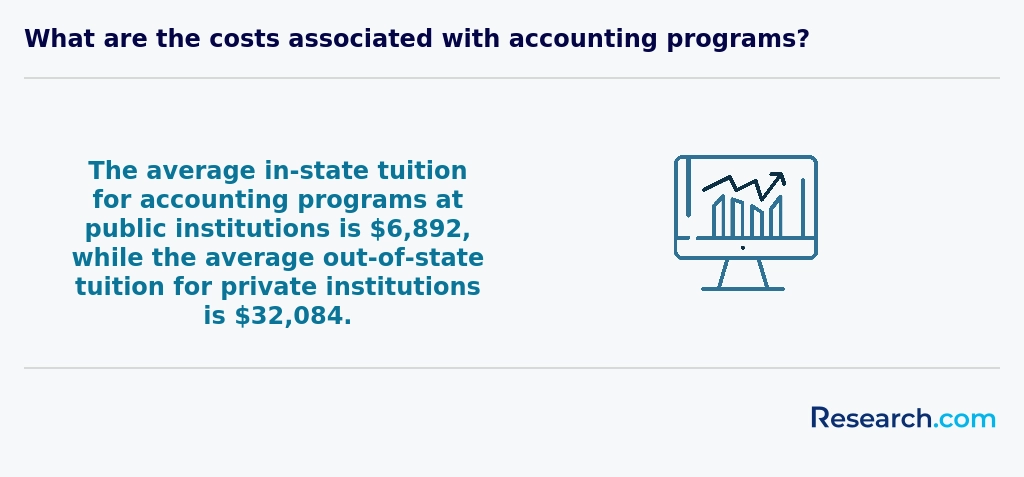
Prospective students evaluating affordable accounting programs in Atlanta, GA, should consider the return on investment (ROI) to balance educational costs against future earnings. On average, in-state tuition for public institutions in Atlanta is approximately $6,892 per year, while private out-of-state programs can exceed $32,000. Factoring in scholarships and federal aid-where 87% of students secure funding-the typical net price falls between $8,000 and $15,000 annually. With median starting salaries for Staff Accountants at $86,740 and Bookkeepers at $47,440, most graduates recoup their tuition investment within 2–4 years of full-time employment. Key ROI considerations:
- Average Debt vs. Earnings: Accounting graduates in Atlanta carry an average student loan balance of $21,000, which is repaid over a 10-year term at an estimated monthly payment of $230. Compared to entry-level wages, this debt level represents a manageable 3%–7% of gross income.
- Payback Period: Using a 4% interest rate, graduates with median starting salaries can expect to break even on educational expenses in roughly 2.5 years, assuming full-time work and standard loan repayment.
- Long-Term Salary Growth: With a projected 7% employment growth rate for accountants and auditors through 2030, salary increases and promotions can further shorten the payback period and maximize lifetime earnings.
- Comparative Analysis: For a regional comparison of low-cost programs, see our Low Cost Accounting Degree Programs Ranking in District of Columbia. By examining ROI metrics-such as tuition-to-salary ratios, average debt load, and salary trajectory-students can make informed decisions that align financial commitments with career outcomes.
The average cost of an accounting degree in Atlanta is a story of balance between opportunity and investment. Graduates from well-known Atlanta institutions often recall navigating tuition bills that align closely with a median in-state total cost of about $13,527, while out-of-state peers face a steeper climb at around $42,842. Imagine a student walking through the halls of Georgia State University, balancing textbooks and dreams, knowing that the price tag reflects both quality education and a path to success.
For those exploring affordable accounting degree programs Atlanta 2027 options highlight the value of public universities, where tuition remains manageable. The excitement of studying accounting alongside future CPAs and CFOs is tempered by the practical detail that living expenses in Atlanta-generally between $12,000 and $15,000 annually-shape the overall cost picture. These layers of investment pay off as graduates find themselves equipped with knowledge and networks to launch careers.
Private universities add a different flavor, often with tuition climbing towards $40,000 a year, yet many students feel the prestige and personalized learning experiences justify this higher cost. Their stories echo the balance of sacrifice and reward, where additional fees and supplies add brushstrokes to a bigger financial canvas.
Prospective students seeking the most affordable accounting schools in georgia can explore the options carefully through dedicated resources like most affordable accounting schools in georgia, helping them tailor both ambition and budget into a fulfilling academic journey.

Imagine stepping onto Georgia State University's bustling campus, clutching a scholarship letter that shaves thousands off your tuition costs. Many accounting hopefuls in Atlanta encounter this reality thanks to targeted financial aid options. From the federal spotlight of Pell Grants offering up to $7,395 yearly to Georgia's own HOPE Scholarship that can cover most-or even all-tuition for deserving students at public colleges, there's a treasure chest of support waiting to be unlocked.
Graduates recall how combining merit-based scholarships with part-time internships at top Atlanta firms transformed their financial stress into hands-on experience, pocket money, and professional confidence. The American Institute of Certified Public Accountants, for example, fuels dreams with scholarships demanding dedication and a solid GPA-perfect for those ready to commit to accounting's challenge and rewards.
Atlanta's financial aid scene is a patchwork of federal grants, state perks, university scholarships, and private funds, all weaving together a safety net. This network turns the challenge of funding an accounting degree into an attainable adventure, inspiring students to pursue their passions without fearing the costs looming over their desks.
Pursuing your CPA (Certified Public Accountant) designation is a pivotal step toward advancing your accounting career in Atlanta, GA. To qualify for licensure through the Georgia State Board of Accountancy, candidates must complete 150 semester hours, pass all four sections of the Uniform CPA Examination (Auditing and Attestation, Business Environment and Concepts, Financial Accounting and Reporting, Regulation), and satisfy the ethics requirement. Most Bachelor’s programs cover approximately 120 credit hours, so many students opt for a Master’s in Accounting or a combined degree to meet the 30-hour excess, ensuring eligibility for the exam and enhancing their technical expertise. Top Atlanta institutions integrate CPA exam preparation into their curriculums, offering specialized courses in auditing, taxation, and advanced financial reporting. Look for programs that include live review sessions, simulated exams, and faculty-led workshops on exam strategies. Graduates frequently recommend leveraging campus career centers and accounting clubs, which host guest speakers from top firms and offer peer-led study groups. Tracking program pass rates-often published by schools-can help you assess the effectiveness of their CPA support and choose one with strong outcomes. For students balancing work and study, exploring online options can be a game-changer. Consider our curated list of low cost accredited accounting degree online programs that include integrated CPA review modules and flexible scheduling. By aligning your degree plan with Georgia’s licensure requirements and selecting a program designed for exam success, you’ll be well-positioned to earn your CPA credential and capitalize on Atlanta’s thriving financial sector.
Imagine stepping onto the campus of a bustling Atlanta university known for its accounting program, clutching your well-earned high school diploma or GED. That diploma isn't just paper-it's your ticket in. Most graduates recall their pre-admission jitters, balanced by the familiarity of strong foundations in Algebra I and II, Geometry, and a sprinkle of economics or business classes back in high school. These subjects aren't just checkboxes; they shape the analytical mindset needed for success.
Many accounting hopefuls also dive into SAT or ACT scores, though some Atlanta colleges have embraced test-optional entry, easing nerves for applicants. Graduates from popular schools mention the importance of solid English and communication skills, often honed through essays and personal statements that reveal their passion for numbers and business.
Transfer students often bring previous college credits or associate degrees, which smooth the path at Atlanta's institutions, alongside GPA benchmarks typically set between 2.5 and 3.0. Letters of recommendation and interviews add a human touch, turning the admission process into a conversation rather than a formality.

Atlanta accounting degrees unwrap a lively tapestry of courses that fuse sharp business instincts with deep financial savvy. Graduates from local favorites like Georgia State University recall diving headfirst into core business lifelines-think Principles of Management and Business Law-that feel like mastering the rules before playing the game of commerce. Picture yourself breaking down the complex language of Microeconomics and Macroeconomics or translating data with Statistics for Business during evening study sessions in a campus café buzzing with energy.
Then comes the heart of the journey: specialized accounting courses. Financial Accounting here is not just theory; it's imagining yourself preparing real financial statements for bustling Atlanta startups. Managerial Accounting feels like an internal compass guiding decisions in boardrooms of Atlanta's growing firms. Graduates describe Intermediate and Cost Accounting as the granular tools that sharpen their edge for navigating intricate business challenges. Taxation classes unlock the mysteries of federal rules as they pertain to both peach-state entrepreneurs and multinational corporations. And auditing? It's the detective work that ensures integrity in numbers, taught in classrooms overlooking the city's dynamic skyline.
Students find additional gems in ethical accounting practices and forensic techniques, preparing them thoroughly for the Georgia CPA exam and professional life in this thriving economic hub.
Imagine stepping into classrooms at Atlanta's renowned colleges, where accounting degree specializations in Atlanta transform dry ledgers into vivid puzzles of numbers with purpose. Graduates from these programs often share how Financial Accounting taught them to command corporate transparency, decoding GAAP like secret languages spoken by Fortune 500 giants headquartered here. Managerial Accounting students at bustling campuses learn to become strategic architects, crafting budgets and forecasts that steer local healthcare and logistics firms through complex markets.
Others delve into the precise world of auditing, standing as gatekeepers against financial missteps within Atlanta's growing corporate jungle. Taxation specialists, inspired by dense tax codes, navigate the labyrinth of U.S. regulations, preparing themselves to serve both private enterprises and public sectors with confidence. Forensic Accounting lights the path for investigative minds, turning fraud detection into a high-stakes detective story thriving alongside Atlanta's legal and financial institutions.
Government and Nonprofit Accounting fills a crucial niche, equipping students to manage public budgets and grants that fuel community projects across the city. These types of accounting degrees offered in Atlanta merge textbook rigor with real-world application-graduates often land roles in diverse industries, adapting their skills to evolving economic rhythms. For those curious about future rewards, explore this list of highest paying accounting careers that recent alumni frequently pursue.
Choosing the best accounting degree in Atlanta means stepping into a vibrant ecosystem where tradition meets modern hustle. Graduates from Georgia State University often praise the AACSB accreditation for opening doors, reassuring them they're carrying a credible credential in hand. Imagine juggling work and study-Atlanta's options range from classic campus halls to fluid online classes that bend around your busy life. Many find that flexibility a game-changer, letting them grab opportunities downtown while still hitting deadlines.
Cost tips are golden here since the low cost accredited accounting degree online options can save real dollars without sacrificing quality. Public university grads recall balancing reasonable tuition with internships at Deloitte or PwC's Atlanta offices, which turbocharged their resumes. Others have cherished specializations like forensic accounting, shaping exciting career paths in buzzing financial firms.
Experts agree: the magic is in that blend of solid program reputation, manageable cost, and real-world experiences-the kind you find by searching for the best affordable accounting degrees Atlanta offers.
Graduates stepping out of Atlanta's top business schools find themselves at a crossroads bursting with opportunity, where accounting career opportunities in Atlanta unfold like a dynamic map. Picture a graduate from a well-known Atlanta university landing an internship at a Big Four firm, diving into audits and tax puzzles that feel more like detective work than paperwork. Others carve paths into corporate giants like Coca-Cola or UPS, managing budgets and decoding financial performance amidst the city's bustling logistics and media scenes. Some choose the steady rhythm of government roles with the Georgia Department of Revenue, finding purpose in shaping public budgets and ensuring compliance. These vivid, real-world experiences highlight how accounting graduates in Atlanta transform classrooms into thriving careers, illuminated by the city's diverse economy and competitive salaries.
Job prospects for accounting graduates Atlanta wide are equally thrilling for those who dream of forensic accounting or nonprofit finance, fields growing alongside the city's evolving complexity. For students mindful of cost, many explore affordable studies through Atlanta's public universities, discovering options like the Low Cost Accounting Degree Programs Ranking in District of Columbia as a benchmark for value versus quality. This ensures access to finance mastery without drowning in debt, fueling ambition with practical support.
Atlanta's accounting jobs outlook hums with the energy of a bustling metropolis where graduates from local universities step confidently into roles at vibrant public accounting firms or corporate giants in technology and logistics. Imagine a fresh graduate walking into a downtown Atlanta office knowing their median starting salary hovers around $60,000-already a compelling reward for years of study. The city's affordable tuition at public institutions makes it easier to focus on honing skills without drowning in debt, while private college graduates cherish the access to specialized networks and opportunities.
Many accounting graduates find their passion sharpened by certification pursuits, transforming their careers as CPAs-an in-demand credential that Atlanta's complex financial sectors actively seek. The synergy between growing tech startups and established logistics companies creates dynamic roles where financial analysis feels like solving real-world puzzles. For those looking to broaden horizons, cutting-edge certificates that make good money complement traditional degrees and boost marketability.
Students launching careers in Atlanta witness firsthand a job market thriving with steady growth, where the diversity of sectors ensures ample pathways tailored to ambition and skill-a perfect landscape for accounting graduates ready to thrive.
2027 Most Affordable Accounting Degree Programs Ranking in Atlanta
Investing in your education is a significant decision that can shape your future, and the Research.com team understands the importance of making informed choices. To assist prospective students in Atlanta, we have meticulously crafted the "2027 Most Affordable Accounting Degree Programs Ranking in Atlanta." Our commitment to quality, credibility, and accuracy is reflected in the extensive research and analysis conducted to compile this ranking.
We utilized the following reputable data sources to ensure a comprehensive evaluation of accounting degree programs:
By exploring this ranking, readers will gain valuable insights into the most affordable and high-quality accounting degree programs available in Atlanta, empowering them to make well-informed decisions about their educational investments. For more details on our methodology, please visit our Research.com methodology page.
# 1 position
American InterContinental University-Atlanta
Bachelor of Accounting


Frequently Asked Questions About accounting
Accounting degree students in Atlanta can enhance their learning by engaging with local professional organizations such as the Georgia Society of CPAs. These groups offer networking opportunities, workshops, and seminars tailored to accounting professionals. Participating in internships with Atlanta's robust financial sector, including major firms like Deloitte and KPMG, provides valuable hands-on experience. Additionally, students should leverage resources at institutions such as Georgia State University, which offers specialized accounting programs and career services. Staying current with updates from the American Institute of CPAs helps students align their studies with industry standards. This practical exposure combined with academic learning maximizes readiness for certification and employment.
Emerging niches within the accounting field reflect growing demand for specialized skills. In Atlanta, areas like forensic accounting have gained attention, driven by increasing corporate fraud cases and legal disputes. According to the Georgia Society of CPAs, forensic accounting job growth in the region is projected at over 10% from 2023 to 2030.
Environmental accounting is another developing area, focusing on sustainability and regulatory compliance, aligning with Atlanta's expanding green business initiatives. Additionally, technology-related roles such as blockchain accounting and data analytics are rising, given Atlanta's status as a tech hub.
These niches offer promising career paths for accounting graduates seeking modern and relevant expertise.
Preparing for the job market after completing an accounting degree in Atlanta requires a strategic approach. Atlanta's strong business environment, home to over 75 Fortune 500 companies, offers many opportunities for accounting graduates. To stand out, students should pursue internships during their studies. According to the Georgia Department of Labor, accounting roles in Atlanta are expected to grow by 6% through 2030, reflecting steady demand.
Networking is vital; joining local chapters of professional organizations like the Georgia Society of CPAs can provide valuable connections. Additionally, obtaining certifications such as the CPA significantly enhances employment prospects. Practical experience combined with strong technical skills remains essential in this competitive market.
Employers in Atlanta seeking accounting graduates prioritize strong analytical skills, attention to detail, and proficiency in accounting software such as QuickBooks and Excel. According to the Bureau of Labor Statistics, accuracy and the ability to interpret financial data remain essential in this field nationwide, including Atlanta's competitive market.
Communication skills are also highly valued, as accountants often work in teams and must explain complex financial information to non-experts. Additionally, knowledge of Georgia's specific tax regulations can give candidates an edge.
Finally, problem-solving abilities and ethical judgment are critical, reflecting the professional standards expected within the accounting industry in Atlanta and beyond.
Finding accounting internships in Atlanta involves a combination of leveraging local resources and targeting key industries. The city is home to many financial institutions, corporate headquarters, and accounting firms, providing a strong market for internships. Students should explore opportunities through their college career centers, which often partner with local businesses to offer placements. Atlanta's network includes firms like Deloitte, PwC, and KPMG, which have been known to recruit interns from nearby universities.
Another effective approach is attending career fairs hosted by institutions such as Georgia State University, which saw over 3,000 accounting-related internship openings in recent years (source: GSU Career Services). Online platforms like Handshake or internships.com also list positions specifically in the Atlanta area.
Joining professional organizations like the Georgia Society of CPAs can provide networking events and listings exclusive to prospective accounting interns. Additionally, targeted LinkedIn searches using "Atlanta accounting internships" can yield current openings with local employers.
Persistence and early application are crucial due to Atlanta's competitive business environment, which was ranked among the top 10 US cities for financial internship availability in 2023 by the National Association of Colleges and Employers.
In Atlanta, earning an accounting degree significantly enhances career mobility and advancement opportunities. The city's growing financial sector demands skilled accountants, making a degree a key qualification for various roles such as auditors, tax analysts, and financial managers. According to the U.S. Bureau of Labor Statistics, accounting jobs in the Atlanta metropolitan area are projected to grow by about 10% through 2031, faster than the national average.
Employers in Atlanta often prefer candidates with a bachelor's degree in accounting for entry-level positions, while advanced roles usually require a master's degree or CPA certification. Graduates can expect higher salaries; the average annual wage for accountants in the area exceeds $75,000, with experienced professionals earning substantially more. Networking opportunities available through Atlanta's numerous alumni groups and professional organizations further support career progression within the city.
Studying for an accounting degree in Atlanta equips students with skills that extend beyond traditional accounting tasks. Many programs integrate coursework in finance, information systems, and business law, creating a foundation for interdisciplinary expertise. This approach prepares graduates to work effectively with professionals in marketing, management, and IT sectors.
Atlanta's universities often incorporate real-world case studies reflecting the city's diverse economy, including its growing technology and logistics industries. According to the Georgia Department of Labor, interdisciplinary roles in finance and analytics are rising by 12% annually in the region, highlighting the demand for versatile accounting professionals.
Furthermore, internships and cooperative education opportunities available through Atlanta schools connect students with businesses that value multifaceted skills, enhancing their readiness for collaborative work environments.
When choosing between a thesis and a non-thesis accounting degree program in Atlanta, consider your career goals and learning preferences. Thesis programs typically focus on research, requiring students to write a detailed study, which can be beneficial for those planning to pursue a PhD or academic career.
Non-thesis programs often emphasize practical skills and coursework, appealing to professionals targeting immediate employment in accounting roles, such as CPA or corporate accounting positions. According to the Georgia Board of Accountancy, Atlanta's strong job market favors candidates with hands-on experience, often gained in non-thesis tracks.
Cost and program length also vary; thesis paths may take longer and sometimes cost more due to research requirements. Review individual schools' offerings, including Georgia State University and Kennesaw State, which list program differences on their websites.
Students based in Atlanta who wish to study accounting abroad have several pathways available through U.S. institutions' partnerships with foreign universities. Many Atlanta-area universities, including Georgia State University, offer study-abroad programs that enable accounting students to complete part of their coursework in countries such as the United Kingdom or Australia.
Additionally, students can enroll in exchange programs coordinated by organizations like the Council on International Educational Exchange (CIEE), which provide opportunities tailored to business and accounting majors. These programs often combine international accounting standards exposure with cultural immersion.
It is important to verify accreditation and ensure coursework aligns with U.S. CPA exam requirements, as maintaining eligibility for certification is critical. According to NACE (National Association of Colleges and Employers), international experience in accounting enhances employability in the competitive Atlanta job market.
In Atlanta, part-time jobs that align well with accounting degree studies often include roles such as bookkeeping assistants, accounting clerks, and tax preparation aides. These positions provide hands-on experience with financial record-keeping and software commonly used in the field, like QuickBooks and Excel. According to the U.S. Bureau of Labor Statistics, the demand for bookkeeping and accounting clerks in the Atlanta metropolitan area is expected to grow by approximately 5% through 2030, demonstrating ample opportunity for students.
Many local accounting firms and small businesses offer internships or part-time roles that allow students to apply classroom knowledge in real-world settings. Additionally, the presence of Fortune 500 companies in Atlanta increases opportunities for finance-related support work during tax season or fiscal year-end reporting periods.
Accounting students in Atlanta benefit from numerous networking opportunities supported by the city's strong business environment. Local universities often host events in collaboration with prominent Atlanta-based accounting firms, allowing students to connect with professionals and potential employers.
The Georgia Society of Certified Public Accountants (GSCPA) plays a significant role in networking. With over 15,000 members statewide, it regularly organizes workshops, seminars, and networking mixers specifically targeting students. These events enable students to build relationships with licensed CPAs and industry leaders.
Atlanta also hosts regional chapters of national organizations like Beta Alpha Psi, a recognized honor society for accounting students. Membership offers invitations to conferences and exclusive job fairs, enhancing career prospects.
According to the U.S. Bureau of Labor Statistics, Atlanta ranks among the top metropolitan areas for accounting and auditing jobs, further encouraging local networking driven by demand for qualified professionals.
Alumni networks play a crucial role for accounting degree students in Atlanta by providing valuable connections within the local professional community. Established networks from universities such as Georgia State University enable students to access mentorship, internships, and job opportunities specifically in the Atlanta accounting sector.
According to the Atlanta Chapter of the Georgia Society of CPAs, over 60% of accounting firms in the city actively recruit through alumni referrals, highlighting the importance of these networks for career entry and advancement.
Participation in alumni events and online groups also helps students stay updated on industry trends and continuing education resources relevant to Georgia's accounting regulations.
Customizing an accounting degree program in Atlanta allows students to align their education with specific career ambitions. Many local universities offer flexible curricula where students can choose electives such as forensic accounting, taxation, or auditing. This specialization helps target sectors within Atlanta's strong financial and corporate markets.
Internship opportunities with Atlanta-based firms provide practical experience, enhancing job prospects. According to the Georgia Department of Labor, Atlanta's accounting job market is growing faster than the national average, emphasizing the value of tailored skills.
Students should also consider certification pathways like CPA preparation included in degree programs, as nearly 70% of accountants in Georgia hold this credential.
Accounting students in Atlanta often face rigorous coursework that demands strong analytical skills and attention to detail. Many struggle with mastering complex topics such as tax regulations, auditing standards, and financial reporting. According to the Georgia Board of Accountancy, students must also prepare for the challenging Uniform CPA Exam, which has a national pass rate around 50%. Balancing study with part-time jobs is common in Atlanta, where the cost of living continues to rise. Additionally, navigating internship opportunities can be competitive due to the city's large business sector, requiring students to develop professional networks early. Time management remains a critical challenge for most students.
An accounting degree opens the door to several respected professional certifications in the United States. The most popular certification is the Certified Public Accountant (CPA), which requires passing a rigorous exam and meeting state-specific education and experience requirements. In Georgia, candidates must complete 150 semester hours and gain one year of work experience under a licensed CPA.
Other valuable certifications include the Certified Management Accountant (CMA), which emphasizes management accounting skills, and the Chartered Financial Analyst (CFA), useful for accountants interested in investment management.
Additionally, the Certified Internal Auditor (CIA) credential is recognized nationally and relevant for those pursuing internal audit careers. According to the Georgia Society of CPAs, Atlanta's thriving financial industry presents strong demand for these certified professionals.
Writing a successful application for an accounting program in Atlanta requires careful preparation. Start by highlighting your academic achievements, especially in math and business-related courses, as these form the foundation of accounting studies. Many Atlanta institutions, such as Georgia State University, expect a minimum GPA of 3.0 for competitive applicants. Include relevant experience, like internships or part-time jobs in finance or accounting, which demonstrate practical skills.
Strong recommendation letters from teachers or employers add value, emphasizing your work ethic and analytical abilities. An insightful personal statement explaining your passion for accounting and career goals is essential. Lastly, ensure all documents meet deadlines and are error-free to reflect professionalism.
Accounting careers in Atlanta benefit from a strong connection to global business practices, due in part to the city's role as a financial hub in the southeastern United States. Firms in Atlanta often follow international accounting standards such as IFRS when working with multinational clients, complementing the US GAAP framework taught in most local programs.
The demand for accountants familiar with cross-border regulations is growing. According to the Bureau of Labor Statistics, metro Atlanta employment for accountants and auditors is projected to grow 6% through 2030, slightly above the national average.
Many Atlanta programs emphasize international tax laws, compliance, and auditing, preparing graduates for careers that extend beyond US borders. Understanding global economics and financial reporting is increasingly important in a connected economy.
Gaining practical experience while studying for an accounting degree in Atlanta is essential for career readiness. Many local universities, such as Georgia State University and Kennesaw State University, encourage students to participate in internships with prominent firms like Deloitte and PwC, both of which have strong Atlanta presences.
Internships typically provide hands-on experience in auditing, taxation, and financial analysis. According to the Georgia Department of Labor, internships in accounting roles in Atlanta have increased by 12% over the past three years, reflecting growing opportunities.
Additionally, joining university accounting clubs or attending networking events hosted by the Atlanta Chapter of the American Institute of CPAs helps students build professional connections while applying classroom learning.
Choosing the right concentration within an accounting degree program in Atlanta depends on your career goals and interests. Common concentrations include auditing, taxation, forensic accounting, and management accounting. Each offers distinct skill sets and job opportunities. For instance, tax specialists in Georgia earned a median salary of around $60,000 in 2023, according to the U.S. Bureau of Labor Statistics.
Consider Atlanta's strong corporate and financial sectors when selecting a focus. Auditing and financial accounting are in high demand due to numerous headquarters such as Coca-Cola and Delta Airlines. Research programs accredited by the AACSB, as these are preferred by employers and offer robust curricula tailored to regional job markets.
Additionally, visit career services at local universities to understand internship and networking opportunities. In Atlanta, internships with regional firms can significantly enhance employment chances after graduation. Lastly, review course offerings carefully to ensure they align with your professional aspirations.
- 2027 Most Affordable Accounting Degree Programs Ranking in Birmingham
- 2027 Most Affordable Accounting Degree Programs Ranking in Montgomery
- 2027 Most Affordable Accounting Degree Programs Ranking in Nashville
- 2027 Most Affordable Accounting Degree Programs Ranking in Greensboro
- 2027 Most Affordable Accounting Degree Programs Ranking in Louisville
- 2027 Most Affordable Accounting Degree Programs Ranking in Memphis
- 2027 Most Affordable Accounting Degree Programs Ranking in Jackson
- 2027 Most Affordable Accounting Degree Programs Ranking in Cincinnati
- 2027 Most Affordable Accounting Degree Programs Ranking in Tampa
- 2027 Most Affordable Accounting Degree Programs Ranking in New Orleans
See What Experts Have To Say About Studying Accounting
Read our interview with Accounting experts

John Wermert, Ph.D., CPA
Accounting Expert
Associate Professor of Accounting
Middle Tennessee State University

Yaw M. Mensah
Accounting Expert
Professor and Interim Vice Dean for Strategic Partnerships
Rutgers Business School

- Alumni Network | Bloomsbury Institute London https://www.bil.ac.uk/about-us/community/alumni/
- Accounting Degree Requirements You Should Know | DeVry University https://www.devry.edu/blog/accounting-degree-requirements.html
- Online BBA in Accounting https://www.aiuniv.edu/degrees/business/bachelors-business-administration-accounting-bba
- Everything About Bachelor’s in Accounting https://www.allbusinessschools.com/accounting/bachelor-degree-in-accounting/
- Accounting Degree: Associate or Bachelor’s | Monroe University https://www.monroeu.edu/news/accounting-degree-associate-or-bachelors
- A day in the life of an accounting major : ThisWayToCPA : AICPA https://www.thiswaytocpa.com/why-cpa/articles/why-be-a-cpa/day-life-accounting-major/
- Top Accountant Skills | Accounting.com https://www.accounting.com/resources/top-skills-for-accountants/
- Mastering the Art of Networking: A Guide for Accounting Students https://www.wscpa.org/blog/607cb669-8d98-427e-8c9b-06129d9297e8:mastering-the-art-of-networking-a-guide-for-accounting-students
- How to Choose an Accounting Specialization https://freemannews.tulane.edu/2025/11/03/how-to-choose-an-accounting-specialization
- How to get into accounting as a graduate https://targetjobs.co.uk/careers-advice/accountancy-banking-and-finance/how-get-accounting-graduate


