2027 Most Popular Accounting Degree Programs Ranking in Burlington

Co-Founder and Chief Data Scientist
Are you considering pursuing an accounting degree in Burlington? Choosing the right program can be overwhelming, but we're here to help. This article presents the 2027 Most Popular Accounting Degree Programs Ranking in Burlington, developed by a team of skilled data scientists at Research.com.
With this ranking, you'll gain clear insights into the best accounting programs available locally, making it easier to find a path that fits your goals.
An accounting degree opens doors to rewarding career opportunities and financial stability. Let's explore the programs worth your attention and take a confident step toward your future.
Key benefits of getting accounting degree in Burlington
- Salary for accounting degree graduates: Graduates in Burlington can expect competitive salaries with a Staff Accountant earning a mean annual wage of $90,780 and an hourly wage of $43.65, while roles like Bookkeeper or Tax Preparer typically earn around $49,580 annually.
- Potential career paths: A typical accounting graduate from a popular Burlington college might explore diverse roles such as Staff Accountant, Associate Auditor, or Accounts Payable Clerk, each offering stable and rewarding opportunities.
- Benefits of online degrees: Earning an accounting degree online in Burlington offers flexibility for busy schedules and often lower costs, helping students balance work and study while gaining valuable credentials recognized by employers.
- 2027 Most Popular Accounting Degree Programs Ranking in Burlington
- What can I expect from accounting degree in Burlington?
- Where can I work with accounting degree in Burlington?
What can I expect from accounting degree in Burlington?
The average cost of pursuing an accounting degree in Burlington generally falls between $15,000 and $40,000 per year, depending on whether you attend a public or private institution and your residency status. For example, students at the University of Vermont, a popular choice, find tuition costs closer to the higher end, while those at Champlain College might see slightly varied rates. Graduates often recall balancing this expense with scholarships or federal financial aid, which many found essential for practical budgeting.
One graduate shared that understanding these costs early helped them plan around part-time internships and work-study programs available through their college, easing financial pressure while gaining valuable experience. This realistic approach to managing costs makes studying in Burlington more achievable.
Keeping tuition within this range reflects the value of accredited programs that prepare students thoroughly for certifications like the CPA, which ultimately supports a rewarding career path. It's a practical investment considering the strong job outlook locally and statewide for accounting professionals.
Where can I work with accounting degree in Burlington?
Graduates with an accounting degree from universities or colleges in Burlington find solid job prospects across several sectors. Many start their careers at local public accounting firms, gaining hands-on experience auditing, preparing taxes, or consulting for small to mid-sized businesses. These firms often encourage pursuing CPA certification while working, making this a practical first step.
Others land internal roles in corporations based in Burlington's manufacturing, retail, or tech industries. Positions such as financial analysts or budget analysts let graduates directly influence company financial health and develop valuable skills managing reports and budgets.
Government agencies in the area consistently hire accountants to handle audits and public funds, offering stable careers with benefits. Nonprofit organizations also value accounting graduates to oversee grants and financial transparency, providing meaningful work that supports community programs.
Graduates often mention how studying accounting locally makes these career paths feel within reach and aligned with Burlington's economic landscape, helping them feel confident and motivated about their futures.
Graduates with an accounting degree in Burlington can expect tangible earnings that reflect solid career prospects. For instance, entry-level roles like Bookkeeper, Tax Preparer, Associate Auditor, or Accounts Payable Clerk have mean annual wages around $49,580, with hourly rates near $23.84, based on recent U.S. Bureau of Labor Statistics data. This provides a realistic starting point for those fresh out of programs at local colleges or universities.
More experienced graduates working as Staff Accountants see mean annual wages of about $90,780, earning approximately $43.65 hourly. Many accounting grads from Burlington-area schools find this rewarding as their skills grow, landing positions in small firms or corporations where they manage real-world financial challenges.
Those pursuing certifications like CPA or taking advanced degrees often surpass these figures, moving into senior roles with higher salaries. Graduates report feeling confident as their Burlington education gives them a competitive edge in a moderately priced city, balancing earnings and living costs effectively.
- Tuition for accounting degrees in Burlington ranges from $10,000 to $25,000 per year, with community colleges offering more affordable first two years.
- Entry-level accounting salaries typically range from $50,000 to $60,000 annually, increasing to $75,000-$90,000 with experience and certifications like CPA.
- Burlington's job market for accounting roles is growing at approximately 5% annually, supported by diverse industries including finance, healthcare, and education.
- Local programs often include internships and cooperative education, helping students gain practical experience and improve job prospects.
- The region around Warren County shows notable growth in accounting and bookkeeping jobs, benefiting graduates nearby.
In Burlington, completing a traditional bachelor's degree in accounting typically takes about four years of full-time study. Graduates from local institutions like the University of Vermont often share how this timeline allowed them to thoroughly build foundational skills in accounting principles, taxation, and auditing without feeling rushed. For those aiming to jumpstart their careers, an accelerated bachelor's or combined bachelor's-master's program can shorten this to around three years, provided students can manage a heavier course load and stay disciplined.
Students who already have a bachelor's degree in another field might consider a master's in accounting, which usually takes one to two years full-time at schools such as Champlain College. This path is popular for those eager to meet CPA licensure requirements quickly. Online programs also offer flexibility, ideal for working individuals who need to balance jobs and studies while aiming to finish within typical timeframes.
Being mindful of these typical durations helps tailor your plan to fit personal goals and obligations in Burlington's supportive learning environment.
Understanding the financial payoff of your accounting education is essential when weighing program costs against future earnings. In Burlington, VT, the average in-state tuition for a bachelor’s degree in accounting is approximately $6,892 per year, while private out-of-state rates can reach $32,084. To evaluate ROI, consider the following:
- Average Starting Salary: Entry-level accountants in Burlington earn around $55,000–$60,000 annually, with Staff Accountants reaching a mean wage of $86,740 within a few years.
- Payback Period: At a $6,892 annual tuition, a graduate earning $55,000 would recoup tuition in roughly three semesters of post-tax income. Even at higher private rates, the strong job growth and certification support can compress the payback period to under five years.
- Debt-to-Income Ratio: Federal student loan repayment generally targets 10% of discretionary income. For a $55,000 salary, monthly payments of $450–$550 are manageable, allowing graduates to build savings and invest in professional development. Beyond local benchmarks, prospective students may wish to compare affordability across markets. For students exploring cost-effective alternatives, our Inexpensive Accounting Degree Programs Ranking in Salt Lake City, UT offers insight into programs with even lower tuition and competitive outcomes, helping you optimize ROI no matter where you study.
Choosing between online and on-campus accounting degrees in Burlington comes down to your lifestyle and learning preferences. For example, a graduate from a well-known Burlington college shares how attending classes on campus created valuable face-to-face interactions with professors and peers, which boosted their confidence during internship placements.
On-campus programs at Burlington institutions often follow a set schedule, requiring you to be physically present and engage directly in study groups and career services. This setup is ideal if you want structured days and community support. Expect to pay about $15,000 annually if attending a public four-year college in Vermont as an in-state student, which covers access to campus resources that many find motivating.
In contrast, online accounting degrees offer the flexibility to study on your own time. Graduates who balanced part-time jobs or family responsibilities appreciated being able to view lectures anytime. Burlington online students often describe the convenience of working through material during evenings or weekends, although coordinating internships can be a bit more challenging without on-campus support.
Ultimately, if you thrive with routine and direct mentoring, on-campus suits you. If you need flexibility and can manage your schedule independently, online works well. Both provide a rigorous accounting education relevant in Burlington's job market.
When selecting an accounting program in Burlington, VT, it's essential to consider several factors to ensure you find the best fit for your career goals and personal circumstances. One crucial aspect is to research and explore popular accounting schools in the area, as they often provide a comprehensive education and strong industry connections. Factors such as degree levels available, accreditation, specialization opportunities, learning formats, financial considerations, and support services should also guide your decision-making process. By carefully evaluating these elements and considering your own needs and aspirations, you can make a well-informed decision about your accounting education in Burlington, VT, and set yourself up for success in this rewarding and challenging field.
The average cost of a accounting degree in Burlington varies significantly based on the institution and residency status. Typically, in-state students at public universities face total tuition and fees around $33,454 for the full degree. This reflects moderately higher tuition than the national average, but many graduates from the University of Vermont report that the investment pays off through strong local job placement and networking opportunities.
Community colleges such as the Community College of Vermont provide a budget-friendly alternative, where annual tuition for accounting-related degrees ranges from $5,000 to $7,000. Many students start their education here to minimize debt before transferring to four-year programs. This pathway is especially popular among those who prioritize practical, cost-effective education and want to stay local. Considering this, a pragmatic planner should factor in the overall tuition combined with living expenses and books, typically adding $1,200 to $2,000 annually.
Private institutions in Burlington, charging between $30,000 and $50,000 per year, cater to students seeking specialized resources or smaller class sizes. Though more expensive, many alumni mention these settings foster personalized mentorship and robust career services. It's important to explore financial aid and scholarships available to offset costs, as well as employer tuition reimbursement plans.
For students weighing options, understanding Burlington accounting degree tuition and fees will greatly assist in budgeting. Balancing cost with potential return on investment is key. Additionally, exploring advanced opportunities like those outlined in MBA degree programs in Colorado can provide pathways to higher earnings and career growth.

For many accounting professionals, earning a degree is just the beginning of a lifelong journey of learning and growth. In today’s dynamic financial landscape, staying competitive means continually updating your skills, engaging in industry-specific training, and exploring new certification opportunities. Many graduates supplement their formal education with additional courses such as online accounting certificate programs to enhance their expertise in emerging technologies, advanced analytical tools, and evolving regulatory standards. Pursuing continuing education can involve attending industry seminars, enrolling in short-term workshops, and obtaining certifications like the CPA or specialized credentials in forensic accounting, tax, and auditing. These ongoing learning opportunities not only reinforce key competencies but also expand professional networks, making it easier to navigate career transitions and seize new job opportunities. By integrating continuous learning into your career path, you position yourself as a forward-thinking professional ready to meet the challenges of an ever-evolving marketplace.
Accounting students in Burlington can access several practical financial aid options to manage tuition and expenses. Federal aid is a great starting point. Many graduates recall how Pell Grants provided essential support without needing repayment, while Federal Direct Subsidized Loans helped them focus on studies without worrying about accumulating interest during school. Federal Work-Study jobs on campus offered a valuable combination of income and professional experience related to accounting.
State support through Vermont Student Assistance Corporation (VSAC) is another reliable resource. Graduates from schools like Champlain College often mention how VSAC grants and scholarships specifically reduced their tuition costs, especially when pursuing accounting or business degrees. It's worth applying early and thoroughly exploring VSAC's offerings.
Institutional scholarships are equally impactful. Many Burlington colleges provide merit-based awards for accounting students, rewarding strong academics or community involvement. For instance, Champlain College's business scholarships are a common lifeline for students balancing finances and studies.
Don't overlook private scholarships and employer tuition reimbursements. Local companies and organizations such as the American Institute of CPAs (AICPA) provide opportunities to ease financial pressure while developing valuable professional skills in accounting. Combining these aids helped many Burlington graduates graduate with confidence and less debt.
Evaluating the return on investment (ROI) of an accounting degree is essential when weighing program costs against long‐term salary potential. In Burlington, VT, the average cost of a bachelor’s in accounting ranges from $6,892 (in‐state public) to $32,084 (out‐of‐state private), while graduates report mean starting salaries of $47,440 for bookkeepers and $86,740 for staff accountants. By dividing total tuition and related fees by the annual post‐graduation salary increase, students can estimate a typical payback period of three to five years. Key factors to optimize ROI: • Total Cost of Attendance: Include tuition, fees, books, and living expenses. • Projected Earnings Growth: Account for promotions, certifications (e.g., CPA), and specialized roles such as forensic or management accounting. • Financial Aid & Scholarships: Aggressively pursue grants, work‐study, and merit scholarships to reduce out‐of‐pocket expenses. • Accelerated Pathways: Consider programs with credit‐for‐experience or internship partnerships that shorten time‐to‐degree. For graduate students aiming to limit expenditures while enhancing credentials, exploring the cheapest online master’s in accounting can significantly reduce overall debt and improve ROI. Coupling a low‐cost master’s with strategic entry‐level roles in public accounting or corporate finance can accelerate salary growth, often exceeding six figures within five to seven years post‐graduation. By systematically comparing program costs, anticipated salary trajectories, and financing options, prospective students can choose the most financially advantageous accounting pathway in Burlington, VT, ensuring that their educational investment yields optimal career returns.
To enroll in an accounting degree program in Burlington, you'll first need a high school diploma or equivalent like a GED. Graduates from colleges such as the University of Vermont often mention how a solid grasp of math-especially algebra and geometry-was crucial for their smooth start in accounting classes.
Admissions typically require official transcripts and sometimes standardized test scores like the SAT or ACT. However, many Burlington schools have shifted to test-optional policies, particularly if your GPA is around 2.5 to 3.0 or higher. This flexibility helped several recent graduates apply without the added stress of testing during the pandemic.
Relevant high school courses include economics or business fundamentals and computer skills focused on spreadsheets and databases-key tools in accounting. Some programs also ask transfer students to complete introductory accounting or business courses to keep up with their peers at colleges like Champlain College.
Strong academic preparation not only meets enrollment requirements but also boosts confidence as you tackle core topics like financial and managerial accounting early in your studies.
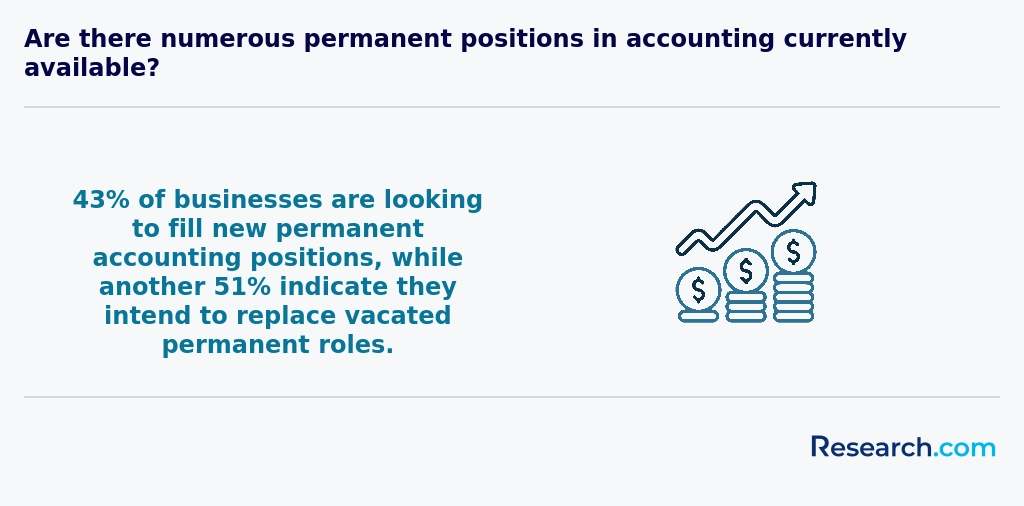
Accounting degree programs in Burlington typically include a core set of practical courses designed to build strong financial and managerial skills. Graduates often recall how courses like financial accounting helped them master the process of recording daily business transactions, a crucial skill they use in real-world roles such as bookkeeping or auditing.
Managerial accounting is another key course, teaching students to analyze financial data to support business decisions. For example, many Burlington college alumni found this course invaluable when advising managers on budgeting or cost control during internships.
Auditing classes provide hands-on insight into verifying the accuracy of financial statements, preparing students to confidently navigate compliance checks in entry-level jobs. Meanwhile, taxation courses cover federal income tax laws and practical planning strategies-knowledge Burlington graduates appreciate when filing taxes or assisting clients in tax preparation.
Business law assists students in understanding legal business frameworks, which becomes essential when graduates face contracts or regulatory policies. Additionally, accounting information systems courses prepare students to use popular accounting software, a skill frequently praised by Burlington employers.
- Financial Accounting
- Managerial Accounting
- Auditing
- Taxation
- Business Law
- Accounting Information Systems
- Statistics and Quantitative Methods

Students pursuing an accounting degree in Burlington typically choose from several practical specializations to tailor their careers. Graduates from popular colleges in the area often highlight Tax Accounting as essential for mastering complex local and federal tax laws, a skill highly sought after by Burlington businesses navigating regulatory changes. Meanwhile, Auditing and Assurance Services prepares students for roles that safeguard financial accuracy, critical in Burlington's vibrant small business scene where trust and transparency matter deeply.
Burlington accounting program concentration options also include Forensic Accounting, an intriguing field that equips students to investigate fraud-especially relevant as digital transactions grow. Graduates appreciate how this specialization offers a mix of accounting and detective work, reflecting real-world challenges. Others value Management Accounting, which focuses on improving operational budgeting and cost control within Burlington's manufacturing and service industries.
Finally, a focus in Financial Accounting trains students to prepare statements for external stakeholders, a foundation for all sectors in Burlington's economy. Many recent graduates recommend exploring these areas carefully and considering how each specialization matches your career goals. For flexibility in further education, check out online MBA programs without GMAT that complement these accounting pathways.
Start by confirming the accreditation of the accounting programs you're interested in, especially AACSB accreditation, which guarantees high standards recognized by employers and CPA boards. Graduates from popular Burlington colleges often mention how this accreditation helped them secure internships with local firms. When exploring the best accounting degree programs in Burlington, investigate if the curriculum offers specializations like forensic accounting or tax accounting, which can boost your career options and keep your studies engaging.
Compare tuition costs carefully, including financial aid opportunities. Many students looking for affordable accounting degrees Burlington 2027 find that community colleges provide strong value without sacrificing quality. Consider the real outcomes-graduates from Burlington universities often praise courses that include CPA exam prep and direct connections to local employers, which increase job placement success.
Smaller class sizes in Burlington schools create a supportive environment where students can get personal attention and mentorship. This is key to mastering difficult topics and feeling confident. If you want a practical edge, look for programs that offer internships or cooperative experiences because hands-on work with firms helps students transition smoothly into accounting careers. You can also explore trade school degrees with high salaries as complementary paths to boost your financial future.

Graduates with an accounting degree in Burlington find diverse career paths that match the city's unique economic landscape. Many start by securing roles in public accounting firms, where they gain hands-on experience auditing and preparing taxes for various clients. Others join corporate accounting departments, managing budgets and financial reports, which offers a clear path toward leadership in financial management. Government agencies in Burlington also require accountants to oversee public funds and ensure compliance, providing stable and impactful positions. Nonprofit organizations welcome graduates to handle grant reporting and financial transparency, creating meaningful community roles. Financial advisory and consulting services offer dynamic options for those interested in strategic planning and risk management.
Students from local colleges in Burlington often share success stories of landing these jobs by leveraging internships and networking connections built during their studies, making accounting career opportunities in Burlington tangible and rewarding. Exploring tuition investments carefully can enhance this journey, and focusing on specialization can boost earning potential. For examples of how the job market aligns with these options, check the job market prospects available.
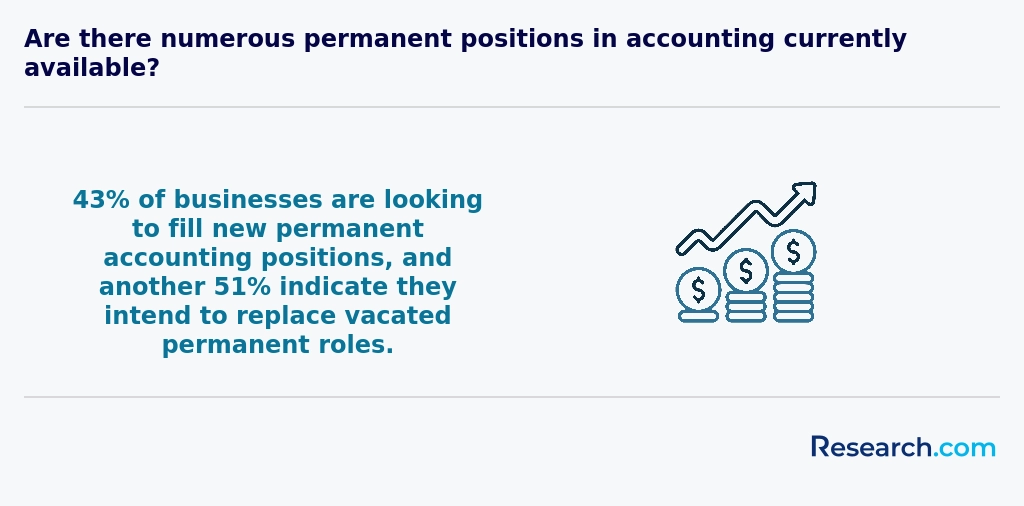
The accounting degree job market Burlington offers is shaped by steady demand from sectors like finance, healthcare, and technology. Graduates from local colleges often share that securing entry-level roles with salaries between $50,000 and $65,000 is a realistic starting point. Many find success by pursuing CPA licensure alongside their degree, which helps them stand out in Burlington's competitive environment and quickly reach higher pay scales over $80,000.
For those attending universities in Burlington, real-world experience through internships is crucial. Graduates describe how hands-on involvement with public accounting firms or local businesses strengthens resumes and builds professional networks, directly influencing job placement. These practical steps make the accounting careers outlook in Burlington particularly promising for students who focus on both technical skills and building connections.
When budgeting for education, students benefit from exploring affordable local options like community colleges that reduce costs while maintaining quality. Evaluating costs against the potential salary range can enhance return on investment. This pragmatic approach, combined with targeted internships and CPA preparation, prepares students well for accounting careers. Prospective students seeking guidance can explore more about accounting careers for finance majors to make informed decisions tailored to Burlington's job market.
2027 Most Popular Accounting Degree Programs Ranking in Burlington
Investing in your education is a significant decision that can shape your future, and the Research.com team understands the importance of making informed choices. To assist prospective students in Burlington, we have meticulously crafted the "2027 Most Popular Accounting Degree Programs Ranking in Burlington." Our commitment to quality, credibility, and accuracy is reflected in the extensive research and analysis conducted to compile this ranking.
We utilized the following reputable data sources to ensure a comprehensive evaluation of accounting programs:
By exploring this ranking, readers will gain valuable insights into the top accounting degree programs available in Burlington, enabling them to make well-informed educational decisions. For more details on our methodology, please visit our Research.com methodology page.


Frequently Asked Questions About accounting
Accounting degree students in Burlington can maximize their learning experience by combining classroom study with practical opportunities. Engaging in internships at local firms allows students to apply theoretical concepts and build professional networks. According to the Vermont Department of Labor, internships increase the likelihood of employment after graduation by 25%.
Utilizing resources such as Burlington's Champlain College and the University of Vermont's advising centers helps tailor academic paths to evolving industry demands. Students should also join accounting clubs and attend networking events hosted by organizations like the Vermont Society of Certified Public Accountants (VSCPA).
Staying current with software tools such as QuickBooks and Excel is vital, as 90% of job listings in Burlington emphasize proficiency in these platforms (source: Burlington Job Market Report 2023).
The accounting field is evolving with several emerging niches gaining attention, especially for students pursuing degrees in Burlington. One significant area is forensic accounting, where professionals analyze financial data to detect fraud and support legal cases. According to the Bureau of Labor Statistics, forensic accounting jobs are expected to grow faster than average through 2031.
Another promising niche is environmental accounting, which focuses on the financial impact of sustainability and ecological initiatives. This area is expanding as businesses and governments increase environmental reporting requirements.
Technology-driven roles like data analytics and accounting information systems are also rapidly growing. Burlington's local firms are increasingly demanding accountants with IT skills to manage complex data and cybersecurity concerns.
After completing an accounting degree in Burlington, preparing for the job market involves several strategic steps. First, gaining practical experience through internships or part-time roles is vital. Local firms often seek candidates with hands-on knowledge, enhancing employability. Networking is also crucial; attending events hosted by the Vermont Society of Certified Public Accountants can connect graduates with potential employers.
Additionally, pursuing professional certifications like the CPA (Certified Public Accountant) can significantly boost job prospects. According to the U.S. Bureau of Labor Statistics, accountants with CPA credentials earn approximately 10% more than those without.
Finally, sharpening skills in accounting software such as QuickBooks and Excel is recommended to meet employer expectations in Burlington's competitive market.
Employers in Burlington seeking accounting degree graduates prioritize strong analytical and problem-solving skills. According to a 2023 report by the Burlington Chamber of Commerce, over 70% of local employers emphasize proficiency in financial analysis and data interpretation. Communication skills also rank highly, as accountants must clearly present complex information to clients and teams.
Technical expertise in accounting software like QuickBooks and Microsoft Excel is essential, with surveys showing 65% of job listings requiring such knowledge. Additionally, ethical judgment and attention to detail are critical due to regulatory compliance and audit tasks common in Burlington's accounting sector.
Familiarity with US GAAP (Generally Accepted Accounting Principles) and the ability to adapt to changing tax laws is also frequently highlighted by local employers, reflecting the dynamic nature of financial regulations in the region.
Finding internships in Burlington relevant to an accounting degree involves a mix of local networking and leveraging online resources. The Burlington area hosts numerous accounting firms and finance departments in growing industries such as manufacturing and healthcare. Students should check with college career centers, which often partner with regional employers for internship placements.
Online platforms like Handshake and LinkedIn frequently list accounting internships specific to Burlington. According to the Vermont Department of Labor, internships increase early-career job placement by up to 60%, emphasizing their importance. Joining local professional groups, such as the Vermont Society of Certified Public Accountants, can also provide leads and mentorship opportunities.
An accounting degree significantly enhances career mobility and advancement opportunities in Burlington. According to the Bureau of Labor Statistics, the demand for accountants and auditors is expected to grow by 6% nationally through 2031, a trend reflected locally in Burlington's robust finance sector. Professionals with an accounting degree often qualify for certifications such as CPA, which are highly valued by employers in the area.
Graduates in Burlington benefit from connections to regional firms and nonprofits, many of which actively seek degree-holders for roles in financial management and compliance. This increases chances for promotions and lateral moves within the field.
Moreover, an accounting degree provides essential skills in analytics, reporting, and regulation, fostering adaptability in various industries beyond traditional accounting roles.
Studying for an accounting degree in Burlington equips students with skills beyond traditional bookkeeping and financial analysis. Local programs emphasize interdisciplinary knowledge by integrating courses in economics, business law, and information technology. This approach reflects the diverse demands of the modern workplace, where accountants often collaborate with professionals in marketing, finance, and IT departments.
According to the U.S. Bureau of Labor Statistics, accountants with cross-disciplinary skills are 15% more likely to advance to managerial roles within five years. Burlington's institutions increasingly align curricula with this trend, preparing graduates to adapt to roles that require broader problem-solving abilities.
Further, experiential learning opportunities, such as internships and collaborative projects with local firms, develop practical skills that transcend traditional accounting tasks. This prepares students well for dynamic, interdisciplinary careers.
Choosing between a thesis and a non-thesis accounting degree program in Burlington depends largely on your career goals and learning preferences. Thesis programs focus on research, requiring students to write an extensive paper. This path suits those interested in academic careers or pursuing a PhD.
Non-thesis programs emphasize practical skills with additional coursework and internships, better for those aiming for professional certification and immediate job entry. According to the National Association of State Boards of Accountancy, about 60% of accounting students in the U.S. prefer non-thesis paths for CPA exam preparation, a significant consideration for Burlington students.
Evaluating your future plans, available faculty, and program flexibility at Burlington institutions will help you decide which route aligns with your ambitions.
Students in Burlington seeking to study accounting abroad have several pathways through U.S.-based higher education programs with international components. Many universities offer semester-abroad programs or exchange opportunities that allow students to earn credits overseas. For example, the University of Vermont, near Burlington, partners with institutions worldwide to support accounting students in gaining global experience.
Additionally, some institutions provide dual-degree or study-abroad programs focusing on international accounting standards like IFRS, which is valuable for those targeting careers in multinational firms.
According to the National Association of State Boards of Accountancy, familiarity with global accounting practices enhances job prospects. Burlington students can explore programs through study-abroad offices or academic advisors to identify options compatible with their accounting curriculum.
For students pursuing accounting degrees in Burlington, part-time job opportunities can significantly enhance both practical knowledge and resumes. Positions such as accounting clerk, bookkeeping assistant, or tax preparer intern offer valuable hands-on experience with financial records, software, and data entry.
Local small businesses and nonprofit organizations often seek part-time help, especially during tax season from January to April. According to the U.S. Bureau of Labor Statistics, accounting-related jobs in Vermont are expected to grow by 6% through 2030, reflecting steady demand in the region.
Additionally, Burlington's vibrant finance and retail sectors provide roles in payroll support and accounts payable/receivable, helping students develop critical analytical skills relevant to their studies.
Accounting students in Burlington have access to valuable networking opportunities through local universities and professional organizations. The University of Vermont, located in Burlington, hosts accounting-specific events, career fairs, and guest lectures that connect students with industry professionals. According to the Vermont Society of Certified Public Accountants (VTCPA), students can join as student members, gaining access to networking events, mentorship programs, and workshops tailored for accounting majors.
Additionally, Burlington's smaller business community encourages close connections between students and local firms. Internships and cooperative education programs are commonly available, providing hands-on experience and professional contacts. These opportunities increase the likelihood of job placements within the region after graduation.
Alumni networks play a crucial role for accounting degree students in Burlington by providing valuable professional connections. Graduates often gain access to job opportunities through these networks, which can significantly ease the transition into the competitive accounting job market. According to a 2023 report from the National Association of State Boards of Accountancy, 65% of accounting professionals found their first job through networking, highlighting the importance of strong alumni connections.
Furthermore, alumni groups frequently offer mentorship programs, where experienced accountants guide current students on career development and certification paths such as the CPA. These relationships help students stay informed about local industry trends and employer expectations specific to Burlington and the broader Massachusetts area.
Engagement with alumni networks can also lead to internships, scholarships, and invitations to professional events, creating a supportive community that encourages continuous learning and career advancement for accounting students in Burlington.
Customizing your accounting degree program in Burlington allows you to align your education with specific career goals. Many local institutions offer elective courses in areas such as tax accounting, auditing, forensic accounting, and financial analysis. Choosing these electives helps tailor your skills to desired job roles. Additionally, some programs provide opportunities for internships with Burlington-based firms, giving hands-on experience and networking prospects.
Students can also pursue certifications like CPA preparation within their curriculum, which is highly valued in the Burlington job market. According to the U.S. Bureau of Labor Statistics, accounting positions in Vermont are projected to grow 4% through 2030, emphasizing the importance of specialization.
Engaging with faculty advisors early on helps map a course plan that matches your aspirations and keeps you competitive locally and nationally.
Accounting students in Burlington often face challenges related to the rigorous curriculum and time management. The demand for mastering complex topics such as financial reporting, tax regulations, and auditing standards requires consistent study and practical application. Many students also find balancing part-time work with coursework difficult, especially as internships play a crucial role in gaining real-world experience.
Another common challenge involves staying current with frequent regulatory changes and software updates used in the accounting industry. According to the Bureau of Labor Statistics, accounting roles require continual professional development, which can be stressful during studies.
Finally, limited networking opportunities locally can affect students' ability to connect with professionals, making internships and job placement more competitive in Burlington's market.
With an accounting degree in Burlington, you can pursue several professional certifications that enhance career opportunities. The most recognized is the Certified Public Accountant (CPA) license, essential for many accounting roles. To qualify, candidates must meet education and exam requirements set by the Vermont Board of Public Accountancy.
Other popular certifications include the Certified Management Accountant (CMA) and Certified Internal Auditor (CIA), which focus on management accounting and internal auditing respectively. These credentials are valuable as Burlington hosts many businesses needing skilled professionals in these areas.
Additionally, certifications like the Enrolled Agent (EA) or Certified Fraud Examiner (CFE) can broaden your expertise in tax and fraud detection. According to the Bureau of Labor Statistics, accounting jobs in Burlington are expected to grow 7% through 2030, increasing demand for certified professionals.
Writing a winning application for an accounting program in Burlington begins with understanding the competitive nature of local institutions. According to the National Center for Education Statistics, accounting remains one of the top majors in demand, so applicants should emphasize strong quantitative skills. Highlight any relevant coursework or certifications such as QuickBooks or CPA prep classes. Burlington schools often look for clear career goals related to accounting or finance, so a well-crafted personal statement explaining your motivation can improve your chances.
Including practical experience, like internships or part-time work in accounting firms, strengthens your application. Burlington's workforce data shows a steady growth in accounting jobs, increasing by 5% from 2018 to 2023, thus schools tend to favor applicants demonstrating real-world engagement. Finally, ensure your recommendation letters reflect your analytical abilities and teamwork skills, which are highly valued in accounting careers.
The global demand for accounting professionals continues to grow, reflecting its importance in business and finance worldwide. In the U.S., including Burlington, an accounting degree opens doors to opportunities in auditing, taxation, and financial management. According to the Bureau of Labor Statistics, employment for accountants and auditors is projected to grow 7% from 2022 to 2032, faster than average.
Globally, accounting standards vary, but U.S.-trained accountants often adapt through certifications like CPA, which are respected internationally. Burlington's proximity to major U.S. financial markets enhances access to internships and job placements, benefiting students with practical experience.
Industry trends also emphasize technology skills, such as proficiency in accounting software and data analytics, which are crucial for competitive careers.
Students pursuing an accounting degree in Burlington can gain practical experience through several avenues while studying. Many local colleges and universities partner with nearby accounting firms and businesses to offer internships. These internships provide hands-on exposure to real-world accounting tasks and improve employment prospects after graduation. According to the Burlington Economic Development Office, internships in accounting roles have increased by 12% over the last five years, reflecting strong demand for practical skills.
Additionally, participation in campus-based accounting clubs and organizations offers opportunities for networking and leadership development. Some programs also encourage volunteering for local non-profits to manage financial records, which enhances practical knowledge.
Cooperative education (co-op) programs are available at some institutions, allowing students to alternate semesters of work and study, integrating academics with work experience.
Choosing the right concentration within an accounting degree program in Burlington involves evaluating your career goals and the local job market. Common concentrations include auditing, taxation, forensic accounting, and management accounting. Each offers distinct opportunities: for instance, Burlington employers often seek expertise in taxation due to the region's growing small business sector, according to the Vermont Department of Labor.
Consider programs that offer internships or partnerships with local firms in Burlington to gain practical experience. Also, review curriculum details and certification preparation, such as CPA exam readiness, which is highly valued in the US accounting profession. Aligning your concentration with industry demand can improve your employment prospects locally.
- 2027 Most Popular Accounting Degree Programs Ranking in Albany
- 2027 Most Popular Accounting Degree Programs Ranking in Boston
- 2027 Most Popular Accounting Degree Programs Ranking in West Hartford
- 2027 Most Popular Accounting Degree Programs Ranking in Providence
- 2027 Most Popular Accounting Degree Programs Ranking in Fairfield
- 2027 Most Popular Accounting Degree Programs Ranking in Bronx
- 2027 Most Popular Accounting Degree Programs Ranking in New York
- 2027 Most Popular Accounting Degree Programs Ranking in Brooklyn
- 2027 Most Popular Accounting Degree Programs Ranking in Buffalo
- 2027 Most Popular Accounting Degree Programs Ranking in Philadelphia
See What Experts Have To Say About Studying Accounting
Read our interview with Accounting experts

John Wermert, Ph.D., CPA
Accounting Expert
Associate Professor of Accounting
Middle Tennessee State University

Yaw M. Mensah
Accounting Expert
Professor and Interim Vice Dean for Strategic Partnerships
Rutgers Business School

- Unlocking Global Success: Your Ultimate Guide to a Thriving Career in Accountancy https://accountingforeveryone.com/unlocking-global-success-your-ultimate-guide-thriving-career-accountancy/
- Accountant Salary Guide 2026 | CPA Pay by State https://www.accountingedu.org/salary/
- Deloitte AlumNet https://alumni.deloitte.com/
- Complete List of Academic Degree Programs | Rowan College https://rcbc.edu/degrees
- Accountant Salary and CPA Outlook by State https://www.mastersinaccounting.info/salary/
- Best Accounting Schools in New York | Accounting.com https://www.accounting.com/states/new-york/
- Accounting and Broad Scope Engagement: Leveraging Interdisciplinary and Multidisciplinary Approaches https://www.ifac.org/knowledge-gateway/discussion/accounting-and-broad-scope-engagement-leveraging-interdisciplinary-and-multidisciplinary-approaches
- Best Accounting and Bookkeeping colleges in Burlington https://www.universities.com/find/burlington/best/business/accounting
- Cost of Attendance https://www.champlain.edu/office/financial-aid/cost-of-attendance/
- Online Degree vs. Traditional: Choosing the Right Path https://beal.edu/online-degree-vs-traditional/