
2027 Best Accounting Degree Programs Ranking in Charlotte

Co-Founder and Chief Data Scientist
Choosing the right accounting degree program can shape your future career and open doors to exciting opportunities in Charlotte's dynamic job market.
This article introduces the 2027 Best Accounting Degree Programs Ranking in Charlotte, developed by the Research.com team of data scientists to guide you toward the top programs worth your consideration.
By exploring this ranking, you'll gain clear insights that make your decision easier and more confident.
Investing in an accounting degree brings rewarding skills and long-term growth, making your educational journey truly worthwhile.
Key benefits of getting accounting degree in Charlotte
- Accounting degree graduates in Charlotte can expect competitive salaries, with roles like Staff Accountant earning a mean annual wage of $90,780 and hourly wage of $43.65, ensuring strong financial stability.
- Career options are diverse, ranging from Tax Preparer and Bookkeeper to Associate Auditor, providing exciting opportunities to grow in accounting fields after graduating from popular local universities.
- Pursuing an accounting degree online in Charlotte offers flexibility and convenience, allowing students to balance work and study while gaining the same valuable skills as traditional graduates.
- 2027 Best Accounting Degree Programs Ranking in Charlotte
- What can I expect from accounting degree in Charlotte?
- Where can I work with accounting degree in Charlotte?
What can I expect from accounting degree in Charlotte?
The average cost of earning an accounting degree in Charlotte can be quite varied, but many students find it manageable thanks to financial aid options. Tuition usually ranges widely depending on whether you're at a public university or a private college. For example, graduates from popular Charlotte universities often mention that tuition for the full bachelor's program typically lands somewhere between $20,000 and $50,000 per year.
Many students share how FAFSA and scholarships tailored to accounting learners really helped ease the financial burden. One common story you'll hear is about juggling internships or part-time jobs alongside classes, making the overall experience feel worthwhile despite the price tag. The fact that Charlotte is a financial hub means schools often connect students with companies offering paid internships, which can help with expenses and career growth.
Plus, some programs offer combined bachelor's and master's tracks, which can be a smart move to meet CPA exam requirements without extending costs for too long. Your investment is supported by a strong job market here, making it feel like a solid choice in the long run.
Where can I work with accounting degree in Charlotte?
If you're studying accounting in Charlotte, you've got tons of places to work once you graduate. Lots of grads from schools like UNC Charlotte find themselves landing jobs at big banking giants such as Bank of America or Truist Financial. Imagine starting your career analyzing finances or diving into audits at one of these major firms right here in town-that's pretty exciting and totally doable.
Other grads often head to well-known accounting firms like Deloitte, KPMG, or PwC, which all have offices around Charlotte. These spots offer a great variety of roles, from tax prep to forensic accounting, so you're never stuck doing just one thing. It's all about gaining hands-on experience with real businesses, helping them solve money puzzles.
Plus, if you want something a bit different, many local companies-think healthcare places like Atrium Health or energy companies like Duke Energy-hire accounting grads for internal finance jobs. You could be budgeting, reporting, or managing costs daily in a fast-paced setting.
Some grads even find rewarding gigs working for government agencies or nonprofits right here in Mecklenburg County, helping with audits or managing budgets. Charlotte's finance scene is buzzing, and with your degree, you'll fit right into all these opportunities.
If you're earning an accounting degree in Charlotte, you can expect some pretty solid pay right after graduation. For example, many grads start in roles like staff accountant, where the mean annual wage clocks in around $90,780 according to recent BLS data. That's a nice boost considering the cost of living here isn't as crazy as places like New York.
Other common jobs for new accounting grads include bookkeeper, tax preparer, or accounts payable clerk, and these typically offer salaries near $49,580 annually. Many graduates from popular local schools, like the University of North Carolina at Charlotte, find these starting points a great launchpad.
What's cool is that as you gain experience and consider certifications like the CPA, your income potential rises quickly. Some grads with five to ten years under their belt already bring in $75,000 or more, especially if they find roles in larger firms or banks headquartered here. Basically, studying accounting in Charlotte can open doors to rewarding paychecks that grow along with your skills.
- In Charlotte, public university in-state tuition for accounting degrees ranges from $7,500 to $10,000 per year.
- Private schools charge between $20,000 and $35,000 annually, while community colleges offer associate degrees for under $5,000 per year.
- Graduates in accounting can expect starting salaries between $50,000 and $60,000 within one year of finishing their degree.
- Experienced accountants with CPA certification typically earn between $75,000 and $90,000 annually in Charlotte.
- Accounting jobs in North Carolina are projected to grow 7% in the next decade, slightly above the national average.
- Many schools offer internships with local firms and online or hybrid classes to help students gain experience and flexibility.
Most folks in Charlotte aiming for an accounting degree spend about four years studying full-time, especially if they're enrolled in popular schools like the University of North Carolina at Charlotte or Central Piedmont Community College. That's pretty standard since you're usually completing around 120 to 130 credit hours, juggling general education and all those accounting-specific courses.
But life happens, right? Many students working part-time or balancing other commitments stretch that out to five or six years. One graduate shared how evening classes at a local college made it possible to keep a day job while slowly knocking out credits.
If you're eyeing that CPA license, keep in mind you'll need extra credits - often about 150 total. That means budgeting an extra year or two, sometimes by taking a master's or more undergrad courses.
On the bright side, some Charlotte schools offer accelerated tracks that helped recent graduates finish in just three years, which is a total time-saver when you're eager to jump into the workforce.
As the accounting field adapts to a rapidly changing financial landscape, forensic accounting is emerging as a pivotal specialization for uncovering fraud, enhancing compliance, and strengthening corporate governance. With increasing regulatory scrutiny, technological advancements, and complex financial crimes on the rise, graduates specializing in forensic accounting are uniquely positioned to make a significant impact. This section explores how emerging trends-such as the integration of artificial intelligence in fraud detection and the growing importance of cybersecurity-are reshaping career opportunities in this discipline. Industry experts highlight that continuous professional development, including obtaining specialized certifications, is critical for staying ahead in this competitive sector. For more detailed insights into career prospects and the evolving market dynamics, explore the forensic accountant job outlook, which offers a comprehensive overview of job growth, essential skills, and emerging demands in the field. Embracing these trends not only positions graduates for current success but also equips them to navigate the future challenges and opportunities in forensic accounting.
Choosing between an online and on-campus accounting degree in Charlotte really comes down to how you like to learn and what fits your lifestyle. Online programs, like those offered by some local schools, give you the freedom to study whenever it suits you. Imagine juggling family duties or a day job-you can watch lectures late at night or review assignments during your lunch break. Many graduates who took this route say it felt empowering to move at their own pace without the stress of daily commutes.
On the flip side, students at Charlotte's popular universities love the buzz of campus life. Being able to chat with professors after class or join networking events held right on campus helped many land internships with local firms. One grad recalled how those face-to-face connections made job hunting way easier. Plus, working in study groups on campus often sparked new ideas that just don't come across as well online.
- Online courses lean on digital tools, encouraging independent study with flexible timing.
- On-campus programs demand your presence but offer hands-on experiences and instant feedback.
Both paths have their perks; it's about what clicks for your routine and career goals here in Charlotte's growing accounting scene.
Investing in an accounting degree requires careful consideration of both costs and long-term earnings potential. In Charlotte, NC, students typically incur total tuition expenses ranging from $27,568 for in-state public bachelor’s programs to over $32,084 at private institutions. With average starting salaries for staff accountants at $86,740 and bookkeepers at $47,440, graduates can often recoup their investment within four to six years, depending on debt load and living expenses. Key factors influencing ROI:
- Tuition vs. Earnings: A $27,568 investment at an in-state public university translates to a payback period of approximately 3.5 years based on the $86,740 starting salary.
- Debt Management: Leveraging scholarships and federal grants can reduce the need for loans, accelerating debt repayment and improving net earnings.
- Program Format: Online degrees often reduce ancillary costs like housing and transportation. Prospective students should compare in-state and online options, including our Most Affordable Online Bachelor’s in Accounting Degree Programs Ranking in the Midwest, to identify programs that balance affordability with accreditation.
- Career Advancement: Graduates who attain the CPA credential or specialize in forensic or managerial accounting can see salary increases of 10–20% within five years, further enhancing ROI. By evaluating these elements, prospective students can choose an accounting program in Charlotte that maximizes both educational value and career-growth potential.
The average cost of an accounting degree in Charlotte typically falls around $24,829 for in-state students, which makes it quite manageable compared to many other cities. This figure covers tuition, fees, and some essentials, and it's definitely something recent graduates from local schools like the University of North Carolina at Charlotte (UNCC) often mention as a key factor in choosing their program. They appreciate how approachable the expenses are when considering the quality of education they receive.
Out-of-state students or those attending private colleges, such as Queens University of Charlotte, should expect higher costs, closer to $46,734 on average. But many of these students share how scholarships and financial aid helped lighten the load, making the investment feel worth it despite the price. When thinking about financing, it's smart to factor in not just tuition but also books, supplies, and living costs, which everyone agrees add up but vary depending on personal lifestyle choices.
If you're looking for even more details, exploring accounting programs in South Carolina can broaden your options and give you perspective on nearby choices. Overall, knowing the average cost of accounting degree in Charlotte helps make your educational planning less stressful and clearer.
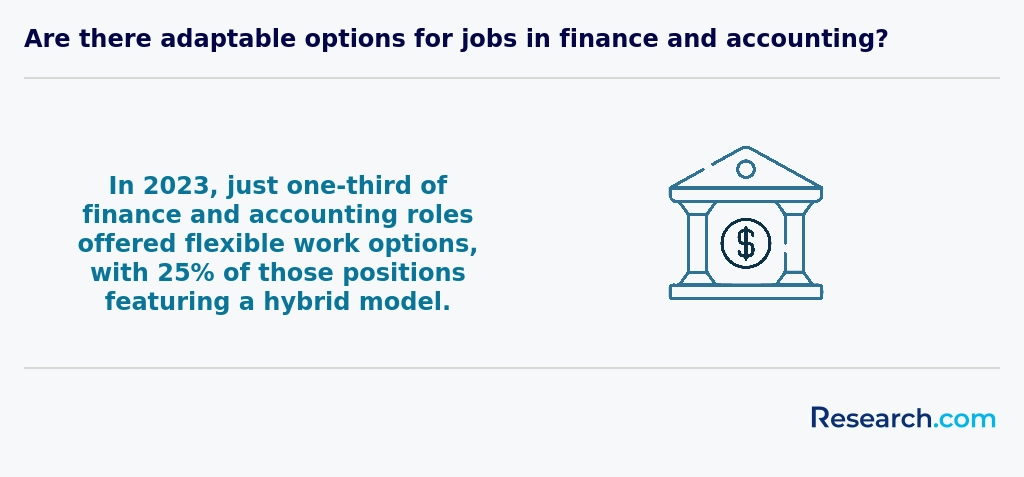
When you're aiming for an accounting degree in Charlotte, there's good news: financial aid options are pretty solid. A lot of folks studying at places like the University of North Carolina at Charlotte lean on federal aid first. Filling out the FAFSA opens doors to grants like the Pell Grant, which can cover up to $7,395 a year if you qualify-no repayment needed. That's a huge weight off your shoulders, especially when tuition can climb pretty high.
On top of federal help, North Carolina pitches in with state scholarships for residents. These can add up to hundreds or even thousands of dollars, making a real difference if you're attending a public university here.
And don't forget the merit scholarships from universities themselves. Many accounting students have scored awards ranging from a thousand bucks to full tuition remission, just by showing strong academics and leadership, which really pumps up the excitement about going to school in Charlotte.
Plus, local accounting groups like the NCACPA and Charlotte's IMA chapter offer scholarships-you might need to join or do some community work, but it feels great knowing the profession supports you early on.
Of course, some students use loans to fill gaps, and while that's a commitment, it's a common step to invest in a future career. Many grads have walked away with around $25,000 in student loan debt, which matches national numbers but feels manageable when paired with scholarships.
Overall, plenty of options make tackling the cost of an accounting degree in Charlotte totally doable and less stressful than you might think.
For students eager to enter the workforce sooner, Charlotte offers several accelerated pathways that condense traditional four-year accounting programs into three years or less. Local universities and colleges leverage summer sessions, credit-by-exam opportunities, and integrated bachelor’s/master’s curricula to help motivated learners finish their degrees at a faster pace. Key strategies include: • Summer and Winter Terms: Institutions like the University of North Carolina at Charlotte and Queens University of Charlotte allow students to enroll in shorter, intensive terms-accelerating progress while maintaining academic rigor. • Articulation Agreements: Community colleges such as Central Piedmont Community College partner with four-year schools, enabling seamless credit transfers and structured schedules that shave months off your degree timeline. • Credit-by-Exam and Prior Learning Assessment: By earning credits through CLEP exams or submitting professional experience portfolios, students can bypass introductory courses and advance directly into upper-level accounting classes. • Combined Degree Programs: Select schools offer dual bachelor’s/master’s tracks, bundling graduate coursework into the undergraduate experience. This saves both time and tuition, equipping graduates with advanced credentials in as little as five years. Whether you prefer in-person, online, or hybrid formats, these accelerated options cater to busy professionals and recent high-school graduates alike. For a comprehensive look at nationally ranked fastest accounting degree programs and guidance on selecting the right accelerated pathway, explore our dedicated program listings.
If you're thinking about jumping into an accounting degree in Charlotte, the basics are pretty straightforward. Most programs around here expect you to have finished high school or have a GED. Think of it like building a solid foundation-you'll need good skills in reading, writing, and especially math to keep up. Graduates from popular Charlotte colleges often share how having a strong handle on algebra or stats really helped them breeze through their first accounting classes.
Some schools still ask for SAT or ACT scores, but these days, many have gone test-optional, so don't sweat it too much. What really matters is your transcript showing you've tackled math courses seriously. A few grads mention that having taken intro economics or business classes surprisingly gave them a leg up, making those accounting concepts feel more natural.
If you're aiming for grad school-level accounting, you'll need a bachelor's degree first. And don't forget budgeting-tuition plus living costs adds up fast in Charlotte, so being financially ready is a big part of starting out stress-free. Oh, and some schools require placement tests to make sure you're set up for success from day one.
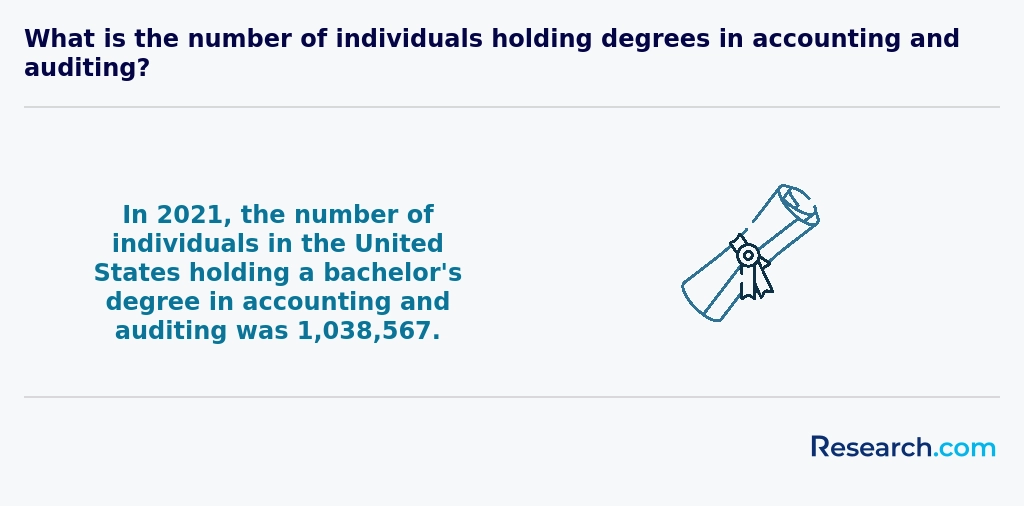
When considering accounting programs in Charlotte, NC, one of the key factors to assess is affordability. Prospective students should weigh the costs of tuition, fees, and living expenses against the potential return on investment, including salary expectations and career advancement opportunities. For those looking to minimize their educational expenses, exploring most affordable accounting schools in north carolina can be a prudent step. This involves evaluating not just the sticker price of tuition but also the availability of financial aid, scholarships, and grants that can significantly reduce the out-of-pocket costs. Additionally, students should consider the program's reputation, accreditation, and outcomes, such as graduation rates and job placement statistics, to ensure they are investing in a high-quality education that will yield strong career prospects. By carefully assessing these factors, aspiring accountants can make informed decisions about their educational pathways and set themselves up for success in their future careers.
If you're thinking about pursuing an accounting degree in Charlotte, expect to dive into courses that really prepare you for real-world finance jobs. Students at popular colleges here often share how classes like Financial Accounting helped them get comfortable reading balance sheets and cash flow reports, which feels super useful when you picture managing money for a local business or nonprofit.
Managerial Accounting is another fave-since it's all about making smart business decisions and controlling costs, graduates say it's like learning the secret sauce behind a company's success. Auditing courses give you a peek into what it takes to check if the numbers really add up, a skill public accounting firms value a lot around Charlotte's buzzing financial scene.
Plus, you'll tackle Taxation covering everything from individual returns to corporate taxes, which really comes in handy when you imagine helping clients during tax season. And don't forget Accounting Information Systems-getting to grips with the software side of things prepares you for today's tech-driven workplaces. Students also appreciate classes on ethics and business law, especially since Charlotte's focus on integrity means these lessons really stick with you long after graduation.
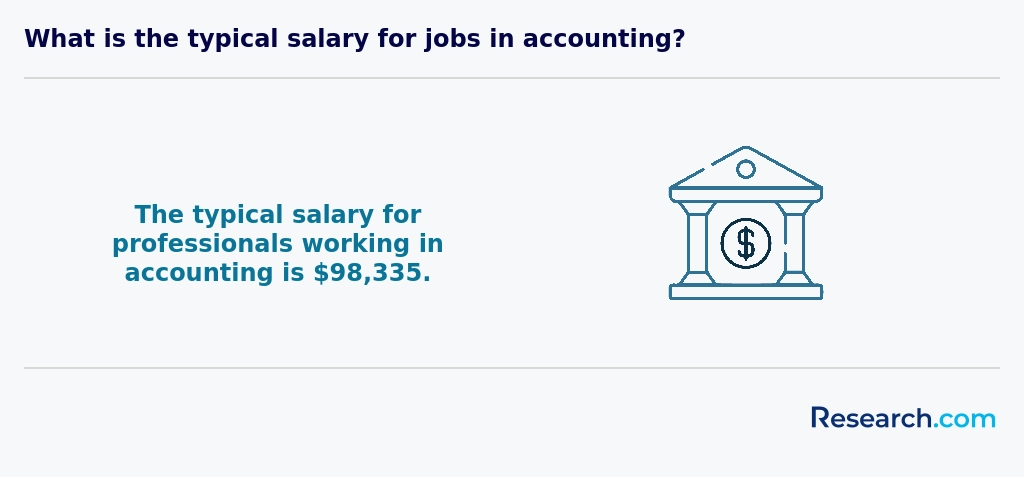
When you dive into accounting degree specializations in Charlotte, you'll find a bunch of options that really help you zero in on what excites you. For example, Financial Accounting is a top pick, especially for grads from local colleges who loved breaking down company reports and understanding how money flows in and out of businesses. It's perfect if you want to be a financial analyst or auditor later on.
Then there's Tax Accounting, which is huge here thanks to Charlotte's booming business scene. Many students in Charlotte accounting programs with specialization options rave about how tax classes helped them understand everything from federal laws to tricky local regulations. If you're into numbers and laws mixing together, this might be your jam.
Some grads also choose Managerial Accounting to get a grip on budgeting and internal finances-skills that make you a superstar in corporate finance teams.
Technology fans at Charlotte schools often go for Accounting Information Systems (AIS), learning how to audit computerized systems and navigate accounting software-super handy in today's digital world.
Oh, and if you're curious about crime-solving, Forensic Accounting mixes detective work with finance, which some Charlotte students find really thrilling given the rise in financial fraud cases.
It's worth checking out programs that offer these tracks if you want to pick a field that aligns with your passion and career goals. You can also explore the best bachelor's degrees for high earnings to see how accounting stacks up.
Picking the best accounting degree in Charlotte really comes down to what fits your life and goals. Lots of grads from UNC Charlotte share how the AACSB accreditation gave them a boost when applying for jobs or sitting for the CPA exam. It's not just about prestige-it means the program is tough but practical, matching what local banks like Bank of America look for.
Cost matters, too. Many students found affordable accounting colleges Charlotte NC options at places like Central Piedmont Community College helped them save money while still offering solid transfer paths. Plus, they loved programs with flexible scheduling because juggling work and classes in a busy city isn't easy.
Make sure the program lines up with CPA exam needs and offers courses in trending areas like data analytics. Also, don't overlook schools that have great internship connections around Charlotte, opening doors for real-world experience. If you want to keep learning, check if there are graduate pathways available.
Oh, and if online fits you better, don't forget to look into distance learning criminal justice programs as examples of flexible options that can inspire similar accounting programs.
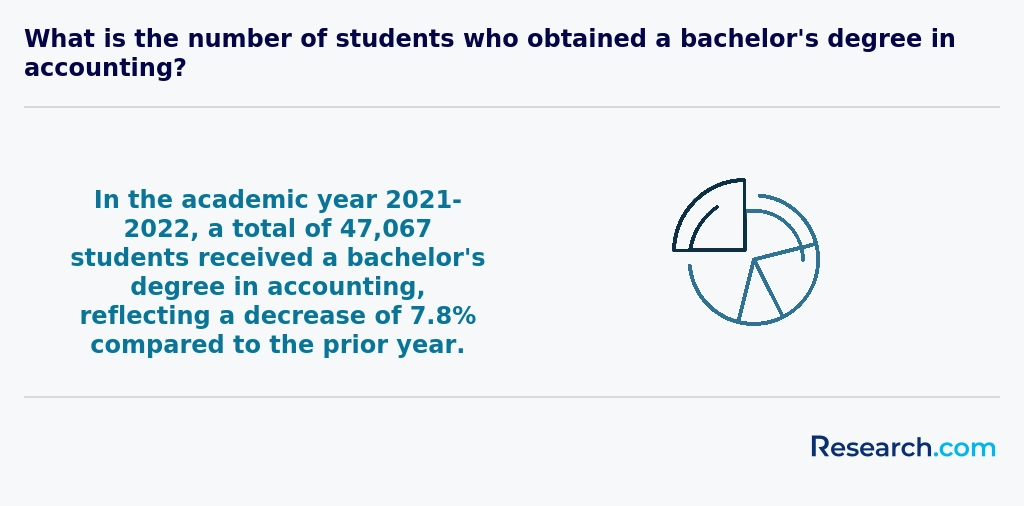
If you're studying accounting in Charlotte, you're stepping into a city buzzing with opportunities. Graduates from popular local schools often find themselves working in public accounting firms, handling everything from tax prep to audits. Many love starting their careers here because it's hands-on and fast-paced, giving a real feel for the business world. Others dive straight into corporate accounting roles-think budgeting, financial reporting, or strategy-at some of Charlotte's top companies. It's a great way to get your foot in the door and build skills that employers truly value.
For those looking for variety, government and nonprofit sectors also welcome accounting grads, offering rewarding work with community impact. Some grads enjoy the challenge of forensic accounting, investigating fraud in Charlotte's financial scene, which is pretty exciting. Plenty of students from local schools talk about how their internships and job prospects in Charlotte's financial hub boosted their confidence and employability.
Looking to broaden your skills? You might check out a healthcare management MBA degree online affordable to complement your accounting background and open up even more career paths. Truly, the range of accounting career opportunities in Charlotte is impressive and growing all the time.
The accounting job opportunities in Charlotte are looking pretty solid right now. With big names like Bank of America and Truist Financial headquartered here, graduates from schools such as UNC Charlotte and Queens University often find themselves landing roles in corporate accounting or even public accounting firms without much hassle. Many grads share stories about internships turning into full-time gigs, which makes the job hunt less stressful and more exciting. The city's mix of banking, corporate, and government jobs means there's something for almost every accounting graduate.
Charlotte accounting degree career outlook is great for those willing to get certifications like the CPA, which can push salaries above six figures. Entry-level spots typically start near $55,000, climbing up to averages around $75,000, so the growth is encouraging for new grads. Plus, the tuition fees for local schools are competitive-you can check out the most affordable accounting schools in north carolina to find good options that won't break the bank.
2027 Best Accounting Degree Programs Ranking in Charlotte
Investing in your education is a significant decision that can shape your future, and the Research.com team understands the importance of making informed choices. To assist prospective students in Charlotte, we have meticulously developed the "2027 Best Accounting Degree Programs Ranking in Charlotte." Our dedication to quality, credibility, and accuracy is demonstrated through rigorous analysis and careful research. We relied on the following reputable data sources to ensure a comprehensive evaluation of accounting programs:
By exploring this ranking, readers will gain valuable insights into the best accounting degree programs available in Charlotte, empowering them to make well-informed educational decisions. For a detailed explanation of our approach, please visit our Research.com methodology page.


# 4 position
Johnson & Wales University-Charlotte
Bachelor of Science in Accounting

Frequently Asked Questions About accounting
Accounting degree students in Charlotte can maximize their learning by engaging with local professional organizations such as the Charlotte Chapter of the North Carolina Association of Accountants. Networking through these groups provides access to internships and mentorship opportunities. Additionally, many Charlotte universities collaborate with prominent regional firms-like Deloitte and PwC-offering real-world experience vital for skill development.
Students should also take advantage of Charlotte's growing financial sector, where over 200 accounting firms operate, providing ample internship placement options.
According to the Charlotte Chamber of Commerce, hands-on experience paired with academic study significantly improves job prospects in this competitive market.
The accounting field is evolving rapidly, with several emerging niches gaining importance across the United States, including Charlotte. One growing specialty is forensic accounting, where professionals investigate financial fraud and legal disputes. According to the Bureau of Labor Statistics, employment in this area is expected to grow 16% by 2030, faster than many other accounting roles.
Another expanding niche is environmental accounting, which focuses on tracking costs related to sustainability and regulatory compliance. This sector is particularly relevant as Charlotte businesses increase their commitment to environmental responsibility.
Additionally, technology-driven roles such as data analytics and accounting information systems are becoming essential. Firms in Charlotte increasingly seek accountants skilled in cloud-based software and cybersecurity to manage complex financial data securely.
After earning an accounting degree in Charlotte, preparing for the job market requires strategic steps. Start by gaining practical experience through internships offered by local firms, as Charlotte is home to many financial institutions and corporate headquarters. According to the Charlotte Chamber of Commerce, internships can increase employment chances by up to 60%.
Networking is crucial; attend industry events and join organizations like the Charlotte Chapter of the American Institute of CPAs (AICPA). These connections can lead to job referrals. Additionally, consider obtaining certifications such as the CPA, which is highly valued in North Carolina.
Staying updated on tax laws and accounting technology will also improve job prospects.
Employers in Charlotte value accounting graduates who demonstrate strong technical skills and practical knowledge. Proficiency in Generally Accepted Accounting Principles (GAAP) and familiarity with accounting software like QuickBooks or SAP are often essential. According to regional job market analyses, about 78% of Charlotte-based employers prioritize candidates with data analysis and Excel expertise, reflecting the increasing reliance on data-driven decision-making.
Additionally, communication skills rank highly. Accountants must clearly explain financial information to diverse audiences. Critical thinking and problem-solving abilities are also crucial, enabling graduates to identify discrepancies and improve financial processes.
Ethics and attention to detail remain foundational, with local firms emphasizing integrity due to regulatory requirements in the financial sector.
Finding internships in Charlotte relevant to an accounting degree involves targeted research and leveraging local networks. Charlotte is a major financial hub, home to numerous accounting firms and corporations like Bank of America and Wells Fargo, which often offer structured internship programs. According to the Charlotte Regional Business Alliance, the city's finance sector employs over 80,000 professionals, creating a strong demand for accounting interns.
Students should explore resources at local universities, such as internship offices and career fairs, which regularly connect accounting students with employers. Additionally, professional organizations like the Charlotte chapter of the Institute of Management Accountants provide networking events and internship listings. Online portals like Handshake and LinkedIn also feature Charlotte-based internships in accounting.
Applying early and tailoring resumes to each firm's focus improves prospects. Internships not only build experience but can lead to job offers after graduation.
An accounting degree significantly enhances career mobility and advancement opportunities in Charlotte, a city with a growing financial sector. According to the U.S. Bureau of Labor Statistics, the Charlotte metropolitan area employs over 20,000 accountants and auditors, reflecting high local demand. Earning an accounting degree provides foundational knowledge and often qualifies graduates to sit for the CPA exam, a key credential for career growth.
Professionals with accounting degrees in Charlotte benefit from diverse job prospects, including roles in banking, corporate finance, and government agencies. Higher education levels correlate with increased earning potential and leadership opportunities. Local firms and corporations frequently seek candidates with formal accounting education to meet compliance and regulatory standards, driving upward mobility.
Studying for an accounting degree in Charlotte prepares students for interdisciplinary roles by integrating core accounting principles with skills in finance, business analytics, and information technology. Many Charlotte institutions emphasize collaboration across business disciplines, reflecting the city's growing financial and tech sectors. For example, programs often include coursework in data analysis and communication, equipping graduates to work effectively with professionals in marketing, management, or IT.
Charlotte is home to the second-largest banking center in the U.S., which encourages schools to tailor curricula to the needs of diverse industries. According to the Charlotte Chamber of Commerce, 41% of local businesses seek employees who combine accounting expertise with technological proficiency. This interdisciplinary focus enhances graduates' adaptability in dynamic workplaces.
When choosing between a thesis and a non-thesis accounting degree program in Charlotte, consider your career goals and learning preferences. Thesis programs usually focus on research and require students to complete a substantial written project. This path suits those interested in academic work, advanced studies, or analytical roles.
Non-thesis programs emphasize practical skills and coursework, often preferred by students aiming for immediate employment in Charlotte's robust financial sector. According to the Charlotte Regional Business Alliance, the city's finance and accounting industries grew by 4.5% annually from 2019 to 2023, increasing demand for applied knowledge.
Your choice should also reflect time commitment and future plans. Thesis programs often take longer but may open doors to PhD programs or specialized research roles, while non-thesis tracks can accelerate entry into public accounting or corporate finance jobs.
Students based in Charlotte seeking to study accounting abroad have several practical pathways within the US higher education system. Many universities in Charlotte, such as the University of North Carolina at Charlotte, offer study abroad programs affiliated with partner institutions globally, enabling accounting students to earn credits toward their degree while gaining international experience.
These programs often last a semester or summer term, giving exposure to different accounting standards like IFRS, which is valuable for global careers. Additionally, some Charlotte accounting programs have exchange agreements with universities in countries like the UK, Australia, and Germany.
According to the Institute of Management Accountants, international experience enhances a graduate's appeal to employers, particularly in Charlotte's growing finance sector. Students should consult university study abroad offices early to explore funding and credit transfer options.
Charlotte offers various part-time job opportunities that can effectively complement accounting degree education. Positions such as bookkeeping assistants, tax preparers, and payroll clerks are in demand within local small businesses and accounting firms. These roles provide practical experience in financial recordkeeping and regulatory compliance, which are essential for accounting students.
Internships and part-time roles at banks or credit unions in Charlotte also expose students to real-world financial operations. According to the Charlotte Business Journal, the city's growing financial sector offers about 8% annual growth in accounting-related jobs through 2027.
Jobs involving data entry or audit support can enhance technical skills and familiarity with accounting software like QuickBooks or Excel, crucial for future Certified Public Accountant (CPA) candidates.
Accounting students in Charlotte have access to a variety of valuable networking opportunities that can help advance their careers. The city's strong financial sector, including headquarters of Bank of America and Truist Financial, creates numerous chances for students to connect with industry professionals. Local chapters of organizations like the North Carolina Association of CPAs (NCACPA) and the Charlotte Chapter of the American Institute of CPAs (AICPA) often host events, workshops, and seminars tailored for accounting students.
Many Charlotte universities with accounting programs also organize career fairs and alumni networking events, providing direct links to recruiting firms. Additionally, internship programs with Charlotte-based firms offer hands-on experience and professional contacts. According to NCACPA, student membership can increase job placement success substantially.
Alumni networks play a crucial role in supporting accounting degree students in Charlotte by providing valuable connections and resources. Graduates from Charlotte institutions often remain active in these networks, offering mentorship and career advice. According to the Charlotte Chamber of Commerce, over 70% of job openings in finance and accounting in the city are filled through networking.
These networks also facilitate internships and job placements, giving students hands-on experience in the competitive Charlotte market. By attending alumni events, students gain access to employers from major firms like Deloitte and KPMG, both prominent in the region. This connection can lead to higher employment rates post-graduation and stronger professional reputations in Charlotte's accounting community.
Customizing an accounting degree program in Charlotte to align with your career goals involves selecting electives and concentrations that match your professional interests. Many local universities offer specializations such as forensic accounting, tax accounting, or auditing, allowing students to tailor their studies.
The city's strong business environment, including a significant presence of banking and financial firms, creates opportunities to focus on financial accounting or corporate accounting to meet regional demand. Internships and cooperative education programs in Charlotte-area companies provide practical experience and networking connections.
Additionally, pursuing certifications like CPA alongside your degree can enhance your qualifications. Consulting academic advisors and career services in Charlotte institutions remains essential to align your coursework effectively.
Accounting students in Charlotte often face a variety of challenges unique to the region's educational and professional landscape. One common difficulty is balancing rigorous coursework with part-time work; many students rely on jobs in Charlotte's robust banking sector to support themselves. Additionally, mastering the complex principles of accounting standards like GAAP and IFRS can be daunting, especially when combined with preparation for the CPA exam, which remains a key milestone for many.
Access to internships is competitive but crucial, as Charlotte hosts major financial firms demanding strong practical experience. According to the North Carolina Department of Commerce, finance and accounting jobs are expected to grow by 10% through 2028 in the area, intensifying competition. Furthermore, some students struggle with the cost of education, with average annual tuition for in-state students at UNC Charlotte approximating $7,300 in 2023. Navigating these academic and economic hurdles requires strong time management and resourcefulness.
An accounting degree from a Charlotte institution opens the door to several professional certifications highly valued in the U.S. accounting field. The most recognized is the Certified Public Accountant (CPA) license, which is essential for many accounting roles and requires passing a national exam along with meeting specific education and experience requirements. In Charlotte, given its status as a financial hub, CPAs often command higher salaries compared to the national average, making this certification particularly advantageous.
Other relevant certifications include the Certified Management Accountant (CMA), focusing on financial management and strategy, and the Certified Internal Auditor (CIA), which is key for careers in internal auditing. Additionally, the Enrolled Agent (EA) certification is valuable for those specializing in tax preparation and representation before the IRS. These credentials enhance career prospects and earning potential in Charlotte's competitive accounting market.
When applying to an accounting program in Charlotte, start by researching schools accredited by the Association to Advance Collegiate Schools of Business (AACSB), as this is a mark of quality recognized nationwide. Highlight your quantitative skills and any relevant work or internship experience, as employers in Charlotte's strong banking and finance sectors value practical knowledge.
Craft a clear personal statement emphasizing your career goals in accounting, linking them to Charlotte's growing economy. According to the Charlotte Business Journal, the city hosts over 30 Fortune 500 companies, creating demand for skilled accountants.
Make sure to submit official transcripts showcasing a solid background in math and business courses. Lastly, prepare for standardized tests if required, and meet all deadlines precisely, as competition for top programs is increasing each year.
The accounting profession holds significant global importance, with skills learned in Charlotte's degree programs aligning well with international standards. Accounting careers offer opportunities to work in multinational corporations, global financial institutions, and regulatory bodies. According to the Bureau of Labor Statistics, employment of accountants is expected to grow 7% nationally through 2031, signaling rising demand worldwide.
Charlotte's status as a major financial hub-with companies like Bank of America headquartered there-provides regional students access to global business practices. Many programs integrate international accounting principles such as IFRS, enhancing graduates' ability to work across borders. Professional certifications including CPA also have recognized value globally, increasing career mobility.
Gaining practical experience while studying for an accounting degree in Charlotte is essential for career readiness. Many local colleges and universities encourage internships with Charlotte's robust financial and corporate sectors, including firms in banking, real estate, and public accounting. Internships allow students to apply classroom theory to real-world accounting tasks such as auditing, tax preparation, and financial analysis.
Additionally, Charlotte hosts career fairs and networking events tailored for business and accounting students, which help connect students with local employers. Participation in student organizations, like the American Institute of CPAs (AICPA) student chapters, also offers opportunities for hands-on projects and leadership roles.
Work-study programs and cooperative education options are available at institutions like the University of North Carolina at Charlotte, helping students earn while gaining relevant experience. According to the Charlotte Chamber of Commerce, companies in the area increasingly value candidates with prior practical experience, underscoring the importance of early engagement.
Choosing the right concentration within an accounting degree program in Charlotte involves aligning your interests with local industry demands. Common accounting concentrations include tax, audit, forensic accounting, and management accounting. According to the North Carolina Association of CPAs, Charlotte's financial sector heavily focuses on corporate tax and audit services due to the presence of major banks like Bank of America and Wells Fargo.
Consider your career goals: tax accounting suits those interested in regulations and compliance, while forensic accounting appeals to students who enjoy investigation and fraud detection. Research shows forensic accounting jobs are growing nationally at about 16% annually (U.S. Bureau of Labor Statistics). Local employers often value concentrations linked to financial services and corporate compliance.
Many Charlotte universities incorporate internships with local firms, enhancing practical learning. Reviewing course offerings and seeking advice from academic advisors can help identify concentrations that balance your strengths and market needs. Also, certification paths such as CPA or CMA should be considered when selecting a concentration, as they can impact your future job prospects within Charlotte's competitive market.
- 2027 Best Accounting Degree Programs Ranking in Greensboro
- 2027 Best Accounting Degree Programs Ranking in Atlanta
- 2027 Best Accounting Degree Programs Ranking in Huntsville
- 2027 Best Accounting Degree Programs Ranking in Washington
- 2027 Best Accounting Degree Programs Ranking in Cincinnati
- 2027 Best Accounting Degree Programs Ranking in Nashville
- 2027 Best Accounting Degree Programs Ranking in Louisville
- 2027 Best Accounting Degree Programs Ranking in Columbus
- 2027 Best Accounting Degree Programs Ranking in Birmingham
- 2027 Best Accounting Degree Programs Ranking in Pittsburgh
See What Experts Have To Say About Studying Accounting
Read our interview with Accounting experts


John Wermert, Ph.D., CPA
Accounting Expert
Associate Professor of Accounting
Middle Tennessee State University

- 5 accounting certifications without a degree | Becker https://www.becker.com/blog/career/5-accounting-certifications-you-can-earn-without-a-degree
- What Jobs Can You Get with an Accounting Degree? https://www.mountunion.edu/academics/undergraduate-degrees/accounting/what-jobs-can-you-get-with-an-accounting-degree
- How to Choose an Accounting Specialization https://freemannews.tulane.edu/2025/11/03/how-to-choose-an-accounting-specialization
- Must-Have Skills for Accounting & Finance Graduates Entering Singapore’s Competitive Job Market https://www.lsbf.edu.sg/blog/accountancy-and-finance/must-have-skills-for-accounting-finance-graduates-entering-singapores-competitive-job-market
- Why International Career Mobility is Key to Attracting the Next Generation of Professional Accountants https://www.ifac.org/knowledge-gateway/discussion/why-international-career-mobility-key-attracting-next-generation-professional-accountants
- Applying for Accounting Graduate School | Accounting.com https://www.accounting.com/resources/graduate-application-guide/
- Account Major Program in Charlotte, NC | Wingate https://www.wingate.edu/academics/undergraduate/accounting-major
- How do they influence the accounting students' career choice? https://edulearn.intelektual.org/index.php/EduLearn/article/download/19870/10113
- Challenges Faced by Accounting Students https://www.onlineassignment-expert.com/blog/what-are-the-challenges-faced-by-accounting-students
- Networking Events https://www.necpas.org/networking


