2027 Best Accounting Degree Programs Ranking in Atlanta

Co-Founder and Chief Data Scientist
Choosing the right accounting degree program in Atlanta can feel overwhelming. To help, the Research.com team of data scientists has created the 2027 Best Accounting Degree Programs Ranking in Atlanta. This ranking is designed to guide you toward programs that truly stand out based on solid data.
Reading this article will give you clear insights to make an informed choice on your educational path. An accounting degree opens doors to rewarding careers and financial stability, making your effort worthwhile.
Discover programs that fit your goals and start building a bright future with confidence.
Key benefits of getting accounting degree in Atlanta
- Graduates with an accounting degree in Atlanta can expect attractive salaries, such as a Staff Accountant earning about $90,780 annually, while roles like Tax Preparer and Bookkeeper typically earn around $49,580 per year.
- Accounting degrees open doors to diverse career paths, from auditing and bookkeeping to accounts payable roles, offering strong job stability and growth opportunities in the Atlanta job market.
- Completing an accounting degree online in Atlanta provides flexibility and convenience, allowing students to balance work or family while gaining the same valuable skills as traditional programs.
- 2027 Best Accounting Degree Programs Ranking in Atlanta
- What can I expect from accounting degree in Atlanta?
- Where can I work with accounting degree in Atlanta?
What can I expect from accounting degree in Atlanta?
The average cost of pursuing an accounting degree in Atlanta varies depending on the institution and program level, but many graduates report manageable tuition rates combined with valuable financial aid options. For instance, students at Georgia State University often find that their total expenses range from approximately $20,000 to $35,000 per year, including tuition, fees, and materials. This investment feels worthwhile to many because of the city's strong job market and internship opportunities with major companies like Coca-Cola and Delta Air Lines.
Graduates often describe a sense of confidence in their career prospects, attributing this to Atlanta's connections between schools and local businesses. One accounting student shared how participating in an internship during their studies, funded partly through scholarships, allowed them to offset costs while gaining hands-on experience. Many programs also help navigate CPA exam preparation without extra financial burden, which students find reassuring amid rising education costs nationwide.
Overall, while the financial commitment is significant, students recognize the long-term value considering Atlanta's growing demand for accountants and the competitive salaries early-career professionals enjoy.
Where can I work with accounting degree in Atlanta?
Graduates from accounting programs at institutions like Georgia State University or Georgia Tech often find a wealth of opportunities right in Atlanta's dynamic financial landscape. Many step confidently into roles at public accounting firms, including branches of the Big Four, where they gain hands-on experience in audit, tax, and advisory services. Imagine joining a team at KPMG, working alongside seasoned professionals on diverse client portfolios while developing skills that future-proof your career.
Others are drawn to corporate accounting departments of major Atlanta-based companies such as Delta Air Lines or Coca-Cola. Here, the day-to-day may involve crafting budgets or ensuring compliance, which allows graduates to see the tangible impact of their work on global operations. This direct involvement fuels a strong sense of achievement and career growth.
Government roles offer a different but equally rewarding path. Working for entities like Fulton County, graduates help maintain financial transparency and accountability, often feeling proud to contribute to public service and community improvement. Meanwhile, nonprofit organizations provide a nurturing environment where accountants manage grants and donor reports, making a real difference in causes they care about.
Graduates from accounting programs at institutions like Georgia State University or Georgia Tech in Atlanta often find themselves entering the job market with promising salary prospects. For example, a staff accountant can expect a solid mean annual wage of around $90,780, reflecting both the region's competitive financial sector and the value placed on accounting expertise locally. Entry-level positions such as tax preparers, associate auditors, or accounts payable clerks generally start near $49,580, which provides a stable foundation for new professionals.
Many recent graduates recall their first years working in Atlanta's dynamic corporate environment, where gaining CPA certification can accelerate earning potential beyond $100,000 annually. The city's growing industries in finance and insurance especially reward those who specialize, opening doors to lucrative roles that go beyond initial salary averages.
Looking ahead, emerging trends like forensic accounting and advanced analytics promise to boost earnings even further, as Atlanta's status as a major business hub creates ongoing demand for specialized accounting talents equipped with innovative skills.
- Tuition for a bachelor's degree in accounting in Atlanta ranges from $8,000 to $12,000 per year at public colleges and $20,000 to $35,000 at private colleges.
- The average starting salary for accounting graduates in Atlanta is about $55,000 annually.
- Accountants with five or more years of experience can earn between $75,000 and $80,000 per year.
- Employment for accountants and auditors in Georgia is projected to grow by 7% from 2022 to 2032.
- Atlanta offers diverse internship opportunities that help students gain professional experience and access to job networks.
- Many accounting programs in Atlanta include CPA exam preparation to support certification and career advancement.
Completing an accounting degree in Atlanta typically takes about four years for full-time students, a timeline many graduates from Georgia State University and the Georgia Institute of Technology can attest to. These programs balance general education and core accounting courses, allowing students to build a strong foundation while engaging with electives tailored to their interests. Many alumni recall feeling energized by the steady pace that let them absorb knowledge while preparing for real-world finance roles.
For those with a prior bachelor's degree, pursuing a Master of Accountancy (MAcc) in Atlanta often takes around one year of full-time study. Graduates appreciate how this accelerated path rapidly refreshed and expanded their skills, enabling a swift transition into advanced accounting careers.
Part-time and accelerated combined-degree options also create exciting flexibility. Working professionals often value the option to stretch their studies over several years, maintaining balance between personal commitments and ambition. Meanwhile, students in combined bachelor's and master's programs experience the satisfaction of earning dual degrees within five years, fast-tracking their career goals.
Accounting students at institutions like Georgia State University in Atlanta often describe online programs as a flexible lifeline. One graduate shared how juggling a full-time job and family was possible thanks to the ability to attend lectures virtually at midnight or early mornings. This convenience eliminates the stress of Atlanta's heavy traffic, turning study time into a personalized experience. However, some students admit missing the immediate feedback and camaraderie found on campus.
Conversely, on-campus programs at schools such as Kennesaw State University offer immersive environments where spontaneous discussions with professors and peers enrich learning. Graduates recall networking events and internships secured through college connections within Atlanta's robust accounting sector, a benefit stemming directly from in-person engagement.
Looking ahead, hybrid models might combine these strengths-offering Atlanta students adaptable schedules while preserving vital face-to-face interaction. For now, each format caters to different learning styles and life demands, shaping distinct but equally rewarding pathways into the accounting profession.
Choosing an accredited accounting program is essential for ensuring your degree meets industry standards and qualifies you for licensure exams. In Atlanta, many top institutions hold accreditation from the Association to Advance Collegiate Schools of Business (AACSB), recognized as the gold standard for business education. AACSB-accredited programs integrate rigorous curricula that cover GAAP, auditing, taxation, and ethics, giving graduates a competitive edge when pursuing credentials such as the CPA (Certified Public Accountant), CMA (Certified Management Accountant), or CIA (Certified Internal Auditor). ACCREDITATION BENEFITS Accredited programs often offer built-in CPA exam support, including partnerships with review providers like Becker or Wiley. These resources help students master exam content areas-financial accounting and reporting, regulation, business environment and concepts-through practice tests and personalized study plans. Employers in Atlanta’s public accounting firms and corporate finance departments prefer graduates from accredited schools, as accreditation signals adherence to high academic and ethical standards. PROFESSIONAL CERTIFICATION PATHS Most AACSB-accredited accounting degrees in Atlanta require courses that align directly with CPA exam sections. Students should verify that their program’s syllabus includes advanced auditing, tax research, and accounting information systems-topics tested on the CPA. Additionally, many programs offer electives or certificate tracks for the CMA and CIA credentials, broadening career prospects in management accounting and internal auditing. Internship partnerships with firms like Deloitte, PwC, and local government agencies further reinforce practical application of certification standards. ADVANCED STUDY OPTIONS For those seeking graduate-level specialization or flexible online pathways, consider our Affordable Online Master's in Accounting Degree Programs Ranking in Pennsylvania, which highlights cost-effective, AACSB-accredited online master’s programs designed to prepare you for advanced certifications and leadership roles. By choosing an accredited program that integrates professional exam preparation, you’ll maximize both the credibility of your degree and your readiness for certification success.
The average cost of an accounting degree in Atlanta is around $42,842, reflecting a median that balances both in-state and out-of-state tuition along with other university expenses. For students attending public universities such as Georgia State University, in-state tuition dramatically lowers total expenses, often near $13,527, enabling graduates to manage costs more comfortably while still accessing quality programs. Meanwhile, private institutions like Emory University represent a more significant financial commitment but also offer private scholarships and aid opportunities that many alumni have found rewarding.
Several graduates recall carefully budgeting for extra expenses beyond tuition, including books, supplies, and living costs, all contributing to the total expenses for accounting degree programs Atlanta students face. These costs shape a realistic picture for prospective students considering the financial investment necessary to gain a competitive edge in the accounting field.
Many accounting students in Atlanta benefit from a variety of financial aid options and employer tuition assistance that reduce the net cost of their education. Those who engage with programs at notable schools frequently describe the value of the investment as worthwhile given their successful career placements post-graduation. If you want to explore more opportunities to find an affordable accounting degree option, consider checking this affordable accounting school in georgia.

Assessing the return on investment (ROI) is essential when choosing an accounting program. This section explores how the cost of education, potential post-graduation earnings, and career advancement opportunities converge to offer long-term value. When evaluating an online program, it’s important to weigh the tuition expenses against future salary prospects and job stability. For example, understanding the online accounting degree cost can help you determine whether an affordable program meets your career and financial goals. Additionally, graduates often note that the reputation of the institution, quality of the curriculum, and industry connections have a significant impact on salary growth and career progression. By calculating potential salary increase over time, considering student loan repayment scenarios, and comparing these against the initial costs, you can make an educated decision that aligns with your long-term aspirations. Evaluating ROI in this manner not only reinforces the value of your degree but also guides you in choosing a program that maximizes both academic and professional outcomes.
Accounting students in Atlanta often discover a mix of financial aid options that ease the path toward their degrees. Graduates from Georgia State University recall how institutional scholarships, ranging from $1,000 to $5,000, provided crucial support during their studies, allowing them to focus more on mastering accounting principles than on finances.
Federal aid remains a cornerstone, with FAFSA unlocking access to Pell Grants up to $7,395 annually and low-interest Direct Loans. Some students have found that combining these with Grad PLUS loans made pursuing a master's degree in accounting far more feasible, despite rising tuition costs. The Georgia HOPE Scholarship also plays a transformative role for many, covering full tuition at public schools and significantly lowering expenses for in-state students.
Work-study and part-time jobs tied to accounting offer more than just income-they build early professional networks, as several recent graduates attest. Emerging trends suggest more tailored private scholarships from organizations like the GSCPA will continue to grow, potentially increasing financial access and encouraging diversity within Atlanta's accounting community.
Pursuing an accounting degree can be a significant investment, and understanding the financial aspects is crucial for making informed decisions. For those seeking an affordable option, considering an affordable accounting school in georgia can be a viable path. Many institutions in Atlanta offer competitive pricing without compromising on the quality of education, making it essential to research and compare the costs of different programs. Additionally, exploring financial aid options, scholarships, and part-time job opportunities can help mitigate the financial burden, allowing students to focus on their studies and career aspirations. By weighing these factors, prospective students can find an accounting program that aligns with their financial situation and goals, ultimately setting them up for success in their future careers.
Enrolling in an accounting degree program in Atlanta typically begins with meeting key academic prerequisites that set students up for success. Graduates from Georgia State University often share that having a solid GPA around 3.0 and SAT or ACT scores gave them confidence during the admissions process. This balance of performance hints at a trend where universities value well-rounded applicants ready to tackle college-level accounting challenges.
Future students might also notice a growing emphasis on foundational high school courses like Algebra II, business studies, and computer literacy. Many find that early exposure to accounting software or economics makes the transition smoother, as several programs encourage these skills before starting the degree.
Looking ahead, prospective learners could see prerequisites evolve to include more digital fluency or real-world problem-solving experiences, reflecting Atlanta's technology-driven market. For international students, demonstrating English proficiency through tests like TOEFL remains essential, creating a welcoming academic space for diverse perspectives.
Financial readiness also plays a role; public colleges near Atlanta offer in-state tuition around $10,000 annually, which graduates recall budgeting for alongside applying to scholarships and loans.
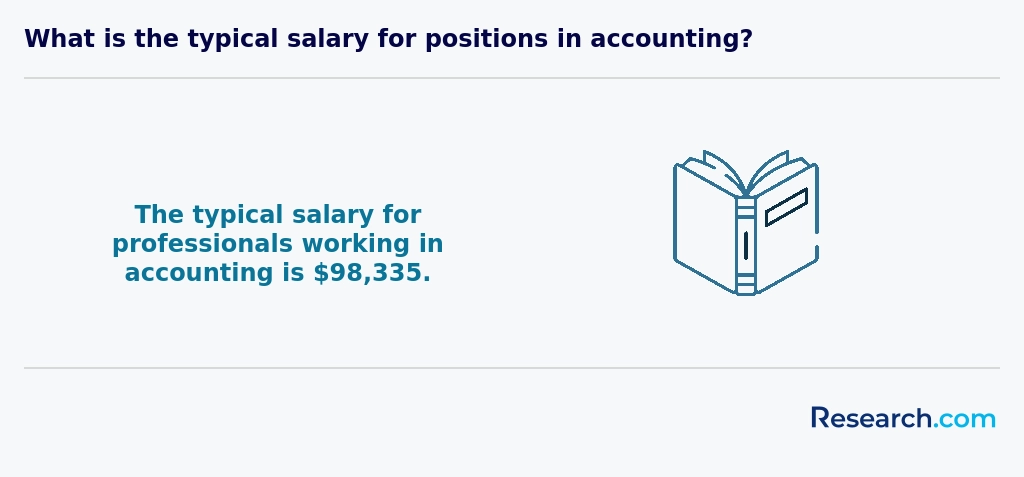
Earning an accounting degree in Atlanta, GA, lays a solid foundation, but adding industry-recognized certifications can significantly boost your marketability and salary potential. The most sought-after credential is the Certified Public Accountant (CPA), which demonstrates mastery of financial reporting, auditing, and ethics. Many graduates find that CPA licensure opens doors to senior roles in public accounting firms, corporate finance departments, and government agencies. Another valuable certification is the Certified Management Accountant (CMA), offered by the Institute of Management Accountants. CMAs specialize in strategic planning, performance management, and cost analysis-skills highly prized by corporations looking to optimize operations. For those interested in internal controls and risk management, the Certified Internal Auditor (CIA) credential from the Institute of Internal Auditors validates expertise in audit processes and governance frameworks. Bookkeeping remains an essential entry point into accounting careers, and the nacpb bookkeeper certification provides a comprehensive curriculum covering transaction analysis, payroll, and financial statement preparation. Graduates of this program often secure roles as junior accountants or accounts payable specialists while preparing for advanced certifications. Finally, specialized designations such as the Chartered Global Management Accountant (CGMA) and Financial Modeling & Valuation Analyst (FMVA) can further distinguish you in sectors like consulting, investment banking, and corporate development. By strategically combining your academic credentials with these professional certifications, you’ll position yourself for rapid career advancement and higher compensation in Atlanta’s competitive accounting landscape.
Students pursuing an accounting degree in Atlanta typically engage in a blend of core courses and complementary business classes that prepare them for diverse career paths. Graduates often recall how Financial Accounting helped them confidently interpret real company reports, while Managerial Accounting sharpened their skills in budgeting and strategic decisions during internships at firms around Georgia State University.
Courses like Auditing and Taxation provide hands-on knowledge of compliance and US tax regulations, crucial for those aiming to become CPA professionals. At institutions such as Kennesaw State University, learners frequently report excitement mastering Accounting Information Systems, using software like QuickBooks to simulate real-world accounting tasks.
Complementary courses in Business Law, Finance, and Economics broaden perspectives, equipping students to navigate complex business environments they'll encounter post-graduation. Atlanta's accounting programs emphasize ethics, encouraging students to approach challenges with integrity-a quality praised by alumni as vital in their career journeys.
As technology and regulations evolve, future curricula in Atlanta may integrate more data analytics and sustainability accounting, keeping students at the cutting edge of the profession.
Accounting degree specializations in Atlanta are evolving to meet the region's dynamic business environment. Graduates from popular universities in Atlanta often highlight their experiences in areas like financial accounting, which remains foundational for creating and analyzing clear financial statements used by local firms. Managerial accounting, with its focus on budgeting and performance evaluation, is increasingly favored by students aiming to influence strategic decisions within Atlanta's corporate sector.
Atlanta accounting degree concentration options also reflect the city's unique economic landscape. Tax accounting stands out as a practical choice, given the complex federal and state tax systems affecting Atlanta businesses. Graduates frequently recall hands-on encounters with tax codes and local policies during internships, boosting their confidence in real-world tax preparation roles.
Emerging specializations like forensic accounting excite students eager to combat fraud, blending investigative skills with accounting principles-a trend visible in students from well-known Atlanta colleges. Additionally, tech-driven fields such as accounting information systems prepare learners for the digitized future of accounting. Those considering costs can explore more flexible options by reviewing online accounting degree cost to balance quality and affordability.
Choosing among the best accounting degree programs in Atlanta means envisioning your future beyond textbooks. Graduates from local universities often recall how program flexibility allowed them to tailor classes toward emerging areas like forensic accounting or financial technology, preparing them for a dynamic career landscape. An Atlanta-based student might weigh not only tuition costs but the value of strong corporate connections that some schools nurture, which often leads to sought-after internships in the city's thriving business environment.
Many find that programs emphasizing CPA exam support and high pass rates foster confidence and momentum for career advancement. For those balancing education with life's demands, affordable accounting colleges in Atlanta offer options to maintain financial stability without sacrificing quality. Imagine leveraging a degree that bridges traditional accounting principles with hands-on experience, enhancing employability in a competitive market.
Engaging in local community events or accessing resources such as the nacpb bookkeeper certification can enrich your skill set and open doors you hadn't considered. Considering these factors, your decision becomes a proactive step toward a rewarding accounting career in Atlanta's evolving economy.

Graduates with an accounting degree in Atlanta find diverse career paths reflecting the city's dynamic economic landscape. Many step into public accounting roles at leading firms like Deloitte or PwC, gaining hands-on experience in auditing and tax services. Atlanta accounting graduate job prospects also include corporate accounting, where professionals contribute to financial planning and budgeting in major companies such as Coca-Cola or Delta Air Lines. Students from local universities often share enthusiasm about how internships in these corporate settings sharpen their skills and prepare them for management accounting challenges.
Emerging sectors like fintech are opening innovative opportunities, blending accounting with advanced technology and data analysis. Graduates with these combined skills are becoming sought after, able to navigate roles in financial compliance and cybersecurity. For those intrigued by investigative work, forensic accounting in Atlanta is growing rapidly as companies respond to rising fraud concerns. Students who embrace these forward-thinking areas express confidence and excitement about their futures.
For more inspiration on how to strategically pursue your degree, explore Affordable Online Master's in Accounting Degree Programs Ranking in Pennsylvania for insights on accessible advanced education options.
The accounting job opportunities in Atlanta continue to grow as the city remains a key business hub with many corporations and firms seeking skilled professionals. Graduates from well-known local universities often share how the city's diverse economy, with companies like Delta Air Lines and SunTrust Banks nearby, has helped them secure roles in auditing and financial analysis soon after finishing their degrees. This vibrant market supports not only entry-level positions but also advanced career moves, encouraging students to envision long-term success.
Atlanta accounting degree employment outlook is positive, bolstered by steady job growth nationally and local demand. Many recent graduates reflect on affordable tuition at institutions such as Georgia State University, which reduces financial barriers and enhances return on investment. These students appreciate how gaining credentials in this environment positions them well for competitive salaries around $75,000 and opportunities within big firms or smaller specialized practices.
Students interested in faster pathways to a career might explore 12 month certificate programs that pay well, which some Atlanta schools offer. Such programs complement traditional degrees and can open doors to immediate employment, aligning well with the city's economic trends.
2027 Best Accounting Degree Programs Ranking in Atlanta
Investing in your education is a significant decision that can impact your professional and personal future, and the Research.com team recognizes the importance of providing reliable information to guide this choice. To support aspiring accountants in Atlanta, we have carefully developed the "2027 Best Accounting Degree Programs Ranking in Atlanta." Our dedication to quality, credibility, and accuracy is evident through the thorough research and analysis behind this ranking.
We utilized the following reputable data sources to ensure a robust and comprehensive evaluation of accounting degree programs:
By consulting this ranking, readers will gain valuable insights into the top accounting programs available in Atlanta, empowering them to make well-informed decisions about their educational and career paths. For a detailed explanation of our ranking process, please visit our Research.com methodology page.


# 4 position
American InterContinental University-Atlanta
Bachelor of Accounting


Frequently Asked Questions About accounting
Accounting degree students in Atlanta can maximize their learning experience by combining classroom study with practical opportunities. Atlanta hosts numerous Fortune 500 companies, providing valuable internship options that enhance real-world skills. Research from the Georgia Department of Economic Development highlights that internships in the Atlanta metro area often lead to job offers after graduation.
Students should also join professional organizations such as the Georgia Society of CPAs, which offers networking events, workshops, and mentorship programs. Using software tools commonly employed in the industry, like QuickBooks or SAP, is essential to stay competitive. Additionally, Atlanta's public universities often host guest lectures from local accounting leaders, offering insights into current trends and regulations.
Finally, leveraging resources from the Atlanta chapter of the American Accounting Association can foster academic growth and professional development. Keeping up with updates in GAAP and IRS regulations through local seminars further solidifies a student's expertise in accounting practices specific to Georgia's business environment.
The accounting field is rapidly evolving, creating new opportunities for graduates in Atlanta and beyond. Emerging niches include forensic accounting, which involves investigating fraud and financial crimes. This specialty is growing quickly due to increased regulatory scrutiny. Another expanding area is environmental accounting, where professionals assess the financial impact of sustainability efforts, aligning with the rising focus on corporate responsibility.
Technology also drives new roles, such as in data analytics and accounting information systems, helping firms analyze big data for strategic decisions. Atlanta, home to many Fortune 500 headquarters, offers unique opportunities in these tech-focused areas, supported by resources like the Georgia Institute of Technology's research centers.
Preparing for the job market after completing an accounting degree in Atlanta involves strategic planning and skill development. Atlanta's robust business environment, including Fortune 500 companies, creates diverse opportunities for accounting graduates. According to the Bureau of Labor Statistics, the Atlanta metropolitan area has a growing demand for accountants and auditors, with a 7% expected increase in employment through 2031.
Students should pursue internships at local firms or corporations to gain practical experience and build a professional network. Certifications like CPA (Certified Public Accountant) are highly valued and often required for advanced roles. Engaging with local chapters of professional organizations such as the Georgia Society of CPAs can enhance job prospects through networking and educational events.
Strong proficiency in accounting software (e.g., QuickBooks, SAP) and analytical skills are essential. Additionally, attending career fairs hosted by Atlanta universities and leveraging online job portals focused on the city's market can connect graduates with employers actively seeking accounting talent.
Employers in Atlanta seek accounting graduates who demonstrate strong analytical and technical skills. Proficiency in accounting software such as QuickBooks and Excel is highly valued, with over 70% of local firms emphasizing these abilities according to the Georgia Department of Labor. Communication skills are also critical since accountants often explain complex financial information to non-experts. Additionally, knowledge of US GAAP (Generally Accepted Accounting Principles) and IRS tax regulations is essential for compliance roles. Time management and attention to detail top the list, as indicated by surveys from the Atlanta Society of CPAs. These combined skills prepare graduates for diverse opportunities in the city's robust financial sector.
Finding internships in Atlanta relevant to an accounting degree starts with targeting firms and organizations known for robust accounting departments. Atlanta hosts many Fortune 500 companies, such as The Home Depot and Coca-Cola, frequently offering internships for accounting students. Utilizing resources like the Georgia Society of CPAs can provide listings of local internships specifically tailored for accounting majors.
Universities in Atlanta often have dedicated career centers that partner with local businesses to place students in accounting internships. Students should also explore online platforms like Handshake, where many Atlanta-area companies post internship openings.
Networking plays a vital role; attending local accounting association events and job fairs can connect students directly to potential employers.
In Atlanta, earning an accounting degree significantly enhances career mobility and advancement opportunities. The city's robust economy, anchored by major corporations and financial institutions, creates strong demand for qualified accountants. According to the U.S. Bureau of Labor Statistics (2023), accounting roles in the Atlanta metropolitan area are expected to grow by 8% over the next decade, faster than the national average.
Holding an accounting degree often serves as a prerequisite for certifications such as CPA (Certified Public Accountant), which further boosts professional credibility and job prospects. Many Atlanta employers prioritize candidates with formal education to access higher-level positions in auditing, tax, and financial analysis.
Moreover, Atlanta's growing business environment provides diverse pathways for accountants to transition into managerial or specialized roles, leading to increased salaries and responsibilities. This degree thus acts as a foundation for sustained career growth within the city's competitive job market.
Studying for an accounting degree in Atlanta offers strong interdisciplinary preparation by combining core accounting skills with coursework in finance, information systems, and business law. Many Atlanta institutions, such as Georgia State University, integrate these areas to equip students for diverse roles like financial analyst, auditor, or management consultant.
Atlanta's growing economy, ranked among the top 10 metropolitan areas for business in the United States, encourages programs to emphasize data analytics and technology. This approach prepares graduates to work effectively in teams across various sectors, including logistics, healthcare, and technology.
According to the Bureau of Labor Statistics, accounting professionals in Atlanta often require skills beyond traditional accounting, such as communication and problem-solving, highlighting the value of an interdisciplinary education.
Choosing between a thesis and a non-thesis accounting degree program in Atlanta depends on your career goals and learning preferences. A thesis program requires original research and is ideal if you plan to pursue advanced studies or roles in academia. Many universities in Atlanta, including Georgia State University, offer thesis options focused on deep analytical skills.
In contrast, non-thesis programs emphasize practical skills through coursework, appealing to students aiming for immediate entry into Atlanta's corporate accounting sector. According to the Bureau of Labor Statistics, Atlanta's accounting jobs are projected to grow 9% by 2031, favoring professionals with hands-on experience.
Consider the time commitment as well; thesis tracks often extend your study duration. Evaluating your long-term objectives and local job market trends can guide your decision effectively.
Students in Atlanta seeking to study accounting abroad have several pathways through partnerships between local universities and international institutions. Many Atlanta-based schools, such as Georgia State University, offer study abroad programs that allow accounting students to spend a semester or year at partner universities in Europe, Asia, or Australia. These programs help students gain global perspectives on accounting standards and practices.
Additionally, students can pursue dual-degree options involving international universities, enhancing their credentials and expanding career opportunities. The National Association of State Boards of Accountancy (NASBA) notes that international experience is increasingly valued in accounting careers, especially in Atlanta's growing global business environment.
Atlanta offers various part-time job opportunities that complement accounting degree education. Popular options include bookkeeper positions, which provide practical experience with financial records and software like QuickBooks. According to the Bureau of Labor Statistics, bookkeeping roles in the Atlanta metropolitan area are projected to grow by 4% through 2030, reflecting steady demand.
Internships and tax preparation assistant roles are also common during tax season. These jobs allow students to apply classroom knowledge to real-world scenarios, building skills in tax codes and client communication. Local accounting firms and companies frequently seek part-time help, enhancing networking possibilities.
Furthermore, many universities in Atlanta collaborate with employers to promote student employment that aligns with accounting curricula, improving career prospects after graduation.
Accounting students in Atlanta benefit from strong networking opportunities due to the city's status as a major financial hub. Organizations like the Georgia Society of CPAs offer student memberships that provide access to local professionals through events, seminars, and mentorship programs.
Major universities in Atlanta often partner with top accounting firms such as Deloitte, PwC, and KPMG, giving students chances for internships and networking nights. According to the Bureau of Labor Statistics, Atlanta has one of the highest concentrations of accountants and auditors in the Southeast, which helps students connect with a broad range of professionals locally.
Additionally, events like the annual Accounting Career Fair in Atlanta attract hundreds of employers, providing direct recruitment opportunities and professional development workshops.
Alumni networks provide valuable support for accounting degree students in Atlanta by offering access to professional connections within the city's robust financial sector. Many Atlanta-based universities maintain active alumni groups that organize networking events, mentorship programs, and job placement assistance. According to the Atlanta Business Chronicle, connections through alumni networks can increase a graduate's chance of employment in local accounting firms by up to 25%.
These networks also help students gain insights into industry trends specific to Georgia, such as the state's evolving tax regulations and corporate accounting standards. Engaging with alumni who work at top firms like Deloitte or PwC in Atlanta enhances practical knowledge beyond the classroom. Additionally, alumni can guide students on CPA exam preparation, leveraging their firsthand experience and local licensing processes.
In Atlanta, customizing your accounting degree program to fit your career goals involves selecting specialized courses and practical experiences aligned with your interests. Many universities offer concentrations such as taxation, auditing, or forensic accounting, allowing students to focus on specific fields. Incorporating internships within Atlanta's diverse business environment is vital; the city hosts numerous accounting firms, banks, and corporations providing real-world exposure. Additionally, pursuing certifications like CPA preparation integrated within the curriculum can strengthen career prospects. According to the Georgia Department of Labor, demand for accountants in Atlanta is projected to grow by 10% through 2030, emphasizing the importance of tailored education.
Accounting students in Atlanta face several common challenges as they pursue their degrees. One major difficulty is balancing demanding coursework with part-time jobs, as many students need to support themselves financially. According to the National Association of Colleges and Employers, accounting programs emphasize mastering complex topics like tax law and auditing standards, which often require significant study time. Additionally, students must navigate the rigorous certification process for the CPA license, which includes passing a multi-part exam and completing relevant work experience. In Atlanta's competitive job market, students may also struggle to find internships that provide practical experience while accommodating academic schedules.
With an accounting degree in Atlanta, you can pursue several respected professional certifications to boost your career. The most popular is the Certified Public Accountant (CPA) credential, which is highly valued in Georgia and often required for advanced accounting roles. To become a CPA in Georgia, candidates must meet education and experience criteria, including 150 semester hours of college credit and passing the CPA exam administered by the Georgia State Board of Accountancy.
Other important certifications include the Certified Management Accountant (CMA), focusing on financial management and strategic analysis, and the Certified Internal Auditor (CIA), which is ideal for those interested in internal auditing.
These certifications can lead to higher earning potential and expanded job opportunities in Atlanta's growing financial services sector, which, according to the Bureau of Labor Statistics, employs over 15,000 accountants and auditors in the metropolitan area as of 2023.
To write a winning application for an accounting program in Atlanta, start by demonstrating strong foundational skills in mathematics and business. Highlight any relevant coursework or experience in finance, economics, or related fields. Many Atlanta universities, such as Georgia State University, emphasize the importance of a solid GPA, typically above 3.0, especially in quantitative courses.
Include a clear, concise personal statement explaining your motivation for pursuing accounting in Atlanta's competitive job market. Mention your career goals and how the program aligns with opportunities in the city, which hosts numerous Fortune 500 companies requiring skilled accountants.
Strong letters of recommendation from professors or employers familiar with your analytical skills significantly enhance your application profile.
The accounting profession in Atlanta benefits from strong global connections due to the city's role as an international business hub. According to the Georgia Department of Labor, accounting jobs in the region are expected to grow by 8% from 2022 to 2032, reflecting steady demand. Globally, accounting practices are increasingly influenced by International Financial Reporting Standards (IFRS), which many multinational companies in Atlanta follow alongside US Generally Accepted Accounting Principles (GAAP).
Studying accounting in Atlanta offers exposure to these global standards, preparing graduates for careers beyond local markets. Many degree programs integrate coursework on international tax laws, cross-border transactions, and global ethics, reflecting the profession's worldwide nature.
Furthermore, Atlanta's strong connections with corporations like Coca-Cola and Delta Air Lines provide practical opportunities for accounting professionals to engage with global finance. The trend toward digital accounting tools and automation is another global factor shaping career prospects.
Gaining practical experience while studying for an accounting degree in Atlanta is crucial for career readiness. Many Atlanta universities partner with local businesses and accounting firms to offer internships. These internships provide hands-on experience in tax preparation, auditing, and financial analysis.
Additionally, students can join on-campus accounting clubs or honor societies like Beta Alpha Psi, which often host networking events and workshops. Atlanta's strong corporate presence, including companies such as The Coca-Cola Company and Delta Air Lines, offers diverse internship opportunities.
According to the Georgia Department of Labor, internships improve chances of employment by 20% after graduation.
Choosing the right concentration within an accounting degree program in Atlanta involves understanding your career goals and the local job market. Atlanta's diverse economy includes finance, corporate headquarters, and government agencies, each valuing different specializations like auditing, taxation, or forensic accounting. Research from the Georgia Department of Labor indicates strong growth in auditing and compliance roles, reflecting Atlanta's focus on regulatory standards.
Consider concentrations that align with professional certifications in demand, such as CPA or CMA, which enhance job prospects locally. Visiting program websites and reviewing course offerings can reveal which tracks emphasize skills used by Atlanta employers. Additionally, internships and networking opportunities within Atlanta's accounting firms provide practical insight to guide your choice.
- 2027 Best Accounting Degree Programs Ranking in Birmingham
- 2027 Best Accounting Degree Programs Ranking in Huntsville
- 2027 Best Accounting Degree Programs Ranking in Montgomery
- 2027 Best Accounting Degree Programs Ranking in Nashville
- 2027 Best Accounting Degree Programs Ranking in Greensboro
- 2027 Best Accounting Degree Programs Ranking in Louisville
- 2027 Best Accounting Degree Programs Ranking in Memphis
- 2027 Best Accounting Degree Programs Ranking in Jackson
- 2027 Best Accounting Degree Programs Ranking in Cincinnati
- 2027 Best Accounting Degree Programs Ranking in Tampa
See What Experts Have To Say About Studying Accounting
Read our interview with Accounting experts

John Wermert, Ph.D., CPA
Accounting Expert
Associate Professor of Accounting
Middle Tennessee State University


- Jobs you can get with a degree in Accounting | Monroe University https://www.monroeu.edu/academics/undergraduate-programs/school-business-and-accounting/jobs-with-degree-in-accounting
- Tips for University Graduates Looking to Land Their First Accounting Job https://www.elby.ca/blog/2022/04/27/tips-for-university-graduates-looking-to-land-their-first-accounting-job/
- Alumni Association | TBS Education https://www.tbs-education.com/about-tbs/alumni-association/
- 15 Accounting Careers: Undergraduate & Graduate Paths https://www.baypath.edu/news/bay-path-university-blogs/post/15-accounting-careers-undergraduate-graduate-paths/
- The Ultimate Guide to Landing an Accounting Job in Atlanta, GA | AccountantsOne.com https://www.accountantsone.com/blog/the-ultimate-guide-to-landing-accounting-jobs-in-atlanta-ga
- Must-Have Skills for Accounting & Finance Graduates Entering Singapore’s Competitive Job Market https://www.lsbf.edu.sg/blog/accountancy-and-finance/must-have-skills-for-accounting-finance-graduates-entering-singapores-competitive-job-market
- Bachelor’s Degree in Accounting | Piedmont University https://www.piedmont.edu/program/accounting/
- Accounting Career: Outlook and Overview | DeVry University https://www.devry.edu/blog/accounting-career-outlook.html
- Accounting Degree Program Guide | Accounting.com https://www.accounting.com/degrees/overview/
- 8 Accounting Niches You Should Consider | Accountancy | Bingparse https://www.icslearn.co.uk/blog/accountancy/8-accounting-niches-you-should-consider/