2027 Most Valuable Education Degree Programs Ranking in Troy

Co-Founder and Chief Data Scientist
Choosing the right education degree program in Troy can feel overwhelming. That's why this article presents the 2027 Most Valuable Education Degree Programs Ranking in Troy, developed by the Research.com team of data scientists.
It's designed to help you make an informed choice about which programs offer the best value and opportunities. Whether you're starting out or planning a career change, knowing which degrees hold strong potential can boost your confidence.
Discover programs that align with your goals and set yourself up for a rewarding future in education.
Key benefits of getting education degree in Troy
- Education degree graduates in Troy can expect competitive salaries, such as $70,740 annually for elementary school teachers and $76,000 for special education teachers, ensuring financial stability in rewarding careers.
- Graduates from Troy's universities often pursue diverse roles, including instructional designers earning about $77,200 or ESL teachers making $65,430, opening many exciting paths beyond traditional teaching.
- Completing an education degree online from a Troy-based accredited university offers flexibility and convenience, allowing busy students to balance work or family life while advancing their careers efficiently.
- 2027 Most Valuable Education Degree Programs Ranking in Troy
- What can I expect from education degree in Troy?
- Where can I work with education degree in Troy?
What can I expect from education degree in Troy?
Counting the cost of a Troy education degree often feels like balancing dreams and dollars under one roof. Graduates from Rensselaer Polytechnic Institute, for example, often recall the challenge of tuition that sits a bit above the New York average, yet this investment blooms with scholarships and state financial aid that cushion the journey. Imagine a passionate student juggling late-night lesson plans and financial paperwork, feeling the weight but also the promise in every dollar spent.
The price tag for a full education degree can range widely, but many find annual costs hovering between $25,000 and $40,000 when factoring in tuition, fees, and essentials. Still, graduates smile remembering how their local teaching practicums in Troy's classrooms, rich with real-world impact, turned their education into a meaningful pursuit rather than a mere expense.
With a starting salary often between $45,000 and $55,000 in New York's teaching jobs, the emotional payoff-impacting young minds and community growth-adds layers beyond numbers, creating a value story uniquely tied to Troy's educational landscape.
Where can I work with education degree in Troy?
Graduates from Troy's respected education programs often find themselves shaping young minds in classrooms everywhere-from vibrant elementary schools to bustling high schools across the city. Picture a recent Troy education graduate stepping confidently into a bright, welcoming classroom, ready to ignite curiosity in math or literature. The demand here is steady, with local districts eager for passionate teachers, especially those trained at Troy's renowned colleges.
Some graduates leap beyond teaching to become dynamic school leaders-principals or curriculum coordinators-crafting innovative learning experiences. Imagine managing a school where you redesign programs to better fit Troy's diverse student body, armed with the tools gained from advanced studies right here in town.
Others embark on less traditional paths: coaching fellow teachers or consulting on educational methods that ripple through Troy's schools. One might also join community groups or nonprofits, spreading literacy and lifelong learning beyond the classroom walls where libraries and local centers buzz with opportunity.
Even local businesses sometimes tap these skilled graduates to create meaningful employee training, blending community spirit with corporate growth-all reflecting the versatile strength of a Troy education degree.
Graduates from education programs at Troy's popular colleges often find their paychecks pleasantly surprising, with entry-level teachers earning around $45,000 to $55,000 in local schools-close to the state's average. But let's zoom in: elementary school teachers can expect a mean annual wage near $70,740 nationally, which reflects positively on Troy's competitive salaries.
Special education graduates, who tackle unique classroom challenges every day, often see their expertise rewarded with salaries climbing to about $76,000 annually. Imagine the fulfillment of shaping young minds, balanced by a solid paycheck.
For those venturing into instructional design, crafting future curriculums from Troy's classrooms to the digital realm, the average is even sweeter-around $77,200 per year. Early childhood educators, the foundation layers of learning, earn approximately $41,410, setting a steady start in the education field.
These figures come alive when imagining a recent education grad from Troy University stepping into a local elementary school, confident their dedication might soon unlock pay raises, especially with advanced certifications or a master's degree.
- Average tuition for education degrees in Troy ranges from $10,000 to $18,000 per year for in-state students, with higher costs for private or out-of-state programs.
- Entry-level teachers in Troy earn about $45,000 annually, while mid-career educators can make between $60,000 and $70,000 per year.
- There is high demand for teachers in special education, science, mathematics, technology integration, and curriculum development in Troy's school districts.
- Education programs in Troy prepare students for state certification in Alabama and include supervised student teaching experiences.
- Degree options include bachelor's programs for initial licensure and master's degrees for career advancement or specialization.
Picture yourself stepping onto a bustling campus in Troy, where the clock of your education degree ticks somewhere between tradition and flexibility. For most undergraduate adventurers, like those at Troy University, the journey toward a Bachelor of Science or Arts in Education unfolds over about four years-immersed in classrooms, student-teaching, and late-night study sessions fueled by coffee and determination.
Graduates often recall balancing textbooks and practicums while savoring the vibrant local community vibe that makes these four years memorable, not just educational. Meanwhile, those seeking a Master of Education enjoy a blend of intensity and adaptability, dedicating one to two years full-time, or up to three years part-time, weaving their studies around work and life.
For the dedicated few tackling Doctoral degrees, the timeline stretches further-three to six years filled with research, dissertations, and breakthroughs that feel both arduous and exhilarating. Troy's programs often embrace cohort models and accelerated paths, letting students shape their journey in a way that suits their personal rhythm and ambition.
One crucial aspect that prospective students often look for-but is not fully explored in our current overview-is the vibrant student life and campus culture that accompanies an education degree in Troy, NY. Beyond rigorous academics and career-focused training, the overall college experience plays a significant role in shaping your personal and professional growth. Students can expect a welcoming, collaborative atmosphere where friendships are forged and real-world skills are cultivated through dynamic campus events, extracurricular activities, and supportive peer networks. Troy’s institutions are not only centers of academic excellence but also hubs for cultural enrichment and community engagement. Many campuses host clubs, mentorship programs, and community service initiatives that reinforce the importance of teamwork, leadership, and social responsibility-qualities highly valued in the education sector. Whether you’re participating in cultural fairs, volunteering with local community organizations, or attending guest lectures by leading educators, these experiences often translate into lifelong memories and essential interpersonal skills. Moreover, the unique campus environments in Troy help students to relax and refresh outside of the classroom. University facilities such as modern libraries, student lounges, recreational centers, and interactive learning labs foster an integrated learning ecosystem that supports both academic and personal development. Engaging in campus life also creates natural networking opportunities that can provide insights into real classroom challenges and innovative teaching methods. Programs frequently highlight success stories and testimonials from alumni who fondly recall how these experiences not only enriched their academic journey but also paved the way for successful careers after graduation. If you’re considering exploring more about campus experiences and diverse academic offerings, check out our resources on valuable education programs in new york. This additional insight can help you make a well-rounded decision by balancing academic rigor with the enriching social and cultural experiences that make campus life in Troy truly unique. Incorporating a well-rounded view of student life, we encourage prospective students to explore campus tours, attend open-house events, and connect with current students or alumni. This comprehensive approach to your educational journey ensures that you not only thrive academically but also gain a deeper appreciation for the community and culture that play an integral role in personal and professional success.
Picture yourself walking the green quads of Troy University, the sun casting shadows as professors share wisdom face-to-face, and classmates spark energizing debates right after lectures. This is the heartbeat of on-campus education degrees-where every lesson is soaked in community vibe, hands-on practice through nearby school partnerships, and the spontaneous friendships born in cafes and campuses.
Now imagine logging into your personalized digital classroom at home, coffee in hand, while the city hums softly outside. Online education degrees in Troy flip the script, blending academic rigor with the freedom to study amid life's unpredictable rhythms. Graduates cherish this flexibility, weaving coursework seamlessly with work and family, all while tapping into Troy University's respected virtual resources.
Cost-wise, on-campus students might invest around $8,500 to $12,000 yearly, basking in the full college experience. Meanwhile, online learners often save on housing and transit but navigate occasional tech fees. Both paths funnel toward the same accredited certification, yet invoke different flavors of growth-one rooted in place, the other in possibility.
- #1 Russell Sage College – Bachelor of Science in Education: High graduation rate, strong local partnerships, average starting salary of $52,000.
- #2 Rensselaer Polytechnic Institute – Master of Science in Education Technology: Cutting-edge STEM-pedagogy blend, graduates step into instructional designer roles earning around $73,080.
- #3 Sage Graduate School – Master of Arts in Teaching: Flexible evening and online courses, including an accelerated online bachelor's degree pathway, with robust practicum placements in local schools.
- #4 Hudson Valley Community College – Associate in Early Childhood Education: Affordable tuition under $4,000/year, guaranteed credit transfer agreements with four-year institutions.
- #5 Troy University – Bachelor of Science in Elementary Education: Semester-long student teaching in area districts, boasting a 90% employment rate within six months of graduation.
The average cost of a education degree in Troy weaves a tale of balance and opportunity. With median total costs hovering around $54,525, aspiring educators find themselves investing not just money but a future shaped by meaningful learning experiences at Troy University. In this town, where education is woven into the community fabric, costs reflect not only tuition but the vibrant life that surrounds students, from evening study sessions to hands-on teaching practicums.
Imagine a graduate who navigated the in-state tuition pathway, enjoying the benefit of a median total cost closer to $38,164. Their journey was enriched by affordable access to campus resources and financial aid, lighting a path less burdened by debt. Out-of-state students, while facing costs similar to $54,525, often discover scholarships and work-study options that soften the financial climb. The education degree tuition and fees Troy students encounter are part of a broader investment in a career filled with purpose and growth.
In the heartbeat of Troy, education learners often share stories of late nights filled with lesson planning and lively discussions, supported by financial strategies tailored to their needs. Those considering this path will also benefit from exploring options through https://research.com/careers/education-careers, where insights into education careers provide clarity beyond the numbers.
For many, the cost is not just a number but a stepping stone toward an inspiring profession, backed by a community and university that make every dollar count in fostering educators who change lives.
Investing in an education degree in Troy, NY involves weighing tuition expenses against potential earnings to determine the true return on investment (ROI). On average, a four-year bachelor’s program at a public institution in Troy costs approximately $108,584 (in-state) or $182,832 (out-of-state) when accounting for tuition, fees, room, board, and supplies. Graduates entering roles such as ESL Teachers ($63,130/year) or Instructional Designers ($73,080/year) can expect to recoup their in-state investment in roughly 2–3 years, based on a simple payback calculation: Total Cost ÷ Starting Salary ≈ Years to Break Even. For example: • In-State Bachelor’s Cost ($108,584) ÷ ESL Teacher Salary ($63,130) ≈ 1.7 years • In-State Bachelor’s Cost ($108,584) ÷ Instructional Designer Salary ($73,080) ≈ 1.5 years Factoring in financial aid-such as Pell Grants, TAP awards, and work-study-can further shorten the repayment period. Graduates who leverage scholarships and low-interest federal loans often see their net educational debt decrease by 20–30%, accelerating ROI. Additionally, pursuing online or hybrid formats can reduce living expenses and allow for continued part-time employment, improving cash flow during study. Students seeking the most cost-effective programs may also compare Troy offerings with other regions. For those curious about budget-friendly online degrees, explore our Low Cost Online Education Degree Programs Ranking in Greeley, CO to identify alternative pathways with competitive ROI and flexible learning models.
Imagine walking the vibrant halls of Troy University, knowing your dream to teach isn't shackled by tuition bills. Many graduates recall how the Pell Grant, sometimes covering over $7,000 yearly, felt like a lifeline, transforming stress into excitement. Filling out the FAFSA kicks open the door to these federal gifts, along with friendly low-interest federal loans tailored for education majors.
Alabama's own safety net shines too. The Alabama Student Assistance Program (ASAP) hands grants to residents enrolled in local programs-quite the treasure for aspiring teachers honing skills right here in Troy. Plus, there's a buzz among students about state-backed scholarships that encourage stepping straight into classrooms after graduation, blending passion with purpose.
On campus, departments at Troy University often turn into bustling hubs of support. Scholarships based on merit or need, sometimes entwined with teacher-prep streams, help ease financial strain. Graduate students frequently tap into assistantships, exchanging teaching for tuition waivers and stipends-a hands-on way to fund dreams while shaping futures.
Beyond universities, private foundations spark hope. Alumni tell of finding unexpected scholarships via community groups or national organizations like the National Education Association Foundation-showing that in Troy, your journey is buoyed by a whole community believing in educators of tomorrow.
Becoming a licensed teacher in NYS involves clear steps to ensure you meet state standards:
- Earn a state‐approved bachelor’s degree in Education.
- Pass the required exams: edTPA and New York State Teacher Certification Exams (NYSTCE).
- Complete fingerprinting and background clearance through the NYSED Office of Teaching Initiatives.
- Apply for certification via the TEACH Online System, selecting the appropriate certificate level.
- Fulfill any additional requirements such as Dignity for All Students Act (DASA) and child abuse identification workshops.
To advance beyond initial certification or specialize, consider online master's programs designed to align with New York’s licensure regulations and boost earning potential.
To step into an education degree program in Troy, you'll need more than just a dream and a high school diploma; your academic story must shine with solid core classes like English and math, showing readiness to teach the next generation. Graduates from Troy's well-known colleges often recall the nerve-wracking moment of submitting transcripts proving their GPA hovered around a steady 2.5 to 3.0-a threshold that whispers, "You're ready."
Standardized tests such as the SAT or ACT might knock at your door, though many Troy institutions wear the cloak of test-optional policies, giving applicants breathing room to highlight other strengths. Imagine standing in line, clutching recommendation letters and a heartfelt personal statement explaining why education lights your fire-these tangible proofs often become your golden ticket.
Residency papers, citizenship verification, or English proficiency exams for international dreamers add another layer of reality, ensuring the community thrives with committed educators. Veterans of Troy's programs smile knowing that background checks and health clearances, though daunting, are steps toward real classroom experiences that shape confident teachers ready to make a difference.

Understanding the long-term value of an education degree goes beyond just annual salaries-it requires a careful look at total program expenses, career progression, and break-even timelines. By weighing these factors, prospective students can make informed decisions that align with both their financial goals and professional aspirations. 1. Total Cost vs. Earnings Potential • Average four-year cost for in-state public institutions: $108,584 (tuition, fees, room and board) • Private nonprofit institutions: approximately $234,512 over four years • Median starting salary for Troy graduates: $50,200; mid-career salary: $68,000 • For a detailed breakdown of teaching degree cost, including textbooks and living expenses, consult our cost guide. 2. Break-Even Analysis • In-state public bachelor’s program: recoup investment in roughly 5–6 years, assuming average starting salary and annual raises of 3% • Private nonprofit bachelor’s program: 7–8 years to break even • Associate degrees: typically break even within 3–4 years due to lower tuition and quicker entry into the workforce 3. Long-Term Career Growth • Master’s degree graduates can boost median salaries by 20–25%, further shortening the return period • Leadership roles (e.g., Curriculum Director, Instructional Coordinator) command salaries above $80,000, offering substantial ROI for additional credentials 4. Qualitative Benefits • Strong alumni networks in Troy enhance job placement and mentorship • Accredited programs ensure smooth credit transfers for advanced study and promotions By evaluating both quantitative and qualitative ROI metrics, students in Troy, NY can strategically select education programs that deliver the greatest lifetime value.
Imagine yourself sitting in a lively classroom at a Troy university, where the air buzzes with enthusiasm as you dive into Educational Psychology. Here, you start unraveling the mysteries of how young minds tick, much like a graduate who discovered how understanding varied learning styles transformed their teaching approach.
Next, envision crafting lesson plans in Curriculum Development and Instructional Strategies, shaping engaging experiences that spark curiosity across all grade levels-a skill beloved by many who walked these halls and now teach with purpose.
Classroom Management Techniques come alive through vivid scenarios of organizing energetic classrooms into productive communities, a challenge local graduates recall as both demanding and rewarding.
Assessment and Evaluation equip you with sharp tools to measure student success, just as past Troy students remember using to tailor their instruction effectively.
Educational Technology here feels less like gadgets and more like magic, enabling future teachers to captivate digital natives seamlessly.
Finally, Foundations of Education roots you in the rich history and philosophy of Alabama's schooling system, grounding dreams in meaningful context that Troy's education grads cherish deeply.

In Troy, education degree specializations unfold like a vibrant palette, inviting students to paint their own unique teaching journey. Imagine walking the halls of a local college, chatting with graduates who found their calling in Elementary Education-where mornings are filled with the joyful chaos of kindergarten classrooms and afternoons dive into the magic of math and reading fundamentals. Or picture secondary education pathways, where students immerse themselves in history or science, ready to ignite curiosity in middle and high school corridors, perfectly tailored to New York State's certification hoops.
For those drawn to making a difference on a deeper level, special education realms equip teachers to craft personalized learning adventures for students with diverse needs, turning challenges into victories. Early Childhood Education students often praise Troy's focus on nurturing little minds through play and discovery, grounded in local university programs.
Beyond the classroom buzz, some graduates lean into educational leadership or curricular design, stepping confidently toward roles as visionary principals or innovators, molding schools from the inside out. Prospective educators curious about alternative routes can consider exploring oklahoma teaching certificate programs for additional insights. This spectrum of Troy teaching degree concentration options cultivates inspiring careers charged with purpose and heart.
Choosing the best education degree in Troy feels like navigating a vibrant mosaic where each piece-accreditation, cost, and course flexibility-shines with its own importance. Imagine a graduate from Sage Colleges, glowing with pride because their program's CAEP accreditation meant smooth certification in New York State, opening doors to rewarding teaching roles locally. Meanwhile, another graduate from Rensselaer Polytechnic Institute recalls balancing evening classes with work, thanks to flexible scheduling tailored for busy professionals. For those seeking affordable teaching degrees Troy NY offers, the spectrum ranges from public schools' reasonable tuition to more expensive private options, but financial aid can ease this journey.
Look for programs woven tight with partnerships across Troy's school districts, providing hands-on student-teaching experiences that turn theory into inspiring practice. Consider programs boasting strong faculty mentorship-graduates often highlight personalized guidance as the secret ingredient to their confidence. If you're aiming higher, explore unique paths like the PhD with capstone project, blending research innovation with real-world impact.
Graduates of education degrees in Troy often find themselves stepping into diverse roles that shape the future of learning in vibrant ways. From guiding young minds as elementary or secondary school teachers to crafting innovative curricula that captivate student engagement, the options reflect both tradition and transformation within the local educational landscape. Some graduates move fluidly into special education, becoming champions for inclusive classrooms, while others embrace roles as school counselors, blending empathy with strategy to support student growth.
Those pursuing education degree career opportunities in Troy appreciate how programs at popular local institutions grant not only knowledge but real-world readiness, often accompanied by internships within nearby school districts. The city's evolving educational scene also opens doors beyond standard classrooms-graduates find joy in leadership roles like instructional coordinators or principals, navigating policies that affect entire schools. Some adventurous educators extend their reach through community programs or the growing field of educational technology, where creativity and teaching merge.
For those curious about combining education with evolving tech fields, Troy's offerings connect well with related disciplines; some graduates even explore paths linked with an online master's in information and library science. Within this lively ecosystem, teaching jobs with education degree Troy remain a gateway to meaningful careers fueled by passion, creativity, and steady local demand.

Graduates armed with an education degree in Troy find themselves stepping into a job market alive with opportunity and steady growth. The teaching career opportunities Troy NY offers extend beyond classrooms to dynamic roles in special education, counseling, and leadership within schools. Many graduates from Troy University share stories of landing fulfilling positions in local schools shortly after completing their degrees, energized by the strong community support and the region's need for passionate educators.
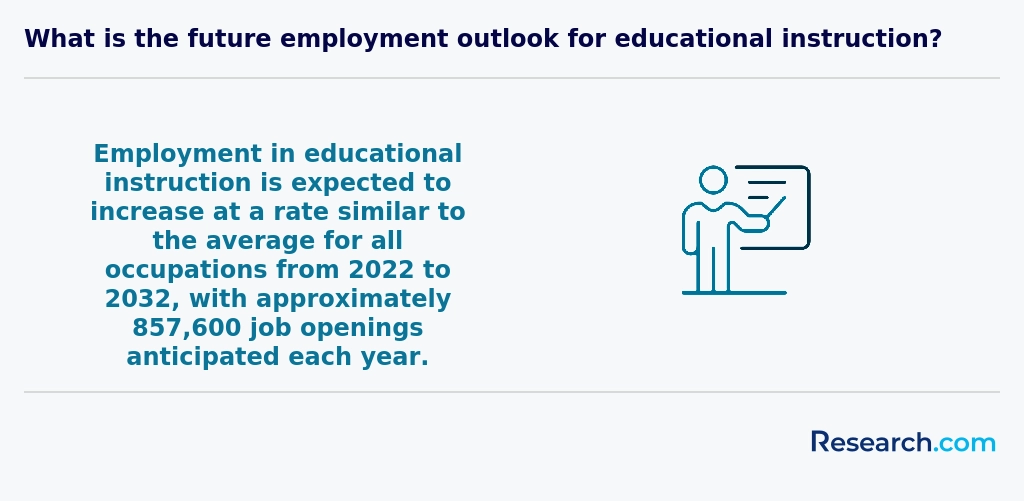
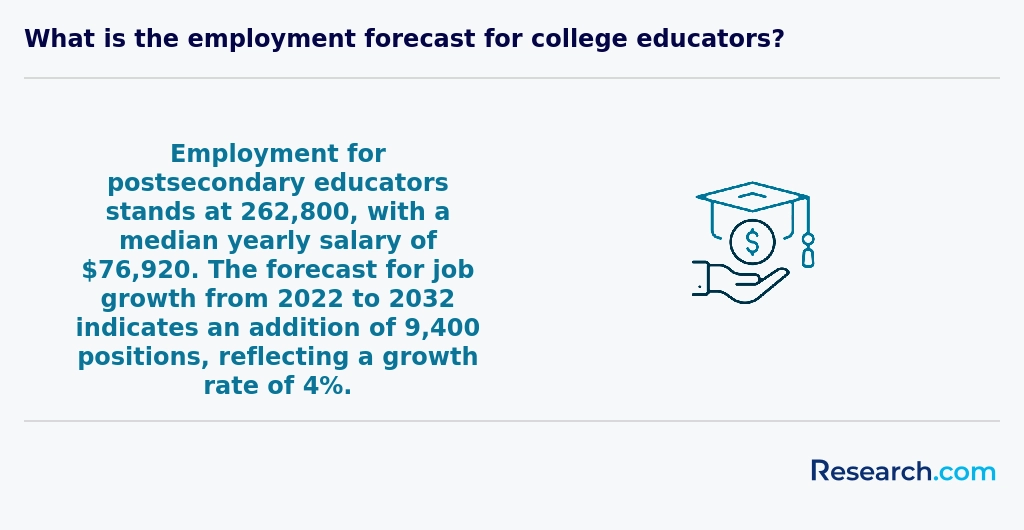
The education degree job outlook in Troy is buoyed by a 6% projected growth for teachers in the area, mirroring national trends but coupled with a cost of living that feels lighter on the wallet. Whether it's crafting curricula or guiding students through life's challenges, graduates feel the practical impact of their training amid Troy's network of public schools and institutions. For those curious about branching into administration or specialized roles, paths are accessible and promising, nurturing a varied career landscape.
Financial considerations and career ambitions often meet in balance here. Tuition rates at Troy University remain competitive, and scholarships tailored to education majors soften the financial stride. Enthusiastic students often explore roles beyond teaching, sometimes intersecting with university departments, even stepping into opportunities like a student affairs deputy chief, enriching the horizon of their professional journey.
2027 Most Valuable Education Degree Programs Ranking in Troy
Investing in your education is a significant decision that can shape your future, and the Research.com team understands the importance of making informed choices. To assist prospective students in Troy, we have meticulously crafted the "2027 Most Valuable Education Degree Programs Ranking in Troy." Our commitment to quality, credibility, and accuracy is reflected in the extensive research and analysis conducted to compile this ranking.
We utilized the following reputable data sources to ensure a comprehensive evaluation of education degree programs:
By exploring this ranking, readers will gain valuable insights into the most valuable education degree programs offered in Troy, empowering them to make well-informed decisions about their academic and professional futures. For more details on our methodology, please visit our Research.com methodology page.

Frequently Asked Questions About education
Education degree students in Troy can maximize their learning by actively engaging with local schools through practicum and student teaching opportunities. Troy is home to various K-12 institutions partnered with universities, allowing hands-on experience which is essential for effective teacher preparation. According to data from the National Center for Education Statistics, practical experience significantly improves job placement rates for graduates in the state of New York.
Students should also take advantage of campus resources like tutoring centers, educational technology labs, and workshops that address current teaching methods. Networking with faculty and peers is valuable, as collaboration fosters deeper understanding and professional growth.
Additionally, staying updated with state and district curriculum standards in New York helps students tailor their skills for local job markets. Many Troy programs emphasize these standards within their coursework and field experiences, enhancing employability post-graduation.
Emerging niches within the education field in Troy reflect broader national trends responding to changing societal needs and technology. One growing area is educational technology, where professionals design and implement digital tools to enhance learning. According to the National Center for Education Statistics, demand for education technology specialists is expected to grow over 15% by 2030.
Another expanding niche is special education with a focus on inclusive practices. Troy schools increasingly seek educators skilled in autism spectrum disorder and behavioral intervention strategies. Data from the Troy City School District shows a 10% rise in special education enrollment over the last five years.
Additionally, bilingual education remains vital in Troy due to its diverse population, presenting opportunities for educators proficient in both language instruction and cultural competency.
After earning an education degree in Troy, preparing for the job market requires both practical experience and strategic planning. Many graduates benefit from completing student teaching internships, which provide valuable classroom exposure and networking opportunities with local schools in Troy and the surrounding areas. According to the National Center for Education Statistics, hands-on experience significantly improves job prospects for new teachers in the U.S.
It's important to obtain necessary certifications, such as state licensure through the Alabama State Department of Education, which is required for public school teaching jobs. Additionally, attending job fairs and joining professional organizations like the Alabama Education Association can help graduates connect with employers. Developing strong resumes and practicing interview skills tailored to educational roles further enhances success in the job search.
Employers in Troy increasingly value education degree graduates who demonstrate strong communication skills, both verbal and written. Effective interaction with students, parents, and colleagues is essential for success in local schools, as highlighted by Troy City Schools' 2023 workforce report.
Classroom management abilities also rank highly. Graduates must create supportive learning environments and handle diverse student needs, reflecting trends noted in the Alabama State Department of Education's recent surveys.
Additionally, proficiency in educational technology is critical. The integration of digital tools in Troy classrooms requires educators to be adaptable and tech-savvy, according to data from local teacher training programs.
Finally, employers emphasize critical thinking and problem-solving skills, vital for shaping effective lesson plans and addressing classroom challenges in Troy's public and private school systems.
Finding internships in Troy relevant to an education degree involves leveraging local schools, community programs, and higher education institutions. Troy, New York, hosts several school districts like Troy City School District, which often offer internship opportunities for education majors seeking classroom experience. Local universities such as Rensselaer Polytechnic Institute and nearby Hudson Valley Community College may also provide partnerships or career services to connect students with internships.
The New York State Education Department supports fieldwork placements as part of teacher certification requirements, and many Troy-area schools participate in these programs. Additionally, organizations like the Capital Region BOCES offer cooperative education experiences that enhance practical skills for education students.
Students are encouraged to use networking events and job fairs organized by colleges to discover internship openings. According to the National Center for Education Statistics, internships increase employment chances by 25%, which is critical for aspiring educators in Troy's competitive job market.
Holding an education degree in Troy significantly enhances career mobility and advancement opportunities within the local school systems and educational organizations. According to the Alabama State Department of Education, candidates with bachelor's or higher degrees in education meet the requirements for state certification, which is essential to obtain teaching positions in Troy and surrounding areas.
Data from the Troy City Schools district indicates that educators with advanced degrees, such as a master's in education, often see a salary increase of 10-15% compared to those holding only a bachelor's degree. Additionally, these advanced qualifications open doors to leadership roles, including curriculum coordinators and school administrators.
Professional development and certification also influence promotion eligibility and job stability, shaping career paths positively. Higher education degrees thus provide both credibility and practical skills, critical for those seeking upward mobility in Troy's competitive education sector.
Studying for an education degree in Troy equips students with skills that are essential for interdisciplinary roles in the evolving U.S. education landscape. Many programs emphasize collaborative teaching methods, blending subjects such as technology, psychology, and special education to address diverse learner needs.
Troy-area institutions often incorporate practical experiences in local schools, fostering real-world application of cross-disciplinary approaches. According to the Alabama Commission on Higher Education, over 60% of education graduates from Troy-based programs engage in collaborative projects during their studies.
This training prepares graduates to work alongside professionals from various fields, including social work and counseling, enhancing their ability to support holistic student development. Such interdisciplinary readiness is crucial in today's integrative education environments.
When choosing between a thesis and a non-thesis education degree program in Troy, consideration of your career goals is key. A thesis program typically requires original research and may be more suitable for those seeking to enter doctoral studies or academic careers. Conversely, non-thesis programs focus on practical skills through coursework, often appealing to professionals aiming for leadership or administrative roles in education.
In Troy, many universities offer both options. Data from the National Center for Education Statistics (NCES) shows that approximately 60% of local education graduates prefer non-thesis paths for their quicker completion times and applied focus.
Financial and time commitments also differ. Thesis programs often take longer and may require additional resources for research. Reviewing program specifics at Troy-area institutions and aligning them with your professional needs ensures a more informed choice.
Students based in Troy who wish to study education abroad have several options primarily through exchange programs and partnerships facilitated by their home institutions. Troy University, a major local university, offers study abroad opportunities in countries like Spain, Italy, and the United Kingdom through its Office of International Affairs.
These programs often allow education majors to gain international teaching experience or complete coursework relevant to global education systems. Additionally, Troy University participates in the Council for International Educational Exchange, providing access to over 300 programs worldwide. According to Troy University's international studies data from 2023, nearly 5% of enrolled education students engaged in study abroad activities.
Students typically must plan a year or more in advance to meet eligibility, including language proficiency and academic standing. Financial aid and scholarships specific to education majors are also available to support these experiences. These opportunities enable immersion in diverse educational environments, enhancing professional development for future teachers.
Students pursuing education degrees in Troy have several part-time job opportunities that complement their academic training. Positions such as teacher assistants in local schools provide hands-on experience working directly with children and educators. Troy City School District offers such roles, allowing students to apply classroom theory to real-world teaching environments.
Additionally, tutoring jobs are widely available, especially in subjects like math, reading, and science. These jobs enhance instructional skills while reinforcing content knowledge. According to the Bureau of Labor Statistics, tutoring roles are expected to grow by 20% through 2030, reflecting increasing demand.
Working in after-school programs or community education centers also benefits education students by developing classroom management abilities. These roles often allow flexible hours, fitting well around course schedules in Troy's universities and colleges.
Education students in Troy benefit from a variety of networking opportunities that can enhance their academic and professional growth. Local universities such as Troy University offer education students access to clubs, workshops, and events designed to connect future teachers with experienced educators and school administrators. According to Troy University's official website, partnerships with nearby K-12 schools provide practical experience and mentorship programs.
Additionally, Troy's education students can join state and regional organizations like the Alabama Education Association, which hosts conferences and seminars where students can meet professionals and explore career pathways. These networking platforms are valuable for building connections that support job placement after graduation.
Alumni networks play a vital role for education degree students in Troy by providing valuable professional connections and mentorship opportunities. Graduates from local institutions such as Russell Sage College often remain engaged, helping current students navigate the job market. According to the National Association of Colleges and Employers, 85% of jobs are filled through networking, highlighting the importance of these connections.
In Troy, active alumni groups host workshops and career fairs tailored to educators, enhancing students' practical skills and employment prospects. Additionally, alumni can offer insights into regional school districts, aiding students in securing internships and licensure-required field experiences.
Customizing an education degree program in Troy allows students to align their studies with specific career goals. Many local colleges offer flexible coursework options such as choosing between early childhood, special education, or educational leadership tracks. According to the National Center for Education Statistics, 68% of students in Troy institutions tailor their electives to match job aspirations.
Students can also engage in internships or practicum experiences in nearby school districts, gaining practical skills while networking locally. Additionally, Troy schools often provide opportunities to incorporate technology training or bilingual education certifications to enhance employability.
By selecting specialized courses and hands-on training, aspiring educators in Troy can build a personalized path that supports their professional ambitions efficiently.
Education students in Troy often face a mix of academic and practical challenges. Many struggle with balancing coursework and field experiences, such as student teaching placements, which require significant time and commitment. According to the National Center for Education Statistics, effective hands-on experience is crucial, yet coordinating these placements in local schools can be difficult due to limited availability.
Additionally, some students report challenges with mastering diverse instructional strategies needed to work with Troy's increasingly varied student population. This includes adapting lessons for students with different backgrounds and learning needs, which is emphasized in Troy's teacher preparation programs.
Financial strain is another concern, as tuition costs and living expenses in Troy can be burdensome without adequate scholarships or financial aid. Data from the U.S. Department of Education show that student loan debt impacts many education majors nationwide, and Troy is no exception.
With an education degree in Troy, students can pursue various professional certifications to enhance their careers. One common path is obtaining state teaching certification, which is required for public school teachers in New York. Troy is part of the New York State Education Department jurisdiction, so candidates must meet its standards for licensing.
Additionally, educators may seek certification in special education, literacy, or bilingual education to address specific student needs. For instance, Troy's schools often value certifications in English as a Second Language (ESL) due to the city's diverse population.
Other options include administrative certifications for those aiming to become principals or school supervisors. These certifications require additional coursework and exams but expand career opportunities beyond classroom teaching.
When applying for an education degree program in Troy, start by carefully reviewing the specific requirements of each institution. Many local universities emphasize a strong academic record, particularly in relevant subjects like English and social sciences. Troy University, for example, values a minimum GPA of 2.5 for admission into its teacher education programs, according to their admissions page.
Highlight your practical experience and passion for teaching. Including volunteer work or classroom observation can strengthen your application. Additionally, well-crafted personal statements that clearly outline your goals and commitment to education stand out.
Standardized test scores, such as the ACT or SAT, may still play a role depending on the program. Finally, requesting strong letters of recommendation from educators or employers familiar with your dedication is essential to make your application competitive.
Globally, education careers are increasingly valued for their role in shaping societies and economies. In the U.S., teaching remains a stable profession with growing demand; the Bureau of Labor Statistics projects a 5% growth in education jobs through 2031. For students in Troy, New York, pursuing an education degree aligns with this trend, as local schools seek qualified educators due to regional enrollment increases reported by the New York State Education Department.
Internationally, education careers often require advanced degrees and emphasize multicultural competence, reflecting diverse classroom environments. U.S. programs, including those in Troy, incorporate these global perspectives by training teachers in inclusive practices and technology integration.
Understanding these global and local dynamics helps prospective students appreciate how an education degree can open doors both within and beyond the U.S.
Gaining practical experience while studying for an education degree in Troy is essential for building teaching skills and improving job prospects. Many Troy-based colleges integrate student teaching placements in local schools, allowing students to apply theory in real classrooms under supervision.
Additionally, internships and volunteer opportunities in surrounding districts provide exposure to diverse educational environments. Programs often require at least one semester of fieldwork, which research from the National Center for Education Statistics confirms significantly enhances graduate readiness.
Workshops and tutoring programs on campus also offer hands-on experience. Troy's community connections ensure students gain practical skills alongside academic learning, helping meet state certification standards.
Choosing the right concentration within an education degree program in Troy involves understanding local workforce demands and your career goals. Troy's schools often seek teachers with specializations in STEM fields, special education, and early childhood education, reflecting trends reported by the Alabama State Department of Education.
Research local job openings and speak with academic advisors who understand Troy's education landscape. Concentrations such as special education can offer strong job prospects, with over 10% growth expected nationally through 2030, according to the U.S. Bureau of Labor Statistics.
Consider your interests in working with specific age groups or subjects. Aligning your concentration with Troy's district needs and certification requirements will improve your employability in the region.
- 2027 Most Valuable Education Degree Programs Ranking in Bronx
- 2027 Most Valuable Education Degree Programs Ranking in Providence
- 2027 Most Valuable Education Degree Programs Ranking in Queens
- 2027 Most Valuable Education Degree Programs Ranking in Wilkes-Barre
- 2027 Most Valuable Education Degree Programs Ranking in Buffalo
- 2027 Most Valuable Education Degree Programs Ranking in Dover
- 2027 Most Valuable Education Degree Programs Ranking in Washington
- 2027 Most Valuable Education Degree Programs Ranking in Erie
- 2027 Most Valuable Education Degree Programs Ranking in Pittsburgh
- 2027 Most Valuable Education Degree Programs Ranking in Cleveland
See What Experts Have To Say About Studying Education
Read our interview with Education experts

Alan J. Singer
Education Expert
Professor of Teaching, Learning and Technology
Hofstra University

Nooshan Ashtari
Education Expert
Professor & Book Author
University of Southern California

- How to Write a Great Letter of Intent for a Teaching Job | Zen Educate https://www.zeneducate.com/us/resources/becoming-a-teacher/how-to-write-letter-of-intent-teaching-job/
- Teacher of Global Perspectives (IGCSE) https://www.scie.com.cn/jobs-global-perspectives/
- Benefits of Networking for Students https://www.melioeducation.com/blog/benefits-of-networking-for-students/
- 10 Reasons Why Education Helps to Advance Your Career - Insight Training https://insight.edu.au/blog/career-advancement-through-education/
- Education Cover Letter: 6 Steps to Write a Job-Winning One [+Example & Template] | Cake https://www.cake.me/resources/cover-letter/education-cover-letter
- The Pros and Cons of Online Learning vs. Traditional Education https://www.sophia.org/blog/higher-education/pros-cons-online-learning-vs-traditional-education/
- Teaching Job Roles | Teach For Life https://www.teachforlife.com/teachingjobs/global-perspectives-teacher
- Skills Employers Look for in Business Graduates – EU Business School https://www.euruni.edu/blog/skills-employers-look-for-in-business-graduates/
- Education Study Abroad Programs | Go Overseas https://www.gooverseas.com/study-abroad/education
- How To Write A Great Cover Letter For Teacher Training - Engage Education https://engage-education.com/blog/how-to-write-a-great-cover-letter-for-teacher-training/