2027 Most Affordable Education Degree Programs Ranking in Eugene

Co-Founder and Chief Data Scientist
Choosing the right education degree program in Eugene can be overwhelming. To make this easier, the article presents the 2027 Most Affordable Education Degree Programs Ranking in Eugene, developed by the Research.com team of data scientists. This ranking helps you identify quality programs that offer great value without breaking the bank.
By exploring these options, you can confidently invest in your future career and personal growth. Pursuing an education degree opens doors to meaningful opportunities and community impact. This guide is designed to support your informed decision-making journey.
Key benefits of getting education degree in Eugene
- Graduates with an education degree in Eugene can expect rewarding salaries, such as $76,000 for Special Education Teachers and $77,200 for Instructional Designers, reflecting strong financial potential in diverse educational roles.
- Eugene's education degree holders often explore careers from classroom teaching to curriculum development, benefiting from opportunities provided by local universities like the University of Oregon, known for its supportive graduate community.
- Completing an education degree online in Eugene offers flexibility and convenience, allowing graduates to balance work and study while gaining practical skills applicable in real-world classrooms.
- 2027 Most Affordable Education Degree Programs Ranking in Eugene
- What can I expect from education degree in Eugene?
- Where can I work with education degree in Eugene?
What can I expect from education degree in Eugene?
The average cost of pursuing an education degree in Eugene mainly centers around the University of Oregon, where in-state tuition for undergraduate education majors was approximately $14,000 per academic year for 2023-2024. This makes it an affordable choice for Oregon residents compared to many private institutions. Graduates often highlight how this reasonable cost, combined with the hands-on learning experiences at UO, makes their investment feel worthwhile.
Graduate tuition varies depending on the program, but it remains competitive nationally. Many students appreciate how their fees translate into practical benefits, like student teaching placements in local schools supported by partnerships between UO and Eugene School Districts. These internships boost confidence by giving real-world experience before graduation, making the cost feel like a smart investment in a future career.
For many education students in Eugene, managing tuition costs while gaining valuable teaching skills creates a balanced, positive journey toward licensure and employment, enhancing both financial and professional outcomes.
Where can I work with education degree in Eugene?
Education graduates from institutions like the University of Oregon often find rewarding careers as teachers in Eugene's public and private schools, benefiting from strong local demand forecasted to grow by 8% over the next decade. Many enjoy the stability and community connection that teaching in Lane County offers, with opportunities across elementary to high school levels.
Others leverage their degrees in early childhood centers or daycare facilities, crafting engaging curricula that support young children's growth-a path praised by many graduates for its direct impact on families. Some alumni choose to work in community colleges or adult education programs, helping adults prepare for GEDs or vocational careers, reflecting the city's commitment to accessible lifelong learning.
Administrative roles such as academic advising and school counseling provide fulfilling careers for those drawn to student support, with competitive salaries reported locally. Alumni have also found meaningful positions within nonprofits and educational technology startups in Eugene's vibrant community, blending education expertise with innovation and policy work.
Graduates with education degrees from institutions like the University of Oregon in Eugene often find starting salaries around $41,410 as early childhood educators, giving them a solid foundation in the field. Those who specialize can expect higher earnings-with ESL teachers earning about $65,430 annually and instructional designers reaching $77,200.
Elementary school teachers enjoy a competitive mean annual wage of $70,740 locally, reflecting Eugene's investment in education. Special education teachers earn even more, around $76,000, thanks to the demand for specialized skills. These figures align with the experiences of recent graduates who have leveraged local district salary schedules that reward additional certifications and years of service.
Many Eugene graduates report that combining hands-on experience with advanced credentials opens doors to higher-paying roles. By focusing on in-demand areas and building strong community connections, education alumni turn their degrees into rewarding careers that not only inspire students but also provide financial stability.
- The University of Oregon is the main institution offering education degrees in Eugene, with resident undergraduate tuition around $13,000 per year for 2023-2024.
- Non-resident undergraduate tuition exceeds $40,000 annually, while graduate education programs typically cost between $15,000 and $25,000 per year.
- Starting salaries for education graduates in Eugene average about $50,000 per year, increasing to $60,000-$65,000 with five years of experience.
- The local job market is stable with demand in K-12 and early childhood programs, though competition is higher for specialized roles like special education or administration.
- Teaching licensure in Oregon requires completing an approved program, passing state exams, and ongoing education, with local schools offering programs aligned to these standards.
In Eugene, completing a bachelor's degree in education typically takes about four years of full-time study. Graduates from universities like the University of Oregon often mention how structured coursework combined with hands-on student teaching made the time feel rewarding and well-organized. These programs usually require around 120 to 130 credit hours, balancing general education with specialized classes focused on teaching skills.
For those pursuing a master's degree in education to boost their credentials, the duration is generally 1.5 to 2 years full-time. Many working professionals appreciate part-time options offered by Eugene's institutions, which allow them to advance gradually without sacrificing income or family time. This flexible pacing helps maintain motivation and manage life's demands effectively.
Doctoral degrees, such as EdDs or PhDs, take longer-typically 3 to 6 years depending on pace and program focus. Graduates recall how the combination of research, policy study, and dissertation work felt challenging but deeply fulfilling, especially in programs tailored for advanced leadership roles in Eugene's education community.
Investing in an Education degree in Eugene, OR, can yield significant long-term benefits when compared to program costs. On average, in-state students pay approximately $27,146 per year, while out-of-state tuition can reach $45,708 annually. With a median starting salary of $61,250 for K-12 teachers and up to $73,080 for instructional designers, graduates often recoup their investment within 3–4 years. Key metrics to consider:
- Total cost of attendance (tuition, fees, room & board): $108,584 (in-state) vs. $182,832 (out-of-state)
- Average annual salary: $63,130 (ESL teachers), $73,080 (Instructional Designers)
- Estimated payback period: 2–3 years for in-state students, 3–4 years for out-of-state Beyond salary, return on investment also factors in non-monetary gains:
- Enhanced job stability in a field with projected 10% growth (2020–2030)
- Access to loan forgiveness programs for teachers in high-need schools
- Career advancement into leadership roles that command higher wages For students comparing affordability across regions, see our Cheapest Online Education Degree Programs Ranking in Indiana to benchmark costs and outcomes.
Choosing between online and on-campus education degrees in Eugene comes down to your lifestyle and learning preferences. On-campus programs, like those at the University of Oregon, offer hands-on teaching practice in local schools and face-to-face mentorship, which many graduates value for building confidence and connections. Imagine attending lively study groups in campus libraries and having immediate access to professors to clarify doubts, creating a sense of community and motivation.
Online education degrees provide flexibility that suits working professionals or those with family duties. Graduates often appreciate being able to complete lectures and assignments on their own schedule, avoiding commuting and on-campus fees. However, fieldwork remains essential in both formats-online students arrange practicums nearby, but may need to be proactive in finding placements.
Cost is a big consideration: University of Oregon's online tuition is similar to on-campus rates, but savings on housing and travel can ease your budget. Reflect on your daily routine and learning style to pick the format that makes education feel achievable and engaging in Eugene.
To find the most affordable education options in Oregon, prospective students can explore various institutions and programs, considering factors such as tuition costs, financial aid, and specializations. For those interested in affordable education, researching schools that offer competitive pricing without compromising on quality is crucial. Checking out most affordable education schools in Oregon can provide valuable insights into affordable education pathways, enabling students to make informed decisions about their academic pursuits. By evaluating these factors and exploring different options, students can identify programs that align with their financial situation and career aspirations, ultimately leading to a fulfilling and affordable educational experience in Oregon.
The average cost of an education degree in Eugene varies significantly depending on residency and the institution attended. For in-state students pursuing education at the University of Oregon, graduates report a median total cost of about $16,137 for the entire degree. Out-of-state students face a higher median total cost, around $58,734. These figures include tuition, fees, and living expenses, which local students find manageable especially when balancing part-time work or scholarships.
Many students appreciate Eugene's community colleges as affordable starting points, offering coursework priced between $4,000 and $6,000 annually for in-district students. These programs provide a practical stepping stone toward a full education degree, helping reduce overall expenses. Graduates often highlight how beginning at a community college eased their financial burden and boosted confidence before transferring.
Considering affordable education degree programs Eugene 2027, institutions also provide varied financial aid options. About 85% of undergraduates nationwide receive some form of assistance, which local students actively pursue. This support can significantly lower out-of-pocket costs, making an education degree more accessible and less stressful financially.
Students aiming to understand the full landscape of expenses are encouraged to explore resources linking to the most affordable education schools in Oregon. Graduates share that being informed about total costs and aid opportunities early in their academic journey creates a positive and confident outlook on completing their degrees.
Navigating an education degree in Eugene, OR, requires strategic planning and proactive involvement both inside and outside the classroom. Experts recommend building strong networks by joining local education associations and seeking mentorship from experienced professionals. Emphasize integrating technology into your learning, as digital skills are increasingly essential in modern classrooms. Balancing coursework with field experience is key; consider dedicating time to extracurricular projects, volunteer work, or tutoring, which can enrich your resume and deepen your practical understanding. Additionally, leveraging available resources-such as workshops, academic advising, and career counseling-can make a significant difference in your academic journey and future career success. For graduate-level opportunities and enhanced career prospects, exploring education masters can provide you with specialized skills and a competitive edge in the evolving education landscape. Adopting these expert strategies will help you maximize your educational investment and pave the way for a fulfilling career in education.
Education students in Eugene often rely on a combination of federal, state, and local financial aid to make their studies affordable. Many start by completing the FAFSA to access Pell Grants and low-interest Direct Loans, which ease the cost burden at public institutions like the University of Oregon.
Oregon residents benefit from the Oregon Opportunity Grant, reducing tuition expenses significantly for in-state education majors. Graduates share how this state aid made it possible to focus more on classroom learning than worrying about bills.
Locally, scholarships and assistantships offered by universities and colleges in Eugene provide vital support. Students pursuing graduate degrees frequently find teaching assistantships that award stipends or tuition waivers in exchange for helping with research or classes, allowing them real-world experience alongside financial relief.
Private scholarships via organizations such as the Oregon Teachers Foundation also play a key role, especially for those committed to teaching in high-need areas. Many combine these aids with part-time work or work-study, which helps manage living costs without accumulating excessive debt.
Evaluating the return on investment (ROI) of an education degree in Eugene, OR, is essential for balancing upfront costs against long-term earning potential and career satisfaction. By comparing tuition, fees, living expenses, and projected salaries, students can identify programs that deliver the greatest value. Average Annual Costs vs. Earnings • In-State Public Universities: ~$27,146 total cost of attendance, with graduates earning a mean ESL teacher salary of $63,130. • Out-of-State Public Universities: ~$45,708 total cost, offset by higher starting salaries in specialized roles (e.g., Instructional Designer at $73,080). • Private Institutions: ~$58,628 total cost, balanced by access to niche specializations and strong alumni networks. Break-Even Point • ESL Teachers: Typically recoup in-state costs within 2–3 years, assuming full-time employment at $30.35/hour. • Instructional Designers: ROI achieved in under 2 years due to higher mean wages ($35.14/hour). • Early Childhood Educators: Longer break-even period of 3–4 years, reflecting lower starting salaries ($18.58/hour). Factors Influencing ROI • Program Length: Shorter master’s or certification pathways reduce total costs and accelerate earning power. • Specializations: High-demand areas such as Special Education or Technology Integration often command premium salaries. • Financial Aid: Leveraging grants (e.g., Oregon Opportunity Grant) and scholarships can cut years off your break-even timeline. • Online vs. On-Campus: Online programs may lower living expenses; for cost comparisons beyond Eugene, review the Cheapest Online Education Degree Programs Ranking in Indiana. Maximizing ROI Strategies 1. Select accelerated or concurrent enrollment options to reduce tuition per credit hour. 2. Seek paid student-teaching placements or assistantships that offer stipends. 3. Target high-need subjects (e.g., STEM, ESL) to qualify for additional state incentives or TEACH Grants. 4. Invest in professional development certifications (e.g., educational technology tools) to increase marketability. By conducting a detailed ROI analysis, prospective students can prioritize programs that align with both their budget constraints and their long-term career ambitions in Eugene’s dynamic educational landscape.
To enroll in an education degree program in Eugene, start by ensuring you meet the core academic prerequisites. For undergraduate admission, having a high school diploma or equivalent is essential, along with submitting your transcripts as proof. Many students who have successfully entered programs at the University of Oregon shared that demonstrating readiness through SAT or ACT scores-when required-helped streamline their applications, though some schools in the area now offer test-optional options.
Graduate applicants typically need a bachelor's degree from an accredited institution. Graduates often note that including relevant coursework or experience in teaching boosts their chances, especially if they articulate this clearly in their personal statement and secure strong letters of recommendation.
Those pursuing teaching credentials in Eugene should familiarize themselves with Oregon's Teacher Standards and Practices Commission requirements. Completing a state-approved preparation program and passing licensure exams are necessary steps, as many graduates found these aligned well with the University of Oregon's supportive advising system.
Additionally, preparing for prerequisite coursework in areas like literacy or child psychology can ease your transition into advanced studies and hands-on fieldwork. Students who tackled these courses early often felt more confident facing real classroom challenges during their practicum experiences.

As you explore cost-effective paths to your teaching career, expanding your search beyond Eugene can reveal exceptional online options that blend affordability with accredited quality. Many working professionals value the flexibility of online formats, which allow you to complete coursework around existing commitments while accessing diverse resources. To compare pricing, curriculum, and student outcomes, you might also review the Cheapest Online Education Degree Programs Ranking in Indiana, where programs consistently balance low tuition with strong graduate support. Key advantages of exploring online alternatives: • Lower Overhead Costs: Online programs often eliminate campus fees and reduce living expenses. • Flexible Scheduling: Self-paced modules and evening webinars enable you to manage work, family, and study. • Broader Networking: Virtual cohorts connect you with peers and faculty nationwide, enriching your professional network. • Accelerated Tracks: Some online degrees offer accelerated semesters or competency-based assessments to shorten time to graduation. When evaluating these programs, confirm regional or national accreditation, review licensure preparation, and examine job placement rates. By considering both local and online offerings, you can secure an education degree that aligns with your budget and career ambitions.
Education degrees in Eugene typically include a blend of foundational and specialized courses that prepare you for real classroom challenges. Graduates often mention how taking Educational Psychology helped them understand student behavior, making lesson planning more effective. Hands-on courses like Practicum or Student Teaching at local schools provide invaluable experience, turning theory into practice before graduation.
In Eugene's programs, such as those at the University of Oregon, classes like Classroom Management teach strategies to maintain positive, productive learning environments. Students appreciate learning Curriculum Development to tailor lessons for diverse classrooms, ensuring every student can engage fully. Incorporating Instructional Technology equips future teachers to use digital tools confidently, a must-have skill in today's schools.
Many also highlight courses on Assessment and Evaluation which develop skills to measure and track student progress effectively. Special Education classes prepare students to support learners with disabilities, reflecting Eugene's inclusive education values. These courses align with Oregon's certification requirements, ensuring you're ready to meet real-world demands.
Education degree specializations in Eugene cover a broad spectrum tailored to diverse career paths. Graduates from the University of Oregon often share how pursuing Elementary Education helped them build strong foundations for teaching K-6, while others found Secondary Education ideal for focusing on middle and high school subjects like math or science. Special Education remains a vital specialization, especially as demand grows for educators trained to support students with diverse learning needs. Those passionate about early years choose Early Childhood Education to work with children up to age eight, creating lasting impacts during formative stages. For students aiming to lead, Educational Leadership and Administration paves the way toward roles as principals or district administrators.
Many appreciate Eugene's affordable teaching degree options, as exemplified by UO's graduate tuition rates that are below national averages. Licensure pathways often align directly with specializations, streamlining the journey to certification. Students frequently explore further careers through education masters programs that enhance expertise and job prospects locally or beyond.
Choosing the best affordable education degree programs Eugene offers starts by identifying your career goals, such as whether you want to teach early childhood, K-12, or pursue educational leadership. Graduates from local institutions often share how programs in Eugene emphasize practical student teaching in nearby schools, which builds confidence and real-world skills.
Next, consider the cost and value in Eugene, where tuition is generally lower than national averages. Public universities here maintain quality while keeping expenses manageable. Many students find scholarships and financial aid essential-they recommend thoroughly researching these options to reduce debt.
Accreditation is crucial; programs recognized by the Oregon Teacher Standards and Practices Commission ensure smooth licensure. Alumni mention the support available from experienced faculty in Eugene's programs, which can make a big difference in exam preparation and career readiness.
For working professionals, check if part-time or evening classes are offered. To compare costs and options, you might want to view the Cheapest Online Education Degree Programs Ranking in Indiana, which, while Indiana-focused, can provide useful insights into affordable educational pathways.
Graduates with an education degree in Eugene find diverse career paths beyond traditional teaching roles. Many start as teachers in local schools within the Eugene School District 4J, serving elementary to high school levels. These teaching job opportunities Eugene Oregon offer a strong foundation and community connection, with graduates often sharing rewarding experiences working hands-on with students.
Others leverage their education backgrounds into roles like school counseling or educational administration, which require additional certifications but provide deeper involvement in student welfare and school leadership. Graduates from popular programs at the University of Oregon often highlight how practical training and strong district partnerships eased their transition into these positions.
For those interested in alternative careers, options include curriculum development, educational consulting, or corporate training, applying skills learned in Eugene's programs to broader education and organizational contexts. Some pursue roles in nonprofits focused on youth outreach, making tangible impacts in the community. Exploring 6 month certificate programs that pay well online can also supplement skill sets and improve employment prospects in these areas.
Whichever path graduates choose, Eugene's education degree careers present stable, fulfilling opportunities that help shape the region's future educators and leaders.
The job market for education degree graduates in Eugene remains steady, supported by consistent demand in K-12 public schools within Eugene School District 4J and nearby districts. Students completing their education degree at popular local institutions often find rewarding roles as teachers, especially in special education, bilingual education, and STEM subjects where demand is rising. Many graduates describe the rewarding experience of impacting local classrooms while earning median salaries between $50,000 and $70,000, which align well with state averages.
Additionally, Eugene's proximity to the University of Oregon offers graduates opportunities in higher education and administrative roles, ideal for those pursuing advanced degrees. For students concerned with affordability, local public universities provide competitive tuition rates, easing the financial burden of their studies.
To maximize job prospects, education degree candidates should focus on gaining practical experience through local school partnerships and consider programs emphasizing in-demand skills. Those exploring flexible learning options can also consider an open enrollment online college to balance education with work or personal commitments. Understanding Eugene teaching careers market outlook allows graduates to strategically plan their pathways in education.
2027 Most Affordable Education Degree Programs Ranking in Eugene
Investing in your education is a significant decision that can shape your future, and the Research.com team understands the importance of making informed choices. To assist prospective students in Eugene, we have meticulously crafted the "2027 Most Affordable Education Degree Programs Ranking in Eugene." Our commitment to quality, credibility, and accuracy is reflected in the extensive research and analysis conducted to compile this ranking.
We utilized the following reputable data sources to ensure a comprehensive evaluation of education degree programs:
By exploring this ranking, readers will gain valuable insights into the most affordable education degree programs available in Eugene, enabling them to make well-informed decisions about their academic pursuits. For more details on our methodology, please visit our Research.com methodology page.


Frequently Asked Questions About education
Education degree students in Eugene can maximize their learning experience by actively engaging with both academic and practical opportunities available locally. The University of Oregon, a leading institution in Eugene, offers extensive hands-on teaching experiences through partnerships with local K-12 schools, allowing students to apply theory in real classrooms.
Participating in professional development workshops and joining student organizations related to education can deepen understanding and build networks.
Research indicates that students who complete at least 100 hours of supervised fieldwork tend to perform better in certification exams, according to recent data published by the Oregon Department of Education.
Leveraging community resources such as the Eugene Education Foundation can also provide valuable insights into current educational challenges and innovations within the region.
The education field in Eugene is expanding to include several emerging niches that reflect broader trends in U.S. education. One notable area is educational technology, where professionals develop tools and curricula that integrate digital learning. Programs in Eugene increasingly offer specializations in this field to meet the rising demand for tech-savvy educators.
Another growing niche is special education with a focus on inclusion and behavioral support. Eugene's public schools, reflecting national trends, require teachers trained to support diverse learners, making this degree option highly valuable.
Environmental education is also gaining prominence due to the Pacific Northwest's strong emphasis on sustainability, with Eugene institutions encouraging studies that combine education and environmental sciences.
According to the Oregon Employment Department, jobs in these specialized areas are expected to grow faster than average through 2030, highlighting their potential for future educators in Eugene.
Graduates with an education degree in Eugene should start preparing early for the job market by gaining practical experience. Many local schools offer student teaching placements or internships that provide valuable classroom exposure, which is crucial for building a strong resume.
Networking within Eugene's educational community is also important. Joining local chapters of professional organizations such as the Oregon Education Association can create opportunities for mentorship and job leads.
According to the Oregon Employment Department, the demand for teachers in Eugene is expected to grow moderately through 2028, emphasizing the need for skilled candidates ready to meet evolving educational challenges.
Additionally, certification requirements must be met promptly. Completing the Oregon Teacher Standards and Practices Commission (TSPC) licensure process is essential before seeking full-time teaching roles.
Employers in Eugene value education degree graduates who demonstrate strong classroom management skills. According to the Oregon Employment Department, teachers with effective behavior management strategies tend to have higher retention rates in the region's schools.
Communication skills are also essential. Graduates must be able to clearly convey concepts to diverse student populations, including those with special needs, which is critical in Eugene's inclusive school environments.
Critical thinking and adaptability rank highly as well. With ongoing curriculum changes and technological integration, educators who can adjust and innovate are sought after. Data from the Eugene School District highlights a 15% increase in demand for tech-savvy teachers over the last five years.
Finding internships in Eugene relevant to an education degree involves leveraging local school districts and higher education institutions. The Eugene School District 4J often offers internship and practicum opportunities for education students, which can provide hands-on classroom experience. Additionally, the University of Oregon, located in Eugene, partners with community schools to facilitate student teaching and internships in education.
Students are encouraged to visit university career centers and use platforms like Handshake, which connect students to local education internships. According to the Oregon Employment Department, education-related internships contribute significantly to practical skills for 75% of teacher licensure candidates in the region.
Networking through local education conferences and organizations such as the Oregon Education Association may also provide valuable internship leads.
In Eugene, obtaining an education degree significantly enhances career mobility within the local school districts, which prioritize certified educators for teaching and administrative roles. According to the Oregon Department of Education, individuals with a bachelor's or master's in education tend to advance faster, often moving from classroom teaching positions to leadership roles such as curriculum specialists or principals.
Salary scales in Eugene public schools are structured to reward higher qualifications, with licensed teachers earning approximately 10-20% more than uncertified staff. Moreover, ongoing professional development tied to education degrees supports educators in meeting state requirements and improving promotion prospects.
Data from Lane Community College highlights that many graduates find employment within a year, reflecting strong local demand for qualified educators. Thus, pursuing an education degree in Eugene directly supports upward career mobility in an evolving educational landscape.
Studying for an education degree in Eugene offers a strong foundation for interdisciplinary roles by integrating diverse fields such as psychology, sociology, and technology. Local universities emphasize collaborative learning, encouraging students to engage with various disciplines to enhance teaching strategies and problem-solving skills.
Programs in Eugene often include practical experience in diverse educational settings, preparing graduates to work effectively across different student populations and community contexts. According to the Oregon University System, 65% of education graduates find employment in roles that require multidisciplinary approaches.
This multidimensional training equips students to adapt to evolving educational environments, making them valuable in roles that bridge curriculum development, counseling, and educational policy.
Choosing between a thesis and a non-thesis education degree program in Eugene depends on your academic and career goals. Thesis programs typically involve original research and are ideal for those considering doctoral studies or research-based careers. Non-thesis options usually focus on coursework and practical applications, fitting professionals aiming for immediate classroom or administrative roles.
In Eugene, universities like the University of Oregon offer both formats, with thesis programs requiring a capstone project and non-thesis programs emphasizing internships or comprehensive exams. According to Oregon's Higher Education Coordinating Commission, about 40% of graduate education students choose non-thesis options for faster completion.
Consider your interest in research, time commitment, and future plans when deciding between these tracks.
Students based in Eugene who wish to study education abroad have several pathways through US higher education institutions. The University of Oregon, a key local university, offers study abroad programs in partnership with various international universities, allowing education majors to gain global experience while earning credit.
Additionally, federal programs like the Gilman Scholarship provide financial support for undergraduates pursuing international studies, which can include education degrees or related fields. Eugene students may also explore exchange programs through organizations such as IES Abroad or CIEE, which have multiple options for education studies worldwide.
These programs enable Eugene students to experience diverse educational systems, enriching their professional outlook. According to the Institute of International Education, nearly 10,000 US students studied education-related fields abroad in 2022, reflecting growing interest in global perspectives.
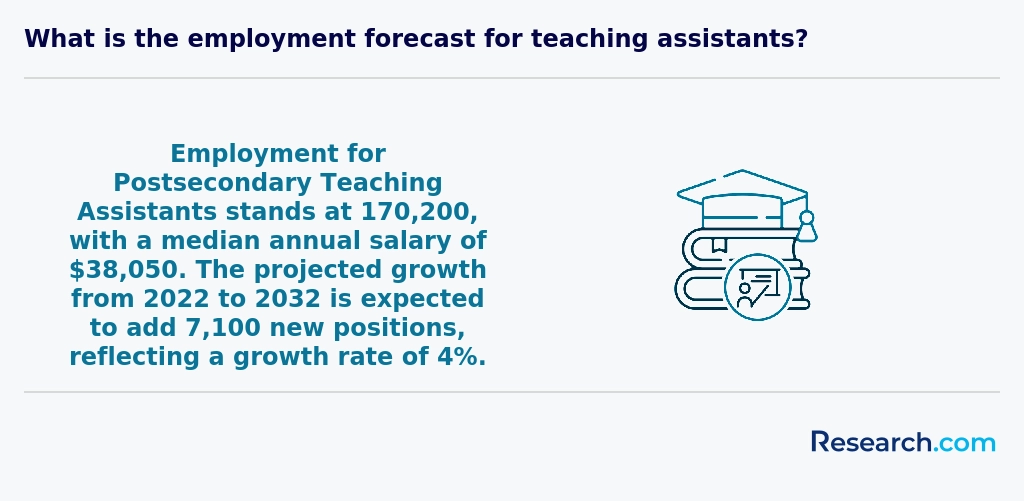
Students pursuing education degrees in Eugene have access to various part-time job opportunities that support both their academic and career development. Working as teacher assistants in local schools allows hands-on experience with classroom management and lesson planning. The Eugene School District often posts openings, providing practical insights into the education system.
Additionally, tutoring positions either privately or through centers like the YMCA offer flexible schedules and strengthen instructional skills. According to Oregon Employment Department data from 2023, educational support roles in Eugene show steady growth, with an average hourly wage of $15-$18.
Libraries and after-school programs also hire education majors for roles that complement course learning and foster community engagement in the Eugene area.
Education students in Eugene benefit from robust networking opportunities linked to the University of Oregon, the city's primary higher education institution. The university's College of Education hosts regular events, workshops, and speaker series connecting students with local educators and school administrators. According to the university's website, these activities offer over 50 annual networking events tailored specifically to education students.
Local school districts, such as Eugene School District 4J, often collaborate with higher education programs to provide internships and student teaching positions, enabling direct professional connections. Additionally, education students can join professional organizations like the Oregon Education Association, which holds regional conferences and gatherings in Eugene.
These structured opportunities play a crucial role in helping students develop practical skills and professional contacts, which are valuable when entering Oregon's competitive education job market.
Alumni networks offer significant benefits to education degree students in Eugene by providing access to experienced professionals and local job opportunities. These networks often facilitate mentoring programs, helping current students navigate certification processes and classroom challenges. According to the University of Oregon's Career Center, over 70% of graduates found employment through alumni connections within six months of graduation. In Eugene's education sector, which emphasizes community and collaboration, such networks can be essential for internships and gaining practical experience. Networking events and online platforms maintained by schools also enable ongoing professional development and resource sharing among education graduates.
Education degree programs in Eugene offer significant flexibility, allowing students to tailor their studies to specific career objectives. Many local institutions provide diverse specializations, such as curriculum development, special education, or educational leadership. Students can often choose electives that align with their interests, enhancing expertise in niche areas.
Additionally, Eugene schools frequently support practicum experiences in local schools, giving practical skills that directly relate to career goals. Oregon's Teacher Standards and Practices Commission (TSPC) also influences programs, ensuring they meet licensure requirements. This alignment helps ensure customized learning pathways remain professionally relevant.
Some programs offer evening or online courses, accommodating working professionals aiming to advance their education without interrupting their careers. Finally, academic advisors in Eugene institutions assist in mapping degree plans to individual ambitions, supporting both certification and non-certification tracks suitable for various roles in education.
Education students in Eugene often face several common challenges during their studies. One significant obstacle is balancing rigorous academic coursework with practical field experiences, such as student teaching placements in local schools. These placements require time management skills and adaptability to diverse classroom settings.
Financial constraints also affect many students. According to the Oregon Office of Student Access and Completion, nearly 60% of education majors in the state report concerns about tuition and living expenses, which can be especially impactful in Eugene's competitive housing market.
Additionally, keeping up with evolving educational technologies and state-mandated teaching standards demands continuous effort. Students must integrate theory with hands-on practice while meeting Oregon's licensure requirements, which can be challenging without strong institutional support.
With an education degree, especially in Eugene, you can pursue several professional certifications that enhance your career prospects. Most commonly, graduates apply for a teaching license through the Oregon Teacher Standards and Practices Commission (TSPC). This certification allows you to teach in public K-12 schools across Oregon.
Additionally, there are certifications in special education, ESL (English as a Second Language), and administration. For example, many degree holders pursue endorsements in special education or reading instruction to meet specific student needs.
Some professionals also seek National Board Certification to demonstrate advanced teaching skills, which can lead to higher pay in Eugene school districts according to local education reports.
To write a winning application for an education program in Eugene, it is essential to start with thorough research on the institutions available, such as the University of Oregon, which is renowned for its strong education department. Clearly articulate your career goals and how the program aligns with them. Include relevant experience, such as volunteer work or teaching assistant roles, to demonstrate commitment to education.
Strong letters of recommendation are important; educators or professionals familiar with your work add credibility. Pay attention to the application's essay prompt and proofread carefully to avoid errors. Highlight skills like communication and leadership, which are valued in teaching roles.
Recent data from the Oregon Office of Educational Policy shows growing enrollment in local education programs, reflecting the city's demand for qualified teachers. Meeting all deadlines and submitting all required documents is critical to avoid disqualification.
Education careers in the United States are viewed globally as vital to fostering future generations and societal progress. In Eugene, Oregon, education degrees often emphasize inclusive teaching practices and community engagement, aligning with national trends toward diversity in classrooms. According to the National Center for Education Statistics, over 80% of US public schools employ teachers with at least a bachelor's degree, reflecting strong professional standards.
Worldwide, American-trained educators are respected for a curriculum that balances theory and practical skills. Eugene's programs frequently prepare students for certification in elementary or secondary education, meeting state requirements governed by the Oregon Teacher Standards and Practices Commission. This ensures graduates are well-equipped for both local and broader employment opportunities.
Moreover, education in Eugene benefits from the University of Oregon's research on educational methods, helping students stay updated on evidence-based strategies. Global perspectives also highlight that educators in the US often enjoy progressive career paths, with opportunities for specialization or leadership roles, encouraging lifelong professional development.
Gaining practical experience while studying for an education degree in Eugene is integral to preparing for a teaching career. Many local universities, including the University of Oregon, require student teaching placements in nearby K-12 schools. These internships provide hands-on classroom management and instructional practice.
Additionally, service-learning programs and partnerships with Eugene School District 4J offer opportunities to engage with diverse student populations. Volunteering in after-school programs or tutoring also builds valuable skills. According to the Oregon Higher Education Coordinating Commission, over 80% of education students in the region participate in clinical experiences, emphasizing their importance in degree completion.
Choosing the right concentration within an education degree program in Eugene involves considering your career goals and local opportunities. Common concentrations include early childhood, special education, and secondary education, each preparing you for different teaching environments. According to the Oregon Employment Department, demand for special education teachers is projected to grow by 7% through 2030, reflecting statewide trends that also impact Eugene.
Explore local school district needs and licensure requirements as Eugene schools often prioritize candidates with specialized skills. Additionally, practical experience through internships or student teaching in Eugene can clarify which area fits your interests. Researching program curricula and speaking with advisors at University of Oregon or Lane Community College can further guide your decision.
- 2027 Most Affordable Education Degree Programs Ranking in Portland
- 2027 Most Affordable Education Degree Programs Ranking in Stockton
- 2027 Most Affordable Education Degree Programs Ranking in San Francisco
- 2027 Most Affordable Education Degree Programs Ranking in Los Angeles
- 2027 Most Affordable Education Degree Programs Ranking in Irvine
- 2027 Most Affordable Education Degree Programs Ranking in Riverside
- 2027 Most Affordable Education Degree Programs Ranking in La Jolla
- 2027 Most Affordable Education Degree Programs Ranking in San Diego
- 2027 Most Affordable Education Degree Programs Ranking in Phoenix
- 2027 Most Affordable Education Degree Programs Ranking in Denver
See What Experts Have To Say About Studying Education
Read our interview with Education experts

Alan J. Singer
Education Expert
Professor of Teaching, Learning and Technology
Hofstra University

Nooshan Ashtari
Education Expert
Professor & Book Author
University of Southern California

- Teacher of Global Perspectives (IGCSE) https://www.scie.com.cn/jobs-global-perspectives/
- Education Cover Letter: 6 Steps to Write a Job-Winning One [+Example & Template] | Cake https://www.cake.me/resources/cover-letter/education-cover-letter
- MONPERATOTO Jati Diri Situs Togel Online Resmi Bersama Agen Toto Togel 4D Terpercaya https://writerslife.org/educational-markets/
- Eugene School District 4J - Alternative High School Options https://4j.lane.edu/alternativeschools
- Education Technology Trends to Watch in 2065: 10 Innovations Shaping the Future of Learning https://www.digitallearninginstitute.com/blog/education-technology-trends-to-watch-in-2026
- How to Choose a Concentration for Your Master of Education 3 Questions to Consider https://www.aiuniv.edu/degrees/education/articles/how-to-choose-an-education-specialization
- Top 10 Effective Networking Tips for Students https://www.unfc.ca/blog/networking-tips-for-students
- Students: This is How You Should Prepare for the Job Market https://www.agencycentral.co.uk/articles/students-this-is-how-you-should-prepare-for-the-job-market/
- 10 Reasons Why Education Helps to Advance Your Career - Insight Training https://insight.edu.au/blog/career-advancement-through-education/
- The 10 Highest Paying Jobs With a Teaching Degree [Quiz] https://www.umassglobal.edu/blog-news/highest-paying-jobs-with-a-teaching-degree