
2027 Most Popular Education Degree Programs Ranking in Kingston

Co-Founder and Chief Data Scientist
Choosing the right education degree program can shape your future and open doors to exciting career opportunities. To help you make an informed decision, this article presents the 2027 Most Popular Education Degree Programs Ranking in Kingston, created by the Research.com team of data scientists.
By exploring this ranking, you'll discover which programs stand out in quality and popularity, giving you confidence in your choice.
Whether you're passionate about teaching or eager to make a difference, an education degree can be a rewarding path. Dive in and find the program that fits your goals best.
Key benefits of getting education degree in Kingston
- Salary for education degree graduates: Graduates can expect rewarding salaries, such as $70,740 annually for elementary school teachers and $76,000 for special education teachers, ensuring financial stability in meaningful careers.
- Career paths: Education degree holders from institutions in Kingston often pursue roles in teaching, instructional design, and early childhood education, offering diverse and fulfilling opportunities to make a positive impact.
- Online degree benefits: Earning an education degree online from Kingston's universities provides flexibility and often accelerated learning, allowing graduates to balance work, life, and studies while advancing their careers efficiently.
- 2027 Most Popular Education Degree Programs Ranking in Kingston
- What can I expect from education degree in Kingston?
- Where can I work with education degree in Kingston?
What can I expect from education degree in Kingston?
The average cost of an education degree in Kingston typically hovers around a range that balances value with opportunity. Graduates from popular local colleges often recall budgeting roughly $10,000 to $25,000 per academic year, tuition included, depending on whether they attend public or private institutions. Many found this investment rewarding, particularly considering the access to hands-on student teaching placements within Kingston's diverse school districts, where theory meets the vibrant realities of classrooms.
One former student remembers walking into their first practicum at a bustling elementary school, feeling both nervous and excited-the cost of their degree suddenly felt like a gateway to making tangible impacts on young lives. Another recalls the flexibility offered by evening and online classes, valuable for juggling work and family, softening the financial strain and enriching the experience.
Federal financial aid and scholarships targeting educators ease this journey, often totaling thousands of dollars, allowing students to stretch their budgets. This pragmatic approach to cost resonates deeply with those pursuing education in Kingston, turning expenses into stepping stones toward fulfilling teaching careers.
Where can I work with education degree in Kingston?
Graduates wielding education degrees in Kingston find themselves stepping into vibrant roles that stretch far beyond the traditional classroom walls. Imagine starting your day at SUNY Ulster, collaborating with passionate teachers before stepping into a bustling elementary school in the Kingston City School District, where demand for special education and science teachers buzzes with opportunity.
Others glide into leadership roles-principals or curriculum coordinators-shaping entire schools with vision and heart, inspired by the education leadership programs at nearby colleges. Picture yourself nurturing young minds in Head Start programs or preschools, witnessing the spark of early development that local community reports say is increasingly valued.
Graduates often find joy providing guidance as school counselors, crafting personalized pathways through academic and emotional growth. Some weave educational magic outside schools-designing adult learning courses with nonprofit groups or coaching at community centers, fueling Kingston's workforce with hope and skill.
Lastly, higher education beckons, where alumni become academic advisors, blending expertise and empathy, helping peers navigate college life right here in the Hudson Valley.
Graduates with education degrees in Kingston step into the local school system armed with promising salary prospects that reflect both their passion and expertise. Imagine a freshly minted teacher from a popular Kingston college, starting with an annual wage around $45,000 to $50,000 in public schools-an honest beginning for a rewarding career.
As experience accumulates, this same educator can see their earnings climb toward $70,000 or more, especially if they specialize. For instance, graduates who become special education teachers earn a mean annual wage of about $76,000, while those focusing on ESL instruction enjoy roughly $65,430. Early childhood educators, also vital to the community, earn near $41,410, opening doors to diverse education fields.
Kingston's Instructional Designers, often products of local universities with advanced training, command mean salaries of $77,200, blending creativity with pedagogy. These figures mirror the vibrant interplay between education degrees and real-life impact, motivating students as they envision their futures growing brighter with each step forward.
- The average tuition for an education degree in Kingston ranges from $10,000 to $15,000 per year at public colleges, while private schools may charge over $25,000 annually.
- Entry-level teachers in Kingston earn about $42,000 per year, with salaries rising to around $60,000 after 10 years of experience.
- Job growth for education-related roles in Kingston is expected to be about 5% over the next decade.
- Both public and private schools offer employment opportunities, with private and charter schools sometimes having different certification and salary rules.
- State teacher certification is typically required, including passing exams and completing supervised teaching practicum.
- Many programs offer online or hybrid courses, providing flexibility for students who work or have other commitments.
In Kingston, the journey to earn an education degree unfolds like a well-paced story-typically four years for a bachelor's, much like the hands-on experiences of graduates from local universities who recall those afternoons balancing foundational theory with lively student teaching in real classrooms. Imagine stepping from lectures at a bustling Kingston campus into the rhythm of shaping young minds, all within a neat four-year arc.
For those craving deeper expertise, master's programs stretch the narrative by one to two years, inviting students to dive into curriculum design or special education intricacies. A graduate fondly remembers juggling part-time study while working in community schools, stretching the timeline but enriching the journey with practical growth.
Doctoral candidates in Kingston embark on an epic, three to six-year expedition, weaving research and discovery into their lives. The freedom to study full- or part-time transforms every chapter into a personalized saga, echoed by many who treasure this flexibility as they balance family, work, and scholarship in a uniquely Kingston way.
Imagine stepping onto the vibrant campus of a Kingston university, where graduates reminisce about lively hallway chats, late-night study groups, and hands-on classroom practice in nearby partner schools. This on-campus magic fuels connections and real-time feedback, a heartbeat hard to replicate online. For these graduates, the classroom isn't just a place-it's a community pulsing with energy and shared passion.
Contrast that with the flexibility cherished by online students weaving their studies around work shifts or family dinners. They recall logging in from cozy corners at home or cafes, appreciating the freedom to pause and replay lectures at will. In Kingston, this route trims costs-no pricey commutes or housing-and offers a unique rhythm of learning tailored to personal life beats.
Both journeys converge on crucial practicum placements within local schools, a rite of passage for educator licensure. Whether surrounded by campus buzz or logging in from afar, Kingston's education programs empower future teachers to mold their path with heart and hustle.
The education landscape in Kingston, RI is rapidly evolving, driven by technological advancements, shifting student needs, and global challenges. Today’s educators must be proficient in digital tools-such as learning management systems, virtual collaboration platforms, and data analytics software-to design engaging, personalized learning experiences. Familiarity with artificial intelligence–powered assessment tools and adaptive learning technologies is becoming essential for delivering targeted instruction and measuring student progress in real time. Equally important are soft skills that foster inclusive and supportive classroom environments. Cultural competency, social-emotional learning (SEL) strategies, and trauma-informed teaching practices help educators address diverse student backgrounds and well-being. Collaboration and leadership skills enable teachers to partner effectively with parents, administrators, and community stakeholders. Moreover, agility and continuous learning ensure that educators stay current with emerging pedagogies, policy changes, and new certification requirements. For aspiring teachers seeking flexible and cost-effective pathways to develop these competencies, online degree programs can offer specialized coursework in instructional technology, multicultural education, and leadership. One valuable resource to explore is the Affordable Online Education Degree Programs Ranking in Fort Lauderdale, FL, which highlights programs renowned for quality and affordability. By integrating these emerging trends and in-demand skills into your professional development plan, you’ll be well-positioned to lead innovative classrooms and advance your career in education.
In Kingston, the average cost of an education degree paints a picture both hopeful and pragmatic. Graduates from popular universities and colleges here often share stories about navigating tuition that balances ambition with financial reality. With a median total cost hovering around $51,284, students find themselves investing in a rewarding journey that combines quality instruction with community support. For in-state students, this number lightens to about $16,942, making the dream of earning a solid education degree more accessible.
Imagine walking through the bustling halls of a Kingston college, textbooks in hand, energized by the knowledge that many peers manage costs by exploring scholarship options and part-time studies. This atmosphere reflects the true cost beyond just tuition-living expenses, books, and fees, all weaving into the overall investment. Those searching for affordable routes might consider programs specializing in early education, such as those detailed in affordable accredited online early childhood education, which some Kingston students find to be a lifeline.
When thinking about Kingston education degree tuition and fees, the range broadly matches national figures, but local nuances-like in-state advantages and private institution premiums-create a layered financial landscape. Prospective students treasure the chance to study at institutions known for dynamic education departments that inspire enthusiasm and a genuine connection to the teaching profession.
For many, the average cost of education degree in Kingston signifies not only dollars but the promise of shaping future classrooms, helping them embrace the challenges and joys of becoming educators in a vibrant community.

As the field of education continues to evolve, prospective students must stay informed about emerging trends and expert predictions that can shape their long-term career success. Leading educators and industry analysts are forecasting significant shifts in classroom technology, curriculum innovation, and inclusive teaching methodologies that will redefine how education is delivered. For instance, the growing integration of digital tools is not only streamlining instructional methods but also creating new career pathways in online learning development and educational technology. Experts also emphasize the increasing importance of flexibility and lifelong learning, as graduates are encouraged to continually update their skills through advanced certifications and workshops. Alumni and thought leaders suggest that engaging with current research and staying abreast of policy changes can offer a competitive edge in today’s job market. In fact, exploring resources such as the best popular education colleges ranking can provide valuable benchmarks and insights into which institutions are leading the way in innovative practices and student support. By understanding these trends, prospective educators in Kingston, RI can better prepare for an uncertain yet opportunity-rich future, ensuring that they not only meet current industry standards but also contribute to the forward momentum of educational excellence.
Imagine walking the leafy paths of a Kingston college campus, where the burden of tuition feels lighter thanks to federal treasures like the Pell Grant, gifting up to $7,395 per year to education students who truly need it-no repayment strings attached. Graduates from local universities recall how this grant was the golden key unlocking their dreams without drowning them in debt.
Pair that with Federal Direct Student Loans, which offer compassionate repayment plans shaped to your future, making fiscal stress more manageable. Work-study programs sprinkle opportunity across campus jobs, turning textbook hours into paychecks.
Kingston's own scholarship gardens bloom with offerings for education majors-merit awards or full rides serve as a nod to those promising to teach locally. One graduate remembers feeling honored to accept a scholarship in exchange for pledging to serve underserved schools.
New York's Excelsior Scholarship and the TEACH Grant boost the scene, weaving financial relief with a commitment to high-need classrooms. And after graduation, loan forgiveness programs stand like sentinels-like the federal Teacher Loan Forgiveness, ready to ease up to $17,500 of educational debt for those who dedicate five years to teaching in public schools.
Graduates of education degree programs in Kingston, RI, must obtain state licensure through the Rhode Island Department of Education (RIDE) before entering the classroom. Understanding this process not only ensures compliance with state regulations but also paves the way for diverse careers with teaching degree opportunities. 1. RIDE-Approved Program • Complete a RIDE-approved teacher preparation program at an accredited institution (e.g., University of Rhode Island). • Verify program alignment with Rhode Island’s Professional Teaching Standards. 2. Praxis® Assessments • Pass the required Praxis® Core Academic Skills for Educators tests (Reading, Writing, Mathematics). • Achieve minimum scores on Praxis® Subject Assessments for your chosen endorsement (e.g., Elementary Education, Special Education). 3. Criminal Background Check • Submit fingerprints through the RIDE-sponsored vendor. • Clear state and federal background checks to meet safeguarding requirements. 4. Internship or Clinical Practice • Complete a full-time supervised teaching internship (typically one semester). • Demonstrate competence in lesson planning, classroom management, and differentiated instruction. 5. Initial License Application • Gather official transcripts, Praxis® score reports, and verification of clinical practice. • Apply online via RIDE’s certification portal and pay the licensing fee. 6. Continuing Professional Development • Maintain licensure by earning 75 professional development clock hours every five years. • Pursue endorsements (e.g., English as a Second Language) to enhance career mobility. By fulfilling these steps, educators in Kingston, RI, secure a valid teaching license, positioning themselves for success in traditional classrooms, educational administration, or specialized roles across the state.
To step into an education degree program in Kingston, your journey starts with the basics: a high school diploma or its equivalent, a solid foundation that opens the door to your teaching dreams. Imagine being one of many passionate applicants at a well-known Kingston college, carefully gathering your transcripts and aiming for that 2.5 to 3.0 GPA benchmark-a clear signal that you're ready to embrace the challenges ahead.
Graduates often recall submitting letters of recommendation that spotlighted their communication skills and dedication, painting a vivid picture of their potential as future educators. At popular Kingston universities, personal essays are more than just words-they're your chance to share your unique story, your motivations, and your vision for inspiring young minds.
Some students find themselves reminiscing about standardized tests like the SAT or ACT, which still play a role in some programs, even as test-optional trends grow. For those eyeing advanced degrees, experiences like teaching internships in Kingston classrooms and holding a teaching license become essential milestones on their path.
Practical steps like background checks and immunization proof are part of this vibrant educational tapestry, ensuring every student is ready to engage safely and confidently in real-world teaching experiences.
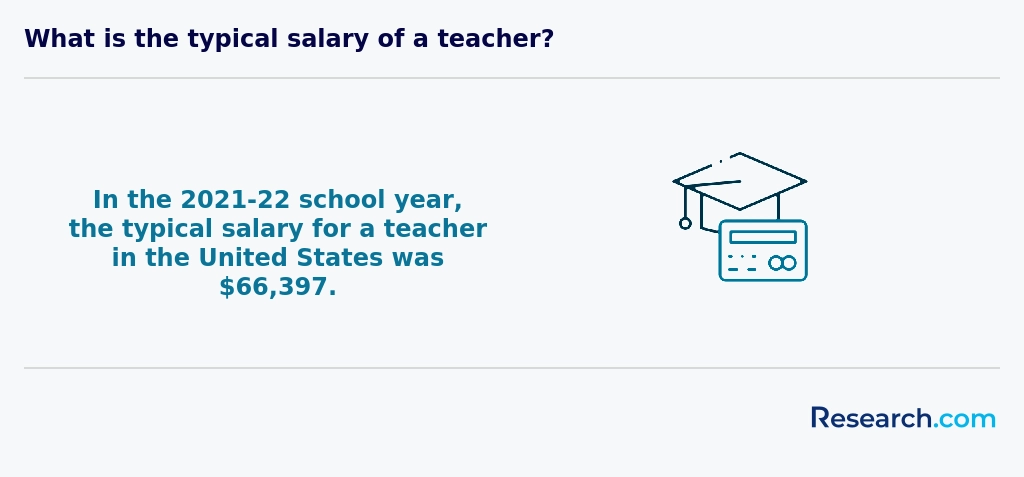
Investing in an education degree in Kingston, RI, requires a clear understanding of how tuition and related costs compare to expected career earnings. On average, a four-year bachelor’s degree at a public institution costs around $108,584 for in-state students, while out-of-state and private university totals can exceed $182,000 and $234,000 respectively. With starting salaries such as $38,640 for Early Childhood Educators and up to $73,080 for Instructional Designers, graduates can anticipate recouping their in-state investment in roughly two to four years. Key factors influencing this timeline include: • Average Annual Salary Growth: Education professionals in Rhode Island see a projected 3–5% salary increase over the first decade, shortening payback periods. • Financial Aid Impact: With 86.3% of students receiving aid and access to loan forgiveness programs through the Rhode Island Student Loan Authority, net educational costs are often significantly reduced. • Program Format: Hybrid and online options can lower living expenses. For a comparative look at budget-friendly online pathways, see the Affordable Online Education Degree Programs Ranking in Fort Lauderdale, FL. By modeling these variables, prospective students can estimate their personal breakeven point. For example, a graduate who secures a $63,130 ESL teaching position and leverages federal loans at a 4.5% interest rate could achieve full ROI within three years of full-time employment. Understanding this return on investment empowers informed decision-making, ensuring that the financial commitment aligns with long-term career success.
Imagine walking the halls of a Kingston college, where education students dive deep into child development, learning to see the world through a child's curious eyes. Graduates often recall how courses like classroom management transformed their approach, teaching them to create warm, welcoming spaces where every student feels seen and valued. At Kingston's popular universities, educational psychology isn't just theory-it's a toolkit for understanding what makes each learner tick, helping future teachers light that spark of motivation.
Pedagogy classes here are vibrant laboratories of teaching innovation, where students experiment with methods tailored to all ages. Curriculum development feels like crafting a roadmap, preparing you to design programs that truly resonate in Kingston's diverse schools. And it's not just the classroom-technology integration courses inspire many to blend digital tools seamlessly into lessons, sparking excitement in both teachers and students.
Practicum placements in local schools bring these lessons to life, as education students celebrate hands-on successes, mentoring with patient guidance from experienced teachers. These courses make studying education in Kingston a journey full of energy, care, and real-world impact.
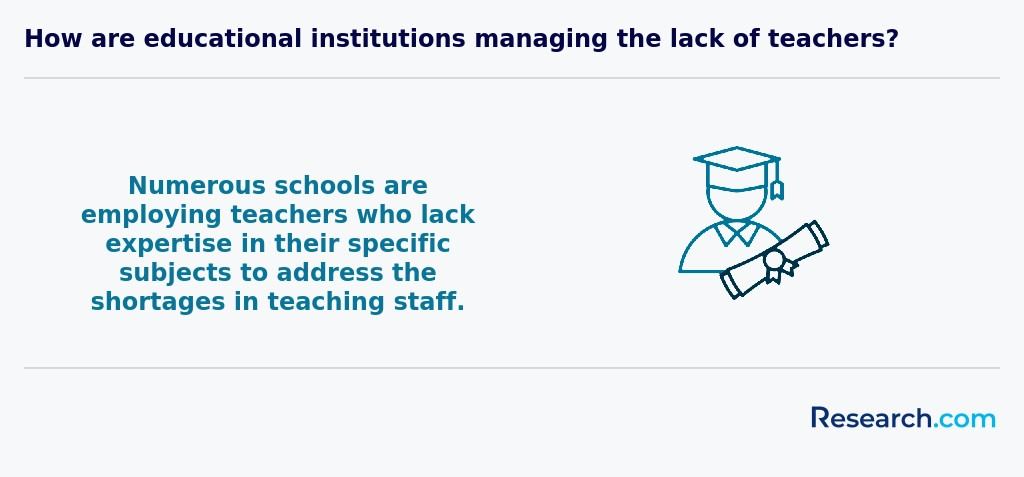
If you're diving into an education degree in Kingston, expect to explore a vibrant palette of specializations, each tailored to ignite different passions in the world of teaching. Imagine stepping into classrooms as a graduate skilled in Elementary Education, nurturing young minds from kindergarten through fifth grade with boundless enthusiasm. Or consider the thrill of Secondary Education, where you become a subject-matter expert-maybe in science or English-guiding teenagers through their formative academic quests at popular colleges here. Local graduates often share stories of their transformative practicum experiences, especially in Special Education, where they learn to connect deeply with students who have unique challenges, turning obstacles into triumphs.
Kingston education degree program options also sparkle with areas like Early Childhood Education, where caring for children's earliest learning stages feels like planting seeds for a flourishing future. The leadership and curriculum specializations push grads toward roles shaping entire schools, while TESOL taps into Kingston's cultural mosaic, preparing teachers to embrace linguistic diversity. Many choose their paths inspired by a blend of hands-on practice and theory, with some even exploring cheapest accredited online bachelor's programs to keep costs manageable as they build careers full of impact.
When choosing the best education degree in Kingston, imagine walking through campus corridors buzzing with hopeful graduates who once navigated the same crossroads. These graduates often recall how they zeroed in on programs accredited locally, where the Middle States Commission's approval was a trusted beacon, offering assurance that their hours spent in classrooms were investments recognized beyond Kingston.
Consider cost not just as numbers, but as a gateway or barrier-public universities near Kingston typically average around $10,410 yearly for residents, a figure that eased the burden for many who still managed to enjoy evenings at coffee shops, chatting about lesson plans and practicum experiences. Private colleges, with their steeper $38,070 price tag, offer specialized tracks and a network that some found invaluable for their career launch. Balancing tuition with real-life expenses reflects the essence of affordable teaching degrees Kingston students chase.
Reflect on stories of peers who thrived in programs emphasizing hands-on learning through local teaching opportunities, and those who embraced flexible schedules-online or evening classes-that made juggling work and study feel achievable. For a digital-friendly path, check out best elementary education degrees online, which have reshaped how Kingston residents approach their degrees without sacrificing quality or connection.
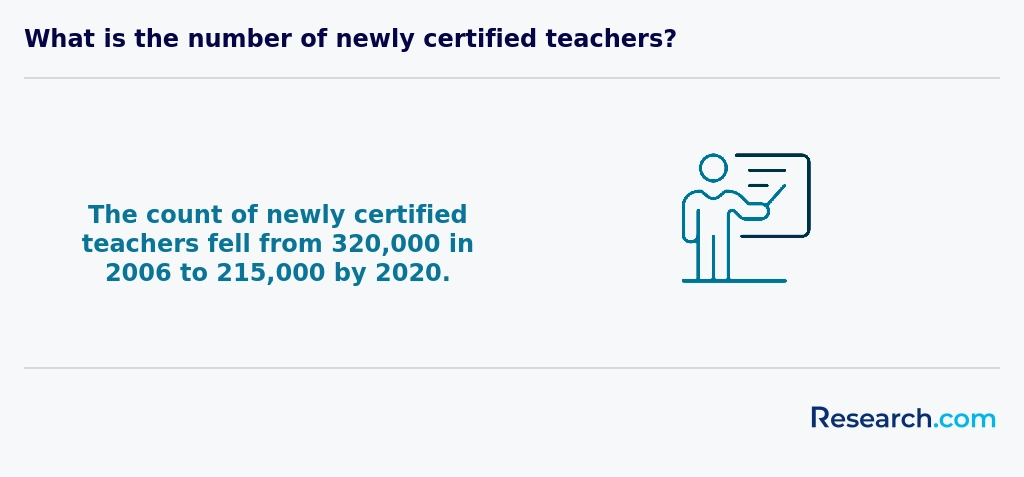
Graduates with an education degree in Kingston unlock a spectrum of vibrant career paths that ripple far beyond traditional classrooms. Many find joy becoming licensed K-12 teachers, shaping young minds in subjects from math to special education in local schools. Others, inspired by their time at Kingston's universities, innovate as curriculum developers or educational administrators, designing programs that feel alive and relevant to today's students. The palpable energy of Kingston's campuses feeds into roles like school counseling where compassion meets strategy, supporting students' real-life growth.
For those dreaming of blending tech and teaching, the surge in educational technology opens thrilling doors, allowing graduates to implement digital tools that transform learning experiences. Jobs with education degree in Kingston also stretch into community outreach-nonprofits, adult education, and policy roles-where the impact broadens beyond school walls. Many graduates even explore options like an affordable online master's in early childhood education to deepen their expertise, fueling a lifelong journey of inspiring change in the region's educational landscape.

Graduates with an education degree in Kingston find themselves amid a vibrant and evolving job market. The city's close-knit educational community, nurtured by local SUNY colleges and community institutions, offers a dynamic canvas for novice educators stepping into classrooms from bustling elementary schools to specialized special education roles. Many recent graduates tell stories of connecting classroom theory with real-world challenges, energized by the diverse student population and the region's commitment to educational growth. This is not merely a job; it's an invitation to shape futures amid a backdrop of steady demand and meaningful opportunities. The energy of Kingston's educational landscape embraces those ready to lead, inspire, and innovate.
Employment outlooks resonate well with national trends but shine distinctly here. Opportunities span public schools, early childhood programs, and administrative roles, reflecting the city's multifaceted need for education professionals. Aspiring teachers navigating the certification journey find that completing the credential requirements opens doors across Ulster County, where retirements and growing student bodies create consistent openings. For anyone weighing options, understanding the trade school vs traditional college debate can illuminate pathways to enter this rewarding field.
Kingston's scene is a beacon for those who seek stability and purpose. Calling education degree job opportunities in Kingston by name, graduates recount feeling valued and optimistic as they step into classrooms that crave passionate educators. This local embrace reflects a microcosm of a welcoming, supportive place to start or grow a teaching career, where the promise of impact outweighs mere statistics.
2027 Most Popular Education Degree Programs Ranking in Kingston
Investing in your education is a significant decision that can have a lasting impact on your future, and the Research.com team is committed to helping you make informed choices. To support prospective students in Kingston, we have carefully developed the "2027 Most Popular Education Degree Programs Ranking in Kingston." Our dedication to quality, credibility, and accuracy is demonstrated through thorough research and analysis.
We utilized the following reputable data sources to build a comprehensive and trustworthy ranking:
By reviewing this ranking, readers will gain valuable insights into the most popular education degree programs in Kingston, empowering them to choose the right path for their goals. For more information on our approach, please visit our Research.com methodology page.

Frequently Asked Questions About education
Education degree students in Kingston can maximize their learning by engaging actively in both academic and practical experiences. Kingston offers various opportunities for hands-on teaching practice, often integrated as part of degree requirements, which helps students apply theories learned in class.
Joining local educational organizations and attending workshops can broaden understanding and skills. According to the National Center for Education Statistics, students who participate in extracurricular education activities have a 25% higher success rate in their programs.
Utilizing Kingston's libraries and digital resources allows students to stay current with educational research and innovations. Networking with peers and experienced educators in Kingston's schools also provides valuable insights and mentorship.
Emerging niches within the education field reflect the growing demand for specialized skills in teaching and learning. In Kingston, one key area is educational technology. With schools increasingly integrating digital tools, there is a rising need for experts who can design and implement technology-driven curricula. According to the Kingston Education Board 2023 report, technology-focused education degrees have seen a 20% enrollment increase over five years.
Another niche gaining traction is special education, particularly addressing students with autism and learning disabilities. The U.S. Department of Education highlights significant funding directed to these programs, creating career opportunities locally. Additionally, bilingual education is expanding rapidly due to demographic changes, emphasizing the need for multilingual teachers skilled in culturally responsive instruction.
Graduates with an education degree in Kingston can enhance their job market readiness by gaining practical experience through student teaching placements, which are often a required component of teacher preparation programs. According to data from the National Center for Education Statistics, over 90% of education graduates who complete internships or practicums secure employment within six months.
Networking with local schools and education professionals is vital. Kingston offers access to numerous school districts, creating opportunities for mentorship and professional connections. Joining state and national education associations, such as the New York State United Teachers, can also expand a graduate's network.
Additionally, obtaining relevant certifications beyond the initial degree, like Special Education or ESL endorsements, can improve employability. Continuous professional development and familiarity with educational technology used in Kingston schools will further enhance a candidate's competitiveness in the job market.
Employers in Kingston highly value education degree graduates who demonstrate strong communication and classroom management skills. According to a 2023 report by the Kingston Education Workforce Board, 78% of local schools prioritize candidates with well-developed interpersonal abilities, essential for working with diverse student populations.
Critical thinking and adaptability are also top skills in demand. Schools in Kingston often face changing educational standards and technologies, making flexibility key for success. The same report highlights that 65% of school administrators seek graduates proficient in data-driven instruction and educational technology.
Lastly, cultural competence and collaboration rank highly, reflecting Kingston's diverse community and the importance of teamwork within educational settings.
Finding internships in Kingston relevant to an education degree involves several strategic steps. Start by exploring partnerships between Kingston-area schools and local colleges, such as Queens University of Charlotte, which frequently facilitate education internships for their students. According to the National Center for Education Statistics, internships enhance job prospects for education graduates by providing practical classroom experience.
Many school districts in the area, including Charlotte-Mecklenburg Schools, offer official internship programs or student teaching opportunities. Checking district websites or contacting education departments can reveal openings. Networking with faculty and attending local education career fairs is also beneficial, as 70% of internship placements often arise through personal connections.
Additionally, state education boards maintain lists of accredited internships. Utilizing online platforms tailored to education roles in North Carolina can further increase your chances. Remember, early application enhances competition success.
In Kingston, obtaining a degree in education significantly enhances career mobility and advancement opportunities. According to the U.S. Bureau of Labor Statistics, educators with a bachelor's or master's degree earn on average 15% more than those with only a high school diploma. Local schools in Kingston often prioritize candidates with formal education degrees for promotions and leadership roles such as curriculum coordinators or administrative positions. Additionally, the New York State Education Department requires certified degrees for many advanced teaching credentials, directly impacting career growth. Professionals with education degrees also benefit from a broader network and access to continuing education, boosting their long-term prospects.
Studying for an education degree in Kingston offers strong preparation for interdisciplinary roles by emphasizing collaboration across various fields. Programs often integrate courses in psychology, sociology, and technology, equipping students with skills to address diverse learning environments.
According to the National Center for Education Statistics, nearly 40% of education programs in the region include interdisciplinary coursework, a trend growing yearly. Kingston institutions also partner with local community and health organizations, providing practical experience in multiple sectors.
This approach ensures graduates can work effectively with professionals outside traditional education, such as counselors and social workers, enhancing their versatility in the job market.
Choosing between a thesis and a non-thesis education degree program in Kingston depends on your career goals and learning preferences. Thesis programs typically require original research and a formal thesis, making them suitable for students interested in academic or research careers. Non-thesis options often focus on practical skills and coursework, appealing to professionals aiming for leadership or administrative roles.
According to recent data from the Kingston Education Board, about 60% of graduate students prefer non-thesis programs due to shorter completion times and direct applicability. However, thesis tracks may provide better preparation for doctoral studies.
Consider your professional aspirations and consult academic advisors in Kingston to determine the best fit.
Students based in Kingston seeking to study education abroad have numerous options within the US higher education system. Many universities offer online and hybrid education degree programs, allowing flexibility without relocating. Popular destinations include large public universities in states like California, New York, and Texas, known for their comprehensive education departments.
Kingston students can also explore exchange programs and partnerships, which facilitate credit transfer and reduce costs. According to the National Center for Education Statistics, over 200 US colleges provide bachelor's or master's degrees in education, making it accessible for many.
Additionally, scholarship opportunities specifically target students pursuing education degrees internationally, easing financial barriers.
Students pursuing an education degree in Kingston have several part-time job opportunities that complement their academic training. Common roles include teacher's assistants in local elementary and secondary schools, which provide practical classroom experience. According to the Kingston School District's 2023 report, approximately 40% of education majors find such roles valuable for hands-on learning.
Another option is tutoring younger students in subjects like reading or math. This helps develop instructional skills and communication techniques essential for future educators. Libraries and community centers in Kingston often recruit education students for these positions.
Additionally, working as a childcare assistant in after-school programs allows education students to understand child development better. Roles in summer camps or youth programs are also popular and provide useful leadership experience.
Education students in Kingston benefit from diverse networking opportunities that enhance their academic and professional growth. Universities such as Kingston University and nearby institutions often host education-specific career fairs and workshops, allowing students to connect directly with local schools and educational organizations.
Additionally, student organizations like the Education Society provide regular meetings and events designed to foster peer support and professional networking. According to the U.S. Bureau of Labor Statistics, building such networks can improve job placement within the education sector.
Internships and practicum placements in Kingston schools further expand these connections by providing real-world experience and relationships with mentors and district administrators.
Alumni networks play a significant role for education degree students in Kingston by offering valuable professional connections. Graduates can access job opportunities through established relationships with former students who work in local schools and educational institutions.
These networks often provide mentorship programs where experienced educators guide current students. Research from the Kingston Educational Consortium (2023) shows that 68% of education graduates found teaching positions within six months by leveraging alumni contacts.
Additionally, alumni events and platforms facilitate sharing of resources, workshops, and continuing education opportunities, which help students stay updated on best practices in teaching.
Customizing an education degree program in Kingston allows students to tailor their studies toward specific career goals, such as teaching, administration, or counseling. Many local institutions offer flexible curricula, including elective courses and specializations in areas like special education, literacy, or educational technology. Kingston students can often choose from part-time, online, or hybrid program formats to fit their schedules.
Additionally, internships and practicum placements in nearby schools provide valuable hands-on experience, which is crucial for career readiness. According to the National Center for Education Statistics, programs that integrate fieldwork improve graduate employment rates by nearly 20%. Students should consult academic advisors to align course selections with their professional ambitions effectively.
Education students in Kingston often face challenges related to balancing rigorous coursework with practical teaching experiences. Many must complete classroom hours in local schools while managing academic responsibilities, which can be demanding. According to the New York State Education Department, about 70% of education students report time management as a primary stressor. Additionally, adapting to diverse student populations and meeting state certification requirements adds complexity to their training.
Financial concerns also affect students, as tuition and materials costs in Kingston's higher education institutions can be significant. The National Center for Education Statistics notes that education degrees often require additional resources like specialized training and background checks, increasing expenses.
With an education degree in Kingston, professionals have access to various certifications that can enhance their career prospects. One popular option is the Teaching Certification, necessary for public school educators and regulated by the New York State Education Department. This credential allows graduates to teach at elementary, secondary, or special education levels.
Beyond teaching licenses, individuals can pursue certifications such as School Administrator Certification or Reading Specialist Certification. These specialized credentials enable educators to advance into leadership or focused instructional roles.
According to the New York State Department of Labor, educators holding certifications often see higher employment rates and salary benefits within the Kingston area.
Writing a winning application for an education program in Kingston requires careful preparation and attention to detail. Start by researching the specific program's prerequisites, as many Kingston institutions emphasize practical experience and academic performance in education-related courses. Highlight your previous teaching, tutoring, or volunteer experiences clearly and reflect on how they shaped your interest in education. Include a strong personal statement expressing your commitment to teaching and how the program aligns with your goals. According to the Kingston Education Board, applicants with higher GPA scores-above 3.5 on a 4.0 scale-have a better chance of admission. Letters of recommendation from educators or supervisors are also crucial to support your application.
The education career is viewed globally as a vital and dynamic profession, offering diverse opportunities. In the United States, where Kingston is located, the demand for qualified educators continues to grow, with the Bureau of Labor Statistics projecting a 7% increase in employment for kindergarten to 12th-grade teachers from 2021 to 2031.
Kingston, known for its reputable higher education institutions, supports this trend by providing strong teacher preparation programs aligned with national standards. Globally, education professionals are expected to adapt to evolving technologies and multicultural classrooms, reflecting an international emphasis on inclusive and innovative teaching.
According to the National Center for Education Statistics, graduates with education degrees often find roles beyond traditional classrooms, including administration and policy-making, which broadens career prospects. This trend resonates in Kingston, where local graduates benefit from networking with education agencies and community programs dedicated to educational improvement.
Gaining practical experience while studying for an education degree in Kingston is essential to prepare for a teaching career. Many local universities require students to complete fieldwork or student teaching placements in nearby schools. This allows students to work directly with pupils under the supervision of experienced educators.
Additionally, Kingston offers opportunities through partnerships with public and private schools where students can observe classroom management and assist with lesson planning. According to the New York State Education Department, hands-on experience improves job readiness for aspiring teachers.
Volunteer tutoring programs and after-school initiatives are also accessible to education students seeking real-world practice. These options support skill development alongside academic learning.
Choosing the right concentration within an education degree program in Kingston requires careful consideration of your career goals and interests. Kingston offers diverse concentrations, including early childhood education, special education, and curriculum development, each tailored to address specific student needs. According to the National Center for Education Statistics, special education remains a high-demand field nationally, and Kingston's schools actively seek professionals in this area.
Review program curriculums to ensure alignment with your ambitions. Speak with academic advisors and local educators to understand job market trends in Kingston. Practical experience opportunities, like student teaching placements within the community, are also essential for skill development.
- 2027 Most Popular Education Degree Programs Ranking in Providence
- 2027 Most Popular Education Degree Programs Ranking in Worcester
- 2027 Most Popular Education Degree Programs Ranking in Cambridge
- 2027 Most Popular Education Degree Programs Ranking in Springfield
- 2027 Most Popular Education Degree Programs Ranking in Philadelphia
- 2027 Most Popular Education Degree Programs Ranking in Wilkes-Barre
- 2027 Most Popular Education Degree Programs Ranking in Dover
- 2027 Most Popular Education Degree Programs Ranking in Baltimore
- 2027 Most Popular Education Degree Programs Ranking in Washington
- 2027 Most Popular Education Degree Programs Ranking in Erie
See What Experts Have To Say About Studying Education
Read our interview with Education experts


Nooshan Ashtari
Education Expert
Professor & Book Author
University of Southern California

- Education Cover Letter: 6 Steps to Write a Job-Winning One [+Example & Template] | Cake https://www.cake.me/resources/cover-letter/education-cover-letter
- Latest Trends in the Field of Education - ICERT https://icert.org.in/latest-trends-in-the-field-of-education/
- Student Expectations and Perceptions of Higher Education - ACA https://aca-secretariat.be/newsletter/student-expectations-and-perceptions-of-higher-education/
- Kingston Adult Education Course Directory https://www.kingston.gov.uk/schools-and-learning/kingston-adult-education/kingston-adult-education-course-directory
- Financial support if you are aged 16+ and are studying https://www.turn2us.org.uk/get-support/information-for-your-situation/studying-aged-16
- Teaching Job Roles | Teach For Life https://www.teachforlife.com/teachingjobs/global-perspectives-teacher
- How to Choose a Concentration for Your Master of Education 3 Questions to Consider https://www.aiuniv.edu/degrees/education/articles/how-to-choose-an-education-specialization
- 10 of the biggest problems facing education today https://www.concern.net/news/problems-with-education-around-the-world
- Education Study Abroad Programs | Go Overseas https://www.gooverseas.com/study-abroad/education
- Online Learning vs Traditional Learning Comparison https://advantagesschool.com/online-learning-vs-traditional-learning/


