
2027 Most Popular Education Degree Programs Ranking in Nevada

Co-Founder and Chief Data Scientist
Choosing the right education degree program is an important step toward a rewarding career in Nevada. This article introduces the 2027 Most Popular Education Degree Programs Ranking in Nevada, developed by the Research.com team of data scientists. It offers clear insights to help students identify which programs stand out based on current data and trends.
By exploring this ranking, you'll gain valuable information to guide your decision, making the process simpler and more confident. Pursuing an education degree opens doors to meaningful work, and this guide supports your journey in finding the perfect path.
Key benefits of getting education degree in Nevada
- Salary for education degree graduates: Graduates can expect rewarding salaries, such as $76,000 for Special Education Teachers and $77,200 for Instructional Designers, offering financial stability in Nevada's education field.
- Potential career paths: A Nevada education graduate from the University of Nevada, Reno, can explore diverse roles including Early Childhood Educator, ESL Teacher, or Instructional Designer, opening many fulfilling job opportunities.
- Benefits of an online degree: Earning an education degree online from Nevada State College allows flexible scheduling and access to quality faculty, making it easier to balance work, life, and studies effectively.
- 2027 Most Popular Education Degree Programs Ranking in Nevada
- What can I expect from education degree in Nevada?
- Where can I work with education degree in Nevada?
What can I expect from education degree in Nevada?
Diving into an education degree in Nevada typically invites a financial commitment ranging from about $5,000 to $15,000 per year for in-state students at public universities like UNLV or UNR, while private institutions might ask for more. Graduates often recall balancing budgets with excitement, knowing their investment buys hands-on experience in real classrooms where theory comes alive. Many describe feeling energized walking into bustling Las Vegas schools during their internships, energized by the diversity and challenges they encounter.
Financial aid and scholarships frequently ease this journey, making those classrooms feel closer than ever. Imagine the relief of receiving support just as you're about to start your first student teaching assignment, turning financial worries into pure focus on teaching young minds. Whether through state-approved programs or alternative pathways, Nevada's programs offer practical learning wrapped in a vibrant educational community, where costs are carefully weighed against invaluable on-the-ground preparation.
Where can I work with education degree in Nevada?
Graduates with an education degree in Nevada find themselves stepping into a dynamic world of opportunities. Many begin their journey as K-12 teachers in bustling schools across Las Vegas and Reno, inspired by the state's commitment to serving over 55,000 public school students. Imagine shaping young minds daily while connecting with diverse communities, a reality for many who studied at the University of Nevada, Reno or Nevada State College.
Others dive into the rewarding challenge of special education, supporting students with unique needs-work fueled by Nevada's growing focus on inclusive classrooms. Some become instructional coordinators, crafting curriculum that sparks creativity and deeper learning, often collaborating with school districts or the Nevada Department of Education.
The adventure continues beyond classrooms: graduates embrace leadership roles as principals or district administrators, steering educational progress. Or they join early childhood centers and adult education programs, enriching lives across the state. Many even find fulfilling paths in nonprofits or thrive as private tutors, experiencing the vibrant educational landscape Nevada offers firsthand.
Graduates with an education degree in Nevada discover varied earning possibilities as they step into classrooms or campuses. A fresh elementary school teacher might start with a mean annual salary around $70,740, which offers a solid foundation to build a fulfilling career. Imagine walking the halls of the University of Nevada, Las Vegas, and hearing stories from peers who have embraced that early stage with excitement and growth.
Special education teachers in Nevada often see themselves earning a bit more, with average salaries near $76,000, reflecting the vital role they play. Those who love designing engaging learning materials may find themselves stepping into roles as instructional designers, earning around $77,200 annually-an enticing path for creative minds who studied at institutions like Nevada State College.
ESL teachers, essential in the diverse communities of Reno and Las Vegas, can expect earnings in the $65,430 range, which aligns well with their specialized skills and classroom impact. Early childhood educators begin around $41,410 but often find rich opportunities for development and meaningful connections with young learners.
These figures from Nevada's educational landscape show a journey where passion meets rewarding financial paths, encouraging graduates to explore multiple avenues with confidence and enthusiasm.
- Tuition for education degrees in Nevada ranges from $8,000 to $12,000 per year at public universities for in-state students and can exceed $20,000 annually at private institutions.
- Additional costs like books, fees, and living expenses are not included in tuition and should be budgeted for.
- Starting salaries for teachers in Nevada average around $45,000 per year, varying by grade level and district.
- Experienced educators can earn between $60,000 and $65,000 annually depending on tenure, certifications, and advanced degrees.
- Demand for teachers is strong, especially in special education, STEM, and bilingual education areas, with positive job growth expected.
- To become licensed, graduates must pass state exams and complete supervised teaching, with ongoing professional development required to maintain certification.
If you're eyeing an education degree in Nevada, expect around four adventurous years to complete a bachelor's-the golden ticket for many aspiring teachers. Picture yourself walking the vibrant halls of UNLV or the University of Nevada, Reno, balancing general education, education theory, and those unforgettable student teaching moments. Graduates often recall how the hands-on experiences made the journey feel rewarding, not just another academic checkpoint.
For those with bigger dreams-perhaps becoming a school leader or specializing further-adding a master's degree means diving deeper for about 1.5 to 2 more years. Imagine the thrill of expanding your skills at a flexible pace, maybe online or part-time, as some Nevada colleges offer, fitting your studies around life's busy rhythms.
Doctoral candidates embark on a longer voyage, sometimes up to six years, immersing themselves in research and leadership. Many describe this as a transformative quest, shaping education across Nevada and beyond.
Every step blends learning with Nevada's licensure milestones, making this educational adventure uniquely real and achievable.
Becoming a licensed educator in Nevada involves a series of clear steps designed to ensure that graduates of education programs meet the state’s high standards for teaching. First, candidates must apply for initial licensure through the Nevada Department of Education (NDE) by submitting official transcripts, passing scores on the Praxis Core Academic Skills for Educators, and the relevant Praxis Subject Assessments for their chosen grade band or content area. A criminal background check and fingerprint clearance are mandatory, reflecting Nevada’s commitment to student safety. Once admitted, aspiring teachers pursue the Standard License, which requires completion of an accredited teacher preparation program and demonstration of effective instructional practice, typically through a supervised student-teaching internship. Special endorsements-such as Special Education, English to Speakers of Other Languages (ESOL), or Early Childhood Education-demand additional coursework and passing the corresponding Praxis II exams. Maintaining licensure mandates 30 continuing education units (CEUs) or equivalent professional development hours every five years, ensuring Nevada educators stay current with pedagogical innovations. For those interested in cost-effective pathways, many online providers offer accredited programs that align with NDE requirements. While Nevada’s requirements are unique, you might also explore the Cheapest Online Bachelor’s in Education Degree Programs Ranking in Illinois to compare tuition rates and curriculum structures that could inform your decisions about flexible, affordable licensure routes.
Imagine stepping into a lively classroom at the University of Nevada, Reno, where on-campus education students thrive on face-to-face chats with professors and group projects that spark spontaneous ideas. These graduates often recall the buzz of campus life, hands-on teaching practice in nearby schools, and the structured rhythm that keeps their studies on track. The energy fuels their passion and builds close bonds with peers, creating a dynamic learning adventure.
Meanwhile, online learners from Nevada State College discover a completely different rhythm-a flexible dance with deadlines that fits around busy workdays or family time. They enjoy the freedom of logging in whenever creativity strikes, using digital tools to connect with instructors and classmates from their favorite cozy spots at home. Though remote, these students embrace local field experiences to meet the same rigorous certification standards, blending independence with real-world teaching.
Both paths in Nevada offer rich, rewarding journeys shaped by unique challenges and exciting opportunities to grow as educators.
Most traditional bachelor’s degree programs in Education in Nevada require approximately 120 credit hours, which typically translates to four years of full-time study. Full-time students generally enroll in 15 credit hours per semester over eight semesters, including a combination of core coursework, specialization classes, and practicum experiences. For those who transfer in credits from community colleges or other accredited institutions, it’s possible to shorten this timeline by up to a year, depending on the number of credits accepted. Part-time and online learners often take fewer credits per term-sometimes as few as six to nine-extending the program length to five or six years. However, many universities in Nevada now offer accelerated tracks and summer sessions, enabling motivated students to complete their degrees in three to three-and-a-half years. These accelerated options may include intensive eight-week courses and cohort models designed to streamline the path from admission to student teaching. Students interested in maximum flexibility and affordability might explore programs beyond Nevada’s borders. For example, the Cheapest Online Bachelor's in Education Degree Programs Ranking in Illinois highlights online formats that allow for synchronous and asynchronous coursework, enabling learners to balance work, family, and study commitments. When planning your educational journey, consider factors such as credit load, practicum requirements, and the availability of summer terms to determine the ideal pace for completing your degree in Nevada.
Embarking on an education degree journey in Nevada comes with a curious blend of excitement and budgeting awareness. The average cost of a education degree in Nevada generally hovers around a median total of $9,578 for in-state students. This makes the dream of becoming an educator feel closer and more attainable for many. Graduates from popular institutions like the University of Nevada, Reno, often share how their investment in education was balanced well by the strong community and support these programs provide.
When comparing costs, community colleges offer a more affordable gateway into education degrees, typically with lower tuition fees. This pathway is particularly appealing for those cautious about the total tuition and fees for education programs Nevada offers. The College of Southern Nevada, for example, provides associate degrees that can transfer credits, easing financial pressure while still advancing academic goals.
Out-of-state students should anticipate a higher cost, with median total expenses soaring above $42,000, reflecting added tuition and fees. Yet many find that financial aid opportunities make this challenge manageable, fueling their passion for teaching despite the numbers. Beyond tuition, graduates fondly remember balancing the extra costs of textbooks and supplies, which are crucial to the vibrant learning experience.
Prospective students eager to find the most affordable education schools in Nevada discover that thoughtful planning and enthusiasm turn the adventure of earning a degree into a truly rewarding pursuit.

Embarking on an education degree in Nevada means stepping into a dynamic learning environment where theoretical insights blend seamlessly with practical experiences. From the very first semester, you’ll notice an emphasis on hands-on learning-whether through immersive classroom discussions, student teaching placements, or real-world internships that enable you to apply fresh ideas in diverse educational settings. Expect interactive lectures led by experienced educators, collaborative projects that foster teamwork, and access to state-of-the-art campus resources that can set you on the path to becoming an impactful educator. In addition to rigorous coursework, many programs offer extensive mentorship opportunities and career support services, ensuring you’re equipped with both academic knowledge and practical skills. This balanced approach helps bridge the gap between studying and working in the field, so you gain confidence and clarity about your future role as an educator. For prospective students looking to plan further advanced studies without overspending on post-graduate education, you might also be curious about what are the cheapest online library science masters degrees, which can provide insights into cost-effective options in related fields. Overall, expect a journey marked by growth, challenge, and a strong sense of community-a pathway that not only transforms your career but also enriches your personal development in profound ways.
Imagine studying education at the University of Nevada, Reno, and realizing that financial worries don't have to hold you back. Many graduates share how federal aid, accessed through the FAFSA, became their lifeline. Pell Grants, for example, can offer up to $7,395 annually without the stress of repayment, lighting the path through college expenses.
State pride shines bright with the Nevada Governor Guinn Millennium Scholarship, which some UNLV students relied on to cover their full in-state tuition. It's like having a ticket to success that rewards local commitment, easing fee and book costs along the way.
For those eager to teach, the Nevada Teacher Recruitment and Retention Program is a game changer. Graduates who embraced this opportunity found scholarships or forgivable loans, fueling their journey into Nevada's classrooms-especially in areas hungry for passionate educators.
Not to forget, many tap into work-study roles on-campus or within local schools, gaining experience while paying tuition. Private scholarships from organizations like the Nevada Association of Educators Foundation add yet another layer of support, making the dream of earning an education degree here feel truly attainable.
When you enroll in an Education degree program in Nevada, you’ll embark on a structured blend of theoretical coursework and hands-on practica designed to prepare you for today’s diverse classrooms. Core classes typically introduce you to educational psychology, instructional design, and classroom management, while specialized seminars focus on topics such as multicultural education and inclusive teaching strategies. Throughout your studies, you’ll engage in collaborative projects with peers, fostering team-based problem solving and reflective practice that mirror real-world school environments. Field experiences are a hallmark of Nevada’s education programs. Beginning in your second year, guided student-teaching placements allow you to observe veteran educators, gradually assume instructional responsibilities, and receive in-depth feedback from both university supervisors and K–12 mentors. These placements not only build your confidence but also expand your professional network-many graduates secure teaching positions through connections made during these on-site experiences. Beyond the classroom, most Nevada institutions provide robust support services, including writing centers, career advising, and technology workshops. Whether you choose an on-campus cohort or an online pathway, you’ll have access to virtual labs, discussion forums, and one-on-one coaching to ensure you master digital tools like learning management systems and adaptive assessment platforms. For cost-sensitive students seeking flexibility, you might also explore our Cheapest Online Bachelor's in Education Degree Programs Ranking in Illinois for comparative insights on affordable, accredited online alternatives. Finally, expect periodic portfolio reviews and capstone projects where you’ll design curriculum units, conduct action research, and demonstrate pedagogical competencies. By graduation, you’ll possess a comprehensive teaching portfolio, a clear philosophy of education, and the confidence to lead classrooms that foster academic growth and inclusive learning.
Imagine a graduate student preparing to enroll in a Master of Education program bringing a bachelor's degree in hand and transcripts showing a GPA of 3.0 or above. They often add to their application letters of recommendation from mentors who know their passion for teaching, alongside a heartfelt personal statement revealing their motivation to impact classrooms across Nevada.
Practical steps matter too-graduates from Nevada colleges recall the importance of criminal background checks, a necessary formality before stepping into student teaching. Some narratives include navigating the Basic Skills Test, a gateway ensuring readiness for rigorous teacher preparation.
- Submitting transcripts and letters of recommendation
- Crafting a personal statement of purpose
- Completing background checks before fieldwork
- Passing Nevada's Basic Skills Test when required
Such prerequisites create a pathway filled with discovery, preparing future educators to join Nevada's vibrant learning communities with confidence and excitement.
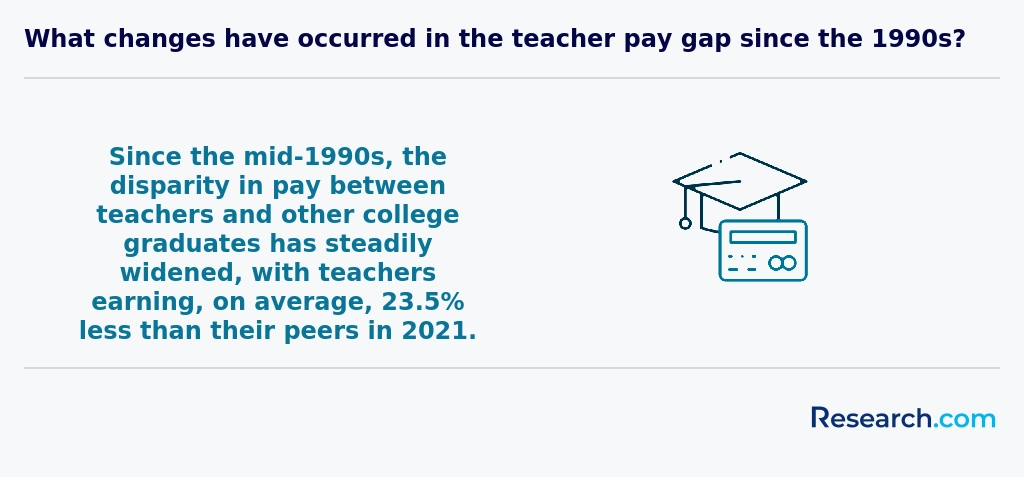
To further assist prospective students in making informed decisions, it's essential to consider the affordability of education degree programs in Nevada. When exploring options, students often seek institutions that offer quality education at a manageable cost. For those interested in affordable pathways, researching schools that provide financial aid, scholarships, and affordable tuition rates is crucial. By visiting https://research.com/rankings/education/most-affordable-education-nv, you can discover the most affordable education schools in Nevada, helping you balance academic aspirations with financial realities. This resource can be particularly valuable for students looking to minimize debt while pursuing their passion for education, ensuring they can focus on their studies and future careers without undue financial stress.
Imagine stepping into a lively classroom at the University of Nevada, Reno, where education students dive into courses like Educational Psychology to uncover how kids think and grow. Graduates often share how this course transformed their understanding of diverse learning styles, making each lesson feel like a discovery tailored to real students' needs.
Curriculum Development classes whisk students away on a creative journey, teaching them to build lesson plans that actually resonate and meet Nevada's state standards. It's common to hear from those at Nevada State College how these skills helped them craft engaging lessons that brought subjects to life.
Classroom Management and Assessment courses prepare students to balance order and creativity, ensuring every learner shines. Picture a field experience at UNLV, where students practice these strategies firsthand, feeling the thrill of guiding a classroom's energy.
Diversity and Inclusion courses open minds to Nevada's rich cultural tapestry, while Instructional Technology equips future teachers with digital tools to connect and inspire. Many graduates value this blend, knowing it readies them for classrooms anywhere in the Silver State.
If you're diving into education degree specializations in Nevada, you'll find a vibrant mix tailored for every passion. Graduates from universities here often share how Elementary Education opened doors to inspiring classroom moments, especially in rural settings where every lesson feels impactful. Meanwhile, those drawn to teaching deeper subjects thrive in Secondary Education, focusing on areas like math, science, or English. Imagine standing at the chalkboard, energized by the challenge of engaging middle or high school students in places like UNLV or Nevada State College.
For those curious about broader roles, the education degree options in Nevada include Educational Leadership and Administration, where grads step into roles shaping policies and school curriculums. Others find their calling in School Counseling and Psychology, providing vital mental health support within schools. Many who explore teaching program options Nevada colleges offer find these paths both rewarding and aligned with real regional needs.
And if affordability is part of your adventure, consider exploring what are the cheapest online library science masters degrees to complement your education career journey.
Choosing the best education degree in Nevada is like embarking on an exciting journey tailored just for you. Graduates from well-known Nevada colleges often share how pivotal it was to find programs with state accreditation and strong ties to teacher licensure, ensuring their eligibility when stepping into classrooms across Nevada. Imagine yourself in bustling Las Vegas or scenic Reno, gaining hands-on teaching experience during student teaching placements-these real-life moments bring theory to life and build confidence.
When scouting for affordable teaching degrees in Nevada, many found the disparity between public and private tuition eye-opening. Public universities offer in-state tuition around $8,200 annually, a budget-friendly choice compared to private colleges charging over $20,000. Balancing cost with quality propelled several successful graduates to explore financial aid and flexible formats, including online or hybrid classes that fit their busy lifestyles perfectly.
Delight in discovering programs with high licensure pass rates and graduate employment, which mirror the effectiveness of your chosen path. If you're curious about options beyond Nevada, consider expanding your search with resources like the Cheapest Online Bachelor's in Education Degree Programs Ranking in Illinois, offering inspiration to compare national alternatives while focusing on Nevada's best education degree programs Nevada has to offer.
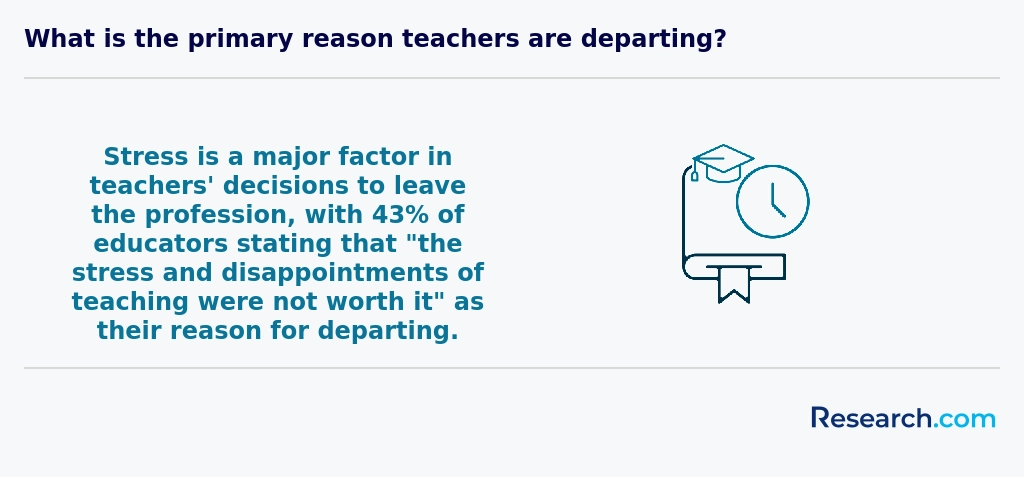
Nevada education degree graduates find a playground of career options ready to be explored. Many dive into teaching jobs with education degree Nevada offers, from elementary classrooms in Las Vegas to specialized secondary math roles in Reno, feeling the joy of shaping young minds daily. Graduates from popular Nevada colleges often share how their training helped them tackle real challenges, like supporting diverse learners or managing classrooms in rapidly growing school districts.
Others expand their horizons beyond teaching, stepping into roles as school counselors or educational psychologists, inspired by the rising focus on student mental health. Imagine guiding a high schooler in Carson City toward their dream career or helping a struggling student find confidence-these roles make a meaningful impact.
Those craving leadership ascend into administration, shaping policies at district offices across Nevada, while some embrace emerging fields like educational technology or curriculum development, combining their passion for education with cutting-edge digital tools.
For a glimpse at cost-effective options to start this adventurous journey, consider the Cheapest Online Bachelor's in Education Degree Programs Ranking in Illinois, offering insights on accessible paths nationally and paving your way toward vibrant education careers.
Exploring education degree career options Nevada brings forward opens thrilling possibilities to make a real difference amid the Silver State's diverse learning communities.
The education degree job outlook Nevada holds a vibrant promise for those ready to embark on their teaching journey. Graduates from renowned institutions like the University of Nevada, Reno and University of Nevada, Las Vegas often share how their training opens doors not only to classrooms but also to dynamic roles such as curriculum developers and instructional coordinators. Imagine working in growing urban centers like Las Vegas, where schools are expanding rapidly and welcoming enthusiastic educators eager to make a difference.
For many graduates, the steady rise in K-12 enrollment means more opportunities, especially in specialized fields like special education and STEM subjects. These opportunities bring excitement and a tangible sense of purpose to their early career days. Moreover, while pursuing an education degree, students frequently explore accelerated career programs, maximizing their readiness and positioning themselves advantageously in this thriving market.
Teaching career opportunities Nevada truly reflect a landscape alive with growth and potential. With competitive salaries and supportive financial aid, many have found their education degrees to be rewarding both personally and professionally as they step confidently into classrooms across the state.
2027 Most Popular Education Degree Programs Ranking in Nevada
Investing in your education is a significant decision that can greatly impact your future, and the Research.com team fully recognizes the importance of making well-informed choices. To aid students in Nevada, we have carefully developed the "2027 Most Popular Education Degree Programs Ranking in Nevada." Our dedication to quality, credibility, and accuracy is demonstrated through extensive research and rigorous analysis conducted to produce this ranking.
We utilized the following reputable data sources to ensure a comprehensive evaluation of education programs:
By consulting this ranking, readers will gain valuable insights into the most popular and reputable education degree programs available in Nevada, enabling them to make well-grounded decisions about their academic futures. For further information about how this ranking was created, please visit our Research.com methodology page.


Frequently Asked Questions About education
Education degree students in Nevada can maximize their learning experience by actively engaging in both coursework and practical opportunities. Nevada hosts several accredited institutions offering teacher preparation programs, emphasizing hands-on experience through student teaching placements that enhance real-world skills.
Additionally, students benefit from Nevada's involvement in national education initiatives focused on improving K-12 outcomes, which provide access to cutting-edge teaching strategies. Participating in professional organizations such as the Nevada State Education Association can also expand networking and career prospects.
According to the Nevada Department of Education, collaborating with local school districts for internships or mentorships significantly strengthens understanding of classroom dynamics.
Emerging niches within education degrees in Nevada reflect national trends shaped by technology and changing student needs. One fast-growing area is educational technology, focusing on integrating digital tools in classrooms, preparing graduates to design and manage e-learning platforms. According to the Nevada Department of Education, demand for specialists in online instruction has grown by over 20% in recent years.
Another significant niche is special education, addressing the needs of diverse learner populations. With Nevada experiencing steady population growth, there is an increased focus on inclusive education strategies for students with disabilities.
Additionally, bilingual education programs are gaining importance due to Nevada's diverse linguistic demographics, preparing teachers to serve multilingual communities effectively.
Graduates with education degrees in Nevada should begin preparing for the job market early by gaining practical experience through student teaching or internships. Nevada requires teacher candidates to complete clinical practice hours as part of their licensure, which helps build essential classroom skills.
Networking is also crucial. Joining professional organizations like the Nevada State Education Association offers access to job listings, workshops, and mentorship opportunities. According to the Nevada Department of Education, the state anticipates a 4% increase in teacher demand by 2028, especially in STEM and special education fields.
Additionally, understanding Nevada's licensure process, which includes passing the Praxis exams, is vital for employment. Graduates should stay updated on continuing education requirements to maintain their credentials effectively.
Employers in Nevada highly value education degree graduates who demonstrate strong classroom management skills. According to the Nevada Department of Education, effective behavior management directly impacts student outcomes, making this skill essential for aspiring teachers.
Adaptability is also critical, especially as Nevada schools incorporate diverse learner needs and evolving technology. Graduates must show they can modify lesson plans and teaching methods to engage all students. Communication abilities, both verbal and written, are equally important for successful collaboration with students, parents, and colleagues.
Furthermore, employers seek professionals who have a solid understanding of Nevada's state standards and assessment procedures, ensuring compliance and effective instruction. Analytical skills to assess student data and inform instruction are becoming increasingly prized in the state's education system.
Finding internships in Nevada relevant to an education degree involves several effective strategies. Many universities and colleges in Nevada, such as the University of Nevada, Reno, and University of Nevada, Las Vegas, offer career services that connect students with local school districts and educational organizations for practicum and internship opportunities.
Additionally, the Nevada Department of Education maintains partnerships with various school districts to provide placement opportunities. Prospective interns should also explore programs through the Clark County and Washoe County School Districts-two of the largest districts in Nevada, which often post openings for student internships.
Networking with faculty, attending education career fairs, and using online platforms like Handshake popular at many Nevada institutions can further increase internship chances. According to the National Center for Education Statistics, Nevada's employment of education professionals grew 5% over recent years, signaling ample opportunities for real-world experience.
In Nevada, holding an education degree can significantly enhance career mobility and advancement opportunities within the state's growing education sector. According to the Nevada Department of Education, educators with advanced degrees tend to earn higher salaries and qualify for leadership roles such as curriculum specialists or school administrators. The state's emphasis on improving K-12 education quality has created demand for professionals with specialized training in teaching methods and educational technology.
Moreover, educators with degrees beyond a bachelor's often meet eligibility for certification tiers that grant access to higher pay scales. Data from the National Center for Education Statistics shows that Nevada teachers with master's degrees earn about 10-15% more on average than those with only a bachelor's.
In addition, education degrees facilitate geographic mobility within Nevada, enabling graduates to work in diverse districts, including urban areas like Las Vegas and rural counties where demand for qualified teachers is high.
Studying for an education degree in Nevada equips students with interdisciplinary skills by integrating diverse academic fields such as psychology, sociology, and technology. Nevada's teacher preparation programs emphasize collaborative learning and problem-solving, fostering adaptability in varied educational settings.
Programs at universities like the University of Nevada, Reno, include coursework that connects education theories with real-world applications, preparing graduates to work across special education, STEM, and administration roles.
According to the Nevada Department of Education, nearly 30% of new educators work in roles that require skills beyond traditional classroom teaching, highlighting the need for interdisciplinary training.
This broad preparation supports graduates in addressing complex challenges in schools and communities effectively.
Choosing between a thesis and a non-thesis education degree program in Nevada depends on your career goals and learning preferences. Thesis programs typically require original research and prepare students for doctoral studies or academic careers. In Nevada, institutions like UNLV and UNR offer such options emphasizing research skills.
Non-thesis programs focus more on coursework and practical skills, ideal for educators aiming to advance in K-12 or administrative roles. According to the Nevada System of Higher Education, non-thesis formats are popular among working professionals seeking flexibility.
Consider your timeline as thesis programs often take longer due to research demands. Evaluating your future job market can guide your choice effectively.
Students based in Nevada who want to study education abroad have several options through partnerships and exchange programs. Many Nevada institutions, such as the University of Nevada, Reno, participate in international exchange agreements that allow education majors to study overseas for a semester or year. These opportunities expose students to different teaching methods and cultural perspectives.
Additionally, Nevada students can explore accredited online education degree programs offered by foreign universities, which provide global perspectives without relocating. According to the Nevada Department of Education, nearly 45% of education students express interest in gaining international experience to enhance their credentials.
Financial aid and scholarships are available specifically for study abroad education majors, making these programs more accessible.
Part-time job opportunities in Nevada that complement education degrees typically include roles like teacher assistants, tutors, and childcare providers. According to the Nevada Department of Employment, Training and Rehabilitation (DETR), these positions provide valuable classroom experience while allowing flexibility for students enrolled in education programs.
Many education degree seekers find work as after-school program staff or substitute teachers, gaining practical skills directly tied to their academic studies. Tutoring positions, especially in subjects like math and reading, help reinforce content knowledge and develop communication skills.
Additionally, Nevada's growing population increases demand for educational support services, enhancing job availability. These part-time roles not only contribute to a resume but also enable networking within local school districts, aiding career advancement after graduation.
Education students in Nevada benefit from various strong networking opportunities that support career growth and academic development. Universities such as the University of Nevada, Reno, and the University of Nevada, Las Vegas offer education majors access to professional organizations like the Nevada Association of Educators (NAE).
NAE provides networking events, workshops, and conferences that connect students with experienced teachers and education leaders statewide. Additionally, many institutions coordinate local school partnerships, giving students practical experience and links to potential employers.
According to the Nevada System of Higher Education, over 70% of education students engage in internships or practicum placements, fostering valuable professional connections early in their careers.
Alumni networks play an important role for education degree students in Nevada by providing access to professional connections and mentorship opportunities. Graduates from Nevada institutions such as the University of Nevada, Reno, often join active alumni groups that offer job leads and guidance on navigating the local education job market.
Statistics from the Nevada System of Higher Education highlight that nearly 70% of education graduates find employment within the state shortly after graduation, partly due to support from alumni referrals. These networks also facilitate ongoing professional development and collaboration between new teachers and experienced educators.
For students, engaging with an alumni network can provide insights into regional educational trends, licensing requirements, and classroom challenges unique to Nevada's diverse school districts.
Customizing an education degree program in Nevada allows students to align their studies with specific career goals. Many Nevada institutions offer flexible course selections and concentrations, enabling students to focus on areas like special education, curriculum development, or educational leadership. According to the Nevada System of Higher Education, students can often choose electives or minors to enhance their expertise.
Additionally, some programs provide opportunities for practical experience through internships or partnerships with local schools. This hands-on approach is valuable for building professional skills. Students should also consider certification options that match Nevada's state requirements for teachers and administrators, as these influence career paths and job eligibility.
Education students in Nevada commonly face several challenges during their academic journey. One significant issue is limited access to diverse field experience opportunities, partly due to the state's rural and urban population distribution. According to the Nevada Department of Education, placements in quality classrooms can be competitive, affecting hands-on learning.
Additionally, financial constraints pose a barrier for many, as tuition costs and living expenses continue to rise. The average tuition for public universities in Nevada increased by approximately 3.5% from 2021 to 2023 (NCES data).
Students also report the struggle of balancing coursework with practical teaching responsibilities, often compounded by shortages of mentor teachers.
With an education degree in Nevada, graduates can pursue several professional certifications to enhance their teaching careers. The most common is Nevada's Standard Teaching License, which allows individuals to teach in public schools across the state. This license requires passing exams like the Praxis Core and content-specific Praxis tests.
Specialized certifications include endorsements in areas such as special education, English as a Second Language (ESL), and educational leadership. These credentials broaden job opportunities and often come with salary incentives.
According to the Nevada Department of Education, over 10,000 educators hold these certifications statewide, reflecting strong demand.
When applying for an education degree program in Nevada, it is crucial to tailor your application to highlight relevant experience and academic achievements. Nevada schools often seek candidates with strong communication skills and a clear passion for teaching. The Nevada Department of Education notes that programs emphasize practical classroom readiness and cultural competence.
Start with a well-structured personal statement that explains your motivation for pursuing education. Include specific examples of leadership or volunteer work, especially in diverse community settings, which are common in Nevada's growing school districts.
Additionally, maintain a competitive GPA; the average undergraduate GPA for admission to teacher preparation programs in Nevada is approximately 3.0.
Ensure all transcripts and recommendation letters are submitted promptly, as many Nevada institutions have strict deadlines.
The global perspective on education careers increasingly values adaptability and cultural awareness. In the United States, including Nevada, educators are encouraged to develop skills that support diverse student populations and promote inclusive learning environments. According to the Nevada Department of Education, the state saw a 4% growth in education employment from 2020 to 2023, reflecting steady demand for qualified teachers.
Worldwide, education professionals are recognized as key contributors to social and economic development. The US higher education system emphasizes practical training, such as student teaching, which prepares graduates for varied classroom challenges. For Nebraskans pursuing education degrees, understanding global trends highlights the importance of lifelong learning and technology integration in curricula.
Gaining practical experience while studying for an education degree in Nevada is crucial for career readiness. Most Nevada universities and colleges incorporate student teaching or fieldwork as a required component of their education programs. For example, the University of Nevada, Reno, mandates a student teaching practicum, providing hands-on opportunities in local schools.
Additionally, many institutions partner with Nevada's Clark County School District, the fifth-largest in the US, offering placements that expose students to diverse classroom environments. This experience allows students to apply theory in real settings and develop classroom management skills.
Internships and volunteer opportunities in educational organizations across Nevada further enhance practical learning. These experiences are often supervised and align with state licensure requirements, ensuring graduates are well-prepared for teaching roles.
Choosing the right concentration within an education degree program in Nevada starts with understanding your career goals. Different concentrations, such as elementary education, special education, or educational leadership, prepare you for specific roles in the state's diverse school systems. The Nevada Department of Education reports a growing demand for special education teachers, reflecting state priorities. Consider the local job market and potential salary outcomes; for example, elementary educators in Nevada earn a median salary around $60,000 annually, according to the U.S. Bureau of Labor Statistics.
Visit accredited Nevada universities to review program offerings and licensure pathways. Research Nevada's licensure requirements to ensure your chosen concentration aligns with certification standards. Finally, speak with academic advisors and current educators to gain insight into each concentration's curriculum and practical experiences available through internships or student-teaching placements.
- 2027 Most Popular Education Degree Programs Ranking in Oregon
- 2027 Most Popular Education Degree Programs Ranking in Utah
- 2027 Most Popular Education Degree Programs Ranking in Montana
- 2027 Most Popular Education Degree Programs Ranking in New Mexico
- 2027 Most Popular Education Degree Programs Ranking in Texas
- 2027 Most Popular Education Degree Programs Ranking in Nebraska
- 2027 Most Popular Education Degree Programs Ranking in South Dakota
- 2027 Most Popular Education Degree Programs Ranking in North Dakota
- 2027 Most Popular Education Degree Programs Ranking in Kansas
- 2027 Most Popular Education Degree Programs Ranking in Oklahoma
See What Experts Have To Say About Studying Education
Read our interview with Education experts


Alan J. Singer
Education Expert
Professor of Teaching, Learning and Technology
Hofstra University

- Best Teacher Certification Programs in Nevada in 2024 https://www.simplek12.com/blog/best-teacher-certification-programs-nevada
- Education Program https://www.csn.edu/schools/school-of-education-behavioral-and-social-science/department-of-education/education-program
- Working in Ed Tech: How to Identify Your Niche and Build Relevant Skills https://www.highfivepartners.com/blog/working-in-ed-tech-how-to-identify-your-niche-and-build-relevant-skills
- The 10 Highest Paying Jobs With a Teaching Degree [Quiz] https://www.umassglobal.edu/blog-news/highest-paying-jobs-with-a-teaching-degree
- Education Technology Trends to Watch in 2026 https://www.digitallearninginstitute.com/blog/education-technology-trends-to-watch-in-2026
- Get the skills employers want | Study UK https://study-uk.britishcouncil.org/why-study/succeed-your-career/get-skills-employers-want
- What Can I Do With a Teaching Degree (Besides Teach)? https://www.alleducationschools.com/blog/what-can-i-do-with-a-teaching-degree-besides-teach/
- What else can I do with an education or teaching degree? https://targetjobs.co.uk/careers-advice/career-ideas/what-else-can-i-do-education-or-teaching-degree
- Navigating Challenges In Education, Learning & Development - those who can https://www.thosewhocan.org/navigating-challenges-in-education-learning-and-development/
- Networking Tips and Advice for Students https://schoolshouldbe.com/post/networking-tips-and-advice-for-students/


