
2027 Most Valuable Education Degree Programs Ranking in South Dakota

Co-Founder and Chief Data Scientist
Choosing the right education degree program can shape your future in meaningful ways. Our article introduces the 2027 Most Valuable Education Degree Programs Ranking in South Dakota, created by the Research.com team of data scientists. This ranking highlights the best programs based on real data to help you make informed decisions.
Whether you're starting your journey or considering a change, understanding which programs offer strong value can boost your confidence. Reading this guide will inspire and support you in pursuing a rewarding career in education.
Key benefits of getting education degree in South Dakota
- Graduates with education degrees can earn strong salaries in South Dakota, such as Special Education Teachers making around $76,000 annually and Instructional Designers earning approximately $77,200, reflecting rewarding financial opportunities.
- A graduate from a well-known South Dakota university might explore various rewarding career options, including roles like Elementary School Teacher or Early Childhood Educator, offering diverse ways to make a meaningful impact.
- Completing an education degree online from a respected South Dakota institution allows flexibility for busy students, making it easier to balance studies with life while gaining the same valuable skills as traditional programs.
- 2027 Most Valuable Education Degree Programs Ranking in South Dakota
- What can I expect from education degree in South Dakota?
- Where can I work with education degree in South Dakota?
What can I expect from education degree in South Dakota?
The average cost of earning an education degree in South Dakota typically ranges between $8,000 and $12,000 per year at public institutions like South Dakota State University or the University of South Dakota. Graduates often recall balancing this investment with part-time work and scholarships, feeling a unique blend of anticipation and pride as they progress through hands-on teaching experiences. These costs reflect tuition and fees but exclude living expenses, which tend to be more reasonable here compared to many other states.
Many education students at Black Hills State University highlight how affordable tuition allowed them to focus on gaining real classroom experience rather than worry excessively about debt. This added financial ease contributes to a positive campus atmosphere and motivates students to dive deeply into their student teaching placements across the state's diverse rural and urban schools.
Choosing South Dakota's education programs means entering a community that values both quality and accessibility-fostering a sense of belonging and readiness for the classroom that transcends mere numbers on a tuition bill.
Where can I work with education degree in South Dakota?
Graduates with an education degree in South Dakota often find themselves stepping directly into classrooms across the state, becoming licensed teachers at elementary, middle, or high school levels. Many from South Dakota State University and the University of South Dakota share how quickly they secured rewarding roles within their first year, especially in rural areas where schools eagerly seek passionate educators. These experiences reveal the crucial impact of trained teachers on communities that might otherwise struggle to attract talent.
Beyond teaching, education graduates also thrive in roles such as school principals, curriculum coordinators, or instructional coaches-positions that shape the future of entire schools. Those who pursued further certifications express pride in contributing to better student outcomes and school management, reflecting South Dakota's growing need for qualified administrators.
Special education is another rewarding path. Graduates who specialize in this field recount fulfilling careers supporting diverse learners and fostering inclusivity, a priority emphasized by South Dakota's education system. Additionally, some graduates find their calling in community education programs or higher education institutions, highlighting the versatile career opportunities an education degree can unlock within the state.
Graduates with education degrees from institutions like South Dakota State University often find their salaries shaped by specific roles within the state's education system, challenging the assumption that earnings are uniform across careers. For instance, elementary school teachers earn an average annual wage near $70,740, reflecting solid compensation that supports a comfortable lifestyle in South Dakota's communities.
Special education teachers, another common path for graduates, command higher salaries, averaging $76,000 a year. This can be encouraging for those drawn to making significant impacts on diverse learners. Similarly, graduates who become English as a Second Language (ESL) teachers often see wages around $65,430, blending meaningful work with respectable paychecks.
Early childhood educators, sometimes undervalued, still earn about $41,410 annually, which can be a launching pad for career growth. Instructional designers, though a less traditional track for education grads, stand out with mean salaries of approximately $77,200 and provide a modern alternative to classroom teaching.
Graduates recall moments when understanding these real numbers helped them picture their futures-not just in textbooks but in real homes, bills, and celebrations all across South Dakota.
- Annual tuition and fees for education degrees at public universities in South Dakota range from $8,000 to $10,000 for in-state students.
- The median starting salary for teachers in South Dakota is about $43,000 per year, rising to around $58,000 after 10 years of experience.
- Loan forgiveness programs are available for teachers who work in underserved or rural areas in the state.
- Education administrators and specialists, such as those in special education, typically earn salaries above $65,000 annually.
- Licensure requires completing a state-approved education program, student teaching, and passing required exams overseen by the South Dakota Department of Education.
Completing an education degree in South Dakota often takes about four years for full-time bachelor's students, a timeline many graduates from South Dakota State University and the University of South Dakota recognize as both challenging and rewarding. These students describe a journey filled with hands-on practicum and student teaching that brings theory to life, making the standard 120 to 130 credit hours feel like a meaningful investment rather than just coursework.
For those pursuing a master's degree, the duration typically ranges between one and two years, depending on personal schedules. Many working professionals appreciate the flexible and online options offered by South Dakota institutions, allowing them to balance life's demands and academic goals without losing momentum.
Interestingly, alternative certification programs can often be completed in just a year, providing an exciting shortcut for those shifting into education from other fields. These programs focus intensely on pedagogy and state licensure requirements, creating a sense of swift accomplishment.
In South Dakota, all K–12 public school teachers must secure a valid teaching license from the South Dakota Department of Education (SDDOE) before entering the classroom. To obtain initial certification, candidates must: 1. Graduate from a CAEP-accredited educator preparation program with a minimum 2.7 GPA. 2. Pass required Praxis assessments, including the Praxis Core (reading, writing, math) and the Praxis Subject Assessment in your chosen content area. 3. Complete a fingerprint-based background check and submit it along with official transcripts through the SDDOE online portal. 4. Apply for the Class AA (initial) teaching certificate and pay the non-refundable licensure fee. Once approved, the Class AA license is valid for five years, during which educators must earn 75 continuing education units (CEUs) through professional development workshops, graduate coursework, or SDDOE-approved conferences. To advance to a standard five-year Class A certificate, teachers must complete either: • A master’s degree in education or a related field from an accredited institution. Many educators balance work and study by selecting affordable online programs; for a cost-effective graduate option, see Cheapest Online Master's in Education Degree Programs Ranking in Michigan. • A state-approved National Board Certification, which demonstrates advanced teaching proficiency. Additional endorsements-such as Special Education, ESL, or School Counseling-require completion of targeted coursework and passing the corresponding Praxis Subject Assessment. Educators relocating from other states may qualify for reciprocal licensure if their existing credentials align with South Dakota standards. For more details on reciprocity or to access application forms, visit the SDDOE licensure webpage. Adhering to these licensure steps ensures compliance with state regulations and paves the way for a successful teaching career in South Dakota.
Choosing between online and on-campus education degrees in South Dakota means confronting more than just location-it reshapes your entire learning journey. Graduates from South Dakota State University often describe on-campus programs as immersive experiences, where lively discussions with peers and face-to-face mentorship spark deeper understanding. The structured schedule and access to campus resources like libraries and student teaching in nearby schools create a tangible connection to the education community.
Meanwhile, those who earned their degrees online appreciate how platforms enable them to study on their own time, balancing jobs and family without sacrificing progress. A graduate from the University of South Dakota recalled how virtual practicums tailored to South Dakota's certification standards allowed completing hands-on hours without long commutes. This flexibility isn't just convenient-it builds resilience and self-discipline.
Both paths lead to the same credential, but the online experience challenges traditional norms about education's place and pace, inviting students to redefine how and where learning thrives.
Aspiring educators in South Dakota must navigate a structured licensure process to ensure they’re fully qualified to teach in K–12 classrooms. South Dakota’s Department of Education and Cultural Affairs (DECA) outlines the following key steps: 1. Program Approval • Complete an accredited educator preparation program at a regionally accredited institution. • Verify that your program is CAEP- or state-approved, meeting all content and pedagogy standards. 2. Basic Skills and Content Exams • Pass the Praxis Core Academic Skills for Educators or an approved substitute exam for reading, writing, and mathematics. • Demonstrate subject-matter competency through the appropriate Praxis Subject Assessments or departmental exams. 3. Professional Teacher Exam (edTPA) • Submit an approved edTPA portfolio, showcasing lesson planning, instruction, and assessment practices. • Receive a passing score to fulfill the pedagogical proficiency requirement. 4. Background Check and Ethics • Undergo a criminal background check and fingerprinting as mandated by DECA. • Complete any state-required ethics and child abuse prevention training modules. 5. Student Teaching and Clinical Experience • Fulfill a minimum of 12 weeks of full-time student teaching under a certified mentor teacher. • Collect and submit formal evaluations documenting classroom performance. 6. Application for South Dakota Teaching Certificate • Submit the online application through the MySouthDakota Education portal. • Pay applicable fees and upload all official transcripts, test scores, and edTPA results. For career changers or those seeking advanced credentials, exploring flexible pathways can be invaluable. Many professionals opt for affordable graduate programs to meet certification requirements-consider reviewing the Cheapest Online Master’s in Education Degree Programs Ranking in Michigan for examples of cost-effective master’s options that align with South Dakota licensure standards.
The average cost of earning an education degree in South Dakota tends to hover around $9,400 total for in-state students, a figure that reflects a balance between quality and affordability. Graduates from well-known institutions such as South Dakota State University often recall managing their budgets carefully, balancing tuition fees with living expenses to make their dreams of teaching come true. While education degree tuition and fees South Dakota are generally reasonable compared to many other states, out-of-state students face significantly higher costs, nearly tripling the financial commitment required.
For many students, the path to becoming an educator isn't just a financial calculation-it's an investment in their passion and future community impact. Master's programs add another layer to this, with total tuition spanning $10,000 to $20,000 depending on the program format and length. One graduate reflected on how part-time online coursework combined with in-state tuition rates offered flexibility and lowered the barrier to entry, making advanced education more accessible.
However, the conversation around the average cost of education degree in South Dakota should not overlook ancillary expenses like books, practicum fees, and exam certifications. Graduates often recount unexpected costs alongside the joy of securing scholarships or financial aid that lightened their burden. Prospective students exploring choices might also visit resources such as the cheapest education school in south dakota for strategic guidance on where to invest wisely in their educational journey.

When evaluating education degree programs in South Dakota, it's essential to consider the affordability of these programs, as the cost of tuition can significantly impact a student's decision. Prospective students often face challenges in balancing their academic aspirations with financial constraints. To address this concern, researching programs that offer competitive pricing without compromising on quality is crucial. For instance, learning about the cheapest education school in south dakota can provide valuable insights into affordable options that still meet high educational standards. By exploring these possibilities, students can make informed decisions that align with their financial situation and academic goals, ultimately paving the way for a successful and rewarding career in education.
For education students in South Dakota, financial aid isn't just about dollars-it's about the journey toward becoming a teacher who truly makes a difference. Imagine a student at South Dakota State University who, faced with rising tuition costs of nearly $9,500 annually, discovers the pivotal role of federal aid through FAFSA. This unlocks access to Pell Grants that can cover up to $7,395, transforming financial stress into hopeful ambition.
State-specific awards like the South Dakota Opportunity Scholarship encourage a commitment to teaching in rural, underserved areas by offering up to $6,500 per year, linking financial support with meaningful service. Graduates from the University of South Dakota often recall how institution-based scholarships tailored to education majors lifted burdens, enabling focus on classroom skills rather than loan repayment anxiety.
Work-study programs and loan forgiveness for teaching in high-need districts remind students that support extends beyond tuition-it's a community investing in their future. These multi-layered aids reshape the narrative around cost, cultivating pride and determination among soon-to-be educators across South Dakota.
For educators looking to elevate their professional journey, obtaining a Master’s in Education can be a game changer. Advanced degrees not only deepen your expertise but also unlock leadership opportunities and higher earning potential in various educational roles. A master’s program hones specialized skills in curriculum development, administrative leadership, and educational technology-all vital in today’s evolving learning landscape. Graduates who pursue a master’s often experience enhanced career mobility, transitioning into roles like academic coordinators, policy advisors, and digital learning specialists. Moreover, investing in a master’s degree can significantly impact your salary trajectory, positioning you for some of the highest paying positions in the education sector. For those eager to explore excellence and further their success in advanced education roles, check out want careers for comprehensive insights and opportunities. Embracing higher education is a strategic step towards mastering both the theory and the practical skills necessary to lead and innovate in K-12 or higher education settings.
Enrolling in an education degree program in South Dakota demands more than just academic records; it reflects a commitment to shaping future generations. Graduates from institutions like South Dakota State University often recall how their foundational requirement-a high school diploma or GED-felt like the first step on a meaningful journey rather than a mere formality.
A typical minimum GPA around 2.5 serves not only as a benchmark but also a motivator for students to maintain steady progress while balancing other responsibilities. Some campuses still request ACT or SAT scores, challenging applicants to demonstrate their readiness beyond grades alone.
Beyond tests and transcripts, successful candidates share stories of crafting personal statements and gathering letters of recommendation that reveal their passion for education. Volunteering in local schools or community centers frequently deepens their appreciation for teaching, a hands-on experience embraced at universities such as the University of South Dakota.
Crucially, prospective educators in South Dakota understand the importance of passing background checks, a reminder that trust and integrity go hand-in-hand with professional success in classrooms statewide.
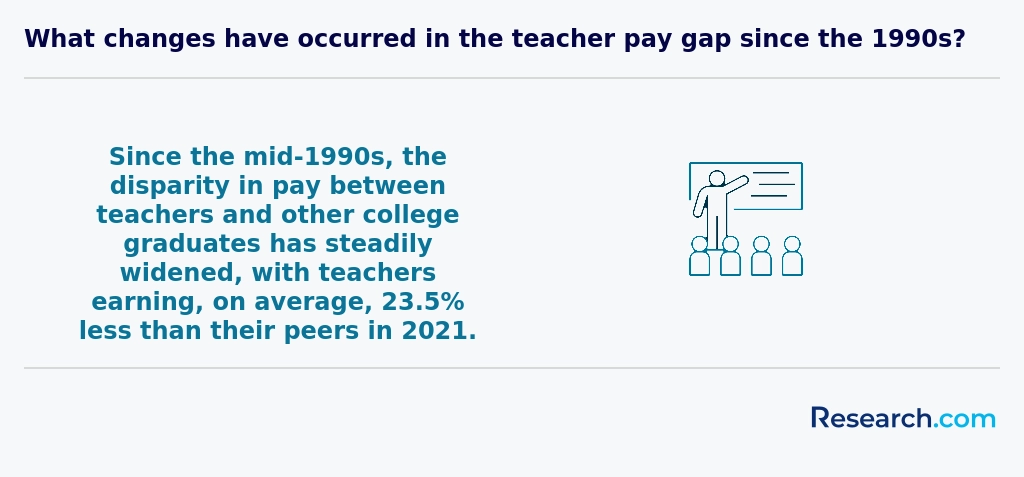
Obtaining a teaching license in South Dakota is a critical step for education graduates aiming to enter the classroom, and the process involves clear requirements, standardized assessments, and ongoing professional development. To qualify for initial certification, candidates must: • Complete a regionally accredited Bachelor’s degree in Education or a related field from an approved educator preparation program. • Maintain a minimum cumulative GPA (usually 2.7 or higher) and fulfill all coursework, including supervised student teaching. • Pass the Praxis Core Academic Skills for Educators (reading, writing, mathematics) and the applicable Praxis Subject Assessments for your teaching area. • Submit to a fingerprint-based criminal background check as required by the South Dakota Department of Education (SD DOE). • Apply online through the SD DOE educator portal, paying the requisite application fee and uploading official transcripts, test scores, and proof of program completion. Once certified, teachers must renew their licenses every five years by completing 50 hours of continuing professional development (CPD), which may include workshops, graduate coursework, or approved online seminars. Educators seeking to deepen their expertise often pursue a master’s degree; aspiring candidates can explore cost-effective options such as the Cheapest Online Master’s in Education Degree Programs Ranking in Michigan to align advanced study with South Dakota’s renewal requirements. For out-of-state teachers, South Dakota offers reciprocity: provide a valid teaching license from another U.S. jurisdiction, proof of equivalent coursework, and passing Praxis scores where required. Understanding these certification pathways ensures that graduates transition smoothly from degree completion to leading South Dakota classrooms with confidence and compliance.
Education students at institutions like South Dakota State University find their coursework both challenging and rewarding, often expressing how foundational classes such as Foundations of Education and Educational Psychology reshape their views on how children learn and grow. These courses go beyond theory, inviting students to deeply consider the emotional and cognitive realities faced by their future classrooms.
Incorporating Instructional Technology is no longer optional but essential, as graduates recall the excitement of mastering tools that transform lessons and give students a voice in diverse learning environments. South Dakota's focus on Curriculum Development and Assessment sharpens their ability to design meaningful lessons and measure real progress, moving past rote memorization toward genuine understanding.
Classroom Management courses empower students to envision and enact positive, inclusive spaces, often supported by studies in Multicultural and Inclusive Education. This inclusivity reflects South Dakota's commitment to embracing its diverse student population, a fact graduates frequently highlight as a source of pride and motivation.
Practical experience through Student Teaching/Internship placements in local schools cements this learning, where education majors step confidently into real classrooms, discovering firsthand the impact of their studies and the joy of meaningful teaching.
- Foundations of Education
- Educational Psychology
- Instructional Technology
- Curriculum Development and Assessment
- Classroom Management
- Multicultural and Inclusive Education
- Special Education
- Student Teaching/Internship
Students pursuing an education degree in South Dakota find that typical specializations go beyond basic teaching credentials, shaping them to meet unique community needs. Graduates from popular institutions like the University of South Dakota often speak of the deeply rewarding experience in Elementary Education, where adaptable methods are vital for teaching young learners in rural or small-town classrooms. This hands-on practice challenges the notion that teaching is one-size-fits-all.
Secondary Education specializations allow aspiring teachers to become subject experts, often focusing on STEM fields-a key need in South Dakota schools. Graduates feel empowered knowing their skills fulfill real demands, reflecting the practical value of South Dakota teaching degree concentration options. Others highlight Special Education, where they develop patience and creativity to support diverse learners, embracing inclusivity as a fundamental ethic rather than just a requirement.
Some find inspiration in Educational Leadership tracks, preparing for roles that influence entire school communities. Institutions like South Dakota State University emphasize leadership for both urban and rural districts, where every decision shapes student success. For students who want careers merging mental health support with education, Counseling and School Psychology offer a unique path rich with purpose and challenge.
Choosing the best education degree in South Dakota means confronting more than just program titles or tuition rates; it requires a deep dive into what truly aligns with your vision as an educator. Graduates from universities like South Dakota State University often emphasize how clarity about whether you want to teach young children or engage in educational leadership makes all the difference in selecting a degree program. It's this focus that transforms the learning journey from a mere diploma chase to a meaningful career path.
Affordability combined with quality is another complex factor. Many students prioritize finding affordable teaching degrees South Dakota offers but learn that value lies in programs accredited by recognized bodies like the Higher Learning Commission, guaranteeing strong local employment opportunities after graduation. Reflecting on these outcomes helps paint a clearer picture of success beyond cost alone.
Remember, not all educational programs deliver flexibility that fits your lifestyle. Graduates juggling work and family at the University of South Dakota appreciate evening and online classes designed with their realities in mind. For those weighing graduate options, exploring resources such as the Cheapest Online Master's in Education Degree Programs Ranking in Michigan can provide surprising alternatives and broaden your perspective on affordability without sacrificing quality.

Graduates with an education degree in South Dakota discover a range of career paths beyond the traditional classroom role, challenging the notion that teaching is a one-dimensional pursuit. Many find themselves thriving in K-12 public schools or private institutions, where they bring fresh energy to classrooms in rural and underserved communities eager for dedicated educators. At institutions like South Dakota State University, graduates share how hands-on practicums and field experiences prepared them to meet certification requirements and confidently specialize in fields such as special education or science.
The landscape expands further to include school administration roles-principals or educational coordinators-often requiring a master's degree and practical teaching experience. Other graduates find rewarding work as curriculum developers or education consultants, shaping policies and creating programs that spark meaningful change across districts. These career paths affirm the growing demand captured by many looking for education degree career opportunities in South Dakota, showing that versatility is a hallmark of this field.
For those concerned about balancing cost and career advancement, South Dakota's affordable tuition at universities like the University of South Dakota supports this journey. Those eager to deepen their expertise can explore flexible options such as the Cheapest Online Master's in Education Degree Programs Ranking in Michigan, broadening horizons while managing expenses.
The job market for education degree holders in South Dakota defies some common assumptions about limited opportunities in rural states. Graduates from popular institutions like South Dakota State University and the University of South Dakota often find steady demand, especially in public schools across smaller towns where qualified teachers are prized. These graduates report a rewarding balance between meaningful work and community impact, challenging the idea that only big cities offer fulfilling teaching careers. For those pursuing an education degree job outlook South Dakota offers steady growth, with hiring focused on licensed educators in elementary, secondary, special education, and STEM fields.
While salaries hover around $52,000 annually, which is below the national average, many graduates appreciate South Dakota's lower cost of living and close-knit school environments. Turnover rates are relatively low, though rural districts remain hungry for teachers who can also specialize in ESL or special education. Graduates often recommend considering additional certifications to boost employability in this competitive yet rewarding market.
Prospective students weighing financial commitments will find South Dakota public universities affordable, with yearly costs generally between $7,000 and $10,000, notably less than the national average. For those curious about flexible study options that respect life's demands, exploring best online degree programs for seniors can be a wise step in aligning personal circumstances with a South Dakota teaching career opportunities.
2027 Most Valuable Education Degree Programs Ranking in South Dakota
Investing in your education is a significant decision that can shape your future, and the Research.com team understands the importance of making informed choices. To assist prospective students in South Dakota, we have meticulously crafted the "2027 Most Valuable Education Degree Programs Ranking in South Dakota." Our commitment to quality, credibility, and accuracy is reflected in the extensive research and analysis conducted to compile this ranking.
We utilized the following reputable data sources to ensure a comprehensive evaluation of education degree programs:
By exploring this ranking, readers will gain valuable insights into the most valuable education degree programs available in South Dakota, empowering them to make well-informed decisions about their educational paths. For more details on our methodology, please visit our Research.com methodology page.


# 19 position
Oglala Lakota College
Bachelor of Science in Education

# 20 position
Sinte Gleska University
Master of Education
Frequently Asked Questions About education
Education degree students in South Dakota can maximize their learning by engaging actively in both classroom and field experiences. South Dakota requires aspiring teachers to complete student teaching hours, offering practical insights beyond textbooks. According to the South Dakota Department of Education, participating in diverse clinical placements enhances classroom management skills and adaptability.
Additionally, students should take advantage of collaboration opportunities with local schools and communities. Joining professional organizations like the South Dakota Education Association provides access to workshops and networking. Staying informed on state-specific education policies helps students align their learning with current standards.
Utilizing campus resources such as tutoring, advising, and technology labs also supports academic success. Finally, maintaining strong time management and seeking feedback regularly ensures continuous improvement throughout the program.
Emerging niches within the education field in South Dakota reflect broader national trends in the U.S. higher education system. One key area is educational technology, driven by increasing demand for online learning and digital tools in classrooms.
Special education remains a critical focus due to a growing recognition of diverse learner needs. South Dakota schools continually seek trained professionals to support students with disabilities.
Another expanding niche is STEM education, especially in urban and rural partnerships aiming to improve science and math teaching quality. According to the South Dakota Department of Education, there has been a 15% increase in demand for educators specialized in these areas over the past five years.
Lastly, early childhood education is gaining importance, supported by state initiatives to boost preschool availability.
After completing an education degree in South Dakota, preparing for the job market involves multiple strategic steps. First, graduates should obtain South Dakota teaching certification, which is mandatory for public school employment. The South Dakota Department of Education offers clear guidelines and resources for this process.
Gaining practical experience through student teaching or internships can significantly improve job prospects. Networking with local schools and education professionals helps uncover job openings and mentorship opportunities.
South Dakota reports a steady demand for qualified teachers, especially in rural areas, which accounts for about 75% of the state's schools (South Dakota Department of Education, 2023). Graduates should also consider continuing education to boost their credentials.
Job seekers can utilize state job boards and participate in educator job fairs organized annually to connect with potential employers.
Employers in South Dakota increasingly seek education degree graduates who demonstrate strong communication and classroom management skills. According to the South Dakota Department of Labor and Regulation, effective collaboration with colleagues and parents is essential for success in schools statewide.
Analytical skills are also valued, as teachers must assess student performance and adapt instruction accordingly. Familiarity with integrating technology into lesson plans is becoming critical, reflecting trends in modern classrooms.
Additionally, South Dakota educators benefit from cultural competency, especially given growing diversity in some districts. The ability to create inclusive environments supports better student outcomes.
Understanding state educational standards and curricula remains a foundational requirement, ensuring graduates meet South Dakota Board of Education expectations.
Finding internships in South Dakota related to an education degree involves connecting with local school districts, universities, and educational organizations. Many universities in the state, such as the University of South Dakota and South Dakota State University, offer partnerships with K-12 schools where education students can earn hands-on experience through practicum and student teaching placements.
Additionally, South Dakota's Department of Education provides resources for prospective teachers seeking internships and licensure information. Networking through education conferences and job fairs in the state also helps identify internship opportunities.
The state's emphasis on improving education allows for various programs, but it is recommended to start early by contacting a university's career services and monitoring South Dakota's official education job boards for openings.
In South Dakota, earning an education degree significantly increases career mobility and advancement opportunities. According to the South Dakota Department of Education, certified teachers with advanced degrees often qualify for higher salary tiers and leadership roles within school districts. Many districts offer pay raises of up to 15% for teachers holding master's degrees or higher certifications.
Graduates with education degrees are also more competitive for administrative positions such as curriculum coordinators or principals. The South Dakota Board of Education Standards requires specific education credentials for these roles, reinforcing the value of advanced study.
Moreover, education degree holders benefit from statewide initiatives promoting professional development, which further supports career growth and retention in South Dakota's education sector.
Studying for an education degree in South Dakota equips students with skills that extend beyond traditional teaching. Programs emphasize interdisciplinary approaches by integrating technology, psychology, and sociology into the curriculum. This prepares graduates to address diverse learning needs and collaborate across various sectors, such as social services and healthcare. According to the South Dakota Department of Education, nearly 60% of education majors engage in cross-disciplinary projects during their training.
Additionally, many universities in South Dakota partner with local organizations to provide real-world experience. This hands-on learning fosters adaptability and problem-solving skills valuable in multiple professional environments. These training practices align with national trends encouraging educators to become versatile contributors in community settings.
Choosing between a thesis and a non-thesis education degree program in South Dakota depends on your career goals and learning preferences. Thesis programs typically involve conducting original research and writing a substantial academic paper. This option suits those interested in pursuing a doctoral degree or a research-focused career in education.
Non-thesis programs usually emphasize coursework and practical skills, making them ideal for educators aiming to advance in teaching or administration roles without engaging in research. South Dakota State University and the University of South Dakota offer both formats.
According to the National Center for Education Statistics, thesis programs often require 30 to 36 credit hours plus a research project, while non-thesis paths range from 33 to 39 credits focused on applied coursework.
Consider your time availability, interest in research, and post-graduation plans when deciding between these options in South Dakota's education system.
Students based in South Dakota seeking education degrees have multiple options to study abroad through partnerships offered by state universities. For example, South Dakota State University participates in education-focused exchange programs with universities in countries like Spain and Germany, providing opportunities to earn credits towards their degrees. These international experiences help future educators develop global perspectives and cultural competency, which are increasingly valued in U.S. classrooms.
According to the Institute of International Education, participation in study abroad programs by students in the Midwest, including South Dakota, has steadily grown in recent years. Many programs in education include placements or observations in foreign schools, combining academic learning with practical experience.
Additionally, students enrolled in teacher preparation programs can often access scholarships or grants to help fund study abroad, supported by federal and state initiatives aimed at fostering global education skills.
In South Dakota, part-time jobs that complement education degrees often involve direct interaction with students and schools. Positions such as teacher's aides, substitute teachers, and after-school program assistants provide valuable classroom experience. According to the South Dakota Department of Education, these roles offer practical skills aligned with state teaching standards.
Additionally, tutoring services, both in-person and online, are in demand, especially for subjects like math and reading. Working as a tutor helps develop communication and instructional skills important for educators.
Local libraries and community centers also offer part-time roles that support educational programming and literacy efforts across the state. These opportunities strengthen an education student's resume while fostering community engagement.
Education students in South Dakota have access to various networking opportunities through universities, professional organizations, and regional events. For example, South Dakota State University and the University of South Dakota offer education students connections to faculty, alumni, and local schools for internships and mentorships.
Statewide, organizations such as the South Dakota Education Association provide platforms for students to engage with experienced educators and attend conferences focused on teaching strategies and policy updates. According to the National Center for Education Statistics, South Dakota employs over 13,000 teachers, creating substantial local networking potential within school districts and communities.
Additionally, education students can participate in student organizations and regional job fairs, enhancing their professional relationships before graduation.
Alumni networks play a significant role for education degree students in South Dakota by providing valuable connections and career support. Graduates of local universities like South Dakota State University gain access to a wide professional community that helps with job placements and mentorship opportunities. According to the National Center for Education Statistics, South Dakota's education programs maintain strong ties to local school districts, facilitated by alumni links. These networks often share job openings, internship placements, and offer guidance on navigating the state's licensing requirements. Engaging with alumni can increase employment prospects in South Dakota's competitive teaching market.
In South Dakota, education degree programs offer flexible options for customization to match diverse career goals. Many universities allow students to select specializations such as early childhood, special education, or secondary education. Adding endorsements in areas like English as a Second Language or Mathematics can further tailor training to specific job markets.
South Dakota's teacher preparation programs often include practical classroom experience, allowing future educators to gain hands-on skills in settings relevant to their ambitions. According to the South Dakota Department of Education, these programs align with state licensure requirements, ensuring students graduate ready to meet local standards.
Additionally, some institutions provide online or evening classes, supporting working adults or career changers seeking flexible schedules. This adaptability helps students balance studies with current responsibilities while focusing on career-relevant content.
Education students in South Dakota commonly face challenges related to limited access to diverse internship placements, which are essential for hands-on experience. Rural areas dominate the state, making it difficult for students to complete practicum hours in varied and urban settings. According to the South Dakota Department of Education, teacher shortages can limit mentorship opportunities, impacting practical learning quality.
Financial concerns also affect many students. The average tuition at public universities in South Dakota remains a barrier for those balancing work and study, which is supported by data from the National Center for Education Statistics. Additionally, adapting to evolving educational technology poses challenges, especially in underfunded districts where students train.
With an education degree in South Dakota, you can pursue several professional certifications to enhance your career prospects. The most common certification is the South Dakota Teaching Certificate, which allows graduates to teach in public schools across the state. To obtain this, candidates must complete an approved educator preparation program and pass required exams such as the Praxis series.
Additional certifications include endorsements in special education, English as a Second Language (ESL), and administrative licenses for those interested in school leadership. According to the South Dakota Department of Education, obtaining these certifications can increase job opportunities and salary potential.
Other professional options include becoming a school counselor or a reading specialist, both requiring further state-approved credentials. These certifications ensure educators meet specific state standards and are qualified to address diverse student needs effectively.
Writing a winning application for an education program in South Dakota begins with understanding the specific requirements of each institution. Most universities, like South Dakota State University and the University of South Dakota, require transcripts, letters of recommendation, and a personal statement outlining your passion for teaching. Highlight relevant experience, such as volunteering or working in educational settings, to demonstrate commitment.
Emphasize your knowledge of South Dakota's educational needs, especially in rural areas, where qualified teachers are in demand. According to the South Dakota Department of Education, there is a growing need for educators skilled in STEM and special education fields. Address how your goals align with these priorities.
Finally, ensure your application is clear, concise, and error-free. Meeting deadlines and following all instructions reflects professionalism crucial for selection committees evaluating hundreds of applicants annually.
The global perspective on an education career highlights the vital role teachers play in shaping societies. In the United States, including South Dakota, education professionals are increasingly recognized for their impact on economic growth and social development.
According to the National Center for Education Statistics, South Dakota had approximately 13,000 teachers in 2022, demonstrating steady demand for education professionals. Globally, educators are encouraged to adopt multicultural and inclusive teaching practices, reflecting diverse student populations.
Internationally, education careers often emphasize lifelong learning and continuous professional development, which aligns with trends in South Dakota's teacher certification programs requiring ongoing training.
Furthermore, U.S. educators frequently engage with global educational standards, preparing students for a connected world. These elements make education a dynamic and respected career path both locally and worldwide.
Gaining practical experience while studying for an education degree in South Dakota is essential for preparing to become a licensed teacher. Many universities in the state, such as South Dakota State University and the University of South Dakota, incorporate student teaching placements as part of their programs. These placements allow students to work in local public and private schools under the supervision of experienced educators.
According to the South Dakota Department of Education, completing a supervised student teaching component is a mandatory step for educator certification. Additionally, students can participate in internships, tutoring, or volunteer roles in schools to further develop classroom management and instructional skills.
Some programs also offer partnerships with rural schools, addressing South Dakota's unique educational needs while broadening student experience. These opportunities help students connect theory to practice and meet state licensure requirements efficiently.
Choosing the right concentration within an education degree program in South Dakota depends largely on your career goals and local demand. South Dakota's Department of Education highlights shortages in special education, STEM (science, technology, engineering, and math), and early childhood education, making these concentrations especially valuable.
Consider your interests and strengths. For example, if you enjoy working with young children, early childhood education might be ideal. Alternatively, if you prefer teaching in technical subjects, STEM concentrations are in growing demand.
Review licensure requirements set by South Dakota Board of Education. Different concentrations may require specific certifications or endorsements. Additionally, look for programs accredited by the Council for the Accreditation of Educator Preparation (CAEP) to ensure quality.
Consult labor market data from the South Dakota Department of Labor to align your concentration with high-need areas, improving job prospects after graduation.
- 2027 Most Valuable Online Education Degree Programs Ranking in Nebraska
- 2027 Most Valuable Online Education Degree Programs Ranking in Minnesota
- 2027 Most Valuable Online Education Degree Programs Ranking in Iowa
- 2027 Most Valuable Online Education Degree Programs Ranking in Colorado
- 2027 Most Valuable Online Education Degree Programs Ranking in Kansas
- 2027 Most Valuable Online Education Degree Programs Ranking in Missouri
- 2027 Most Valuable Online Education Degree Programs Ranking in Illinois
- 2027 Most Valuable Online Education Degree Programs Ranking in Indiana
- 2027 Most Valuable Online Education Degree Programs Ranking in Michigan
- 2027 Most Valuable Online Education Degree Programs Ranking in Arkansas
See What Experts Have To Say About Studying Education
Read our interview with Education experts

Nooshan Ashtari
Education Expert
Professor & Book Author
University of Southern California

Alan J. Singer
Education Expert
Professor of Teaching, Learning and Technology
Hofstra University

- 5 Tips on Choosing the Right Course or Study Program - Edunation https://www.edunation.co/5-tips-on-choosing-the-right-course-or-study-program/
- The 10 Highest Paying Jobs With a Teaching Degree [Quiz] https://www.umassglobal.edu/blog-news/highest-paying-jobs-with-a-teaching-degree
- Networking For Educators: How To Grow A Professional Circle - Carlow University https://www.carlow.edu/networking-for-educators/
- Find your next adventure abroad https://worldstrides.com/en-us/higher-ed
- What Can I Do With a Teaching Degree (Besides Teach)? https://www.alleducationschools.com/blog/what-can-i-do-with-a-teaching-degree-besides-teach/
- Teaching Programs in South Dakota https://www.educationdegree.com/states/south-dakota/
- Online Learning vs Traditional Learning Comparison https://advantagesschool.com/online-learning-vs-traditional-learning/
- Work experience in teaching https://gradireland.com/careers-advice/teaching-and-education/work-experience-teaching
- Tuition and Costs https://northern.edu/financial-aid/tuition-costs
- South Dakota https://praxis.ets.org/state-requirements/southdakota-tests.html


