
2027 Most Popular Education Degree Programs Ranking in South Dakota

Co-Founder and Chief Data Scientist
Choosing the right education degree program can shape your future and impact your community. For students in South Dakota, understanding which programs stand out helps in making smart decisions.
This article features the 2027 Most Popular Education Degree Programs Ranking in South Dakota, created by the Research.com team of data scientists. It offers clear insights into the most sought-after education degrees in the state.
By exploring this ranking, you'll discover valuable information to guide your path toward a rewarding career in education. Pursuing an education degree brings personal growth and the chance to inspire others.
Key benefits of getting education degree in South Dakota
- Graduates with an education degree can expect competitive salaries, such as $70,740 annually for elementary school teachers and $76,000 for special education teachers, offering financial stability.
- Career paths include teaching at various levels or becoming an instructional designer, with roles that allow for making a meaningful impact in communities across South Dakota.
- Online education degrees provide flexible learning options, enabling students to balance work and study while earning credentials from respected local institutions, making the journey more convenient and achievable.
- 2027 Most Popular Education Degree Programs Ranking in South Dakota
- What can I expect from education degree in South Dakota?
- Where can I work with education degree in South Dakota?
What can I expect from education degree in South Dakota?
The average cost of pursuing an education degree in South Dakota is quite manageable, especially for in-state students. Graduates from institutions like South Dakota State University often share how the reasonable tuition-around $8,500 per year at public universities-makes their long-term investment in teaching a more attainable goal. This affordability, paired with scholarships and state support, allows many to focus more on learning and practical experience rather than financial stress.
Students commonly describe their time at the University of South Dakota as an opportunity to engage deeply with both theory and hands-on classroom practice, without worrying excessively about tuition fees. This balance of cost and quality education helps foster a positive outlook on their future careers. Many envision entering classrooms in rural communities where demand for teachers is strong, feeling confident they've been well-prepared without the burden of overwhelming debt.
Looking ahead, the integration of technology and flexible learning options may further enhance affordability and accessibility, letting more aspiring educators in South Dakota embark on rewarding teaching careers.
Where can I work with education degree in South Dakota?
Graduates with education degrees from institutions like South Dakota State University often find fulfilling roles in K-12 schools across the state, especially in rural areas where there is a growing need for special education and STEM teachers. Many recall their positive student-teaching experiences in local schools, which prepare them to meet the diverse needs of today's classrooms. Some pursue certification and become principals or curriculum specialists, making a real difference in school leadership and student success.
Others leverage their education background to work in community colleges or universities such as the University of South Dakota, taking on advising or teaching roles that shape future educators. These graduates often enjoy collaborating on innovative educational programs or integrating technology, reflecting a trend toward digital learning environments.
Emerging opportunities also exist in corporate training and educational technology sectors throughout South Dakota. Graduates enthusiastic about creating engaging training programs or enhancing classroom tech foresee a rewarding career that evolves with advancing education tools and policies.
Graduates with education degrees from universities in South Dakota often find promising earning potential in roles closely tied to their training. For example, elementary school teachers report a mean annual wage of about $70,740, reflecting a stable and rewarding career path. Special education teachers, whose skills are in high demand, see even higher earnings, averaging $76,000 annually.
Those interested in niche areas like English as a Second Language (ESL) teaching can anticipate salaries around $65,430, making this specialization both impactful and financially encouraging. Early childhood educators typically start near $41,410, a stepping stone that many graduates from South Dakota State University or University of South Dakota build upon with further certifications.
Instructional designers, often combining education expertise with technology, command strong wages near $77,200, showcasing the expanding opportunities beyond traditional classroom roles. Graduates frequently share enthusiasm about how such careers blend passion and financial stability, especially in communities where education drives growth. As South Dakota continues to invest in education, these roles are expected to grow, promising a bright future for new educators.
- In-state tuition for education programs at public universities ranges from $8,000 to $10,000 annually, with private colleges generally charging more.
- The average starting salary for education graduates in South Dakota is about $40,000 per year, increasing to $55,000-$60,000 with experience and certifications.
- Educators must complete an accredited education program and pass state exams to obtain licensure.
- Special education, STEM education, and early childhood education fields have higher demand and better job prospects.
- Teacher turnover rates in South Dakota are relatively low, supporting job stability for new educators.
- Continued professional development is encouraged for career growth within the education sector.
Completing an education degree in South Dakota typically takes about four years for a bachelor's degree when attending full-time, a timeline enjoyed by many graduates from South Dakota State University and the University of South Dakota. These students often find excitement and fulfillment navigating a balanced schedule of general education, specialized courses, and hands-on student teaching, which together build confidence for their future classrooms.
Looking ahead, many anticipate that flexible learning options-like part-time and online courses-will continue to evolve, allowing students to tailor their pace more comfortably around work or family commitments. Graduates pursuing master's degrees or alternative certifications often share how this flexibility made their educational journey manageable and rewarding, even extending their degree completion by just a year or two.
Imagine a passionate teacher advancing their skills with a master's while balancing a job, thanks to South Dakota's accommodating programs. The combination of affordable tuition and adaptable schedules creates an encouraging environment where education students feel supported and optimistic about completing their degrees efficiently.
Graduates holding an education degree in South Dakota can expect competitive salaries that reflect both their specialization and experience. According to recent data: • ESL Teachers: Average annual salary of $63,130, with experienced instructors in urban districts earning up to $70,000. • Early Childhood Educators: Entry-level positions start around $38,640, rising to $45,000 after five years in the field. • Instructional Designers: Mid-career professionals command about $73,080, with senior roles exceeding $85,000. • K-12 Classroom Teachers: The statewide median salary is $51,000, varying from $46,000 in rural schools to $58,000 in larger districts. Salary drivers include degree level, certification, and district funding. Teachers who pursue a master’s or specialized endorsements-such as special education-often see a 10–15% salary boost. Additionally, school administrators in South Dakota report median earnings of $85,000, reflecting the higher management responsibilities. For educators seeking flexible, cost-effective pathways, online degrees can lower upfront costs while preserving earning potential. For a comparison of affordability in another region, explore Cheapest Online Education Degree Programs Ranking in Texas. Ultimately, an education degree in South Dakota not only offers meaningful work but also a stable financial outlook, with many graduates achieving six-figure incomes after advancing into leadership or specialized instructional roles.
Online and on-campus education degrees in South Dakota offer distinctly different experiences, shaping how students connect with learning and their future careers. Imagine a busy parent enrolled at South Dakota State University juggling coursework online-this flexible format unlocks opportunities by fitting studies around work and family, eliminating stressful commutes and housing costs. Graduates often feel empowered by mastering time management and digital collaboration tools.
In contrast, on-campus students at the University of South Dakota enjoy face-to-face mentorship and build strong peer networks through vibrant campus life. These students frequently share stories of hands-on teaching practica in local schools, gaining confidence as they practice lessons directly with children-moments that foster deep professional growth and lasting memories.
Looking ahead, South Dakota's programs may blend these strengths-virtual learning's convenience with immersive, in-person experiences-creating tailored education paths that adapt to diverse lifestyles. This evolution promises to make becoming an educator both accessible and engaging, no matter where students live or how they learn.
Graduates from education degree programs in South Dakota enjoy competitive and diverse salary opportunities that reflect their level of training, specialization, and experience. For example, while ESL teachers typically earn around $63,130 and early childhood educators around $38,640, roles such as instructional designers can see salaries upward of $73,080 annually. These figures offer a snapshot of the earning potential in the education sector and can vary depending on factors such as geographic location, years of experience, and whether one is employed in a public or private institution. In addition, many education professionals see their salaries increase with additional certifications, postgraduate studies, and leadership roles within schools. With rising demand in specialized areas like special education and curriculum development, advanced degrees and targeted training can translate into substantial financial benefits. For those looking to bolster their qualifications with further education, you might consider exploring most affordable online masters degrees in library science, which also offer flexible options for career advancement. Understanding your potential earnings is crucial for making an informed decision about your education journey. By researching current market trends and considering further specialization, prospective educators can set realistic salary expectations and plan strategically for long-term career growth.
The average cost of a education degree in South Dakota typically centers around $25,394 in total expenses, reflecting tuition, fees, and other essential costs. For many students attending well-known South Dakota universities, this median figure offers a realistic expectation of financial commitment. Graduates commonly share how managing these costs alongside part-time work or on-campus support helped them maintain a positive and motivated outlook throughout their studies.
In-state students often benefit from significantly lower tuition and fees, averaging around $9,432 annually, making pursuing an education degree within the state a more affordable path. These savings allow students to invest more in resources like textbooks and technology, enriching their learning experience at institutions popular among future educators. The average cost of education degree South Dakota reflects this balance between affordability and quality education.
For those considering out-of-state options or private institutions, planning for expenses closer to $25,000 is prudent, especially when adding living costs. Still, many students find that generous scholarship and grant opportunities, including those specific to South Dakota education majors, alleviate some of these financial pressures. Students often encourage exploring aid packages thoroughly to maximize benefits.
Those interested in discovering the cheapest education school in south dakota can find detailed comparisons and rankings to guide their decisions, helping them anticipate costs more accurately and approach their education journey with confidence and clarity.

Graduates with an education degree in South Dakota can look forward to competitive salaries that vary by specialization and experience level. On average, entry-level elementary school teachers earn around $43,200 per year, while secondary school teachers start at approximately $46,800 annually. Early childhood educators see starting salaries close to $38,640, and with additional certification, special education teachers can command upwards of $54,500. Instructional designers and curriculum specialists, benefiting from both teaching experience and technology expertise, report median incomes near $73,080. School administrators and principals in South Dakota typically earn between $70,000 and $85,000, depending on district size and years of service. Factors such as advanced degrees, licensure endorsements, and years spent in the classroom can significantly boost earning potential. For instance, educators who pursue a master’s degree often see salary increases of 10%–15%. Moreover, online degree options can reduce overall educational costs; for those considering affordable alternatives beyond South Dakota, explore our Cheapest Online Education Degree Programs Ranking in Texas to maximize return on investment. Understanding these figures can help prospective students plan their finances and career paths with confidence.
Students pursuing education degrees in South Dakota often rely on a mix of federal and state financial aid to manage costs. For example, a graduate from the University of South Dakota recalls how Pell Grants-offering up to around $7,000 annually-were crucial in covering tuition, which typically ranges from $8,000 to $10,000 for in-state students. These grants, awarded based on financial need, can transform what once felt like an overwhelming expense into a manageable investment.
Beyond federal support, many find hope in state initiatives like the South Dakota Opportunity Scholarship, providing up to $6,500 a year for education majors attending institutions such as South Dakota State University. Graduates highlight how this merit-based aid lifted significant financial pressure, allowing them to focus on their studies rather than part-time jobs alone.
Emerging trends indicate growing support through loan forgiveness programs tailored to teachers who commit to South Dakota schools, making education careers more attractive. Additionally, assistantships that blend tuition reductions with hands-on teaching or research roles at local universities foster excitement and real-world experience, fueling students' passion and confidence.
When considering an education degree in South Dakota, one of the most significant factors to weigh is the financial aspect. Prospective students often find themselves wondering how to balance the cost of tuition with the potential return on investment that an education degree can offer. For those looking to minimize debt while pursuing their passion for teaching, exploring affordable options is crucial. One valuable resource for finding institutions that offer quality education at a lower cost is the cheapest education school in south dakota, which provides a detailed ranking of the most affordable education degree programs in the state. By examining these rankings and considering factors like scholarships, grants, and financial aid packages, aspiring educators can make informed decisions about their educational journey.
To enroll in an education degree program in South Dakota, prospective students must first hold a high school diploma or GED, a baseline requirement that every successful graduate from universities like SDSU or USD recalls. Many found meeting a minimum GPA of around 2.5 on a 4.0 scale essential, balancing challenging coursework with extracurricular activities that strengthened their applications.
As standardized tests become less emphasized, several popular colleges in South Dakota now adopt test-optional policies, easing pressure and allowing students to highlight their personal statements or letters of recommendation. Graduates often share how submitting these thoughtful reflections helped showcase their passion for teaching beyond just numbers.
Completing prerequisite courses in English and math remains a staple, grounding students in skills crucial for future educators. Future applicants might also prepare for required background checks and fingerprinting, experiences many graduates found reassuring knowing they contribute to student safety.
Moreover, real-world classroom hours are increasingly valued, with many programs encouraging volunteer experiences to build confidence-something alumni mention as a defining, positive moment in their journey toward becoming educators in South Dakota.

Graduates holding an education degree in South Dakota can expect competitive starting salaries that grow steadily with experience and additional certifications. According to the Bureau of Labor Statistics, the median annual wage for kindergarten and elementary school teachers in South Dakota is approximately $58,780, while secondary school teachers earn a median salary of $60,450. Specialized roles often command higher pay: Instructional Designers average $73,080 per year, and Educational Administrators can earn between $75,000 and $95,000 annually, depending on district size and responsibilities. Rural districts, facing teacher shortages, may offer bonus stipends ranging from $1,000 to $5,000 for critical subjects such as math and science. Moreover, pursuing advanced credentials-such as a master’s degree or National Board Certification-can boost salaries by 10% to 20%. For educators seeking flexible, cost-effective education pathways, consider exploring our Cheapest Online Education Degree Programs Ranking in Texas, which highlights programs that balance affordability with quality, potentially increasing return on investment. Overall, an education degree in South Dakota not only opens doors to fulfilling roles in diverse educational settings but also provides a solid financial foundation, with clear salary growth trajectories tied to experience, specialization, and continued professional development.
Students pursuing education degrees in South Dakota typically engage with a dynamic mix of courses designed to build both foundational knowledge and practical skills. At institutions like South Dakota State University, graduates often reflect on how courses like Educational Psychology helped them understand student behavior in real classrooms, making teaching more empathetic and effective.
Core classes commonly include Introduction to Education, which familiarizes students with the history and philosophy of teaching in the U.S., and Curriculum Development, where future educators create lesson plans tailored to diverse learners. Graduates often describe hands-on experiences from Assessment and Evaluation courses as eye-opening, enabling them to develop fair methods to track student progress.
Emerging trends suggest an increased focus on technology integration, with Technology in Education courses preparing students to harness digital tools confidently-a vital skill as schools adopt more hybrid learning models. Special Education classes remain critical too, as students discover rewarding opportunities to support learners with varied abilities. These experiences contribute to an inspiring, practical education journey within South Dakota's teacher preparation programs.
Graduates from South Dakota's education programs often highlight the variety of specializations available, which make their degree paths both exciting and relevant. Typical options include Elementary and Secondary Education, allowing future teachers to specialize by grade level or subject such as math, science, or English. Many appreciate how these tracks provide hands-on experiences in classrooms at well-known institutions like the University of South Dakota, helping them feel confident and prepared for real-world teaching challenges.
Special Education is another growing specialization, reflecting a compassionate commitment to students with diverse needs. Graduates pursuing this path frequently share how practical training in South Dakota schools has deepened their empathy and expertise, aligning with the state's emphasis on inclusive education. Other promising areas include Early Childhood Education and Educational Leadership, where students envision leading schools or innovating curriculum development.
Those exploring South Dakota education degree program options also find emerging specializations in Educational Technology and Reading and Literacy, enabling them to stay ahead of trends shaping modern classrooms. Some education majors even explore the most affordable online masters degrees in library science to complement their teaching skills for diverse learning environments.
Choosing the best education degree programs South Dakota offers means aligning your ambitions with programs at institutions like the University of South Dakota or South Dakota State University, where graduates often highlight hands-on student teaching that prepares them for real classrooms. Imagine being supported by faculty during clinical practice in diverse local schools, giving you confidence and a sense of fulfillment before you even graduate.
Affordability is a major factor; many students appreciate that teaching degrees here are competitively priced compared to other states, which eases financial stress. For those considering cost, researching affordable teaching degrees South Dakota provides can reveal scholarship opportunities and grants that former students found invaluable in managing expenses without sacrificing quality.
As education evolves, prospective students should anticipate accrediting bodies like CAEP updating standards to reflect emerging technologies and inclusive teaching methods. Witnessing how graduates benefit from career counseling and job placement support programs helps reinforce the value of programs closely connected to South Dakota's growing demand for qualified educators.
For an even wider view on cost-effective options, consider exploring the Cheapest Online Education Degree Programs Ranking in Texas as a comparative resource to inform your decision-making in this dynamic educational landscape.
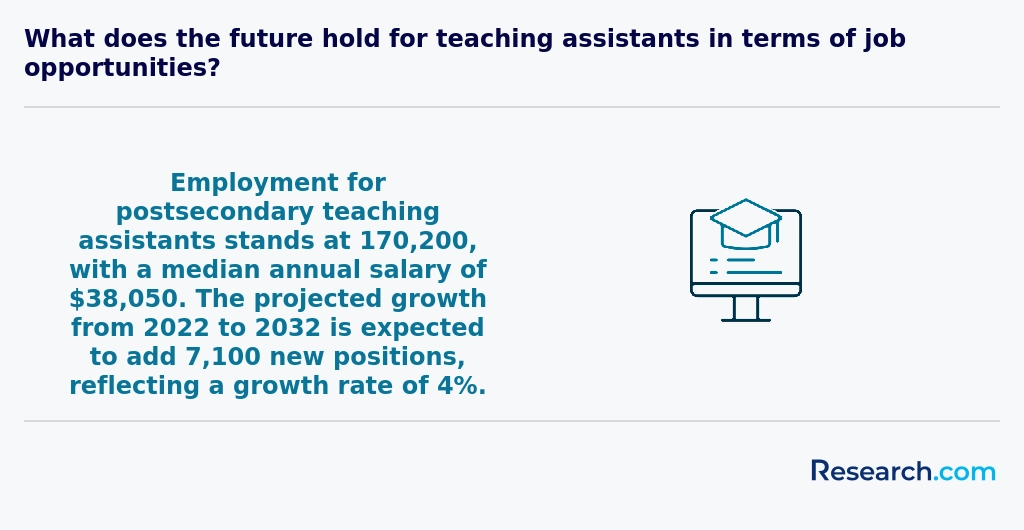
Graduates with an education degree in South Dakota find career paths that span far beyond traditional teaching roles. Many step into teaching jobs with education degree South Dakota programs proudly prepare them for-whether in elementary, middle, or high schools-where they shape young minds in communities with smaller class sizes and strong local ties. For instance, graduates from popular institutions like the University of South Dakota often share how rewarding it is to influence education in their hometowns.
Beyond classroom roles, career opportunities expand into fields such as school administration, special education, and curriculum coordination. Graduates often describe the excitement of working as educational consultants or early childhood educators in community settings. Additionally, some pursue adult education training, reflecting a growing trend toward lifelong learning.
Looking ahead, many education students from South Dakota colleges consider alternative paths through nonprofits or higher education, fueled by emerging educational technologies. Those balancing work and study might even explore a quick bachelor's degree online to accelerate their careers, adapting to changing demands while contributing positively to the state's stable workforce.
The education degree job opportunities in South Dakota remain promising, especially for those flexible about their location and willing to specialize. Graduates from popular universities and colleges in the state often find rewarding roles in public schools, where a steady demand is driven by retirements and consistent enrollments. Many new teachers share positive experiences about landing positions quickly in rural areas facing shortages, which offers a real chance to build a meaningful career while making a difference.
South Dakota's focus on early childhood education and special education creates fresh pathways for graduates. For example, those graduating with specialized skills often report feeling encouraged by the supportive school environments and growing funding in these fields. This aligns with the South Dakota education degree career outlook, which highlights expanding opportunities in STEM instruction and educational support roles that new professionals eagerly pursue.
Tuition at South Dakota public universities tends to be affordable, boosting confidence among students considering an education degree. Many choose to explore open admissions colleges in the state, finding the balance of cost and career potential exciting for future prospects.
2027 Most Popular Education Degree Programs Ranking in South Dakota
Investing in your education is a significant decision that can profoundly impact your future, and the Research.com team recognizes the importance of making well-informed choices. To support prospective students in South Dakota, we have carefully developed the "2027 Most Popular Education Degree Programs Ranking in South Dakota." Our dedication to quality, credibility, and accuracy is demonstrated through rigorous research and detailed analysis.
We utilized the following reputable data sources to create this ranking:
By consulting this ranking, readers will gain crucial insights into the most popular education degree programs in South Dakota, enabling smarter educational decisions. For a comprehensive understanding of our process, please visit our Research.com methodology page.



# 19 position
Oglala Lakota College
Bachelor of Science in Education

# 20 position
Sinte Gleska University
Master of Education
Frequently Asked Questions About education
Education degree students in South Dakota can maximize their learning experience by combining hands-on practice with theory. Participating in local student teaching opportunities or internships within South Dakota schools enhances practical skills. The South Dakota Department of Education encourages candidates to engage in diverse classroom environments to meet state certification standards.
Additionally, joining professional organizations such as the South Dakota Education Association provides networking and development resources. Utilizing state-funded resources like Teacher Academy programs helps students prepare for licensure exams. According to the National Center for Education Statistics, South Dakota's education programs maintain strong graduation rates, supporting students throughout their studies.
Active involvement in workshops and continuous feedback from mentors strengthens pedagogical abilities. Finally, students should explore online and hybrid courses offered by universities within South Dakota to accommodate different learning styles and schedules.
Emerging niches in the education field in South Dakota reflect broader national trends with a regional focus. One growing area is educational technology, where professionals design and implement digital learning tools. This niche is important as more South Dakota schools integrate online and blended learning models.
Another expanding field is special education, responding to increasing identification of diverse learner needs. According to the South Dakota Department of Education, students receiving special education services grew by 3% in recent years, highlighting demand for qualified educators.
Career and technical education (CTE) also presents opportunities, aligning with local workforce needs in agriculture and manufacturing. South Dakota's commitment to CTE programs has led to a steady rise in enrollment statewide.
Finally, early childhood education remains a critical niche, supported by South Dakota's investment in preschool programs to improve school readiness across communities.
After earning an education degree in South Dakota, preparing for the job market involves several strategic steps. First, gaining student teaching experience is crucial since South Dakota requires completion of a state-approved teacher preparation program for certification. This hands-on practice helps build classroom management skills and professional connections. According to the South Dakota Department of Education, 85% of newly certified teachers secure employment within a year, emphasizing the importance of early networking.
Graduates should also consider passing the Praxis exams, a requirement for teacher licensure in the state. Joining local education associations, such as the South Dakota Education Association, provides access to job listings and professional development. Finally, tailoring resumes to highlight relevant skills and continuing education can enhance job prospects in the competitive South Dakota education market.
Employers in South Dakota highly value education degree graduates who demonstrate strong classroom management skills. According to the South Dakota Department of Education, effective classroom control directly impacts student success and is a top priority for school administrators. Additionally, communication skills are essential, as teachers must interact clearly with students, parents, and colleagues.
Knowledge of state teaching standards and curriculum development is also vital. Data from the National Center for Education Statistics shows that South Dakota schools emphasize aligning lessons with state frameworks to improve academic performance.
Finally, adaptability and proficiency in digital learning tools have become increasingly important, especially after shifts caused by remote education trends.
Finding internships in South Dakota relevant to an education degree involves leveraging resources from local universities and school districts. Many education programs, such as those at South Dakota State University or the University of South Dakota, offer partnerships with K-12 schools for field placements and student teaching opportunities, which count as internships.
Additionally, the South Dakota Department of Education provides information on licensure requirements, which often include mandatory internship hours. Reaching out directly to school districts in cities like Sioux Falls or Rapid City can uncover openings not widely advertised. National platforms like Handshake also list education internships tailored to South Dakota students.
According to the National Center for Education Statistics, South Dakota schools employ about 9,200 teachers annually, indicating a steady demand for new educators gaining practical experience through internships.
In South Dakota, obtaining an education degree significantly enhances career mobility and advancement opportunities in the teaching profession. According to the South Dakota Department of Education, individuals with a bachelor's or higher degree in education qualify for state teacher certification, a key requirement for public school employment. This certification opens pathways to various teaching positions across the state's 150 school districts.
Educational attainment also affects salary levels. Data from the Bureau of Labor Statistics (2023) show that licensed teachers with advanced degrees in South Dakota earn approximately 10-15% more than those without higher education credentials. Moreover, school districts often prioritize candidates with master's degrees or endorsements for leadership roles.
Continuing education and specialized certifications enable educators to move into administrative roles, curriculum development, or specialized instruction, further broadening career prospects within South Dakota's educational system.
Studying for an education degree in South Dakota equips students with skills that extend beyond traditional teaching. Programs often emphasize interdisciplinary learning by integrating areas such as psychology, sociology, and technology. This approach prepares graduates to work effectively in diverse educational settings and collaborate across different fields.
South Dakota's universities incorporate practical experiences, including internships and community engagement, that expose students to real-world challenges requiring interdisciplinary solutions. According to the South Dakota Department of Education, many local schools promote cross-curricular initiatives supporting this training.
This broad preparation helps future educators adapt to complex roles, such as curriculum development, educational technology integration, and special education, fostering versatile careers.
Choosing between a thesis and a non-thesis education degree program in South Dakota depends on your career goals and learning preferences. Thesis programs typically require independent research and a formal written document, which can benefit those aiming for roles in academia or research.
Non-thesis options often focus on practical coursework and may include internships or projects, appealing to professionals seeking classroom or administrative positions. According to the South Dakota Board of Regents, approximately 40% of education graduate programs in the state offer a thesis route, primarily at universities such as South Dakota State University and the University of South Dakota.
Consider the time commitment: thesis programs may take longer due to research demands. Evaluate your interest in research and future plans when deciding.
Students based in South Dakota interested in studying education abroad have several pathways to consider. Many universities in the state, including South Dakota State University and the University of South Dakota, offer study abroad programs specifically designed for education majors. These programs often include partnerships with schools in Europe, Asia, and Latin America, allowing students to gain international teaching experience.
South Dakota ranks within the top 20 states for producing certified teachers, and international experience is increasingly valued in the profession. Programs typically range from summer courses to full semester exchanges, providing flexible options for students. Financial aid and scholarships may be available to help offset costs.
Students pursuing education degrees in South Dakota can benefit from a variety of part-time job opportunities that complement their studies and build professional experience. Working as teacher assistants in local schools is common, allowing students to practice classroom management and instructional skills firsthand. According to the South Dakota Department of Education, there are over 150 public school districts where such roles are available.
Additionally, tutoring positions for K-12 students in subjects like reading and math provide hands-on learning support experience. Childcare centers and after-school programs also offer part-time roles that help future educators develop communication and organizational skills.
These jobs often align well with academic schedules and help build valuable networks within South Dakota's educational community.
Education students in South Dakota benefit from numerous networking opportunities through universities, professional organizations, and community events. Institutions like South Dakota State University and the University of South Dakota host education fairs and workshops, connecting students with local school districts and experienced educators.
The South Dakota Education Association (SDEA) is a key resource, providing conferences and local chapter meetings where students can meet professionals and gain insight into the state's education system. According to the National Center for Education Statistics, South Dakota's growing teacher workforce offers many chances for internships and mentorships, enhancing professional relationships early in careers.
Alumni networks play an important role for education degree students in South Dakota by providing valuable connections within the teaching community. Graduates from South Dakota universities often join these networks to access job leads and professional development opportunities. According to the South Dakota Board of Regents, schools emphasize building strong alumni relations to help recent graduates enter the workforce more smoothly.
These networks also support mentorship programs, linking students with experienced educators who offer guidance and practical advice. Networking events hosted by universities foster collaboration and help students stay informed about changes in state educational policies and standards.
Active alumni networks significantly enhance employment prospects and career growth for education degree holders in South Dakota.
In South Dakota, education degree programs offer considerable flexibility to align with your career goals. Most institutions allow students to select specialized tracks such as early childhood, elementary, secondary, or special education. You can also customize your coursework by choosing electives in administration, curriculum design, or educational technology.
Many South Dakota schools require field experiences or student teaching, which can be tailored by grade level or subject area. This practical component helps you gain hands-on skills relevant to your desired career path.
According to the South Dakota Department of Education, embracing specialization increases employability in local districts, where demand for qualified teachers is growing. Additionally, some programs offer accelerated or part-time options to fit working professionals' schedules.
Education students in South Dakota face several notable challenges during their studies. One major issue is the limited availability of diverse practicum sites, as South Dakota's rural communities often provide fewer teaching placements compared to urban areas. According to the South Dakota Department of Education, this restricts hands-on experience for many aspiring teachers. Additionally, students must navigate state-specific certification requirements, which can be complex and sometimes change, creating uncertainty.
Many education students also report financial strain, as South Dakota ranks below the national average in funding for higher education programs, impacting access to resources and scholarships. Balancing coursework with fieldwork and part-time employment is another common difficulty.
With an education degree in South Dakota, you can pursue several professional certifications to enhance your teaching career. The most common is the South Dakota teaching certificate, required for public school teachers. It includes endorsements for specific grade levels or subject areas, such as elementary education or special education.
Additional certifications include the Reading Specialist and ESL endorsements, which are valuable as South Dakota schools emphasize literacy and diversity. Advanced certifications like the National Board Certification are also recognized and can lead to higher salaries.
According to the South Dakota Department of Education, about 85% of educators hold professional certification, reflecting its importance in the state's education system.
Writing a winning application for an education program in South Dakota requires careful preparation and attention to detail. Start by thoroughly researching programs available at institutions such as South Dakota State University or the University of South Dakota, as they are recognized for strong education departments.
Strong applications typically include a well-crafted personal statement that highlights your passion for teaching and commitment to improving local education. Emphasize any relevant experience, such as volunteering or substitute teaching, which are valued by admissions committees.
Standardized test scores and academic records are important; South Dakota schools often require a minimum GPA of around 3.0 for competitive programs. Be sure to request letters of recommendation from educators familiar with your abilities.
Finally, consider demonstrating your knowledge of South Dakota's educational challenges, such as teacher shortages in rural areas, to show awareness and dedication.
The global perspective on an education career highlights its importance in shaping societies worldwide. Within the U.S., including South Dakota, teaching roles are increasingly valued for their impact on future generations. According to the South Dakota Department of Education, over 9,000 licensed teachers serve the state, showing steady demand for qualified educators.
Internationally, education is seen as a tool for economic and social development. The U.S. system's emphasis on diverse teaching degrees-from early childhood to special education-reflects this trend. South Dakota colleges offer programs aligned with these needs, aiming to prepare teachers for both local and global challenges.
Furthermore, global organizations like UNESCO stress the role of educators in promoting inclusive education, a principle echoed in state policies. South Dakota's commitment to teacher development supports this international focus, preparing professionals capable of adapting to evolving educational environments.
Gaining practical experience is essential for students pursuing an education degree in South Dakota. Many universities incorporate student teaching as a core component, requiring candidates to complete supervised classroom hours. For example, South Dakota State University mandates at least 12 weeks of student teaching, allowing candidates to apply theory in real school settings.
Additionally, partnerships with local K-12 schools provide tutoring and assistant teaching opportunities. These placements help students develop classroom management skills and adapt lesson plans based on diverse student needs.
Some programs also encourage participation in education-related workshops and community programs, enhancing practical skills outside traditional classrooms. According to the South Dakota Department of Education, these experiences improve job readiness and positively impact certification success rates.
Choosing the right concentration within an education degree program in South Dakota requires understanding your career goals and areas of interest. The state's universities offer various options such as early childhood education, special education, and secondary education. According to the South Dakota Board of Regents, special education remains in high demand due to statewide teacher shortages.
Research the concentrations in relation to local job markets. For instance, rural districts often seek teachers skilled in multiple areas. South Dakota also emphasizes culturally responsive teaching to serve Indigenous populations effectively.
Consider certification requirements. Some concentrations lead to specific endorsements needed for public school teaching, like English as a Second Language (ESL). Reviewing South Dakota Department of Education guidelines will clarify these details.
- 2027 Most Popular Education Degree Programs Ranking in North Dakota
- 2027 Most Popular Education Degree Programs Ranking in Nebraska
- 2027 Most Popular Education Degree Programs Ranking in Montana
- 2027 Most Popular Education Degree Programs Ranking in Kansas
- 2027 Most Popular Education Degree Programs Ranking in Wisconsin
- 2027 Most Popular Education Degree Programs Ranking in Missouri
- 2027 Most Popular Education Degree Programs Ranking in Oklahoma
- 2027 Most Popular Education Degree Programs Ranking in Texas
- 2027 Most Popular Education Degree Programs Ranking in Kentucky
- 2027 Most Popular Education Degree Programs Ranking in Tennessee
See What Experts Have To Say About Studying Education
Read our interview with Education experts

Nooshan Ashtari
Education Expert
Professor & Book Author
University of Southern California

Alan J. Singer
Education Expert
Professor of Teaching, Learning and Technology
Hofstra University

- Educator Preparation Providers https://doe.sd.gov/oatq/teacheredprograms.aspx
- Navigating Challenges In Education, Learning & Development - those who can https://www.thosewhocan.org/navigating-challenges-in-education-learning-and-development/
- Online Degree vs. Traditional: Choosing the Right Path https://beal.edu/online-degree-vs-traditional/
- How to Build Work Experience While Studying - EN Global Education Ltd https://englobaleducation.co.uk/how-to-build-work-experience-while-studying/
- Finding Networking Opportunities as a Student https://www.nshss.org/resources/blog/blog-posts/how-to-find-networking-opportunities-as-a-student/
- Seven Major Challenges Facing Education in the 21st Century https://www.internationalschoolparent.com/articles/seven-global-education-challenges/
- Can Higher Education Improve Long-Term Career Success https://studysphereadvisors.com/how-higher-education-influences-long-term-career-growth/
- South Dakota Teacher Certification Guide | All Education Schools https://www.alleducationschools.com/teacher-certification/south-dakota/
- The importance of networking in the education sector https://www.tlclive.com/blog/the-importance-of-networking-in-the-education-sector
- Financial Aid and Scholarship Information https://dss.sd.gov/childprotection/independentlivingprogram/financialaid.aspx


