2027 Most Affordable Online Doctorate in Education Degree Programs Ranking in Arizona

Co-Founder and Chief Data Scientist
Are you thinking about advancing your career with a doctorate in education? Finding an affordable online program that fits your needs can feel overwhelming, especially in Arizona's growing market.
This article features the 2027 Most Affordable Online Doctorate in Education Degree Programs Ranking in Arizona, carefully created by the Research.com team of data scientists. It's designed to help you make an informed choice about which programs offer the best value and quality.
Explore options that can open new doors professionally while balancing costs and flexibility. Your educational journey starts here.
Key benefits of getting online education degree in Arizona
- Education degree graduates in Arizona can expect promising salaries, such as an Academic Dean earning around $100,720 annually and a University President making up to $258,900, reflecting rewarding career opportunities.
- Graduates from Arizona State University's education programs often pursue diverse roles from teaching to academic leadership, offering a wide range of fulfilling career paths within the education sector.
- Completing an education degree online at a respected Arizona university provides flexible scheduling and the ability to balance work and study, making it an ideal choice for busy adults seeking to advance their careers efficiently.
- 2027 Most Affordable Online Doctorate in Education Degree Programs Ranking in Arizona
- What can I expect from online education degree in Arizona?
- Where can I work with online education degree in Arizona?
What can I expect from online education degree in Arizona?
The average cost of an online education degree in Arizona generally ranges between $18,000 and $30,000. Graduates from programs like those offered at Arizona State University often reflect on the affordability compared to traditional campus-based study, highlighting how this range fits well within a working professional's budget. Many students appreciate that even non-residents can qualify for in-state tuition rates, a factor that significantly reduces financial stress and makes pursuing advanced degrees more achievable.
Students frequently describe balancing coursework with full-time jobs and family life, valuing the flexibility these programs provide. The ability to engage asynchronously, combined with occasional live sessions, creates a learning environment that feels both rigorous and manageable. This approach helps maintain motivation and fosters a positive connection with instructors and peers, enriching the educational experience while staying cost-effective.
For those committed to advancing in leadership or curriculum design, investing in Arizona's online education degrees often feels like a worthwhile, carefully considered decision reflecting thoughtful planning and future opportunity.
Where can I work with online education degree in Arizona?
Graduates with an online education degree in Arizona find ample opportunities across diverse settings, especially in local K-12 schools. Many who studied at places like Arizona State University and Maricopa Community Colleges have stepped confidently into roles as classroom teachers or curriculum specialists, benefiting from the strong demand in school districts throughout the state. The pride they express when leading classrooms or shaping learning pathways reflects the direct impact of their studies.
Others move into higher education or student services, working within community colleges or universities, where their expertise supports both teaching and academic advising. The recognition of online education degrees here continues to grow, opening doors that graduates hadn't initially imagined.
Many alumni also highlight rewarding careers in educational leadership and administration, including positions as principals or program directors, where skills gained from online learning tech are especially valued. Working in Arizona's burgeoning ed-tech companies or nonprofit organizations designing digital curricula often feels like a natural extension of their passion for education and technology combined.
Finally, roles in government agencies or consulting firms emerge as fulfilling paths for graduates eager to influence educational policy or create community programs. These career experiences illustrate how Arizona's online education degrees equip students not just to teach, but to transform learning environments across the state.
Graduates from online education programs in Arizona often find rewarding career paths with salaries reflecting their dedication and qualifications. For example, university professors at well-known institutions like Arizona State University can expect a mean annual wage near $96,570. This figure aligns with the experience of many alumni who recall balancing coursework and teaching tasks while progressing through their online degrees.
Advancing into leadership roles is a notable option for those with experience and further credentials. Positions such as an academic dean offer an increased mean annual salary of approximately $100,720, reflecting the greater responsibility and impact on educational outcomes across campuses in Arizona.
Those reaching executive levels at universities demonstrate the pinnacle of educational careers. Provosts and university presidents-roles filled by some graduates who emphasized leadership development during their studies-earn means around $258,900 annually. This substantial reward often stems from years of experience combined with strategic vision cultivated in Arizona's academic communities.
Reflecting on these figures, many online graduates feel inspired by the tangible proof that investing in an education degree in Arizona not only expands career possibilities but also offers financial stability and growth in inspiring environments.
- Tuition for online education degrees in Arizona ranges from $10,000 to $20,000 per year at public institutions, with private universities generally charging more but offering some scholarships.
- Median starting salaries for education graduates in Arizona are around $45,000 to $50,000 per year, with those holding doctorates earning between $70,000 and $90,000 annually.
- The job market for education professionals is expected to grow by 7% over the next decade, especially for K-12 teachers, administrators, and curriculum specialists.
- Online degrees from regionally accredited Arizona institutions are recognized by state licensing boards, important for teacher certification and career advancement.
- Many school districts in Arizona provide professional development and tuition reimbursement for employees pursuing advanced degrees.
- Students can access state-specific resources like counseling, advising, and career services remotely to support their studies and career goals.
Completing an online education degree in Arizona usually depends on the level of study and your personal pace. Many graduates from Arizona State University, for instance, share how their bachelor's program typically spans about four years full-time. Yet, with transfer credits or life experience, some managed to finish in about three years, appreciating the flexibility that allowed them to balance work and study without rushing.
For those pursuing a master's degree in education through Arizona's online offerings, the journey often lasts between 1.5 to 2 years full-time. Part-time learners, especially working professionals, appreciate the ability to extend this to three years or more, making progress without sacrificing career demands. The 30 to 36 credit-hour requirement gives room for a tailored pace that feels achievable and encouraging.
Doctoral students reflect on a more varied timeline. Many find that completing an Ed.D. or Ph.D. in education might take 3 to 5 years, with some extending to 7 years when balancing dissertation work and jobs. The flexible structure in Arizona's programs often helps these students maintain enthusiasm and commitment, resonating deeply with their professional and personal goals.
Graduates from Arizona State University often reflect on the flexibility offered by its online education degree programs, praising how they balanced studies with family and work. The convenience of accessing lectures and submitting assignments remotely is a game changer for many, eliminating the stress of commuting in Phoenix's busy traffic. In contrast, those attending the University of Arizona on-campus appreciate the face-to-face interactions with professors and peers, which foster immediate feedback and a stronger sense of community.
Cost is another practical consideration. Online learners frequently find savings by avoiding housing and transportation expenses, though some programs add technology fees. For instance, students at Northern Arizona University have noted the steady in-state tuition of about $11,000 annually but value the potential to accelerate their degree online through self-paced options.
Both formats meet Arizona's rigorous accreditation and licensure standards, ensuring that whether you study online or on-campus, your teaching credentials hold equal weight in pursuing an educational career.
Understanding the average cost of an online education degree in Arizona helps many students plan their academic journeys with confidence. Graduates from well-known institutions such as Arizona State University and the University of Arizona often share that in-state tuition averages around $11,000 per year for public universities. This affordable pricing allows aspiring educators to pursue bachelor's or master's degrees without overwhelming financial strain, making the dream of earning a degree more tangible and motivating.
Private universities in Arizona present a different landscape, with tuition fees for online education degrees typically reaching $25,000 or more annually. While this can initially seem daunting, many students have found that financial aid, scholarships, and employer reimbursement programs create pathways to manage these costs effectively, allowing them to focus on their studies rather than their expenses.
For those interested in an affordable online doctorate in education Arizona offers options where the total tuition ranges between $15,000 and $35,000. Graduates often emphasize the added value of specialized faculty and flexible schedules that accommodate work and family life, making these programs a worthwhile investment. Some programs require occasional travel or residencies, but many find these manageable trade-offs for the quality and prestige.
Thinking practically, students balancing budgets also consider additional costs like books or software. To explore varied pathways, some look to resources highlighting the best accelerated associates degree online, which can serve as a stepping stone toward more advanced education degrees in Arizona. These options illustrate how planning with knowledge of costs leads to fulfilling educational and career outcomes.
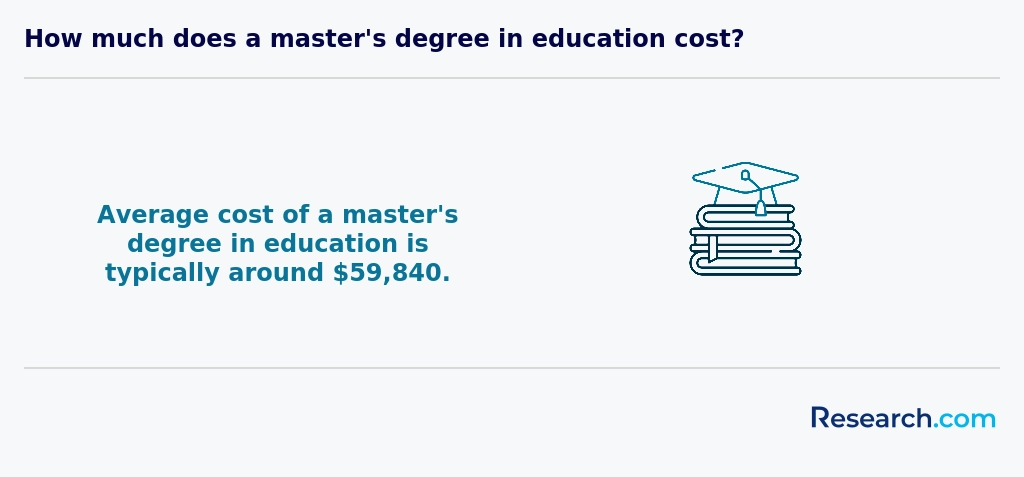
Students pursuing online education degrees in Arizona often find federal financial aid indispensable. Many graduates recall how completing the FAFSA opened doors to Pell Grants, which can cover up to $7,395 annually, substantially easing their tuition burdens at institutions like Arizona State University.
Beyond federal aid, state-specific programs play a crucial role. Low-income learners frequently benefit from AzLEAP grants, which helped one graduate balance costs while studying fully online. Education majors who commit to teaching in Arizona public schools often receive targeted support through the Arizona Teachers Academy Scholarship, a practical incentive shaping many graduates' career paths.
Institutional aid is also critical. Graduates from popular programs at Northern Arizona University highlight merit scholarships and assistantships as key funding sources, making advanced learning more accessible without excessive debt.
Finally, professional support through loan forgiveness programs and employer tuition reimbursements often provides welcome relief. Arizona teachers have leveraged these options, feeling both supported and motivated to continue their education journeys.
Enrolling in an online education degree program in Arizona begins with clear academic expectations that reflect the seriousness of the field. For instance, many graduates from prominent institutions like Arizona State University share that having a solid high school diploma or GED was their first stepping stone when pursuing undergraduate degrees. Some found that submitting SAT or ACT scores, when required, became a moment to demonstrate their readiness, though increasingly these schools embrace test-optional policies that reduce stress for applicants.
Graduate students often recall how their bachelor's degree, especially if related to education or a similar domain, opened doors for master's programs at colleges like Northern Arizona University. Maintaining a GPA near 3.0 gave them the confidence to compete in these rigorous settings. Doctoral candidates, on the other hand, appreciated how their prior master's degree and relevant work experience gained in Arizona's schools allowed them to engage deeply with leadership and research-oriented online study.
Beyond academics, students emphasize the importance of practical requirements such as proof of residency and access to reliable internet-elements that smooth the journey through online learning. Completing application logistics, like fees and forms, might seem mundane but these steps mark a meaningful commitment toward their educational goals in Arizona's vibrant online programs.
Students enrolling in online education degrees in Arizona often find themselves immersed in courses that blend foundational knowledge with practical application. Core classes such as Educational Foundations and Theories illuminate how learners develop and what motivates them, a perspective many graduates found instrumental when designing classroom strategies later at institutions like Arizona State University.
Curriculum Development and Instructional Design courses challenge students to create engaging and effective lesson plans. Many who studied at the University of Arizona reflect on how this hands-on practice prepared them for real-world teaching scenarios and leadership roles.
Assessment and Evaluation Methods offer valuable tools for measuring both student growth and program success. Graduates frequently mention that mastering these techniques helped them confidently advocate for their schools' improvements.
Additionally, courses in Educational Leadership and Administration sharpen skills in managing staff and policies, while Technology Integration prepares learners to leverage digital tools, a necessity in today's evolving classrooms across Phoenix and beyond.
Courses on Special Education and Diversity also resonate deeply, enabling students to foster inclusive environments that respect Arizona's rich cultural tapestry.
In pursuing an online education degree in Arizona, students commonly find a variety of specializations designed to match their career aspirations and regional needs. Graduates from popular institutions often speak highly of programs focusing on Educational Leadership and Administration, preparing them for meaningful roles such as school principals or district leaders. These programs emphasize practical skills like policy development and ethical decision-making, providing a rewarding path for those drawn to improving school systems.
Other graduates highlight programs in Curriculum and Instruction, where they develop innovative teaching strategies and curriculum designs that directly impact classroom success. Special education is another compelling specialization in Arizona, reflecting the state's increasing commitment to diverse learners and supported by steady growth in funding.
Additional areas such as Higher Education Administration and Educational Technology also appear often in online education degree specializations Arizona universities offer. Many students express satisfaction with the affordability and accessibility of these programs, mindful that choices like earning certifications that pay well can further enhance their impact and career longevity.
Choosing the best online education degree in Arizona means focusing on programs that combine strong accreditation with relevant curriculum options. Graduates from well-known institutions like Arizona State University often emphasize how accreditation by bodies such as the Higher Learning Commission boosted their confidence in the program's quality. They also appreciated degrees offering specializations aligned with their career goals, whether in educational leadership or curriculum development, which brought practical experience even through virtual internships and practicum.
The financial aspect is just as vital. Many found that the best affordable online education degrees Arizona offers balanced clear tuition costs with available financial aid, avoiding hidden fees often overlooked by newcomers. Experiences from graduates show that selecting programs with robust support systems-technical help, career advising, and flexible asynchronous classes-translates to less stress juggling work, family, and studies.
Those genuinely exploring their options often sought deeper guidance on choosing relevant college majors, as well as comparing graduation and licensure success rates, which can be a true indicator of program strength and long-term satisfaction. This thoughtful approach ensures choosing a degree that not only fits lifestyle but truly elevates professional success.

Graduates holding an online education degree in Arizona often step into rewarding careers, reflecting the state's strong demand for qualified professionals. Many become licensed teachers in K-12 schools, specializing in areas like special education, STEM, or bilingual instruction. These paths offer a deep sense of fulfillment, as educators contribute directly to diverse student success. Alumni of popular Arizona institutions like Arizona State University and Northern Arizona University frequently share how their coursework prepared them for these meaningful roles, blending theory with real classroom challenges.
For those aiming higher, careers in school administration or educational leadership provide opportunities to shape entire schools or districts. These roles offer not only increased earning potential but also the chance to influence educational standards statewide. Others find themselves drawn to roles in educational consulting or instructional design, especially as online learning grows - a trend underscored by the rise in online education degree careers Arizona wide.
Reflecting on these pathways, many graduates emphasize the importance of financial planning. Pursuing a degree through affordable public universities here, combined with exploring resources like the Arizona Commission for Postsecondary Education, helps ease financial concerns. Those interested might also consider investigating fast track degree programs to accelerate their journey toward impactful education roles.
Graduates with an online education degree in Arizona often find encouraging prospects in this evolving job market. Many who completed their studies at well-known institutions like Arizona State University or the University of Arizona share how their flexible online coursework prepared them to confidently step into roles such as classroom teachers, school counselors, or instructional coordinators. These graduates appreciate being able to balance study with personal commitments while building skills that meet real demands in Arizona's schools.
The Arizona job market for education graduates benefits from steady growth in K-12 enrollment and ongoing efforts to attract qualified professionals across public and charter schools. With wages for teachers averaging around $58,000 and administrators earning notably more, online degree holders feel optimistic about their career potential. The availability of affordable tuition at state universities is another positive, easing financial concerns as graduates advance toward leadership or specialized roles.
Many students look for accelerated options, and programs like 1 year master's programs online make earning advanced credentials in education more accessible. These credentials equip them to meet the needs of diverse educational settings in Arizona with confidence and enthusiasm.
2027 Most Affordable Online Doctorate in Education Degree Programs Ranking in Arizona
Investing in your education is a significant decision that can shape your future, and the Research.com team understands the importance of making informed choices. To assist prospective students in Arizona, we have meticulously crafted the "2027 Most Affordable Online Doctorate in Education Degree Programs Ranking in Arizona." Our commitment to quality, credibility, and accuracy is reflected in the extensive research and analysis conducted to compile this ranking.
We utilized the following reputable data sources to ensure a comprehensive evaluation of education programs:
By exploring this ranking, readers will gain valuable insights into the most affordable online doctorate options in education in Arizona, empowering them to make well-informed decisions tailored to their goals. For more information on how this ranking was created, please visit our Research.com methodology page.
# 1 position
Aspen University
Doctor of Leadership and Learning


# 4 position
Trident University International
Doctor of Educational Leadership

Frequently Asked Questions About education
Online education degree students in Arizona can maximize their learning experience by actively engaging with course materials and instructors. Research shows that students who participate in discussions and ask questions tend to perform better academically. Arizona's universities often provide dedicated tutoring and advising services, which can be valuable resources.
Time management is crucial. Creating a consistent study schedule helps students balance coursework with work and family commitments. According to the Arizona Board of Regents, around 30% of Arizona college students enroll exclusively online, highlighting the importance of self-discipline.
Students should also take advantage of virtual libraries and research databases offered by their institutions. Networking through online forums and peer groups can enhance understanding and motivation.
The education field in Arizona is witnessing growth in several emerging niches, especially within online degree programs. One rapidly expanding area is educational technology, reflecting a national trend where the integration of digital tools enhances teaching and learning. According to the Arizona Board of Regents, demand for specialists in this area is expected to rise by over 15% through 2028.
Another niche is special education leadership, which addresses increasing needs for inclusive education strategies. Arizona's public schools report a steady increase in students requiring special education services, driving demand for advanced degrees focused on leadership in this sector.
Lastly, instructional design and curriculum development are gaining traction, fueled by remote and hybrid learning models. This niche prepares educators to develop effective online curricula, a critical skill given the persistent demand for flexible learning options across Arizona's universities and K-12 systems.
After earning an online education degree in Arizona, preparing for the job market involves strategic steps. First, graduates should leverage Arizona's strong network of school districts and educational organizations, such as the Arizona Department of Education, which frequently posts job openings. According to the U.S. Bureau of Labor Statistics, educational employment in Arizona is projected to grow by 7% from 2022 to 2032, signaling good opportunities.
Building a professional network through internships, virtual job fairs, and joining Arizona-based education associations can provide valuable connections. Additionally, obtaining Arizona state teacher certification or administrative credentials relevant to your degree enhances job prospects significantly. Highlighting practical skills gained online, like digital literacy and remote instruction techniques, meets current employer demands.
Employers in Arizona seek education degree graduates who demonstrate strong communication and classroom management skills. Effective communication, both verbal and written, is critical for engaging students and collaborating with colleagues.
Adaptability is another key skill, especially for online and diverse learning environments common in Arizona. Graduates must be able to customize lesson plans and use technology efficiently. According to the Arizona Department of Education, proficiency in digital tools ranks highly among desirable educator competencies.
Critical thinking and problem-solving capabilities are essential for addressing varied student needs and supporting inclusive education. Additionally, employers prioritize candidates with strong organizational skills and a commitment to lifelong learning, reflecting ongoing changes in educational standards and policies within the state.
Finding internships in Arizona relevant to an education degree involves tapping into local schools, universities, and educational organizations. Arizona's public and charter schools often partner with higher education institutions to offer internship opportunities for future educators. The Arizona Department of Education provides resources and listings that can help students identify approved internship programs.
Many universities in Arizona, such as Arizona State University, offer career services and internship placement assistance for education students. Online students should also explore virtual internship options.
Networking through professional organizations like the Arizona Educational Foundation can open doors to valuable internship experiences. Leveraging platforms like Handshake and college-specific job boards increases access to internships in schools and educational nonprofits statewide.
Obtaining an online education degree in Arizona significantly enhances career mobility and advancement opportunities. According to the Arizona Department of Education, educators with advanced degrees often qualify for higher salary scales, promotions, and leadership roles within school districts statewide. Online programs offer flexibility, allowing working professionals to gain credentials without interrupting their current careers.
The U.S. Bureau of Labor Statistics projects a 7% growth in education careers nationally through 2031, reinforcing the demand for qualified educators in Arizona. Additionally, many districts in Arizona provide salary incentives for teachers holding advanced degrees, which directly correlates to increased earning potential.
Furthermore, completing an accredited online program ensures compliance with Arizona's certification requirements, a key factor facilitating career advancement in teaching and administration roles.
Studying for an education degree in Arizona offers strong preparation for interdisciplinary roles by integrating diverse academic disciplines and practical skills. Arizona universities often emphasize collaboration between education, psychology, business, and technology, reflecting the evolving needs of schools and organizations.
Programs typically include coursework in leadership, policy analysis, and curriculum design, helping students apply educational theories across various fields. According to the Arizona Board of Regents, many online education degrees provide flexible learning experiences with access to specialized faculty and research relevant to Arizona's unique demographic and economic context.
This approach equips graduates to work confidently in roles that require cross-sector knowledge, such as educational consulting, administration, or community program management. The emphasis on data-driven decision-making and technology integration is particularly notable in Arizona's online education programs.
When choosing between a thesis and a non-thesis education degree program in Arizona, consider your career goals first. Thesis programs focus on original research and are ideal if you plan to pursue a Ph.D. or work in academia. Non-thesis options emphasize practical skills, suited for professionals seeking leadership roles or teaching credentials.
Arizona offers a range of online doctoral programs, many accredited by the Higher Learning Commission. According to the National Center for Education Statistics, nearly 60% of Arizona's online doctoral students opt for non-thesis tracks, reflecting workforce demands.
Your decision should also factor in time commitments, as thesis programs typically require 1-2 extra years for research and writing.
Students based in Arizona who wish to study education abroad have several options through partnerships between Arizona institutions and international programs. Many universities in Arizona, such as Arizona State University, offer online degrees that include study-abroad components or international research opportunities. These programs enable students to earn U.S. accredited online education degrees while gaining global experience.
Additionally, Arizona students may participate in exchange programs or short-term immersion experiences facilitated by their home institutions. According to the Institute of International Education, participation in education abroad programs by Arizona students has increased steadily, reflecting greater interest in global perspectives.
While fully online programs offer flexibility, students should also verify transfer credits and accreditation to ensure their degrees meet state licensure requirements.
Arizona offers various part-time job opportunities that align well with pursuing an education degree online. Positions such as teacher assistants, tutoring providers, and substitute teachers are popular and practical roles. According to the Arizona Department of Education, substitute teacher roles grew by over 10% in recent years due to increased demand in schools.
Additionally, after-school program coordinators and education support staff offer valuable experience working directly with students and school administration. These jobs provide flexible hours, making them ideal for part-time work while studying.
Engaging in these roles helps build classroom management and communication skills, which are crucial for future educators. Moreover, Arizona's growing educational sector ensures steady demand in these positions, supporting career development alongside academic progress.
Online education students in Arizona benefit from multiple networking opportunities despite the distance learning format. Many universities, such as Arizona State University and Northern Arizona University, offer virtual events, webinars, and discussion forums that connect students with peers and faculty. According to the Arizona Board of Regents, these platforms encourage collaboration and professional relationships.
Additionally, Arizona's strong professional organizations like the Arizona Educational Foundation provide memberships and virtual workshops tailored to educators pursuing advanced degrees. Students can also attend local conferences in education and participate in regional meetups, enhancing real-world connections within the state's academic community.
Overall, online students have access to both statewide and national networks critical for career development.
Alumni networks provide significant benefits to online education degree students in Arizona by fostering professional connections and support. Graduates from Arizona universities often remain engaged through these networks, which can offer valuable mentoring opportunities and job leads in local school districts and educational organizations.
According to the Arizona Board of Regents, engaging with alumni networks increases career development chances by expanding professional contacts within the state. For online students, these networks help overcome geographic barriers to networking by offering virtual events and online communities.
Additionally, alumni groups frequently share resources such as workshops and continuing education programs, which assist graduates in staying updated on regional education trends and policies. This can be especially beneficial in Arizona, where education reforms are regularly implemented across districts.
Customizing an online education degree program in Arizona begins with selecting a school that offers flexible specialization options. Many universities allow students to choose concentrations aligned with their career goals, such as curriculum development, educational leadership, or special education. Arizona state institutions often provide elective courses or certificate add-ons that can enhance your expertise in these areas. Additionally, some programs offer practicum or capstone projects tailored to individual professional interests, allowing practical application relevant to specific career paths. According to the Arizona Board of Regents, these customizable elements help students align academic work closely with job market needs in education.
Advising and mentorship play essential roles in customization. Students typically work with academic advisors to map out a plan that balances core requirements with electives suited to their goals. This can be particularly beneficial for professionals seeking advancement or shifts within education fields. Finally, leveraging internships or partnerships with local Arizona school districts may provide hands-on experience critical for career growth while studying online.
Online education students in Arizona often face challenges related to technology access and reliable internet connectivity. Despite the state's ongoing efforts to expand broadband, rural areas still report limited internet speeds, which can hinder participation in live lectures and timely submission of assignments (Arizona Department of Education, 2023).
Another common difficulty is balancing coursework with personal and professional responsibilities. Many online learners in Arizona are working adults who must manage time effectively while juggling jobs and family commitments.
Students also report feeling isolated due to limited face-to-face interaction with peers and instructors, which can affect motivation and engagement. This is a recognized issue across U.S. online programs, including those in Arizona (National Center for Education Statistics, 2022).
Finally, navigating financial aid opportunities and understanding tuition costs remain obstacles for some prospective students, particularly in a state where over 15% of adults have less than a high school diploma (U.S. Census Bureau, 2023).
With an online education degree in Arizona, you can pursue several professional certifications that enhance your career prospects in the education field. For example, many graduates aim for the Arizona Professional Educator Certificate (PEC), which authorizes teaching in K-12 public schools.
Additionally, obtaining certifications like National Board Certification can further validate teaching expertise nationally. For roles in administration, the Arizona Department of Education offers certifications for school administrators and counselors.
Other credentials such as Reading Specialist or Special Education certifications are also popular among online education graduates. According to the Arizona Department of Education, nearly 45% of educators in the state hold one or more specialized certifications, improving job opportunities and salaries.
Writing a winning application for an online education program in Arizona requires clear organization and a focus on your professional goals. Start by thoroughly researching Arizona institutions offering accredited programs recognized by the Arizona Board of Regents or the Council for Higher Education Accreditation.
Highlight your academic background and relevant experience in education. Emphasize skills like leadership, technology use, and online learning readiness, which Arizona schools value in distance learners.
Strong letters of recommendation and a compelling personal statement that align with the program's mission can enhance your application. Be sure to meet all deadlines and submit all required documents accurately.
The global view of an education career emphasizes its critical role in shaping societies and economies. Education professionals often enjoy strong demand worldwide, driven by continuous needs for skilled teachers and administrators. In the United States, including Arizona, education is ranked consistently among top fields for stable employment. According to the Bureau of Labor Statistics, employment for postsecondary education administrators is expected to grow 12% from 2022 to 2032.
Globally, educators contribute to sustainable development goals by fostering lifelong learning and equity. Arizona's growing population increases the demand for qualified educators, making online education degrees practical for those balancing work with study.
Gaining practical experience while pursuing an online education degree in Arizona is essential for career readiness. Many Arizona universities integrate practicum or internship components into their online programs, allowing students to work in local schools or educational settings. For example, Arizona State University offers field experience opportunities aligned with state teaching standards.
Students can also participate in virtual simulations and project-based assignments designed to replicate classroom challenges. Collaborating with Arizona school districts for student teaching placements is common, helping candidates meet licensure requirements. According to the Arizona Department of Education, these hands-on experiences are crucial for developing effective teaching skills and understanding diverse student needs.
Choosing the right concentration within an online education degree program in Arizona begins with understanding your career goals. Arizona offers a variety of concentrations, such as curriculum and instruction, educational leadership, and special education, each aligned with specific job roles.
It is important to review the Arizona Department of Education's resources, which highlight high-demand areas. For example, special education teachers are in growing demand, with a 9% statewide projected job growth by 2030 according to the U.S. Bureau of Labor Statistics.
Additionally, consider accredited programs that match your interests and provide practical experience through online internships or local partnerships. This balance enhances your qualifications for leadership or specialized teaching roles.
Researching faculty expertise and alumni outcomes at Arizona institutions can further inform your choice by showcasing successful career pathways linked to each concentration.
- 2027 Most Affordable Online Doctorate in Education Degree Programs Ranking in California
- 2027 Most Affordable Online Doctorate in Education Degree Programs Ranking in Colorado
- 2027 Most Affordable Online Doctorate in Education Degree Programs Ranking in Texas
- 2027 Most Affordable Online Doctorate in Education Degree Programs Ranking in Nebraska
- 2027 Most Affordable Online Doctorate in Education Degree Programs Ranking in Missouri
- 2027 Most Affordable Online Doctorate in Education Degree Programs Ranking in Minnesota
- 2027 Most Affordable Online Doctorate in Education Degree Programs Ranking in Mississippi
- 2027 Most Affordable Online Doctorate in Education Degree Programs Ranking in Michigan
- 2027 Most Affordable Online Doctorate in Education Degree Programs Ranking in Indiana
- 2027 Most Affordable Online Doctorate in Education Degree Programs Ranking in Kentucky
See What Experts Have To Say About Studying Education
Read our interview with Education experts

Nooshan Ashtari
Education Expert
Professor & Book Author
University of Southern California

Alan J. Singer
Education Expert
Professor of Teaching, Learning and Technology
Hofstra University

- Students: This is How You Should Prepare for the Job Market https://www.agencycentral.co.uk/articles/students-this-is-how-you-should-prepare-for-the-job-market/
- Get the skills employers want | Study UK https://study-uk.britishcouncil.org/why-study/succeed-your-career/get-skills-employers-want
- Online Learning - Eastern Arizona College https://eac.edu/academics/online/
- Benefits of Networking for Students https://www.melioeducation.com/blog/benefits-of-networking-for-students/
- Comprehensive Guide to Choosing the Right Educational Program https://veritaseedcenter.gr/blog/comprehensive-guide-to-choosing-the-right-educational-program
- How to choose the right online elementary school in Arizona https://www.asuprepdigital.org/blog/online-elementary-schools-in-arizona/
- Top 10 Effective Networking Tips for Students https://www.unfc.ca/blog/networking-tips-for-students
- Fully Online Pima Degrees and Certificates https://www.pima.edu/academics-programs/pimaonline/online-programs.html
- Networking For Educators: How To Grow A Professional Circle - Carlow University https://www.carlow.edu/networking-for-educators/
- Why Is Education Important in Your Career Advancement? - KWSP Malaysia https://www.kwsp.gov.my/en/w/article/career-advancement